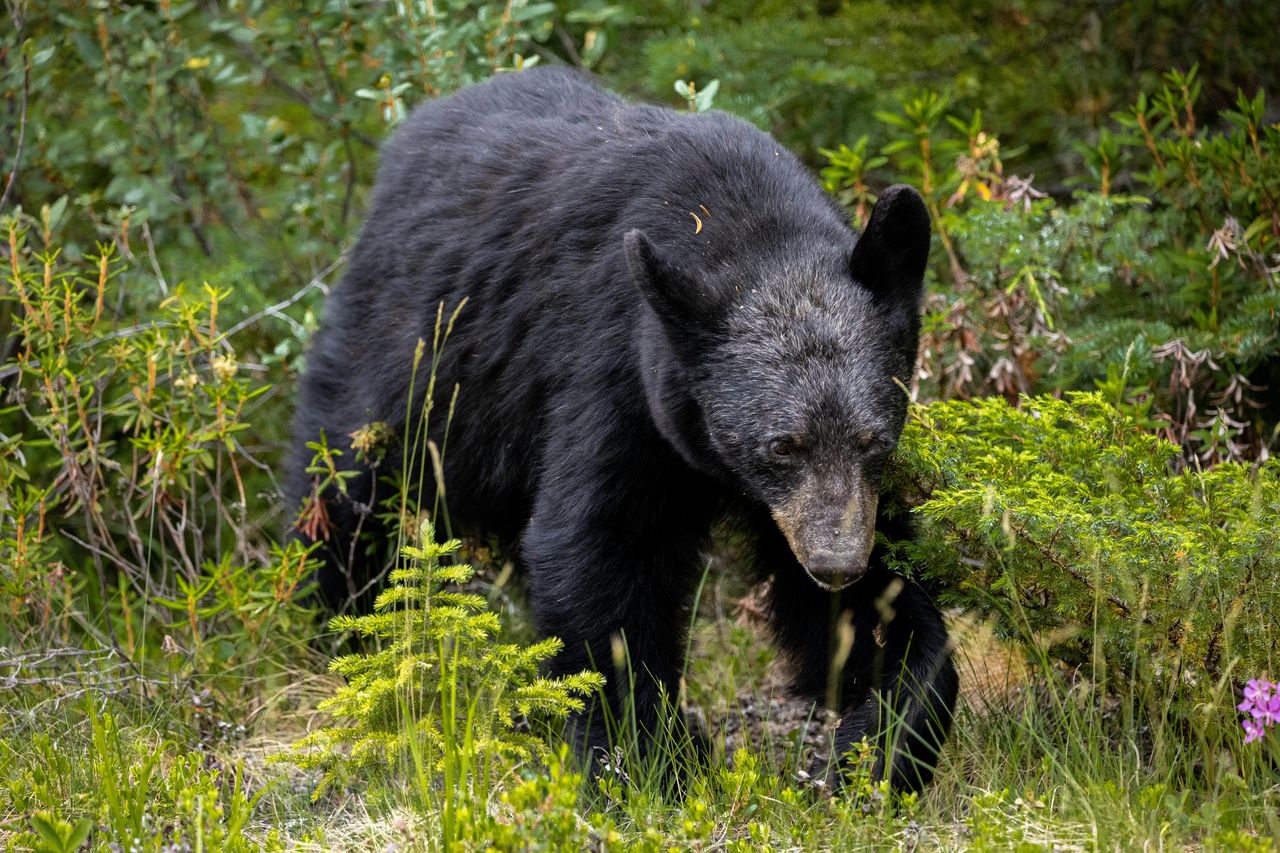
Black bears are turning up in more neighborhoods, campgrounds, and backyards than many wildlife agencies anticipated. In some states, expanding populations, suburban growth, drought, and easy access to human food have combined to create a sharp jump in sightings and conflicts. This gallery looks at 11 states where encounters appear to be increasing faster than expected and explains what is driving the trend.
California

California has seen black bears push deeper into foothill towns, mountain communities, and even denser suburban edges. Wildlife officials have long tracked bear activity in the Sierra and Southern California ranges, but recent encounters in trash areas, garages, and neighborhoods have felt more frequent and less seasonal.
Part of the shift comes from bears learning quickly. Dry conditions can reduce natural forage, while unsecured garbage, pet food, and fruit trees offer reliable calories. Residents in places near Lake Tahoe and other wooded communities are being reminded that one food reward can turn a passing bear into a repeat visitor.
Authorities expected movement during drought years, but the pace of neighborhood habituation has stood out. That has made prevention feel less like a camping tip and more like a year-round part of living in bear country.
Colorado

In Colorado, black bear encounters are increasingly tied to the state’s rapid growth along the Front Range and in mountain towns. Housing has expanded into habitat corridors, and bears that once skirted around people are now showing up on decks, near bird feeders, and along neighborhood roads.
Wildlife managers often warn that a bad natural food year can change bear behavior fast. When acorns, berries, and other forage are scarce, bears widen their search. Human spaces provide what the backcountry sometimes cannot — easy, high-calorie meals with very little effort.
That combination has made encounters feel less surprising and more routine in some communities. Officials continue stressing trash control and garage security because once a bear becomes food-conditioned, the stakes rise for both residents and the animal.
Connecticut
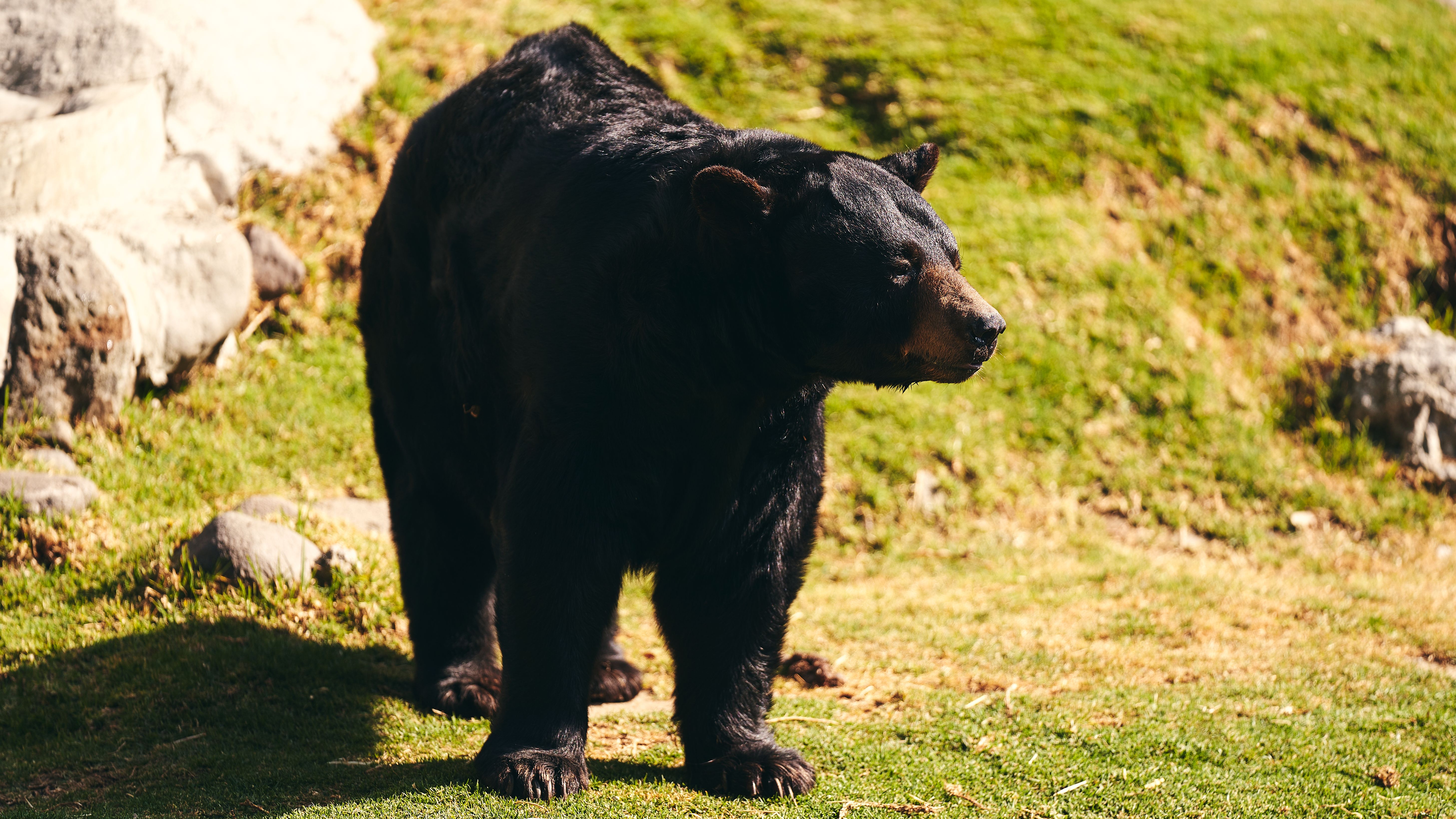
Connecticut has become one of the clearest examples of black bears rebounding into places where many people did not grow up expecting them. Sightings have spread well beyond the state’s northwest corner, and suburban homeowners are increasingly sharing stories of bears on porches, in gardens, and around chicken coops.
Wildlife officials have spent years telling residents that the state’s bear population is expanding, but public perception often lags behind the numbers. A single viral video can make a neighborhood feel newly wild, even when bears have been moving through quietly for some time.
What seems to have accelerated is how comfortable bears can become around human settings. Bird seed, garbage, and backyard food sources keep turning routine sightings into repeat encounters, pushing agencies to emphasize prevention earlier and more aggressively.
Florida

Florida’s black bears are navigating a state where development keeps pressing into habitat, especially in central and north Florida. Encounters often happen at the edges of subdivisions, in rural neighborhoods, and along roadways where wooded cover meets steady human activity.
The dynamic is not just about more bears. It is also about fragmented habitat that funnels animals through tighter spaces. A bear crossing between feeding and resting areas may move straight past mailboxes, dog-walking routes, and driveways, making sightings feel suddenly common in places that once saw only occasional tracks.
Officials have pushed hard on securing trash and reducing attractants because Florida’s pattern can change quickly. When bears repeatedly find food in neighborhoods, brief appearances can evolve into persistent conflict season after season.
Georgia

Georgia’s bear encounters are often associated with the mountains, but reports have increasingly involved residential pockets and fast-growing communities near forested areas. As more homes appear along the wildland edge, the old boundary between bear habitat and daily life has become much blurrier.
Seasonal food availability plays a big role. In weaker mast years, bears may travel farther and linger longer around neighborhoods with unsecured garbage, grills, and outdoor pet food. A bear that begins by passing through can quickly learn where easy meals are stored.
That is why state messaging has become more practical and immediate. Residents are being told to think like wildlife managers at home — remove attractants, lock things down, and assume that one sighting may not be an isolated event anymore.
Massachusetts
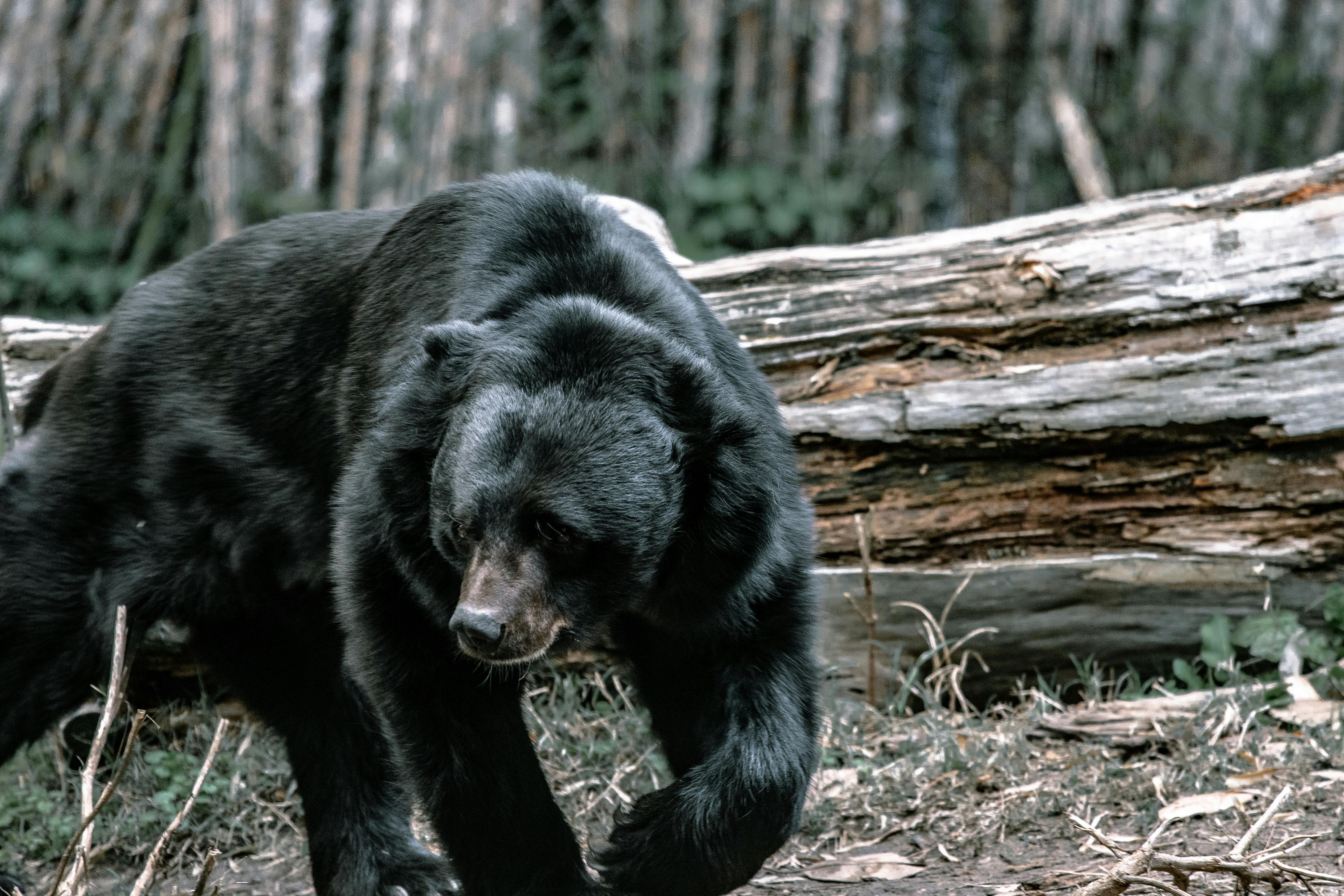
Massachusetts has watched black bears extend their presence beyond traditional strongholds in the western part of the state. Encounters in central areas and more developed communities have made the species feel less like a distant woodland animal and more like a nearby, visible fact of life.
Part of the surprise comes from how adaptable black bears can be. They do not need untouched wilderness to move successfully across the landscape. Greenbelts, wooded backlots, and river corridors can connect habitat in ways many residents barely notice until a bear appears in daylight.
Wildlife authorities have tried to get ahead of the trend with clear advice on feeders, trash, and compost. But when bears keep finding rewards near homes, encounter reports can rise faster than outreach alone can keep pace.
New Jersey

New Jersey has long had black bear country, especially in the northwest, yet encounters have increasingly become a broader public issue. Dense development, patchwork forests, and heavy human activity mean bears and people can end up very close even when both are simply moving through the same narrow landscape.
That closeness changes the feel of every sighting. A bear in a remote forest is one thing, but a bear behind a school, near a commuter road, or in a cul-de-sac lands differently. Residents often experience these moments as sudden, even though the larger population trend has been building for years.
Officials continue emphasizing coexistence measures, especially around garbage and intentional feeding. In a tightly populated state, small mistakes can create very visible conflicts very quickly.
New York

In New York, black bear encounters are no longer confined to the Adirondacks and Catskills in the public imagination. Reports from suburban and exurban communities have helped shift the conversation toward how bears use fragmented habitat and how quickly they can adapt to food opportunities near people.
Wildlife authorities often expect a rise during particular seasons, especially before denning, but some communities have reported a steadier drumbeat of activity. Garbage nights, backyard bird feeders, and accessible sheds can turn ordinary residential blocks into attractive foraging stops.
That has made public education more urgent. The challenge is that bears only need a few successful visits to change their behavior, while neighborhoods may need months of consistent effort to remove every tempting source of food.
North Carolina
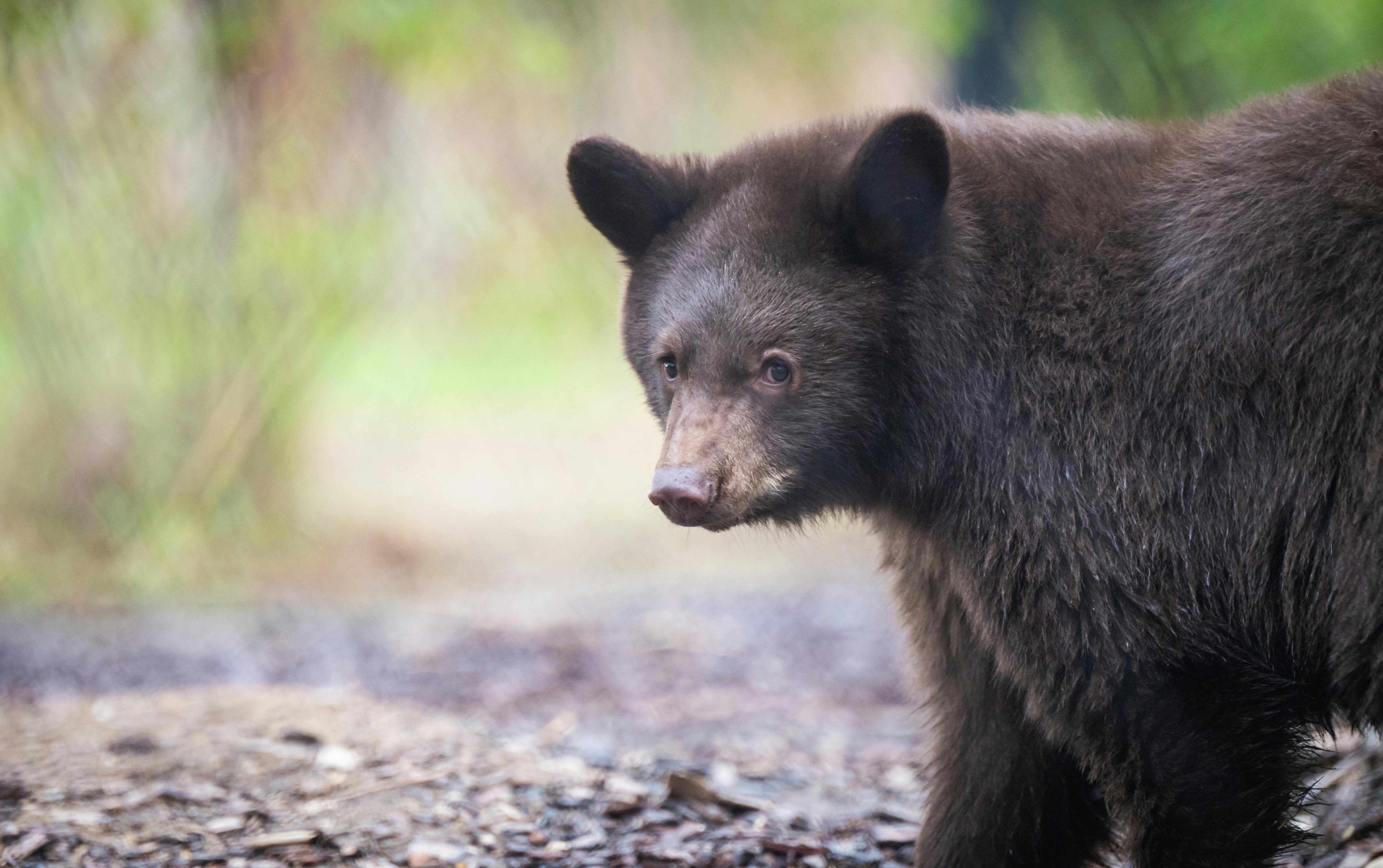
North Carolina’s black bears are thriving in both mountain and coastal regions, which gives the state a particularly broad encounter map. Residents may picture bears in the Smokies, yet sightings near coastal communities and expanding inland developments have widened the sense that bears are showing up almost everywhere.
As people move into formerly rural areas, roads, yards, and neighborhoods now cut across old travel routes. Bears navigating those spaces may appear in broad daylight, especially when they discover bird seed, garbage, or agricultural food sources nearby.
Officials have worked to normalize bear awareness rather than treat every sighting as extraordinary. That shift matters because rapid growth in some communities means the number of people learning bear safety from firsthand experience keeps increasing year after year.
Pennsylvania

Pennsylvania has a large and well-known black bear population, but recent encounter patterns suggest more bears are entering the rhythms of suburban life. Sightings around porches, sheds, and neighborhood trash pickup days have become familiar enough that some communities now plan around bear behavior.
The state’s mix of forests, farms, and development gives bears plenty of travel options. It also creates a lot of overlap points where a bear moving naturally across the landscape ends up near people. Add in easy calories from unsecured food, and the chance of repeat visits rises quickly.
Wildlife authorities have long managed bear populations, yet the human side of the equation is changing faster. More residents are living in edge habitat, and that means more opportunities for encounters that feel unusually close and frequent.
Tennessee
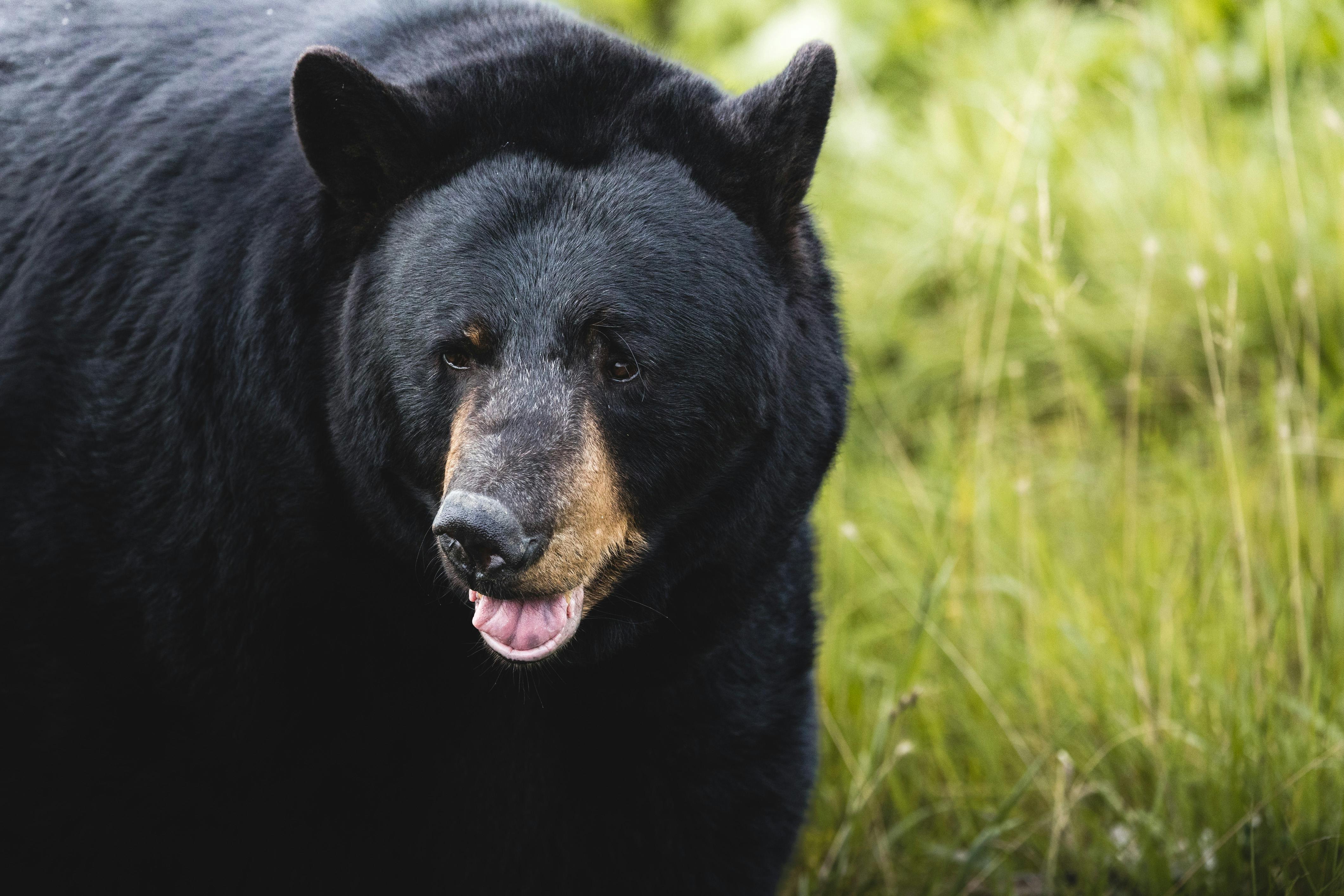
Tennessee, especially in and around the Smokies, has seen black bear encounters become a defining part of life for some communities. Tourists often notice the bears first, but year-round residents are dealing with the more practical reality — bears that know where garbage is stored and when neighborhoods are easiest to explore.
In gateway towns and mountain developments, human density has changed the pattern of contact. Bears may still rely on natural foods, but they are also skilled opportunists. One open car, one bag of trash, or one unattended cooler can reinforce habits that lead them back again and again.
That is why officials often sound more urgent than surprised. The rise in encounters is not just about population growth, but about bears becoming increasingly comfortable in spaces shaped by people.
Virginia

Virginia’s black bear range has expanded enough that more residents in suburban and semi-rural communities are encountering the species firsthand. In some parts of the state, bears are no longer occasional curiosities. They are a recurring warm-season presence that shows up near decks, gardens, and neighborhood woodlines.
The state’s varied landscape helps explain the spread. Forest cover, agricultural land, and growing residential zones sit close together, giving bears room to move while also increasing the odds of contact. When natural and human food sources overlap, bears can settle into a familiar circuit.
Wildlife messaging increasingly focuses on expectations. The goal is not to persuade people that a sighting is rare, but to convince them it may happen again unless attractants are removed quickly and consistently.