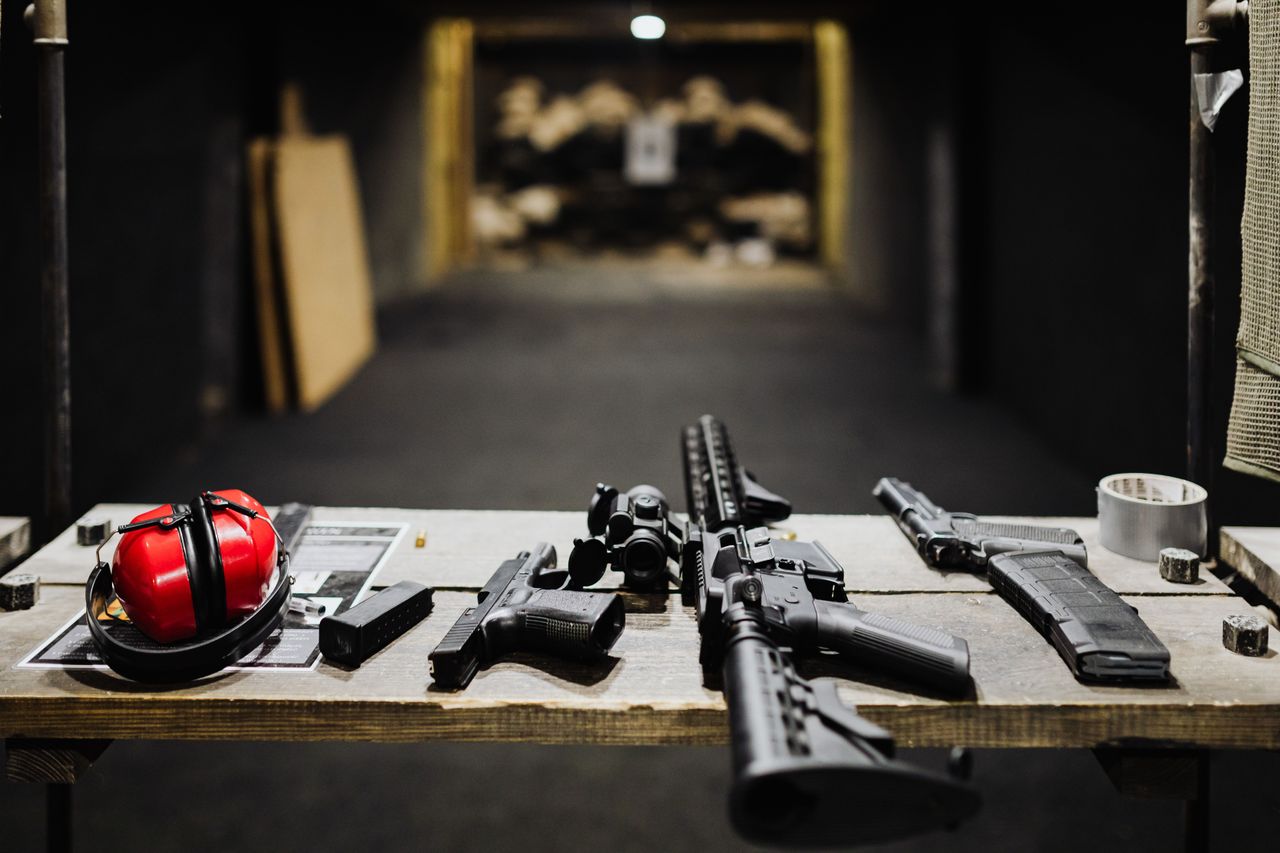
Gun policy is changing quickly in statehouses across the country, and many of the newest rules reach far beyond the gun counter. In 2025, several states updated how firearms may be carried, stored, transferred, or reported, often with immediate consequences for everyday owners. This gallery breaks down 11 notable state law changes in plain language, with a focus on the practical habits gun owners may need to rethink now.
Colorado expands secure storage expectations

Colorado’s 2025 changes put fresh attention on what responsible storage looks like inside the home and inside a vehicle. The practical message is simple: if an unauthorized person, especially a minor, could get to the firearm easily, owners may face sharper legal scrutiny than before.
That is already changing routines. More owners are buying lockboxes for nightstands, cable locks for long guns, and dedicated vehicle safes for times when a firearm cannot stay on the body. For households with teens, roommates, or frequent visitors, the new climate makes casual storage feel like a much riskier choice.
California tightens rules around carrying in public places

California continued refining where lawful carry is allowed, and the effect is less about whether someone has a permit than where that permit actually helps. Sensitive-place restrictions remain the big issue, making everyday errands more complicated for people trying to stay compliant.
Owners are responding by planning trips more carefully and thinking ahead about parking, locked containers, and when a firearm needs to be secured before entering a restricted location. Even people who follow the law closely can get tripped up when rules vary from one setting to the next, so the new year has made caution and route planning part of the carry routine.
Illinois increases pressure on safe storage and reporting

Illinois moved further toward stricter expectations for storage and accountability, especially in situations involving children, theft, or guns that later turn up in crimes. The state’s approach reflects a broader trend: lawmakers want owners to show not just possession, but active control over where firearms are and who can reach them.
That is why many owners are paying closer attention to recordkeeping, serial numbers, and how quickly a missing firearm must be reported. A locked cabinet that once seemed good enough may now feel outdated if it can be opened easily or accessed by others in the home. The legal shift is pushing owners toward more layered security.
New York sharpens compliance around concealed carry

In New York, 2025 brought continued pressure on concealed-carry holders to navigate a dense map of restrictions, permit conditions, and location-based limits. The issue is not only obtaining a license, but understanding where carrying remains prohibited and what storage steps are expected during daily transitions.
That has real-world consequences for commuters and suburban owners who move through multiple jurisdictions in a single day. A stop at a posted business, a government building, or certain private properties can force a quick change of plans. As a result, portable lockboxes and a habit of checking venue rules before leaving home are becoming part of lawful carry culture.
New Jersey raises the stakes for transport and storage

New Jersey’s gun laws were already among the country’s most detailed, and 2025 changes kept the emphasis on precision. For owners, the challenge is often less about intent and more about following exact rules on transport, carry eligibility, and how a firearm is stored when it is not being actively carried.
That means routine actions, such as driving to the range or leaving a firearm in a vehicle for a short stop, can carry more legal risk than people expect. Owners are adapting by double-checking container requirements, separating ammunition when appropriate, and avoiding gray areas. In a state like this, small procedural mistakes can become very expensive ones.
Michigan adopts new safe storage penalties

Michigan’s newer safe storage framework is among the clearest examples of a law aimed directly at household habits. If a minor gains access because a gun was left unsecured, the consequences for the owner can escalate quickly, especially if someone is hurt or the gun is used unlawfully.
That has already changed the conversation inside many families. Owners who once relied on hiding places are moving toward actual locking devices, and parents are having more direct talks with children about what to do if they encounter a firearm. The law does not just punish after the fact. It nudges owners to build stronger routines before a mistake happens.
Minnesota broadens access prevention requirements

Minnesota’s 2025 changes strengthened the idea that storage is not a private afterthought when children or prohibited people may be nearby. The law places more weight on prevention, asking whether an owner took reasonable steps to stop foreseeable access before a problem occurred.
In practice, that standard pushes people toward storage they can defend as truly secure, not merely convenient. Owners in shared homes, apartments, or blended families are especially affected because access questions become more complicated when multiple adults, teenagers, or visitors come and go. The result is a quieter but meaningful shift toward safes, trigger locks, and more deliberate key or code control.
Washington adds stricter expectations for firearm security
Washington has continued building on policies that connect storage choices to public safety outcomes, and 2025 reinforced that direction. The practical takeaway for owners is that leaving a gun unsecured, especially in a car or a home accessible to others, can create more legal exposure than it once did.
That is changing buying behavior as much as storage behavior. Retailers report steady interest in lockboxes, biometric safes, and devices designed for quick access without sacrificing security. For owners, the new atmosphere rewards preparation. Knowing where the firearm will be when you sleep, drive, or host guests is no longer a minor detail. It is central to staying compliant.
Massachusetts updates rules that affect ownership logistics

Massachusetts remains a state where legal gun ownership often depends on careful attention to process, and 2025 updates added more friction to that experience. Changes affecting licensing, transfers, and storage expectations can ripple into ordinary decisions about carrying a firearm, lending one, or keeping one temporarily outside the home.
For owners, that means paperwork matters almost as much as hardware. A locked safe may satisfy one part of the law, but transport methods, permit status, and local interpretation can still shape what is legal on any given day. The effect is cumulative. People are spending more time verifying the rules before taking a firearm anywhere at all.
Oregon implementation fights still shape carry and permits

Oregon’s legal landscape in 2025 is defined not just by legislation, but by ongoing implementation battles and uncertainty around permit and purchase requirements. Even when court action slows parts of a policy, owners still have to plan around a moving target, and that uncertainty affects both carrying decisions and buying timelines.
The result is a lot of caution. Prospective buyers are gathering documents earlier, permit holders are watching local updates more closely, and many owners are avoiding assumptions about what rules apply from one month to the next. When the law feels unsettled, the safest practical response is often to over-prepare rather than risk discovering a change too late.
Vermont moves away from its old hands-off reputation

Vermont has long been known for a less restrictive image on gun policy, which is why newer changes stand out. In 2025, updates touching storage, age limits, and related safeguards signaled that even states with deeply rooted gun cultures are reconsidering where voluntary practice ends and legal obligation begins.
For owners, the change is partly psychological. A state that once felt governed mostly by custom now requires more attention to statute and enforcement. That means longtime habits, such as informal storage in camps, trucks, or family homes, may deserve a second look. Familiar culture still matters, but it no longer guarantees that older routines remain legally safe.