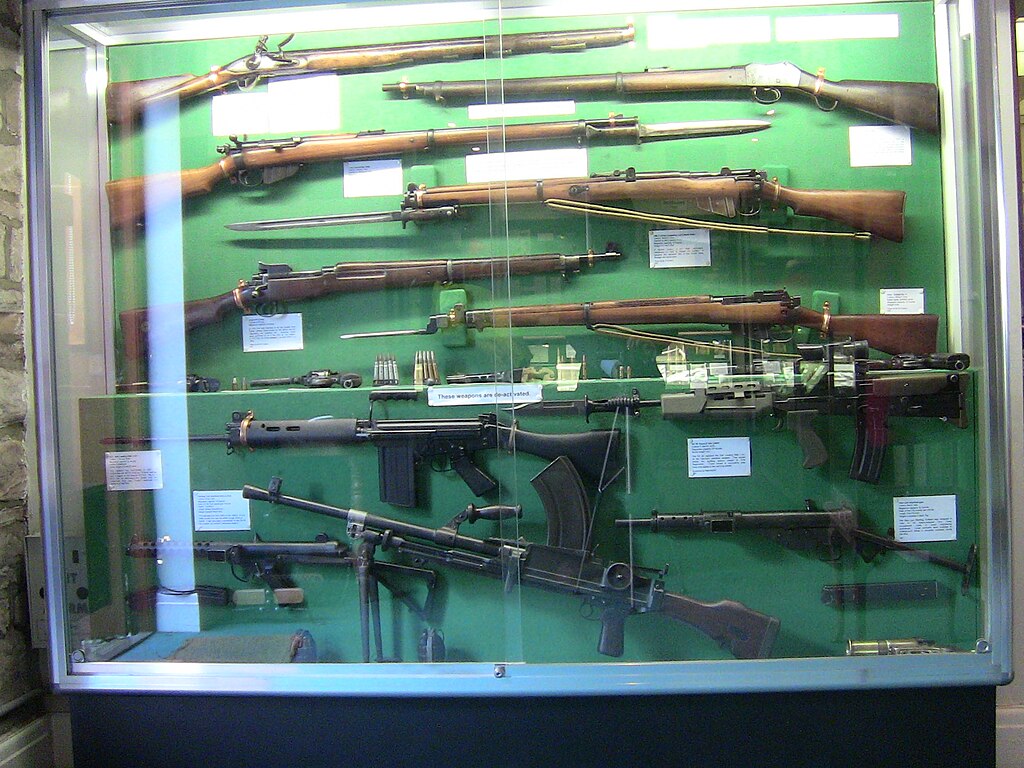
Firearm design has changed dramatically over the last two centuries. Before modern magazines, enclosed actions, accessory rails, and standardized controls became common, inventors tried remarkably different solutions to the same basic problems. Some designs were clever, some were specialized, and others simply disappeared when a more practical system emerged. These 11 examples highlight unusual mechanical features that once had a genuine purpose and help explain why older firearms can look so different from what shooters see today.
1. Top-Break Automatic Ejection
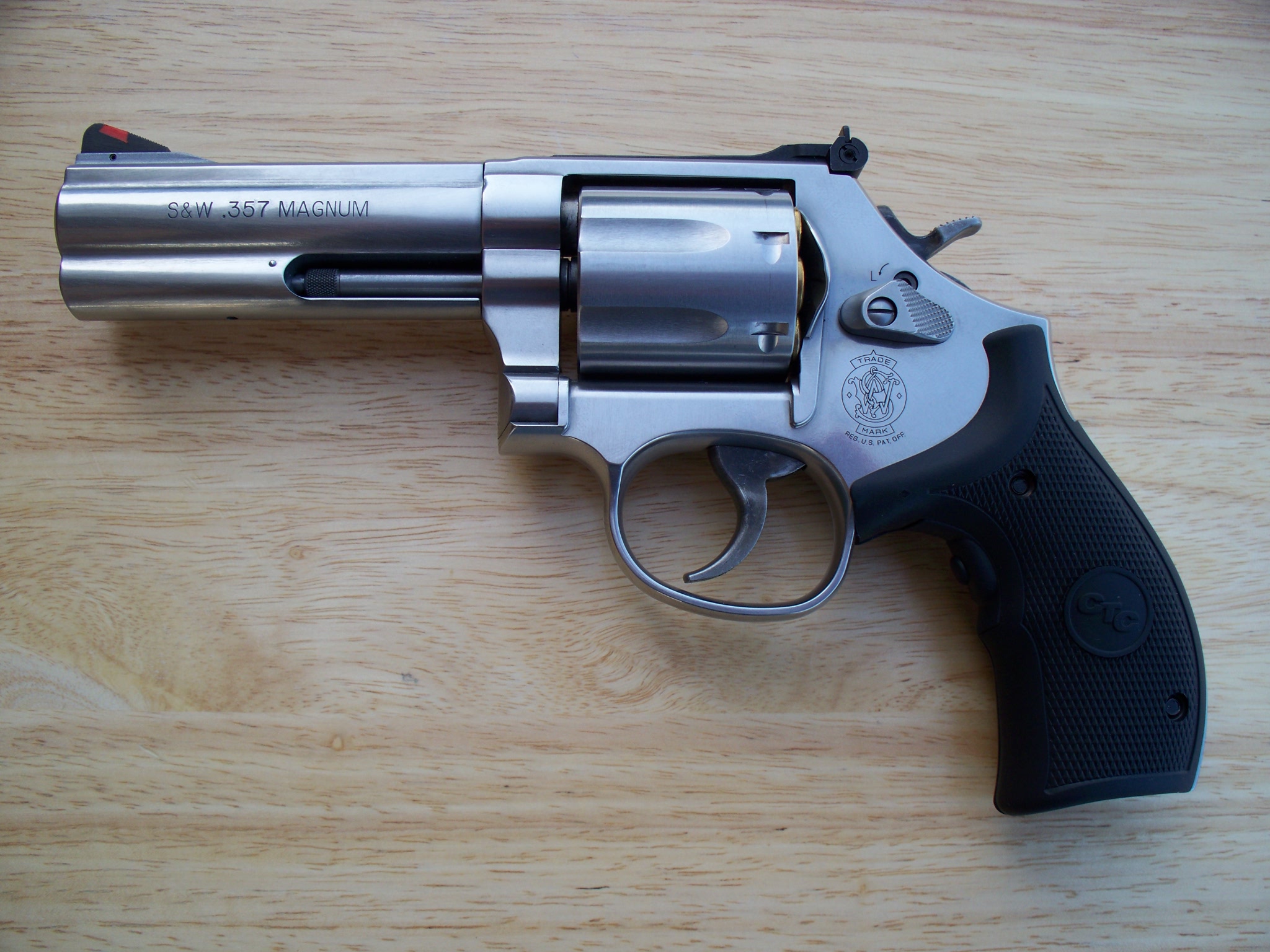
The Smith & Wesson Model 3 showed how a revolver could open at the top instead of using a side gate. A latch released the barrel and cylinder assembly, letting the gun hinge downward like a small break-action shotgun. Opening the action also lifted all 6 fired cases together, a striking convenience in the 1870s. The Model 3 appeared in 1870 and was adopted by the U.S. Army for a 1,000-gun trial. Modern revolvers generally use swing-out cylinders or loading gates, so the old top-break motion feels unusually distinctive today. That unloading motion was part of its appeal.
2. Falling-Block Breech
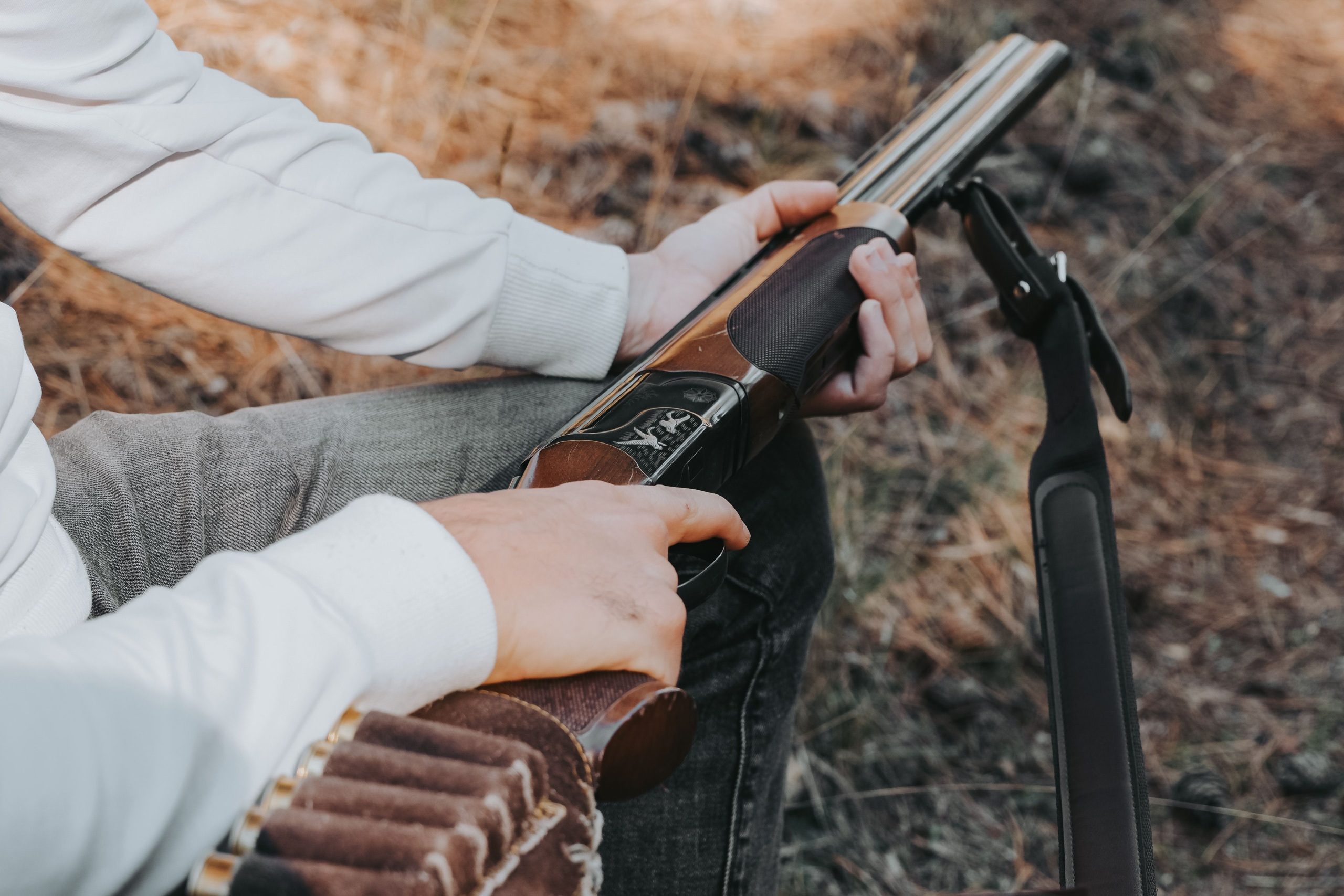
The Martini-Henry used a solid falling breechblock rather than the rotating bolt common on modern rifles. Pulling its lever downward dropped the block and opened the chamber, while the same movement cocked the internal striker and helped extract the fired case. Britain adopted the rifle in 1871, chambering it for the large .577/450 cartridge. The standard rifle weighed about 8.5 pounds and measured 49 inches. Its compact action was mechanically different from most later military rifles, which moved toward detachable magazines and bolt systems. Its loading cycle was easy to recognize.
3. Trapdoor Breech
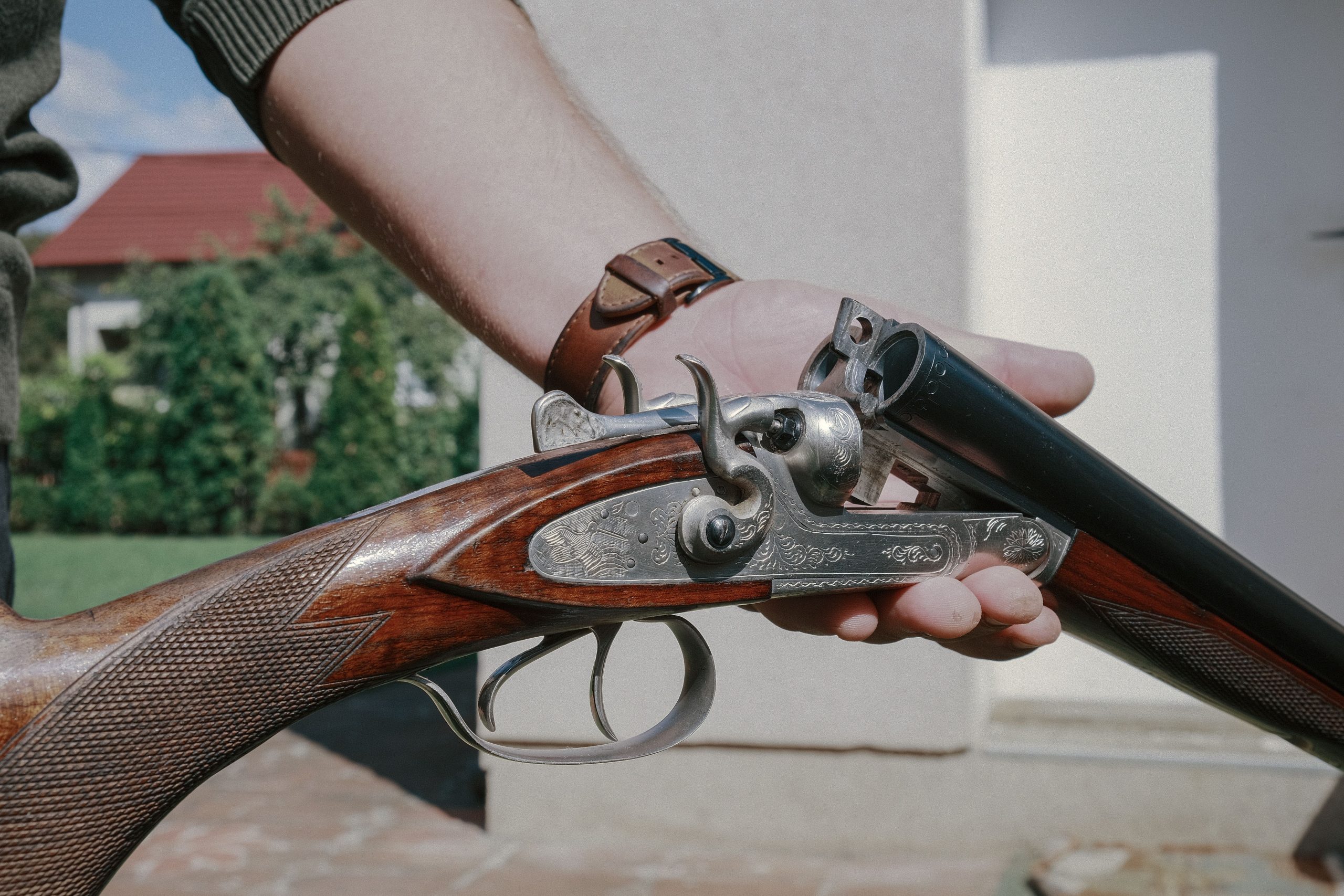
The Springfield Trapdoor placed a hinged breechblock on top of a single-shot rifle, creating a simple way to convert earlier muzzleloaders into cartridge arms. The block opened upward, allowing a cartridge to be inserted directly into the chamber before closing the action. The U.S. Army adopted the Model 1865 after the Civil War and later developed .45-70 versions. The system could be produced around existing rifle architecture, but it was eventually eclipsed by repeating designs. Its exposed hinged breech is a feature that is rarely encountered on modern service rifles.
4. Rolling-Block Action

Remington’s rolling-block action used a large rotating breechblock that rolled backward to expose the chamber, paired with a separate hammer. The arrangement was famously simple, strong, and easy to inspect, making it attractive for military and sporting rifles in the late 19th century. Remington produced many versions in different cartridges, and countries including Sweden, Spain, and Denmark adopted examples. Its hammer and rolling block give it a distinctive silhouette. Modern rifles overwhelmingly favor enclosed bolt mechanisms, making this layout uncommon today.
5. Harmonica Magazine
The Volcanic repeating pistol and later lever guns used a magazine concept that looked more like a metal bar than a conventional box. Cartridges were arranged in a row inside a sliding or indexed carrier, often called a harmonica magazine because of its resemblance to the musical instrument. The Volcanic system appeared in the 1850s and fed rimfire ammunition. It was an early attempt at compact repeating fire, but its ammunition and feeding arrangement had practical limits. Modern detachable magazines use stacked cartridges, so the harmonica layout looks remarkably unfamiliar.
6. Pepperbox Multiple Barrels
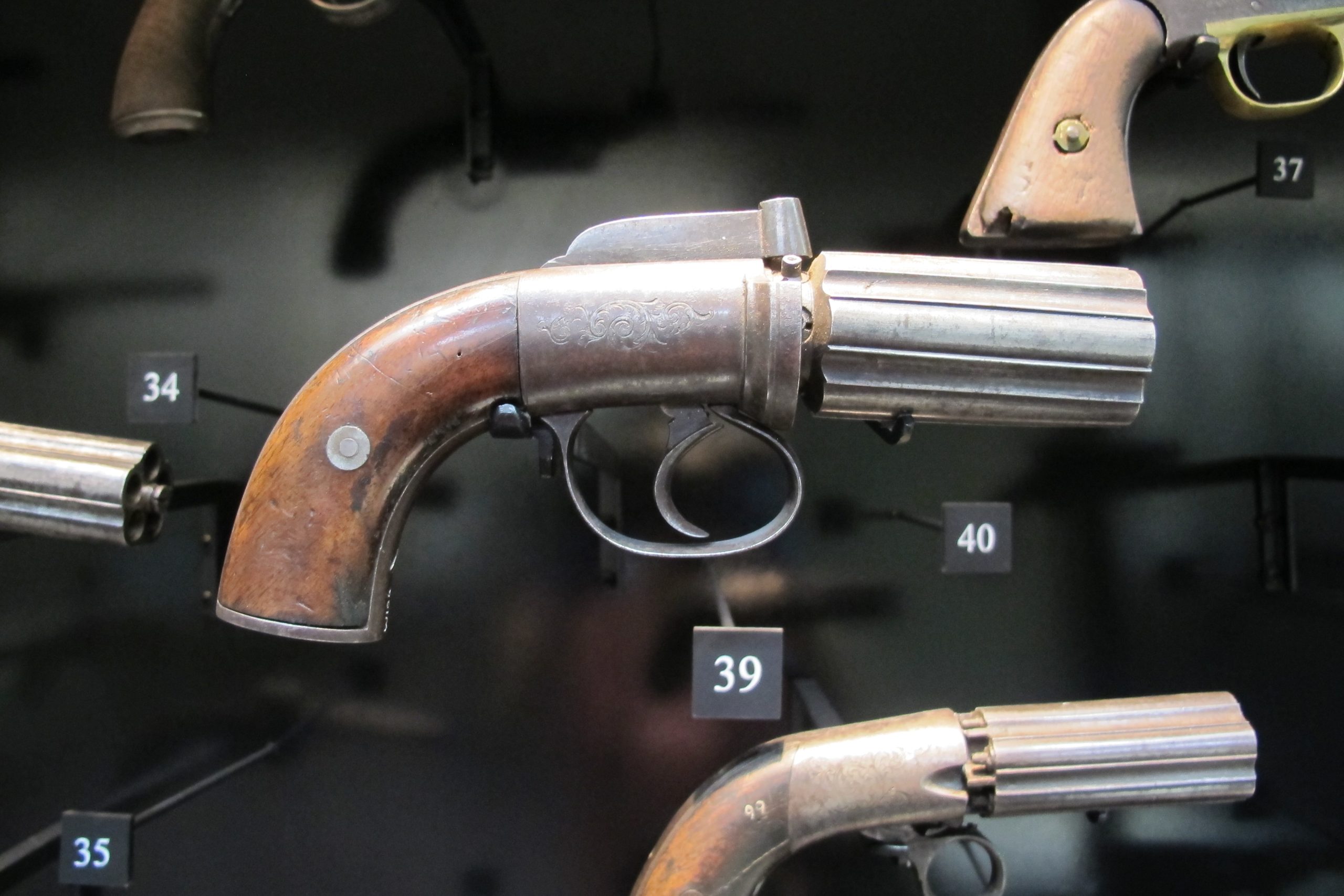
Pepperbox pistols placed several loaded barrels around a central axis, allowing the shooter to fire repeatedly without carrying a separate cartridge in a cylinder. Many examples had 4, 6, or more barrels, with the entire cluster rotating or indexing to bring the next barrel into position. Pepperboxes were especially common in the first half of the 19th century, before the revolver became dominant. Their multi-barrel appearance is instantly recognizable, but the concept disappeared as more compact, reliable cylinder systems improved. Few modern handguns use anything remotely similar.
7. Underhammer Lock
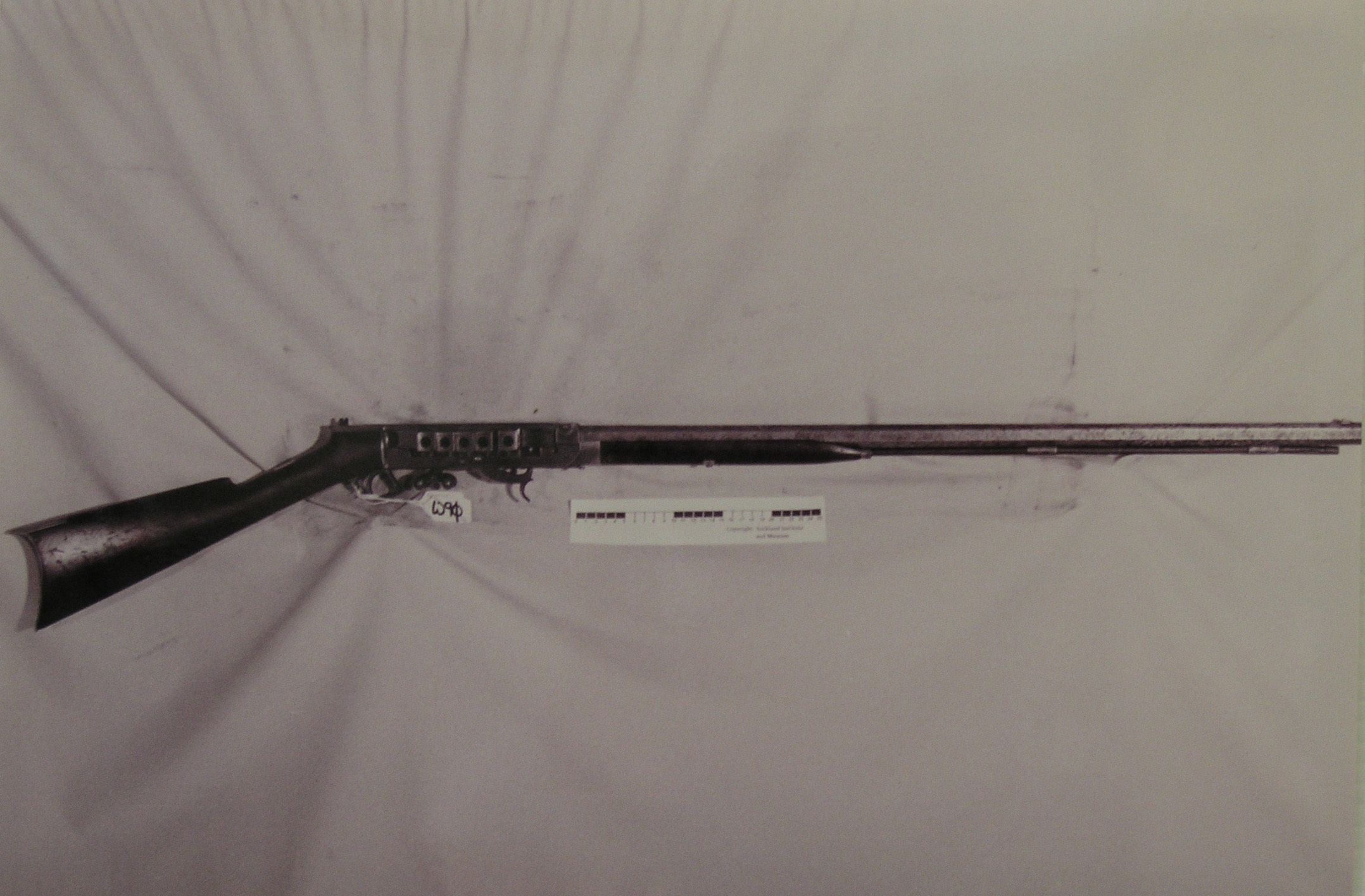
Underhammer firearms moved the hammer below the barrel rather than placing it above or behind the breech. This arrangement appeared on 19th-century percussion rifles and pistols, where the hammer struck an ignition cap beneath the chamber. The design could give a very low profile and a clear top line, especially on target arms. It was never as universally adopted as conventional side-hammer layouts, and metallic cartridges later made it even less relevant. A visible hammer underneath the bore is therefore an unusual sight on a modern firearm, even though the concept had practical logic.
8. Duckfoot Four-Barrel Layout
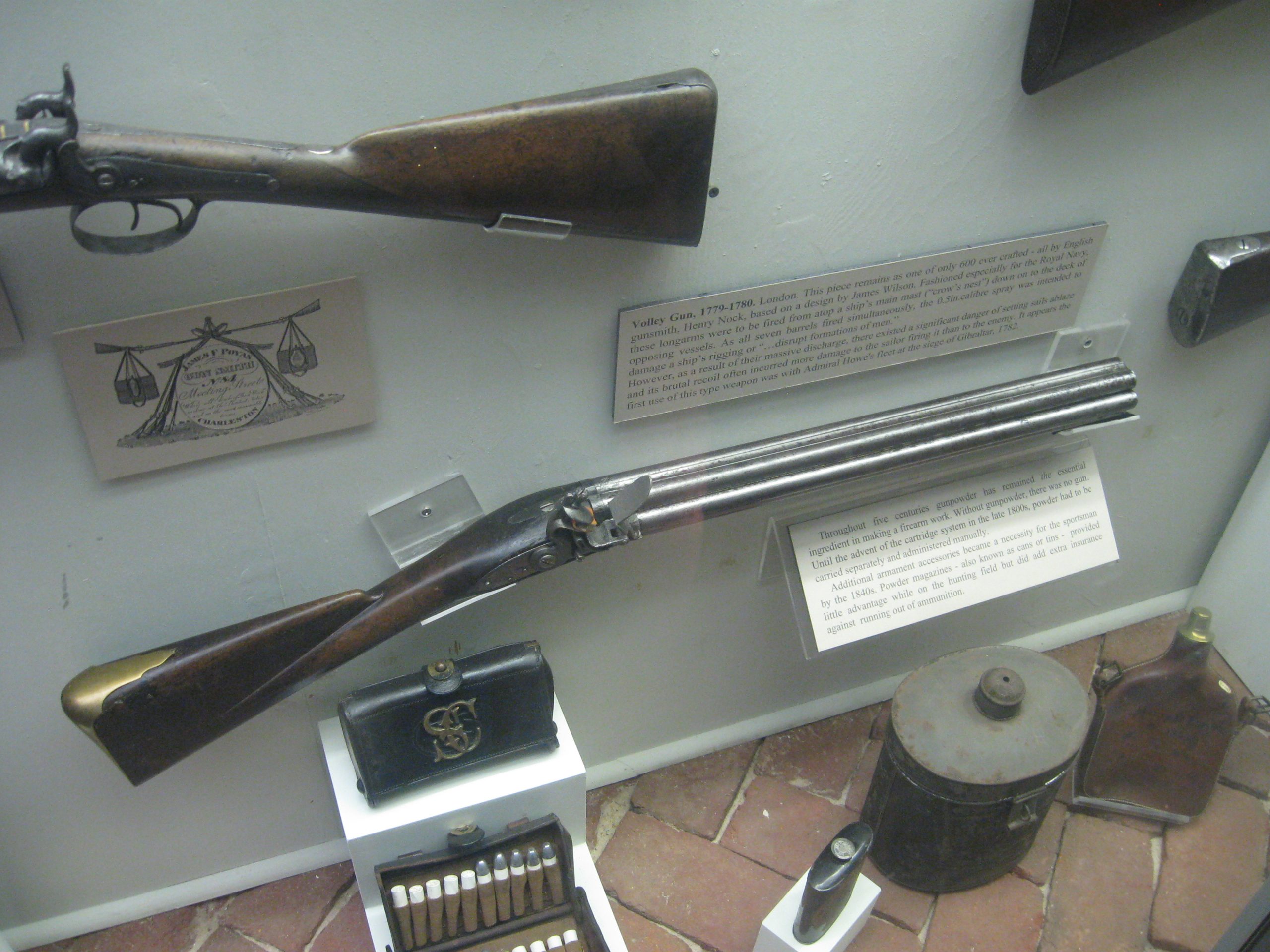
The duckfoot pistol took the multi-barrel idea in a different direction by mounting several barrels side by side and spreading their muzzles outward. A famous form had 4 barrels, giving the front of the pistol its bird-foot appearance. These weapons were made in the late 18th and early 19th centuries and were associated with close-range defensive use, including maritime contexts. The arrangement could cover a wider horizontal area than a conventional single barrel, but it was bulky and specialized. Modern pistols almost never distribute multiple barrels in this fan-shaped pattern.
9. Volley-Fire Rifle
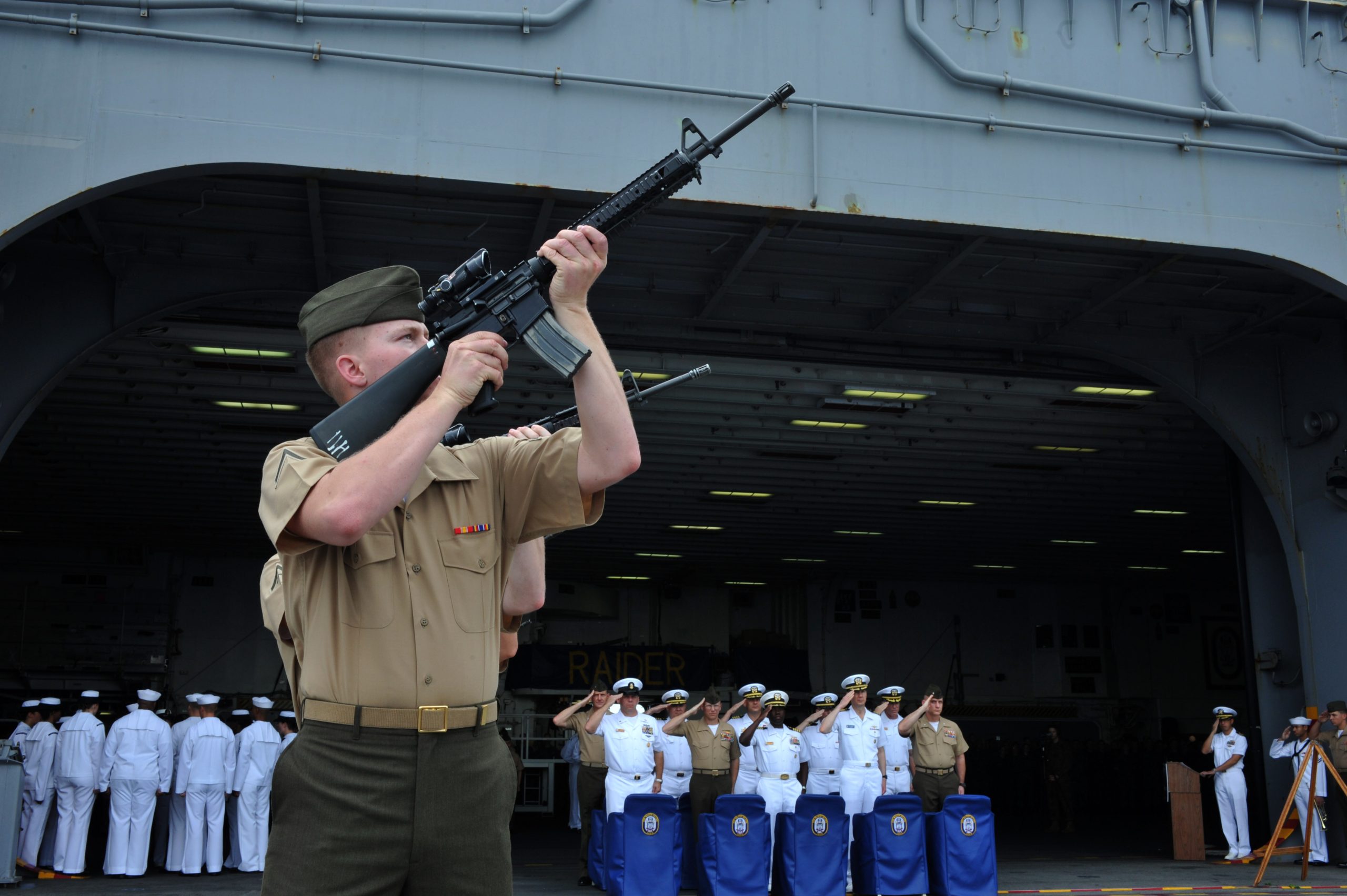
Volley guns were built around the idea of firing several barrels at nearly the same time, producing a concentrated burst rather than a normal repeating sequence. Some designs carried 7, 8, 9, or more barrels, while others used grouped chambers and a single ignition system. The Nock gun, for example, used a cluster of 7 barrels and was produced for British naval service in the late 18th century. Such weapons could deliver intense fire, but their weight, cost and loading demands limited them. Modern military firearms achieve sustained fire through magazines and automatic actions instead.
10. Socket Bayonet Mount
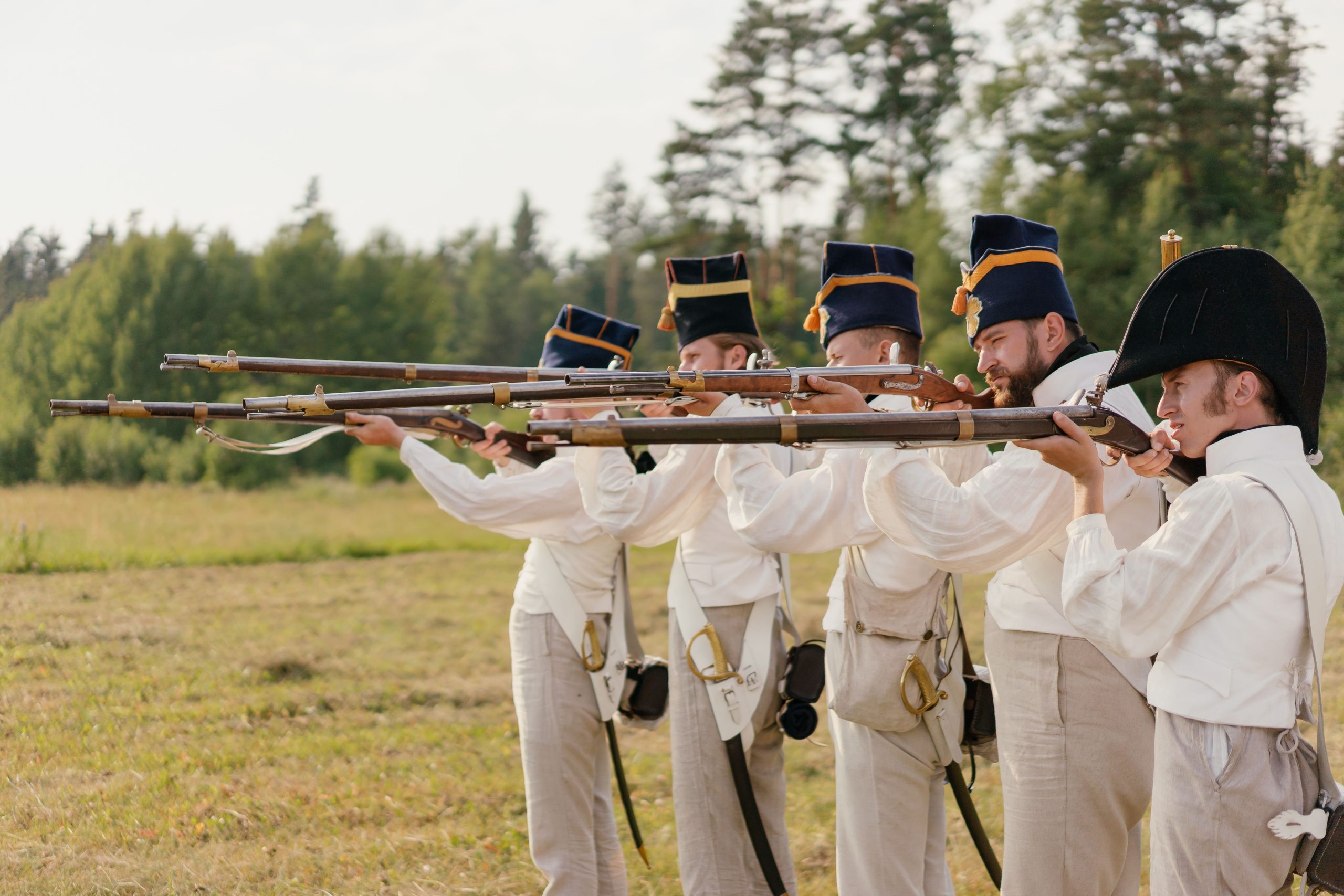
Older military rifles often carried a bayonet as a dedicated attachment rather than relying on a modern accessory rail. The Martini-Henry, adopted in 1871, could accept a sword-style or socket-style bayonet depending on the pattern and service use. Earlier muzzleloaders also used socket bayonets that fitted around the barrel, allowing the muzzle to remain open. This mattered when close combat remained part of infantry doctrine. Modern rifles may still support bayonets, but the long, purpose-built socket fittings and full-length military bayonets are far less common.
11. External Cocking Indicators
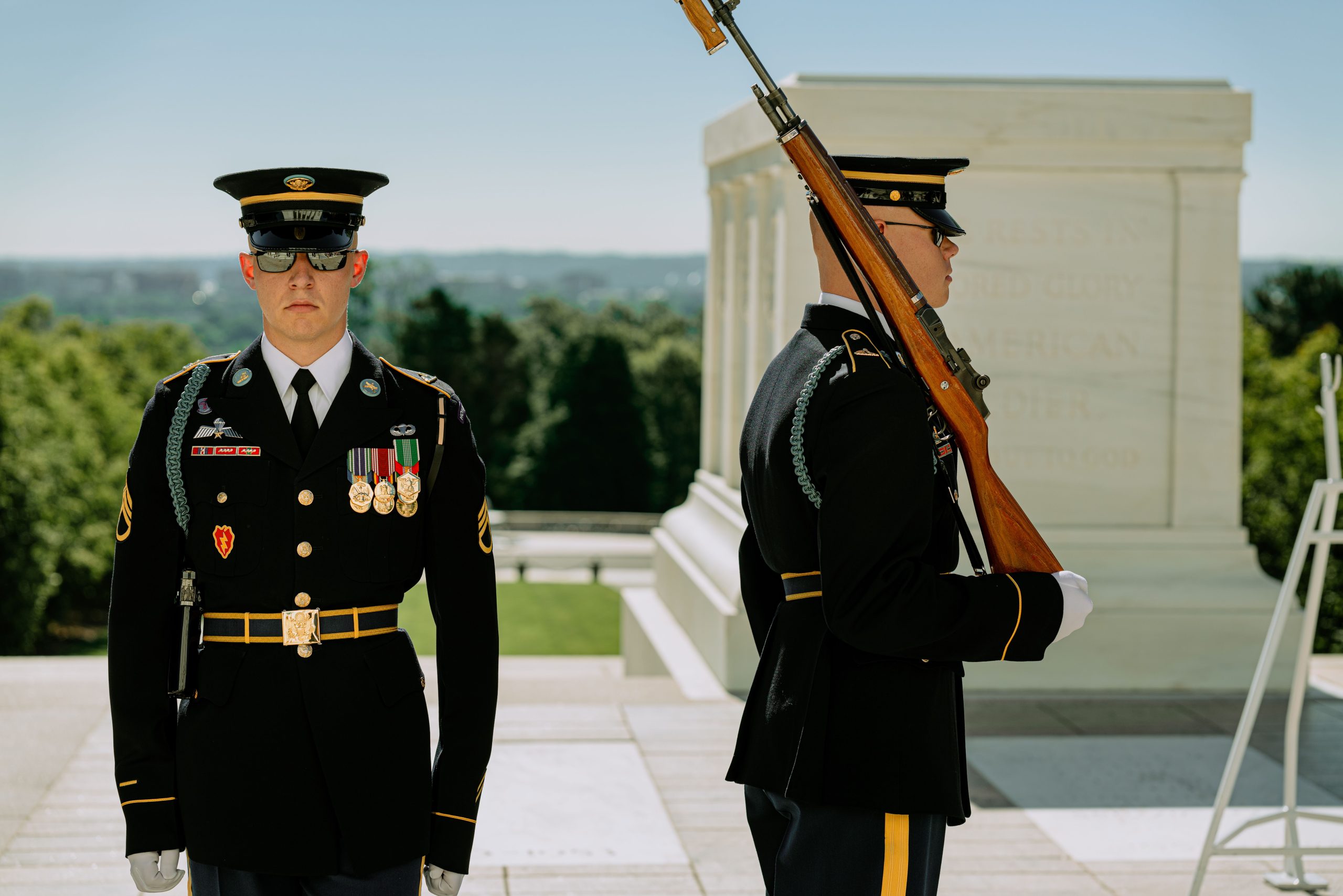
Some older rifles used a small external indicator to show whether the firing mechanism was cocked. The Martini-Henry had a teardrop-shaped indicator on the right side of its receiver, giving the user a visible mechanical clue without opening the action. The feature made sense on a rifle with an internal striker and no conventional exposed hammer. On the British service pattern adopted in 1871, this indicator became part of the distinctive receiver design. Modern firearms often use different cocking or chamber-status indicators, but a dedicated external cocking marker of this type is uncommon.