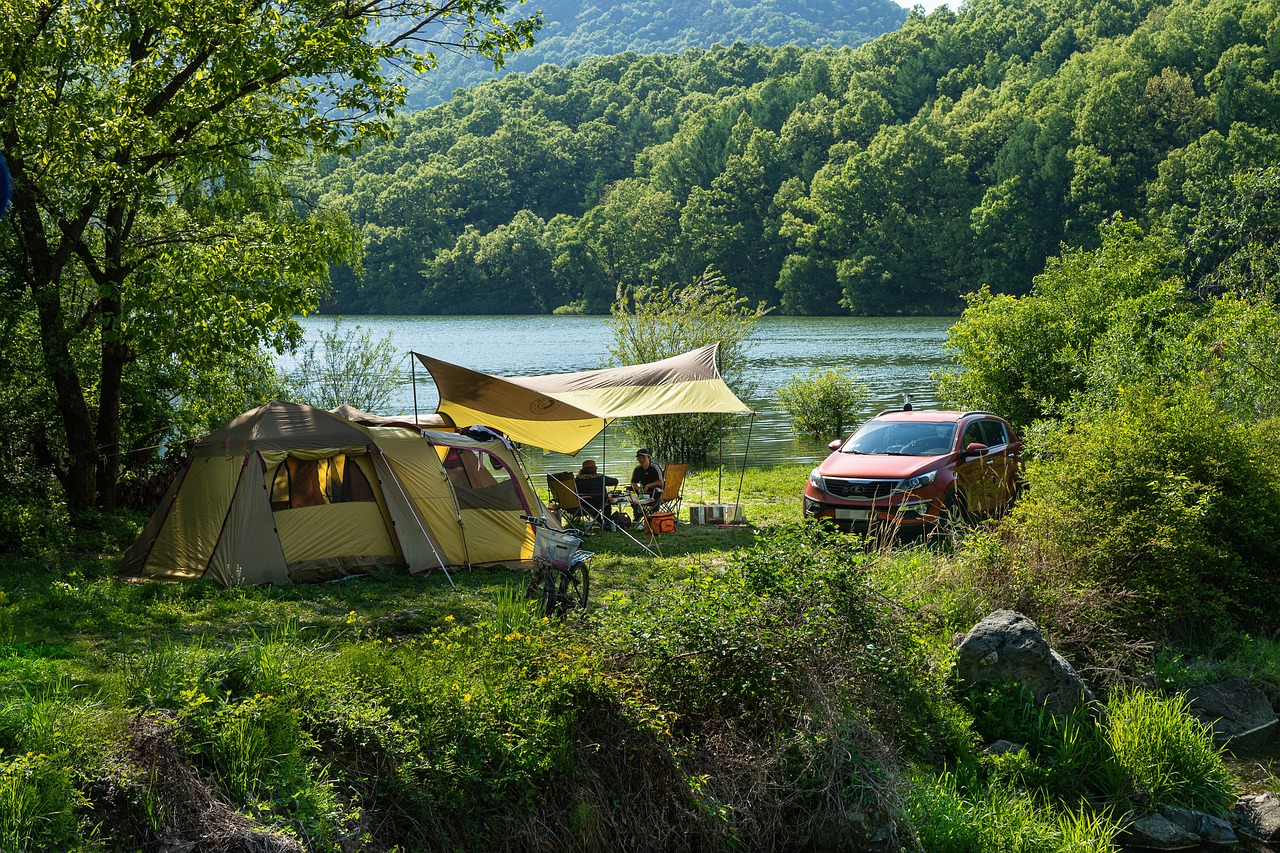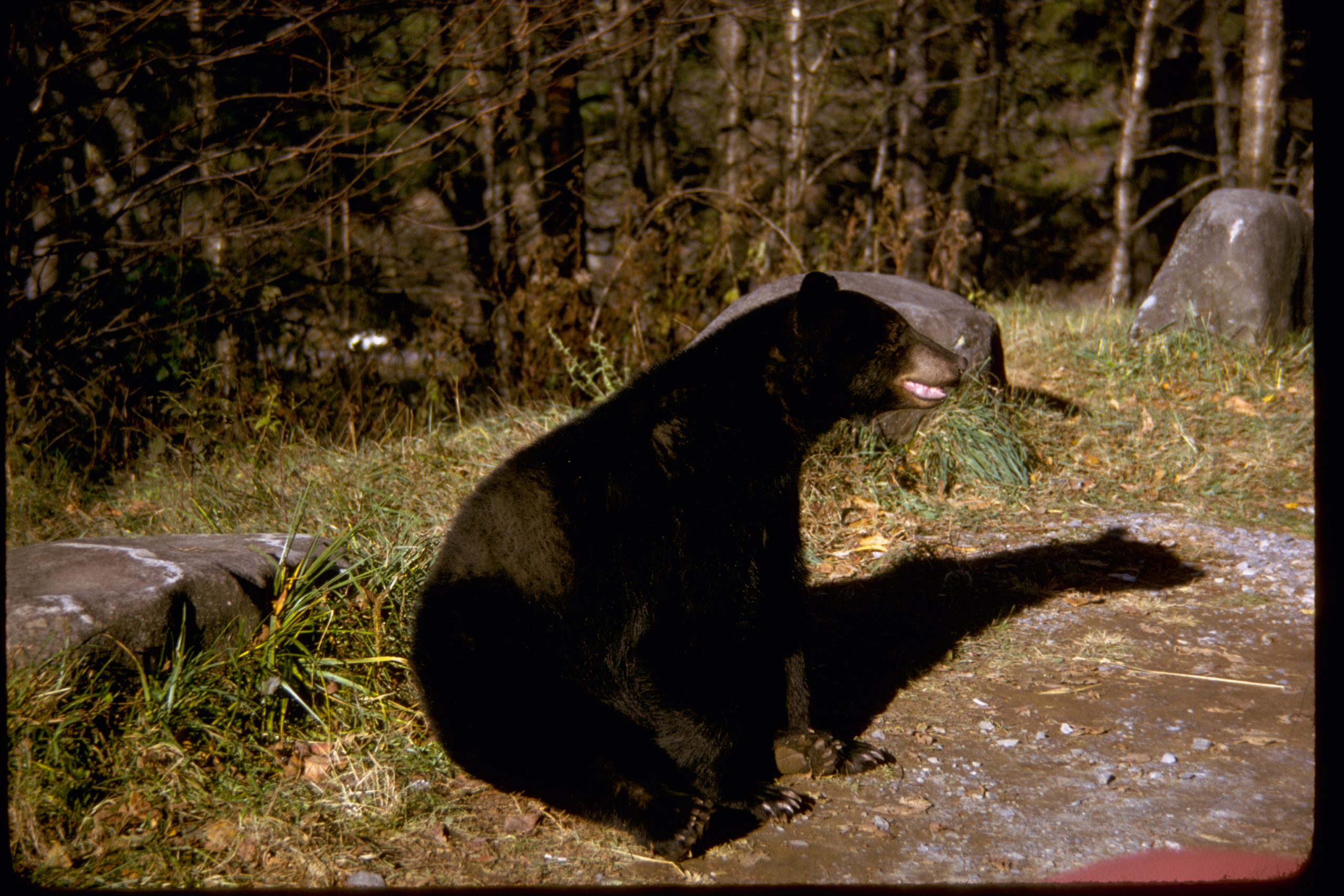
A lot of the biggest hunting law changes do not arrive with sirens or headlines. They show up in updated digests, agency emails, and revised app rules that are easy to miss until a warden is checking your gear. This gallery breaks down 12 quiet 2026 regulation shifts that could carry real consequences, from tag reporting mistakes to new equipment restrictions, so you know what to double-check before heading out.
Digital harvest reporting deadlines got shorter

In many states, the old grace period for reporting a harvested deer, turkey, or bear quietly shrank in 2026. What used to be same-day or next-day reporting in some places is now often measured in hours, especially where agencies are leaning on real-time population data and mobile check-in systems.
That matters because a late report is no longer treated like a harmless paperwork issue. Wildlife agencies have started linking missed electronic check-ins to tag invalidation, fines, and repeat-offender penalties that can threaten future license eligibility. If your state app updated this year, the clock may be ticking faster than it did last season.
Possession tagging rules now apply before you leave the site

A quiet but important change in 2026 is when an animal must be tagged. Several jurisdictions tightened the language so the tag has to be attached immediately upon recovery, not later at camp, at the truck, or once photos are finished.
That small wording change can create big legal trouble. A hunter walking back to a vehicle with an untagged bird or deer may now be considered out of compliance even if the permit is valid and the intent was to tag it moments later. Wardens tend to treat timing issues seriously because they affect enforcement, harvest counts, and proof of lawful take.
Antlerless quotas started closing in real time

In 2026, more states moved antlerless harvest management onto live dashboards and emergency closure notices. That means a doe or cow season that looked open on Friday night may be closed by dawn on Saturday if the local quota is reached.
Hunters who rely on printed regulations or old screenshots are especially vulnerable here. Agencies increasingly expect people to verify unit status right before hunting, not just before the trip. If you fill an antlerless tag after a quota closes, saying you did not see the update may not protect you from a citation or a tag violation on your record.
Chronic wasting disease carcass transport zones expanded

CWD rules spread further in 2026, and one of the easiest mistakes now involves moving whole carcasses across county or unit lines. In several states, the list of restricted areas expanded quietly, along with stricter rules about transporting heads, spinal tissue, and other high-risk parts.
The problem is that a legal harvest can turn into an illegal transport case on the drive home. Hunters may need to quarter the animal, debone meat, or bring only a cleaned skull plate out of a surveillance zone. If you hunt near borders or travel to another processor, this is one update worth reading line by line.
Thermal and night vision rules got more specific

Technology language tightened up in 2026, especially around thermal optics, infrared devices, and digital night vision. Some states that once banned only active night hunting now regulate possession, attachment, or use of certain optics during open daylight seasons for big game.
That means a legal predator setup may become illegal the moment it is used during deer season, even if the hunter never fires after dark. The fine print now often distinguishes between handheld scanners, weapon-mounted optics, and illuminated reticles. If you upgraded your gear recently, do not assume newer means permissible. Equipment categories are being defined much more narrowly than before.
E-bike access changed on wildlife and forest routes

One of the stealthiest 2026 changes affects how hunters reach remote ground. Several agencies updated the definition of motorized access to clarify where e-bikes are allowed, where only pedal bikes can go, and when throttle-equipped models are treated like motor vehicles.
That can turn a seemingly smart access choice into a citation for unlawful vehicle use. On some routes, a Class 1 e-bike may still pass, while a more powerful setup is banned from the same gate. Hunters hauling stands, decoys, or quarters should pay attention, because access violations can stack with trespass or road-closure offenses in a hurry.
Baiting definitions were expanded to include scent and feed residue
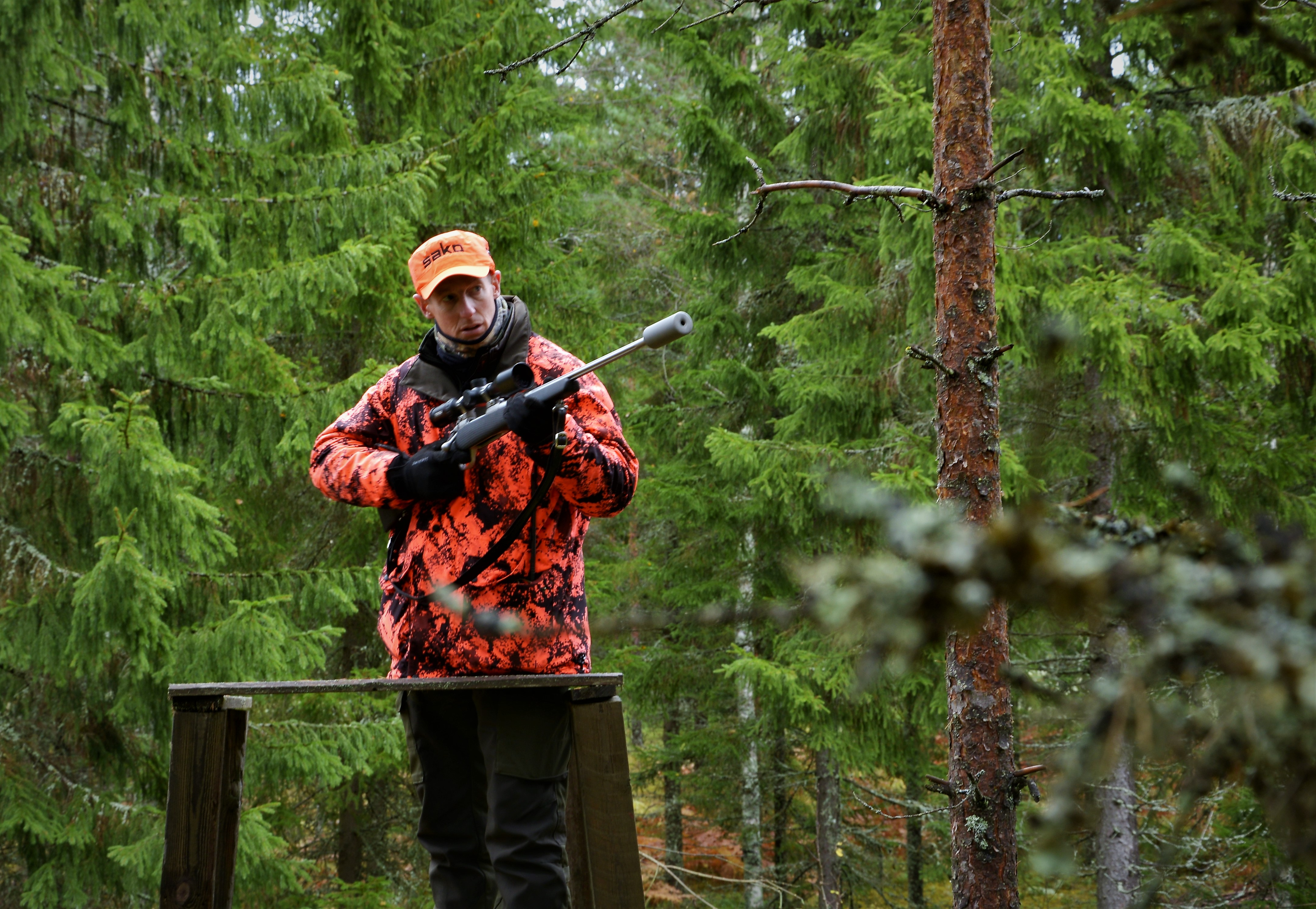
Baiting rules got more nuanced in 2026, and that is where trouble starts. In some states, agencies broadened the definition to cover not just piles of grain or mineral blocks, but also feed residue, attractant placement, or hunting over areas that were recently baited and not fully cleaned.
The risk is that a site can remain legally tainted long after the obvious bait is gone. Scent products with food content, spilled livestock feed near a stand, or salt-heavy soil can all create gray areas depending on local wording. Hunters leasing private land should be especially careful, because someone else’s old setup can still become your violation.
Mandatory hunter education now applies to more age groups

A low-key 2026 shift in several states expanded who needs hunter education certification. The requirement no longer applies only to first-time youth hunters in some places. Adults born after a certain year, returning hunters with long license gaps, and some apprentice-license users may now need proof of completion too.
This catches people who assume past experience is enough. Buying a tag online does not always mean your credentials are fully accepted in the field, especially if the system is waiting on verification. If you are hunting out of state, reciprocity can get complicated fast. A missing card or unrecognized course could sideline a trip before sunrise.
Falconry and archery overlap seasons now have stricter equipment rules

This is a niche change, but it matters to more people than it sounds like. In 2026, some states adjusted season overlap language to better separate methods of take, especially where archery, falconry, or special primitive-weapons hunts share the calendar.
The result is a tighter reading of what you can carry, not just what you can use. A hunter participating in one legal season may still run into trouble if prohibited backup gear is in the pack or vehicle. Agencies are trying to reduce ambiguity, but the practical effect is stricter enforcement. If your season is method-specific, the allowed equipment list deserves a fresh look.
Public land boundary enforcement is now tied to updated mapping apps
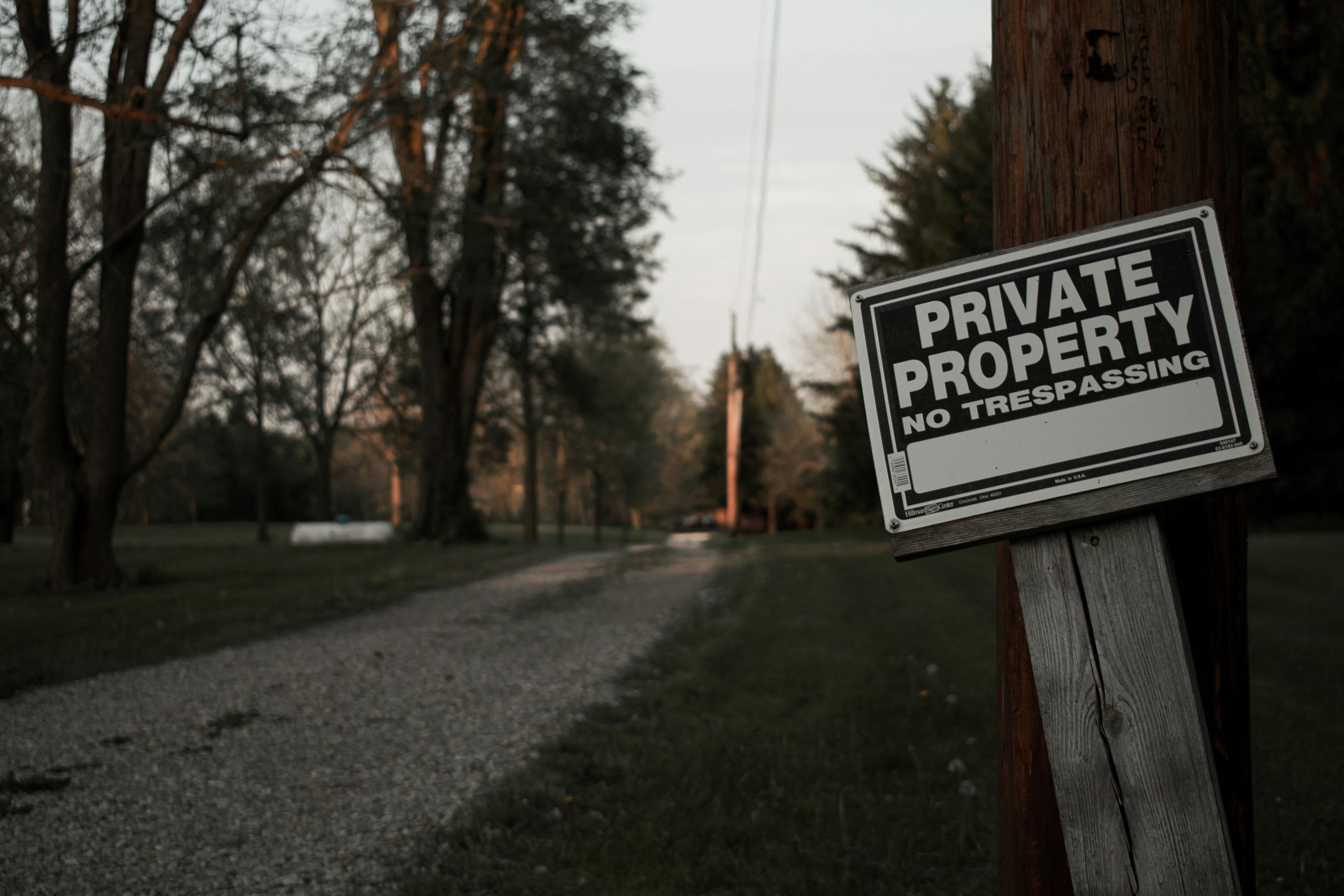
Boundary disputes are nothing new, but 2026 brought a major enforcement wrinkle. More agencies are using revised digital parcel maps, GPS overlays, and app-based land status systems that can reflect easements, walk-in areas, and closures much faster than old printed maps ever could.
That leaves less room for the classic excuse that a line was unclear. Hunters are increasingly expected to know whether they crossed onto private ground, stepped into a refuge buffer, or entered a temporarily closed section. If your mapping app has not been updated or your downloaded layer is stale, a few yards can be the difference between a legal setup and a trespass case.
License suspension reciprocity expanded across state lines

One of the least visible but most serious changes in 2026 is how states share enforcement outcomes. Through broader reciprocity agreements and stronger participation in interstate wildlife violator systems, a suspension or serious citation in one state is more likely to affect your privileges elsewhere.
That raises the stakes for every so-called minor infraction. A reporting failure, transport offense, or access violation can have consequences beyond a single season if it leads to a formal suspension. Hunters who travel for elk, waterfowl, or whitetails should think nationally, not just locally. The paperwork follows you farther now, and agencies are getting better at matching records.