Some firearms faded into museums, but their engineering ideas never really disappeared. From action types and magazine systems to ergonomics and modular thinking, these classic designs helped define what later generations of guns would become. This gallery highlights 11 historic firearms that still leave a clear imprint on modern gun design.
Colt Single Action Army
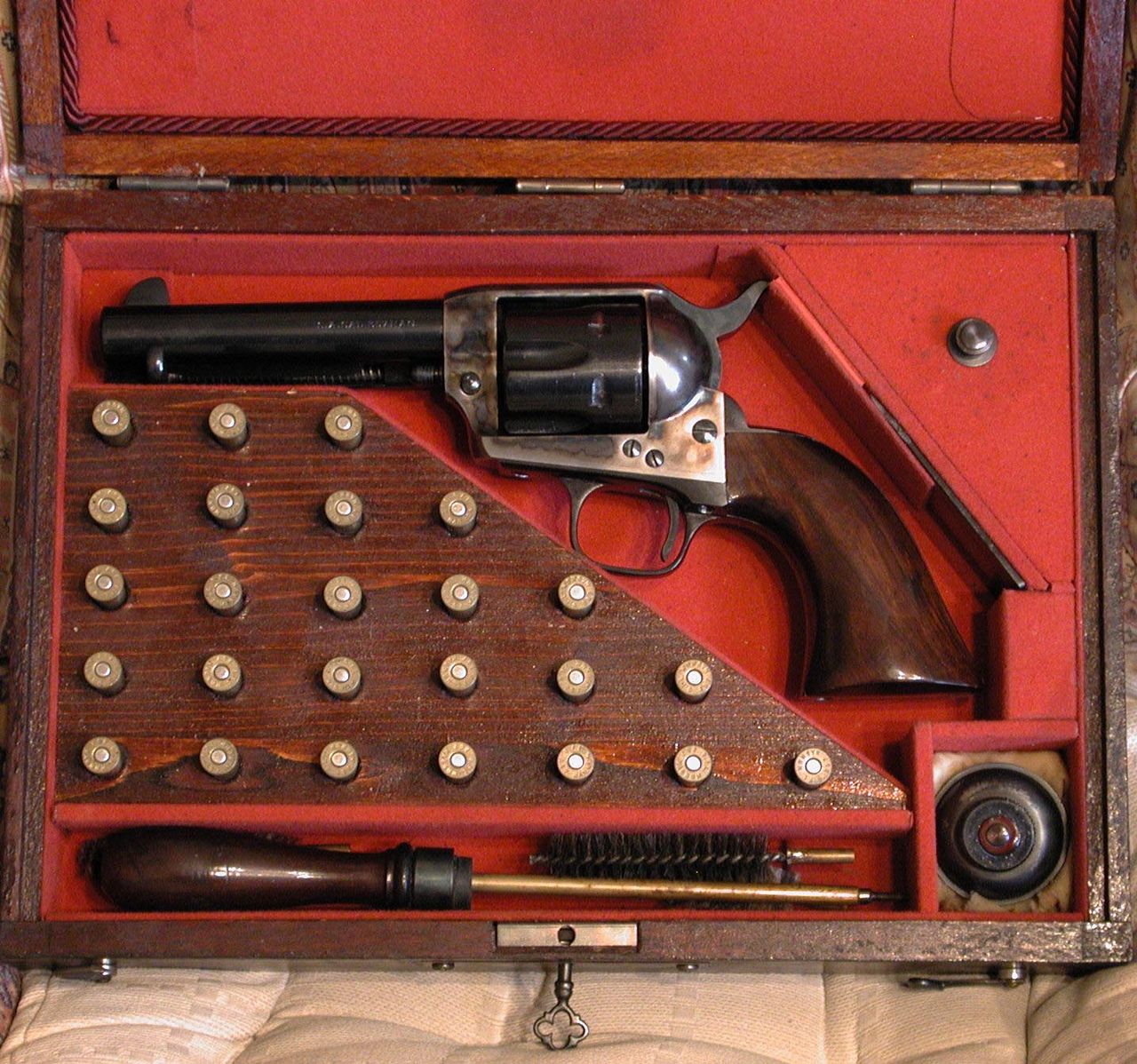
The Colt Single Action Army is one of those firearms that feels bigger than its parts. Introduced in 1873, it helped standardize the revolver layout that many people still picture instantly: a solid frame, loading gate, exposed hammer, and a grip shape that points naturally in the hand.
Modern handguns moved far beyond single action frontier revolvers, but the Colt’s influence remains strong in ergonomics, trigger appreciation, and the idea that a sidearm should balance speed with simplicity. Even today, designers and shooters still talk about how a handgun feels when it comes up on target, and this old revolver helped set that standard.
Mauser C96
The Mauser C96 looked futuristic long before most handguns caught up. With its box magazine ahead of the trigger, high velocity cartridge, and shoulder stock option, it pushed the pistol toward roles that now overlap with personal defense weapons and compact carbines.
Its silhouette is unmistakable, but the deeper legacy is mechanical ambition. The C96 showed that a handgun could stretch beyond close range backup duty and become a serious fighting arm. Modern large format pistols, stocked handguns, and even some PDW concepts reflect that same attempt to bridge the gap between pistol portability and carbine performance.
M1911
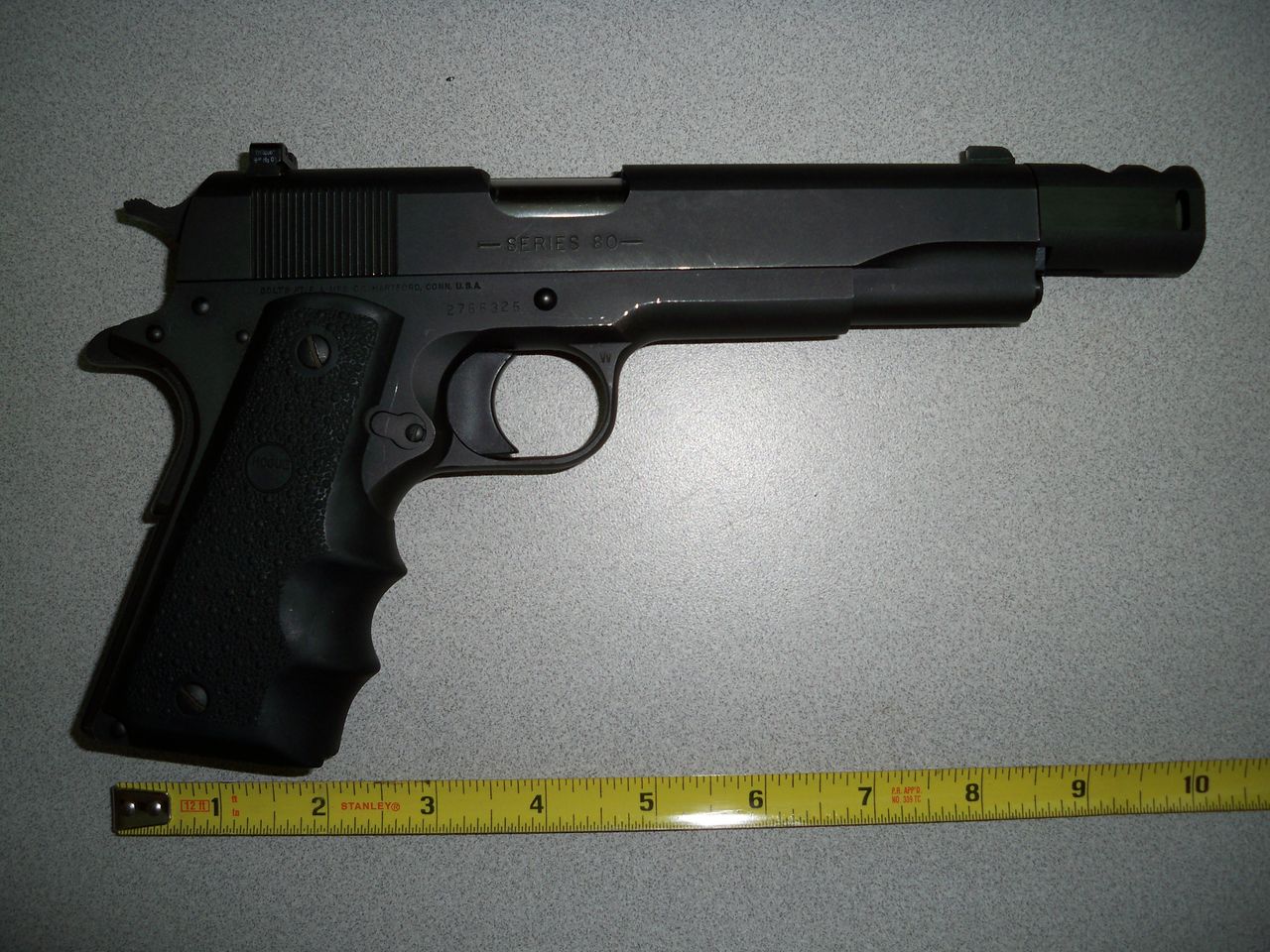
Few firearms have had the staying power of the M1911. Adopted by the U.S. military in 1911, John Browning’s design combined a short recoil operating system, a crisp single action trigger, and a slim profile that still wins admirers more than a century later.
Its influence shows up everywhere. Modern pistols may use different materials, higher capacities, and striker fired systems, but they still borrow from the M1911’s controls, grip angle, manual safety logic, and emphasis on shootability. The platform also helped define what an enthusiast handgun could be, with tuning, customization, and aftermarket parts becoming part of its enduring cultural and design legacy.
Luger P08
The Luger P08 is remembered for its dramatic toggle lock and elegant lines, but its real impact goes beyond looks. It helped popularize the 9mm cartridge, a round that would go on to dominate service pistol design around the world.
That alone would secure its place in firearms history, yet the Luger also shaped ideas about grip angle, controllability, and military sidearm practicality. Its mechanism proved too intricate for many later designs, but the cartridge and handling lessons endured. When shooters pick up a modern 9mm service pistol today, they are benefiting from a path the Luger helped open more than a century ago.
Winchester Model 1894
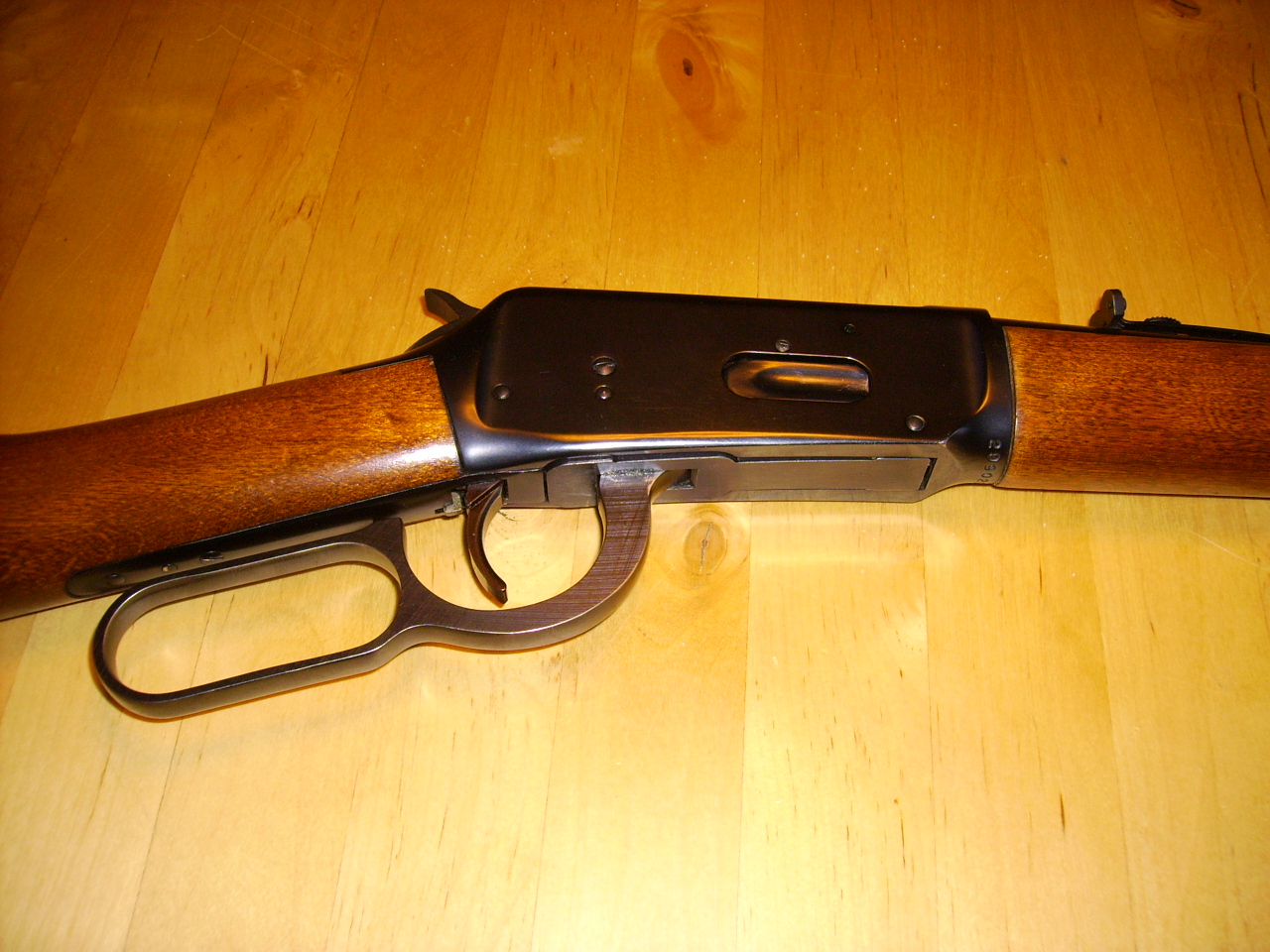
The Winchester Model 1894 gave the lever action rifle a durable place in sporting and defensive history. Designed by John Browning, it was light, handy, and chambered for smokeless powder cartridges, which made it well suited to a changing era.
Modern tactical rifles may seem worlds away, but the Model 1894 reinforced enduring priorities: quick handling, compact dimensions, and intuitive repeat fire. It also helped cement the concept of a general purpose long gun that could do many jobs reasonably well. That idea remains central in modern design, where balance, carry comfort, and fast follow-up shots still matter just as much as raw power.
Lee-Enfield
The Lee-Enfield became famous for speed. In trained hands, its smooth bolt action and 10-round magazine let soldiers fire remarkably quickly, challenging assumptions about what a bolt action rifle could accomplish under pressure.
Its influence carries into modern rifle thinking through ergonomics, magazine capacity, and action smoothness. Even though semi-automatic rifles later changed the battlefield, the Lee-Enfield showed how much practical performance could come from a well designed manual action. Current precision and field rifles still benefit from the same lessons: a rifle should cycle cleanly, feed reliably, and let the shooter stay on target rather than wrestle with the mechanism.
Thompson Submachine Gun

The Thompson submachine gun helped define an entire firearm category. Developed in the early 20th century, it demonstrated the tactical appeal of a compact shoulder fired gun chambered in a pistol cartridge, especially for close quarters use.
Its heavy construction and iconic profile belong to another era, but the concept remains highly relevant. Modern submachine guns and many pistol caliber carbines still follow the Thompson’s core logic: controllable rapid fire in a compact package. It also helped designers think more seriously about recoil management, magazine placement, and how to build a firearm for mobility without giving up practical fighting capability.
M1 Garand
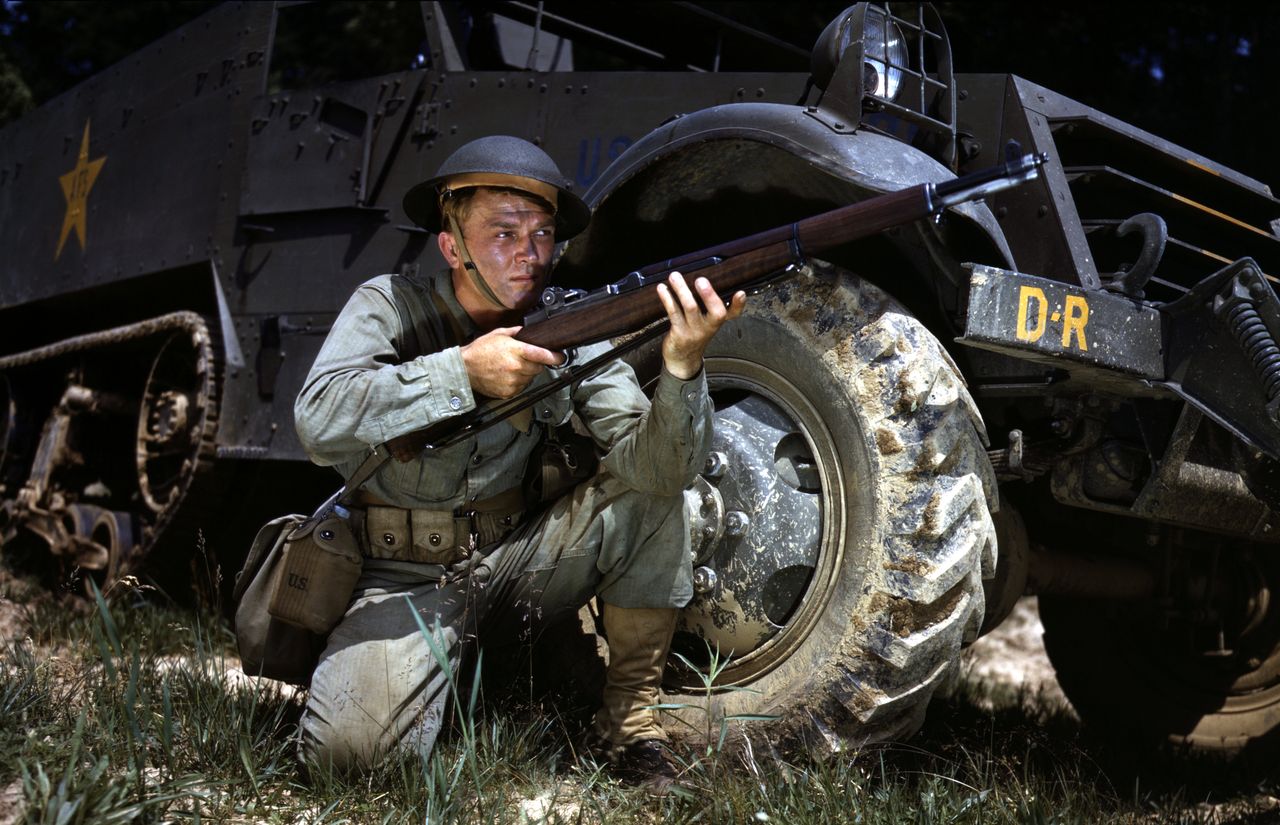
The M1 Garand changed expectations for the standard infantry rifle. Its semi-automatic action gave soldiers a major increase in practical firepower compared with bolt action service rifles, and that shift echoed through military small arms design for decades.
It was not detachable magazine fed in the modern sense, yet it proved that reliability and self-loading performance could coexist on a battlefield scale. Designers who followed had to think in new terms about sustained fire, shooter fatigue, and combat rhythm. The Garand’s legacy lives on in every service rifle that prioritizes rapid follow-up shots and dependable function under rough conditions.
AK-47
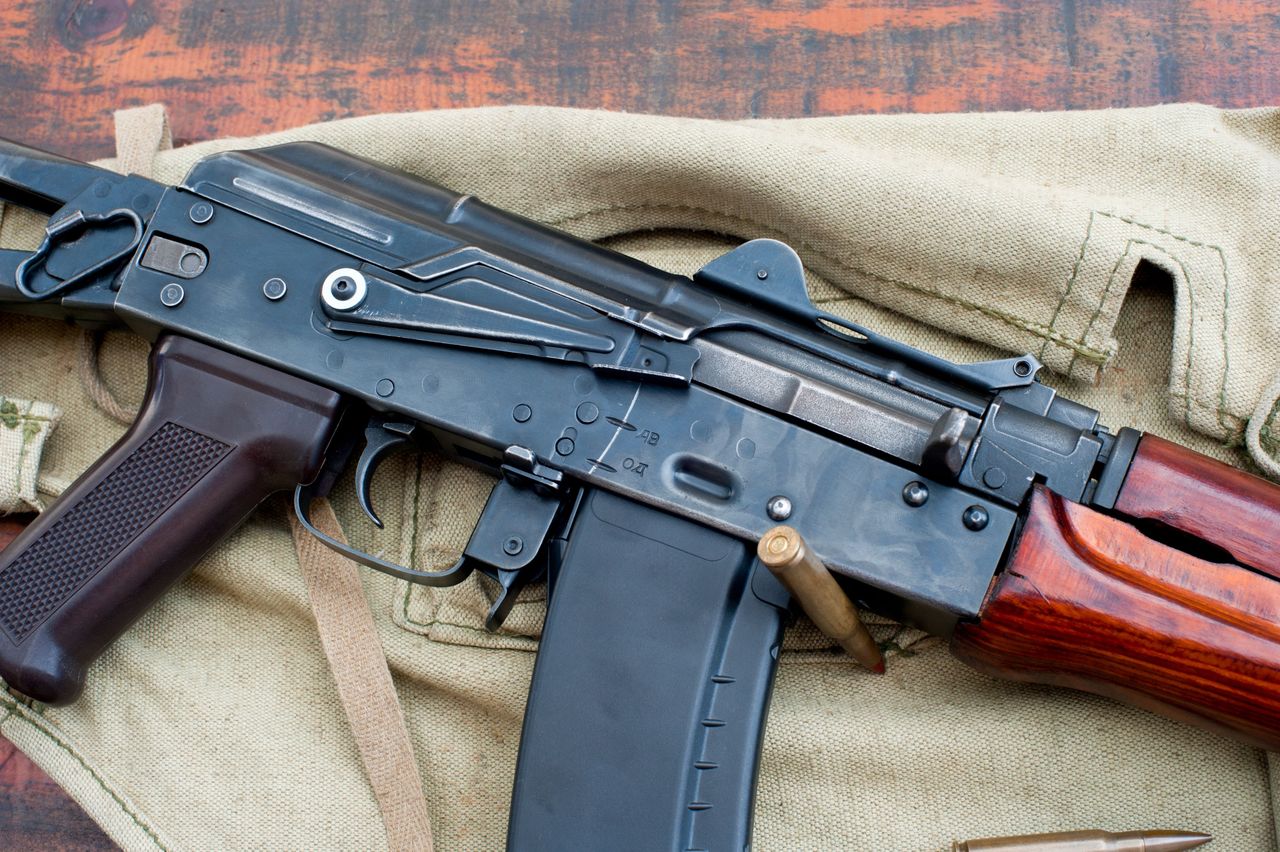
The AK-47 became famous for ruggedness, but that reputation is really a design lesson. Its long stroke gas system, generous clearances, and straightforward controls created a rifle that could keep running in punishing environments where more delicate systems might struggle.
Modern rifles do not all copy the AK directly, yet many borrow from its priorities. Reliability, ease of manufacture, simple maintenance, and battlefield durability all sit near the top of contemporary design goals. The rifle also showed how a weapon could be built around mass production and global distribution, shaping not only engineering choices but the very idea of what a practical fighting rifle should be.
AR-15

The AR-15 introduced a very different philosophy from older steel and wood service rifles. Lightweight materials, straight line recoil, modular upper and lower construction, and easy accessory mounting made it a platform rather than just a single fixed design.
That may be its biggest legacy. Modern gun development increasingly revolves around adaptability, and the AR-15 became the clearest expression of that mindset. Caliber changes, barrel swaps, optics, lights, grips, and stocks all fit into a system built for evolution. Whether admired for accuracy, ergonomics, or customization, the AR-15 helped define the modern expectation that a firearm should be tailored to mission and shooter.
Glock 17
The Glock 17 did not invent the polymer frame pistol, but it made the idea impossible to ignore. Its blend of low weight, high capacity, striker fired simplicity, and relatively few parts reset expectations for duty handguns in the late 20th century.
Today, its influence is almost impossible to miss. Countless modern pistols echo its operating style, takedown method, and emphasis on consistent trigger pull from shot to shot. Just as importantly, the Glock 17 pushed the market toward practical reliability over ornament. It helped make the modern service pistol what it is now: durable, simple to maintain, and optimized for real world use.