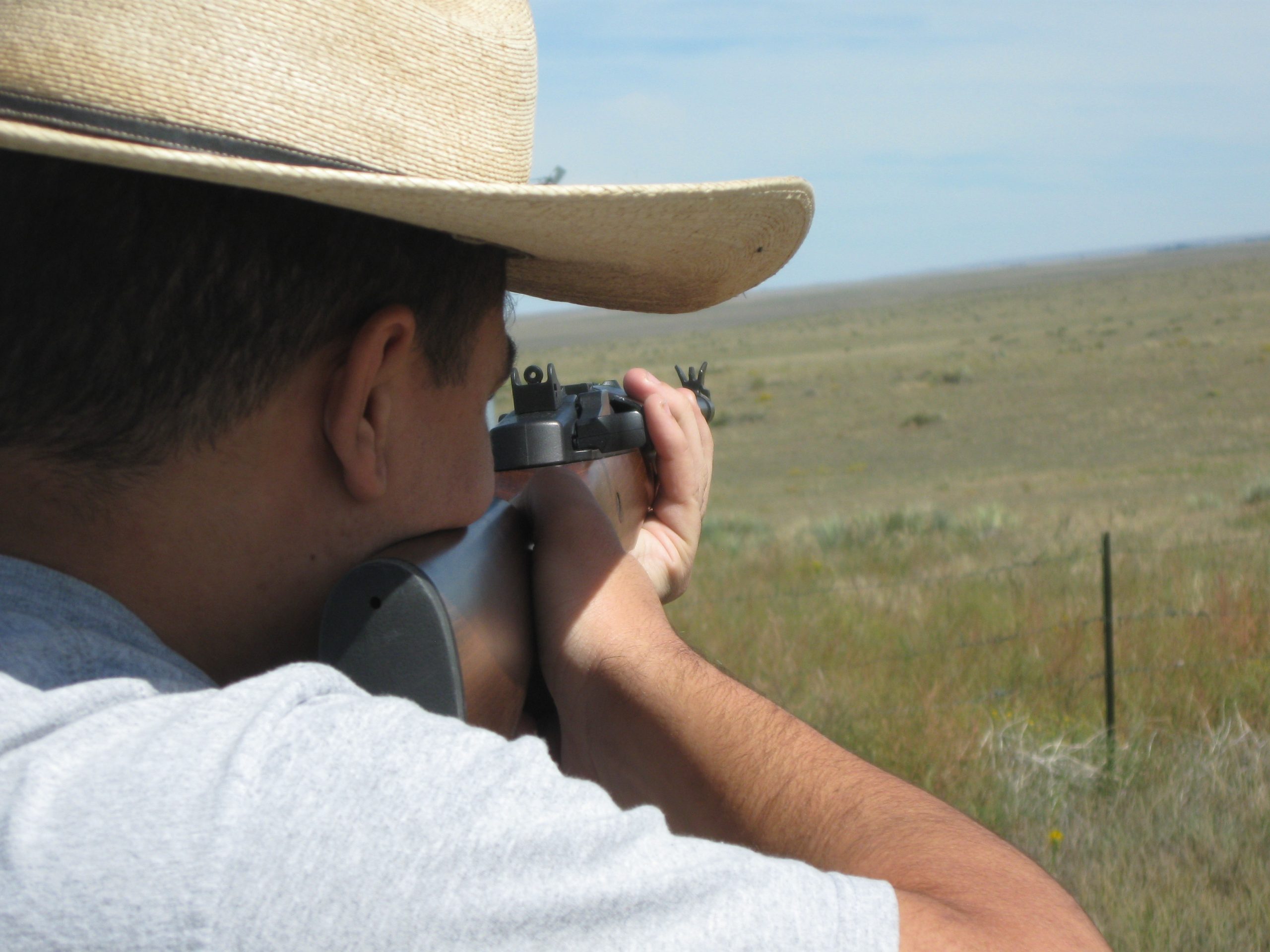
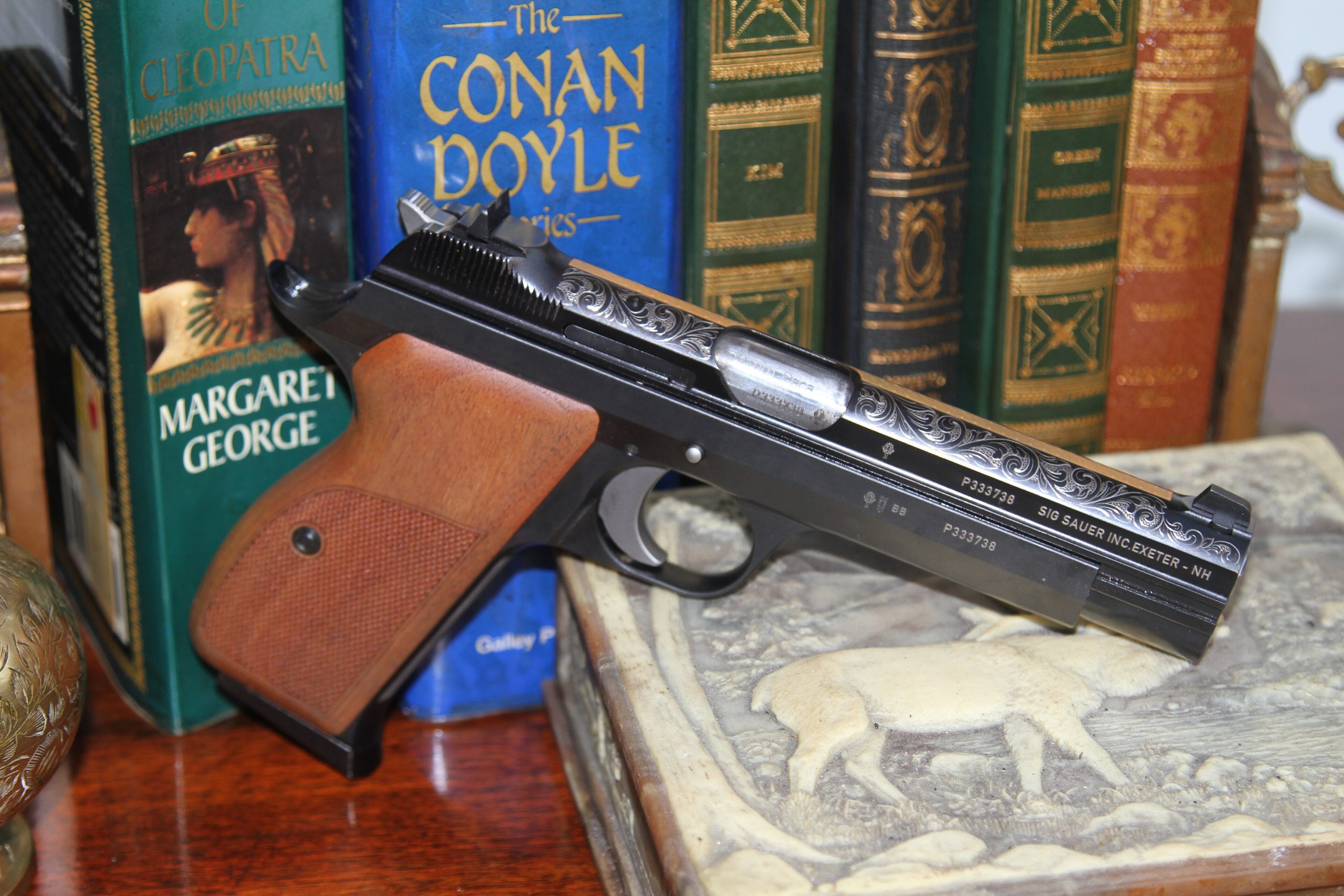
Gun history is full of confident predictions about what would vanish next. Yet some designs just keep hanging on, surviving new technology, changing tastes, and decades of expert second-guessing. These firearms endured because they kept doing something very well, and users kept finding reasons to trust them.
Colt Single Action Army
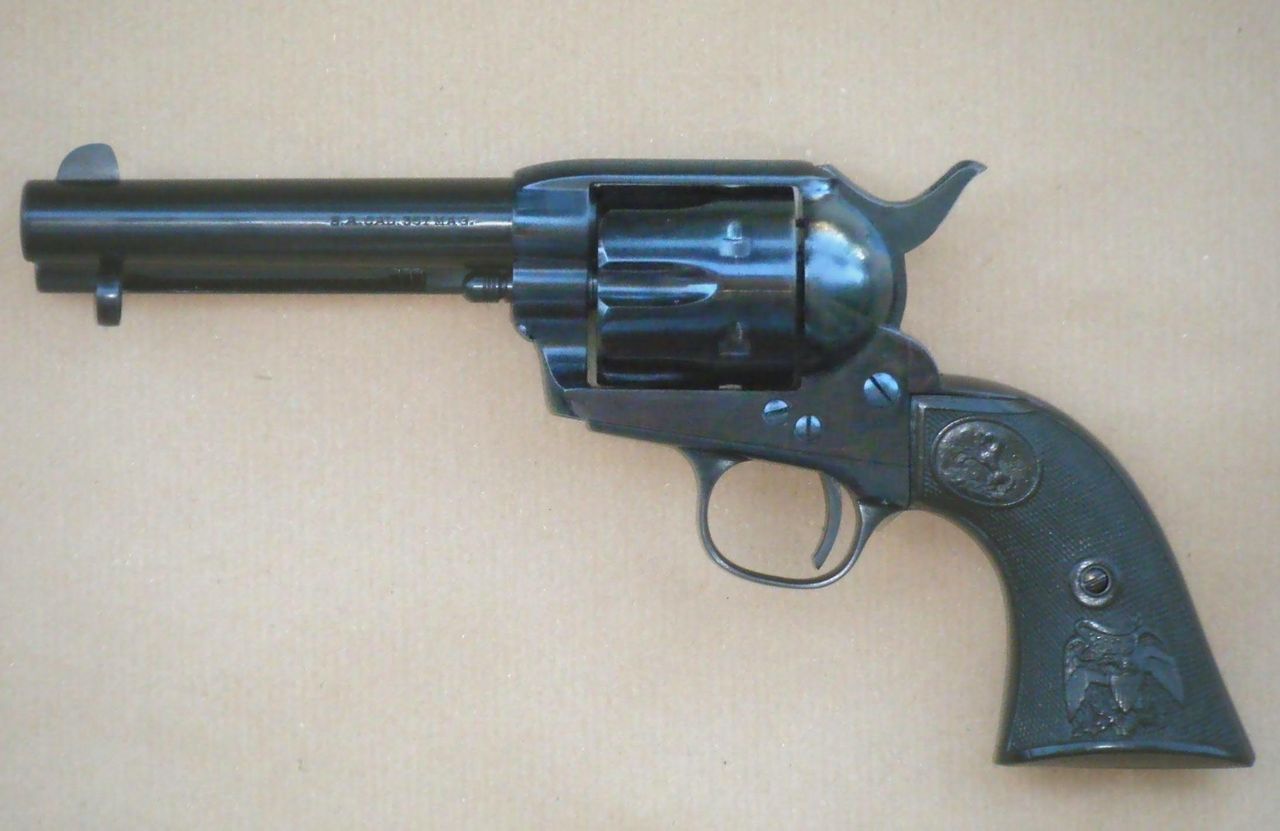
The Colt Single Action Army has been declared a relic more times than most firearms have been redesigned. Introduced in the 1870s, it looked destined for nostalgia once double action revolvers and semi-automatic pistols took over duty use.
But the old Peacemaker never really left. It remained a favorite with ranchers, outdoorsmen, collectors, and competitive shooters who valued its balance, clean lines, and crisp manual feel.
Part of its survival is emotional, but not all of it. The design is simple, durable, and deeply tied to American frontier mythology, which means every generation seems to rediscover it and decide the obituary was premature.
M1911
The M1911 has spent more than a century being described as too heavy, too old, too low-capacity, or too complicated for modern tastes. On paper, newer handguns often seem to offer more for less effort.
And yet the 1911 keeps showing up in holsters, competitions, workshops, and gun store counters. Shooters still praise its trigger, slim profile, natural pointability, and a design that rewards careful tuning.
Its staying power also comes from flexibility. Full-size duty guns, compact carry versions, match pistols, and premium custom builds have kept the platform alive long after critics assumed polymer would close the book for good.
Winchester Model 70
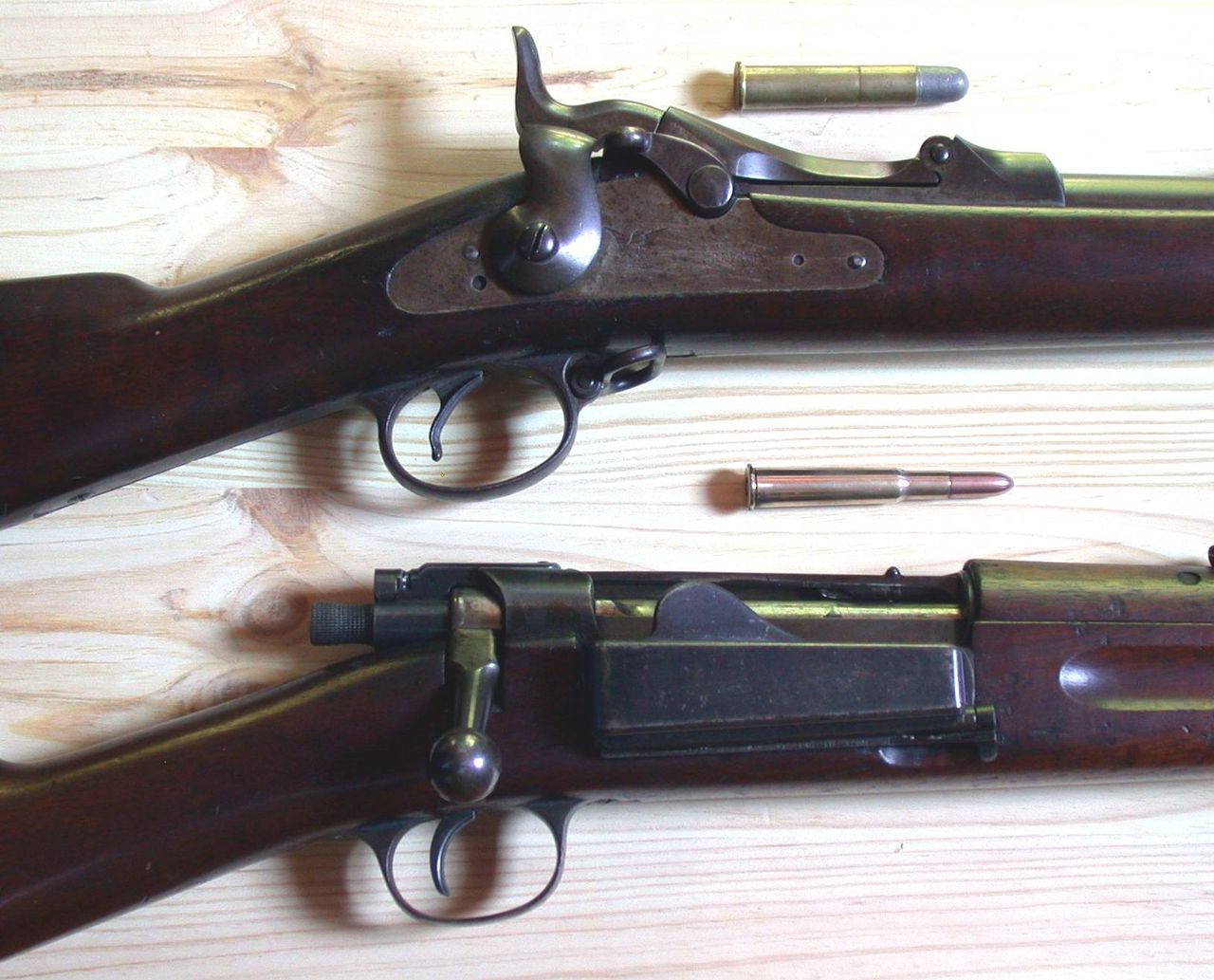
The Winchester Model 70 has weathered changing manufacturing methods, cost-cutting scares, and endless arguments about whether newer bolt actions had finally surpassed it. Few rifles have been eulogized so often by people convinced the best years were behind it.
Still, hunters never really gave up on the Model 70. Its controlled-round feed reputation, strong handling, and long association with serious field use gave it a credibility that newer rifles struggled to match.
Even when production changes stirred controversy, the design’s identity stayed intact. For many shooters, the Model 70 remains less a product than a benchmark, which is exactly why predictions of its decline never quite stick.
Lee-Enfield
The Lee-Enfield seemed destined for retirement as military forces moved toward self-loading rifles and more modern intermediate-caliber systems. It was easy to assume this bolt action warhorse would fade into museums and ceremonial use.
Instead, it stayed relevant far longer than expected. Its smooth action, respectable magazine capacity for a bolt rifle, and battlefield record made it useful, trusted, and widely distributed across the globe.
That massive global footprint mattered. Surplus markets, local conflicts, sporting conversions, and collector demand kept the Lee-Enfield alive in practical use and public memory, proving that a rifle can outlive official replacement by decades.
AK-47 and AKM
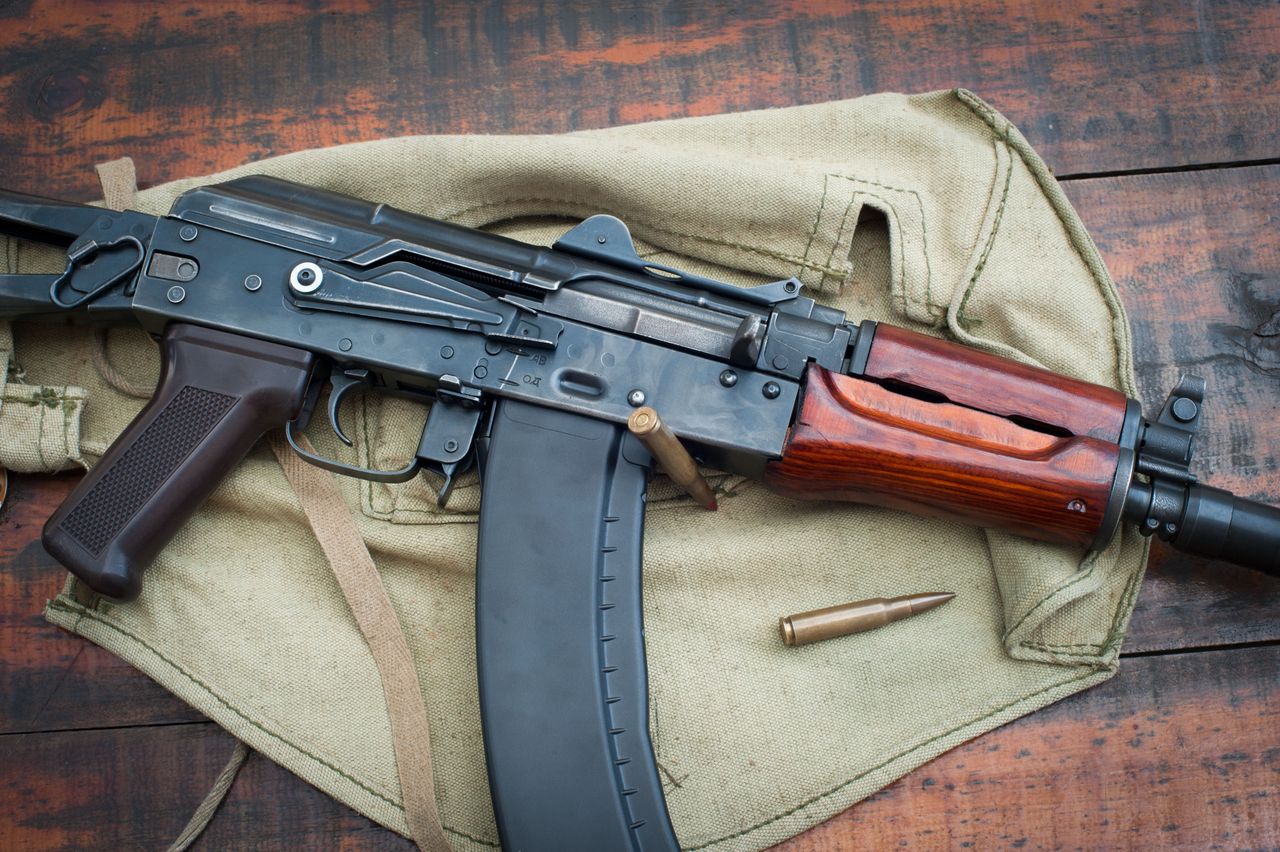
For years, the Kalashnikov platform has been called crude, outdated, or ripe for replacement by more refined rifles. Yet every wave of criticism runs into the same inconvenient fact: the AK keeps working, and people keep choosing it.
The reason is not mystery but practicality. It is durable, comparatively simple to maintain, and widespread enough that magazines, parts, and training remain available almost everywhere the platform has taken root.
That staying power extends beyond battlefields. Civilian variants, international clones, and a near unmatched symbolic presence have made the AK-47 and AKM more than rifles. They are fixtures of modern history that repeatedly outlast predictions of irrelevance.
Mosin-Nagant
The Mosin-Nagant has long been treated as a cheap surplus curiosity, the kind of rifle people assume will disappear once the crates dry up and shooters move on. It is heavy, old, and hardly the last word in refinement.
But that roughness is part of the appeal. The rifle is durable, historically significant, and tied to an era when military arms were built to endure hard service under miserable conditions.
Collectors embraced it, hunters adapted it, and budget-minded shooters kept buying in. Even as supply fluctuated and prices climbed, the Mosin held on because it offered something modern rifles could not: raw, unmistakable connection to history at shoulder height.
Remington 870
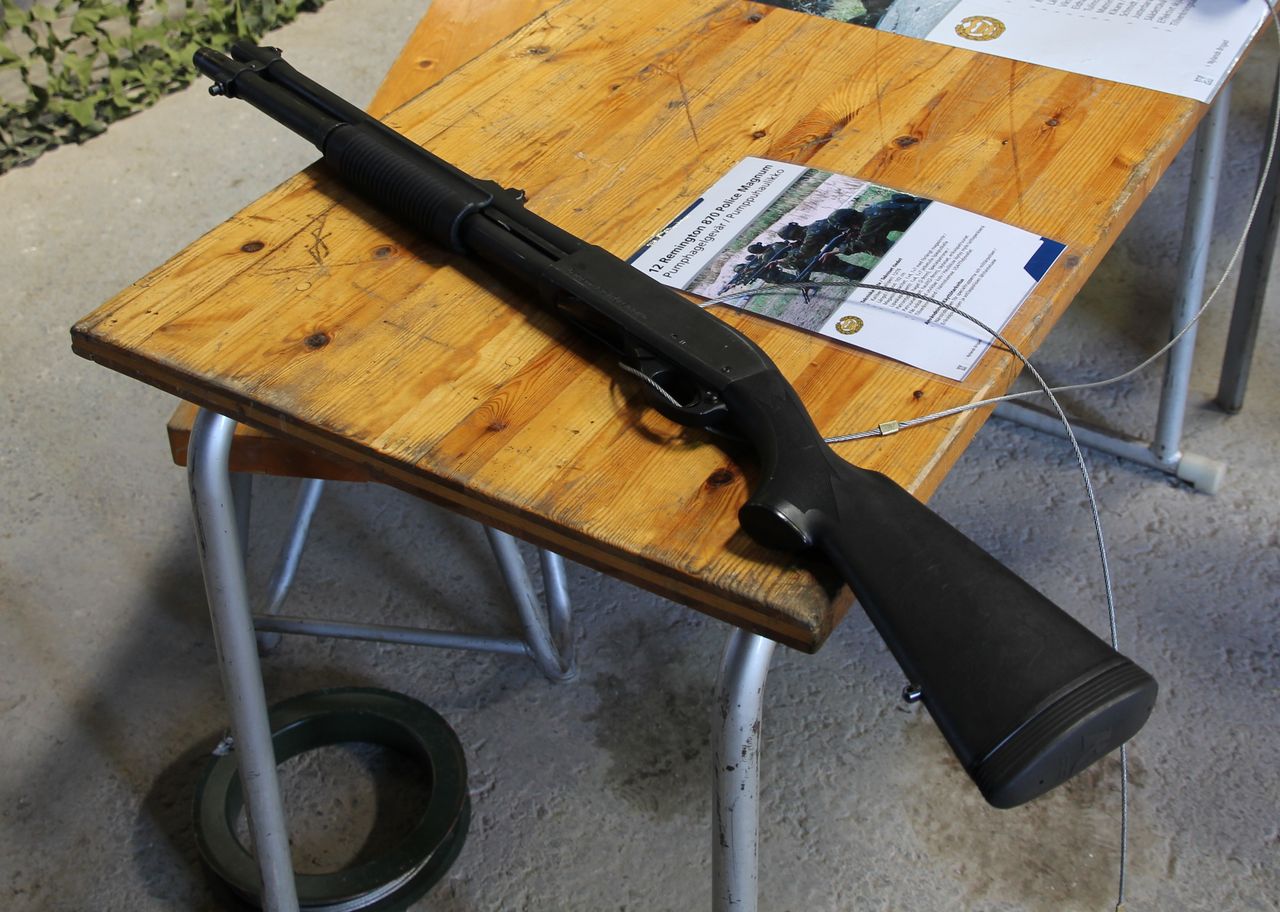
Pump shotguns have been pronounced outdated whenever semi-automatic designs surge in popularity, and the Remington 870 often gets dragged into that conversation. Critics point to faster follow-up shots and modern tactical features elsewhere.
Yet the 870 persists because reliability and familiarity still matter. Police departments, hunters, home defenders, and clay shooters spent generations learning a gun that simply became part of the American firearms landscape.
The platform also proved adaptable. Wingmaster elegance, Express affordability, tactical configurations, and endless aftermarket support helped it survive market swings that might have buried a less versatile shotgun years ago.
Browning Hi-Power
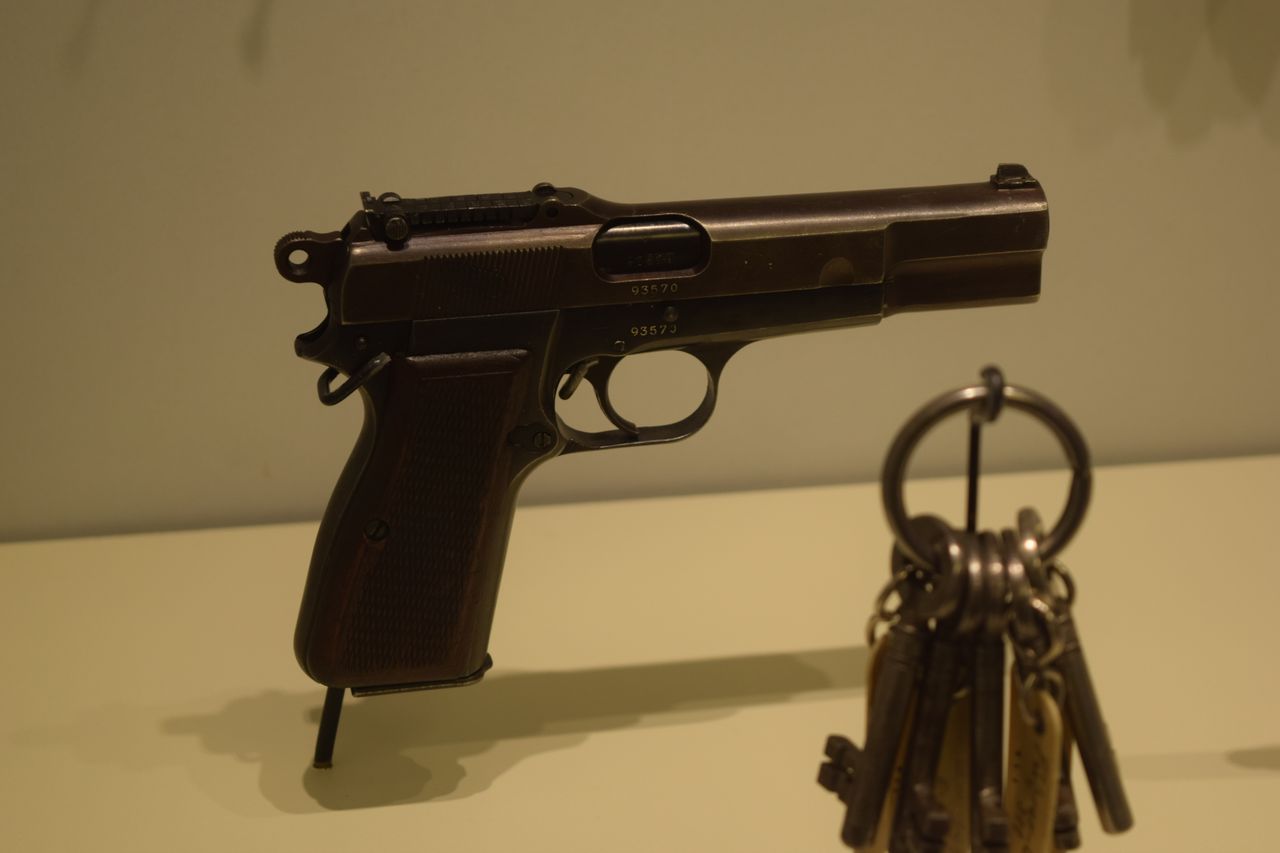
The Browning Hi-Power was supposedly pushed aside once double-stack polymer service pistols became the default choice. Its steel frame and older manual of arms led many observers to assume its practical chapter had ended.
Still, the Hi-Power kept a loyal following for good reason. It feels slim for its capacity, points beautifully, and carries the kind of mechanical elegance that enthusiasts rarely stop appreciating.
Its survival also reflects renewed interest rather than mere nostalgia. Clones, modernized versions, and fresh production runs have shown that shooters still want a pistol with classic lines and real range manners, even in an age obsessed with the newest thing.
Ruger 10/22
At first glance, it seems odd to call the Ruger 10/22 a survivor, because it feels almost permanent. But plenty of people predicted the humble rimfire semi-automatic would be displaced by newer, cheaper, or more tactical-looking alternatives.
Instead, the 10/22 became a category of its own. It is approachable for beginners, useful for small game, fun on the range, and endlessly customizable without losing its straightforward personality.
That mix is hard to kill. A rifle that can be a first gun, a training tool, a suppressor host, or a hobbyist project platform naturally resists replacement, especially when generations keep introducing it to the next wave of shooters.
Smith & Wesson Model 10
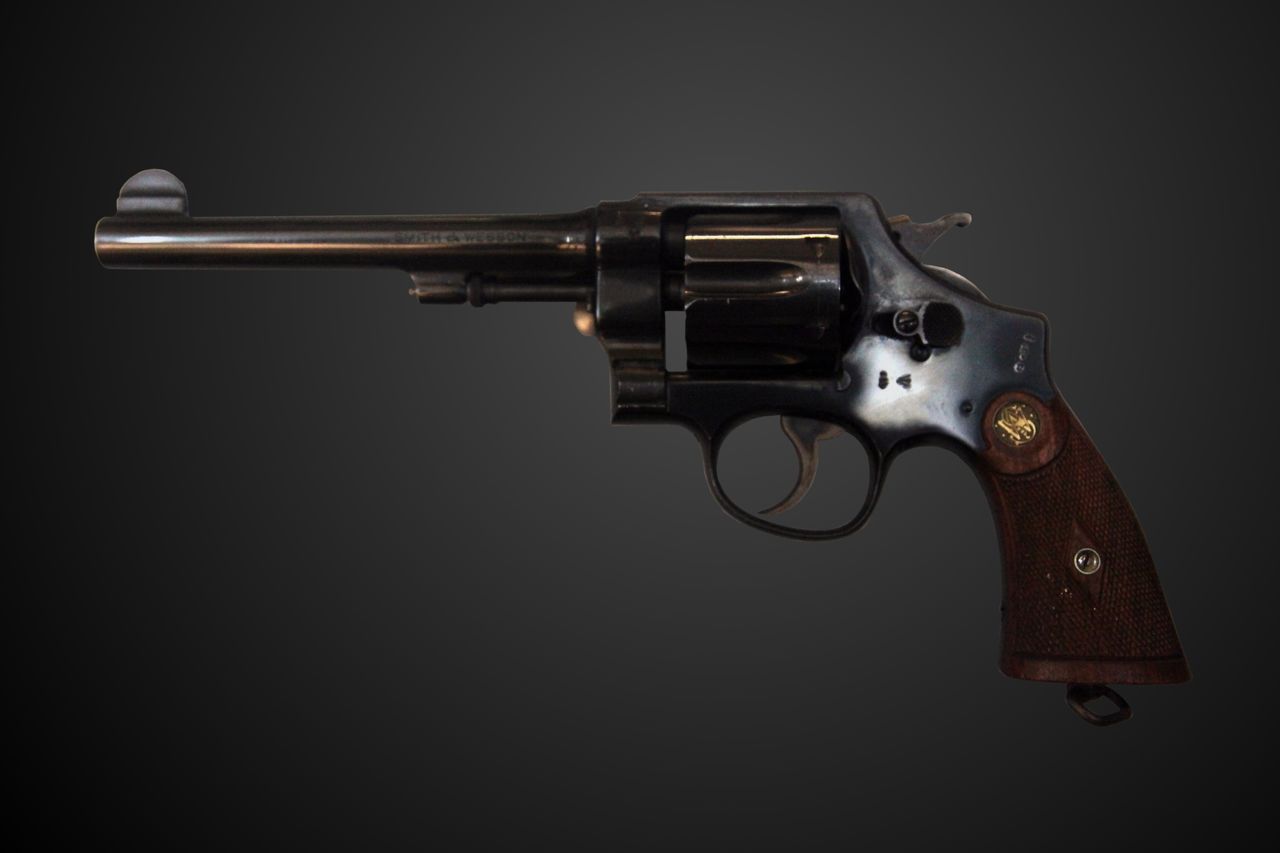
The service revolver era may be over, but the Smith & Wesson Model 10 never got the message. Once semi-automatic pistols took over law enforcement and personal defense, many assumed this .38 Special classic would slip quietly into history.
That did not happen. The Model 10 remained respected for its simplicity, manageable recoil, and mechanical honesty. For many owners, it is the revolver that still defines what a practical handgun should feel like.
Its long life also comes from broad usefulness. Training, collecting, home defense, and inherited family ownership all gave it pathways to endure after official duty relevance faded, which is often how true classics survive.
M2 Browning
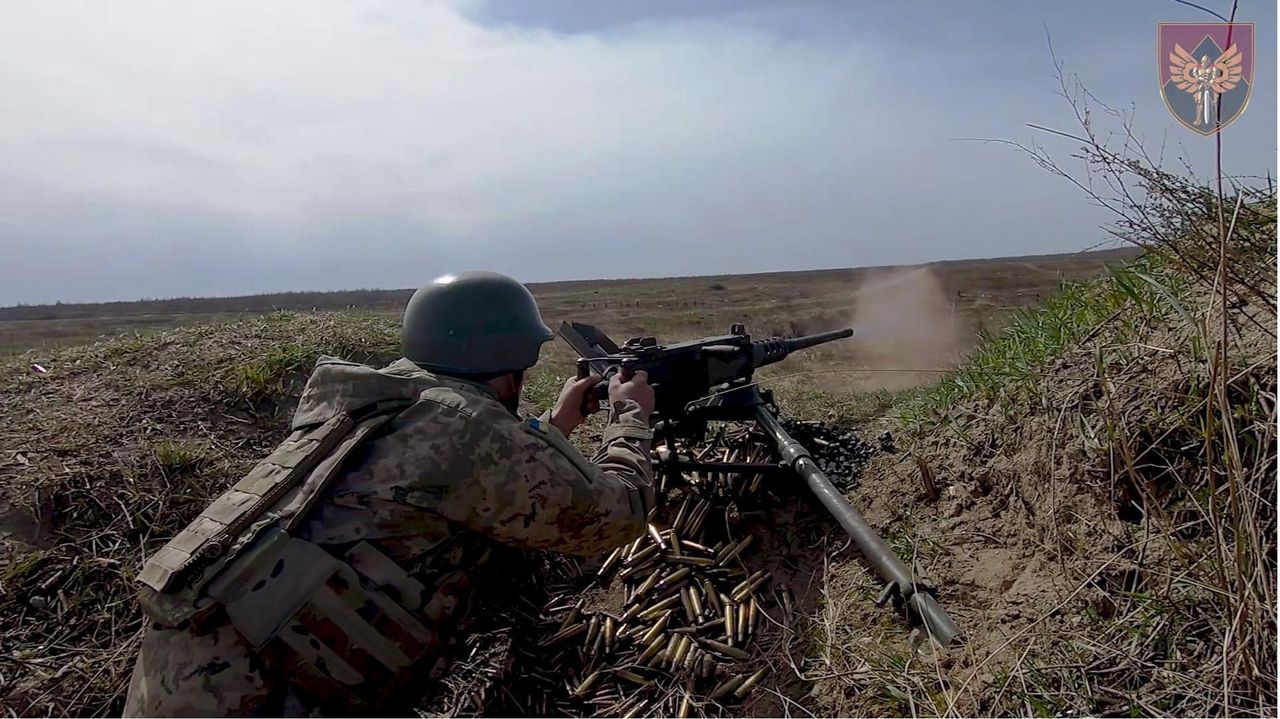
Few weapons have been declared too old for modern war as often as the M2 Browning. Designed in the early 20th century, it seems like the kind of system that should have been replaced many procurement cycles ago.
Yet the heavy machine gun remains stubbornly useful. It delivers range, power, and versatility from vehicles, fixed positions, naval mounts, and defensive roles that still demand exactly what the .50 BMG offers.
Its endurance says something larger about military technology. Sometimes a design does not survive because institutions are sentimental. It survives because, after endless testing and replacement talk, it still solves the problem better than most alternatives on the table.