Most first-time deer hunters think the hard part starts when a buck steps into range. In reality, many hunts are compromised long before that moment by small compound bow mistakes made at home, at the shop, or in preseason practice. This gallery walks through the setup and preparation errors that can quietly ruin accuracy, comfort, and confidence before a single arrow ever leaves the string.
Choosing a bow that is too much to handle

A lot of beginners buy with their ego instead of their body. They pick a bow with a draw weight or axle-to-axle feel that seems impressive in the shop, then realize later it is awkward, fatiguing, or simply hard to control when it matters.
A compound bow should feel manageable from the first draw to the last practice session. If the setup leaves your shoulders shaking or your form breaking down after a few arrows, it is not helping you become a better hunter.
Comfort is not a luxury here. It is what allows steady aiming, clean execution, and enough repetition to build confidence before opening day.
Ignoring proper draw length
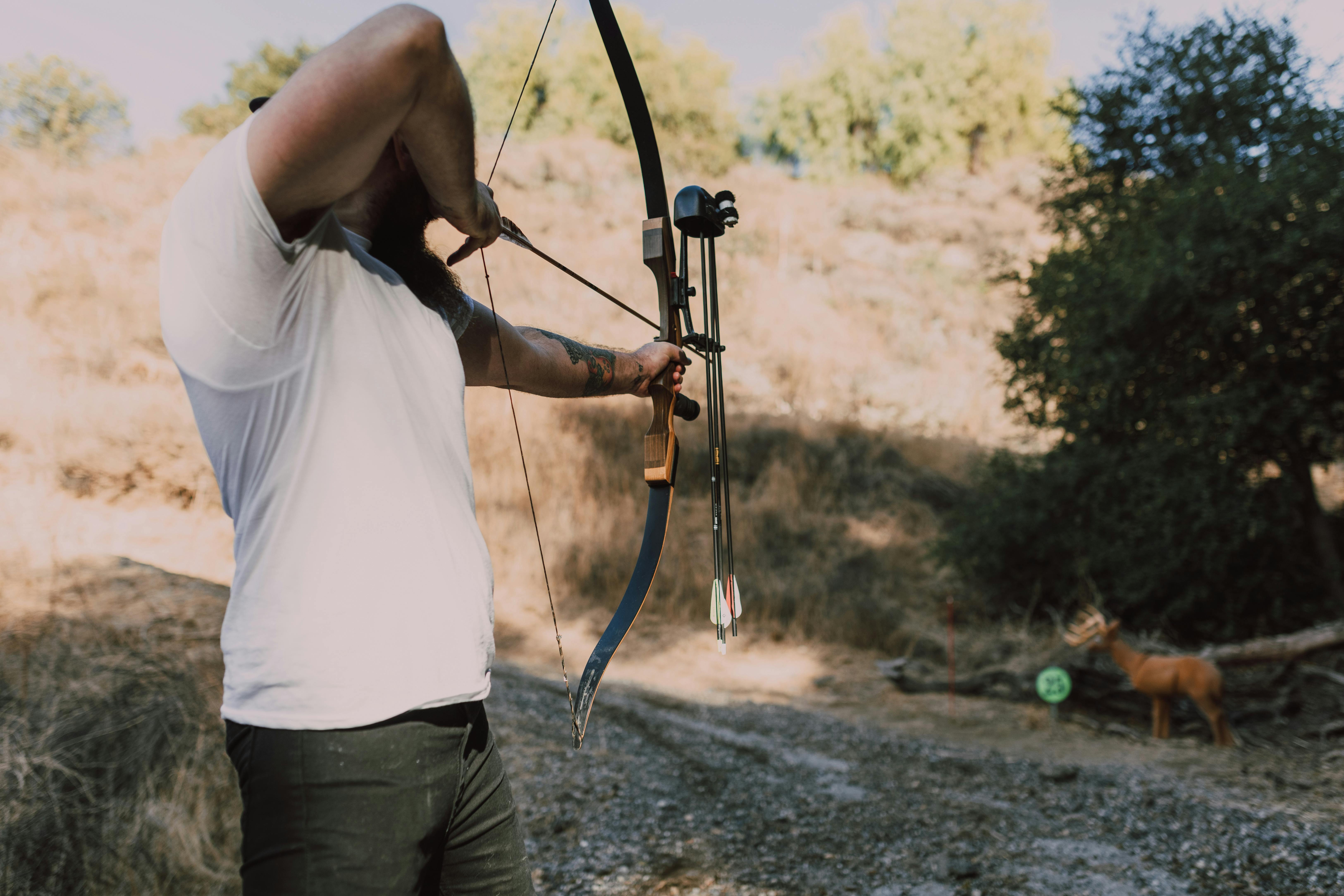
Draw length is one of those details new hunters often overlook because it sounds technical. But a bow set too long or too short changes everything, from anchor point and peep alignment to how naturally the shot breaks.
When draw length is wrong, people compensate in messy ways. They crane their neck, overextend their bow arm, or hunch into the string, and those little adjustments quickly become hard-to-break habits.
A properly fitted draw length makes the whole system feel calmer. The sight picture settles faster, the release comes back consistently, and practice starts reinforcing good form instead of rehearsing frustration.
Setting draw weight too high
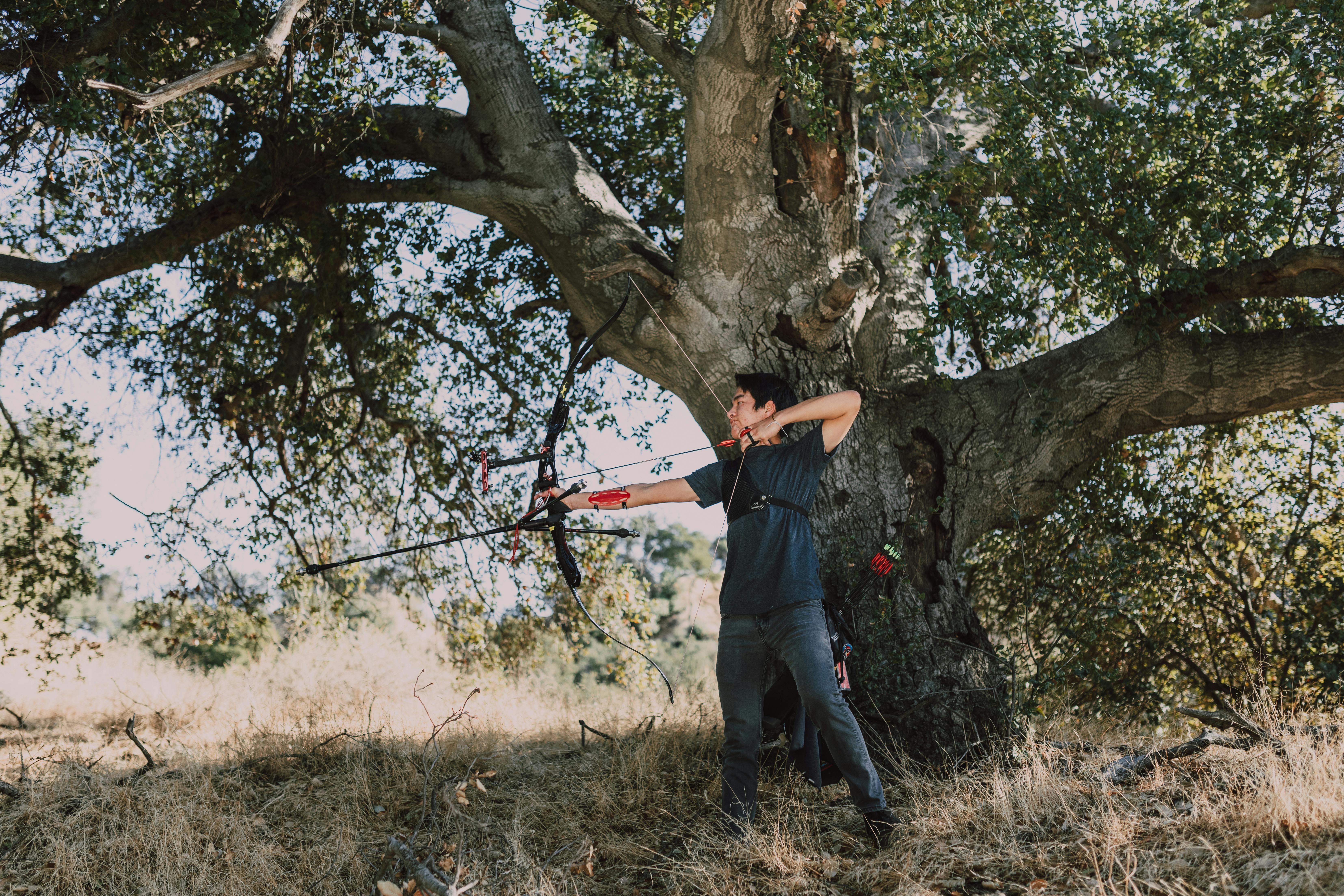
Many first-time deer hunters assume heavier automatically means better. In truth, too much draw weight often creates poor form, target panic, and short practice sessions, all before the season even starts.
If you have to sky draw, jerk through the cycle, or collapse at full draw, you are not gaining an advantage. You are teaching your body to rush the shot and dread repetition.
A slightly lower draw weight you can control smoothly is usually the smarter choice. Modern bows are efficient, and accuracy with confidence beats raw poundage every time when the goal is a clean, ethical shot on a deer.
Trusting factory settings without a real tune

A new bow out of the box may look hunt-ready, but appearances can fool you. Rest position, cam timing, centershot, nock height, and paper tune results all matter, and small issues can show up as frustrating misses later.
Beginners often assume the bow shop setup is enough forever. Sometimes it is close, but strings settle, accessories shift, and your specific arrows may reveal problems that were not obvious on day one.
A proper tune gives you a reliable baseline. It helps broadheads and field points behave more predictably, and it turns guesswork into confidence before you ever climb into a stand.
Using arrows that do not match the bow
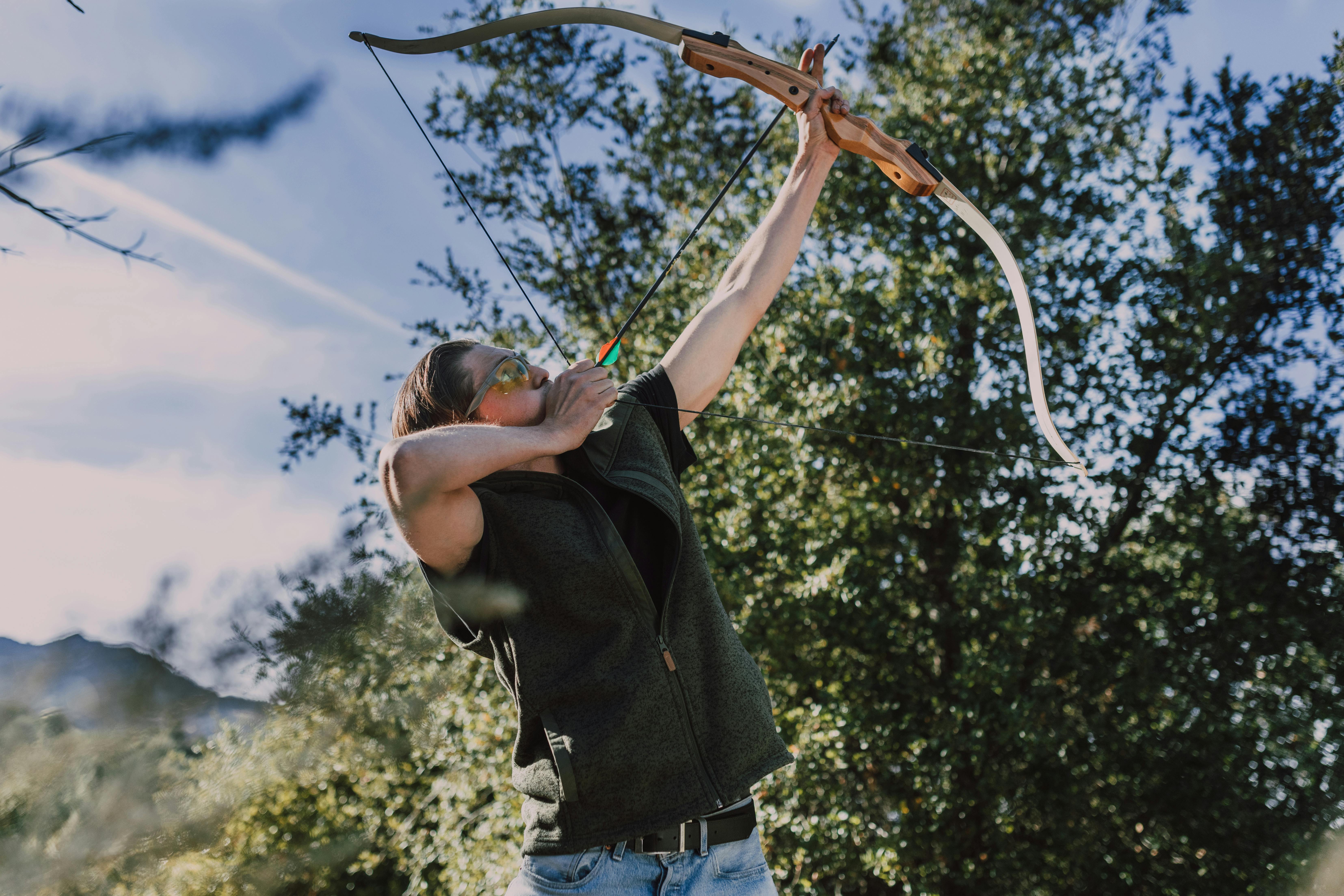
Arrow choice is not just about grabbing a dozen with a hunting label on the box. Spine, length, total weight, and point combination need to work with your bow’s draw weight and draw length, or flight can get sketchy fast.
New hunters sometimes chase speed or buy whatever a friend recommends. But an arrow that is too weak, too stiff, or poorly matched can produce inconsistent groups and make tuning feel impossible.
A properly matched arrow setup creates a smoother shooting experience. It also helps broadhead performance, penetration, and overall consistency, which are all things you want settled long before deer season starts.
Mounting accessories without checking alignment
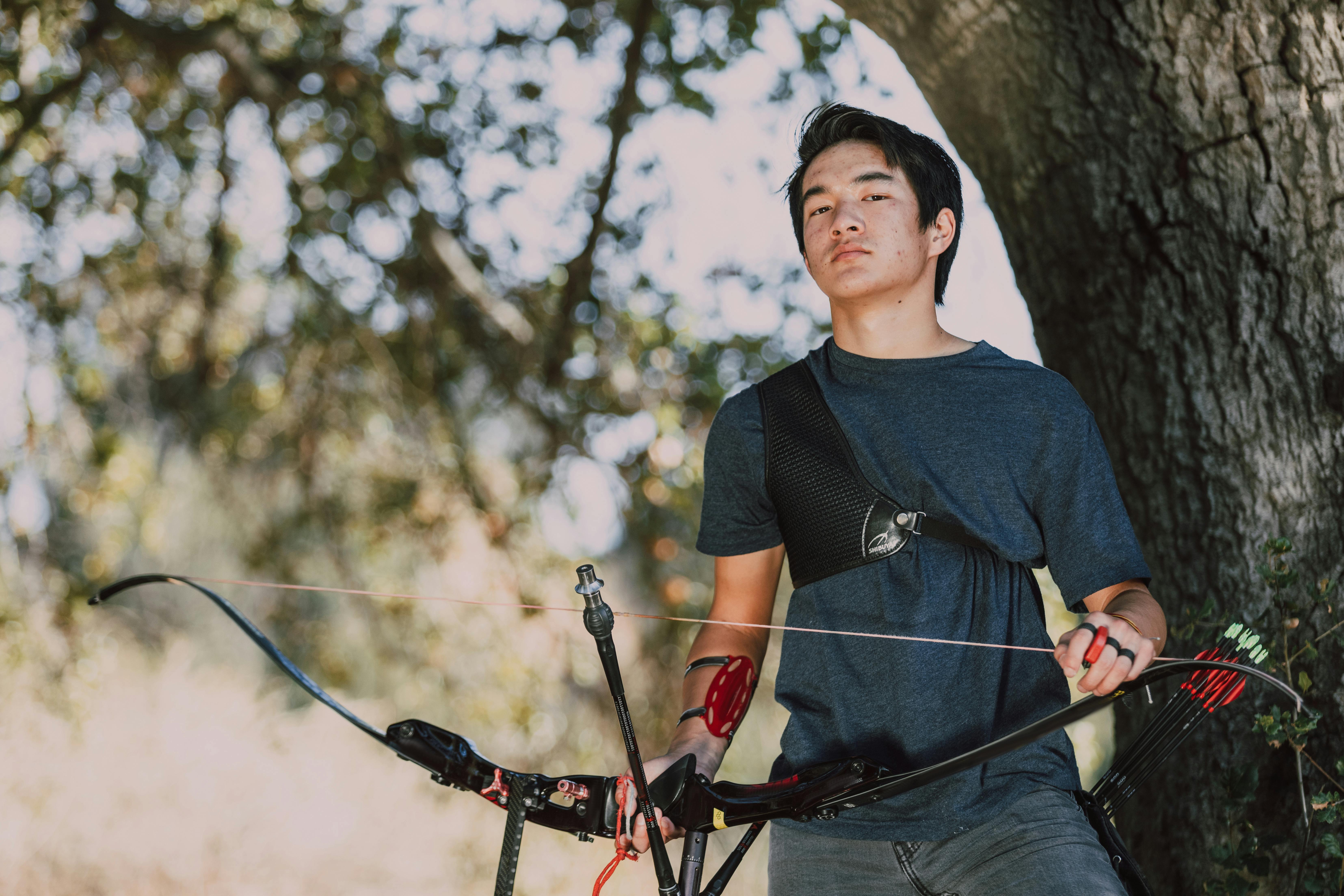
Sights, rests, quivers, stabilizers, and peeps can all affect how a bow handles. Beginners often bolt everything on quickly, then head to the range without confirming that each piece is secure, level, and working in harmony.
A sight that is slightly off or a peep that rotates inconsistently can create maddening results. So can a rest that shifts under use or a quiver that changes the bow’s balance in a way you never practiced with.
Accessory setup should feel intentional, not improvised. Taking time to level, tighten, and verify each component helps the bow behave the same way every time you pick it up.
Practicing only from flat ground in perfect conditions

Range accuracy can flatter a beginner. Hitting dots in a calm backyard on level ground feels great, but deer hunting rarely offers such friendly conditions, especially from a stand, saddle, or blind.
If all your reps happen in ideal settings, the first elevated shot or awkward seated draw can feel surprisingly foreign. Even clothing bulk and cold fingers can change the way your shot process feels.
Good preseason work includes hunting realism. Practice from elevation if legal and safe, from kneeling positions, and while wearing likely gear so nothing about the moment feels completely new in the woods.
Waiting too long to shoot broadheads

Field points can give a new hunter a false sense of readiness. They are great for building form, but broadheads can reveal tuning or arrow flight issues that never showed up with practice tips.
Some beginners avoid broadheads until the last minute because they are expensive or intimidating. Then they discover, right before opener, that point of impact has changed and confidence has vanished.
Broadhead practice does not have to mean burning through all your gear. It simply means giving yourself enough time to verify flight, tune the setup, and trust what the arrow will do when the shot finally counts.
Neglecting release aid fit and trigger control
A release aid is not a minor accessory. It is the final connection between you and the shot, and when it fits poorly or gets slapped carelessly, accuracy problems can start before the arrow is even moving.
New hunters often use whatever release came with a starter package. If the length is wrong, the wrist strap is loose, or the trigger tension encourages punching, consistency tends to disappear under pressure.
A release should feel repeatable and calm in your hand. Dialing in fit and practicing smooth trigger execution helps prevent rushed shots, especially when buck fever starts trying to take over your whole system.
Forgetting to check peep height with hunting posture

Peep height can seem fine on the range and still fail you in real hunting posture. The difference often shows up when you are seated, bundled in layers, or drawing at an angle from a stand.
If the peep sits too high or too low, beginners start bobbing their head to find the sight housing. That movement costs time, creates tension, and can ruin the natural alignment needed for a steady shot.
This is an easy thing to catch before season, but only if you test realistically. Draw the bow while wearing your hunting jacket and mimic likely shooting positions so your sight picture works when it truly matters.
Skipping a preseason gear inspection

Compound bows are systems, and systems need checkups. Strings fray, screws loosen, serving separates, and sight tapes peel at exactly the wrong time if nobody gives them a careful look before the season begins.
First-time hunters sometimes assume a bow that shot well months ago is still ready now. But storage, travel, and regular practice can all introduce little issues that become big distractions in the field.
A preseason inspection is about protecting trust in your equipment. When every component has been checked, tightened, and confirmed, you are far less likely to spend your hunt worrying about your bow instead of watching for deer.
Going into season without a repeatable shot process

The biggest mistake might be believing equipment alone will save the day. New hunters often spend plenty of money on gear but never build a simple, repeatable sequence for drawing, anchoring, aiming, and executing the shot.
Without a shot process, nerves fill the gap. The moment a deer appears, everything speeds up, and the body starts improvising instead of following a practiced rhythm that has been reinforced over and over.
A reliable process creates order in a high-adrenaline moment. It does not make pressure disappear, but it gives you something steady to return to, which is often what separates a calm shot from a chaotic one.