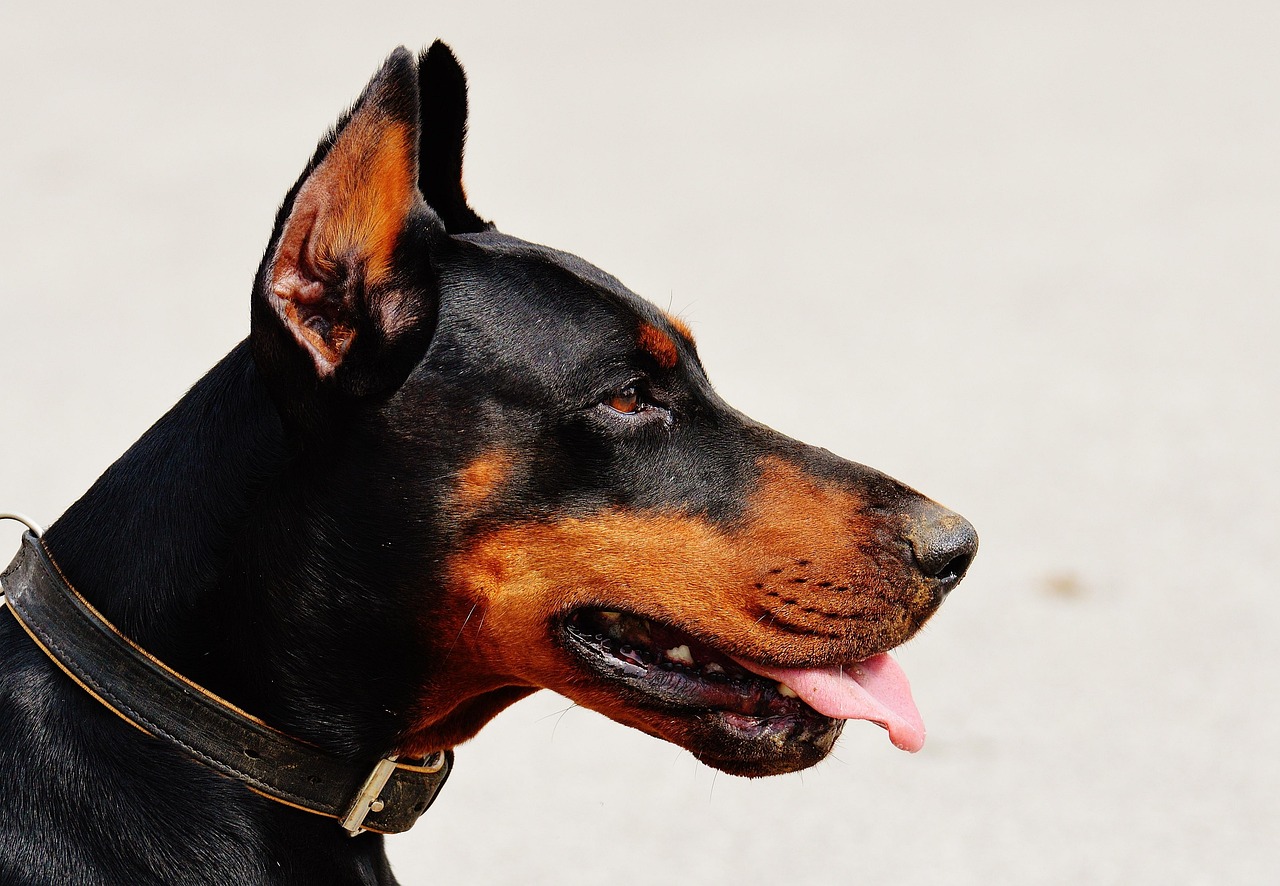
Before they were house companions, many of the world’s most recognizable dogs had serious jobs to do. From hauling sleds to guarding livestock, these breeds were shaped by work first and affection second. This gallery takes a closer look at 10 hardworking dogs whose original roles still show up in the way they move, think, and act today.
German Shepherd
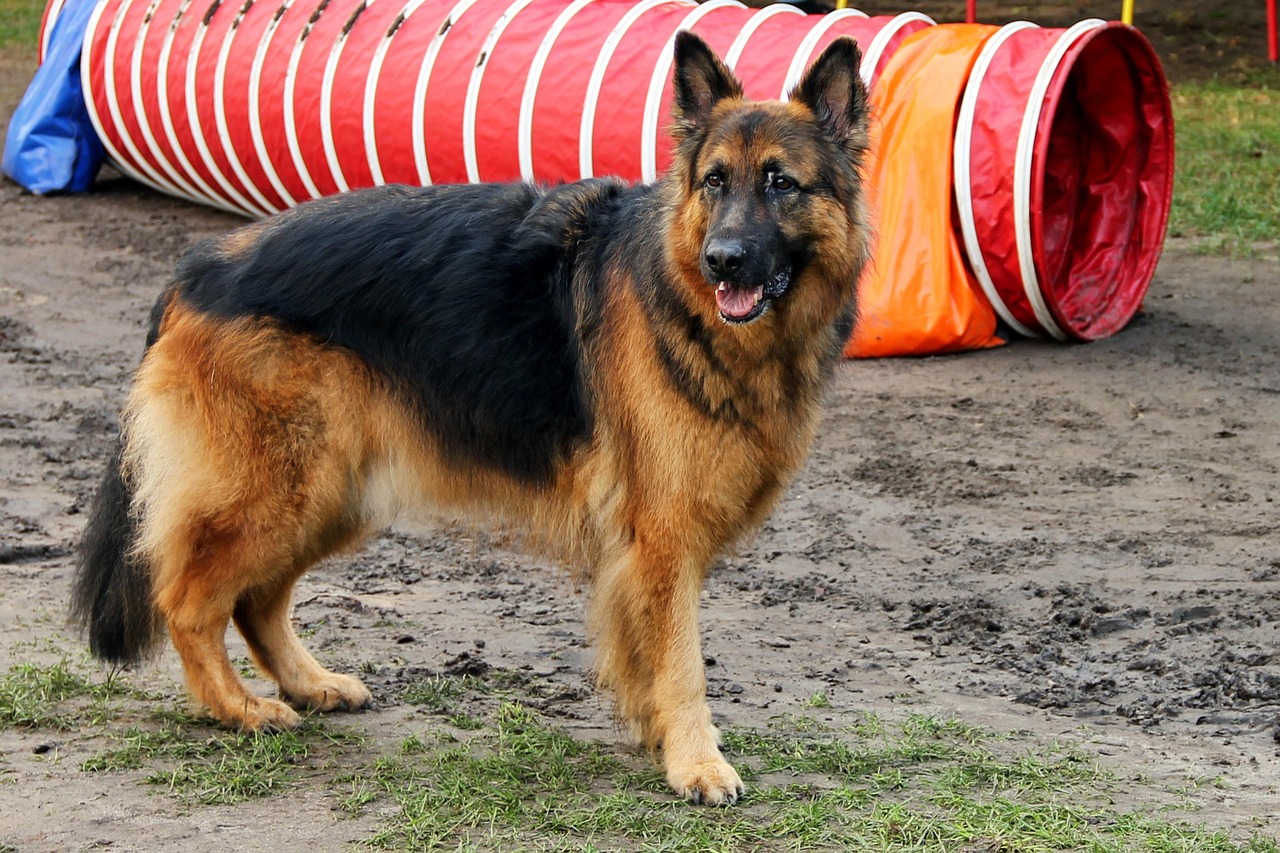
The German Shepherd was developed in Germany as a herding and tending dog, built to move sheep, respond quickly, and think independently. Even today, that sharp, watchful expression hints at a breed designed to stay one step ahead of the flock and the handler.
It didn’t take long for people to realize those same traits translated beautifully to police, military, and search-and-rescue work. Intelligence, trainability, and stamina made the breed famous far beyond the pasture.
As pets, German Shepherds are loyal and deeply devoted, but they still thrive when given structure and a job to do. This is not a breed that was ever meant to be idle.
Rottweiler
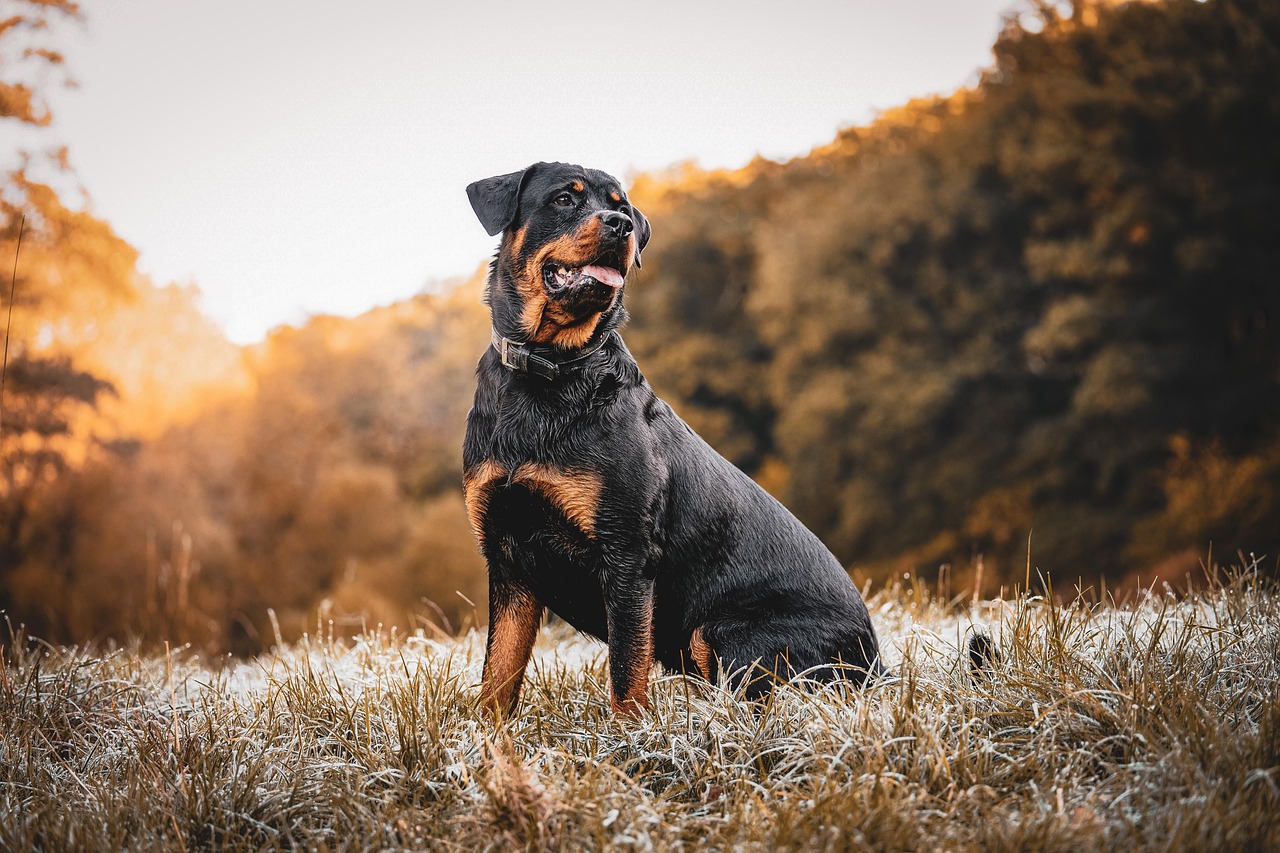
Long before the Rottweiler became a family protector, it was a drover’s dog, helping move cattle and guard valuable goods. The breed’s roots go back to working dogs used by the Romans, then refined in the German town of Rottweil.
That history helps explain the Rottweiler’s sturdy build, calm confidence, and natural seriousness. This was a dog expected to handle pressure, stay close to its people, and stand firm when it mattered.
In modern homes, Rottweilers can be affectionate clowns with the people they trust. Still, underneath the cuddly moments is a dog shaped by centuries of responsibility and hard physical work.
Border Collie
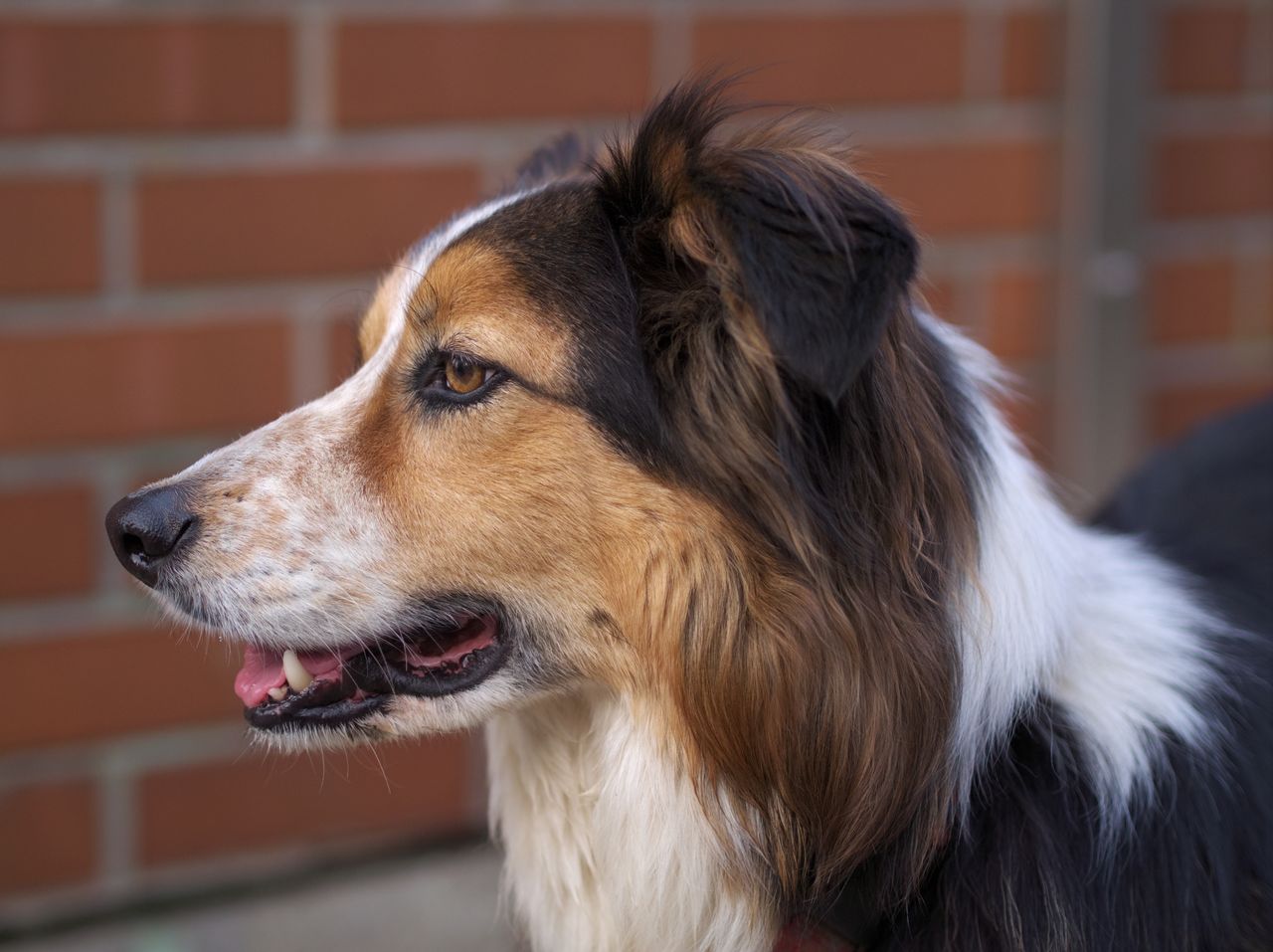
The Border Collie is often called the ultimate herding dog, and that reputation was earned the hard way. Bred along the border of Scotland and England, these dogs were developed to control sheep with laser focus, speed, and uncanny responsiveness.
Their famous stare, sometimes called the eye, wasn’t bred for drama. It was a practical tool for moving livestock efficiently across rough terrain and in unpredictable weather.
As pets, Border Collies are brilliant and engaging, but they still carry that restless working spark. Without enough mental and physical activity, they tend to invent their own jobs, and not always the kind owners had in mind.
Siberian Husky
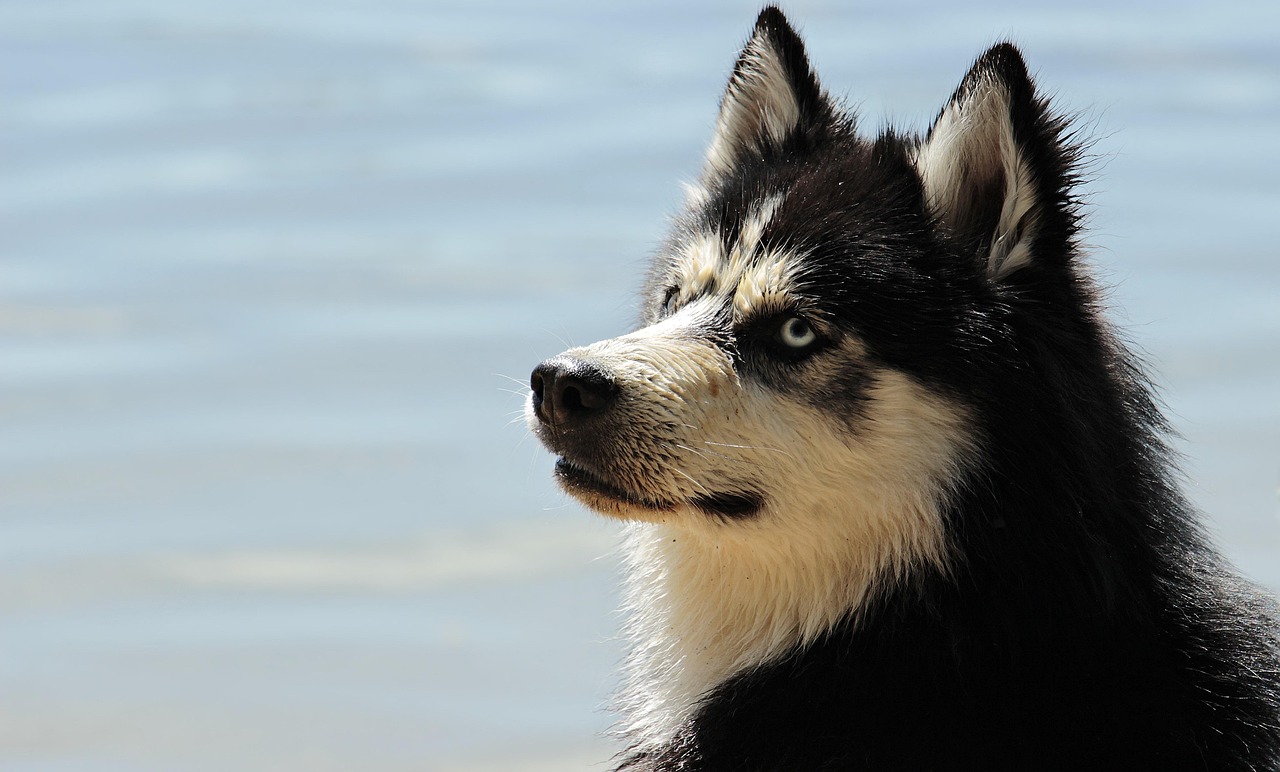
The Siberian Husky was bred by the Chukchi people of northeastern Asia to pull sleds over long distances in brutal conditions. Endurance mattered more than sheer bulk, which is why the breed is athletic, efficient, and surprisingly light on its feet.
Everything about the Husky points back to that purpose, from its thick coat to its ability to work cooperatively in a team. These dogs were built to travel, conserve energy, and keep going when the landscape offered very little mercy.
In pet life, that same stamina can surprise people who expect a fluffy couch companion. Huskies are charming, social, and expressive, but their engines still run like they are headed across snow.
Saint Bernard
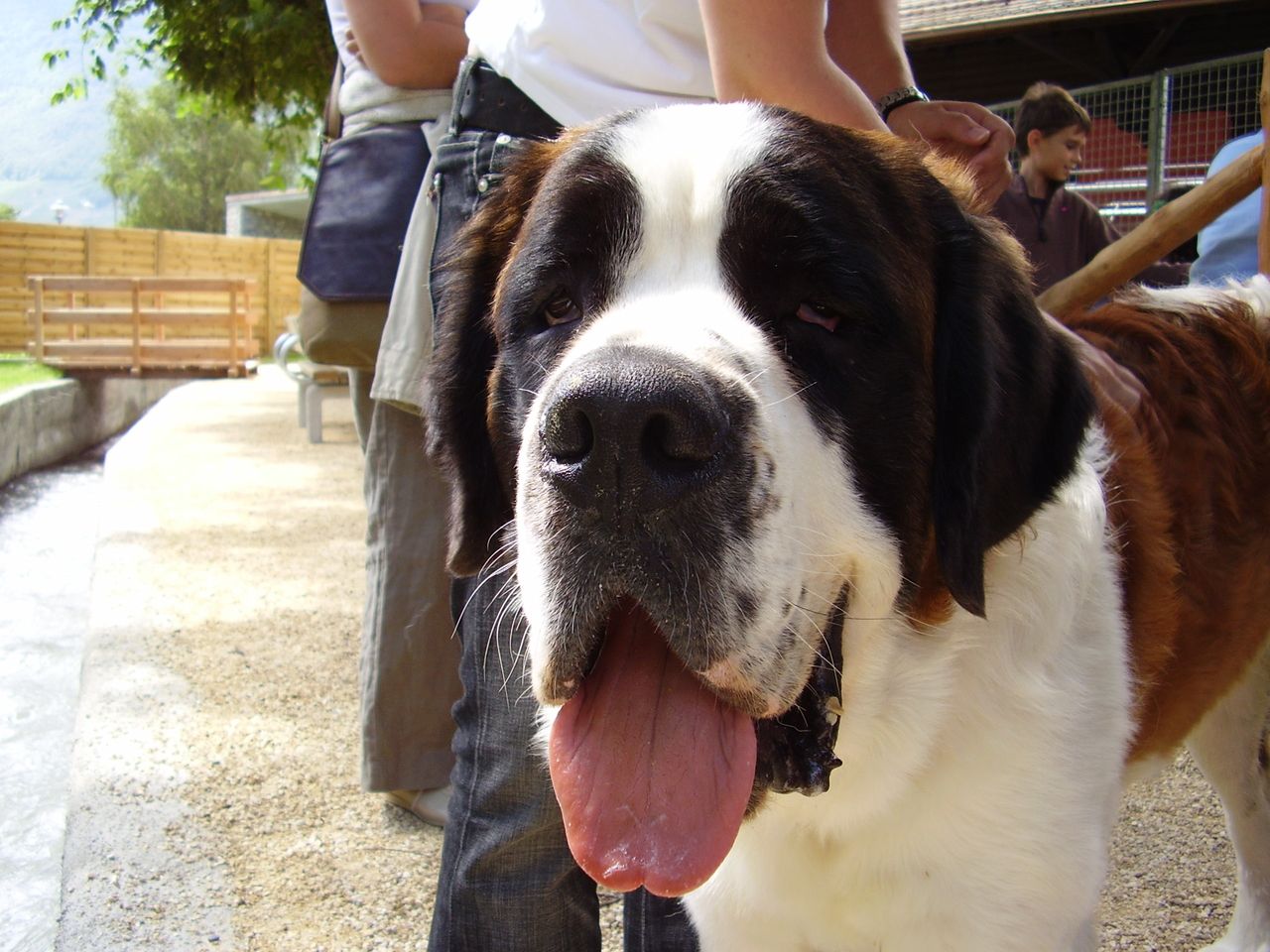
The Saint Bernard earned its reputation in the Swiss Alps, where monks used these powerful dogs to help locate and rescue travelers lost in snow and dangerous mountain passes. Their size was impressive, but their real gift was dependability in extreme conditions.
This breed was made for cold weather, difficult terrain, and long periods of purposeful movement. Over time, stories of avalanche rescues helped turn the Saint Bernard into a near-legendary symbol of canine heroism.
Today, they are known for their gentle, patient nature at home, especially with families. Even so, the breed’s calm presence and physical strength still feel like they belong to a dog bred for serious mountain work.
Bernese Mountain Dog
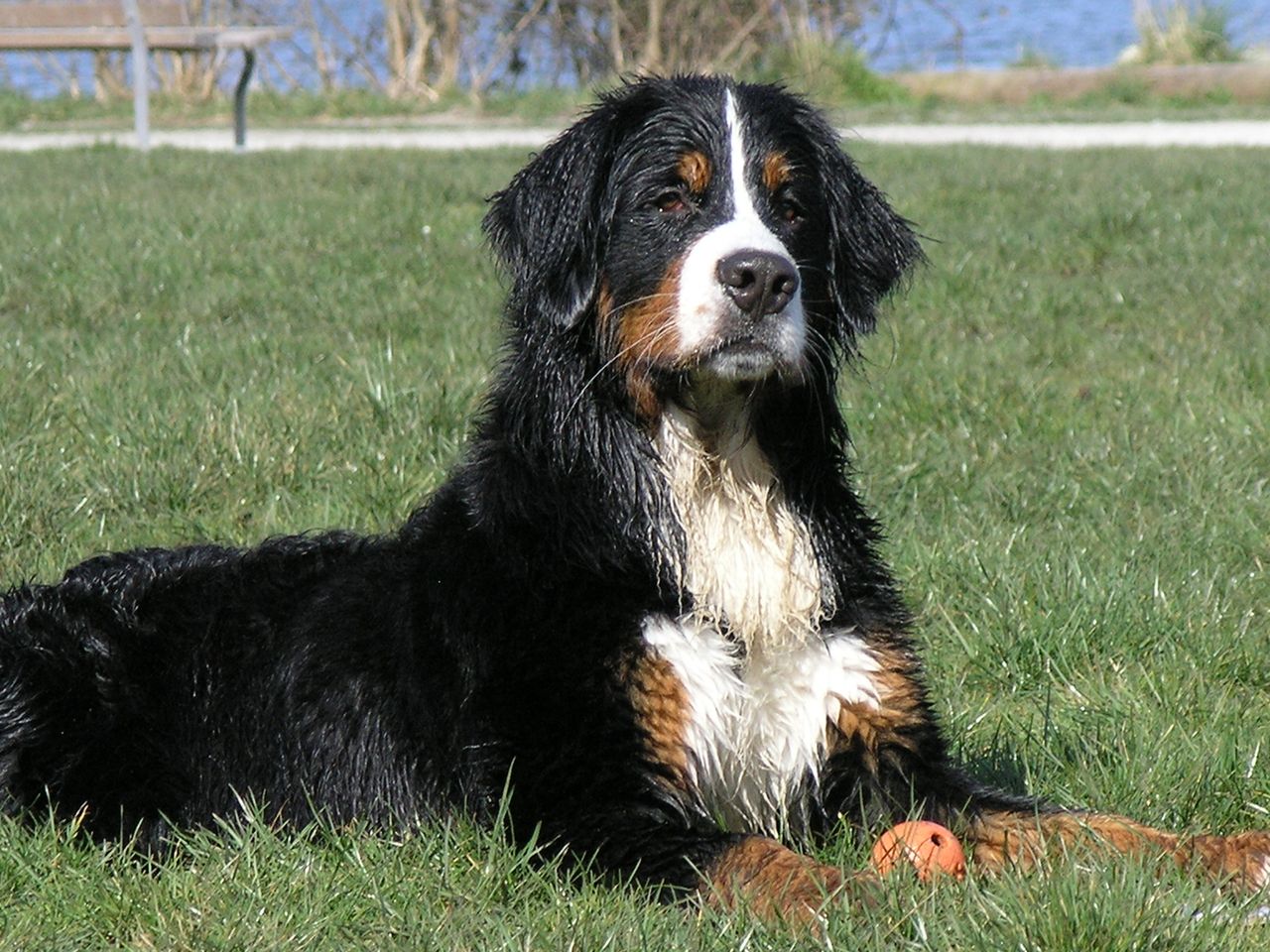
The Bernese Mountain Dog comes from the farms of Switzerland, where it worked as a general-purpose helper. These dogs pulled carts, drove cattle, and kept watch over rural properties, making them invaluable partners in everyday agricultural life.
Their large frame and steady temperament were practical assets, not just charming traits. A Bernese needed enough strength to haul loads and enough patience to remain manageable around people, livestock, and the rhythms of farm work.
As modern pets, they are often described as affectionate and easygoing, and that is absolutely part of their appeal. But behind the fluffy coat is a breed shaped by labor, reliability, and life in the working countryside.
Great Pyrenees

The Great Pyrenees was developed to guard sheep in the mountain regions between France and Spain, often working with little direct supervision. This was a dog expected to make decisions, assess threats, and remain calm through long stretches of quiet vigilance.
That independent streak is one of the breed’s defining features. Unlike herding dogs that move livestock actively, the Great Pyrenees protected by presence, patience, and the willingness to confront predators when necessary.
In a home, that can translate into a sweet, serene companion with a watchful nature. They are gentle with their families, but their instincts still come from a world where guarding was a full-time assignment.
Doberman Pinscher
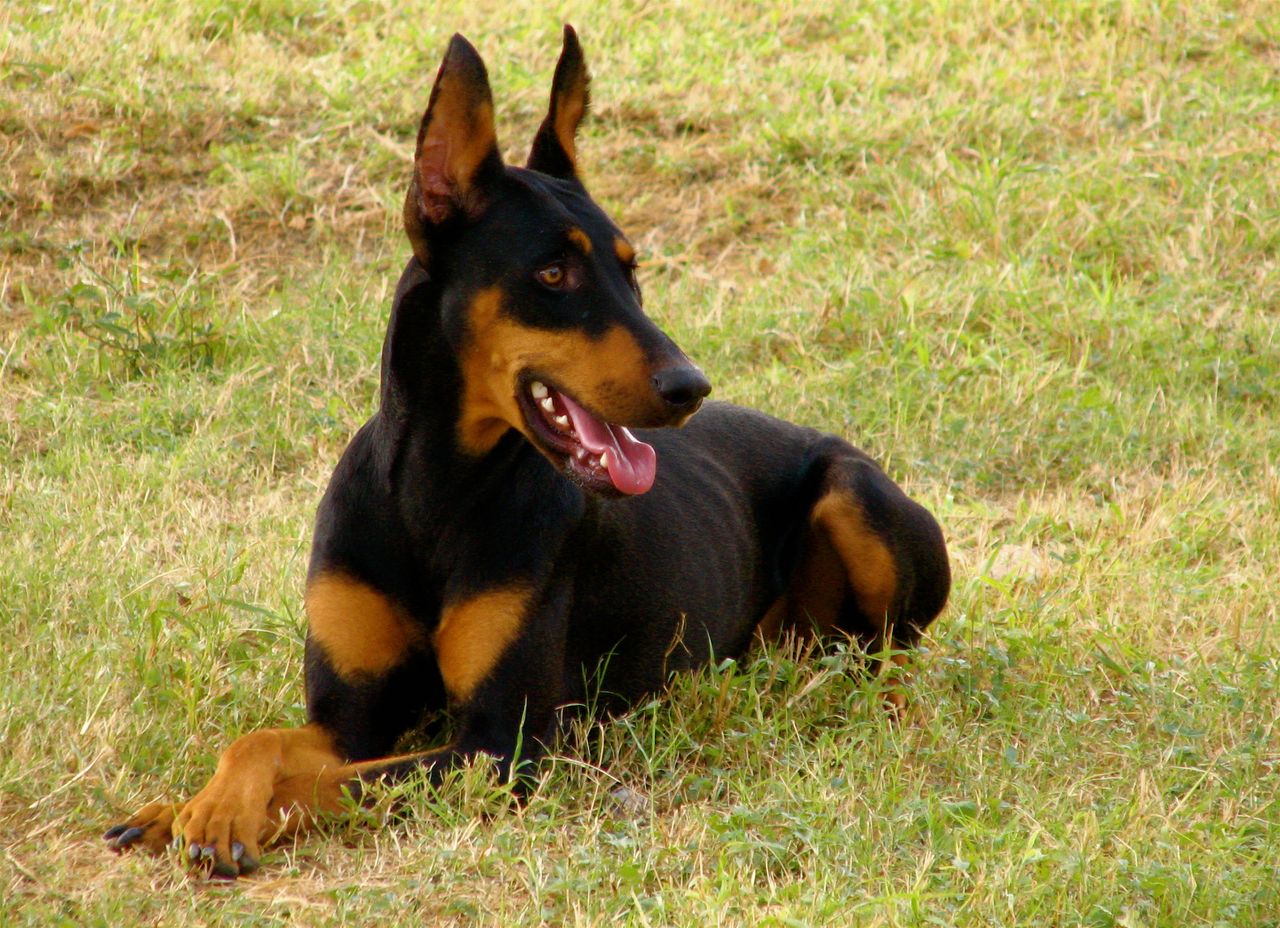
The Doberman Pinscher was created in Germany in the late 19th century, reportedly by a tax collector who wanted a loyal, protective companion for dangerous rounds. From the beginning, this breed was designed with purpose, combining speed, alertness, and control.
Unlike older working breeds shaped gradually over centuries, the Doberman was a more deliberate project. The result was a sleek, powerful dog that could guard property, serve in military and police roles, and stay highly responsive to training.
As pets, Dobermans are often affectionate shadows who want to be close to their people. Even so, their elegant look and intense focus still reflect a breed built to work, not simply to lounge.
Akita

The Akita originated in Japan, where it was developed as a powerful hunting and guard dog. It was used to track large game, including boar and bear, which helps explain the breed’s strength, bravery, and composed intensity.
This is a dog with a strong sense of self, and that trait is deeply tied to its working past. Akitas were expected to be steady, courageous, and capable in demanding conditions, not endlessly social or eager to please everyone they met.
In modern homes, they can be deeply loyal and even tender with their families. But their dignified reserve and protective instincts still feel like echoes of a breed shaped by serious work and self-possession.
Newfoundland
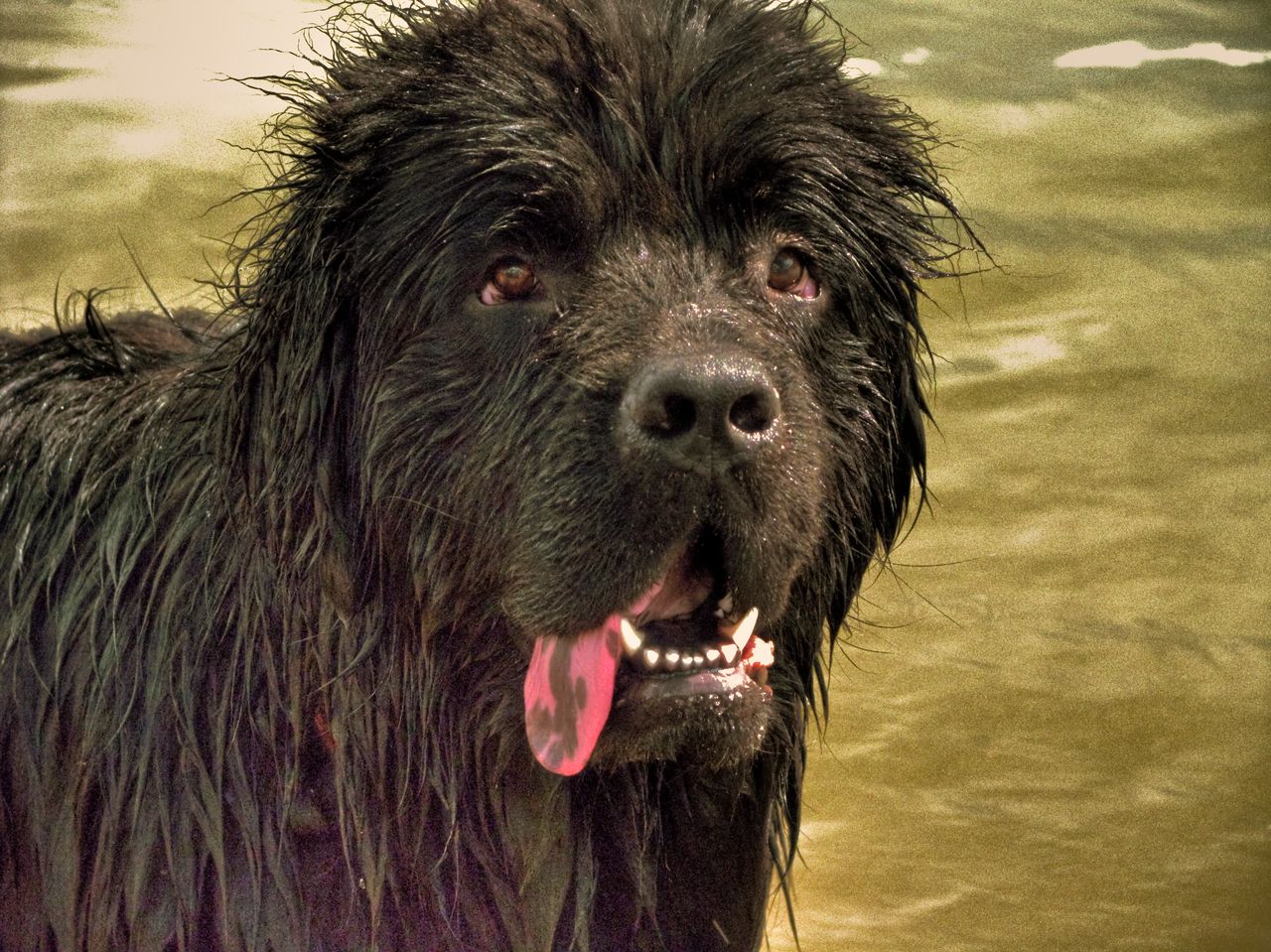
The Newfoundland was bred for labor around the cold waters of Canada, especially alongside fishermen. These dogs hauled nets, pulled loads, and became famous for their extraordinary swimming ability and instinctive water rescue skills.
Their massive size was part of the job, but so was temperament. A good Newfoundland needed strength, steadiness, and a willingness to work closely with people in rough weather and difficult coastal conditions.
As pets, they are often adored for their sweet, almost famously gentle nature. Still, the breed’s calm power and natural comfort in water are reminders that this giant companion was once an essential working partner on the shore.