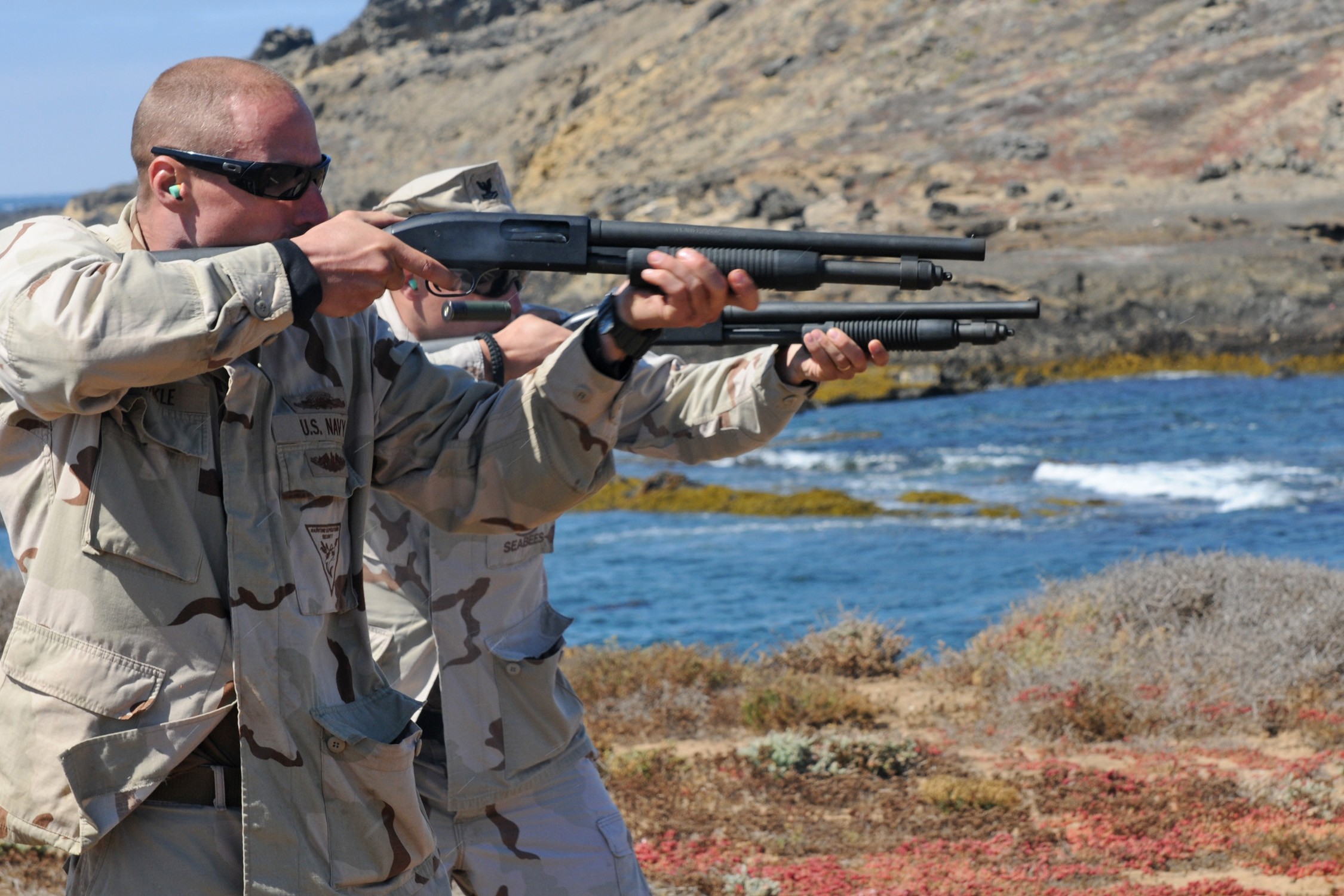
Recoil is not simply a matter of one gun “kicking harder” than another. The rearward movement comes from conservation of momentum, involving the projectile or shot, propellant gases, and firearm weight. What the shooter actually feels is also affected by recoil timing, firearm design, stock or grip shape, and how the gun is held.
1. Recoil Starts With Momentum

Recoil begins with the same basic rule in all three firearms: momentum moves forward, so the firearm moves backward. A shotgun may launch a heavy shot charge, a rifle sends one fast bullet, and a pistol usually sends a lighter bullet from a much smaller frame. For example, a 12-gauge shell can contain 1 to 1.25 ounces of shot, while a 5.56 rifle bullet may weigh about 55 grains and a 9mm bullet about 115 grains. The numbers differ, but the physics does not. Weight, velocity, propellant gases, and firearm mass all shape the result. That is why recoil is measurable before it is felt.
2. Shotguns Often Feel Like a Push

Shotgun recoil is often described as a broad push because a typical shoulder-fired shotgun is relatively heavy and launches a substantial payload. A 12-gauge target or field load may carry roughly 1 to 1.25 ounces of shot, and a 7-pound shotgun can turn that momentum into noticeable rearward movement. The sensation changes with load, stock design, and action type. A gas-operated semiautomatic can spread the event over a little more time than a simple fixed-action gun, which may make the same general recoil energy feel less abrupt to the shooter.
3. Rifles Can Feel Sharper or Slower

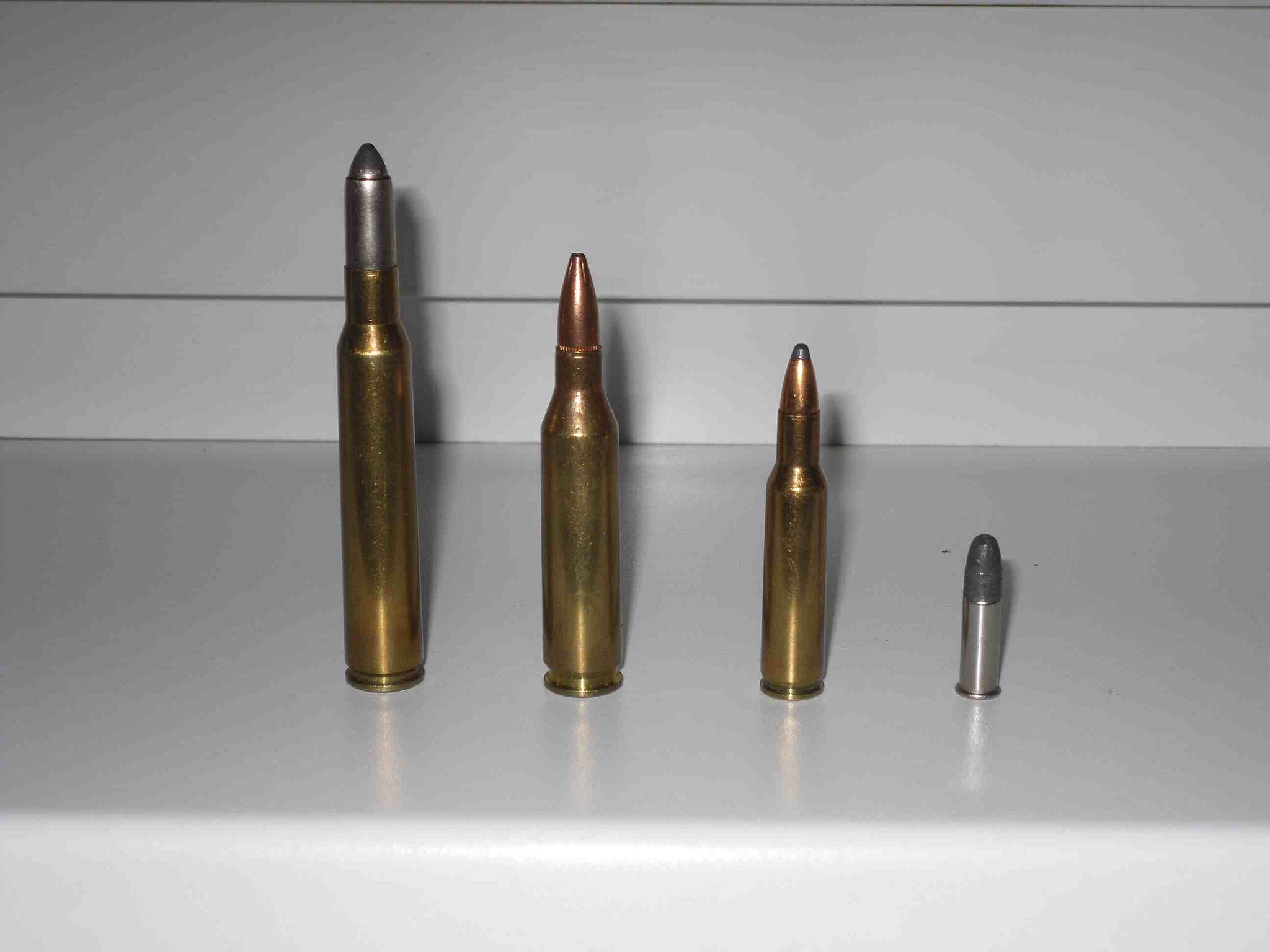
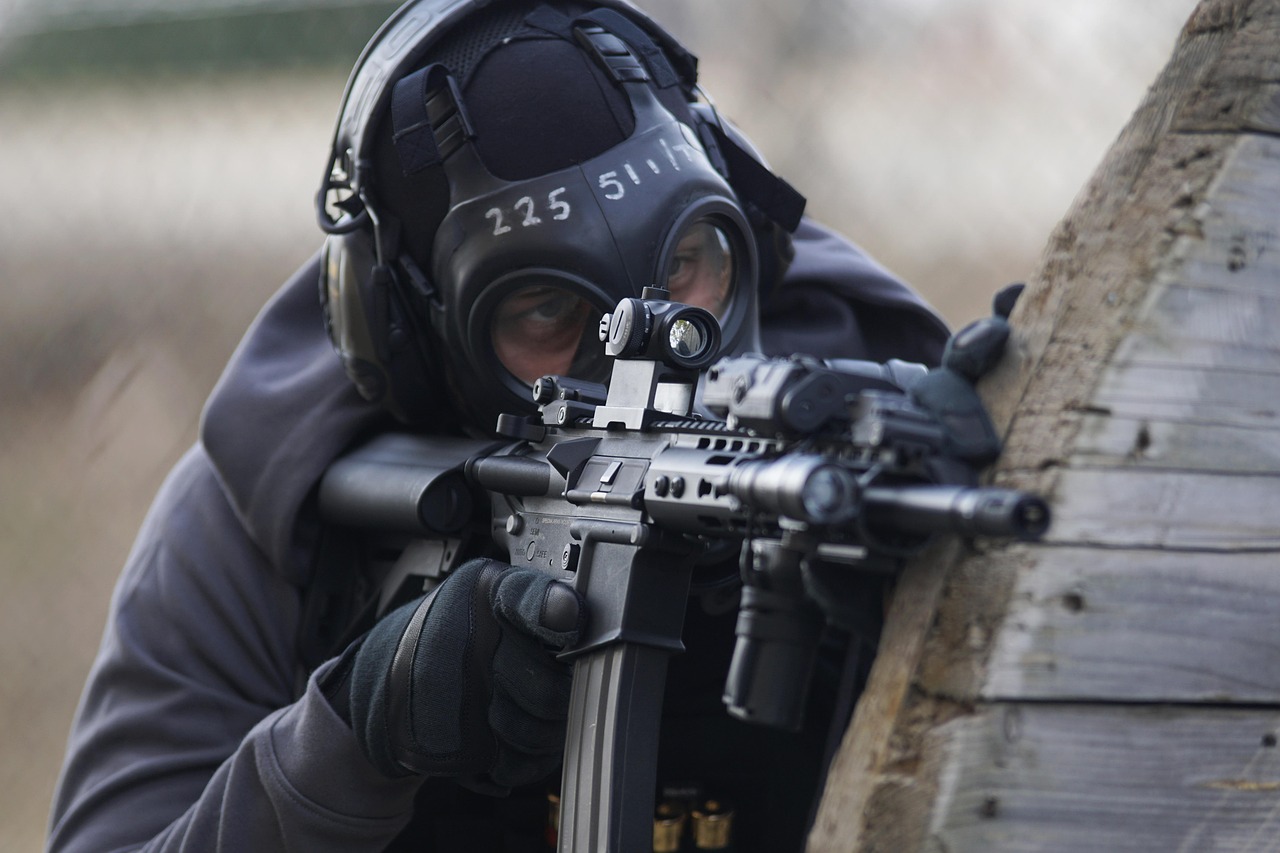
Rifle recoil varies enormously because cartridges range from mild hunting rounds to powerful magnum designs. A lightweight rifle firing a medium cartridge can feel surprisingly sharp, even when its calculated recoil energy is not extreme. As an illustration, a 7- to 9-pound sporting rifle is common, while projectile weights can range from roughly 55 grains in small-caliber rounds to more than 180 grains in larger hunting cartridges. Greater projectile momentum means greater rearward momentum, but firearm weight, stock geometry, and recoil timing still shape how that energy reaches the shoulder.
4. Pistols Transfer Recoil to the Hands
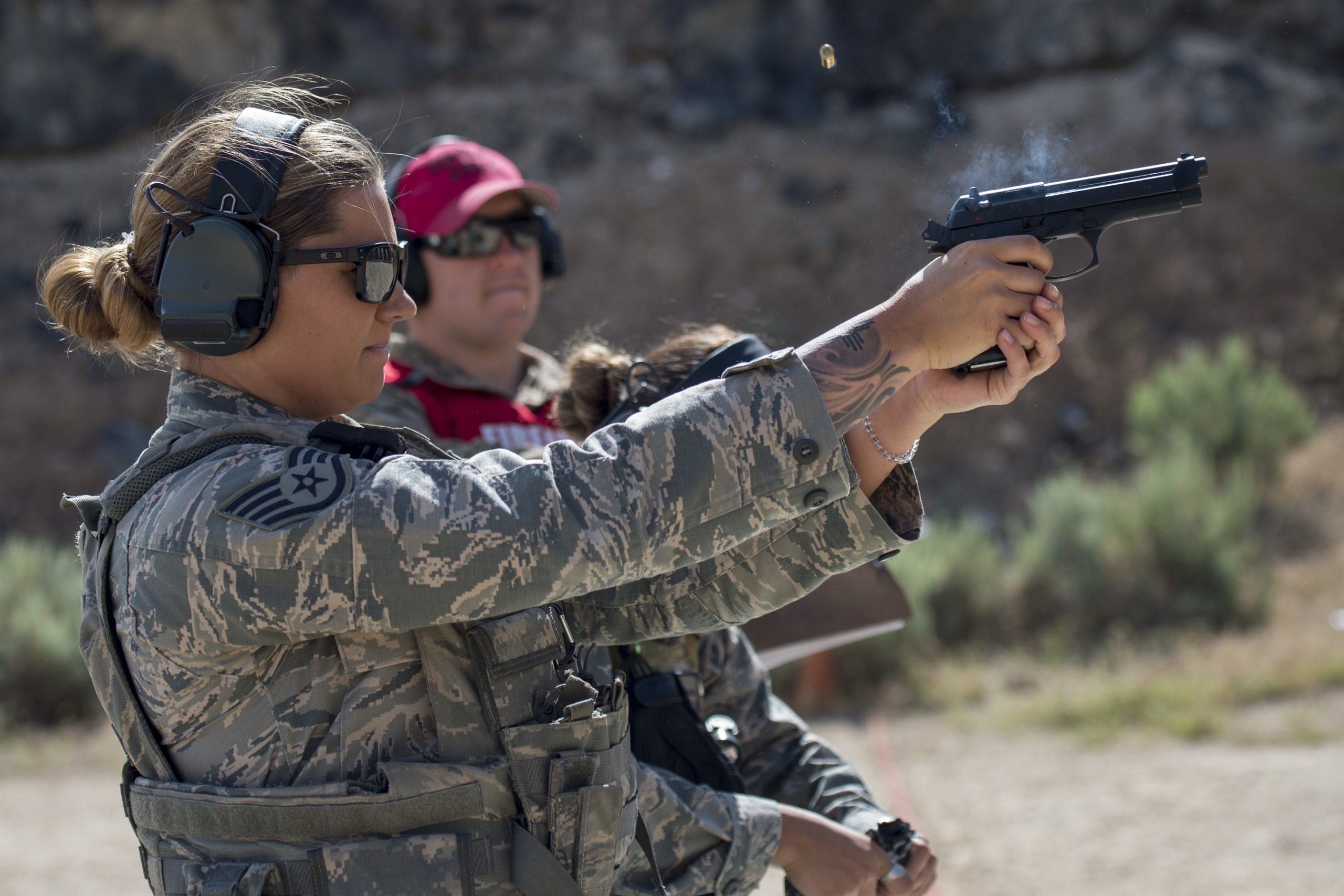
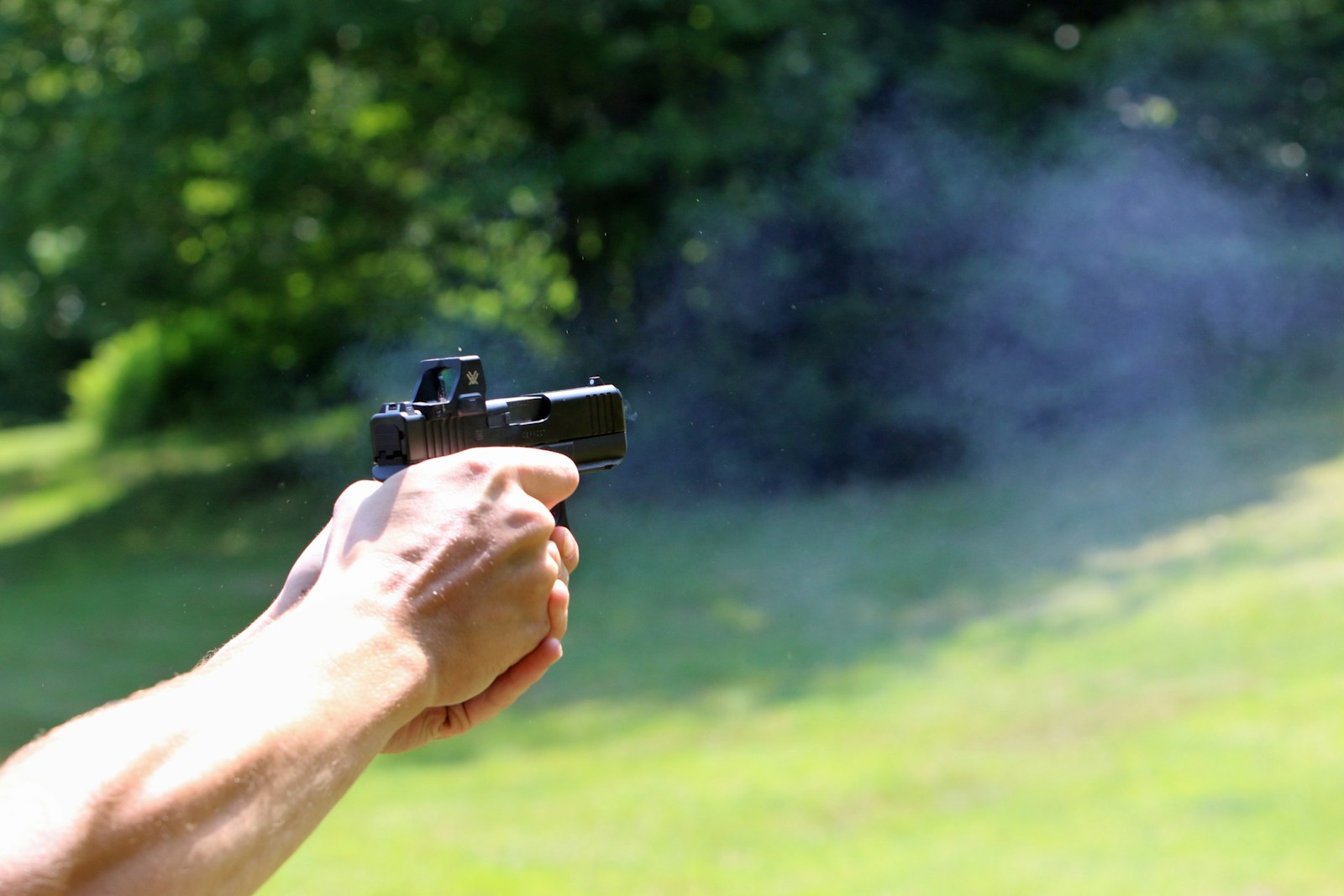
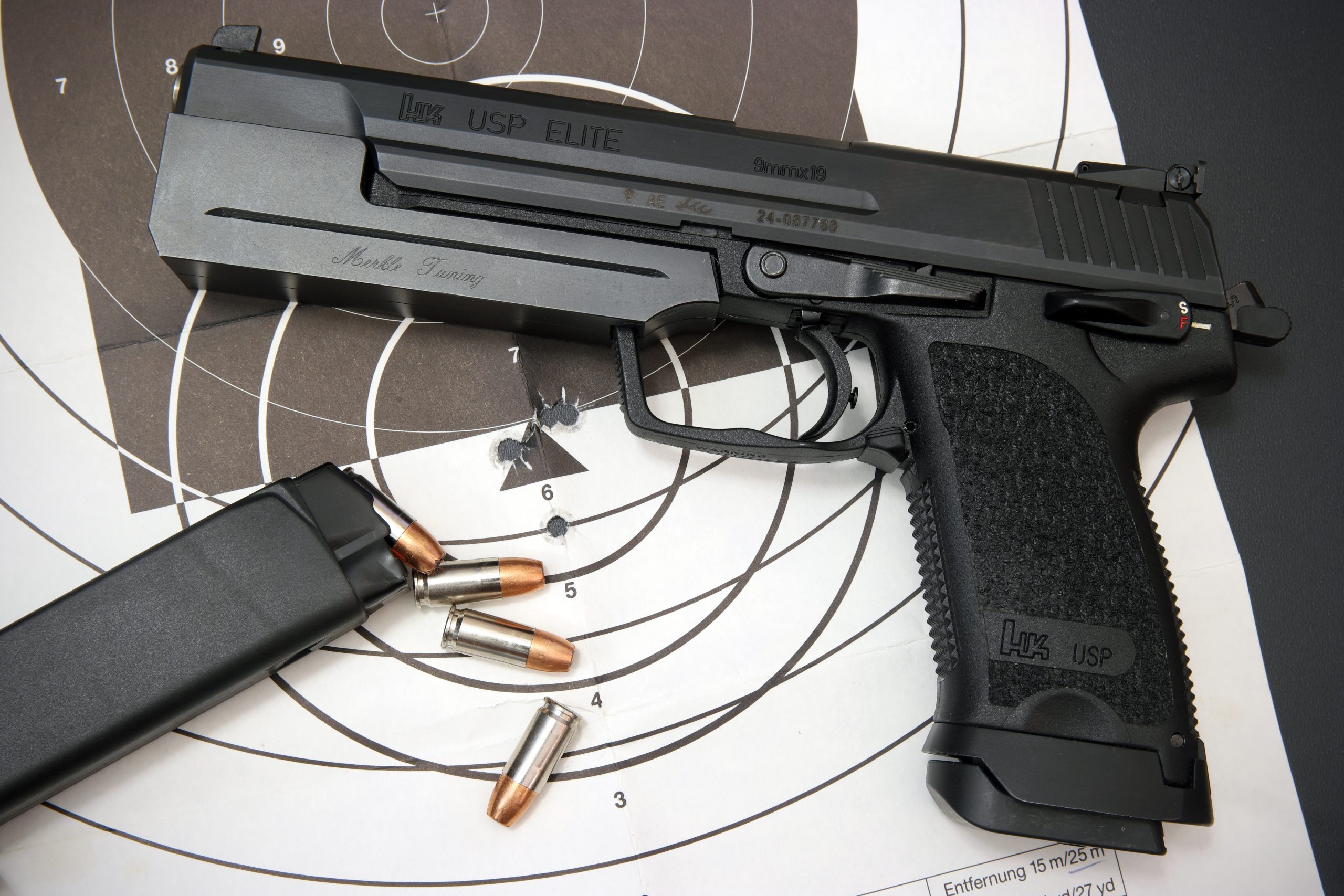
A pistol has far less mass and almost no stock to spread recoil across the body, so its rearward motion is concentrated in the hands and wrists. A typical compact 9mm may weigh around 1.5 to 2 pounds unloaded and fire a bullet near 115 to 124 grains. That combination can produce modest calculated recoil energy while still feeling brisk. Grip size, hand position, bore height, and the pistol’s operating system all matter. A heavier full-size pistol firing the same cartridge normally moves more slowly than a lighter compact model. That difference is important during repeated practice.
5. Firearm Weight Changes Everything
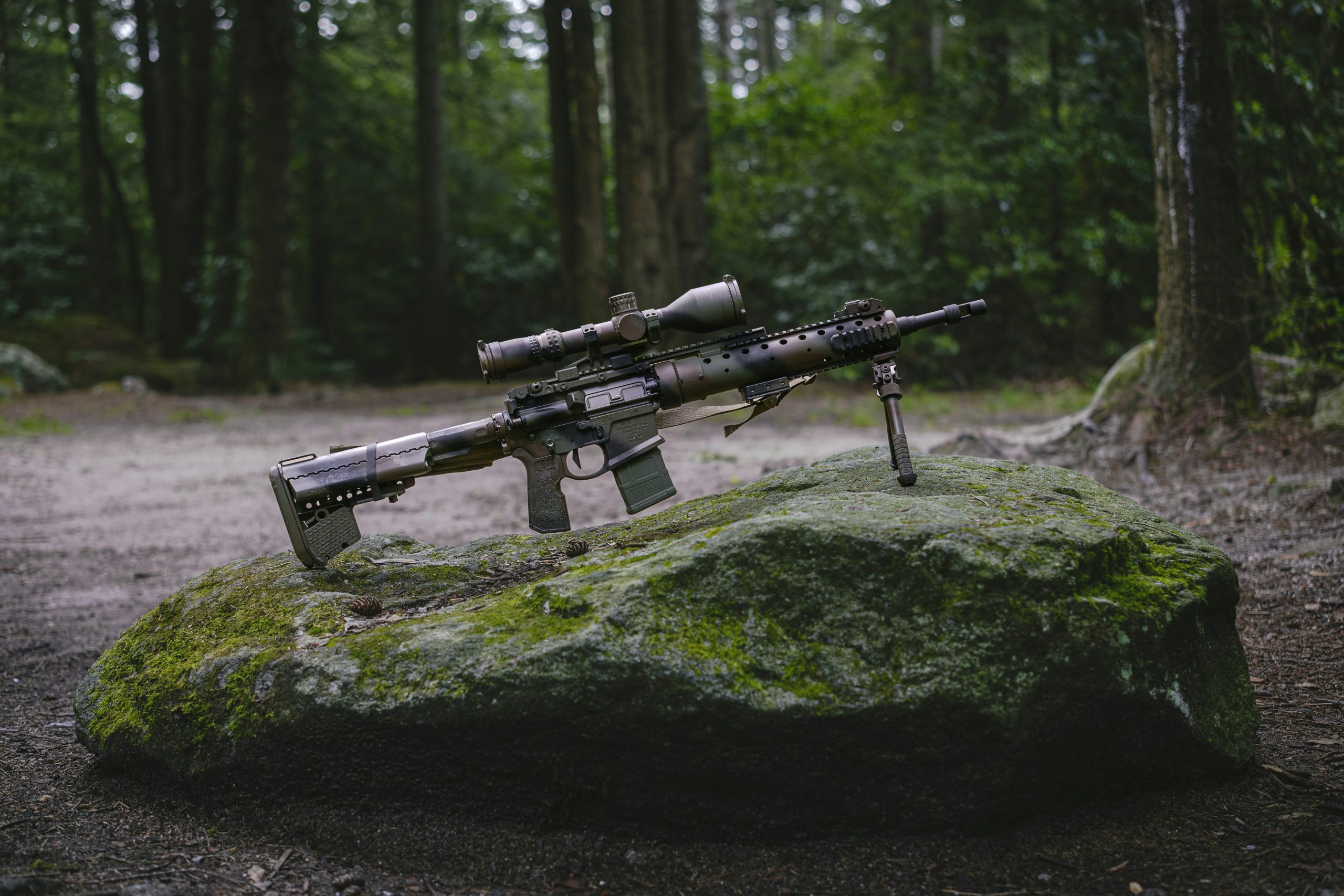
Weight is one of the clearest differences when comparing recoil across platforms. For the same ammunition, a heavier firearm generally develops lower recoil velocity because the rearward momentum is spread across more mass. That is why a 7.5-pound shotgun can feel calmer than a 5-pound rifle using a different but similarly energetic load, while a 1.5-pound pistol can move noticeably in the hands. Recoil energy is also affected by mass, and SAAMI notes that firearm weight, along with fit and construction, can strongly influence felt recoil. Weight is therefore crucial when comparing platforms.
6. Recoil Energy Is Not the Whole Story
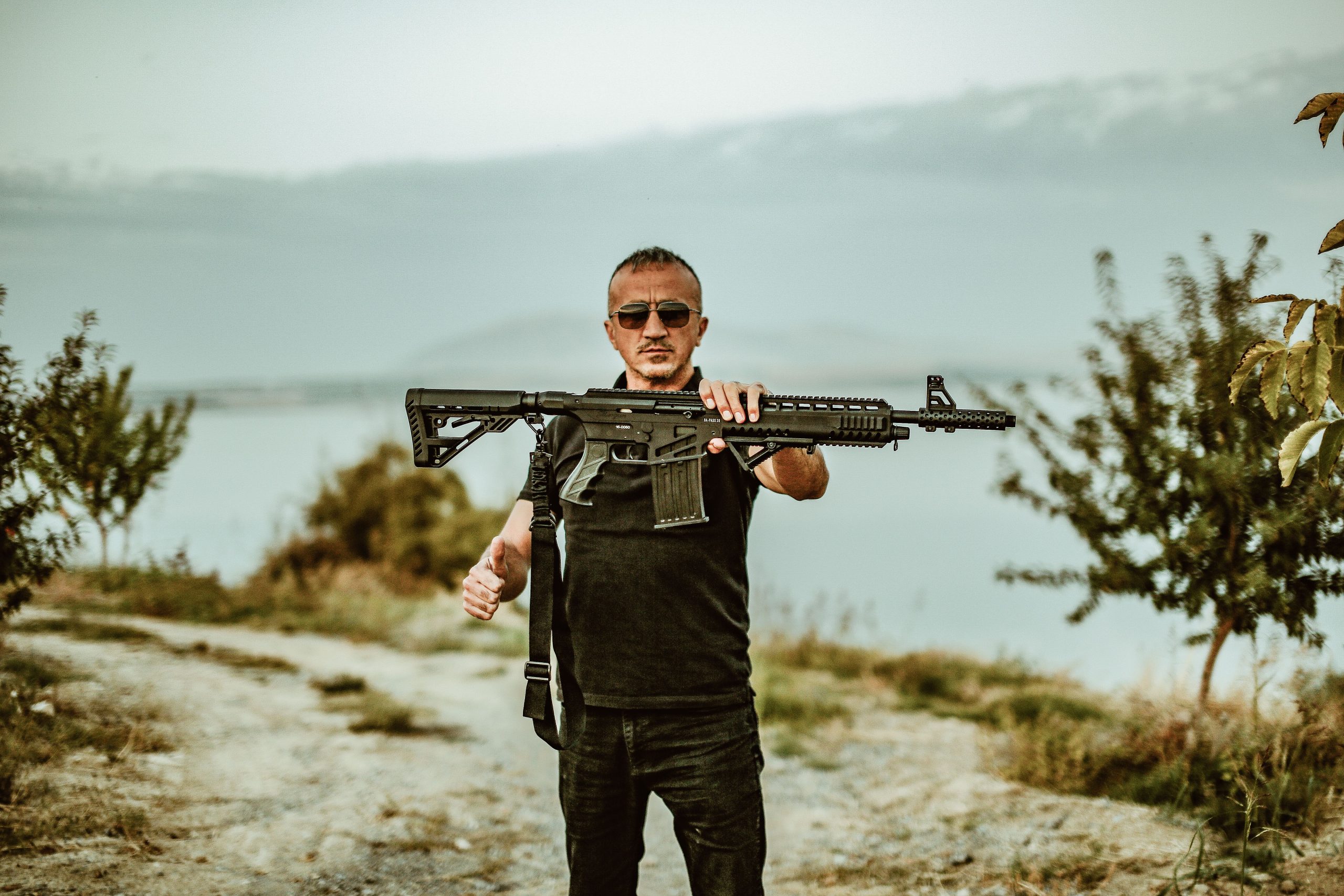
Two firearms can have similar free recoil energy yet feel completely different. Recoil energy is a calculated physical quantity, while felt recoil depends on how that movement is delivered to the shooter. A measured recoil event can last only around 10 milliseconds, and changes in stock geometry, grip, action design, and recoil devices can alter the sensation. A shotgun usually spreads contact over the shoulder, a rifle may focus it through the buttstock, and a pistol delivers it through the grip. So a single number cannot fully describe comfort.
7. Shotguns Move More Mass Forward

One major difference between shotguns is the amount of material leaving the muzzle. A shotshell can send a large collection of pellets plus a wad forward, rather than one conventional bullet. A 12-gauge 2¾-inch load may contain around 1 to 1.25 ounces of shot, equal to about 437 to 547 grains before considering the wad and propellant gases. That substantial ejecta mass helps explain why shotgun recoil can be noticeable even though many sporting shotguns are fairly heavy. The exact sensation still depends strongly on the load and firearm design. Small payload changes can alter that balance.
8. Rifles Emphasize Velocity
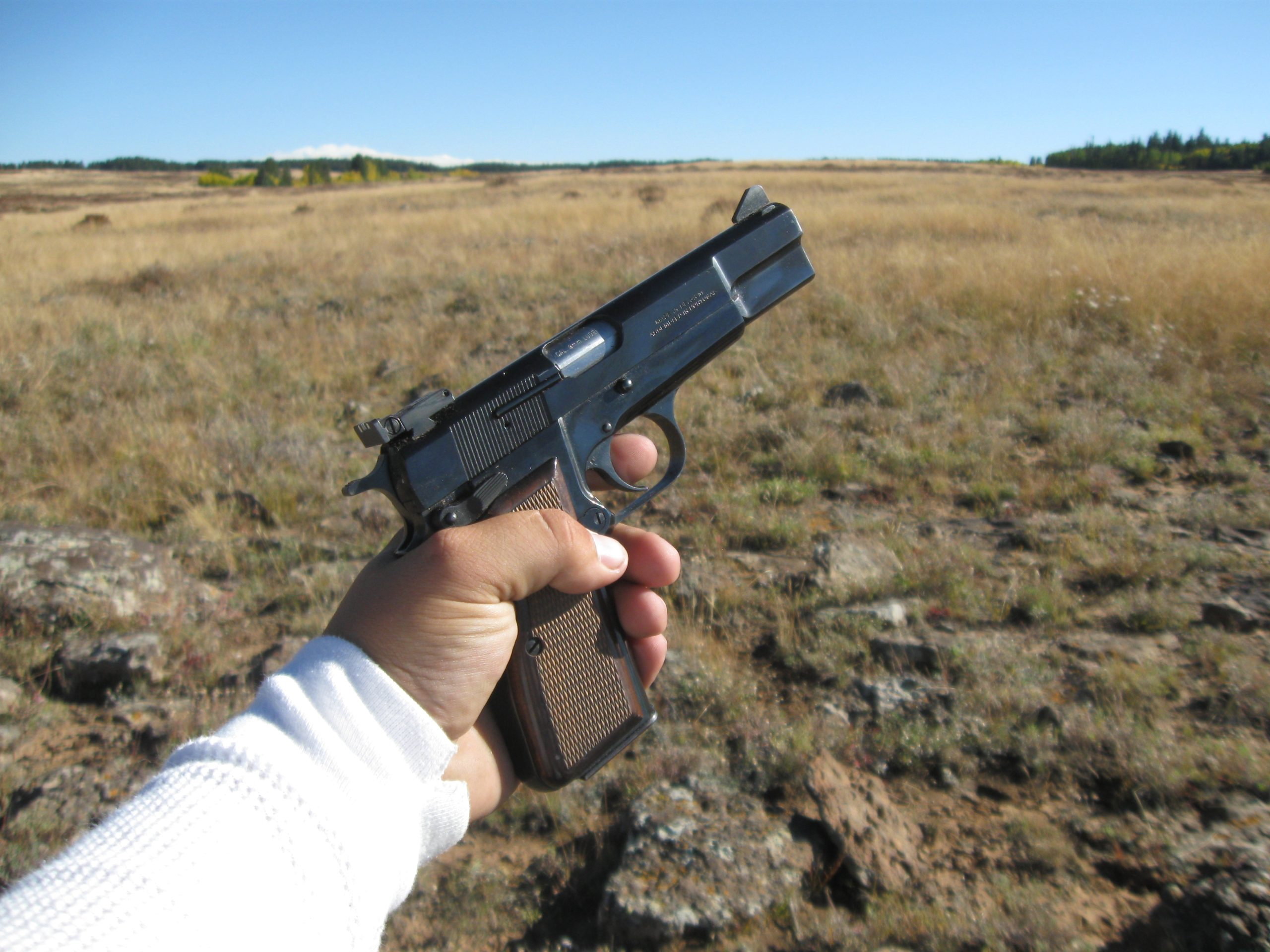
Rifles commonly produce recoil through a different balance of projectile mass and velocity. A small-caliber rifle bullet may weigh only about 55 grains yet travel at several thousand feet per second, while larger hunting bullets can weigh 150 to 200 grains or more at lower speeds. Momentum depends on both mass and velocity, so neither number tells the whole story alone. A lightweight rifle can therefore feel much more abrupt than its size suggests. Muzzle devices, action systems, firearm weight, and stock fit can further change the shooter’s perception.
9. Pistol Recoil Changes With Grip and Bore Height
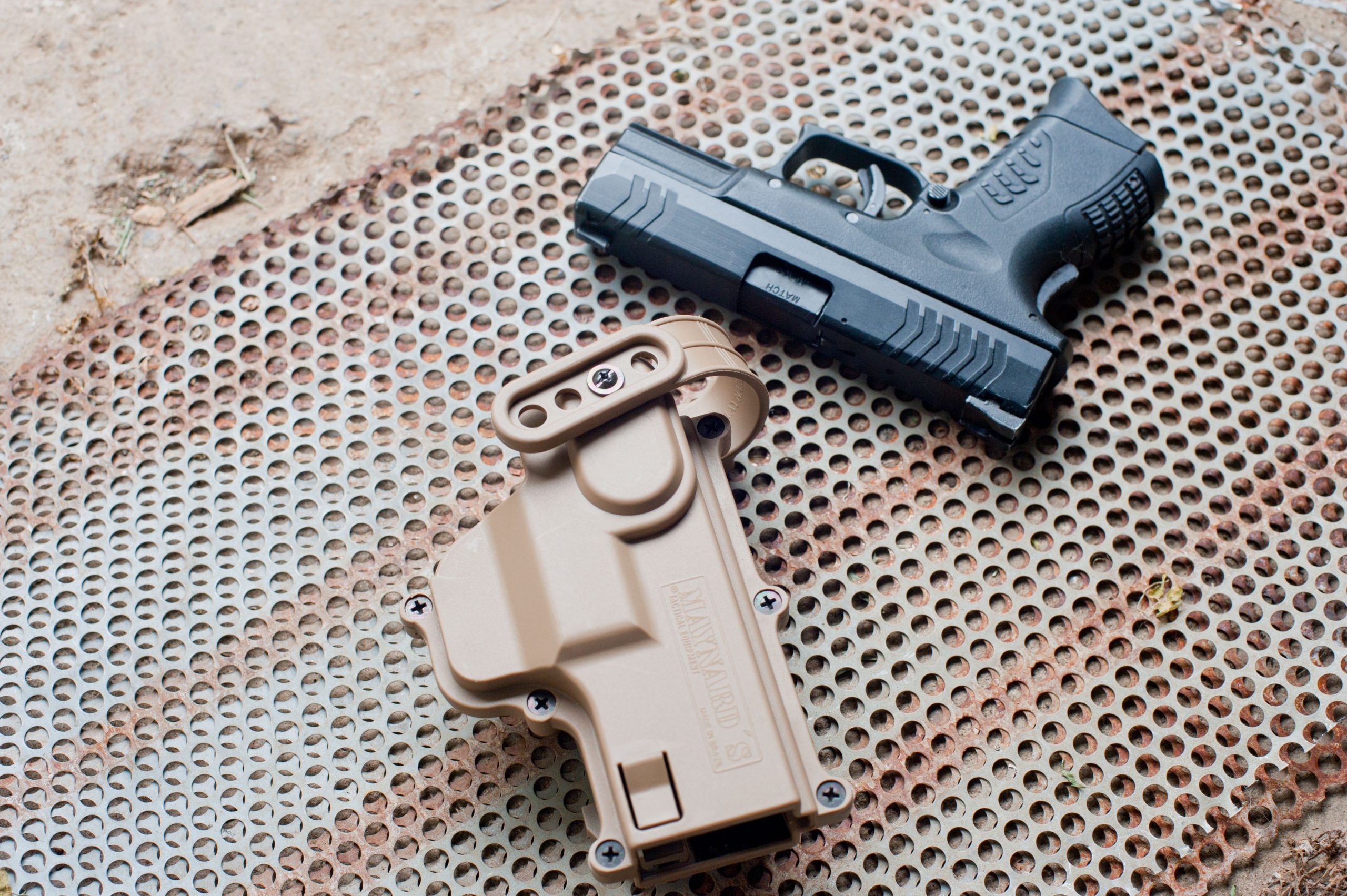
Pistol recoil is strongly influenced by how the gun sits in the hands. Because the grip is below the barrel, rearward recoil can also create a rotational effect, commonly noticed as muzzle rise. A compact 9mm weighing about 1.5 pounds will generally move more than a 2-pound pistol firing the same 115-grain class bullet. Bore height, grip shape, shooter technique, and the pistol’s operating system all influence the result. This is why two pistols chambered for the same cartridge can produce noticeably different recoil sensations. The result is a mix of rearward movement and upward rotation.
10. The Best Comparison Uses Several Numbers
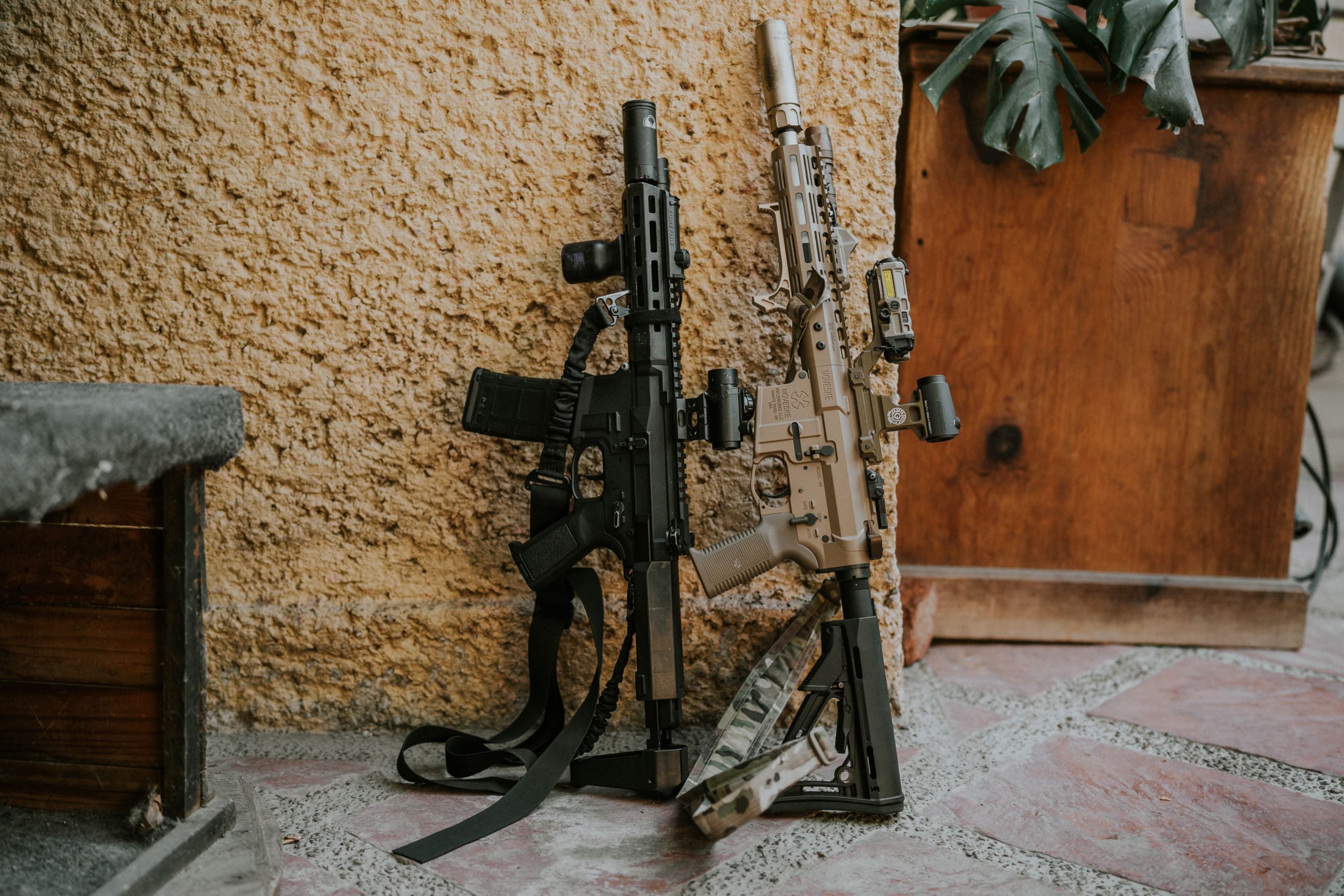
Comparing shotgun, rifle, and pistol recoil works best when several measurements are considered together. Free recoil energy gives a useful baseline, recoil momentum shows the movement involved, and recoil velocity indicates how quickly the firearm moves rearward. Firearm mass must be included, along with projectile or shot mass and propellant gases. For example, a 7-pound shotgun, 8-pound rifle, and 1.5-pound pistol can react very differently even when recoil energies are similar. SAAMI notes that felt recoil also depends on firearm fit, construction, and how firmly it is held.