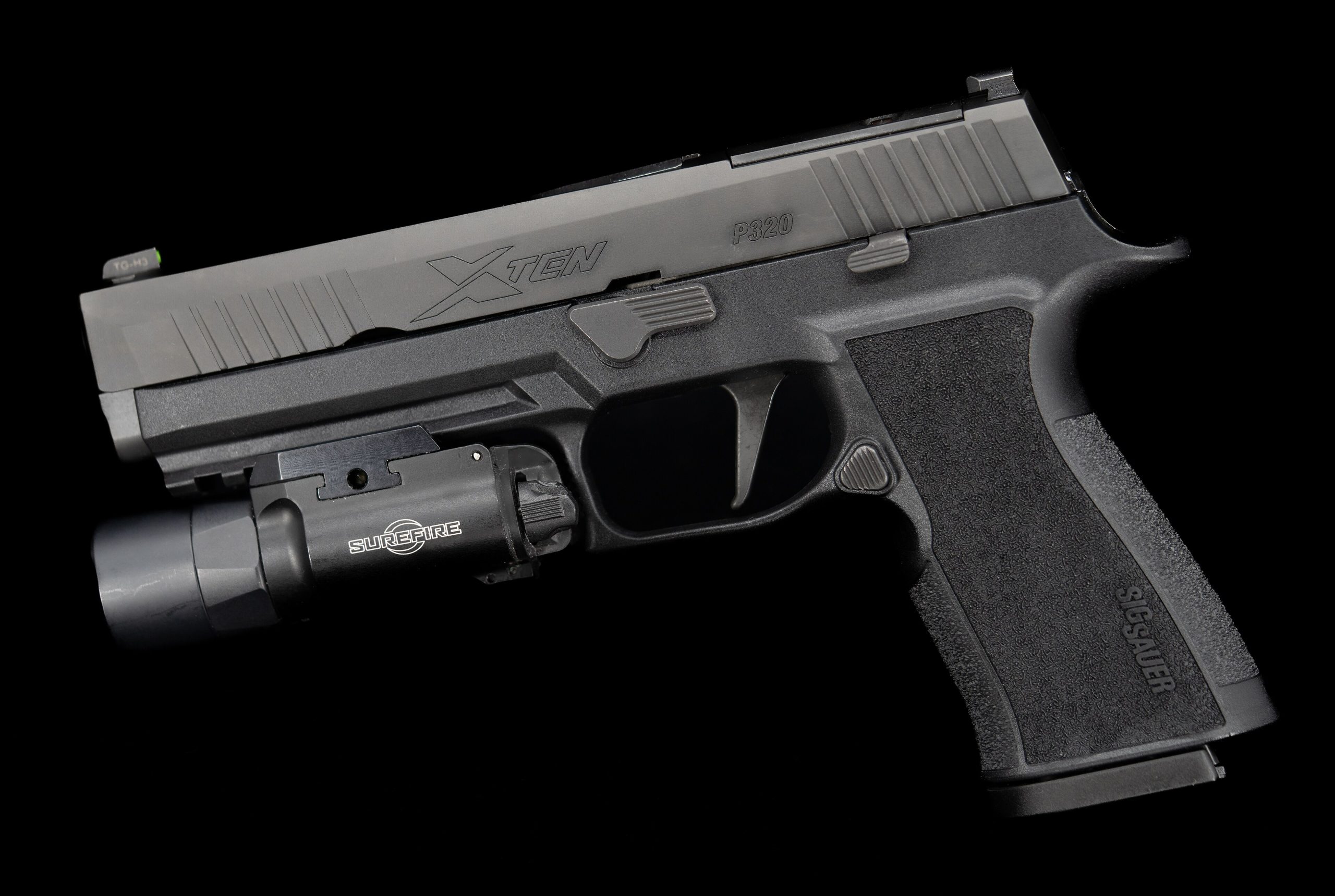
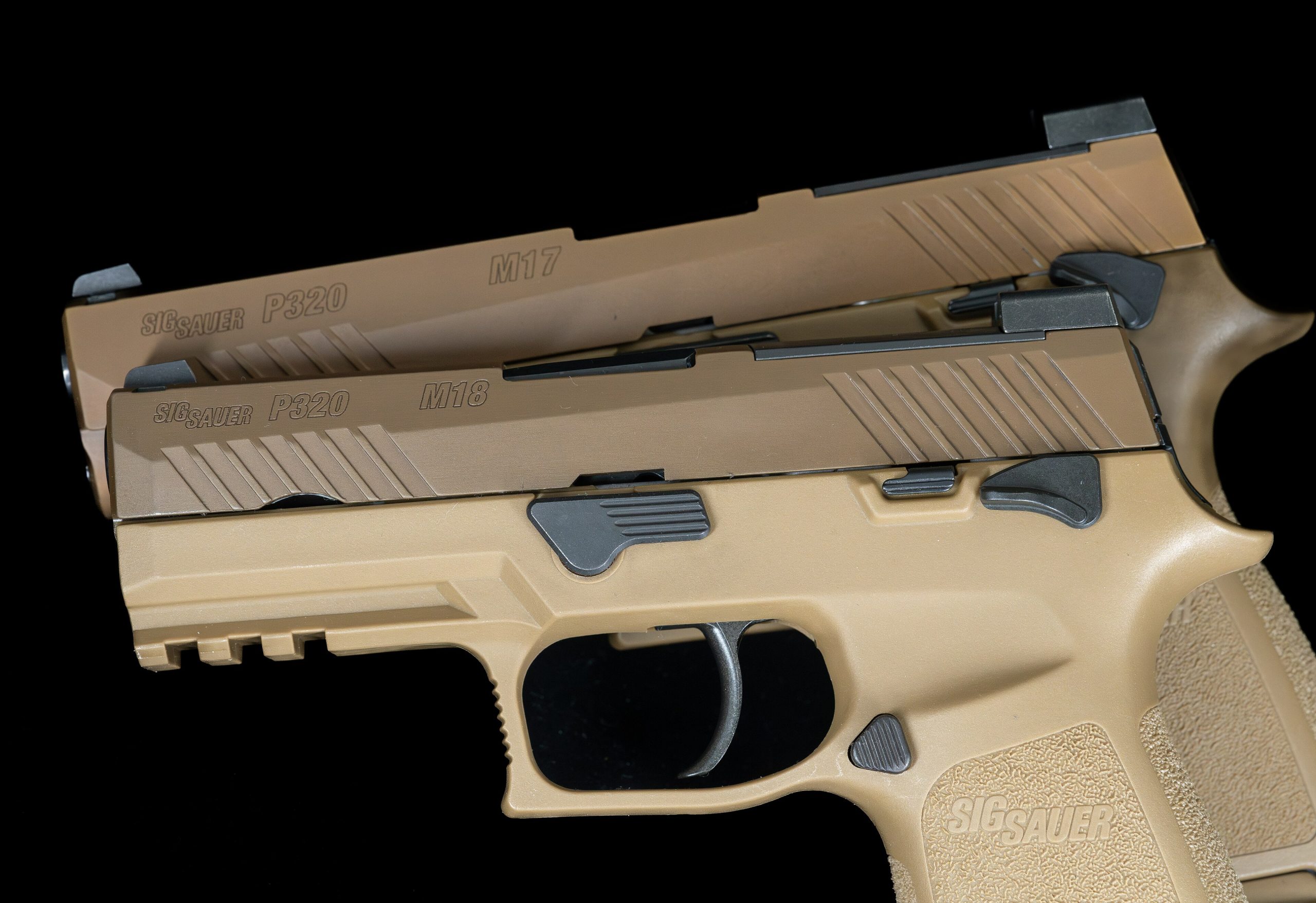
The U.S. Army’s selection of the SIG Sauer P320-based M17 and M18 in 2017 was not simply a contest between two famous pistol brands. Glock was a serious finalist, but the Modular Handgun System competition judged complete weapon systems against demanding military requirements. The P320 stood out because its modular construction, adaptable grip system, two-size family, accessory compatibility, capacity, and military-specific configuration fit those requirements unusually well. The result was a major change from the long-serving M9 and a handgun family designed around future flexibility rather than a single fixed configuration.
1. It Was a Modular System, Not Just a Pistol
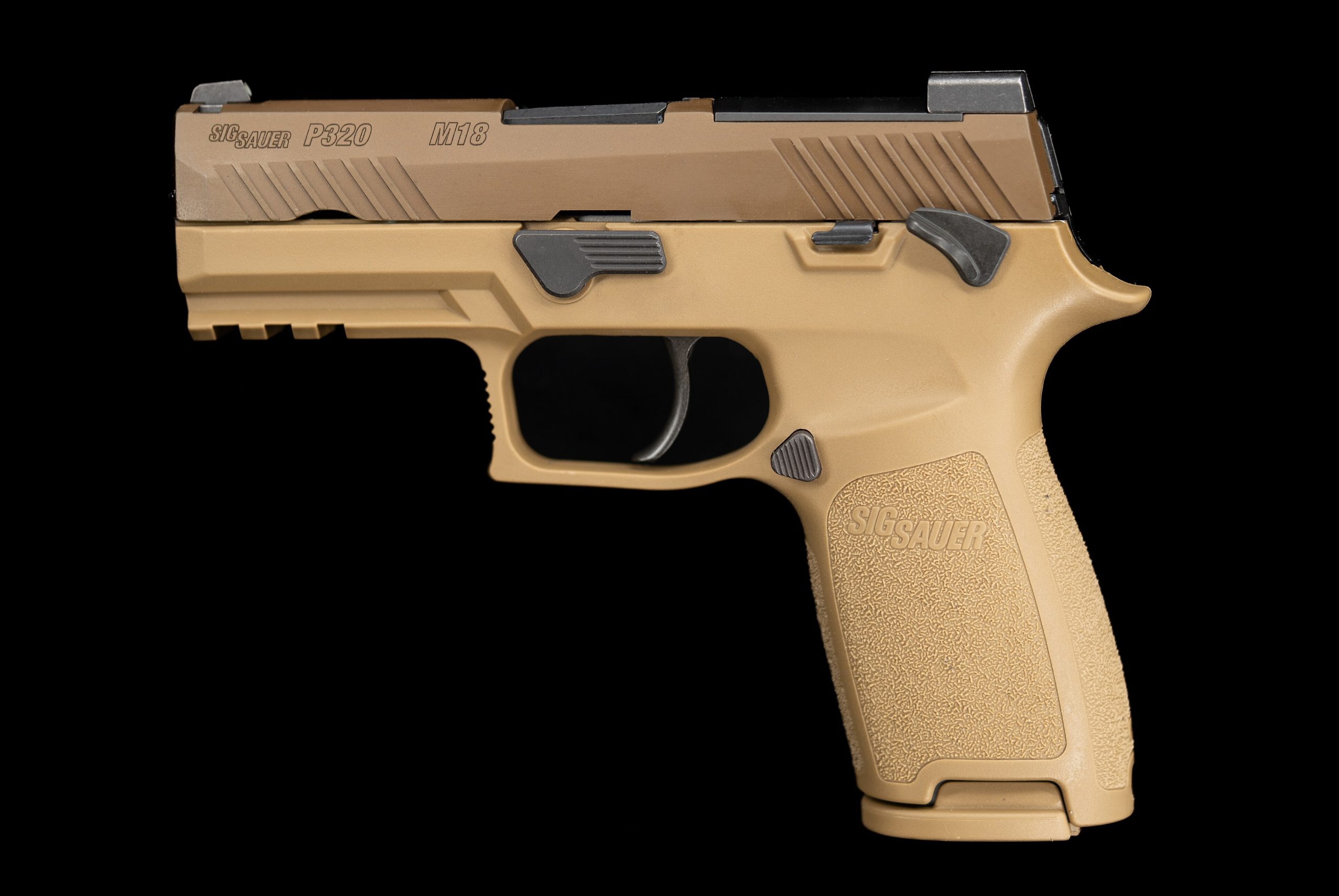
The biggest reason the Army favored the P320 platform was its modular architecture. Instead of treating the grip frame, trigger mechanism, and slide as one inseparable package, the design separated the serialized fire-control unit from the surrounding grip module. That meant one core system could be configured for different users and missions. The Army turned that concept into the M17 full-size and M18 compact variants, giving the program more flexibility than a simple one-model replacement. Glock pistols were highly proven, but the MHS competition emphasized adaptability as a complete system. The P320’s architecture matched that requirement unusually well.
2. Grip Fit Became a Military Requirement
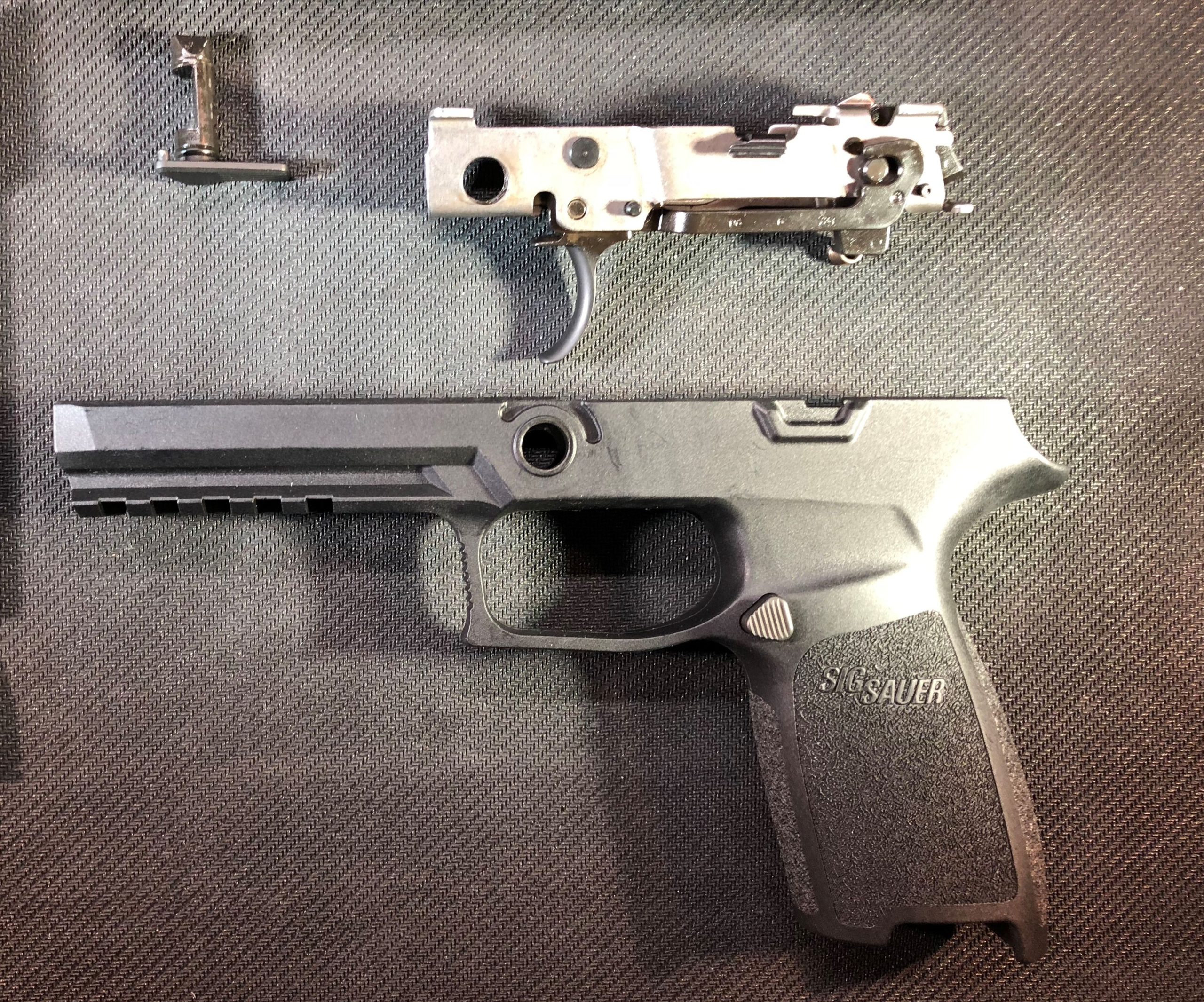
A handgun carried by a large force cannot assume every soldier has the same hands. The Army specifically valued the MHS grip system because its polymer grip modules came in three sizes, allowing the fit to be changed without replacing the serialized fire-control unit. That mattered for ergonomics, control, and consistency. Army testing reported that soldiers found the new pistol more comfortable and gave it strong confidence compared with the M9. The important point is that SIG did not win simply by making a comfortable pistol; it offered a way to tailor the interface across a diverse force. That was a procurement advantage. That was a practical advantage.
3. The Army Wanted Two Sizes From One Family
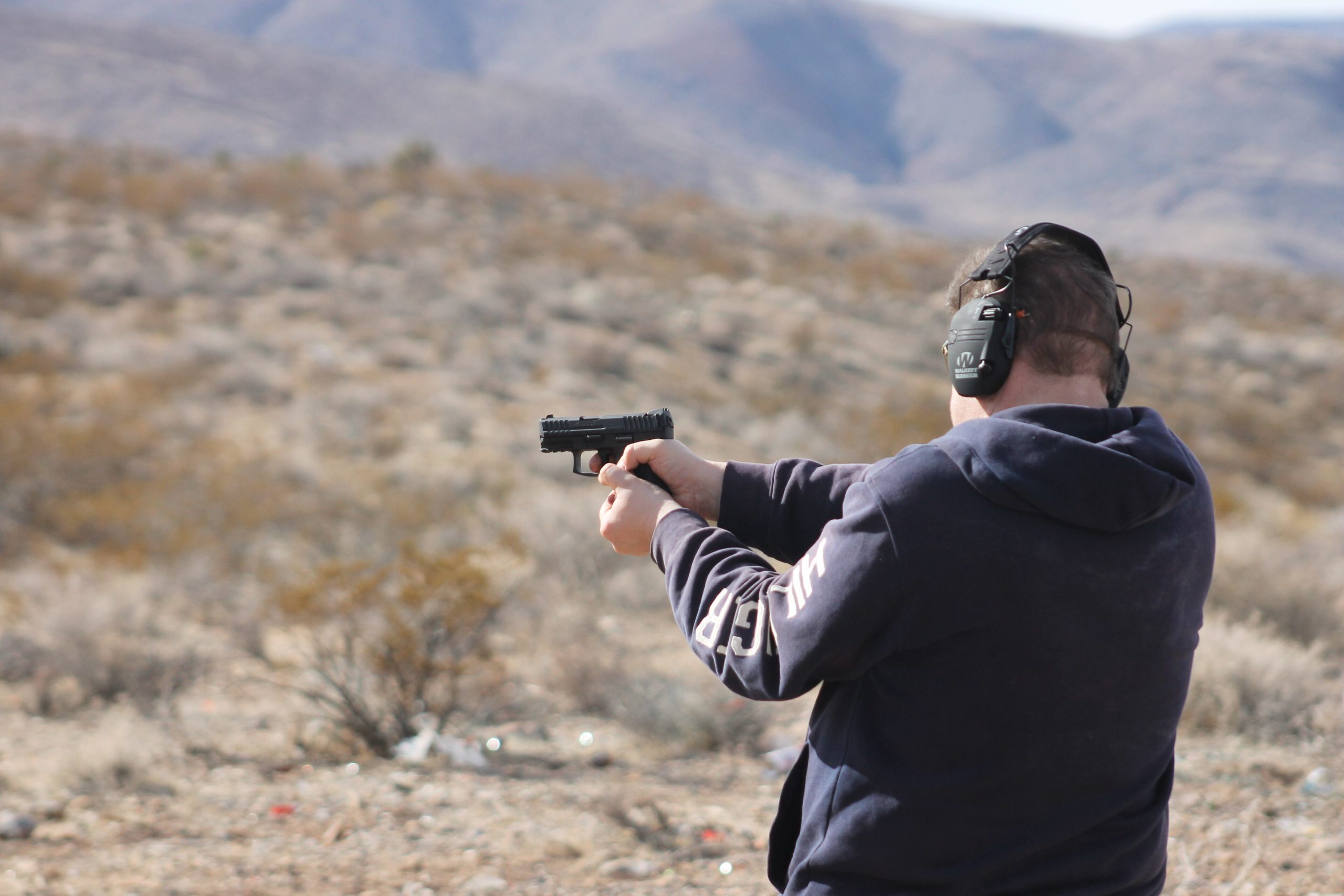
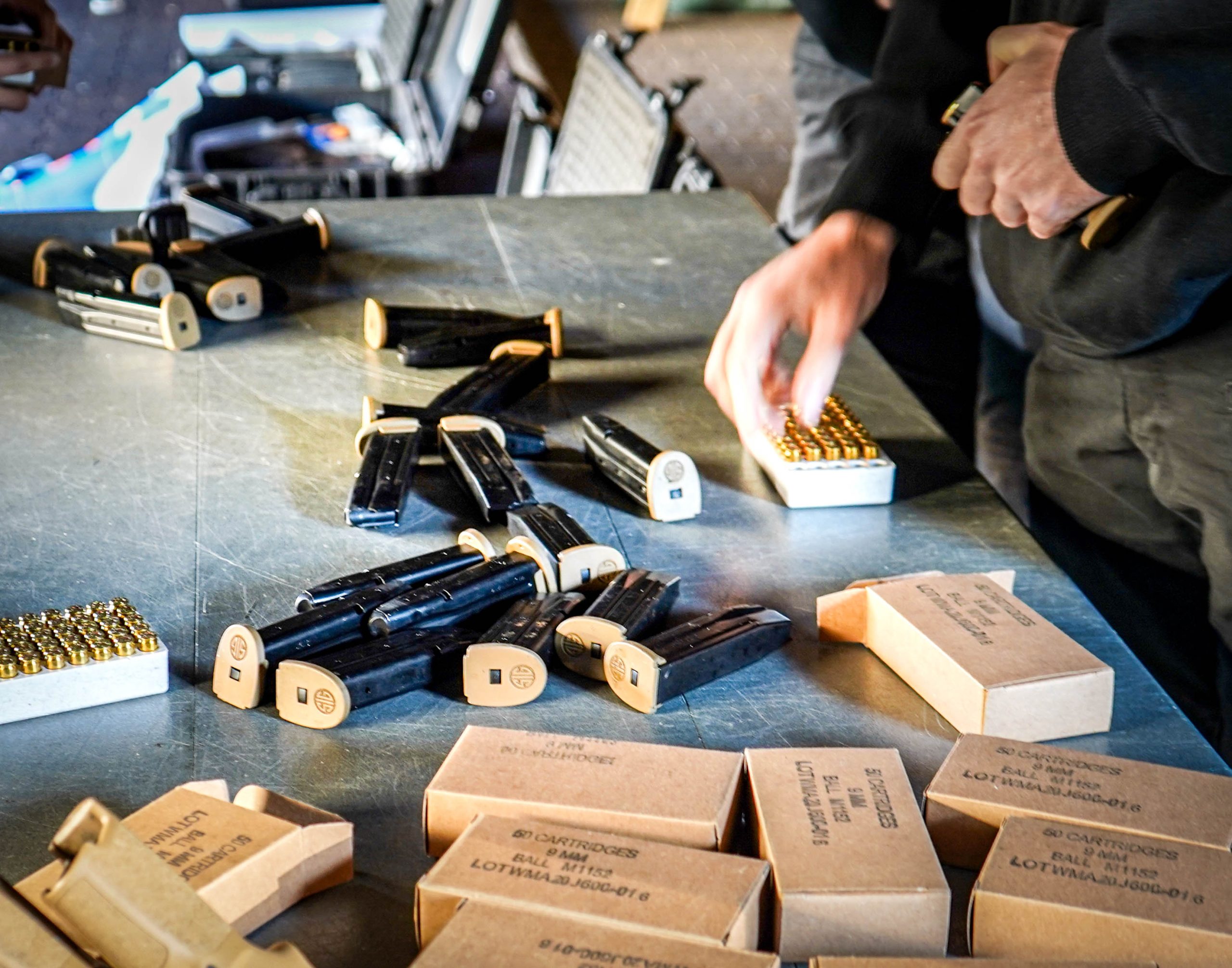
The P320 platform gave the Army a straightforward way to field two closely related configurations. The M17 became the full-size service pistol, while the M18 provided a more compact option for personnel who needed a smaller handgun. The M17 measures 8.05 inches overall with a 4.7-inch barrel, while the M18 measures 7.25 inches with a 3.9-inch barrel. Both are 9mm and can use 17-round or 21-round magazines. That common family approach simplified training and support while still covering different roles. Glock offered established full-size and compact models, but the P320 competition entry presented the Army’s requirements as one modular system.
4. Capacity and 9mm Logistics Fit the Program
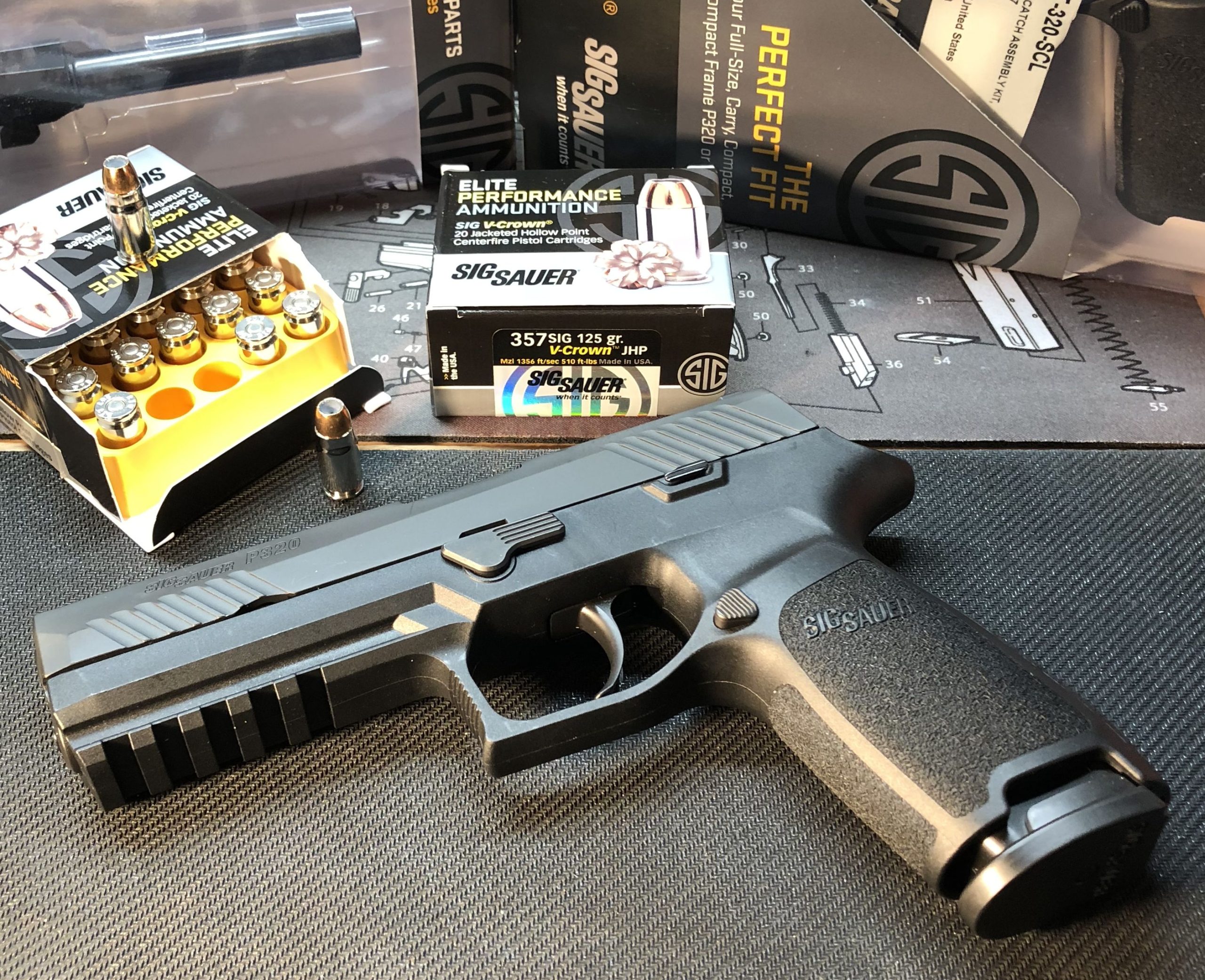
The MHS was built around 9mm ammunition, but the Army stressed that caliber was not chosen simply because it was already familiar. Officials described the selection as a systems approach aimed at meeting the overall requirements. The M17 and M18 were specified for 17-round standard magazines and 21-round extended magazines, giving the Army a modern capacity baseline compared with the older M9 setup. The program also included purpose-specific ammunition requirements. This combination made the pistol, magazines, and ammunition part of one procurement package rather than treating the handgun as an isolated purchase. That systems thinking helped the P320-based design compete effectively.
5. Safety Features Were Tailored for Military Service
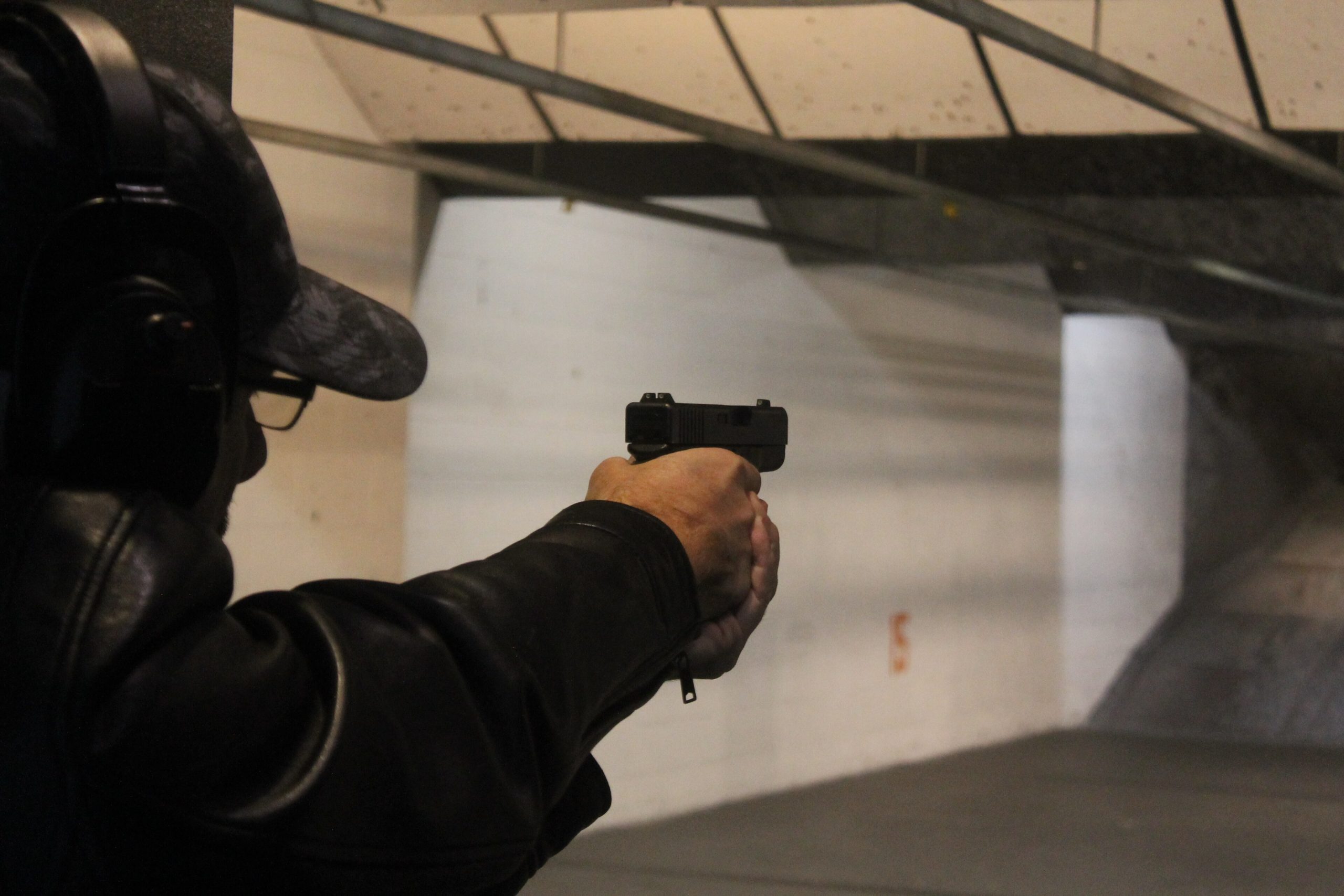
The Army version was not identical to every commercial P320. The M17 and M18 incorporated an external ambidextrous manual safety along with internal safety mechanisms, reflecting military requirements. Army documentation describes four internal safety mechanisms and an external manual safety on the issued configuration. The pistols also use an ambidextrous slide catch and a reversible magazine catch, making the controls useful for left- or right-handed soldiers. This matters when comparing the Army’s choice with commercial Glock models: the contest was about the configuration submitted for MHS, not a generic comparison of brand reputations. The Army specified its own safety architecture.
6. It Was Designed Around Accessories
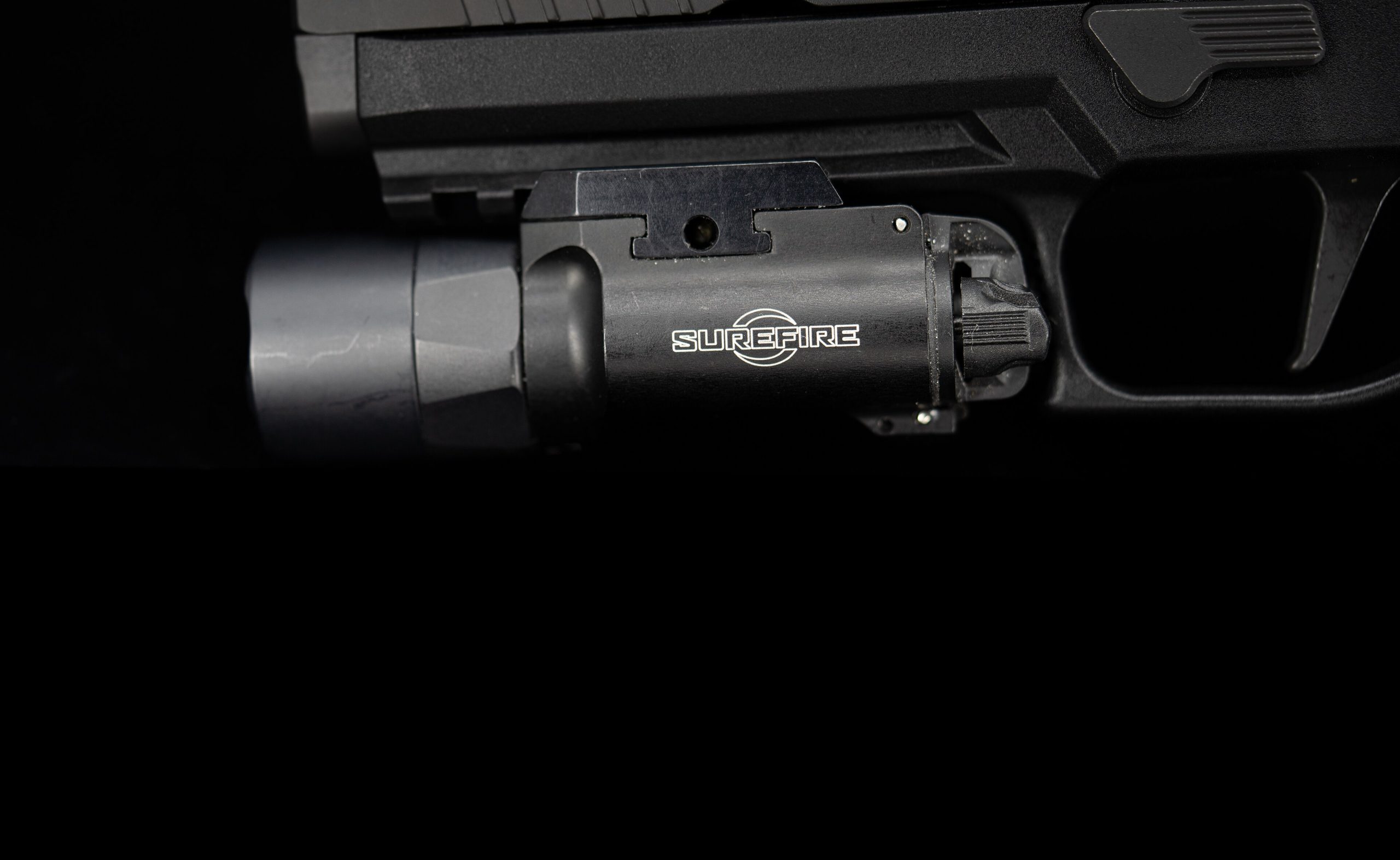
The Army wanted a handgun that could accept modern accessories rather than remain a bare sidearm. The M17 and M18 include an integrated MIL-STD-1913 Picatinny rail, allowing compatible lights and laser devices to be mounted. The Army also required the system to support future targeting equipment and suppressor use. Night sights were included to preserve usability in low-light conditions. These features helped turn the handgun into a broader platform instead of simply replacing the M9. Glock offered accessory-ready pistols too, so this was not an exclusive SIG invention. The advantage was combining those features with the modular architecture demanded by MHS.
7. Army Testing Went Beyond Brand Reputation
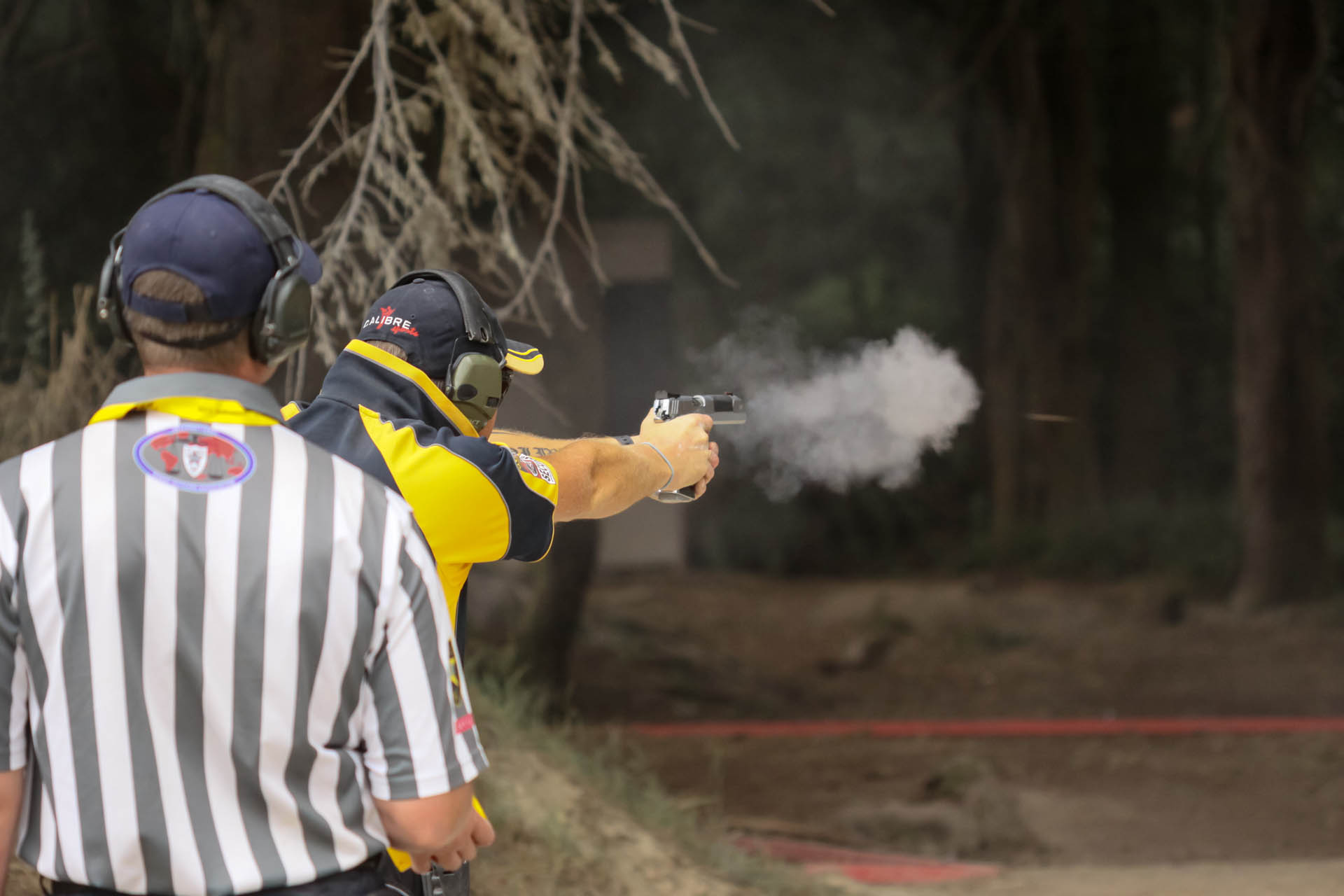
The decision came through a formal competition, not a simple declaration that one commercial pistol was better than another. SIG and Glock emerged as the final competitors, with SIG’s P320-based entry ultimately selected for the MHS contract. Army testing examined areas including accuracy, reliability, lethality, ergonomics, and safety. Early testing did uncover problems, including a drop-test discharge and other reliability issues, which led to engineering changes and additional testing. That history shows the Army did not overlook shortcomings. The selected configuration was modified, retested, and later reported as meeting or exceeding the program’s stated performance requirements.
8. The M17 and M18 Were More Than Commercial P320s
Calling the M17 simply a P320 can hide a key distinction. The Army’s pistols were purpose-built MHS configurations with military-specific requirements, ammunition, safety features, finishes, sights, and performance standards. Army officials emphasized that the new weapons were a different weapons system rather than merely a commercial pistol with a new color. The XM designation was used during development and testing; after type classification, the weapons became the M17 and M18. That distinction also explains why commercial P320 specifications cannot always be used to describe the exact Army configuration. SIG supplied the underlying platform, but the Army defined the final system.
9. The Contract Rewarded a Long-Term Platform
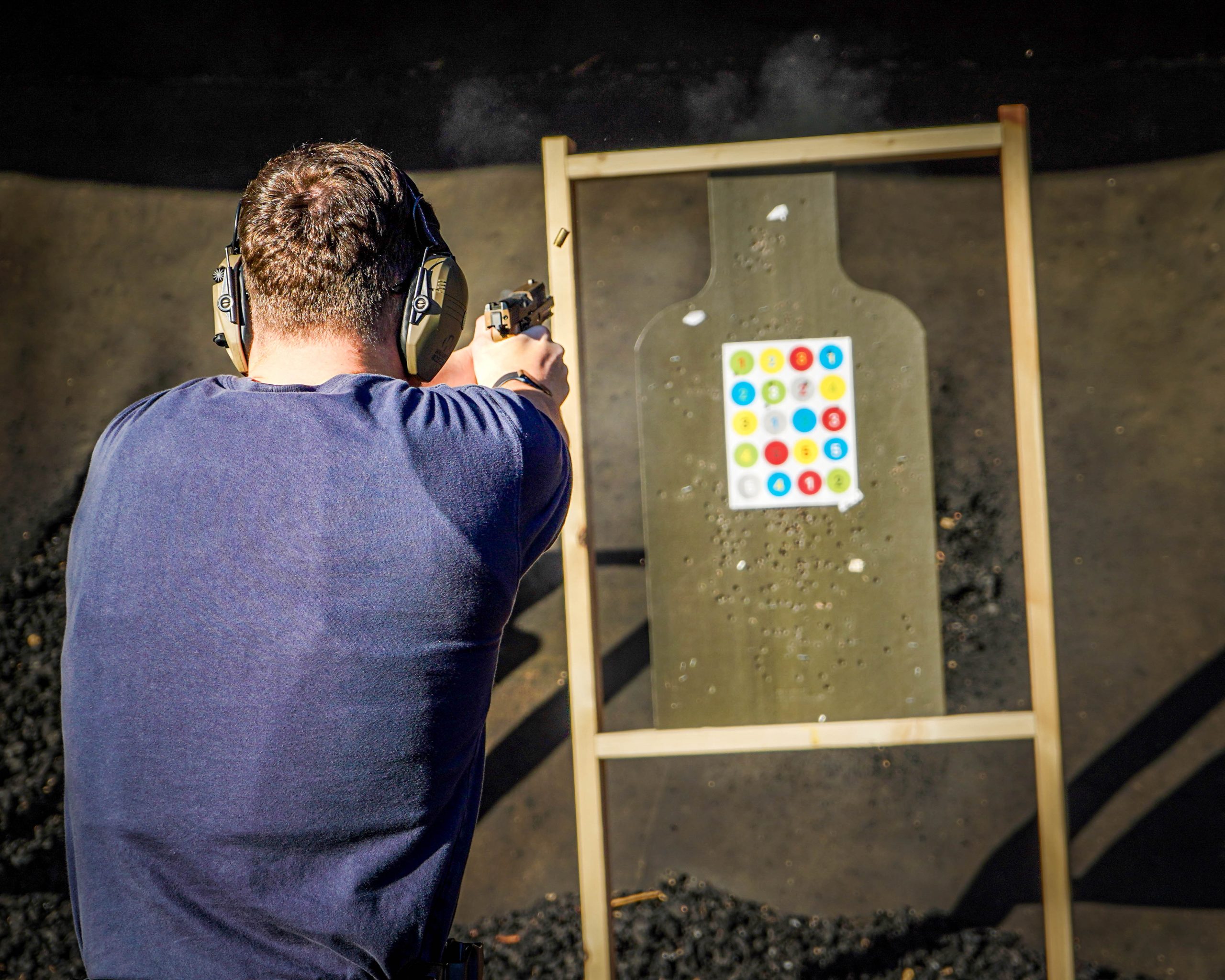
The Army was not buying a handgun for a short experiment. The 2017 award was valued at about $580 million and covered production of the M17 and M18 over a planned 10-year period. Army plans called for roughly 238,000 pistols, making maintainability, support, training, and future adaptability major considerations. The first fielding went to the 101st Airborne Division in 2017, and the Army planned wider distribution afterward. A modular design therefore had value beyond the shooting line: components, grip configurations, magazines, accessories, and support arrangements could evolve around a common family. That long-term procurement logic strengthened the P320’s case.
10. The Choice Was About Requirements, Not a Glock Defeat
The most accurate way to describe the outcome is that the P320-based M17/M18 system won a demanding military competition in which Glock was a serious finalist. It would be misleading to say the Army simply discovered that the P320 was universally better than every Glock. Instead, SIG’s entry aligned closely with the MHS requirements, especially modularity, ergonomics, two size configurations, accessories, capacity, and military-specific safety features. The Army eventually issued the M17 and M18 as its new 9mm handguns, replacing the M9 and M11. The decision showed how procurement priorities can favor an adaptable platform over a famous, established design.