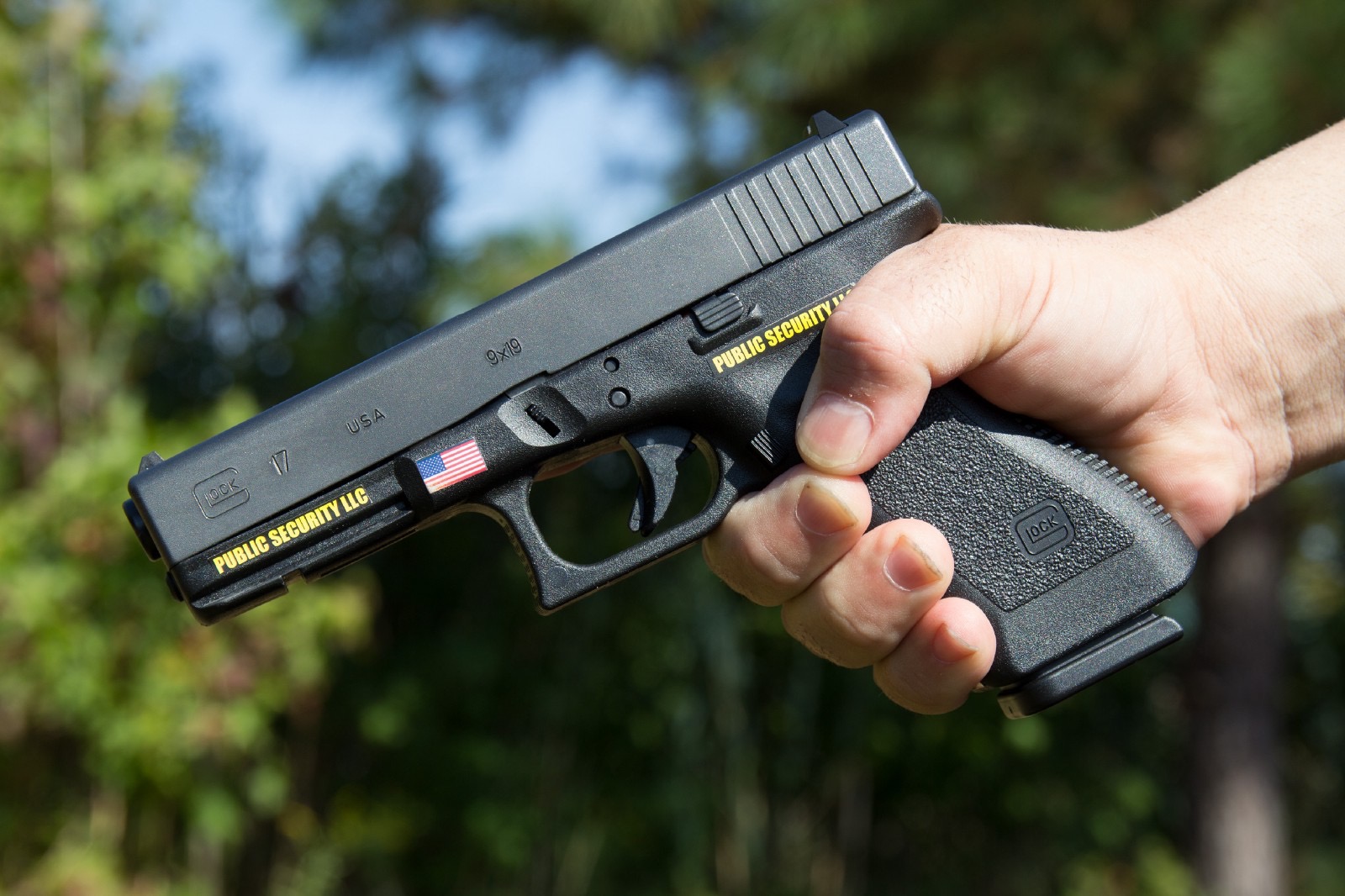
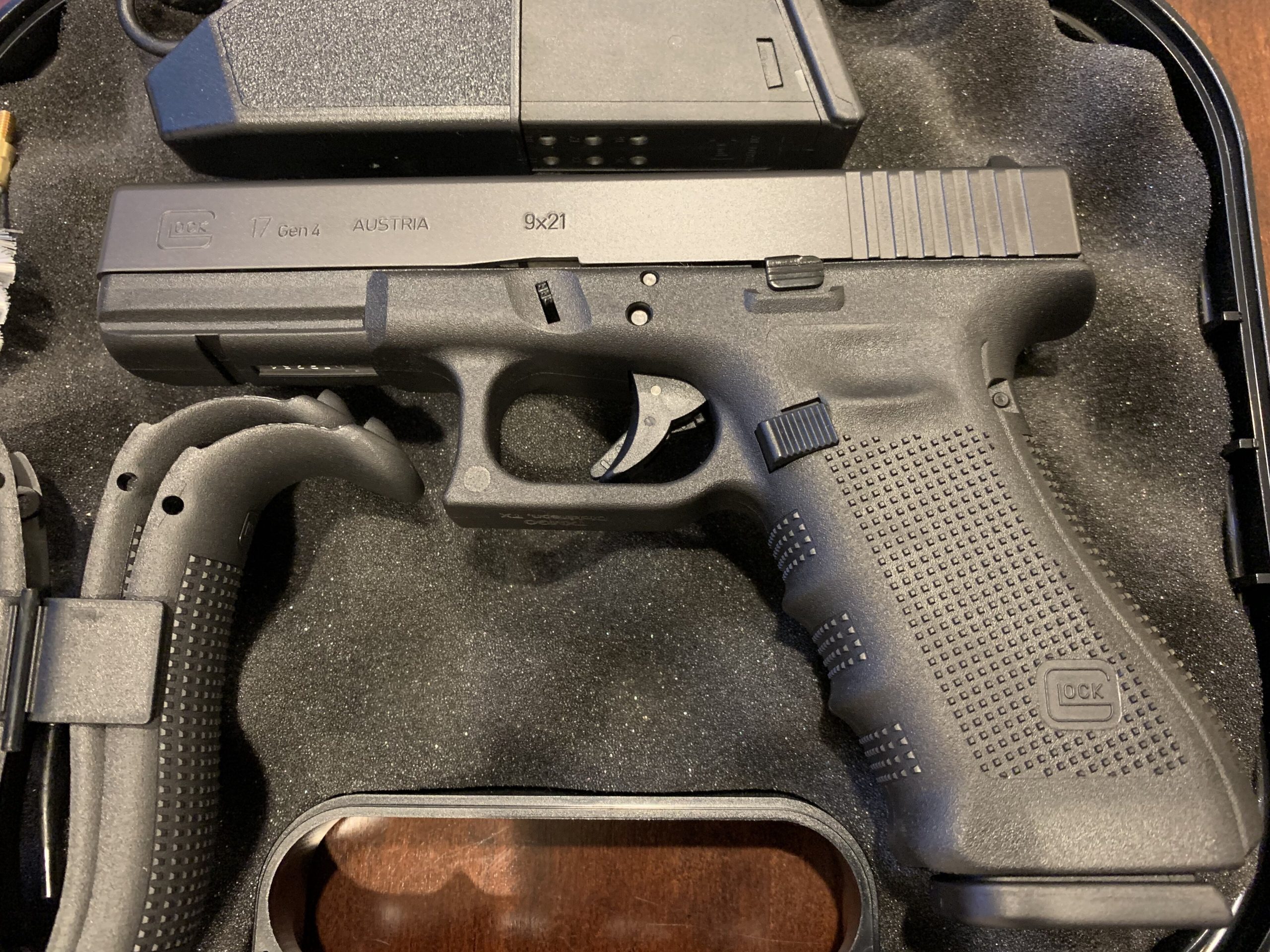
The Glock 17 is often remembered as the pistol that made polymer-framed handguns mainstream, but its story is bigger than that. It transformed Gaston Glock’s relatively young manufacturing company into a major firearms brand and introduced a design philosophy that competitors would spend decades adapting. From its Austrian military trials to its rapid international expansion, the G17 combined unusual materials, simple operation and efficient production in a package that challenged established ideas about service pistols.
1. It Began With a Military Competition
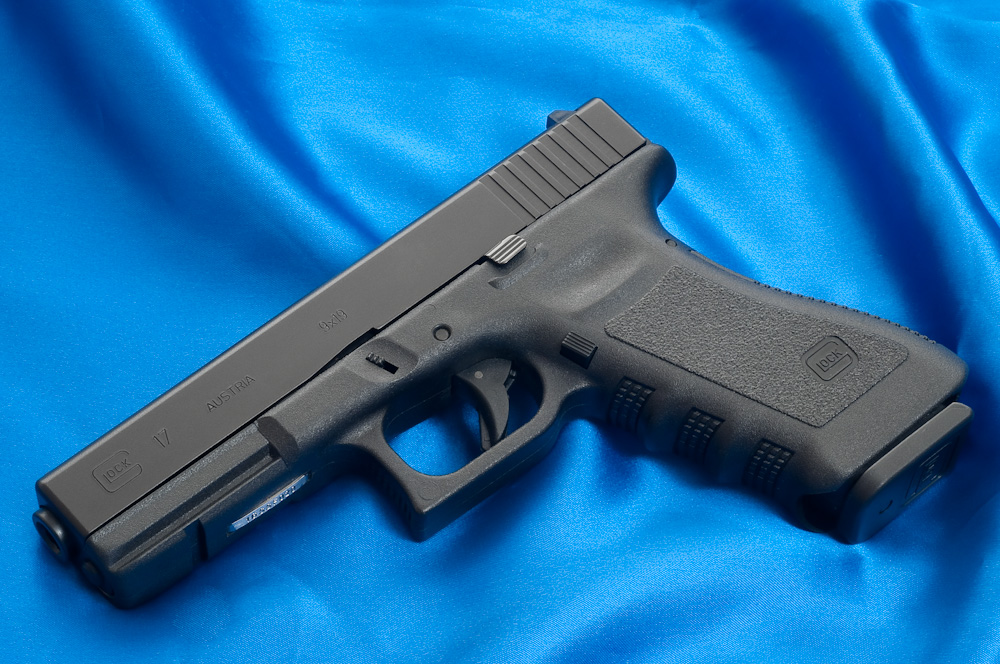
The Glock 17 did not begin as a commercial hit; it began as an answer to Austria’s search for a modern service pistol. In the early 1980s, the Austrian Ministry of Defense launched trials for a new 9×19mm sidearm, and Gaston Glock entered despite coming from manufacturing rather than traditional gunmaking experience. His design combined a polymer frame, striker-fired operation, a 17-round magazine, and a simplified parts layout. In 1982, Glock submitted prototypes for testing, and the design emerged as the leading contender. That military contract gave the young company credibility that no advertising campaign could have created. Its success also gave Glock a route into international markets.
2. The Polymer Frame Changed Expectations
One of the Glock 17’s biggest departures from convention was its extensive use of polymer in the frame. At a time when many service pistols were dominated by steel or aluminum, Glock treated injection-molded polymer as an engineering advantage rather than a compromise. The frame reduced weight while resisting corrosion, and it could be produced efficiently with consistent dimensions. The slide and barrel remained metal, but the overall package was notably lighter than many established duty pistols. This choice changed the industry’s idea of what a serious service handgun could look like and became a defining feature of the company’s identity.
3. Its Safety System Removed the Manual Lever

The Glock 17 introduced a different approach to pistol safety through the company’s Safe Action system. Instead of relying on a conventional external safety lever, the design used three internal mechanical safeties that worked automatically. They addressed the trigger, firing mechanism, and protection against an unintended discharge if the pistol was dropped. The concept was tied to Glock’s goal of simple operation: the user did not have to remember a separate safety position before firing. That simplicity became one of the model’s most recognizable characteristics and distinguished it from many contemporary service pistols, even as it sparked debate among traditional handgun users.
4. Seventeen Rounds Became Part of Its Name
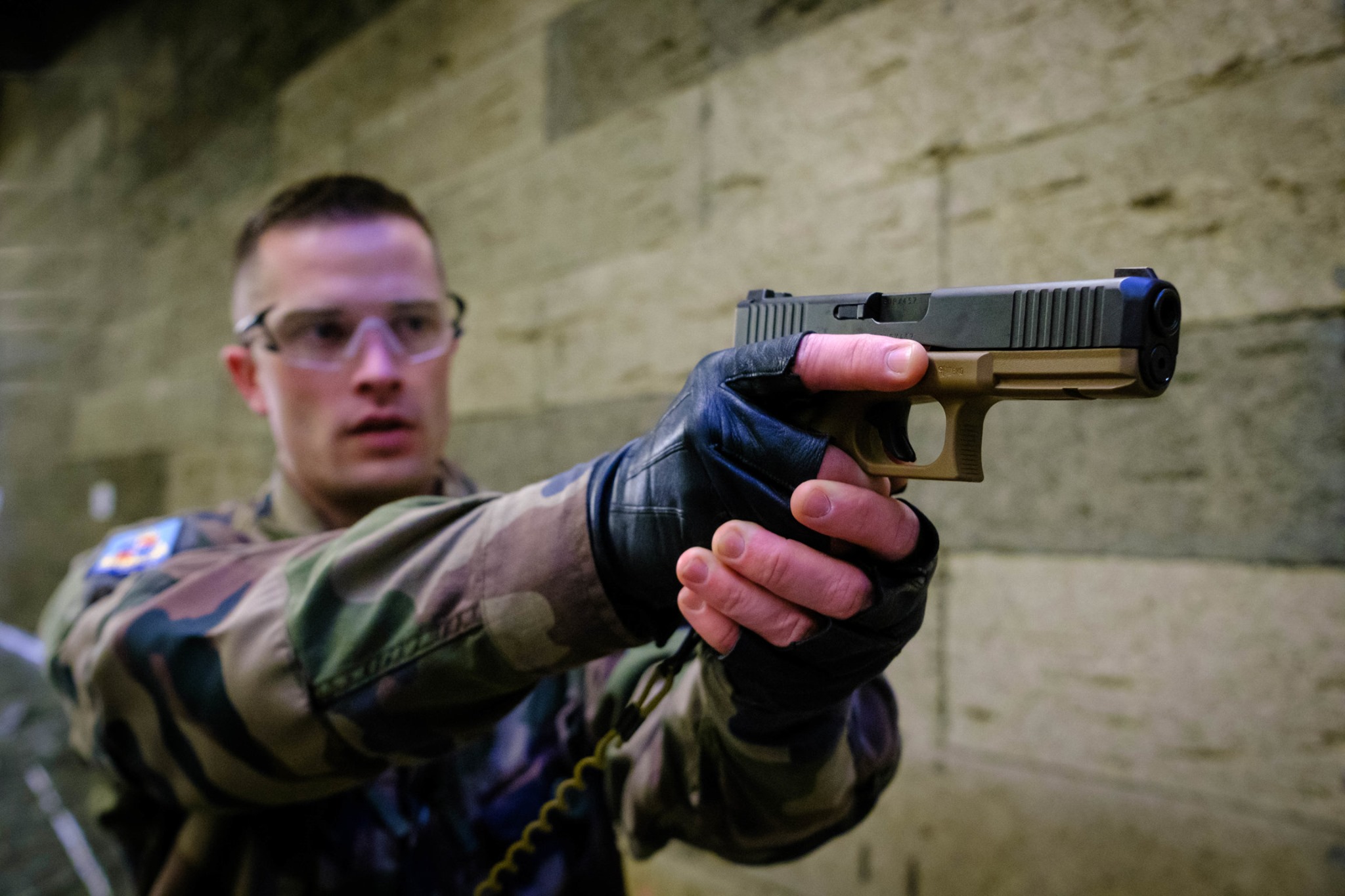
Capacity was another reason the Glock 17 stood out when it appeared. Its standard double-stack magazine held 17 rounds of 9×19mm ammunition, giving a full-size service pistol substantial onboard capacity for its era. Glock’s history says the commercial name G17 became associated with that 17-round capacity, although the number is sometimes incorrectly explained as referring to the founder’s patents. The 9×19mm chambering and 17-round magazine placed the pistol firmly within the emerging high-capacity “Wonder Nine” trend. Capacity alone did not make it revolutionary, but it made the engineering package especially attractive to military and police buyers.
5. Simplicity Was Built Into the Engineering

The Glock 17 was designed around an economical part count and straightforward construction. Glock emphasized that reducing unnecessary complexity could make a service pistol easier to maintain while limiting opportunities for components to fail or require adjustment. Early examples used roughly three dozen major parts, depending on how components were counted, a striking figure compared with some contemporary designs. That approach supported manufacturing efficiency: fewer parts meant fewer components to produce, inspect and assemble. The result was a pistol designed around repeatable production, uncomplicated servicing and practical military use rather than traditional craftsmanship alone.
6. It Survived Tests Designed to Be Brutal
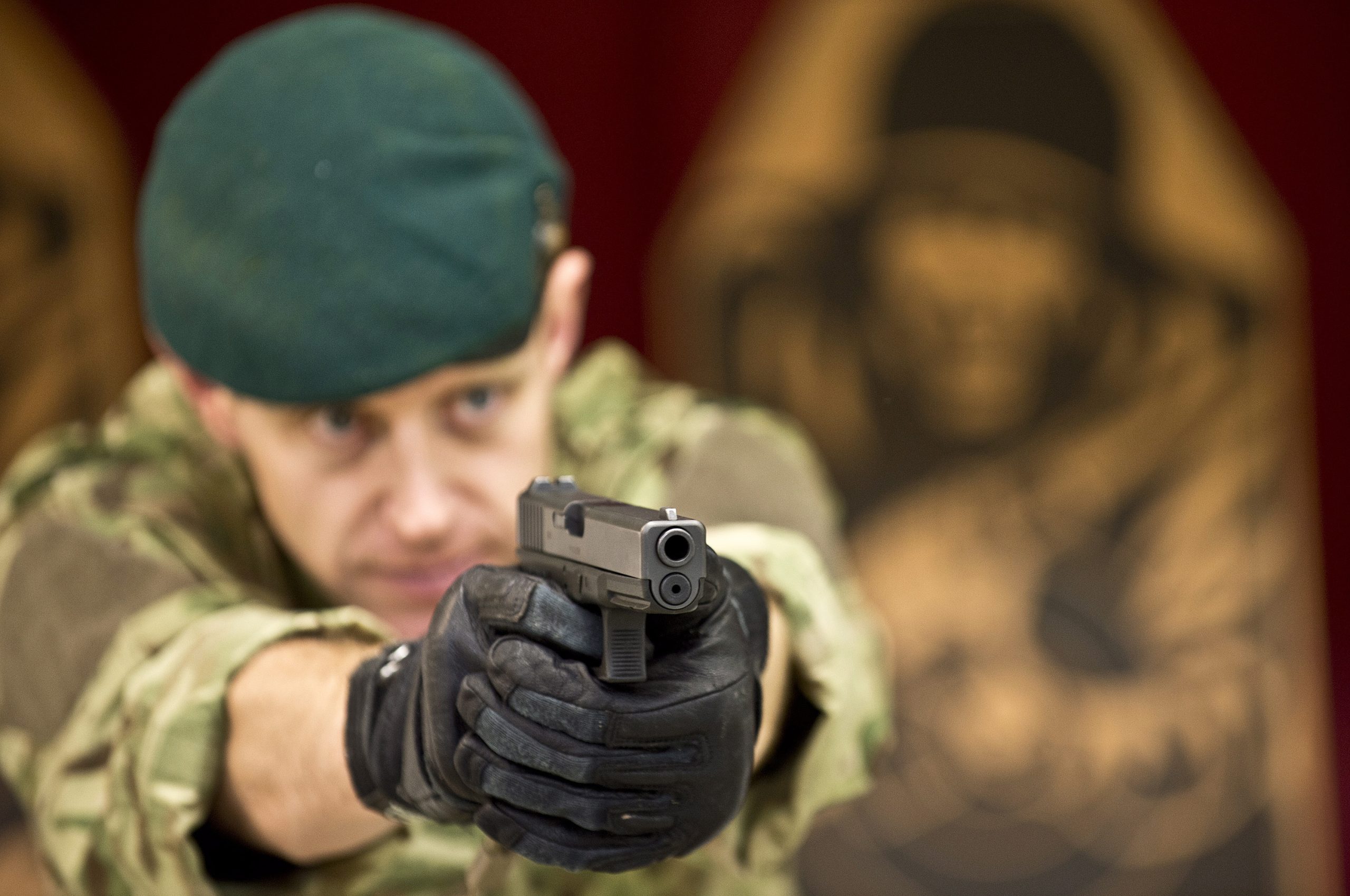
Before the Glock 17 could become a commercial legend, it had to prove itself under military evaluation. The Austrian trials subjected competing pistols to harsh testing designed to expose weaknesses that ordinary range shooting could miss. Glock’s design completed the testing and secured its place as Austria’s new service pistol, designated the P80. The achievement mattered because its polymer frame and unfamiliar operating system were not accepted simply for being innovative. They had to demonstrate reliability under conditions that punished conventional assumptions about handgun construction. That performance transformed Glock from a newcomer into a credible military supplier.
7. Norway Helped Give It International Momentum
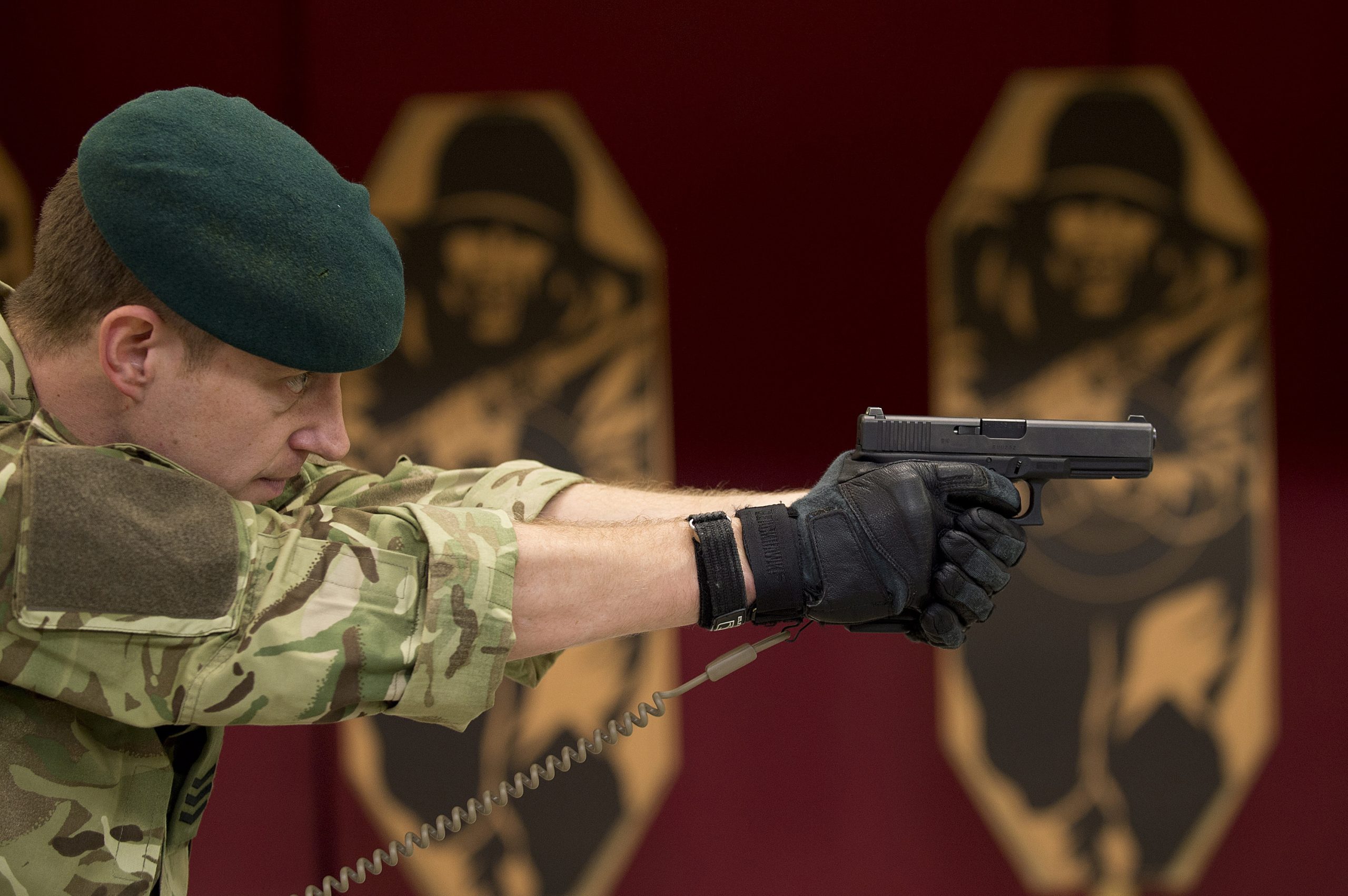
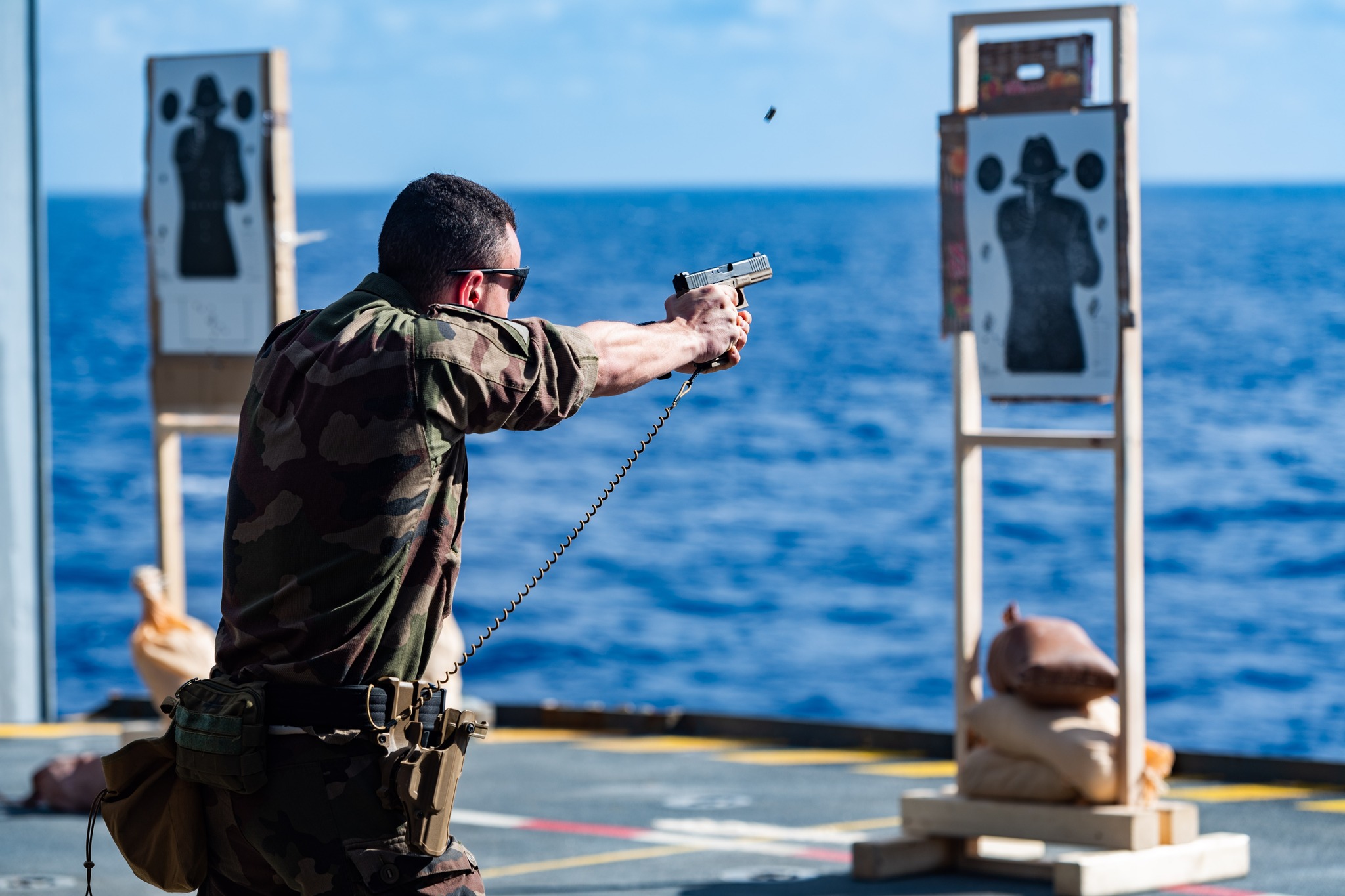
Winning Austria’s contract was the breakthrough, but international adoption turned the Glock 17 into something much larger. In 1984, the pistol passed NATO durability testing, and Norway selected it as its standard service sidearm. That decision showed the design was not merely an Austrian experiment tailored to one country’s requirements. European military and police interest followed, giving Glock exposure before the pistol had fully established itself in America. The company’s credibility grew quickly, and the G17 moved from a single national procurement program toward a broader reputation as a practical service pistol for organizations seeking lightweight construction and high capacity.
8. America Became the Next Major Turning Point
The Glock 17’s arrival in the United States changed the scale of the story. Glock established its American headquarters in Smyrna, Georgia, on November 25, 1985, creating a direct base for commercial, military and law-enforcement activity. The U.S. market was enormous and highly competitive, so success there could turn a European military design into a global brand. American police agencies, civilian shooters and firearms writers noticed the pistol’s combination of low weight, high capacity and simple controls. Once the G17 gained a foothold, Glock had something more valuable than one successful model: a platform from which an entire family of pistols could be developed.
9. The G17 Became a Platform, Not Just a Pistol
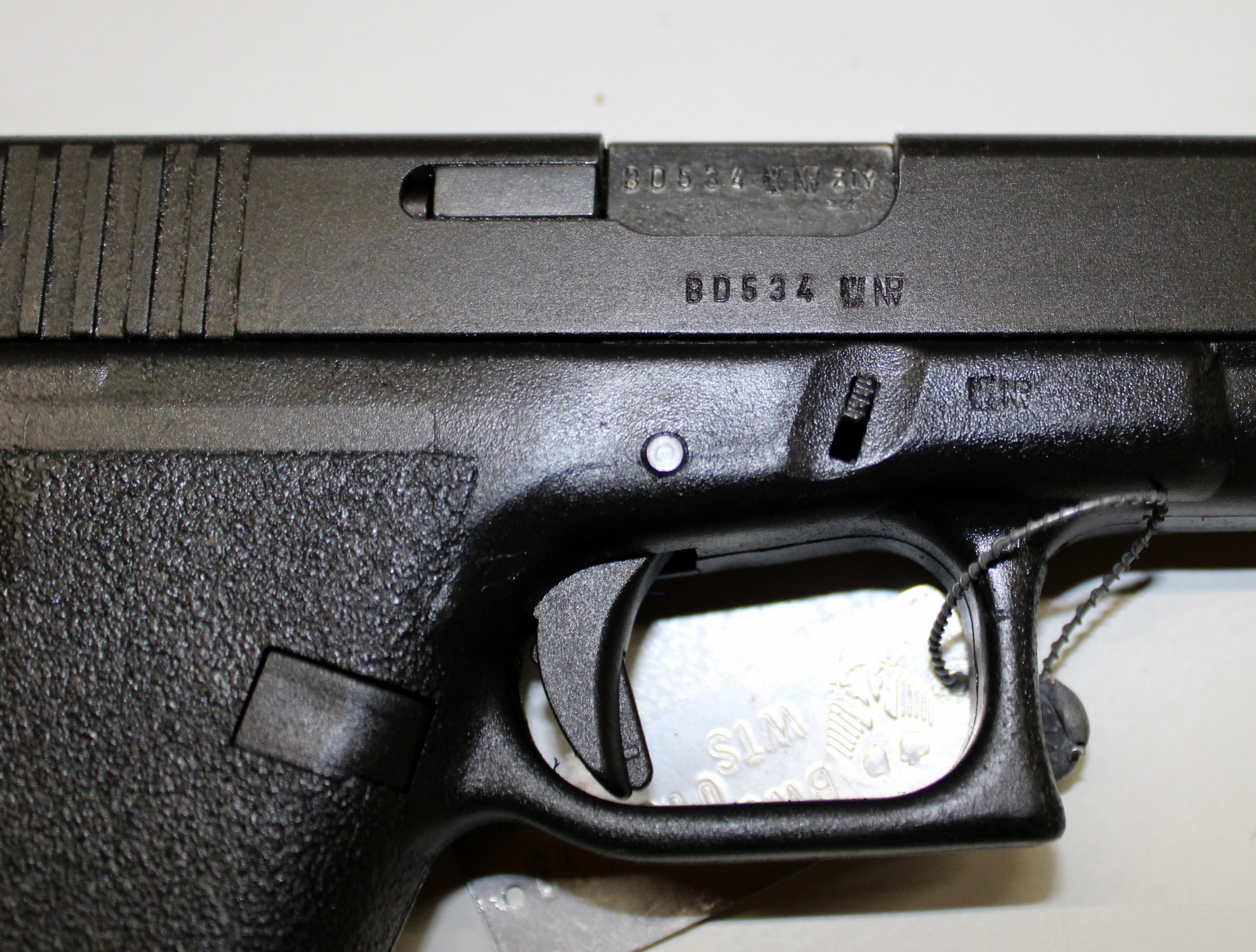
The most important long-term effect of the Glock 17 was that it established a design language the company could expand. Later Glock pistols reused the basic ideas of polymer construction, Safe Action operation, striker-fired ignition and simplified maintenance while changing dimensions, calibers and roles. Five generations followed with refinements rather than abandoning the concept. The G17 therefore became a blueprint for the company’s product strategy. Its influence reached beyond Glock as competitors offered polymer-framed, striker-fired pistols of their own. What started as one service-pistol design became the foundation for an entire category and a worldwide commercial business.
10. It Created the Company’s Lasting Identity

The Glock 17 did more than win contracts; it gave Glock a recognizable identity almost overnight. The company had existed before the pistol, but the handgun transformed it into a global firearms manufacturer. By the mid-1980s, Glock had moved from an Austrian military competition into international military, police, and commercial markets, with America a major base for expansion. Later generations refined the formula, yet the essential themes remained: polymer construction, simple controls, automatic safeties, high capacity and efficient production. That is why the G17 is best understood not merely as Glock’s first famous pistol, but as the product that defined what the company would become.