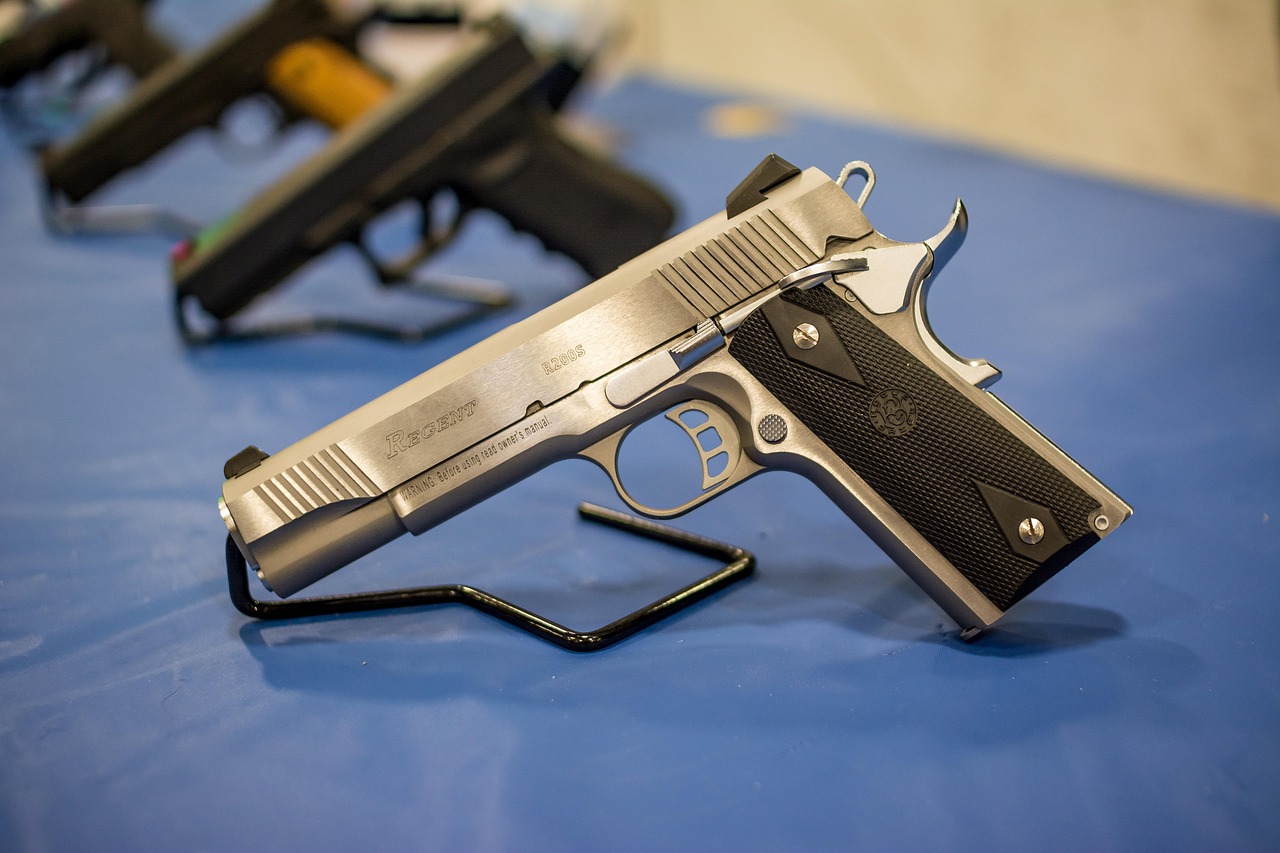
Some pistols carry premium price tags because of prestige, rarity, or flashy design. The problem is that a huge bill does not always buy better performance, better reliability, or even a better shooting experience. This gallery looks at famously expensive handguns that often deliver more bragging rights than real-world value.
Heizer Defense DoubleTap

The DoubleTap drew attention because it was tiny, exotic-looking, and made from premium materials. On paper, a pocket pistol built from titanium sounded like a clever mix of innovation and exclusivity. In practice, many shooters found that the eye-catching design came with sharp recoil, a stiff trigger, and a surprisingly awkward experience for something sold as highly refined.
Its two-shot capacity made the price even harder to justify. For the money, buyers could get a conventional compact pistol with better ergonomics, easier follow-up shots, and far more usefulness. The DoubleTap felt more like an expensive conversation piece than a handgun most people would actually want to carry or shoot often.
Night hawk Custom VIP Models

Nighthawk Custom produces finely finished 1911-style pistols with a handcrafted image that resonates with serious enthusiasts. The company’s high-end VIP and bespoke packages promise individuality, close attention to detail, and top-shelf refinement. Those qualities are real, and they can make these pistols feel special the moment they leave the case.
Yet the law of diminishing returns hits hard at this level. Once a pistol is already accurate, dependable, and well fitted, doubling or tripling the price does not create a proportional jump in usefulness. Many shooters end up paying luxury-car money for improvements they can barely notice outside a controlled range session. The result is often impressive ownership, not dramatically improved shooting.
Hudson H9

The Hudson H9 arrived with enormous buzz thanks to its low bore axis, unusual profile, and promises of blending 1911 appeal with modern striker-fired function. It looked fresh in a market full of familiar silhouettes, and early excitement pushed it into aspirational territory for buyers chasing the next big thing.
Then reality set in. The pistol was expensive, the company struggled, and long-term support became a serious concern. Even fans of the concept were left with a handgun that never fully justified its price through mainstream performance or staying power. The H9 was ambitious and undeniably interesting, but many owners paid a premium for innovation that never matured into dependable long-term value.
FK BRNO Field Pistol

The FK BRNO Field Pistol was marketed with bold claims, unusual chambering, and a futuristic aura that made it feel almost mythic. It promised extraordinary performance in a handgun-sized package, which naturally invited curiosity from collectors and enthusiasts. It also invited a very high asking price.
For many buyers, the concept proved more compelling than the real-world payoff. Specialized ammunition, limited practicality, and a niche role made it hard to integrate into normal shooting life. It was not the obvious choice for concealed carry, casual plinking, or budget-conscious range sessions. That left owners with an expensive and fascinating machine that impressed on paper more than it delivered in day-to-day usefulness.
Desert Eagle Gold and Special Finish Models
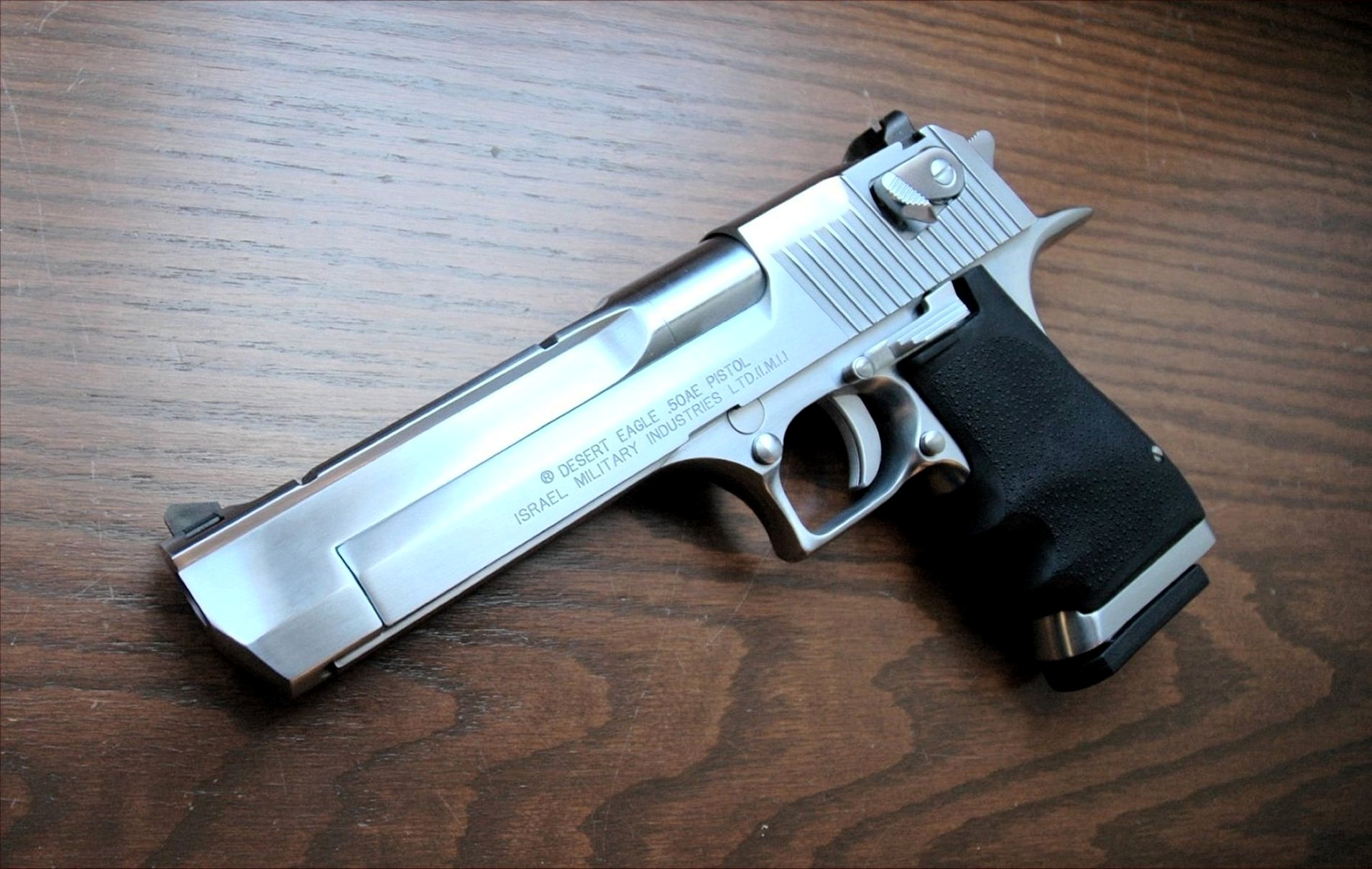
The Desert Eagle has always sold spectacle as much as shooting utility, and gold-plated or special-finish versions lean all the way into that identity. These pistols are massive, unmistakable, and instantly recognizable in photos, movies, and display cases. They are built to turn heads before anyone asks practical questions.
That is exactly where the value problem begins. A heavily finished Desert Eagle can cost a small fortune while remaining bulky, heavy, and expensive to feed. For most owners, it is less a useful pistol than an extravagant novelty item. The premium finish does not make it more versatile or easier to live with. It simply makes an already impractical handgun dramatically more expensive.
Standard Manufacturing Switch Gun

The Switch Gun earned attention because it folded into a shape that barely resembled a traditional firearm. That novelty was the whole sales pitch, and for some buyers the unusual form factor was enough to justify the cost. It looked clever, compact, and engineered for maximum curiosity.
The problem is that curiosity fades fast when performance enters the conversation. Compared with more conventional small handguns, it offers limited capability and a less natural shooting experience. Add in a premium price for what is essentially a novelty-driven design, and the practical argument gets thin very quickly. It is the kind of product people love to show off once, then quietly leave behind for better options.
Bond Arms Premium Derringers

Bond Arms derringers are sturdy, well-made, and undeniably charming in a throwback sort of way. Premium variants with upgraded finishes and embellishments can look especially attractive to buyers who appreciate old-school style. There is craftsmanship here, and in fairness, these pistols are marketed partly on personality.
But personality only goes so far when the price rises well above practical alternatives. Limited capacity, stout recoil, and difficult rapid shooting keep premium derringers in a narrow lane. Buyers often spend a surprising amount for a firearm that offers less capability than many affordable modern handguns. That disconnect between handsome presentation and actual utility is what makes the premium feel so hard to defend.
Kimber Rapide and High-End Style Packages

Kimber has long understood how to sell visual drama, and the Rapide line is a perfect example. Aggressive slide cuts, eye-catching finishes, and upscale branding make these pistols feel special in the showcase. For buyers who want a 1911 that looks custom without commissioning one, the appeal is immediate.
Still, looks can inflate expectations beyond what the pistol actually delivers. Once prices move higher, buyers naturally expect flawless refinement and a distinctly superior shooting experience. Instead, they may find that much of what they paid for is cosmetic treatment rather than a dramatic leap in capability. The Rapide is stylish and desirable, but often not as exceptional in use as the sticker suggests.
SIG Sauer P210 Legend and Exclusive Variants

The P210 is one of those pistols that inspires reverence, and with good reason. Its accuracy, trigger quality, and historic prestige have made it a benchmark for generations of enthusiasts. Exclusive or highly polished versions turn that reputation into a luxury purchase, with pricing that can feel every bit as elite as the pistol’s legend.
Yet this is another case where greatness and value are not the same thing. A superb target-oriented pistol can still be a poor buy if its price far exceeds the practical gains most shooters will notice. Unless someone truly values the heritage and refinement, the premium often purchases admiration and nostalgia more than a materially better all-around handgun.
Wilson Combat Supergrade Models

Wilson Combat’s Supergrade pistols sit near the top of the semi-custom 1911 world, and they advertise that status proudly. The fitting is meticulous, the finish is excellent, and the ownership experience is crafted to feel exclusive from start to finish. These are serious pistols built for buyers who want the best and are willing to pay for it.
The issue is that the price climbs into a zone where even obvious quality can stop making practical sense. A pistol can only get so accurate, so smooth, and so refined before additional money yields very little benefit on the target. For most shooters, the Supergrade is more aspiration than necessity, and the premium reflects luxury more than need.