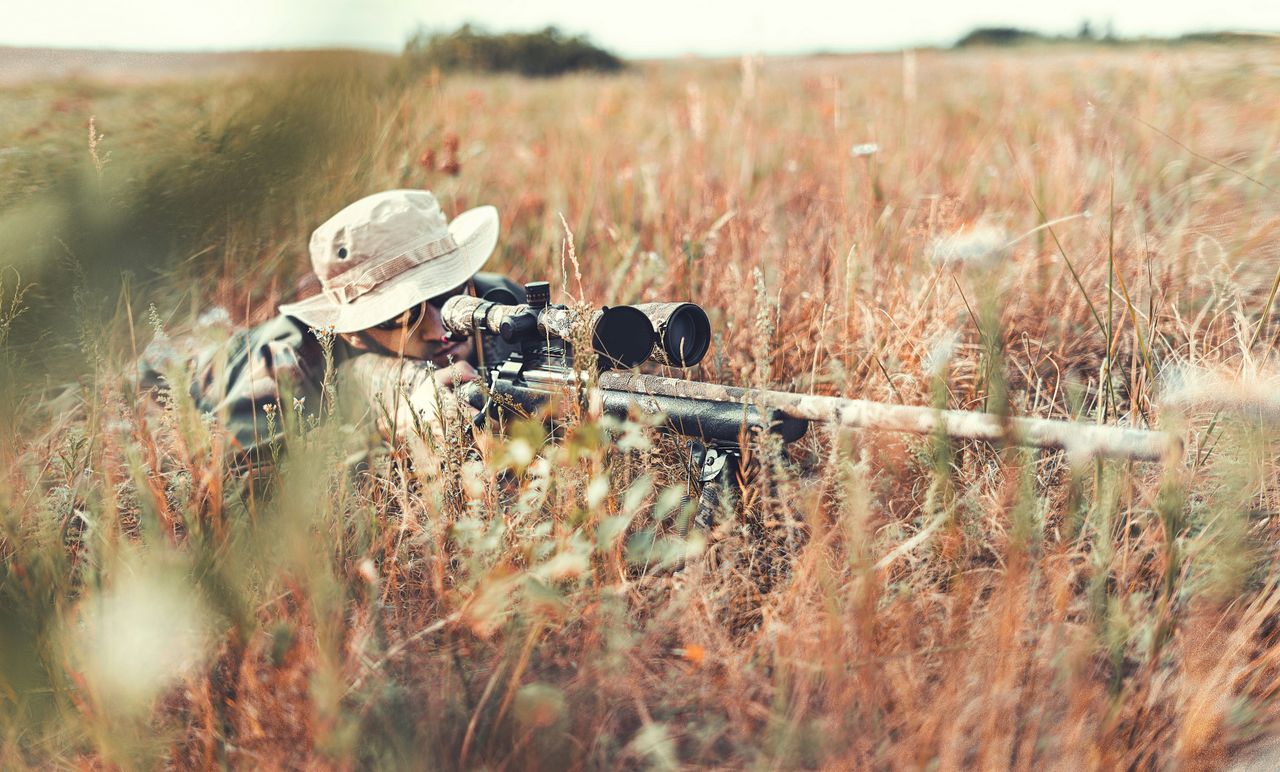
The Bergara B14 has become a popular entry point for hunters who want to stretch their effective range without stepping into full custom-rifle prices. But once the honeymoon phase ends, owners often discover a few realities that rarely make it into quick reviews or showroom conversations. This gallery breaks down the small details, tradeoffs, and surprises experienced long-range hunters say matter most before you buy your first precision rifle.
It feels heavier in the field than it does at the gun counter

A Bergara B14 can feel impressively solid when you first shoulder it indoors. That same reassuring heft can become a very different experience after a few hours of hiking ridgelines, climbing into blinds, or covering broken ground with a pack, binoculars, and extra gear.
Long-range hunters often say first-time buyers focus on stability at the bench and underestimate how much rifle weight changes the whole hunt. A heavier rifle can absolutely help with recoil control and steadier shooting, but it also asks more from your body before the shot ever happens.
That tradeoff is not a dealbreaker. It just means you should think honestly about where and how you hunt, not only how the rifle groups on paper.
Factory accuracy is real, but ammo choice still decides everything

One reason the Bergara B14 has such a strong reputation is that many examples shoot very well right out of the box. That creates a tempting expectation that any quality hunting load will suddenly become a tack driver the moment it touches the chamber.
Experienced owners usually learn otherwise pretty quickly. Even an accurate rifle can be picky, showing clear preferences for certain bullet weights, velocities, or brands. The difference between decent groups and excellent ones may come down to careful testing, not the logo on the barrel.
For a first precision rifle, that means budgeting time and money for load development or factory ammo trials. Accuracy is built into the platform, but consistency is still something you have to earn.
The scope setup matters almost as much as the rifle itself

New buyers sometimes spend heavily on the rifle and then try to save money on rings, bases, or glass. Long-range hunters will tell you this is where many early frustrations begin, because a precision rifle can only perform as well as the optic system mounted on top.
A Bergara B14 with weak tracking, poor clarity, or unreliable mounting hardware will never show you what the rifle can really do. At distance, small issues become big ones, especially when dialing elevation, holding wind, or shooting in bad light.
That does not mean you need the most expensive scope in the store. It means your optic, base, rings, and level should be treated as part of the rifle purchase, not an afterthought.
Recoil is manageable, but spotting your own shots takes practice

Many shooters come away from the Bergara B14 impressed by how controllable it feels, especially in heavier configurations or efficient chamberings. That can lead first-time owners to assume they will instantly be able to see impacts through the scope and make clean follow-up corrections like seasoned long-range shooters.
In reality, that skill depends on much more than recoil alone. Rifle fit, body position, bipod loading, rear bag use, stock geometry, and even the surface under you all influence whether the sight picture stays stable enough to watch the bullet land.
The good news is the B14 gives you a solid platform to learn on. The less obvious truth is that self-spotting is a technique problem before it becomes a rifle problem.
The trigger may be good enough, but many owners still upgrade it

A lot of first-time buyers expect a precision-oriented rifle to arrive with a trigger that feels perfect on day one. The Bergara B14 generally offers a usable, respectable trigger, and for plenty of hunters that is exactly enough to get into the field with confidence.
Still, long-range hunters often mention that the trigger is one of the first components they think about changing. That is not necessarily because the factory part is bad. It is because precision shooting tends to make you more sensitive to creep, break weight, and overall feel than ordinary hunting distances do.
This is one of those hidden ownership truths. You may buy the rifle for value, then slowly start spending more as your standards sharpen.
Barrel heat changes the pace of your range sessions

People shopping for a first precision rifle often imagine long strings of shooting while they chase tiny groups and gather data. Bergara barrels have a strong reputation, but experienced shooters still point out that barrel heat can affect group behavior, comfort, and the rhythm of your practice.
At the range, enthusiasm tends to outrun patience. New owners may fire too quickly, then wonder why point of impact shifts slightly or why groups open up compared with the first cold shots. For a hunting rifle, cold-bore consistency often matters more than turning a session into a marathon.
The hidden lesson is simple. The B14 rewards disciplined practice, not rushed volume. Letting the rifle cool is part of learning what it really does.
A chassis or stock upgrade can become very tempting

One of the big appeals of the Bergara B14 is that it gives buyers a rifle with strong potential instead of a dead-end platform. That flexibility is exciting, but it also introduces a quiet truth many long-range hunters laugh about later: upgrades start sounding sensible very fast.
After enough range time, some owners want a different stock shape, adjustable cheek height, a more vertical grip, or a chassis that better supports bags and bipods. None of that means the factory setup failed. It just means precision shooting has a way of making ergonomics impossible to ignore.
For a first-time buyer, the surprise is not that upgrades exist. It is how quickly the idea of changing a perfectly functional rifle starts to feel reasonable.
Magazine and feeding preferences are more noticeable than expected

At first glance, feeding seems like a detail you only notice if something goes badly wrong. Yet owners often say one of the more practical learning curves with a precision rifle is getting familiar with how it likes to run, especially when different bullet profiles, magazine styles, or field positions enter the picture.
A rifle that cycles smoothly from the bench can feel different when you are prone in dirt, wearing gloves, or trying to chamber quietly on a cold morning. Small habits, like how firmly you seat a magazine or how you work the bolt, suddenly matter more than they did with simpler hunting setups.
The B14 is widely regarded as dependable, but dependable does not mean thoughtless. Familiarity is part of reliability.
Long-range hunting demands more data work than most beginners expect

Buying a Bergara B14 can feel like the big step into serious shooting, but the rifle itself is only one part of the equation. Hunters who stretch distance ethically spend a surprising amount of time gathering muzzle velocity, confirming drop, tracking environmental changes, and learning how wind rewrites everything.
This is where many first-time precision rifle owners realize the sport is more technical than they thought. The rifle may be capable immediately, but the shooter needs a dependable dope card, a rangefinder, and enough repetition to trust the information under pressure.
In other words, the hidden cost is not just accessories. It is the mental workload. Precision becomes real when the notebook starts filling up.
It can be a gateway rifle that changes your whole standard

Perhaps the least discussed truth about the Bergara B14 is that it often resets expectations. Hunters buy it thinking they are getting a practical upgrade, then discover that better optics, better fundamentals, and better ammunition reveal flaws they never noticed in their older rifles or habits.
That shift can be expensive, but it is also why the platform has such loyal fans. A capable first precision rifle does more than print nice groups. It teaches you what consistency feels like, what good trigger control looks like, and what realistic field precision actually demands.
For many owners, the B14 is not the final destination. It is the rifle that teaches them how serious they want to become.