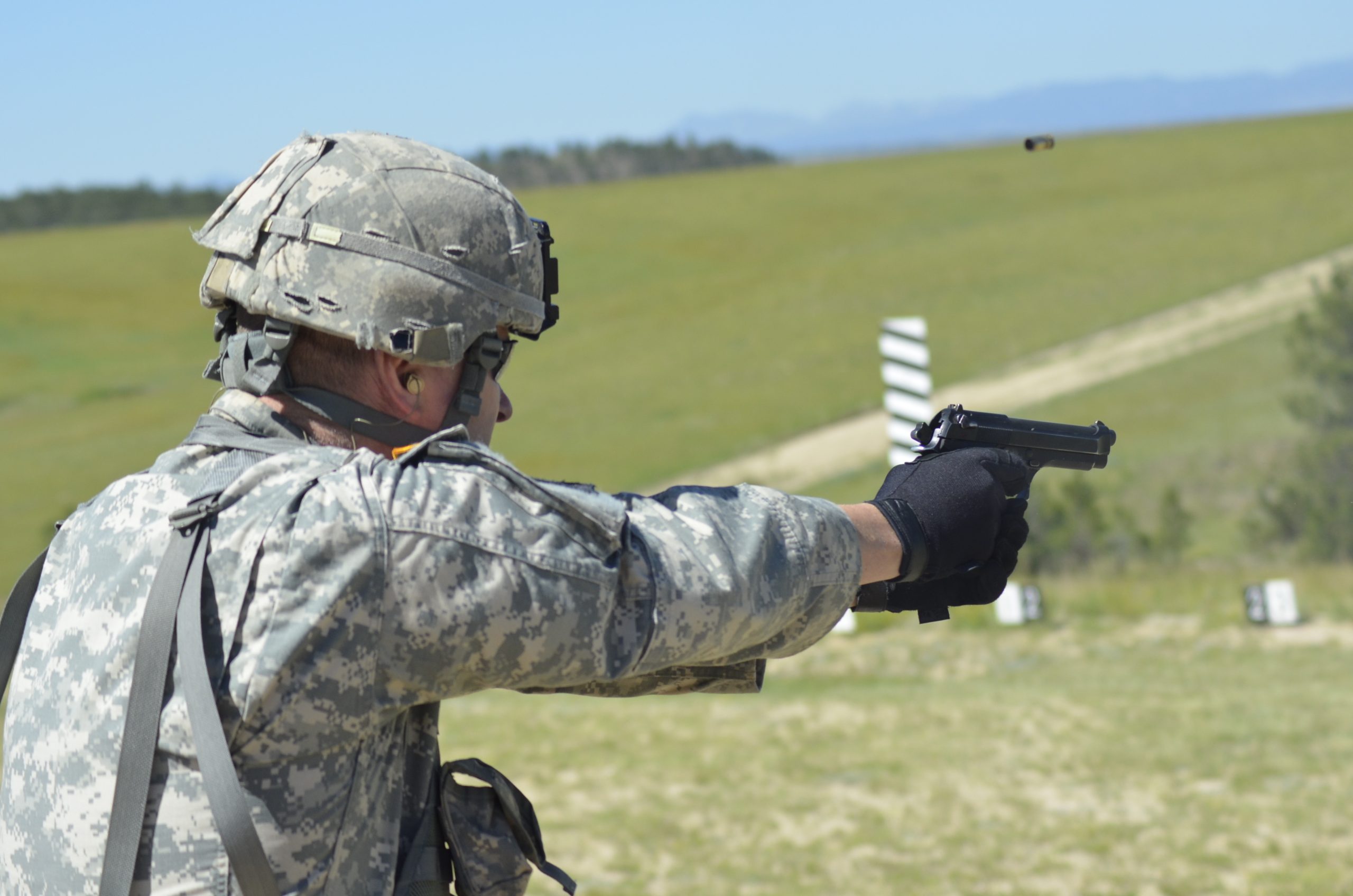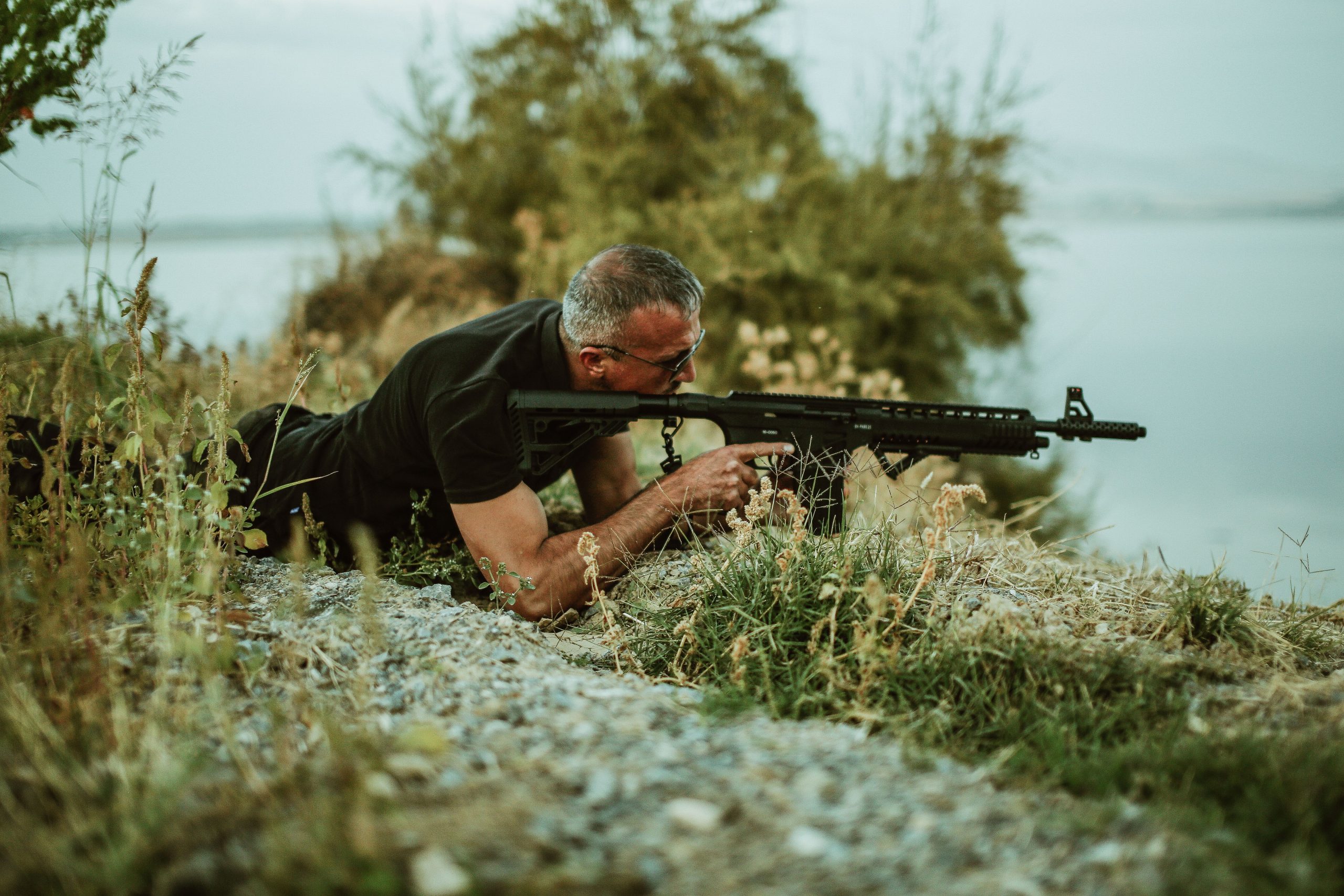
Modern precision rifles are built around a simple idea: make every shot as consistent as possible. Heavy barrels, rigid actions, adjustable stocks, and carefully matched cartridges can produce remarkable results when conditions are controlled. Some rifles have become especially famous for this level of repeatability, with specifications that seem almost excessive for ordinary range work. From proven military systems to specialized extreme-range platforms, these 10 rifles show how far precision engineering has progressed.
1. Accuracy International AWM
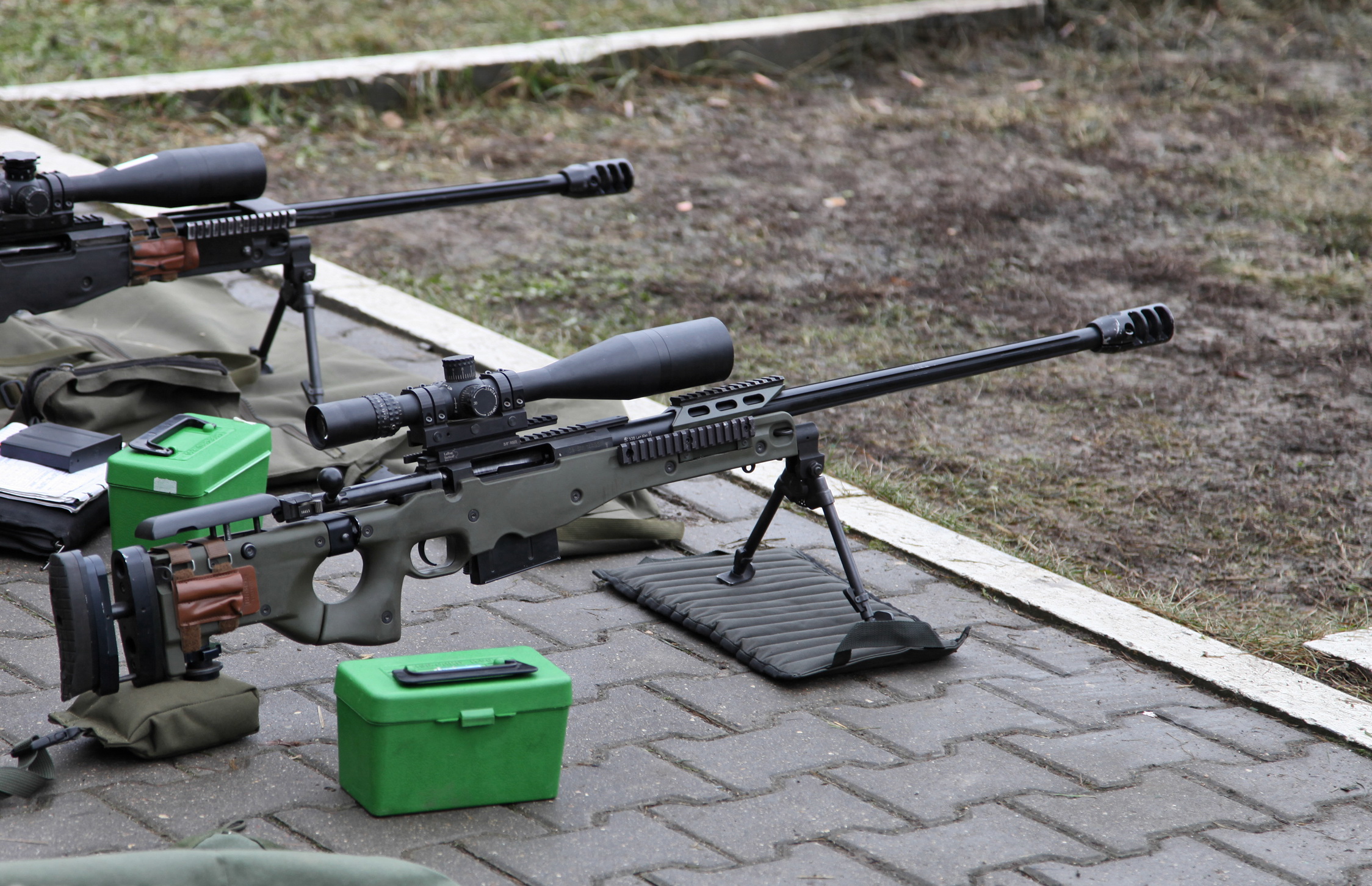
The Accuracy International AWM earned a reputation for consistency long before extreme-range rifles became fashionable. Its .338 Lapua Magnum version, used as the British L115A3, pairs a 27-inch barrel with a 5-round magazine and a 6.8 kg service weight. The British Army lists an effective range of 1,100+ meters. What makes it remarkable is not one spectacular shot, but repeatable performance from a rugged bolt-action system. Its carefully built action, free-floating barrel, and adjustable two-stage trigger made precision testing look almost routine.
2. Accuracy International AXSR
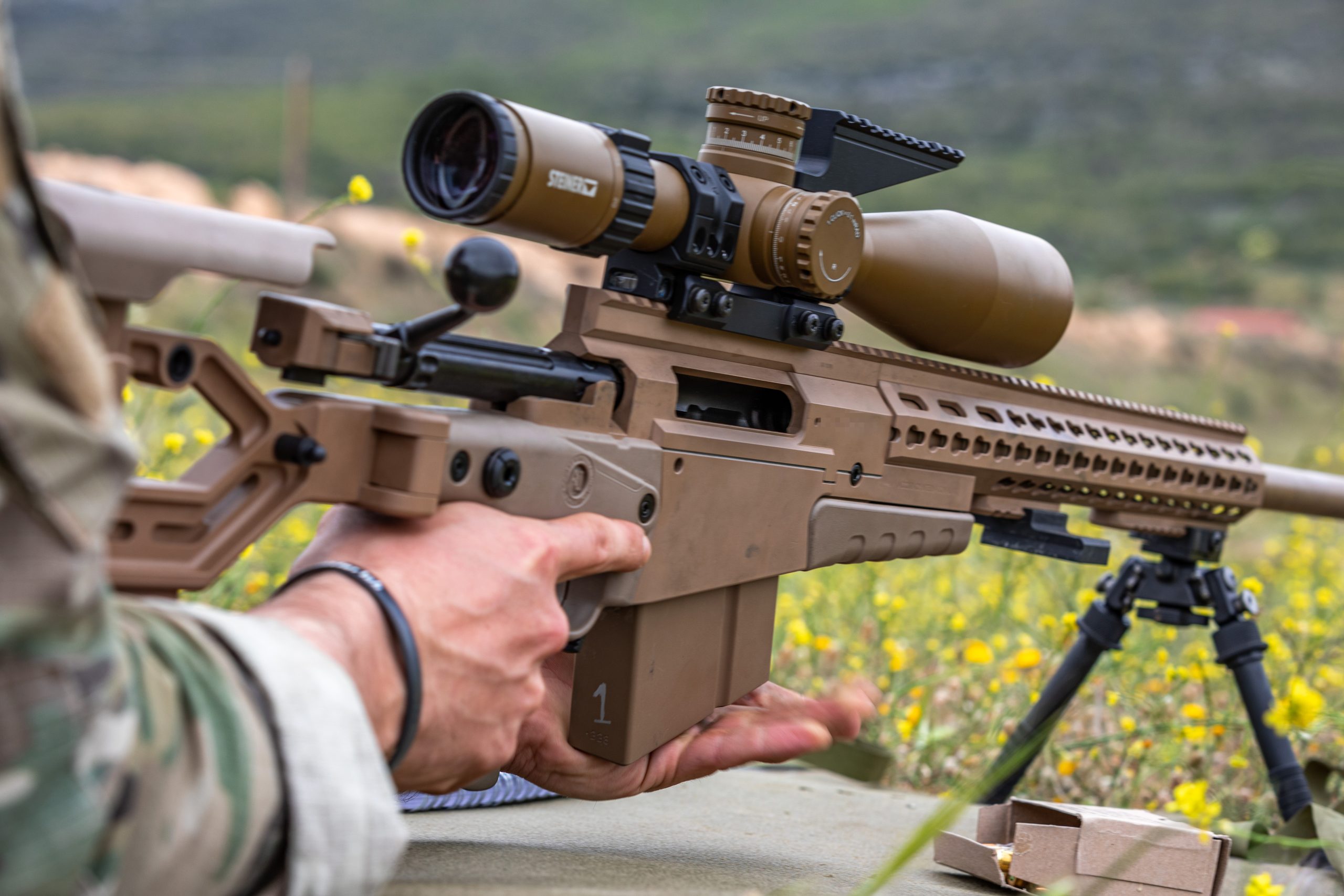
The Accuracy International AXSR takes precision into a more modern, modular direction. It can be configured in calibers including 6.5 Creedmoor, .308 Winchester, .300 Win Mag, and .338 Lapua Magnum, with barrel lengths reaching 27 inches. In its .338 configuration, the published weight is 7.39 kg before a scope and bipod are added. A six-lug, 60-degree bolt and competition-grade barrel support repeatability. Its quick-change barrel system is another unusual feature, allowing the same platform to move between configurations without abandoning its rigid chassis design.
3. Sako TRG M10
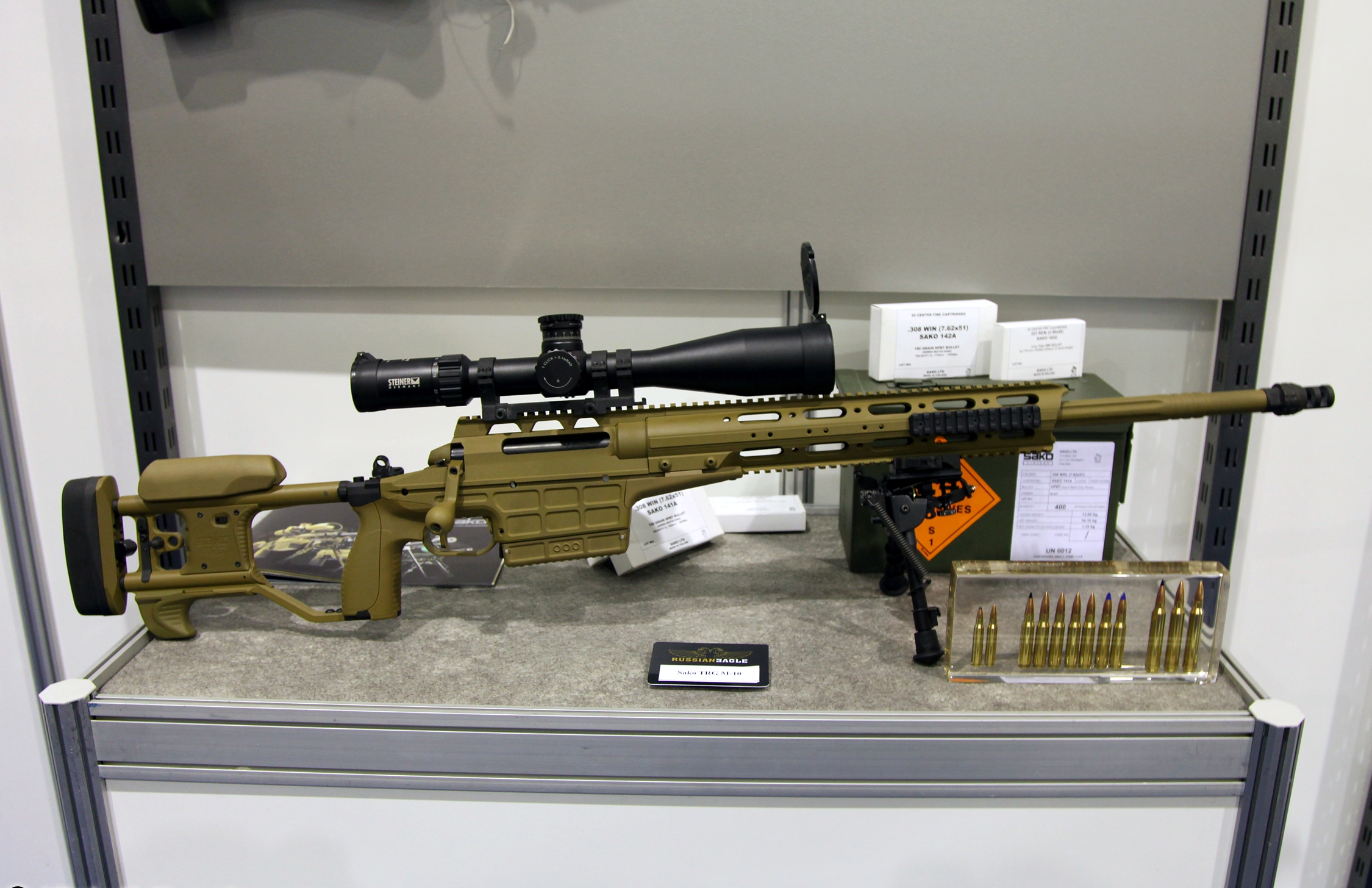
The Sako TRG M10 was built around the idea that a precision rifle should adapt without losing its consistency. It is a bolt-action, multi-caliber system that can switch among cartridges such as .308 Winchester, 6.5 Creedmoor, .300 Norma Magnum, and .338 Lapua Magnum. Sako states that the .338 version is effective to 1,500 meters and beyond. Its free-floating barrel, adjustable stock, and modular receiver help keep the system stable. The interesting part is how much configuration is built into one rifle, from caliber changes to accessory mounting and stock adjustment.
4. Sako TRG 42
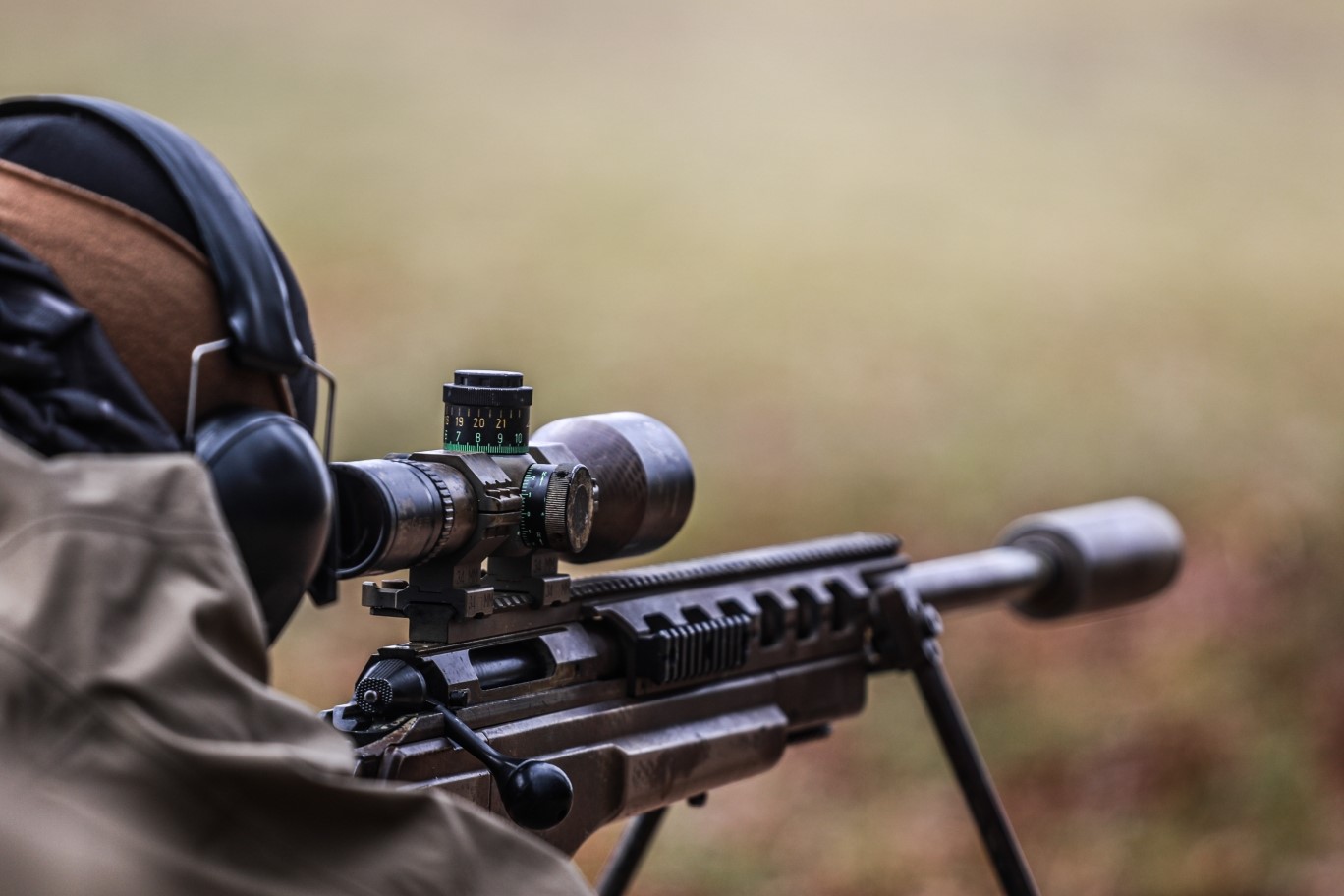
The Sako TRG 42 is one of the older names that still appears whenever serious long-range accuracy is discussed. Chambered for cartridges including .338 Lapua Magnum, it uses a heavy free-floating barrel and a rigid action designed around consistency. Independent testing has recorded sub-MOA groups with suitable ammunition, including a 0.42 MOA average in one 100-yard test. Sako says the TRG 22/42 family has been field-tested and adopted by users worldwide. Its reputation comes from steady precision rather than a single headline specification, which is part of its appeal.
5. Barrett MRAD
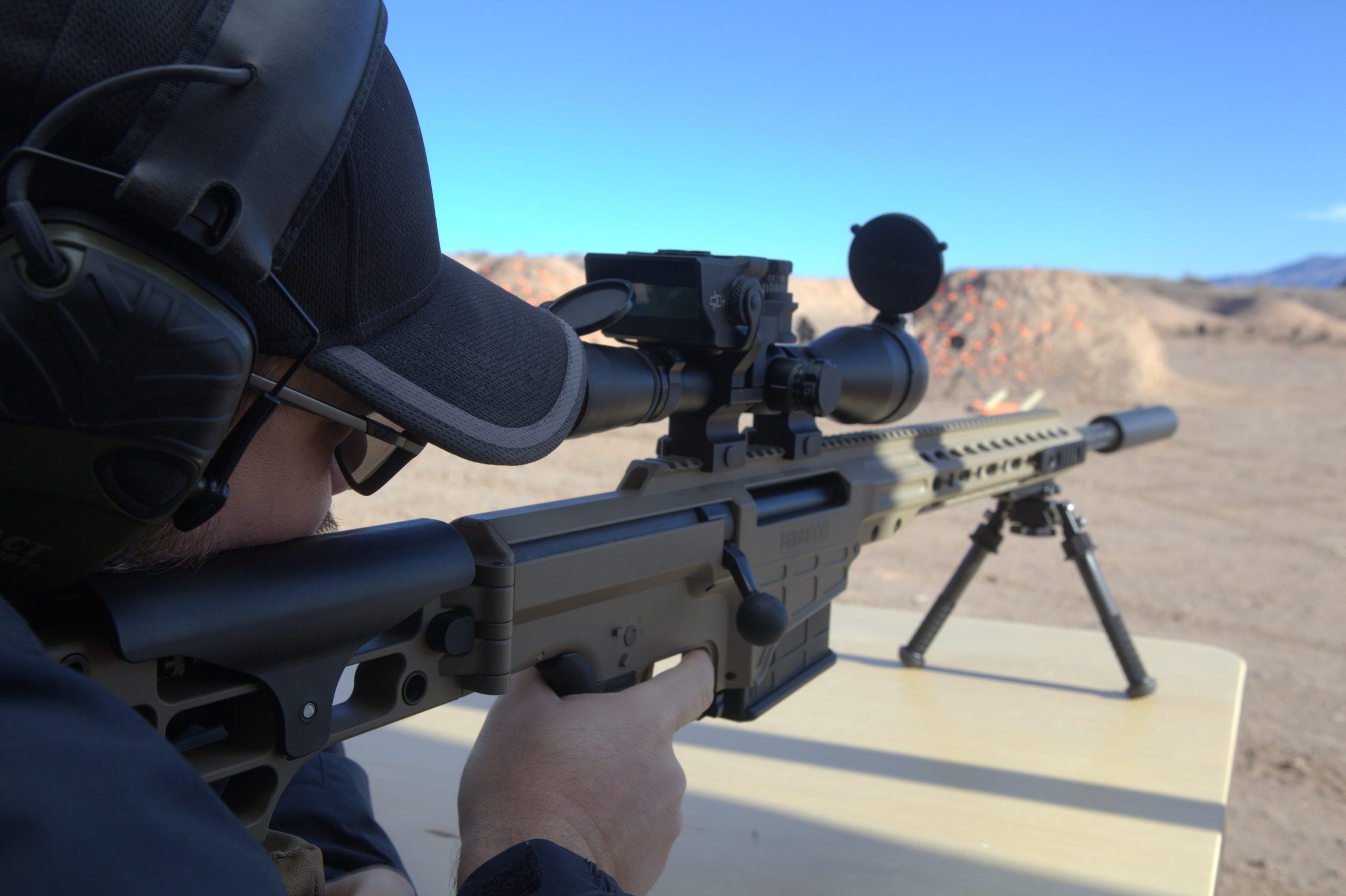
The Barrett MRAD is built around a different idea of precision: keep the core rifle stable while allowing the chambering to change. Barrett lists seven current caliber options, from 6.5 Creedmoor and .308 Winchester to .338 Lapua Magnum, with a 10-round magazine. A typical .338 configuration uses a 26-inch barrel and weighs 14.5 pounds, or about 6.6 kg. The rifle also uses a folding stock and interchangeable barrel kits. That combination makes it unusually flexible, while the rigid bolt-action layout keeps its precision role firmly in focus today.
6. CheyTac M200 Intervention

The CheyTac M200 Intervention sits firmly in the extreme-range category, where tiny mechanical differences become important. The current system uses .408 CheyTac or .375 CheyTac barrels, each measuring 29.5 inches, with 7-round magazines. The manufacturer lists an average muzzle velocity of 2,750 feet per second for .408 CheyTac and 2,950 feet per second for .375. The rifle weighs about 31 pounds without an optic and has a 40 MOA optic base. CheyTac describes the platform as capable beyond 2,500 meters, placing it well outside ordinary rifle testing distances.
7. Desert Tech HTI
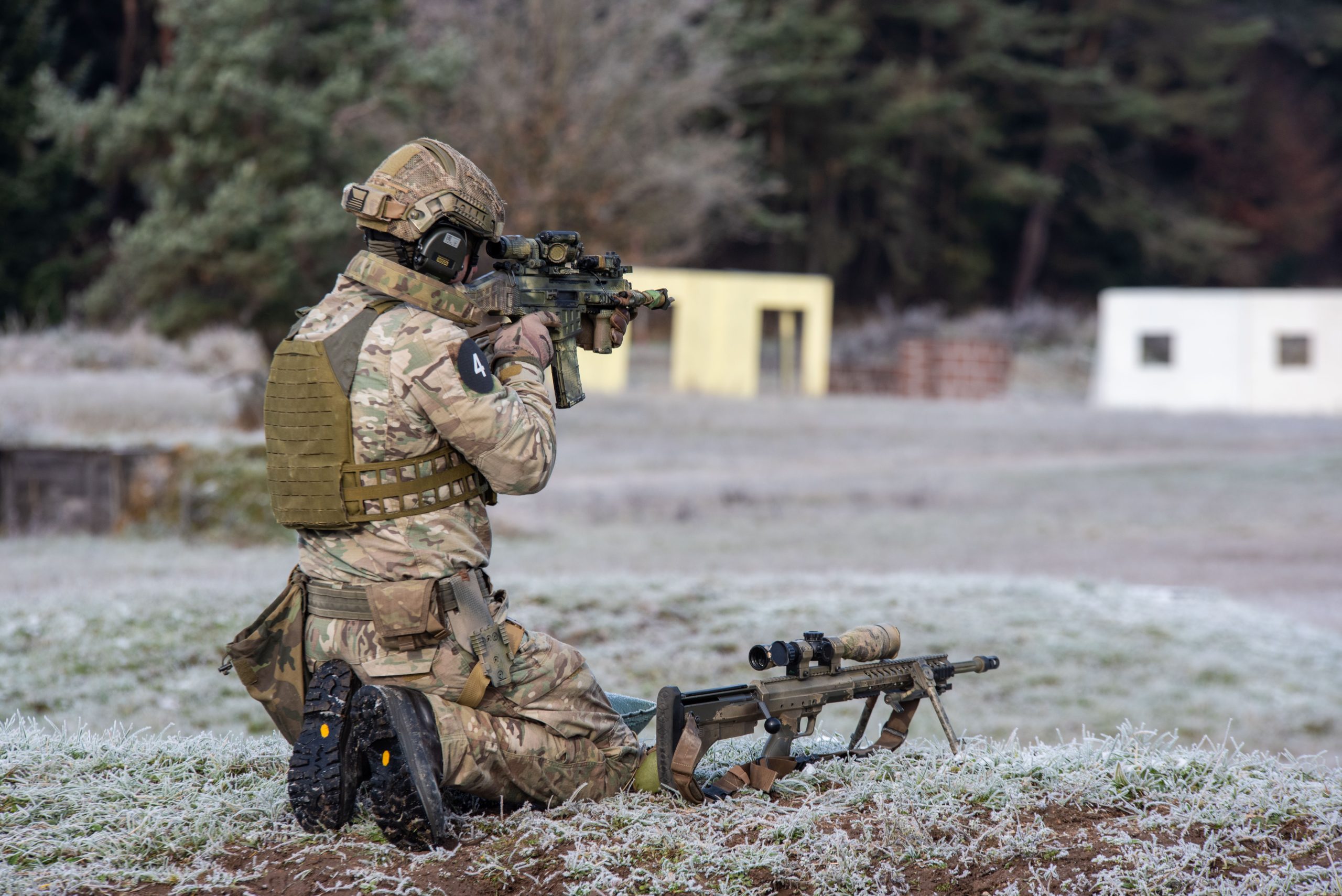
The Desert Tech HTI uses a bullpup layout to package a very long barrel into a shorter rifle. Its available chamberings include .375 CheyTac, .408 CheyTac, .416 Barrett, and .50 BMG, while the barrel length can reach 29 inches. Depending on configuration, the rifle uses a 5-round detachable magazine. The manufacturer has also advertised barrel changes in about 60 seconds, emphasizing its modular design. With large cartridges and a compact action position, the HTI is built around a simple goal: retain long-range potential without making the complete rifle as long as its barrel suggests.
8. Steyr SSG 08
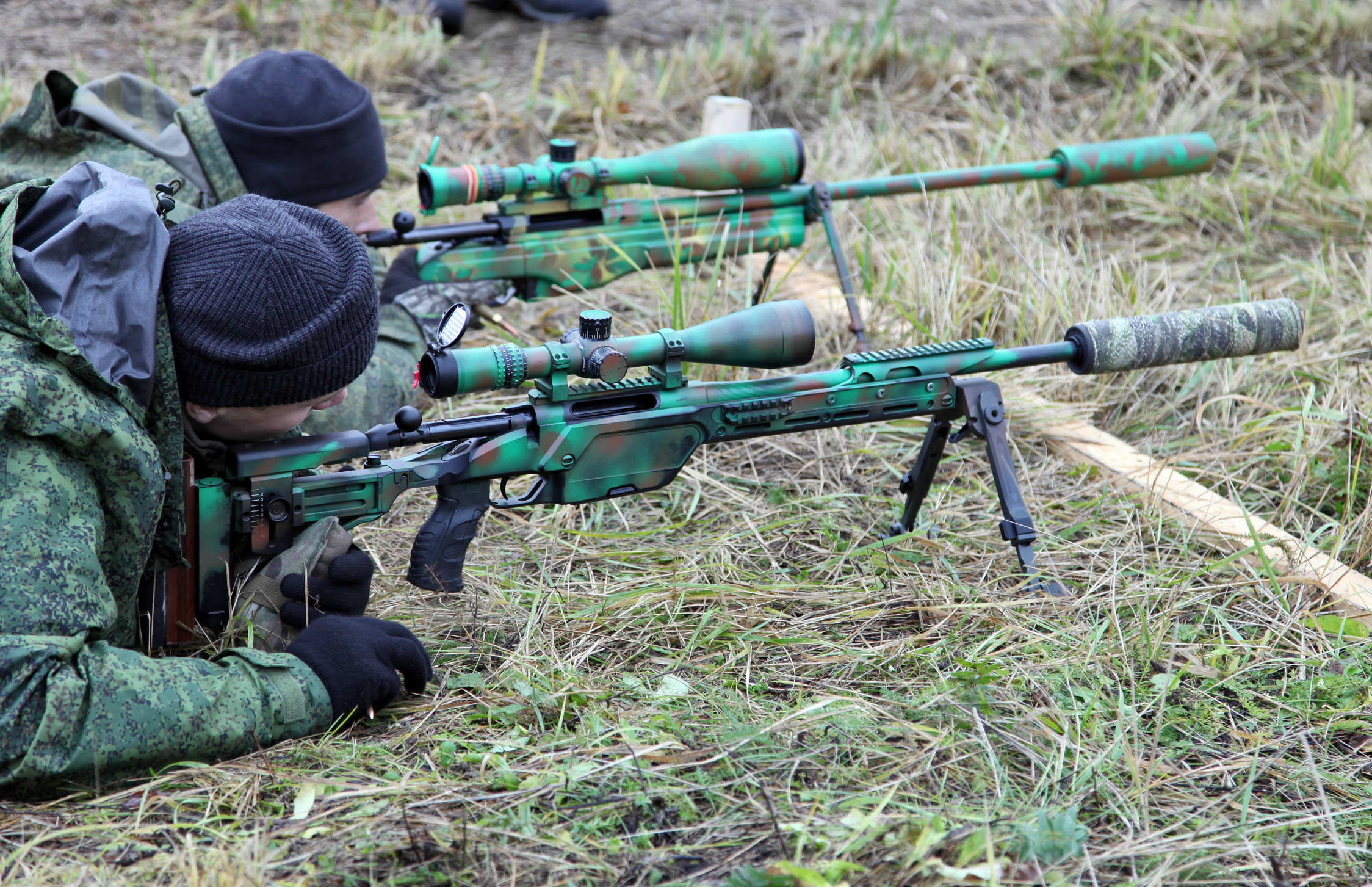
The Steyr SSG 08 shows that precision does not always require the biggest cartridge. It can be chambered in 7.62×51 NATO, .300 Winchester Magnum, or .338 Lapua Magnum, with barrel lengths reaching 690 mm. In .338 configuration, Steyr lists a 6.12 kg weight before the bipod and scope, a 6-round magazine, and a 1-in-10 twist. The rifle also uses a two-stage trigger and adjustable folding stock. Those numbers reveal its balance between field portability and long-range stability, making it a useful example of precision engineering without extreme bulk.
9. Accuracy International AT-X
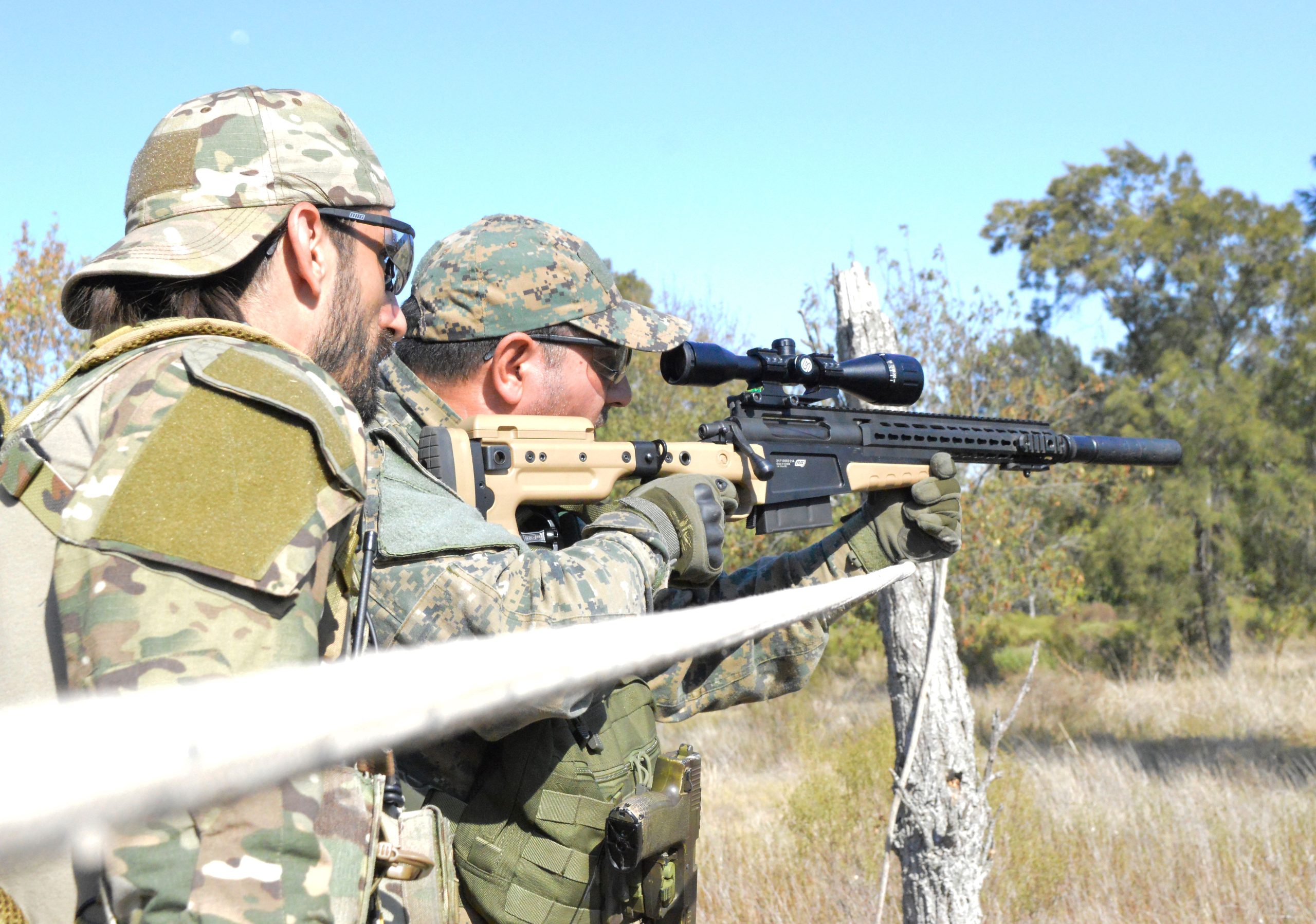
The Accuracy International AT-X was developed from the same precision-focused engineering culture that produced the company’s military rifles, but it is aimed at competition. The current AT-X family uses cartridges such as 6.5 Creedmoor and .308 Winchester, with 24-inch barrels available and a 10-round magazine. A published 6.5 Creedmoor specification lists a 5.9 kg weight without the magazine. Its six-lug action, 60-degree bolt throw, and match-grade stainless barrel are designed around repeatable performance. In controlled testing, that kind of consistency can make ordinary groups look small.
10. Steyr SSG 08 in .338 Lapua Magnum
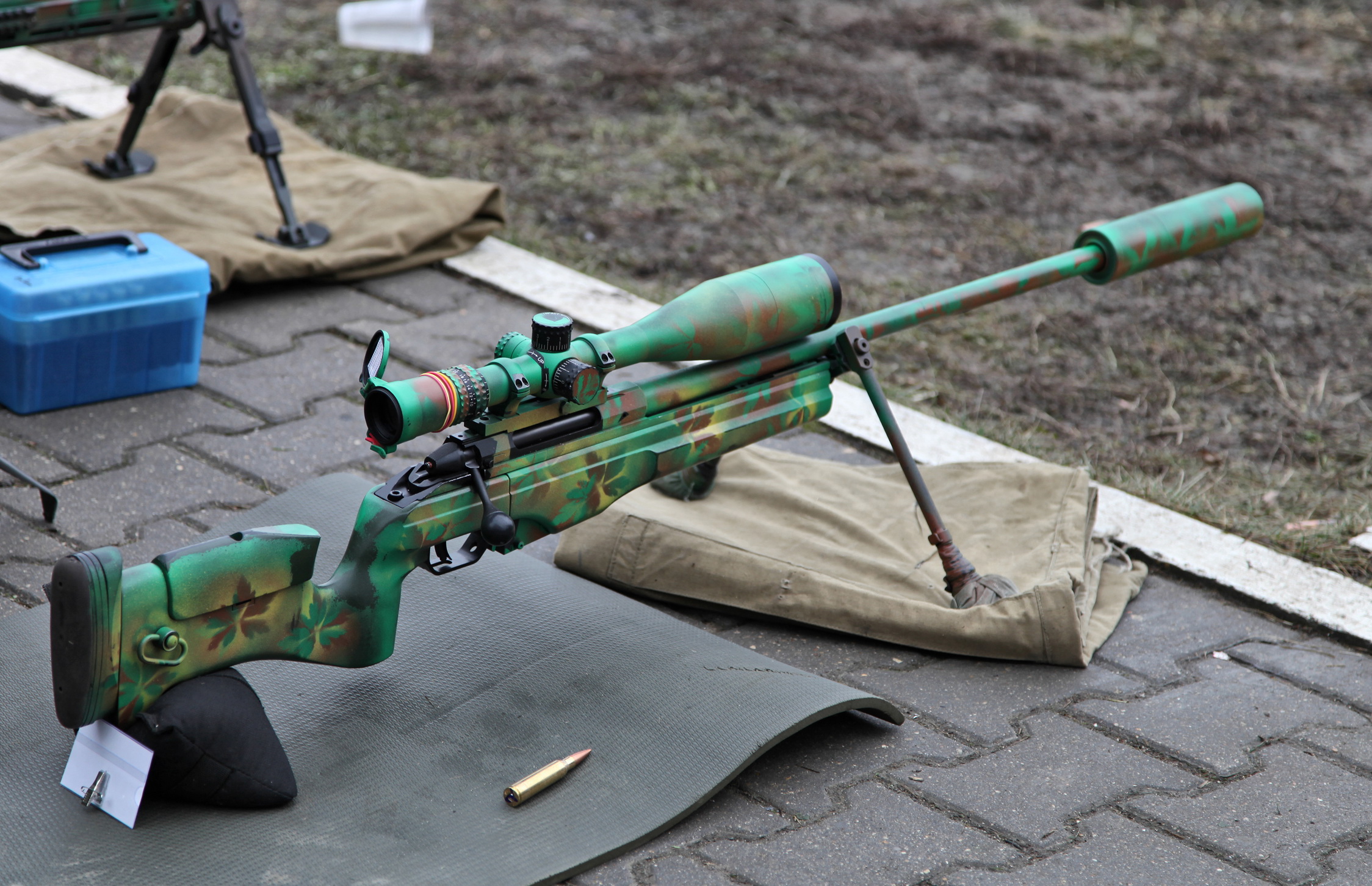
The Steyr SSG 08 rounds out the list with a design that puts adjustability and portability alongside accuracy. In .338 Lapua Magnum, the rifle uses a 690 mm barrel, weighs 6.12 kg without the bipod and scope, and carries 6 rounds. Its folding aluminum stock includes an adjustable cheekpiece and butt plate, while the two-stage trigger gives the shooter a predictable release. The published 1-in-10 twist suits the .338 configuration. Rather than chasing one spectacular range figure, the SSG 08 shows how careful mechanical design can make precision repeatable across demanding conditions.