A rifle can feel manageable at sunrise and punishing by midafternoon if the sling setup is working against you. Seasoned hunters often say comfort is less about the rifle alone and more about how it rides hour after hour. These sling approaches show how small changes in attachment points, width, padding, and carry position can make a long walk feel noticeably easier.
Wide Padded Two Point Sling

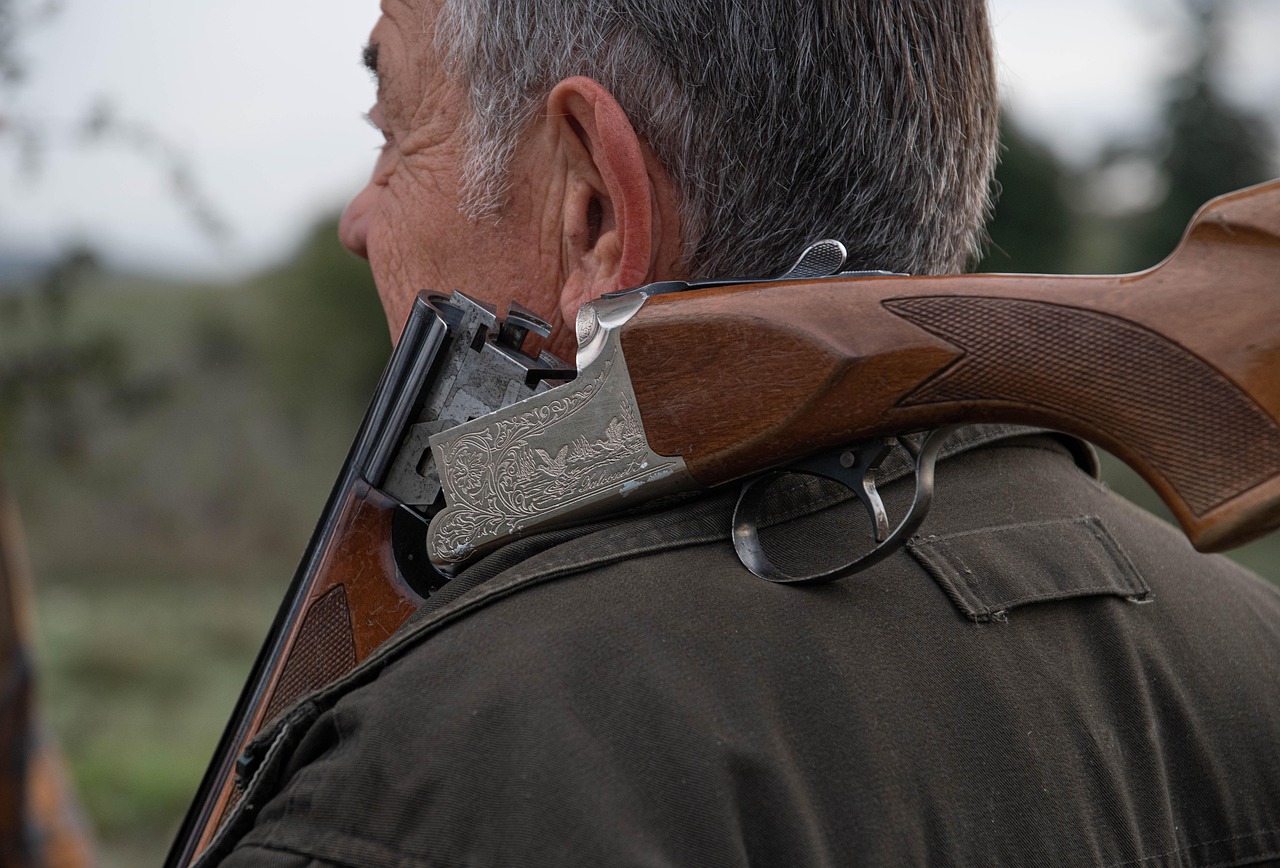
Many veteran hunters come back to a simple wide padded two point sling because it spreads weight across more of the shoulder. That wider contact patch can turn a rifle that feels sharp and tiring into one that rides softer over a full day of walking.
The real difference shows up after miles, not minutes. Padding helps tame pressure points when layered over a jacket or base layer, and it keeps the sling from digging in when the rifle shifts with each step.
Hunters who cover mixed ground like this setup because it stays familiar, quiet, and easy to adjust. It is not flashy, but it often becomes the baseline against which every other carry method gets judged.
Quick Adjust Patrol Style Sling

A quick adjust two point sling earns praise from hunters who move between open walking and tight, brushy cover. With one pull, the rifle can ride snug to the body; with another, it loosens enough for an easier shoulder mount when a shot opportunity appears.
That flexibility matters when terrain keeps changing. On a steep sidehill or ducking under limbs, a tighter sling reduces bounce and helps keep the muzzle where it belongs instead of swinging with every stride.
Experienced users like that this style does two jobs at once. It carries comfortably during the long stretches and then shifts fast when the hunt suddenly becomes active and precise.
Cross Chest African Carry Setup

The cross chest carry places the rifle diagonally across the front of the body, a method many hunters appreciate on long hikes and rough ground. Instead of all the weight sitting on one shoulder, the sling works with the torso and keeps the rifle from constantly sliding off.
This setup also keeps the gun accessible without feeling loose. When hands are needed for trekking poles, climbing, or pushing through cover, the rifle stays more controlled and less likely to knock into brush or pack straps.
Hunters often say this carry shines in broken country where balance matters as much as comfort. It can feel unusual at first, but once dialed in, many find it dramatically less fatiguing than a basic shoulder carry.
Back Carry With High Mount Points

For long walks to and from a stand, some hunters prefer a back carry that rides the rifle high and tight. Using mount points that keep the gun elevated helps prevent the buttstock from banging the hip and the muzzle from catching low branches behind you.
The big advantage is relief for the hands and shoulders during uneventful miles. When the rifle sits securely across the back, posture often improves, and there is less constant readjustment, which can become its own kind of fatigue.
This setup works best when immediate access is not the top priority. Hunters who use it tend to think of it as a transport mode, one that saves energy before the real hunting begins.
Biathlon Style Backpack Sling

The biathlon style sling uses two straps so the rifle carries almost like a minimalist backpack. Hunters who spend serious time covering country often love how evenly it distributes weight across both shoulders instead of loading one side all day.
That balance can be a game changer on long climbs or snowy ground where every step asks for steadiness. Because the rifle rides close to the back, it tends to move less, snag less, and feel less tiring than a traditional side carry.
The tradeoff is a slower first grab, but for endurance many say it is worth it. On hunts where distance matters more than split second access, this setup has a loyal following.
Minimalist Web Sling With Proper Length

Not every fatigue fix comes from extra padding. Plenty of experienced hunters still trust a plain web sling, provided the length is set correctly for their body, clothing, and carry style. When adjusted well, a lightweight sling can feel cleaner and less fussy than bulkier options.
The key is eliminating constant correction. A sling that is too long lets the rifle swing and pull at the shoulder, while one that is too short can strain the neck and trap the gun in an awkward position.
Hunters who favor simple gear often point out that less material also means less water retention, less noise, and fewer failure points. Comfort, in this case, comes from fit rather than features.
Non Slip Sling on Technical Clothing

Modern hunting jackets can be slick, which is why many hunters insist on a non slip sling surface. Rubberized or textured backing helps the rifle stay planted on the shoulder instead of slowly drifting down every few minutes.
That may sound minor, but repeated slipping creates a surprising amount of fatigue. Each small shrug, hitch, and repositioning effort adds up over a day, especially when moving across uneven ground or carrying extra layers and a pack.
A grippy sling becomes even more valuable in cold weather when gloves and bulky insulation reduce control. Hunters often describe this setup as one of the simplest comfort upgrades because it solves a problem you notice all day long.
Rear Biased Attachment for Better Balance

Some hunters change fatigue by moving sling geometry rather than replacing the sling itself. A rear biased attachment point can make the rifle hang in a way that feels more balanced, reducing the sense that the muzzle is constantly pulling downward and twisting the shoulder.
This matters most with longer barrels, suppressors, or front heavy optics setups. By changing how the weight hangs, the rifle can sit flatter against the body and stop feeling like a pendulum every time the pace picks up.
It is a subtle tuning move, but experienced hunters swear by subtle moves. When the balance is right, the rifle feels calmer, and calmer gear almost always feels lighter over time.
Stretch Sling for Shock Reduction
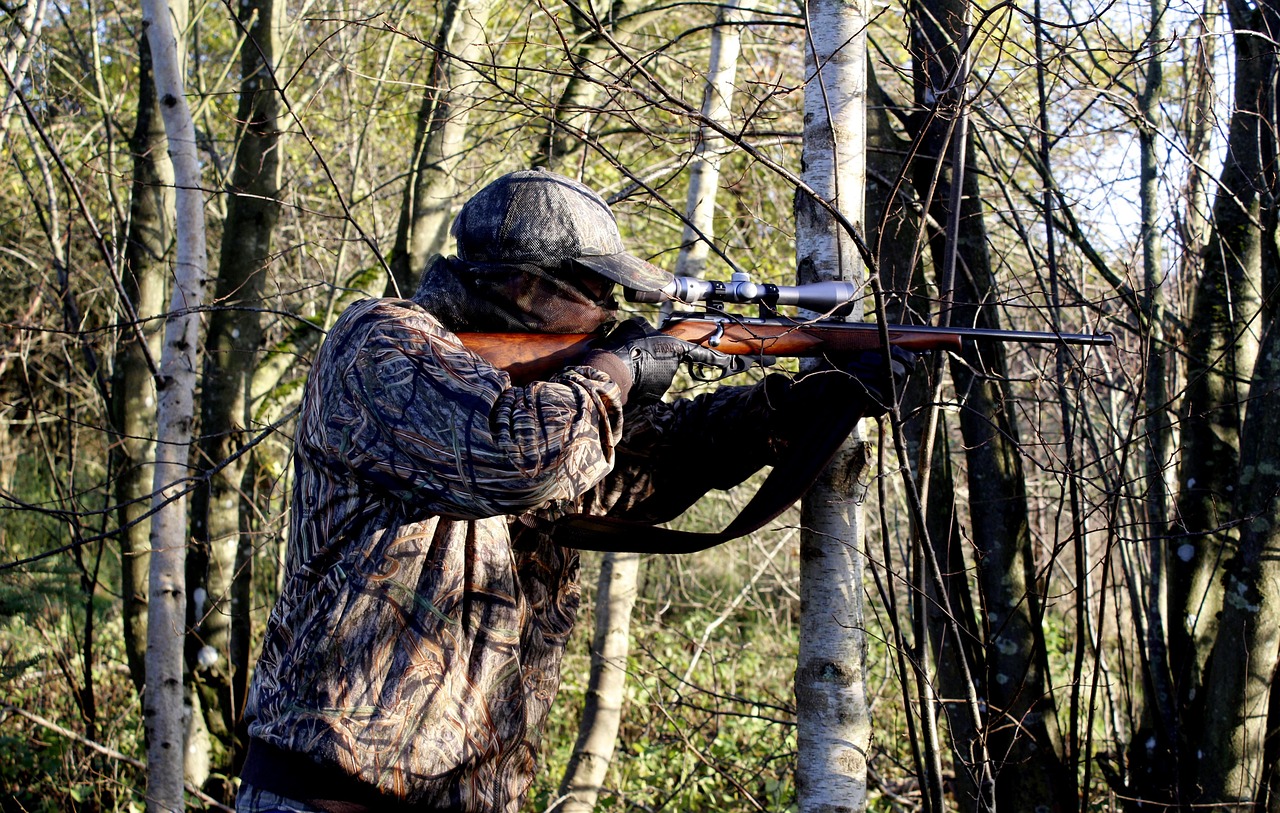
A sling with a little controlled stretch can reduce the jolt that travels into the shoulder while walking. Hunters who cover rocky ground, descend ridges, or move at a brisk pace often say that bit of give smooths out the rifle’s motion and makes the carry feel less punishing.
The appeal is not bounce for its own sake. Good stretch slings dampen movement rather than amplify it, taking the edge off each footfall so the rifle does not thump rhythmically against the body.
Fans of this setup usually stress moderation. Too much elasticity can feel sloppy, but a measured amount can make a rifle seem less harsh over the course of a long and physically uneven day.
Sling and Pack Strap Combination Carry

Hunters carrying both a rifle and a daypack often find that the sling matters most where it meets the pack. A setup that layers cleanly with shoulder straps, sternum straps, and bino harnesses can prevent the pinch points that make a rifle feel twice as heavy by noon.
The best combinations keep the sling from bunching or slipping under the pack strap. Some hunters run the rifle cross body under one strap, while others route it to ride between pack and chest for a more stable, less tiring carry.
This is where real world comfort gets decided. A sling that feels perfect with a T shirt can become miserable under a loaded pack, so experienced hunters plan the whole system, not just the rifle alone.