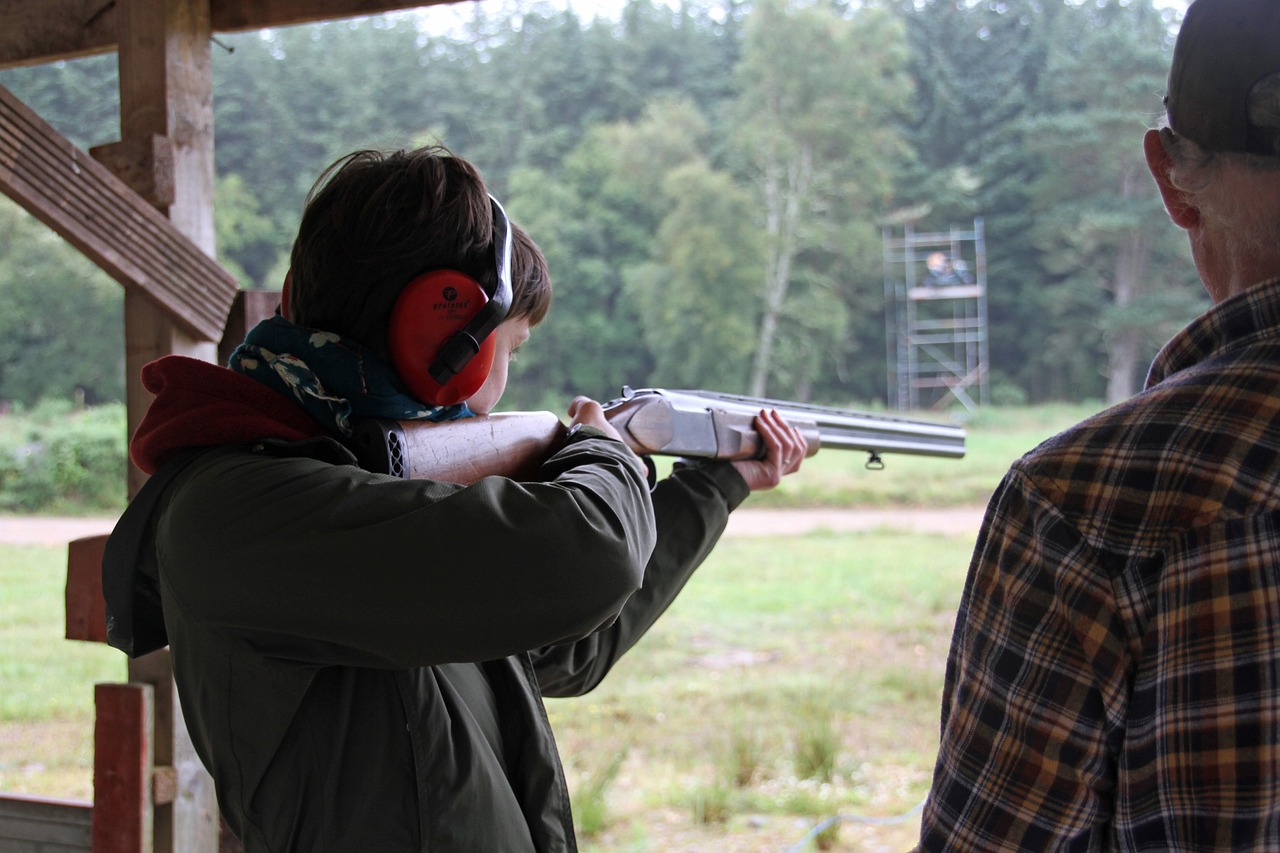
Some shotguns win the spec-sheet battle with big capacities, famous names, or rugged design, then feel a step behind when the pace picks up. In the field, on the clock, or during fast target transitions, balance, controls, recoil, and cycling speed matter more than brochure bragging rights. This gallery looks at ten shotguns that impress on paper but can become surprisingly awkward when every second counts.
Mossberg 590A1
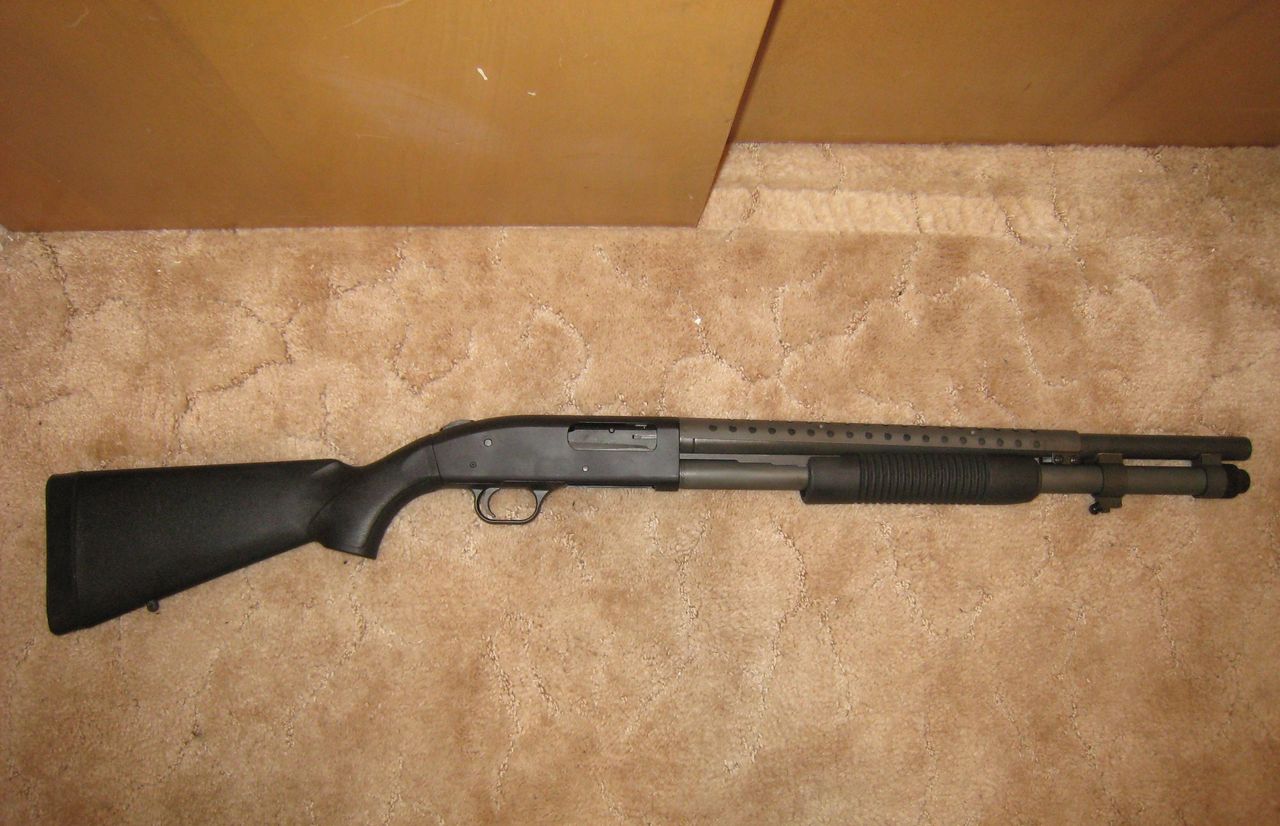
The Mossberg 590A1 has a reputation that looks fantastic in print. Heavy barrel, military pedigree, metal trigger guard, and a durable build all suggest a shotgun ready for anything. On paper, it reads like the answer for hard use and absolute confidence.
When speed matters, that same toughness can feel like drag. The gun is often front heavy, slower to mount, and less lively in transitions than lighter pumps. For quick drills or rapid movement between targets, the extra weight that inspires confidence can also make the gun feel a beat late.
None of that makes it a bad shotgun. It simply means ruggedness and speed do not always travel together, especially when the pace gets urgent.
Remington 870 Express
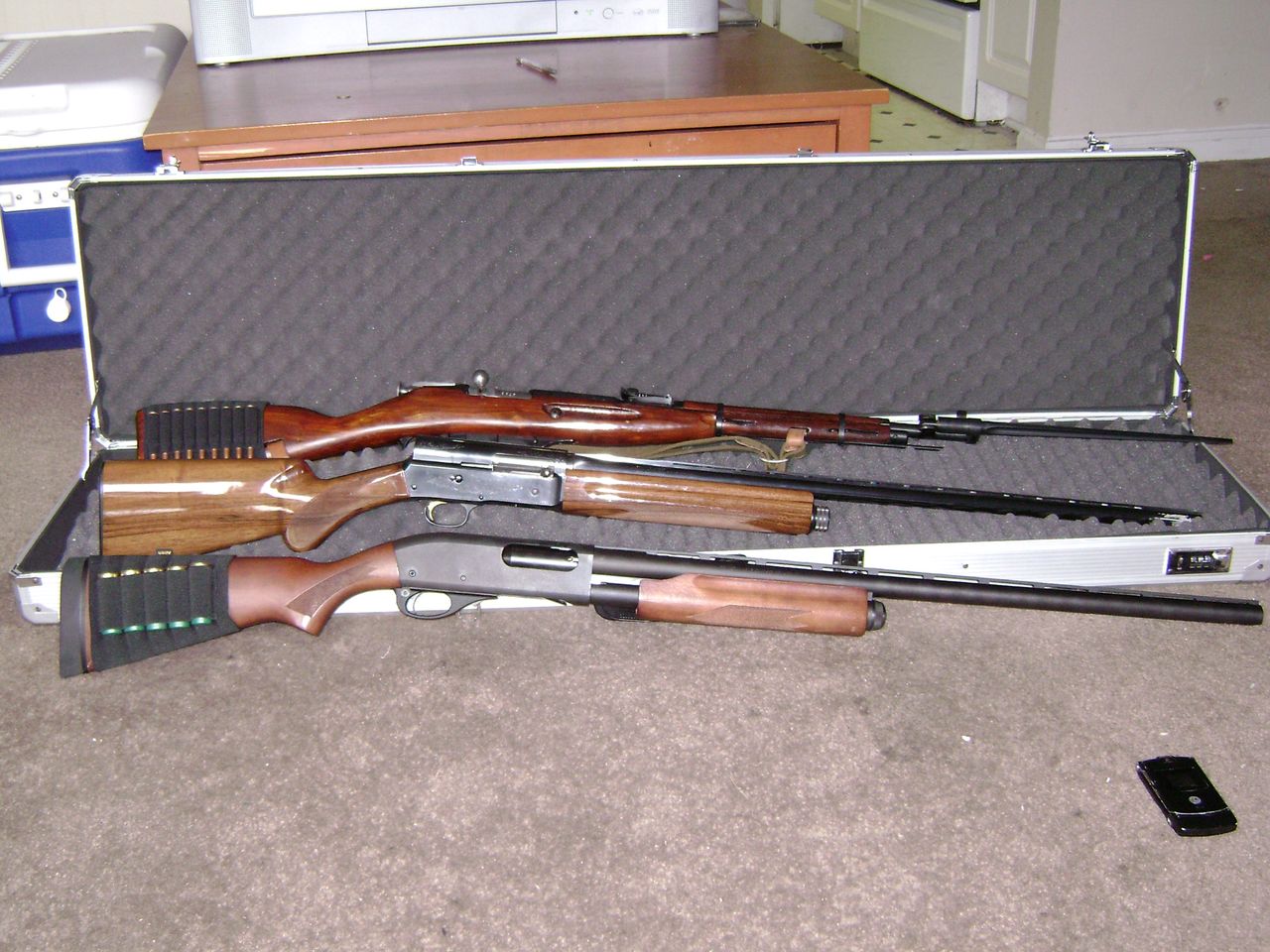
The Remington 870 Express became popular for good reason. It is affordable, widely available, and backed by one of the most recognizable pump-action lineages ever made. In theory, that sounds like a reliable shortcut to fast, dependable performance.
In practice, many Express variants have felt rougher than their reputation suggests. A stiff action, inconsistent finishing, and a less polished overall feel can slow cycling when the user tries to run the gun hard. That matters in moments where a smooth pump stroke is the whole game.
With tuning and familiarity, an 870 can absolutely perform. But right out of the box, the Express name has often promised a little more speed than the handling immediately delivers.
KelTec KSG
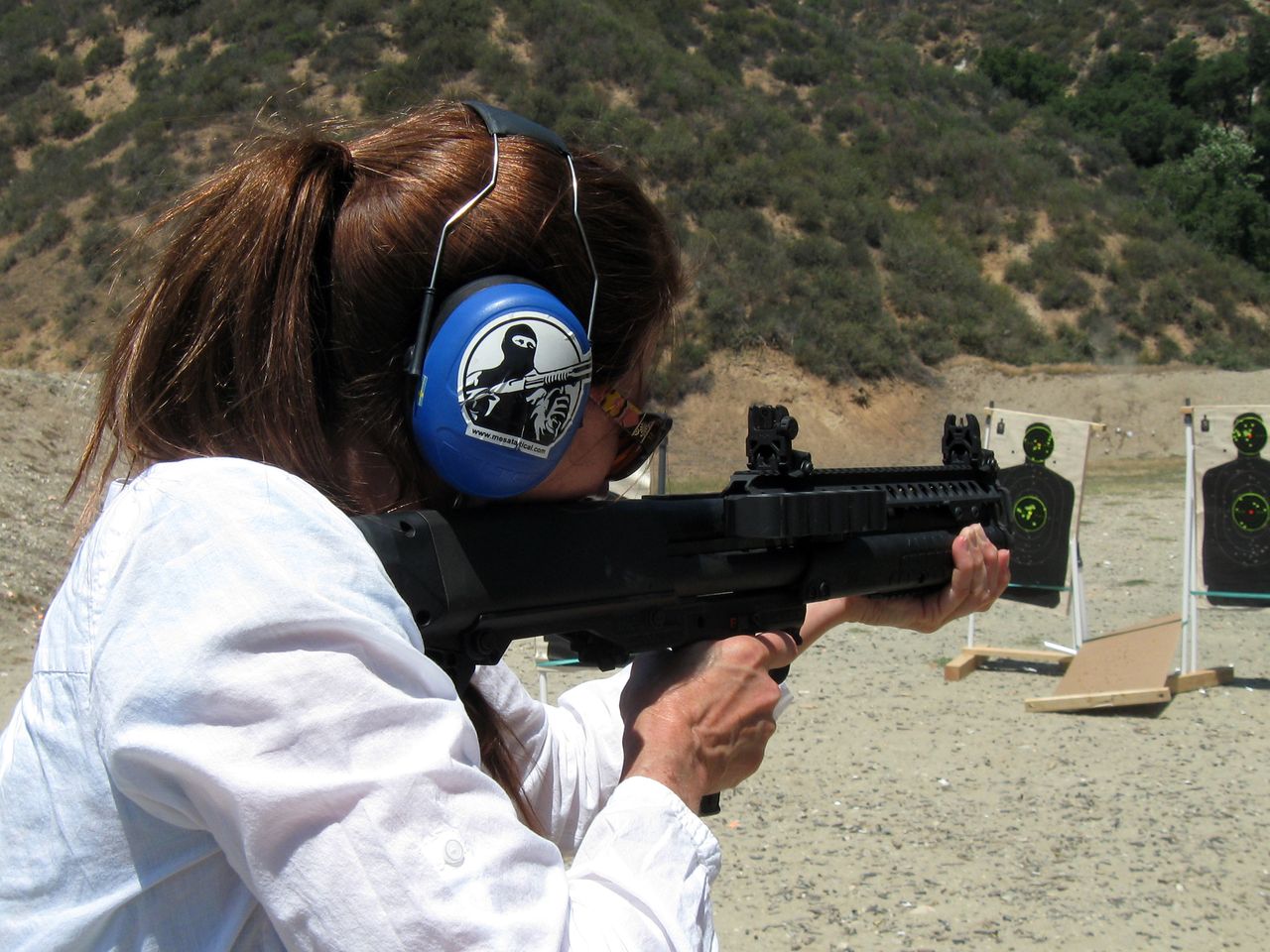
The KelTec KSG looks brilliant in a list of features. It is compact, carries a lot of shells for its size, and has a futuristic bullpup layout that grabs attention instantly. If you are reading specs alone, it sounds like a space-saving powerhouse.
Then the timer starts. The manual of arms is more demanding than many traditional shotguns, and short-stroking can appear when the gun is run aggressively. Reloading also takes more concentration than many buyers expect, especially under pressure.
The result is a shotgun that feels clever and capable in theory but less intuitive in motion. Its advantages are real, yet speed often exposes how much technique it asks from the person behind it.
UTAS UTS-15
The UTAS UTS-15 checks a lot of attention-grabbing boxes. Dual magazine tubes, high capacity, and a compact tactical profile make it sound like a modern answer to old shotgun limitations. It is exactly the kind of gun that sparks excitement in a catalog.
The trouble comes when handling speed and consistency enter the conversation. Its layout can feel unfamiliar, controls may not be as instinctive as they first appear, and fast operation can become clumsy if the user is not fully dialed in. Under pressure, novelty has a way of revealing friction.
That does not erase the appeal. It just highlights a recurring lesson with ambitious designs: what seems efficient in theory can become fussy when the pace turns serious.
Saiga-12
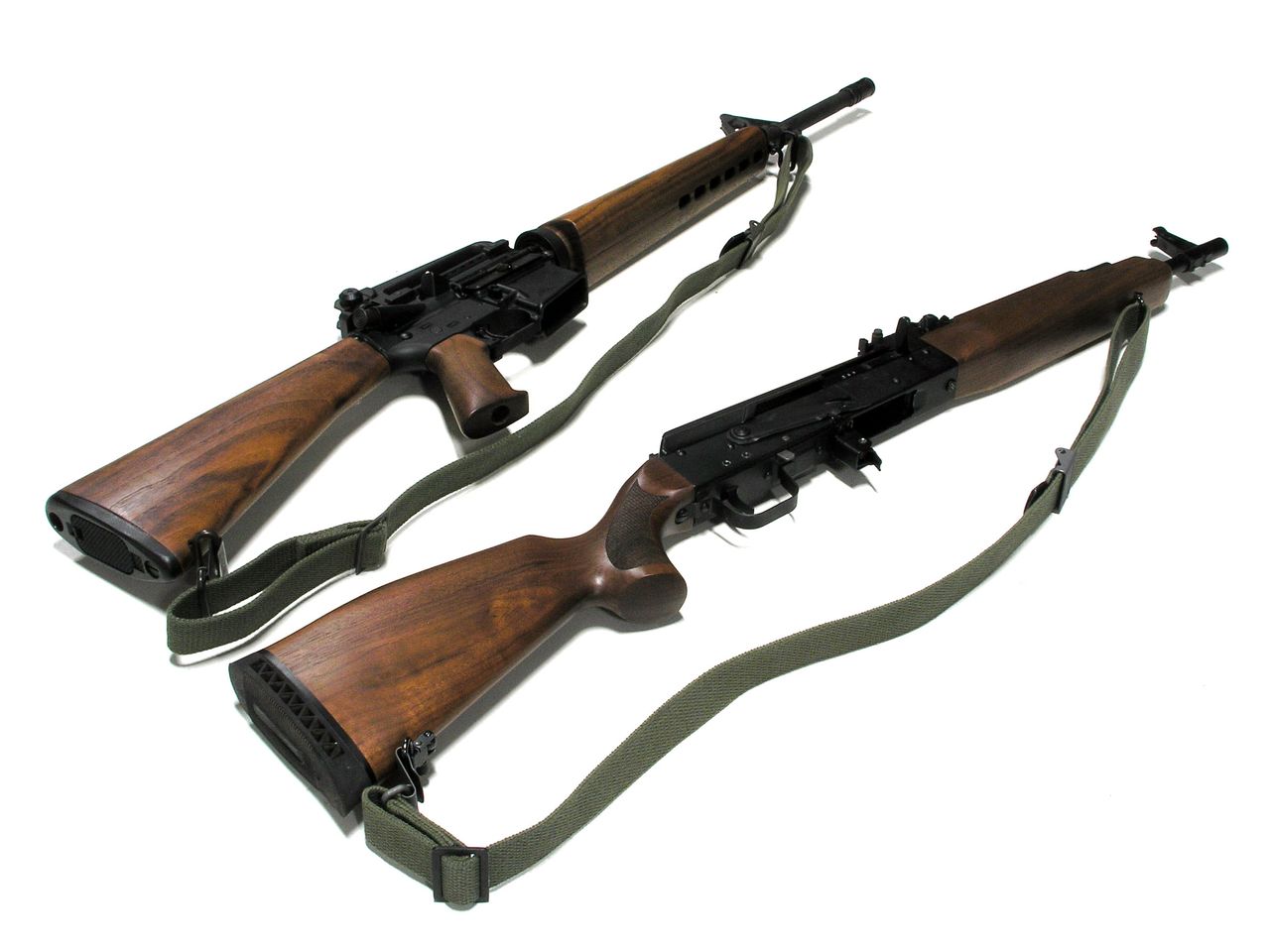
The Saiga-12 earned instant credibility with detachable magazines and AK-style familiarity. On paper, that combination suggests shotgun firepower with rifle-like reload speed, which is exactly the kind of promise that gets enthusiasts interested fast.
Real-world speed can be a different story. Magazine fit, ammunition sensitivity, and a manual of arms that is not as seamless as it looks can interrupt rhythm at the worst time. A shotgun that should feel blazing can instead feel picky unless it has been tuned and fed the right loads.
At its best, the Saiga-12 is exciting and effective. But out of the ideal setup, speed often gives way to troubleshooting, and that is a hard trade when tempo matters most.
Rock Island VR80
The Rock Island VR80 makes a strong first impression. It offers detachable magazines, AR-style ergonomics, and a look that suggests familiar controls plus quick shotgun performance. In a product summary, that recipe feels modern and highly practical.
When the pace rises, semi-auto shotguns in this style can become less forgiving than buyers expect. Reliability can vary with load selection, magazines add another layer of variables, and the gun may not deliver the effortless speed people imagine from the platform alone. Familiar shape does not always equal simple execution.
That gap between expectation and reality is the whole story here. The VR80 can be fun and capable, but speed tends to highlight the difference between tactical styling and truly polished shotgun performance.
Benelli Nova

The Benelli Nova has a lot going for it on paper. It is durable, weather resistant, and backed by a brand known for serious shotguns. For hunters and practical buyers, that kind of reliability-focused profile sounds like a smart all-conditions choice.
Once speed enters the picture, the Nova can feel larger and less nimble than some shooters want. Its forend travel and overall bulk can make rapid cycling feel a little more workmanlike than graceful. It is dependable, but not always especially quick in the hands.
That distinction matters. A shotgun can be tough, trustworthy, and still a touch slow to run hard. The Nova often proves exactly that in fast strings or hurried transitions.
Winchester SXP Defender

The Winchester SXP Defender gets attention for its brisk action and defensive setup. Marketing often leans into speed, and the rotary bolt system gives the gun a reputation for quick cycling. On paper, it sounds almost tailor-made for fast work.
But speed is not only about the action unlocking cleanly. Some shooters find the gun’s handling a bit whippy, while others notice that the overall feel can be less refined than expected when trying to stay precise and smooth. Fast is useful, but controlled fast is what really counts.
That is where the SXP Defender can divide opinion. It may move quickly, yet speed without the same level of composure can make the shotgun feel less settled than its reputation suggests.
Stoeger M3000

The Stoeger M3000 is easy to like from a value perspective. It promises inertia-driven simplicity at a lower cost than premium names, and that makes it attractive to buyers chasing semi-auto speed without paying top-shelf prices. On paper, that is a compelling formula.
When run hard, though, the budget-friendly equation can show its limits. Recoil impulse, fit, and occasional finickiness with certain loads can make the gun feel less polished than shooters expect from the inertia concept. The result is speed that sometimes feels earned rather than effortless.
For many owners, the M3000 does the job well. Still, in direct comparison with smoother and better-balanced guns, fast shooting tends to reveal where the savings came from.
Standard Manufacturing DP-12

The Standard Manufacturing DP-12 is a headline magnet. Double barrels, twin magazine tubes, and serious visual presence make it one of those shotguns that sounds overwhelming in the best possible way. As a concept, it is pure spectacle with plenty of firepower appeal.
Speed tells a more complicated story. The gun is heavy, broad, and mechanically more involved than a conventional pump, which can make rapid manipulation feel cumbersome. What seems like doubled capability in theory can become doubled workload when movement and recovery matter.
That does not make the DP-12 irrelevant. It simply means its wow factor can overshadow the practical truth that unusual systems often ask for more effort, especially when the goal is smooth speed instead of sheer novelty.