Some rifles arrive at exactly the wrong moment: too advanced, too odd, or simply too expensive for the world around them. These forgotten designs were not always failures in the usual sense. In many cases, they disappeared before soldiers, buyers, or rival engineers fully grasped what they were trying to become.
Ross Rifle
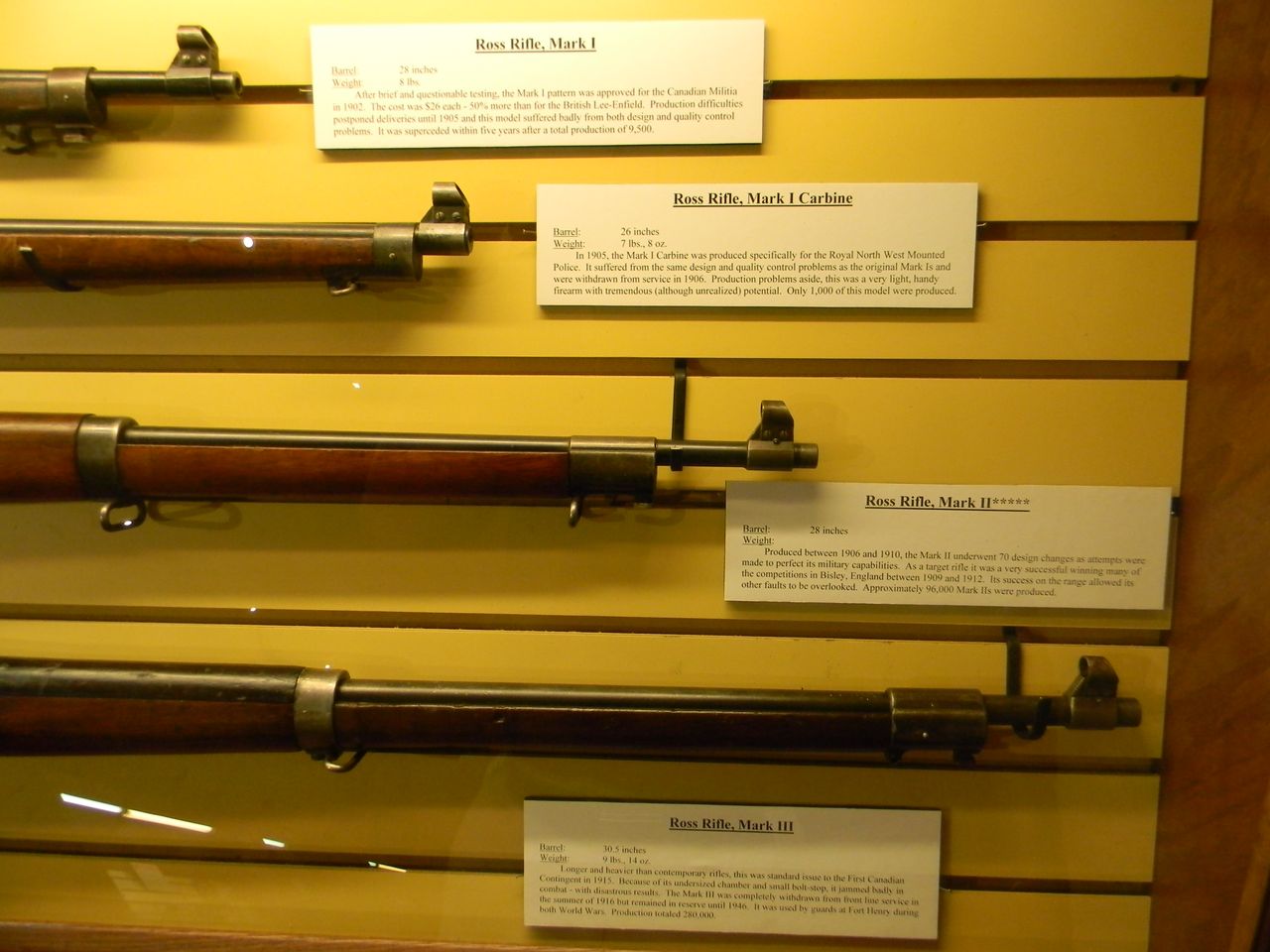
The Ross Rifle looked, at first glance, like a refined answer to modern infantry needs. Built in Canada with impressive accuracy and elegant machining, it earned admiration on the target range and from shooters who appreciated precision over battlefield abuse.
Its problem was timing and context. In the mud and chaos of World War I, a rifle that demanded careful handling could quickly become a liability. Reports of jamming and difficult extraction spread fast, and the Ross developed a reputation that overshadowed its strengths.
What vanished was not just a rifle, but a different idea of what a service weapon should prioritize.
Mondragón Rifle
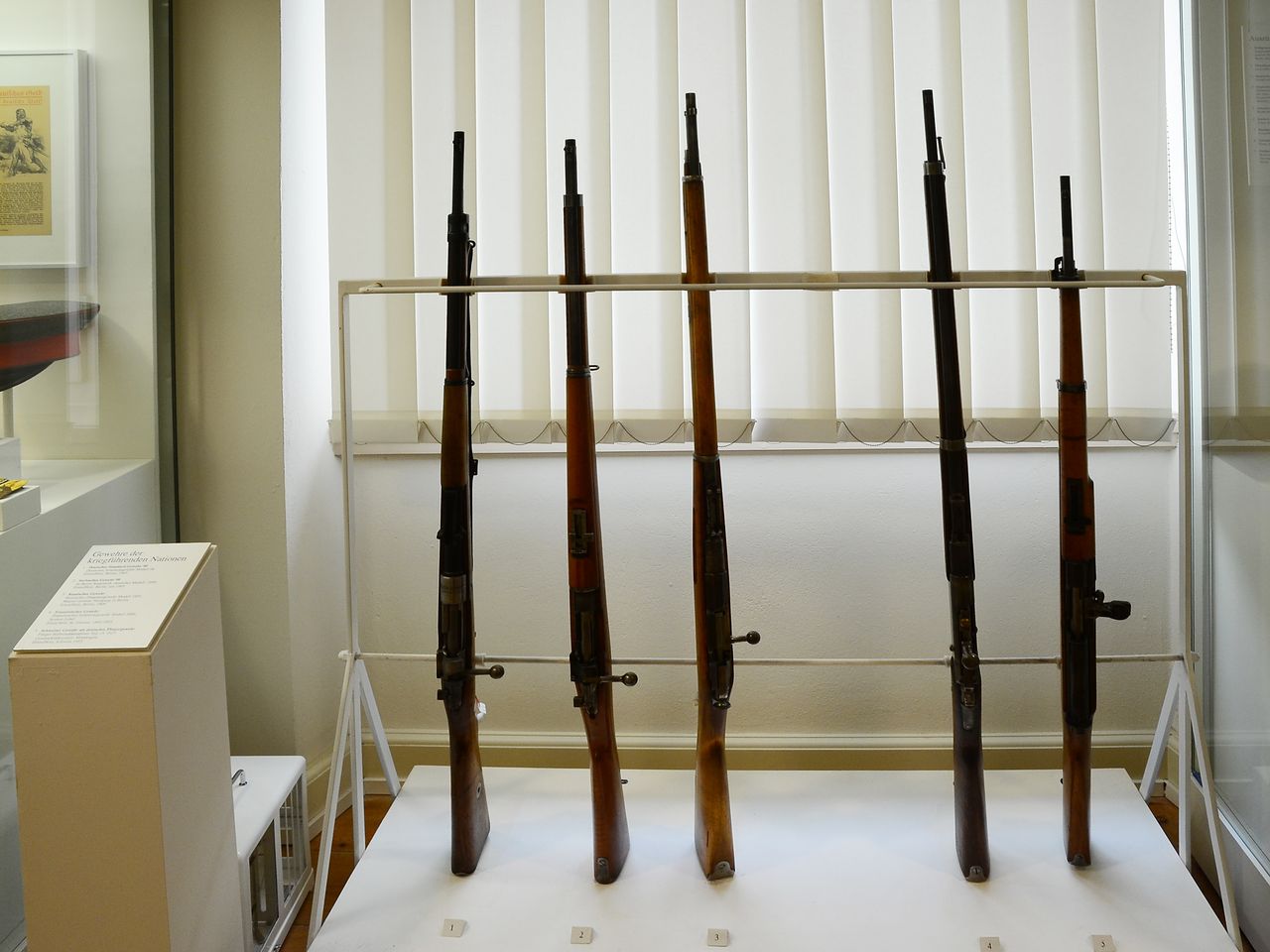
The Mondragón was one of those inventions that seems almost unbelievable once you place it in its era. Designed in the late 19th century, it was an early self-loading rifle from Mexico, a country not usually placed at the center of firearms innovation in popular memory.
Technically, it was ahead of many contemporaries, which may have been part of the trouble. Manufacturing complexity, cost, and the realities of military logistics made it hard to turn a bold concept into a widely trusted standard arm.
For a brief moment it hinted at the future, then slipped into the margins before most armies were ready to think that way.
Pedersen Rifle
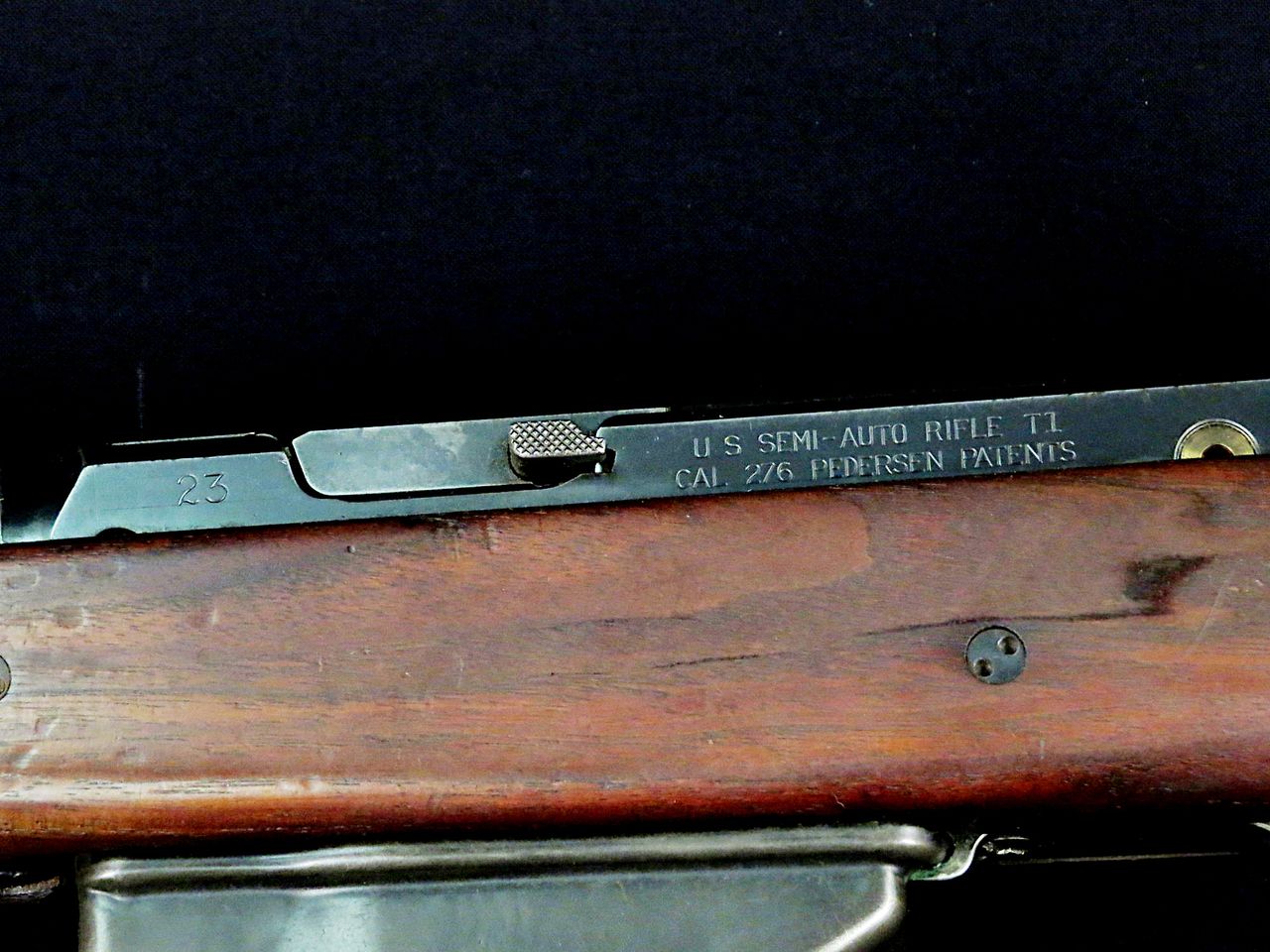
John Pedersen’s toggle-locked rifle arrived with serious ambition behind it. It was polished, innovative, and seriously considered by the U.S. military during the search for a new standard service rifle in the interwar years.
Yet this was a classic case of a rifle becoming trapped between promise and adoption. It competed in a period when doctrine, ammunition decisions, and industrial priorities were all shifting at once. Even a strong design could be knocked aside by the wrong decision upstream.
The Pedersen did not disappear because it lacked ideas. It vanished because history chose a different path, and did so quickly.
Johnson M1941 Rifle
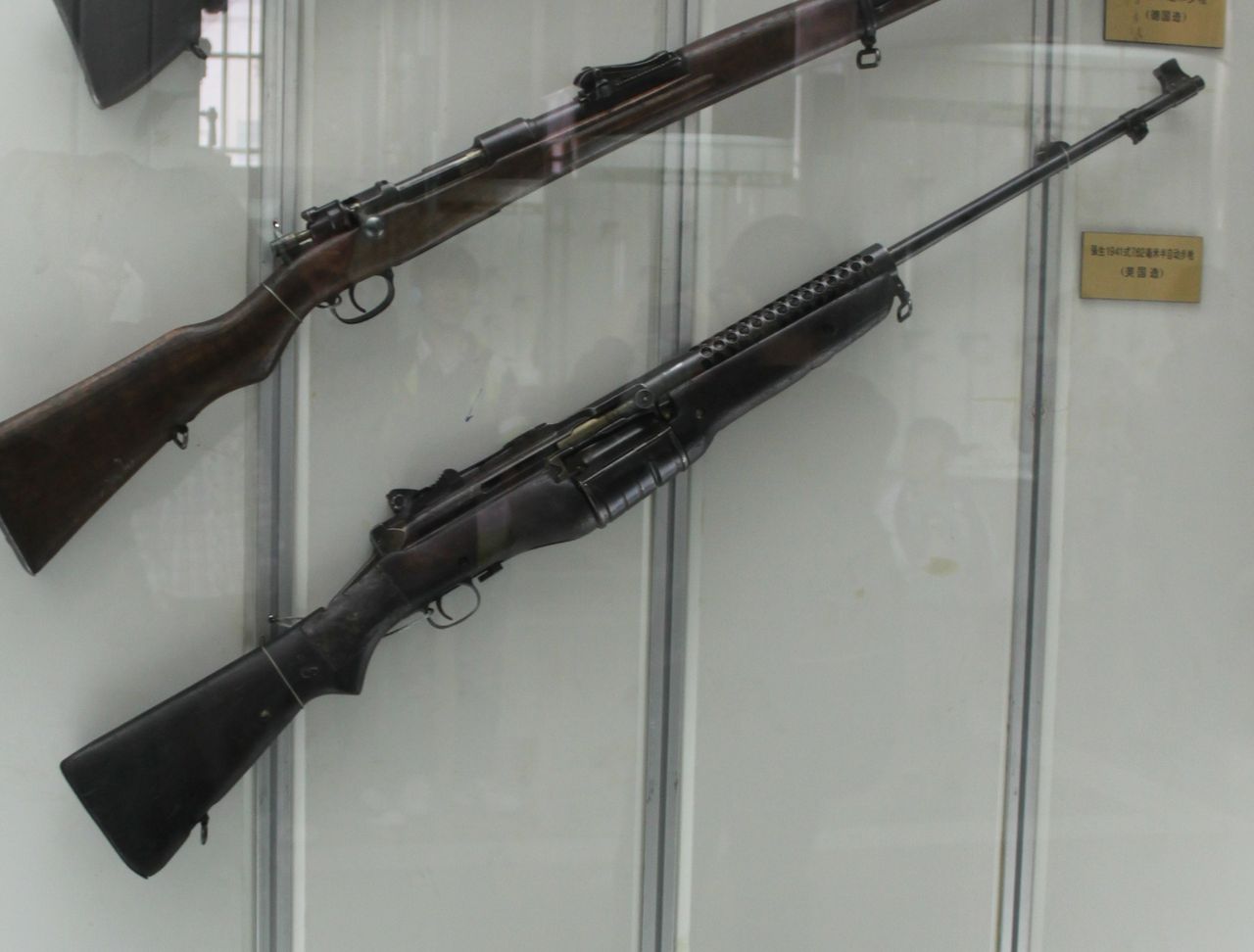
The Johnson M1941 often shows up in military history as the almost-rifle of World War II America. It had distinctive engineering, including a rotating bolt and recoil operation, and many observers saw genuine advantages in its lighter feel and clever magazine system.
But almost is a brutal category for any weapon. Once the M1 Garand was entrenched, institutional momentum became hard to challenge. Spare parts, training, production lines, and battlefield familiarity all worked against the Johnson, even where it impressed users.
That left it stranded in an awkward place: respected, discussed, and remembered by enthusiasts, but gone before it could fully define itself in the wider public mind.
StG 45(M)
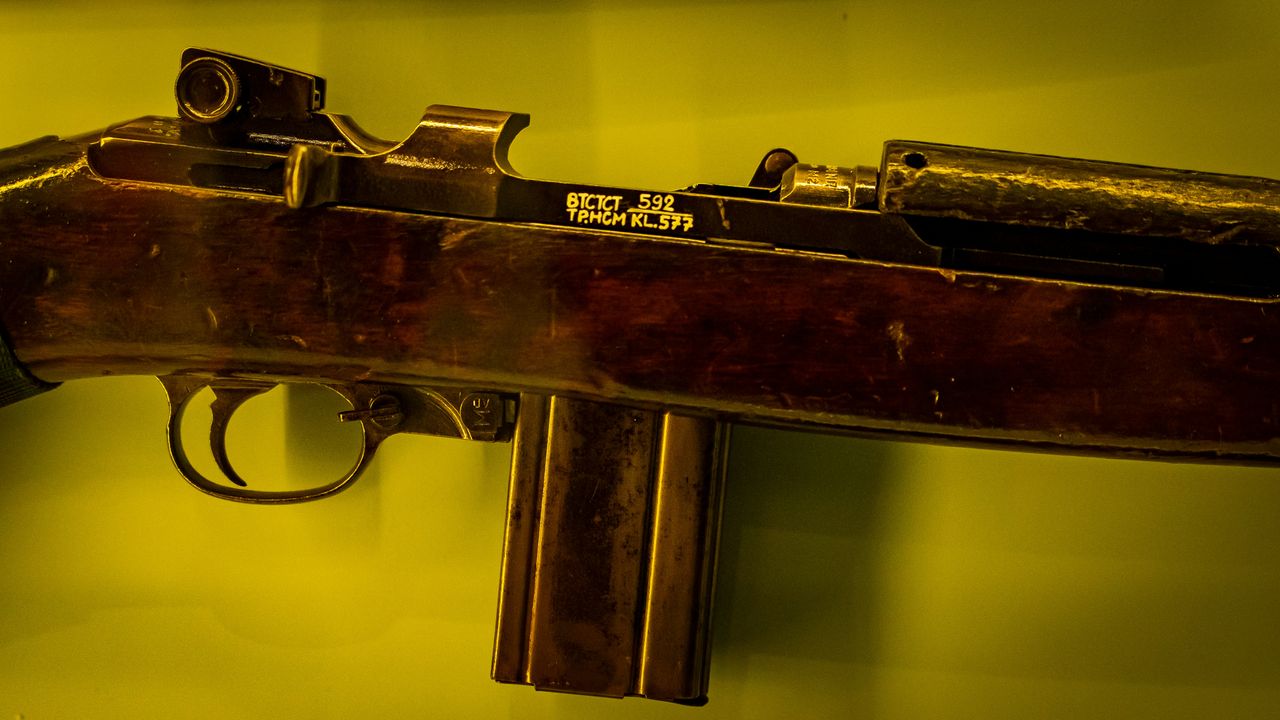
The StG 45(M) arrived late, in every sense that mattered. Developed in the collapsing final phase of Nazi Germany, it represented a simplified approach to automatic rifle design that would become surprisingly influential after the war.
At the time, though, there was little room for a weapon that needed stable production, testing, and doctrinal confidence. Germany no longer had the industrial breathing room to let a concept mature. The rifle was overtaken by military collapse before its importance could really be measured.
Its afterlife became more famous than its life. You can see echoes of it in later roller-delayed firearms, but the original remained a ghost of an unfinished future.
M1941 Johnson Light Rifle
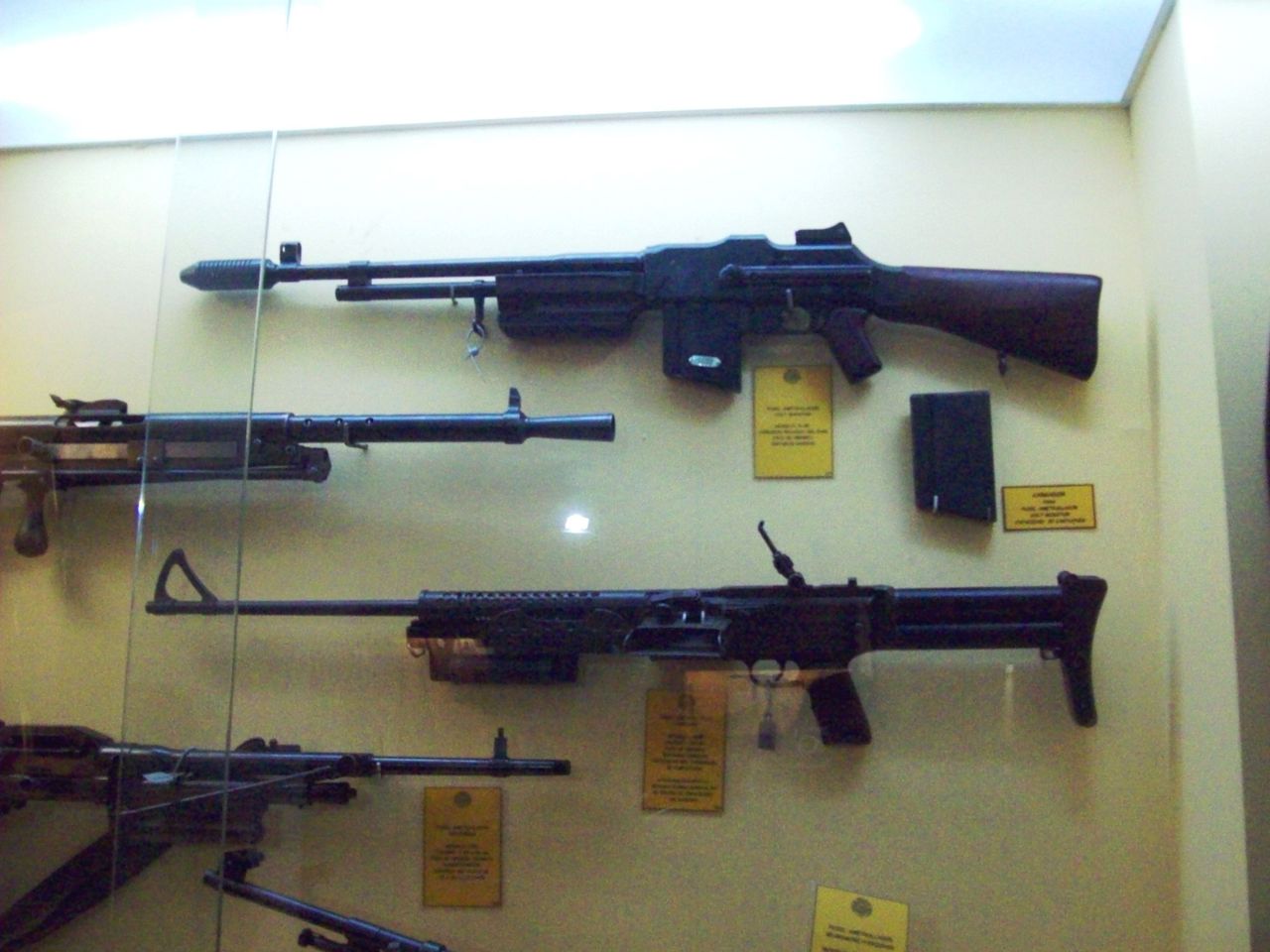
The Johnson Light Rifle is often overshadowed by its better-known sibling, but it deserves its own strange chapter. It was an attempt to shrink and adapt the Johnson operating system into a handier military rifle with export potential and niche tactical appeal.
That adaptability was both intriguing and confusing. It did not fit neatly into a single category, and weapons that blur roles can struggle when buyers want simple answers. Armies usually prefer to know exactly what a rifle is for before committing money and training to it.
As a result, the Light Rifle flickered into view and then receded, leaving behind the sense of a smart idea that never found a stable audience.
Winchester Model 1910 Self-Loading Rifle
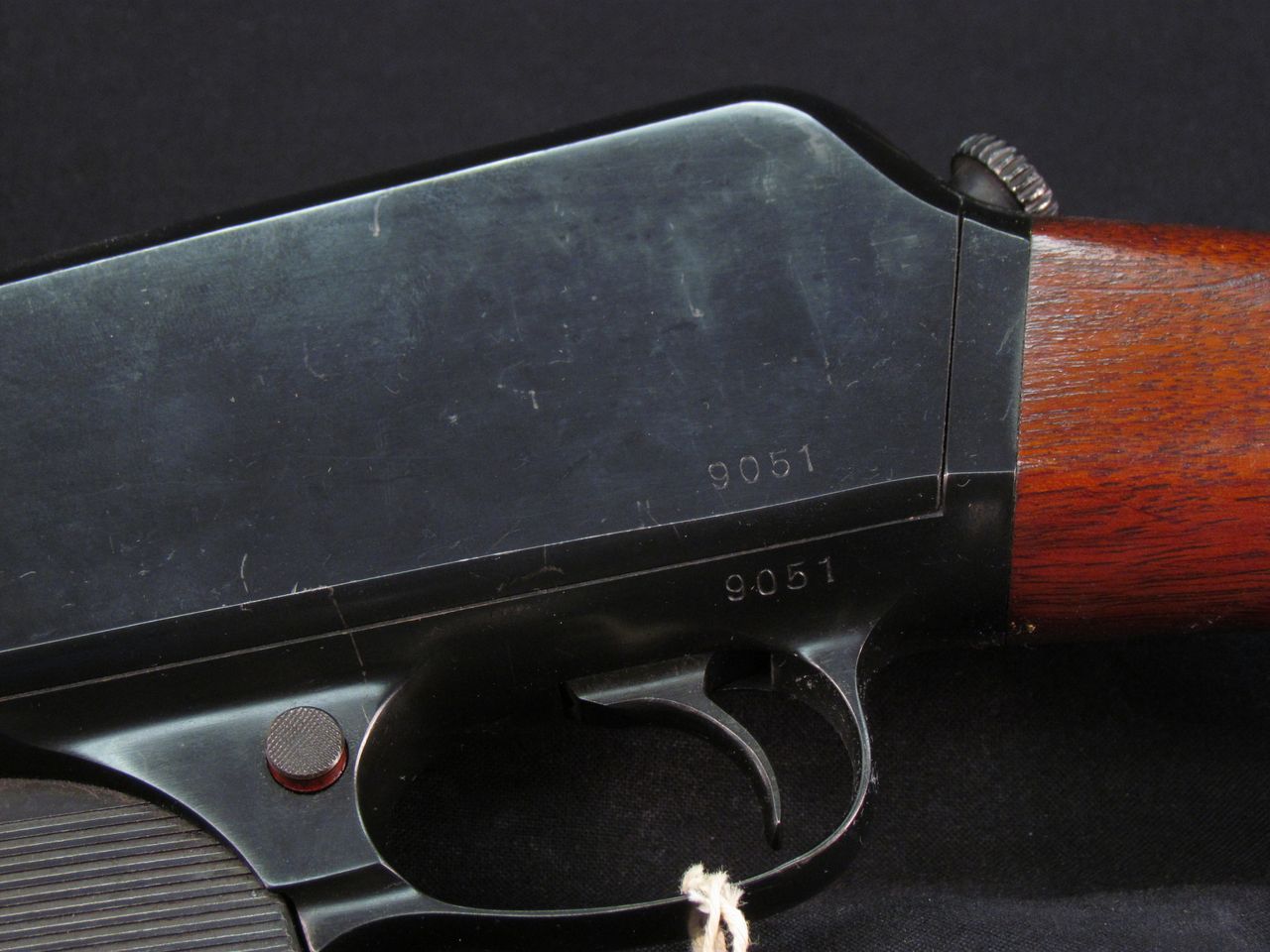
The Winchester Model 1910 was not a military mainstay, but that is part of what makes it fascinating. It belonged to a period when self-loading rifles still felt experimental to many buyers, especially outside specialist circles.
Chambered for a powerful proprietary cartridge, it occupied an unusual space between sporting practicality and mechanical novelty. For some shooters, that made it exciting. For the broader market, it made the rifle harder to categorize and harder to commit to over more familiar repeating designs.
It did not vanish overnight, but it drifted out before most people fully appreciated how boldly it tested the limits of early self-loading rifle design.
Howell Automatic Rifle
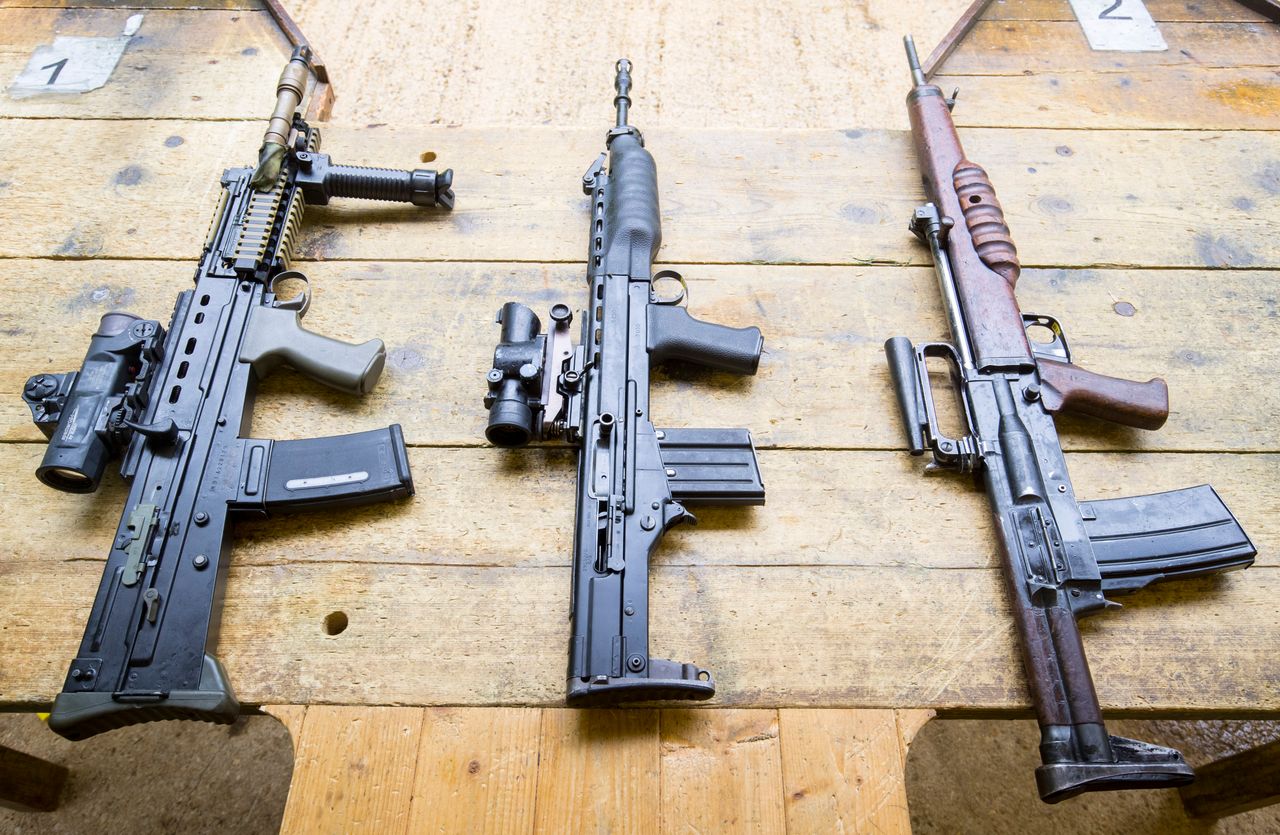
The Howell Automatic Rifle emerged from a familiar military problem: how to squeeze new firepower out of existing bolt-action stocks. Built as a conversion of the Lee-Enfield, it reflected a practical kind of ingenuity that often appears in wartime and immediately after.
Still, practicality on paper is not always clarity in service. The Howell looked unconventional, handled differently from standard rifles, and occupied a gray zone between rifle, automatic weapon, and stopgap experiment. That made it easy to admire but harder to standardize.
It survives mostly as a reminder that transitional weapons can be the most revealing, because they show institutions thinking out loud before settling on a final answer.
Charlton Automatic Rifle
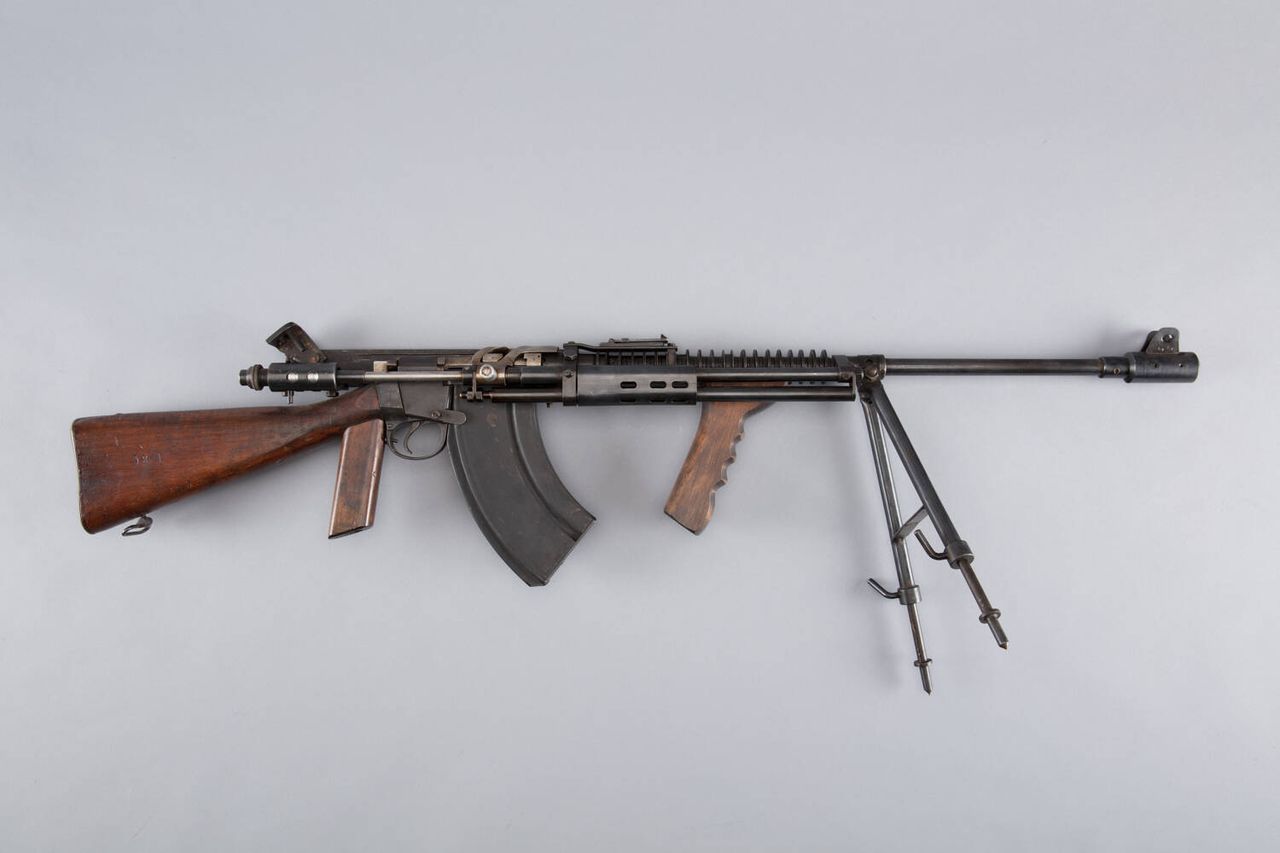
The Charlton Automatic Rifle was born out of urgency. In New Zealand and Australia during World War II, there was a real need to modernize available arms quickly, and converting older rifles into automatic weapons seemed like a practical answer.
What makes the Charlton so compelling is that it was both improvised and ambitious. It tried to drag aging bolt-action platforms into a new era of firepower, and it did so with visible mechanical creativity. That creativity, however, came with complexity and limited long-term staying power.
When the emergency passed, so did much of the rifle’s reason for existing. It became a historical side road, vivid, clever, and gone before many outside its region understood it.
AAI Future Rifle
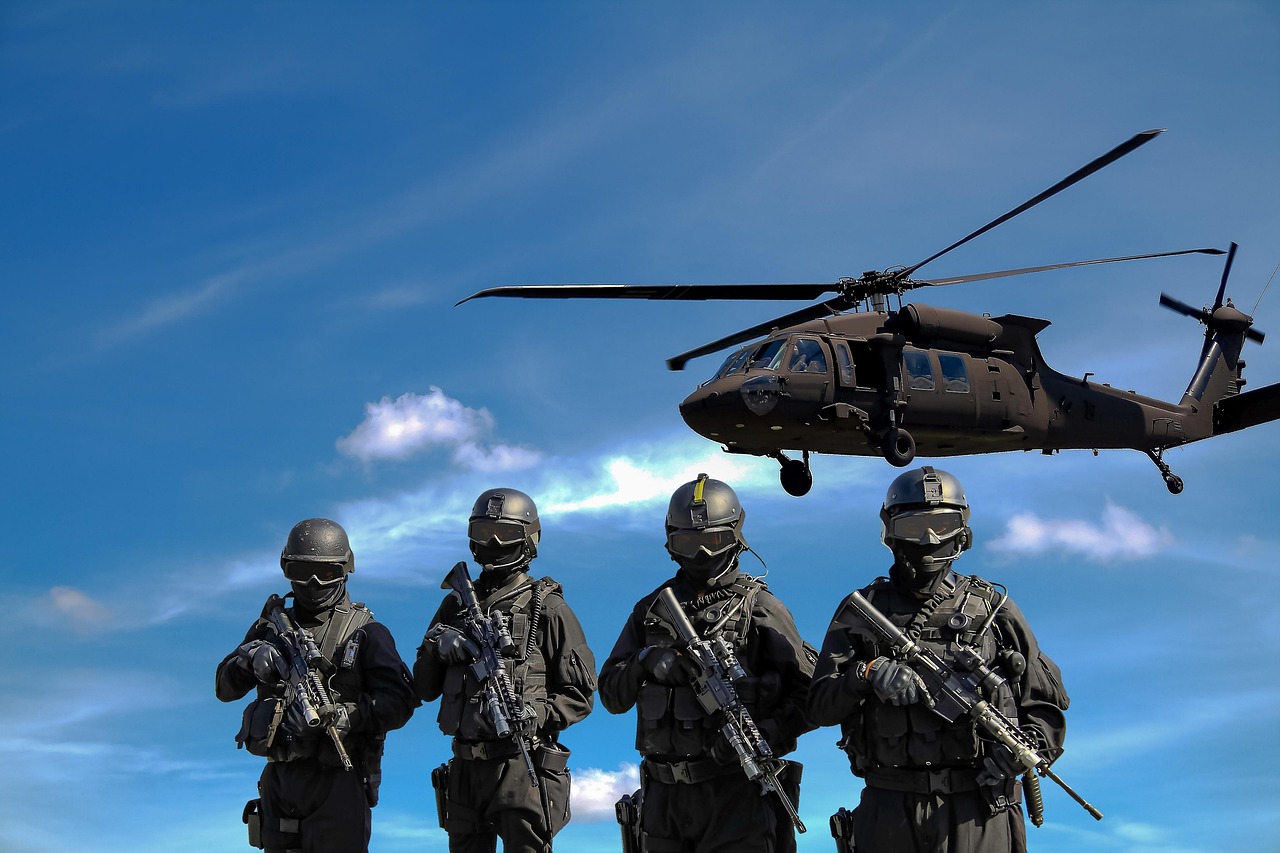
The AAI Future Rifle sounds like science fiction because, in a way, it was. Developed during the U.S. military’s search for radically different infantry weapons, it explored flechettes, advanced ammunition concepts, and a total rethink of what a rifle might do.
The problem with futuristic projects is that they can vanish before the public, and sometimes even the military, has language to explain them. If a weapon changes ammunition, handling, training, and logistics all at once, it asks for a revolution, not just a procurement order.
That made the AAI rifle unforgettable to specialists and nearly invisible to everyone else. It disappeared not because it lacked imagination, but because its moment never fully arrived.