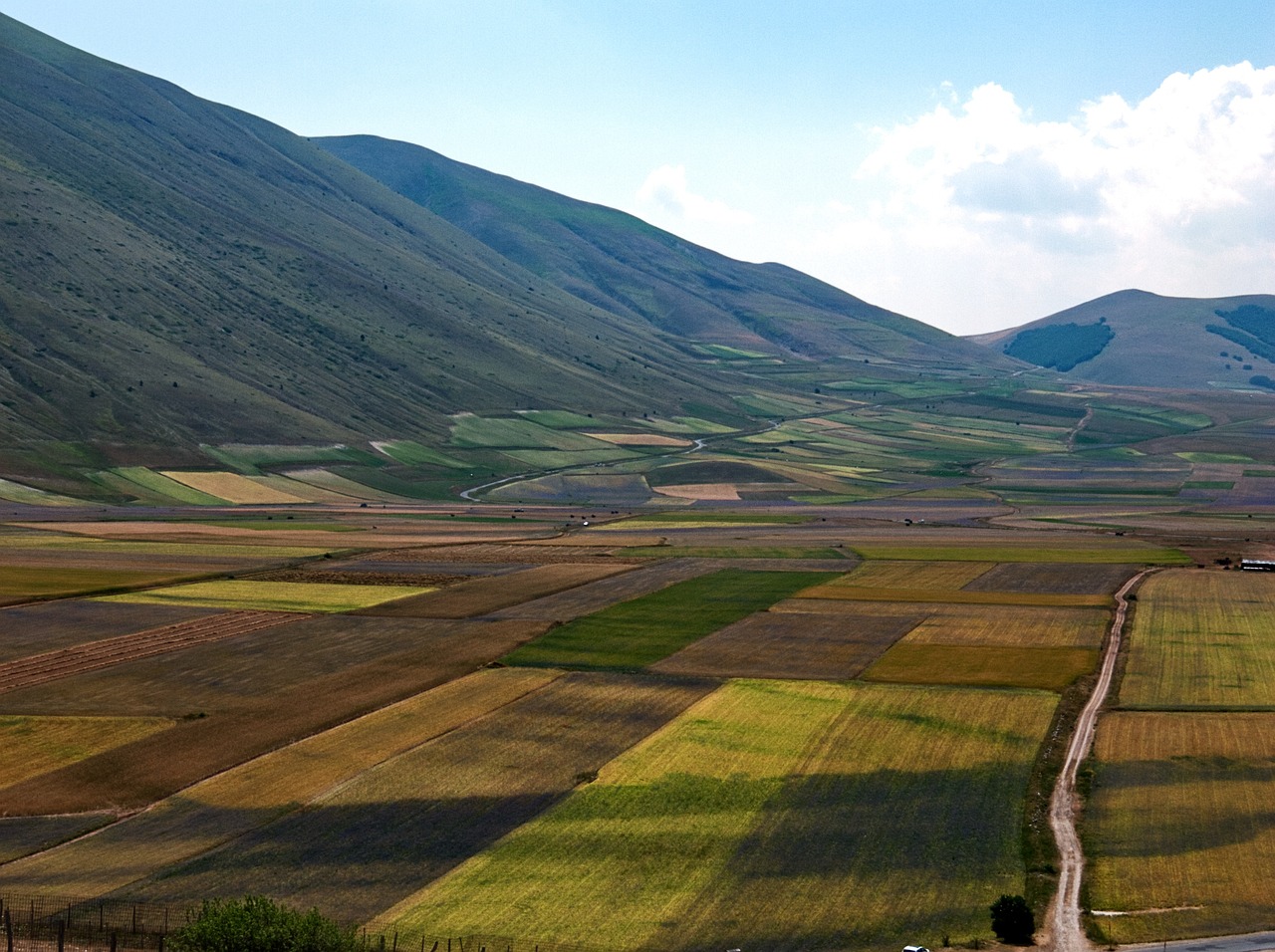
For years, the home defense conversation has been shaped by suburban assumptions, compact floor plans, and one-size-fits-all advice. But on farms and ranches, the realities are different, from long driveways to outbuildings and livestock that change what protection actually looks like. That is why more rural households are choosing setups the broader industry did not see coming.
Distance changes everything

A suburban defense plan is built around close quarters, but rural properties stretch that logic fast. A farmhouse may sit hundreds of yards from the road, with machine sheds, barns, and workshops spread even farther apart. That means the first concern is often seeing trouble early, not reacting at the bedroom door.
Because of that, farmers and ranchers are leaning toward layered setups that account for space. They want lighting, visibility, communication, and tools that make sense across acreage, not just inside a hallway. The result looks less like the industry’s usual template and more like a property-wide strategy.
Outbuildings matter almost as much as the house

On many rural properties, the house is only one part of what needs protection. Expensive equipment, feed, fuel, tack, and tools often sit in separate structures that are essential to the family’s income. A break-in at a machine shed can hurt just as much as one at the front door.
That is pushing owners toward defense plans that include barns, shops, and storage areas as part of the same system. Cameras, motion lights, and secure access points are getting as much attention as interior readiness. For this audience, protecting the livelihood is inseparable from protecting the home.
Animals add a layer most experts overlook
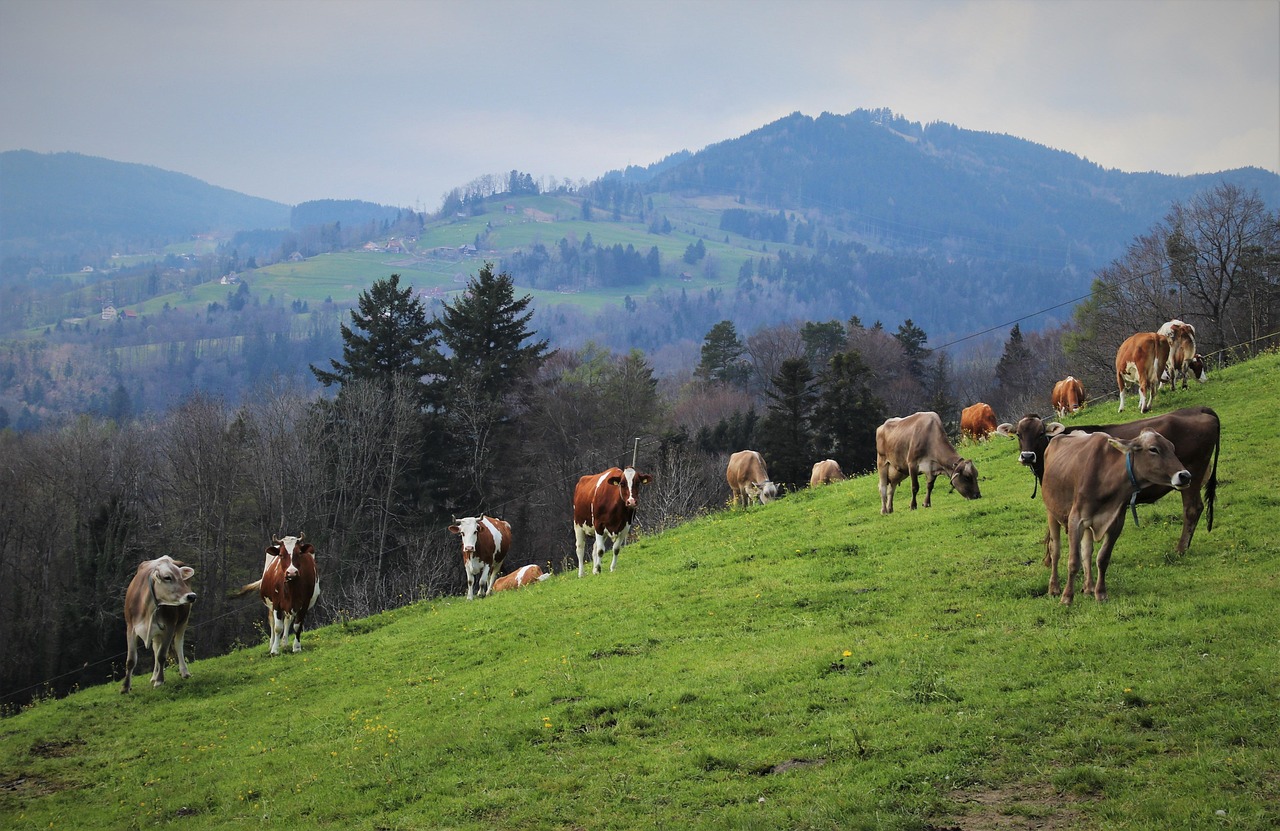
Livestock, horses, working dogs, and even poultry change the equation in ways many generic home defense discussions miss. Loud noises, sudden movement, and unfamiliar people can trigger chaos that affects both safety and property damage. In a rural setting, one bad decision can spook animals and turn a tense moment into a dangerous one.
That is why many farmers and ranchers favor setups that balance control with calm. They think about where animals are kept, how noise carries, and what routes are safest around pens and barns. Their choices often prioritize predictability over the kind of advice built for empty backyards.
Response times are often longer
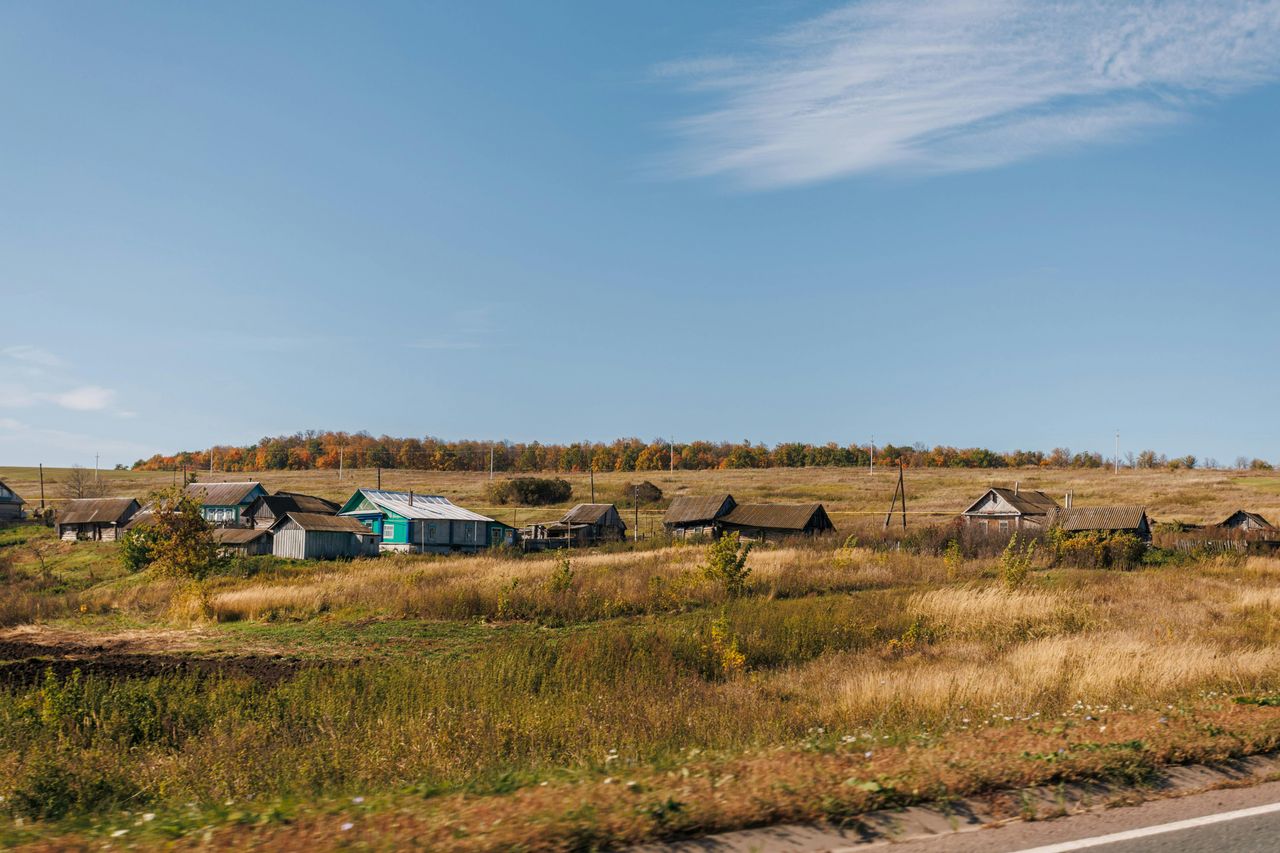
In many rural counties, law enforcement coverage is stretched over huge areas. Deputies may be working long distances between calls, and travel time can be substantial even when help is on the way. That reality shapes how people think about preparedness far more than industry marketing tends to acknowledge.
Instead of assuming rapid backup, rural households often build plans around self-reliance during those first critical minutes. They focus on communication, safe positioning, and tools they know well. The preference is not about dramatic gear choices. It is about dependable systems that fit the likelihood of handling more on their own before help arrives.
Power outages are part of the plan
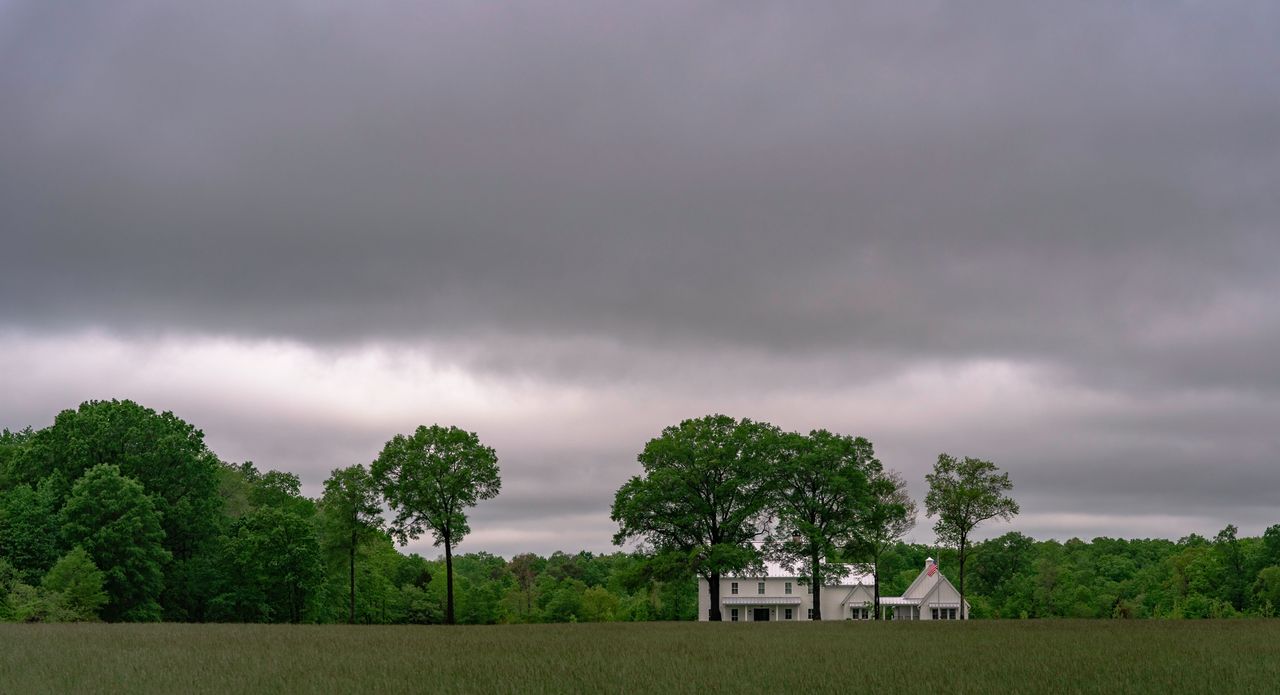
Storms, wind, ice, and equipment accidents can knock out electricity on rural properties with little warning. When that happens, gates, lights, cameras, and internet-connected devices may not work the way homeowners expect. A defense setup that looks great on paper can suddenly feel fragile in the dark.
That is one reason many farmers and ranchers are choosing simpler, more resilient systems. Battery backups, generators, flashlights, radios, and manual routines still carry real weight. The surprising shift is not away from technology altogether. It is toward setups that keep functioning when the power grid and connectivity do not cooperate.
Rural households think in layers, not products
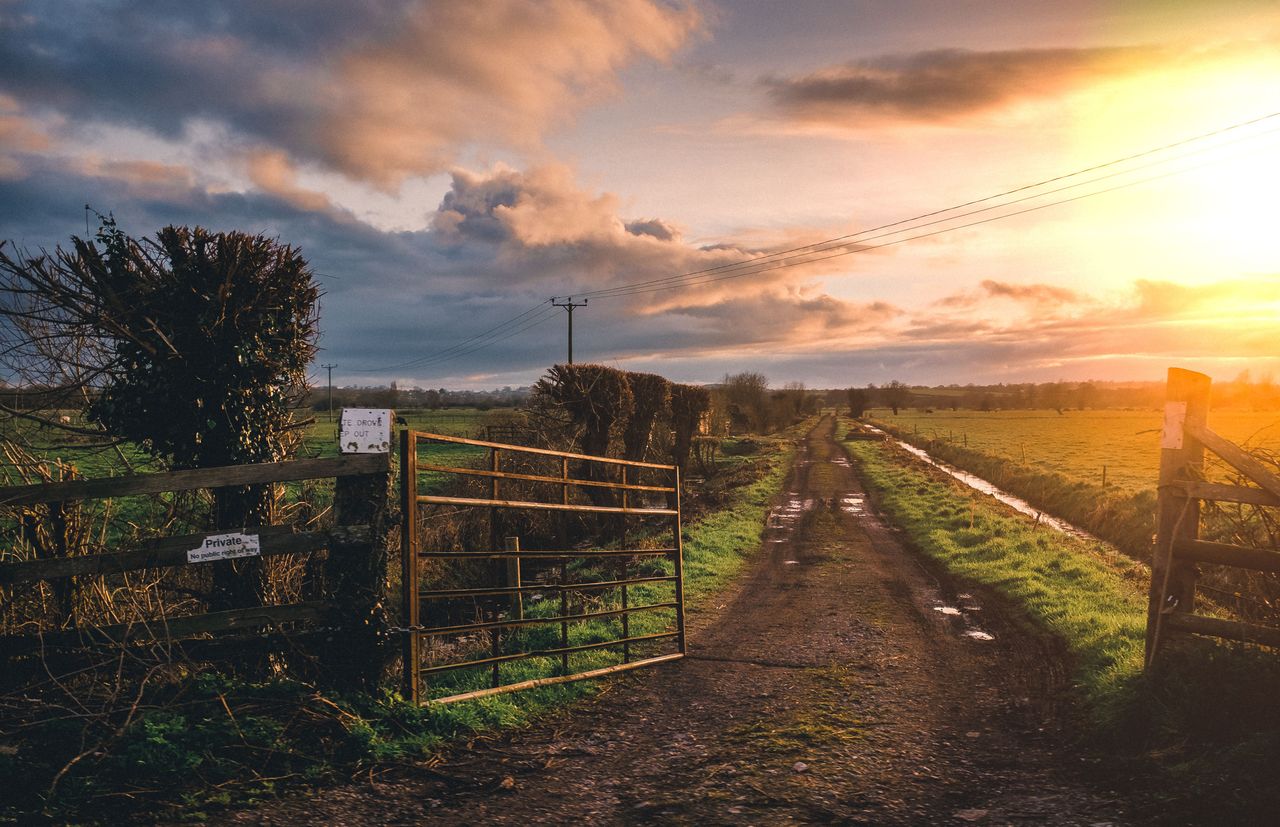
A lot of home defense marketing revolves around one standout product, one tool, or one dramatic promise. Farmers and ranchers tend to see the issue differently because they already manage property in layers every day. Fences, gates, dogs, lighting, road access, and routines all work together long before any emergency starts.
That mindset naturally carries into security decisions. They are often less interested in what is trendy and more interested in how each piece supports the next. The setup may look unconventional to outsiders, but it is usually rooted in practical sequencing. On a working property, the best defense often starts with slowing, spotting, and steering a situation early.
Training beats trend chasing
People who live and work on farms tend to have little patience for flashy recommendations that do not hold up in real conditions. Mud, dust, cold, fatigue, and long workdays expose weaknesses quickly. That makes familiarity and repetition more valuable than whatever the industry is currently pushing as the next must-have solution.
As a result, many rural households put more emphasis on training, household coordination, and clear procedures. They want every adult in the home to know where to go, what to do, and how to communicate under pressure. The unexpected part is how often the smartest setup looks plain on the surface but works because it has been practiced.
Technology is useful, but only if it survives farm life
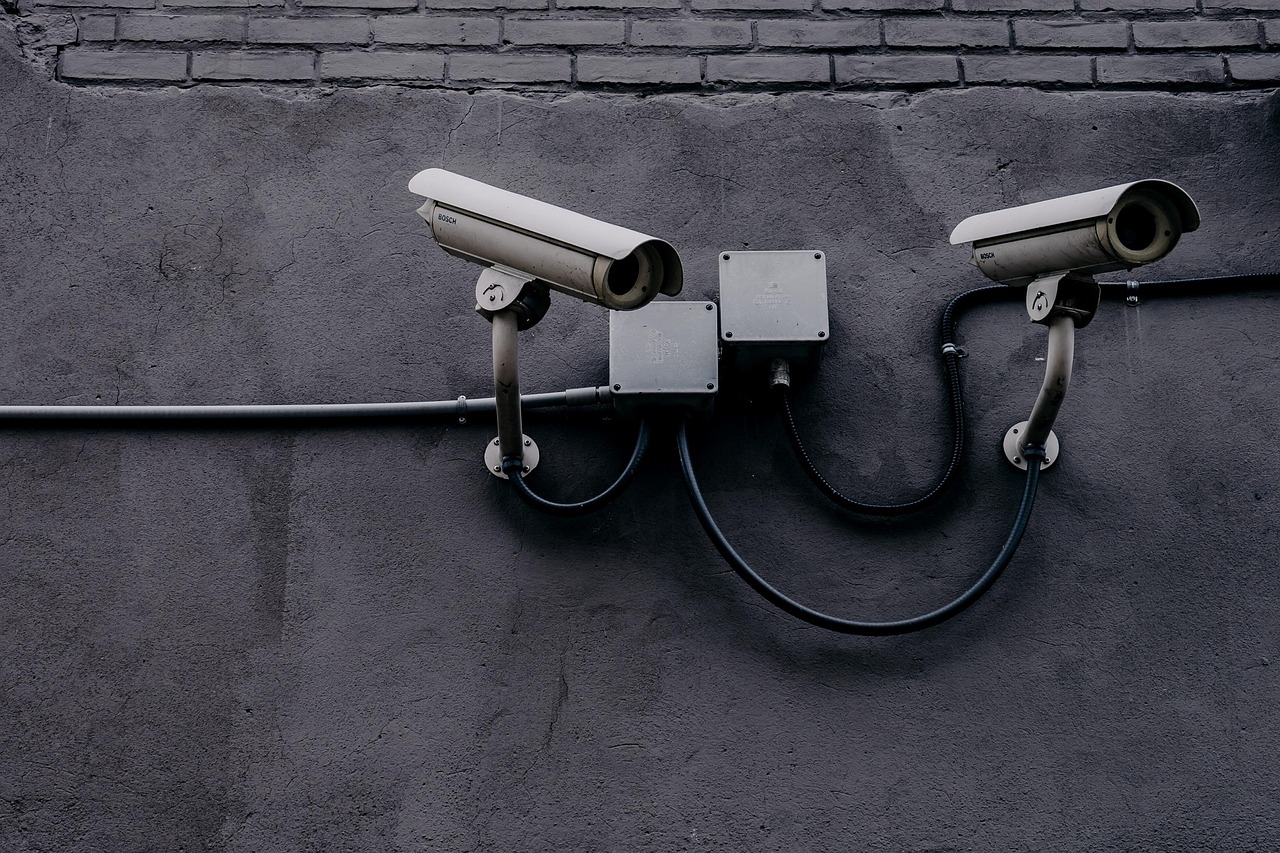
Rural owners are not rejecting technology. They are just more skeptical about whether it can handle dust, weather, insects, mud, vibration, and inconsistent signal strength. Devices that perform well in a neat suburban install may struggle when mounted on a barn or relied on near a remote gate.
That is why the tech choices on farms and ranches often look more selective than outsiders expect. People want cameras that can actually see down a long driveway, sensors that hold up outdoors, and systems that do not fail after one hard season. In this world, durability and usefulness beat novelty almost every time.
Community still plays a bigger role than the market assumes

In many rural areas, neighbors are not abstract background figures. They are the people who notice strange headlights, unfamiliar trucks, or gates left open at the wrong hour. That human network remains a meaningful part of how security works, even as more households add modern tools.
Because of that, farmers and ranchers often build defense plans that include communication with nearby family and neighbors. A phone tree, shared awareness, or a quick heads-up can matter as much as any device. The industry often sells individual solutions, but rural life still rewards collective vigilance in a way many experts underestimate.
They are protecting a way of life, not just a floor plan
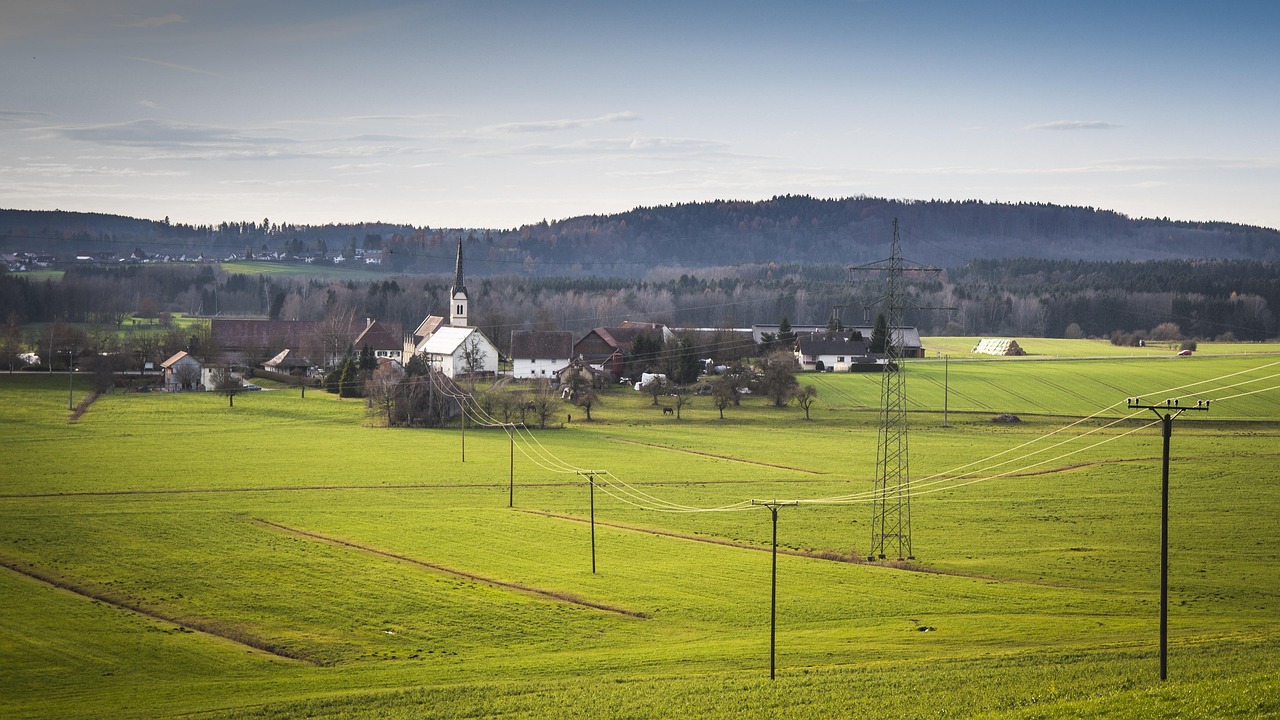
What surprises many observers is that rural home defense is rarely just about the square footage of the house. It is about safeguarding equipment, animals, family members, seasonal income, and the daily rhythm of a working property. That bigger picture naturally leads to choices that look different from standard industry advice.
Farmers and ranchers are not trying to be unconventional for the sake of it. They are matching their setups to the realities around them, from land size to weather to how the property functions after dark. Once you understand that, their unexpected choices start to look less surprising and a lot more logical.