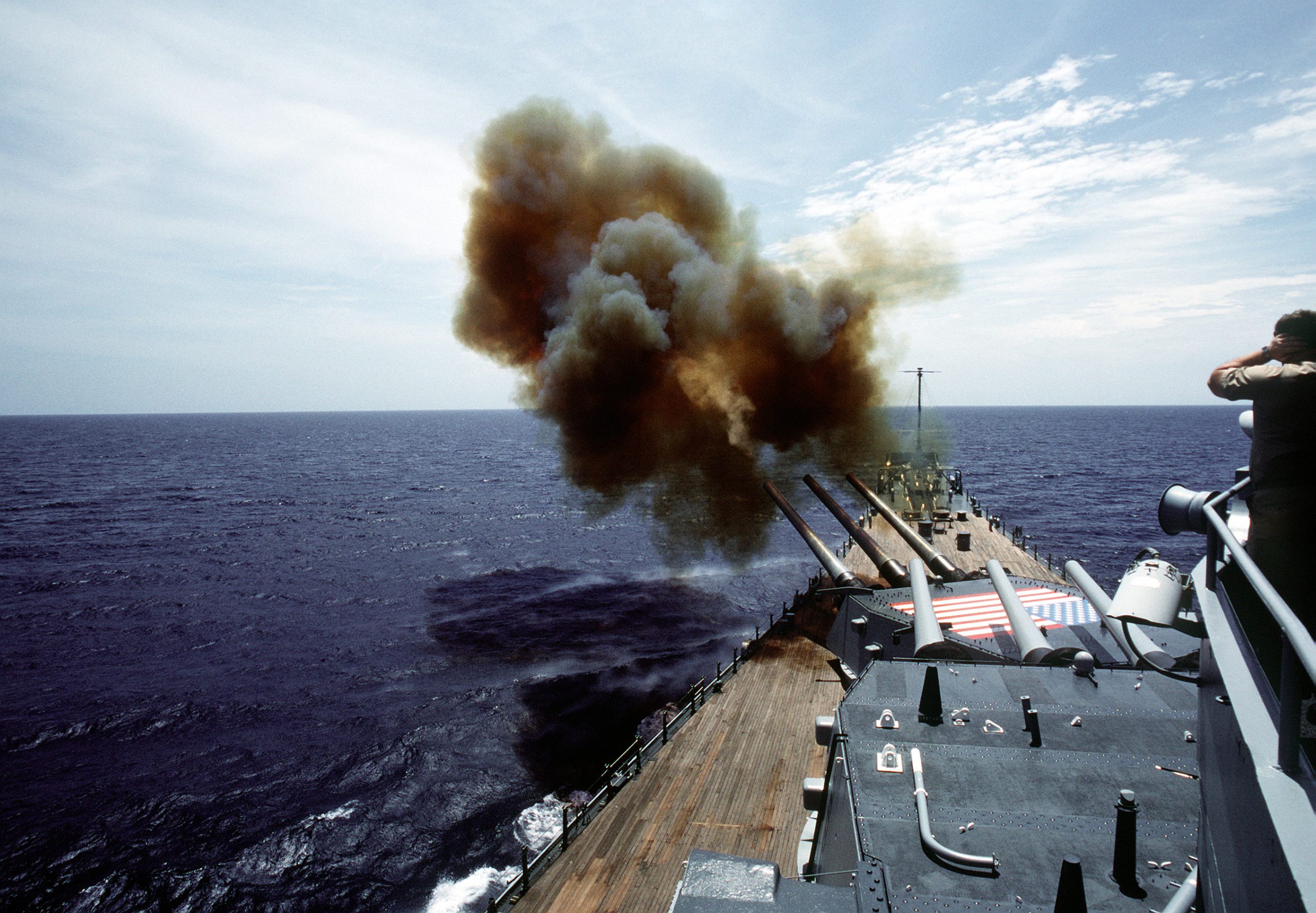
Naval guns were never simply oversized rifles bolted to a ship. Once calibers reached 14, 15, 16, and eventually 18 inches, loading became a major engineering operation involving ammunition elevators, hydraulic machinery, armored handling rooms, powder crews, and dozens of sailors. A single projectile could weigh more than a small car, while the turret itself could weigh thousands of tons. The following ten weapons show just how much manpower and machinery stood behind the spectacular broadside of a battleship.
1. Yamato Type 94 46 cm Gun
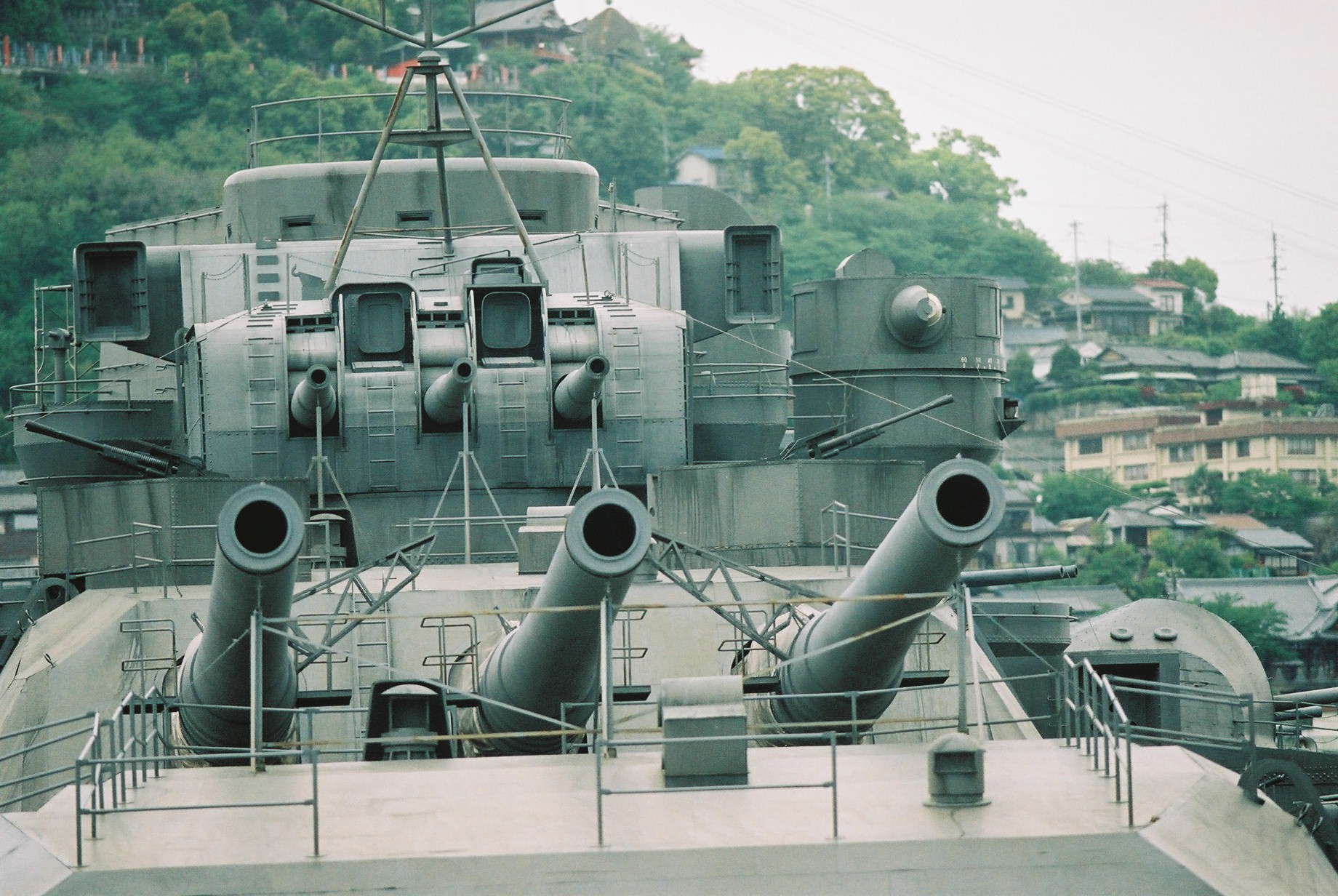
Yamato’s 46 cm Type 94 was the largest naval gun ever mounted on a warship. Each rifle was about 21.1 meters long and weighed roughly 147 tonnes, while its 1,460 kg armor-piercing shell was almost 1.5 tonnes. A triple turret weighed about 2,774 tonnes, comparable to a destroyer. The loading system therefore needed extensive handling equipment and a large turret crew rather than one sailor simply ramming a shell into the breech. The guns could fire roughly 1.5 to 2 rounds per minute, with ammunition moved through several stages before loading. The turret was effectively a small industrial workplace built inside the ship.
2. Iowa Mark 7 16-Inch Gun
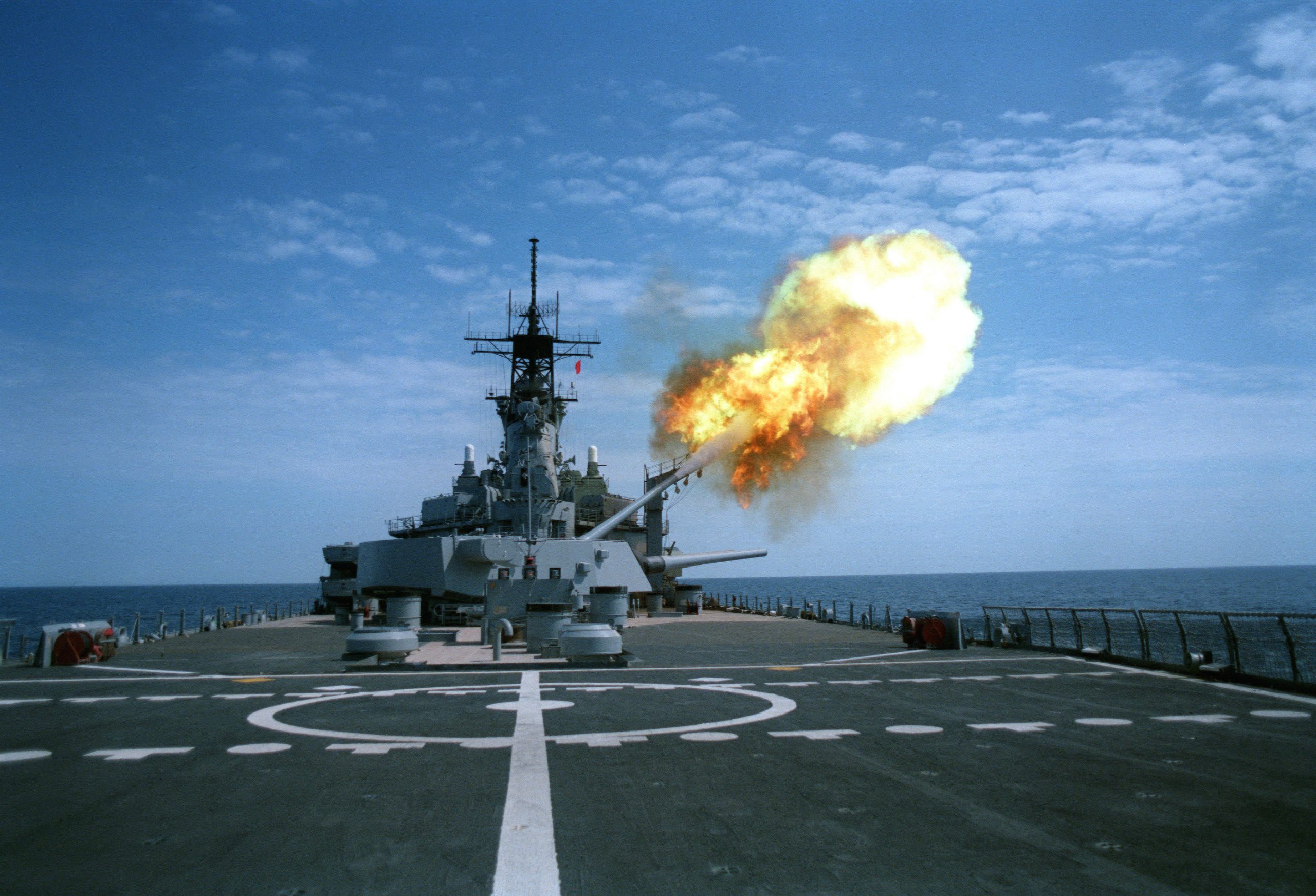
The Iowa-class Mark 7 was smaller than Yamato’s weapon but still demanded an enormous human and mechanical effort. Each 16-inch gun weighed about 122 tonnes without its breech, and its 1,225 kg armor-piercing projectile was lifted from deep ammunition spaces into the turret. A complete three-gun turret weighed more than 2,200 tonnes and normally required around 79 sailors during combat. Six 110-pound propellant bags were used for each firing cycle, adding another handling task. The system could manage about two rounds per minute per gun, so a nine-gun broadside required remarkable coordination below decks and throughout the turret.
3. Bismarck 38 cm SK C/34 Gun
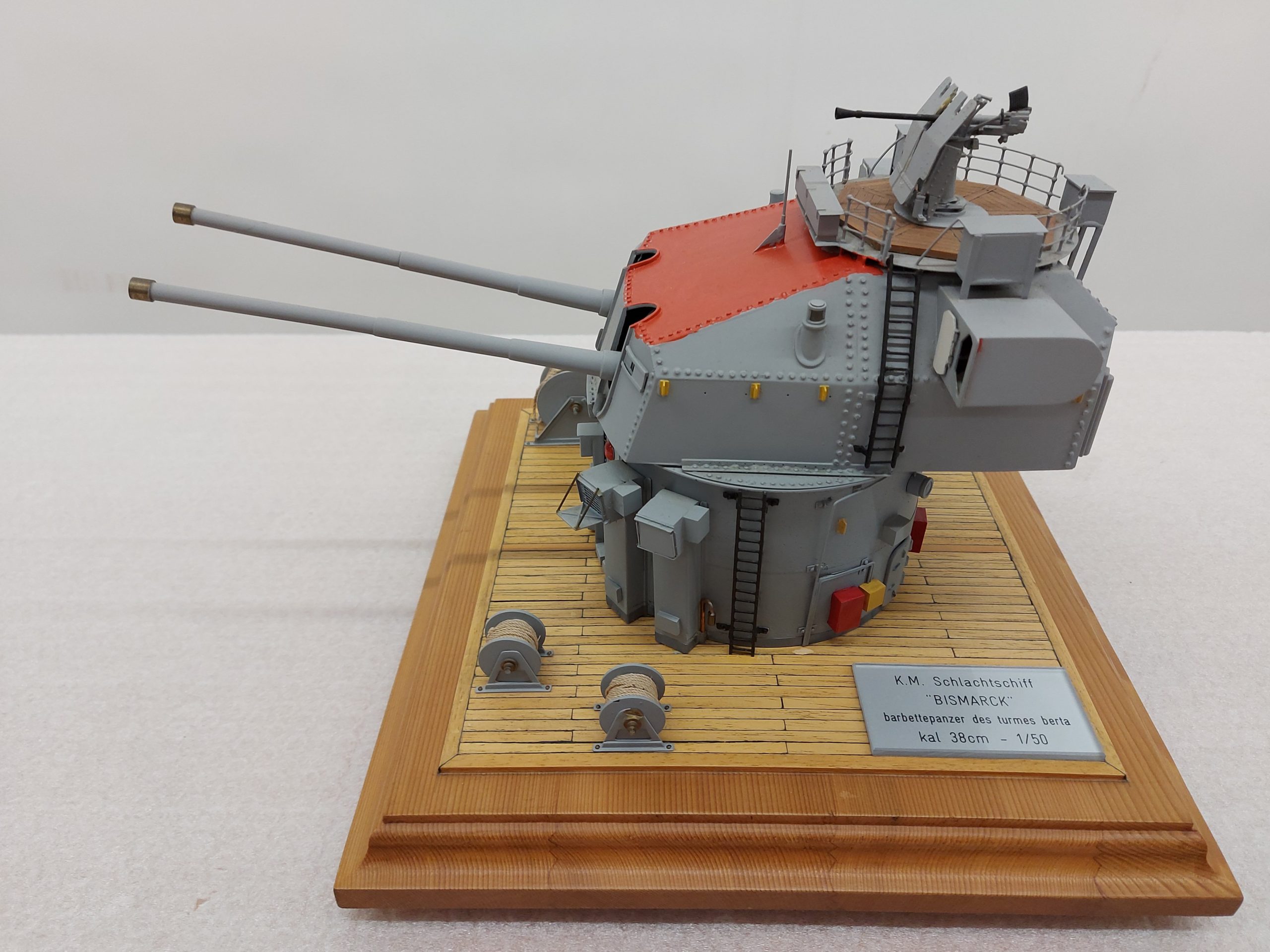
Bismarck’s 38 cm SK C/34 guns were smaller than Yamato’s weapons, but each twin turret remained a major mechanical operation. The 800 kg projectile had to be brought from the magazine, raised into the turret, and positioned for loading before the breech could close. The four twin turrets carried eight guns altogether, and the theoretical rate reached about three rounds per minute under favorable conditions. German designers required the barrels to return to about 2.5 degrees elevation for loading. That detail mattered because crews and machinery worked inside a huge armored structure where every stage had to occur in a precise sequence. Nothing about the process was simple.
4. Nagato 41 cm Naval Gun
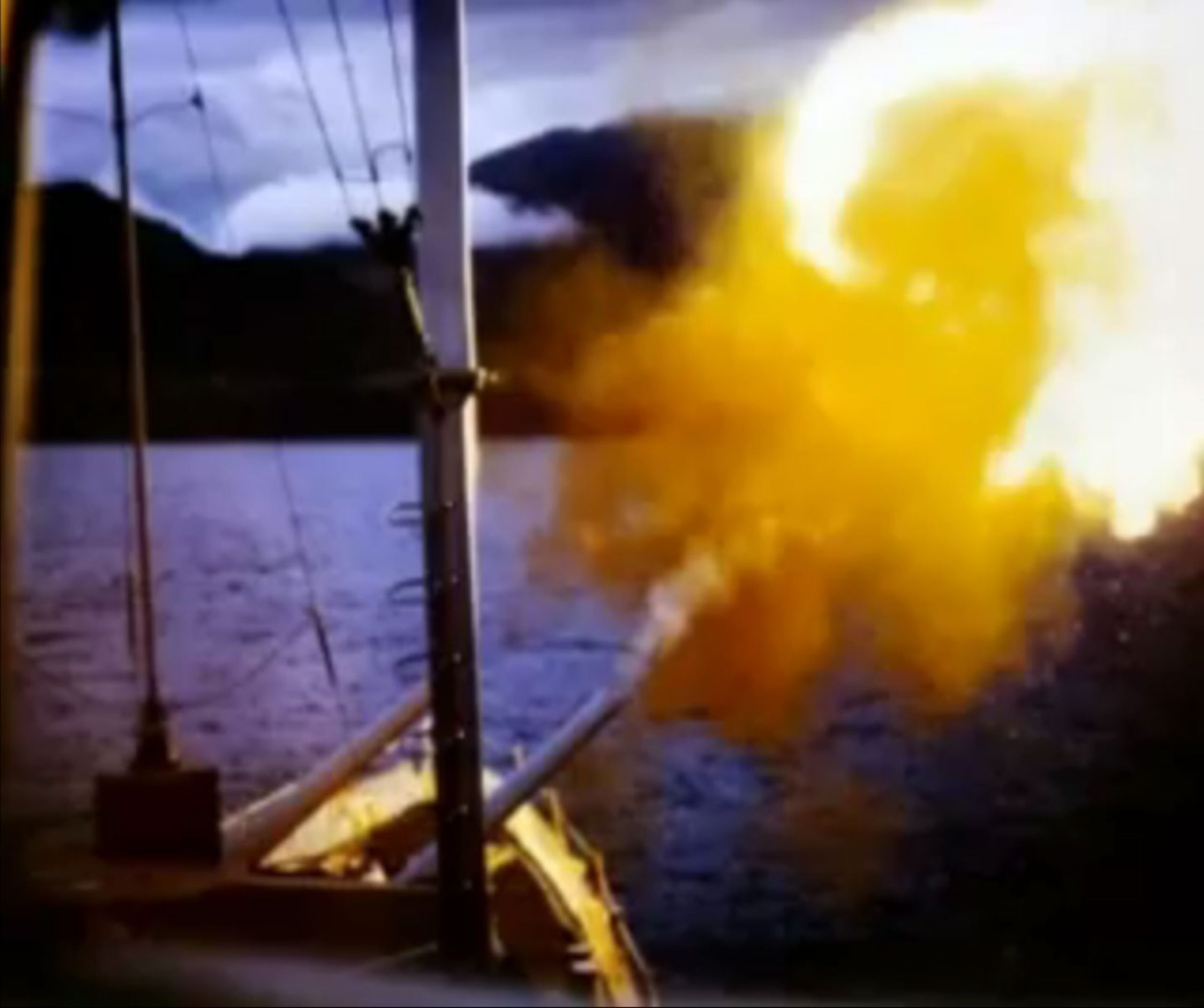
The Nagato-class 41 cm gun was an early giant of the battleship era and represented a major jump in firepower. Each weapon was about 18.8 meters long and weighed roughly 102 tonnes, while its projectile weighed about 1,020 kg. Nagato and Mutsu each carried eight of these guns in four twin turrets. A firing cycle was measured at roughly 24 seconds, or about 2.5 rounds per minute in ideal conditions. Moving a one-ton shell through the turret was therefore a serious team operation. The ammunition train, hoists, loading gear, breech crew, and magazine personnel all had to work together before another shot could be prepared and fired.
5. British 15-Inch Mark I
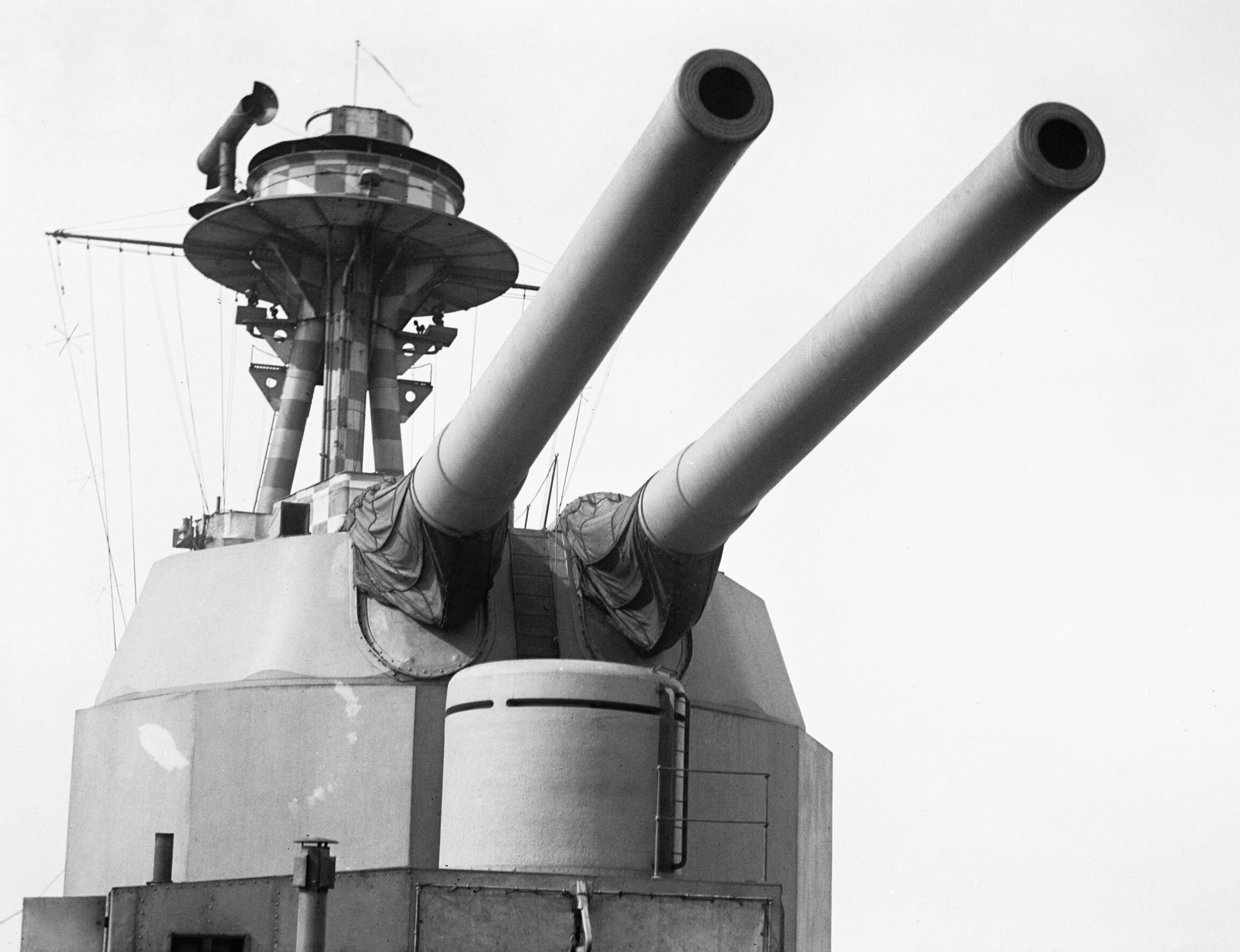
Britain’s 15-inch Mark I was already enormous when it entered service during World War I. Mounted in twin turrets aboard ships such as HMS Queen Elizabeth and HMS Warspite, the gun fired a projectile weighing roughly 879 kg. Each barrel was about 16.5 meters long and weighed around 100 tonnes. A turret contained much more than the visible guns: ammunition hoists, loading equipment, machinery, handling crews, and protected working spaces filled several decks. The practical rate was around two rounds per minute. A battleship salvo therefore depended on a coordinated chain of sailors rather than a single loader beside the breech, with every stage carefully timed.
6. QF 3-Pounder Nordenfelt
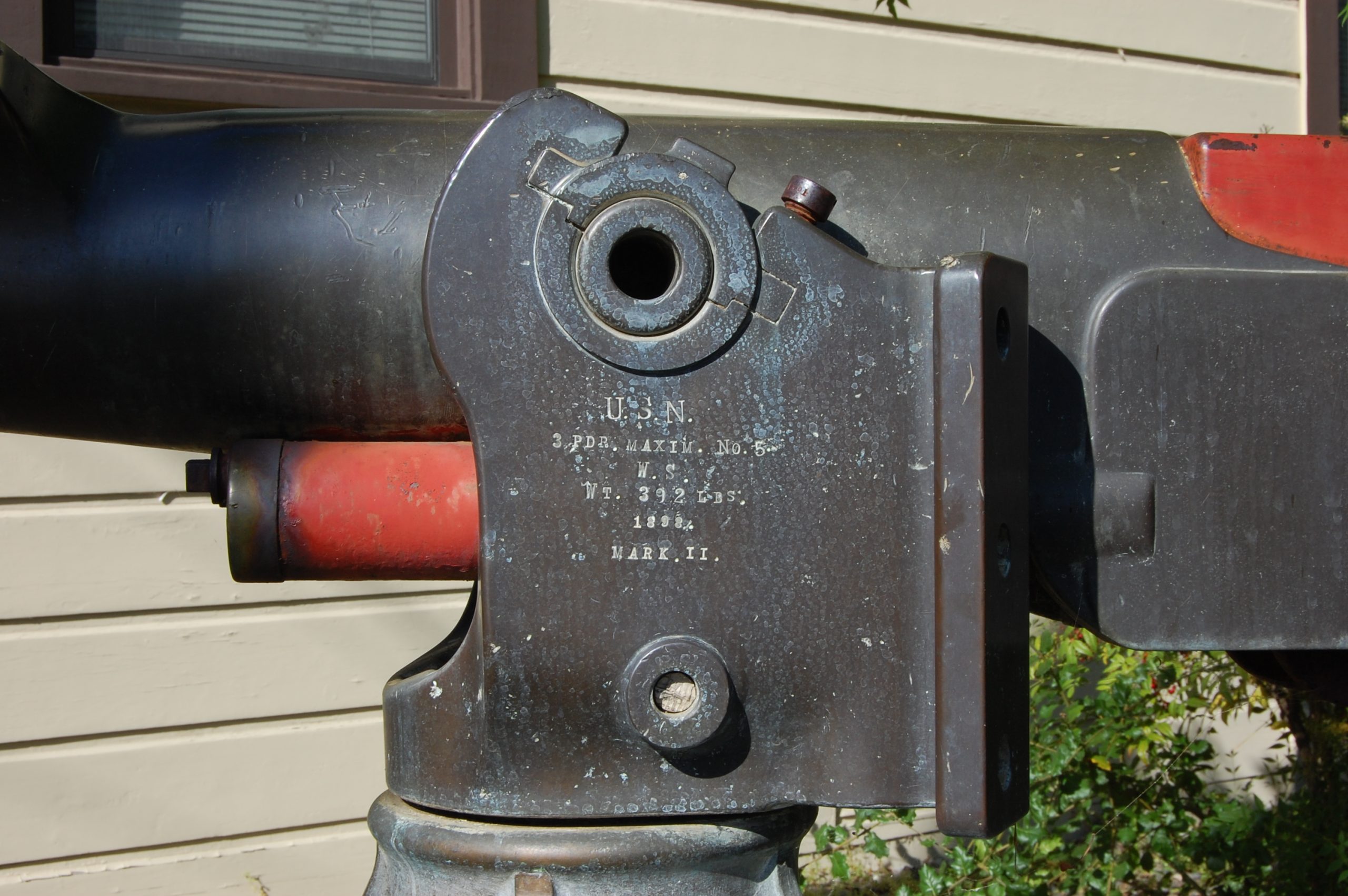
The QF 3-pounder Nordenfelt was a compact 47 mm naval gun developed for rapid-fire defense against small warships and torpedo boats. Unlike the enormous guns carried by battleships, this weapon relied on a high rate of fire and relatively light ammunition to protect larger ships at close range. Nordenfelt guns were used by several navies during the late 19th and early 20th centuries, with examples surviving today as historic displays. One such gun is preserved at an American Legion site in St. Helena, California, offering a tangible reminder of the era when quick-firing naval artillery became an important part of shipboard defense.
7. The Mark 16
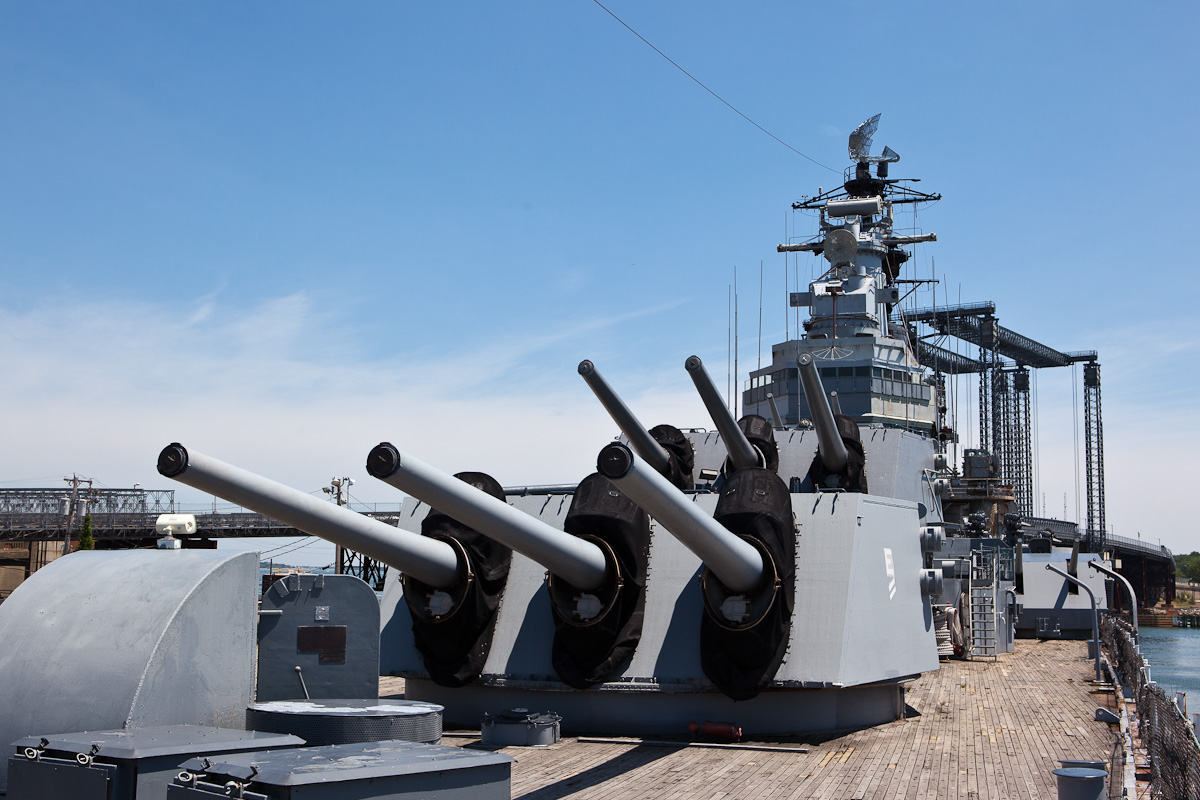
The U.S. Navy’s 5-inch/54-caliber Mark 16 was a powerful dual-purpose naval gun developed during World War II for heavy surface and anti-aircraft work. Designed for the cancelled Montana-class battleships, it fired 127 mm shells weighing about 55 pounds and could reach targets nearly 24 km away. Its semi-automatic loading system allowed a trained crew to sustain roughly 15 to 18 rounds per minute. Although the Montana battleships never entered service, the Mark 16 found a home on later warships, including Midway-class aircraft carriers, where its combination of range, hitting power, and sustained fire made it a formidable naval weapon.
8. U.S. 14-Inch/50 Mark 7
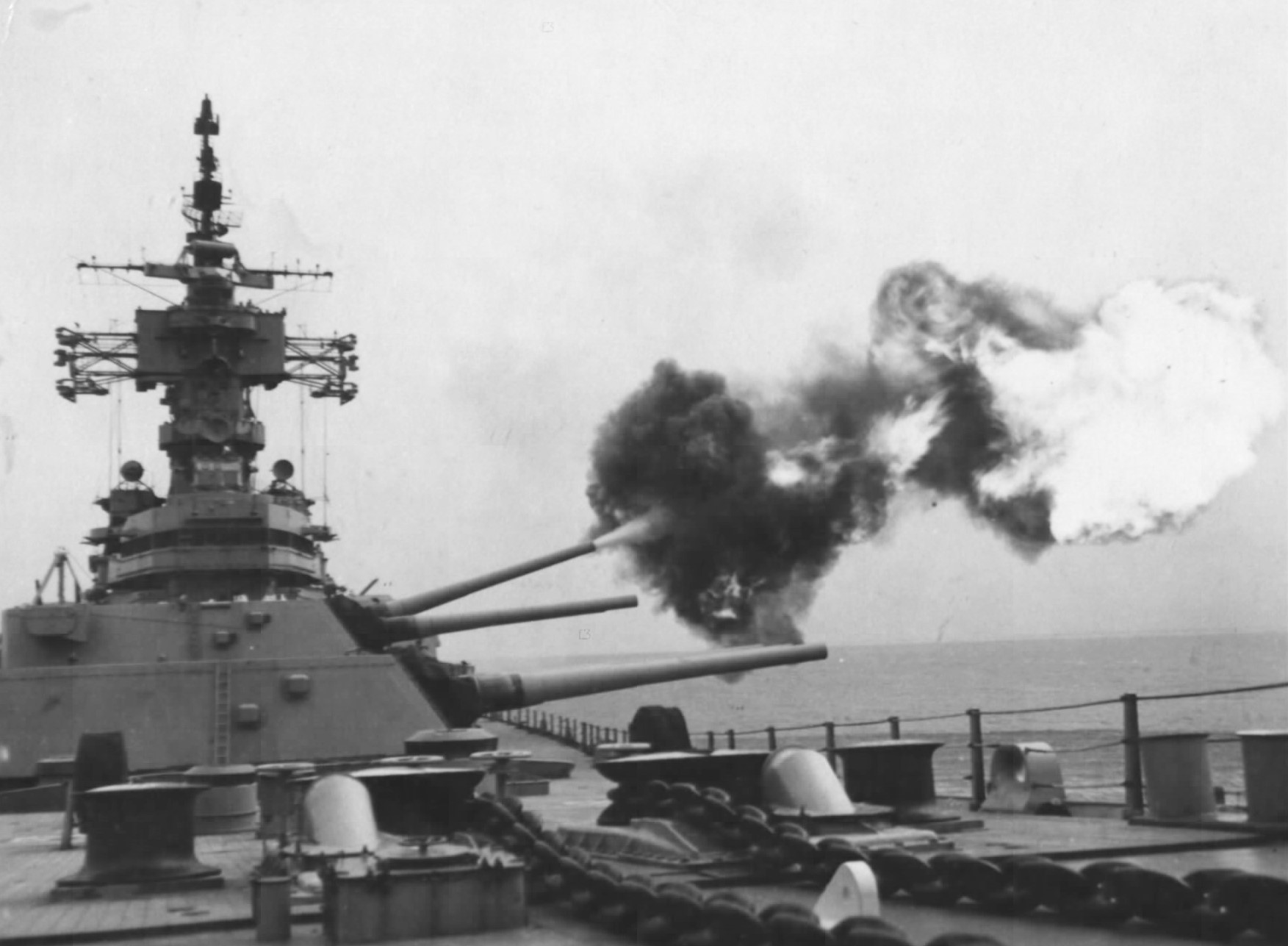
The U.S. 14-inch/50 Mark 7 found on several American battleships was smaller than later 16-inch weapons, but its ammunition still required serious manpower. A standard armor-piercing projectile weighed about 680 kg, and the gun could throw it many kilometers at high velocity. Older battleship turrets depended on teams working ammunition hoists and loading trays while separate crews handled propellant charges. The scale becomes clearer when considering a full turret: several guns could fire in sequence while magazines below kept the supply moving. The weapon was powerful, but performance depended on a carefully organized human chain beneath the armored deck during every firing cycle.
9. U.S. 16-Inch/45 Mark 6
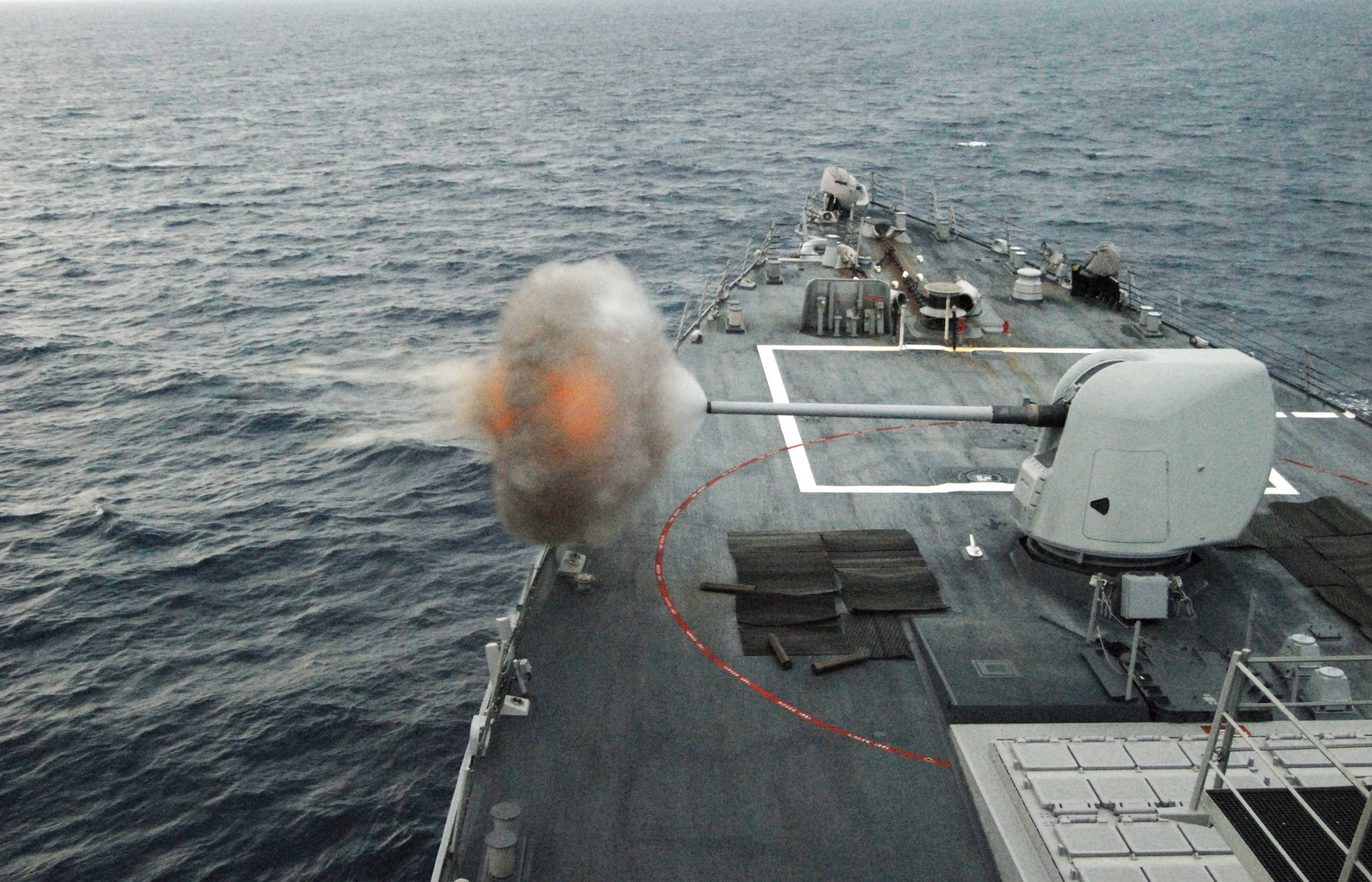
The 16-inch/45 Mark 6 gave South Dakota- and North Carolina-class battleships a heavy punch without the giant 18-inch guns considered by the U.S. Navy. Its armor-piercing projectile weighed about 1,225 kg, while the gun itself was massive machinery. Each turret held three barrels and incorporated deep ammunition-handling spaces beneath the gunhouse. Crews moved projectiles and separate powder charges through hoists before loading could begin. The weapon could fire roughly two rounds per minute. That sounds slow until the scale is considered: every shot required moving more than a metric ton of projectile through a multi-deck system with many sailors involved.
10. QF 4.5-Inch Mk I–V Naval Gun
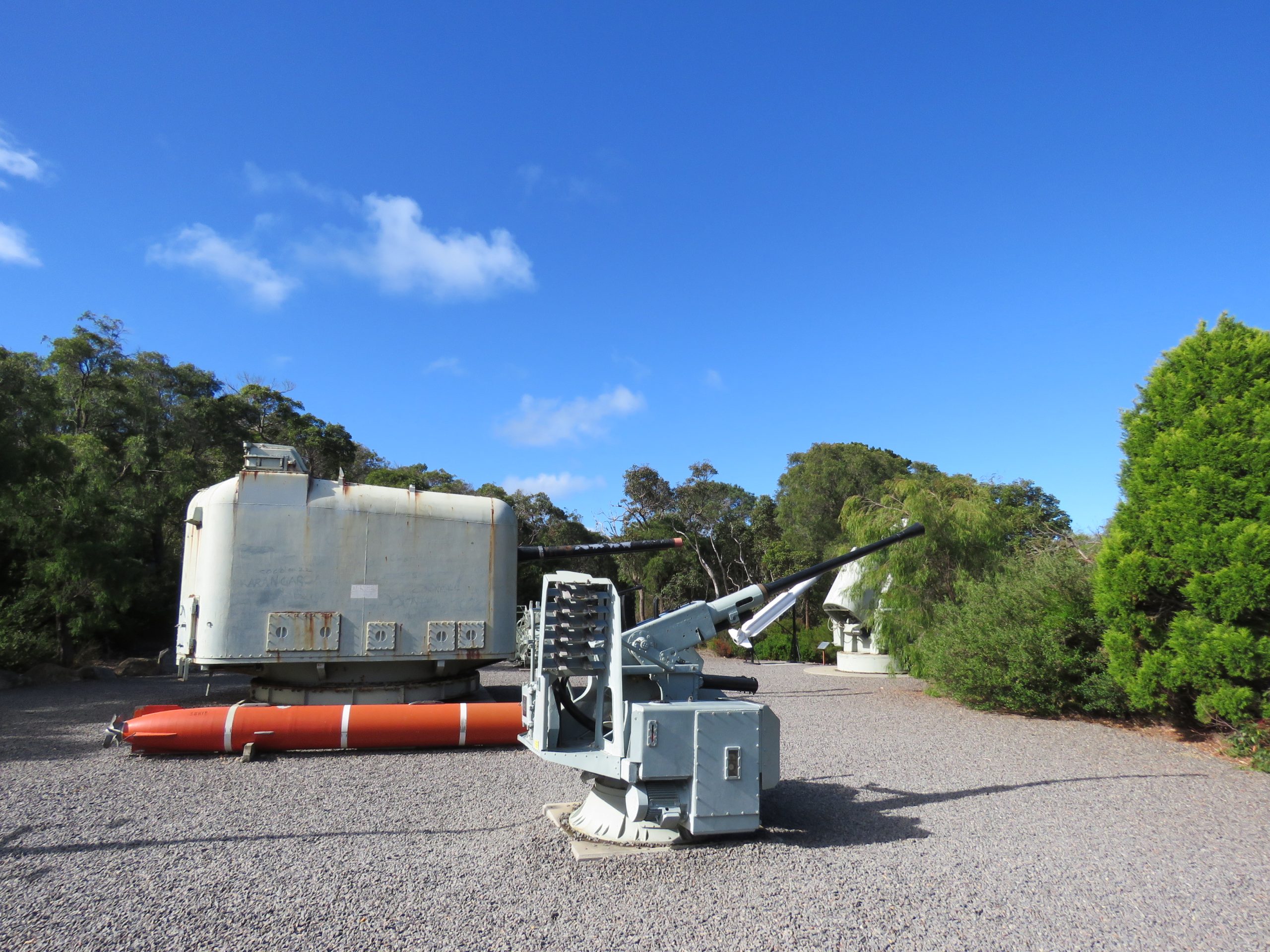
Britain’s QF 4.5-inch Mk I–V family became one of the Royal Navy’s most important medium-caliber weapons of the 20th century. With a 113 mm bore, these guns were designed for both anti-aircraft and surface targets, giving warships a flexible weapon for changing threats. Depending on the mark and mounting, the gun fired separate-loading ammunition and could achieve roughly 15 to 24 rounds per minute. The projectile weighed about 55 pounds, or 25 kg, making sustained fire a genuine team effort. Powered hoists, loaders, fuze setters, and gun crews worked together inside heavily protected turrets to keep ammunition moving.