The 2025 federal government shutdown has had serious ripple effects on America’s national parks, forcing reduced staffing and limited services across many iconic destinations. With over 9,000 employees furloughed and minimal resources available, you may find visitor centers closed and safety support stretched thin. Exploring these parks now means planning ahead and understanding what you will and won’t find, especially during peak seasons when access and amenities matter more than ever.
Yosemite National Park, California
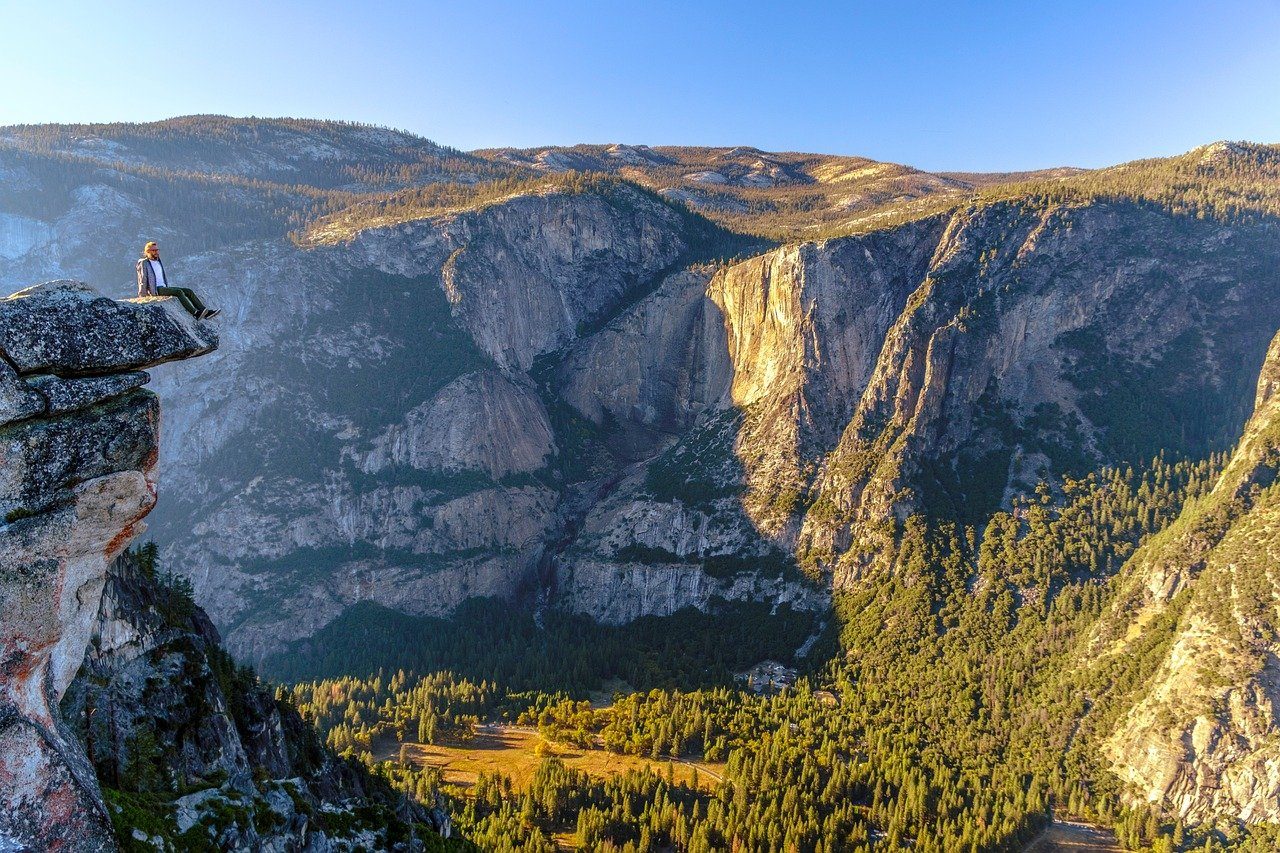
In Yosemite, you’ll still see towering granite peaks and thundering waterfalls, but much of the usual support has vanished. The shutdown has left many ranger stations unmanned and visitor centers closed while trails and roads remain open. With concessionaires still operating some services, you’ll get access to basic experiences, but prepare for limited sanitation, fewer guided programs, and lower staff presence across key areas.
Grand Canyon National Park, Arizona
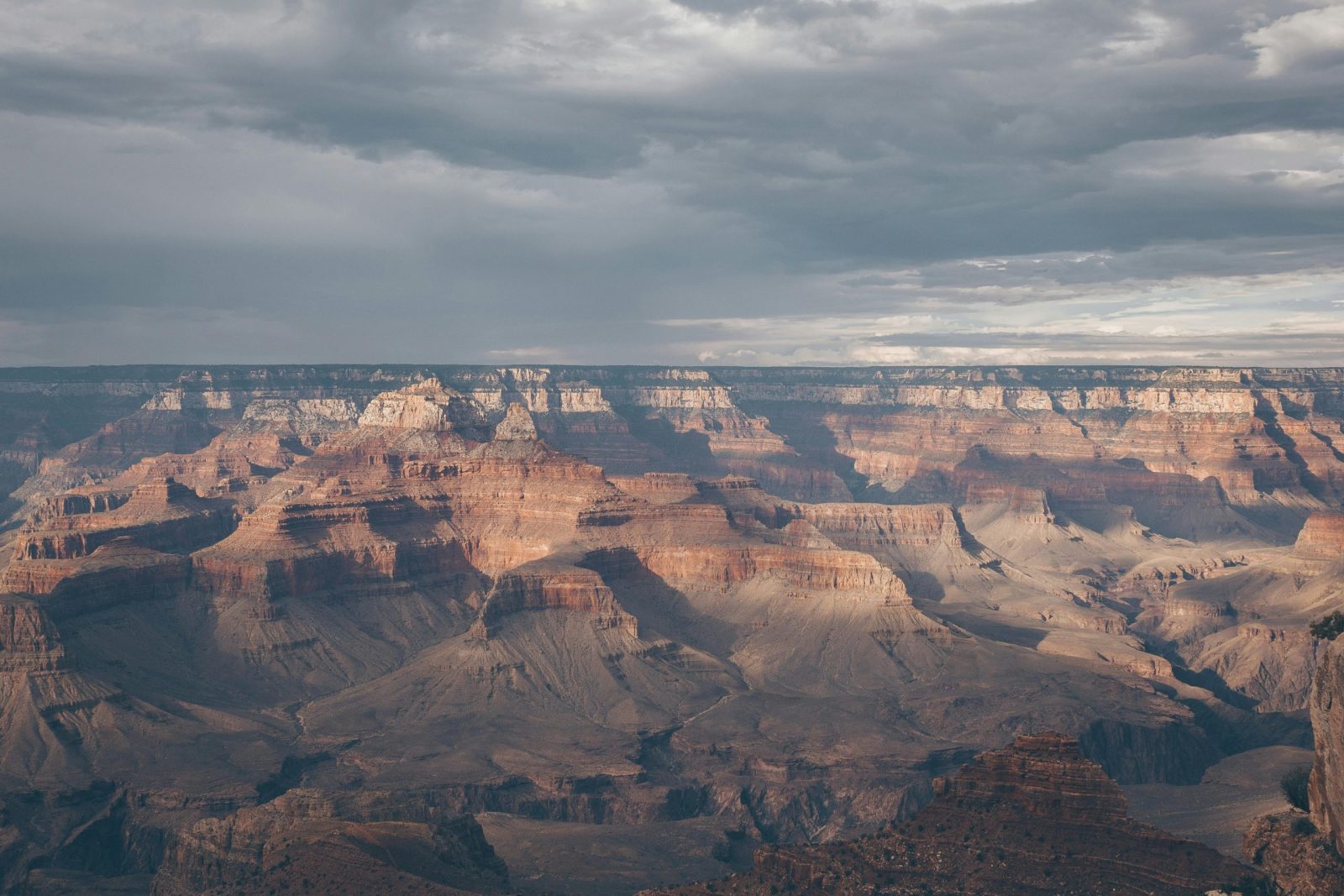
At the Grand Canyon, you’ll find landmark views and open rims, yet the shutdown means many campgrounds and centers are unstaffed. Arizona is not subsidizing federal services this time, resulting in fewer amenities than usual. Expect to carry out your own waste, plan around closed visitor buildings, and rely on your own gear and knowledge while visiting one of the country’s most famous scenic sites.
Great Smoky Mountains National Park, Tennessee/North Carolina
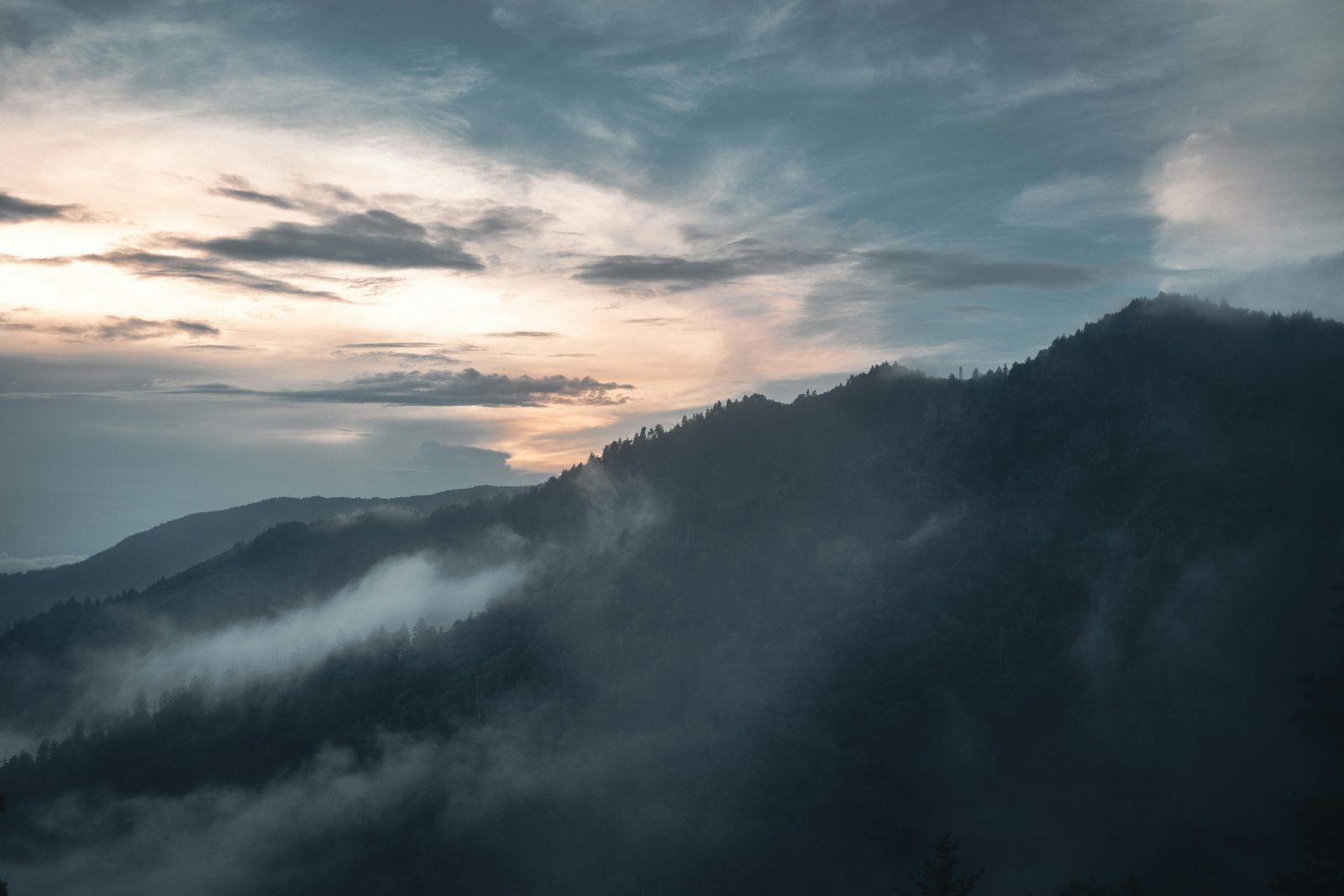
Great Smoky Mountains remain open with state-level funding helping maintain services. However, visitors may notice fewer staff, limited programs, and fewer operating restrooms. During this period, nature’s beauty can still be enjoyed, but many of the usual conveniences are unavailable. Local communities that depend on tourism are watching closely as visitation shifts and support changes.
Glacier National Park, Montana
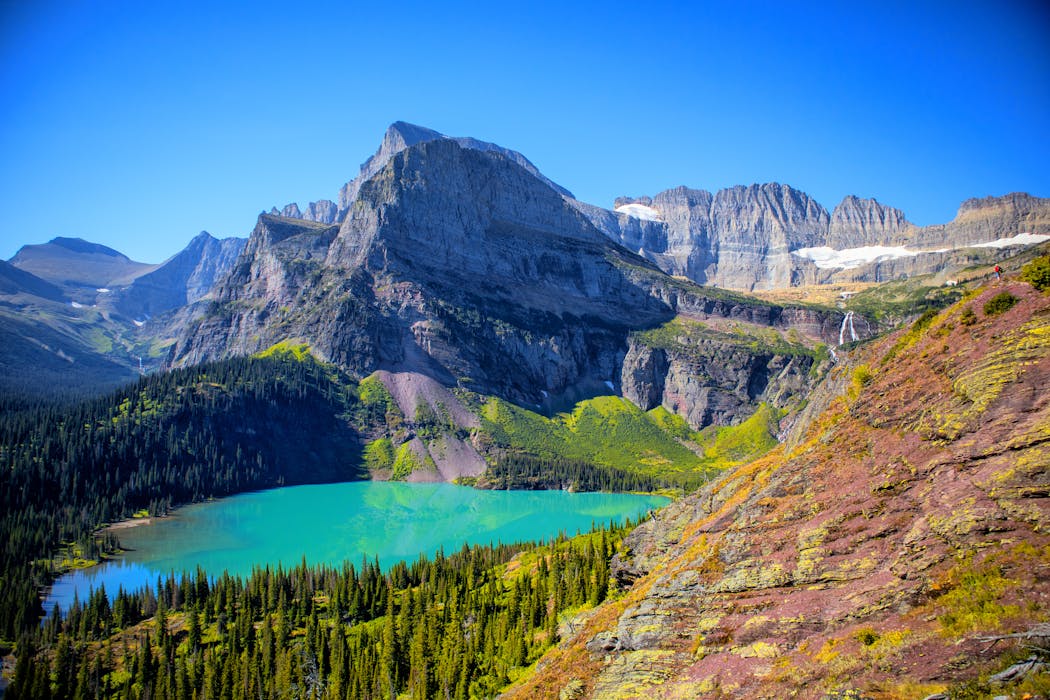
In Glacier National Park, the paved roads and scenic overlooks remain accessible, but staffing has dropped significantly. The shutdown means fewer rangers to check conditions, less trash removal, and reduced emergency response capacity. Visitors arrive at one of America’s most remote parks only to face a bare-bones experience where preparation and self-reliance matter more than ever.
Zion National Park, Utah
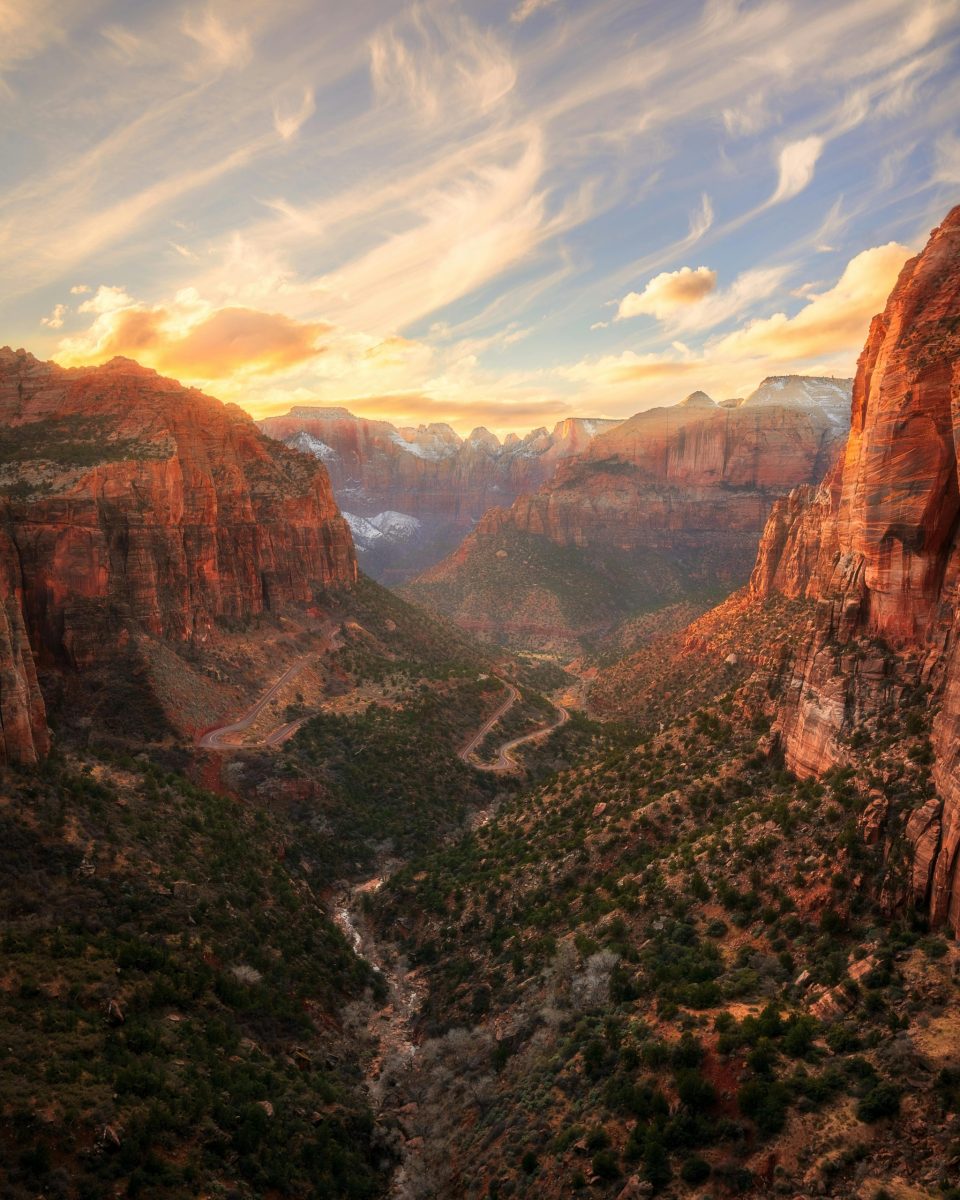
Zion continues to draw crowds even as the shutdown reduces support services. Utah has stepped in with some funding to keep access open, but you’ll still find fewer available amenities, limited guided programs, and possibly longer wait times at gates. If you’re planning a trip, you should plan for what remains open and pack for more independence than typical.
Arches National Park, Utah
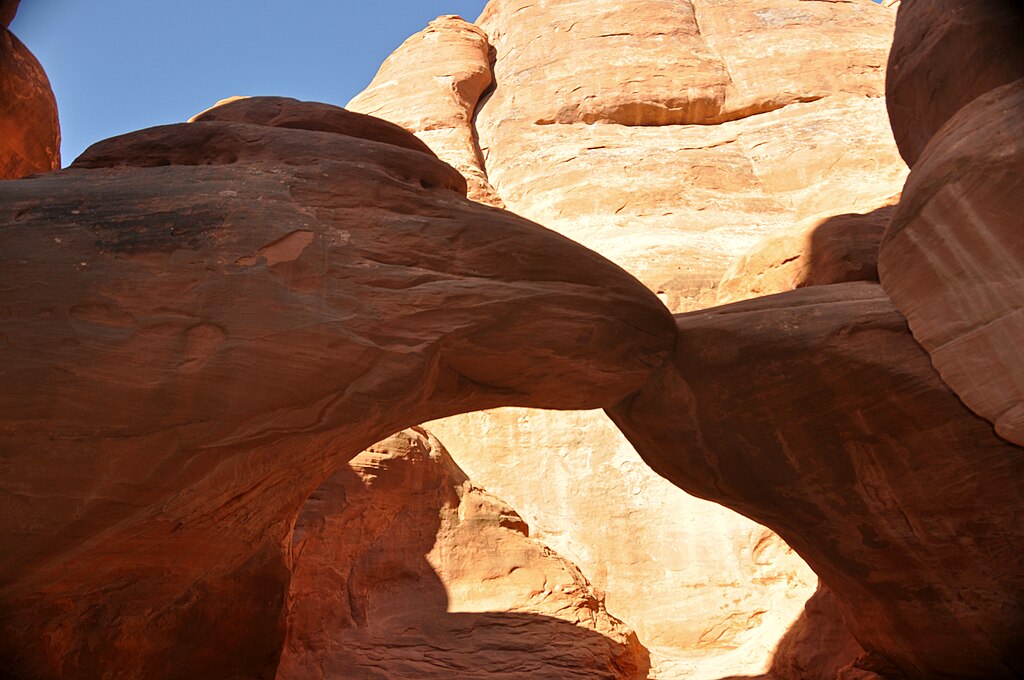
At Arches, you’ll be greeted by towering sandstone arches and scenic trails, yet the federal shutdown means visitor centers and campgrounds may be shut or operating with minimal support. You’ll still access natural beauty, but you should note that trash pickup, bathroom services, and ranger visits could all be curtailed during your visit.
Rocky Mountain National Park, Colorado
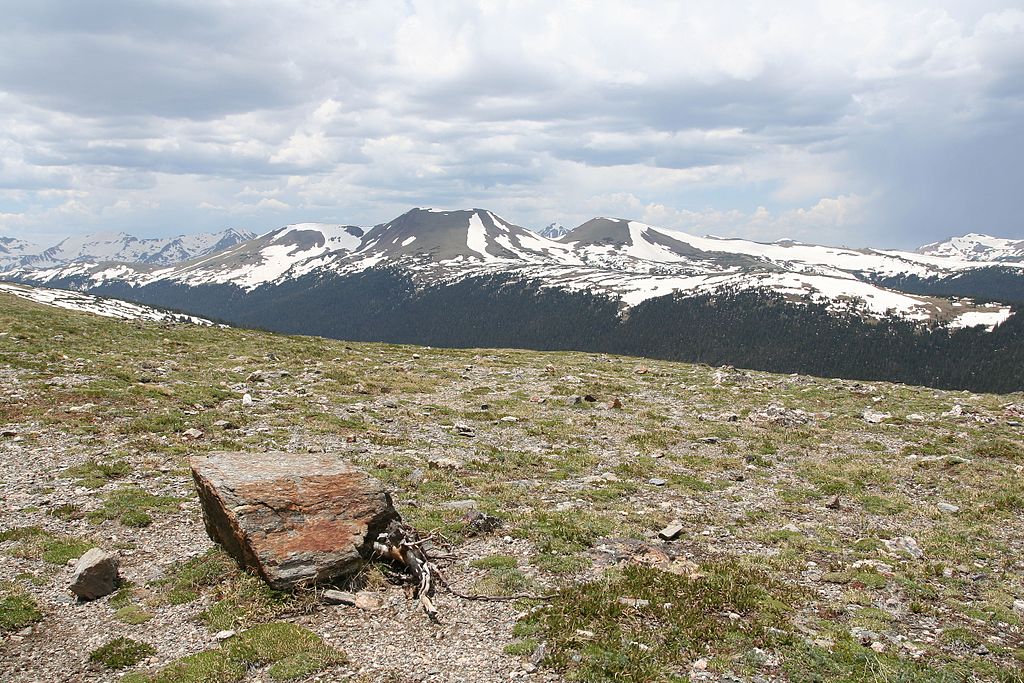
Rocky Mountain National Park remains open amid the shutdown, but you’ll experience less staff presence, fewer maintainers, and minimal ranger programs. Colorado officials have sought to keep the park accessible for its economy and autumn foliage visitors. You should expect more remote conditions and less service even on popular trails.
Yellowstone National Park, Wyoming/Montana/Idaho
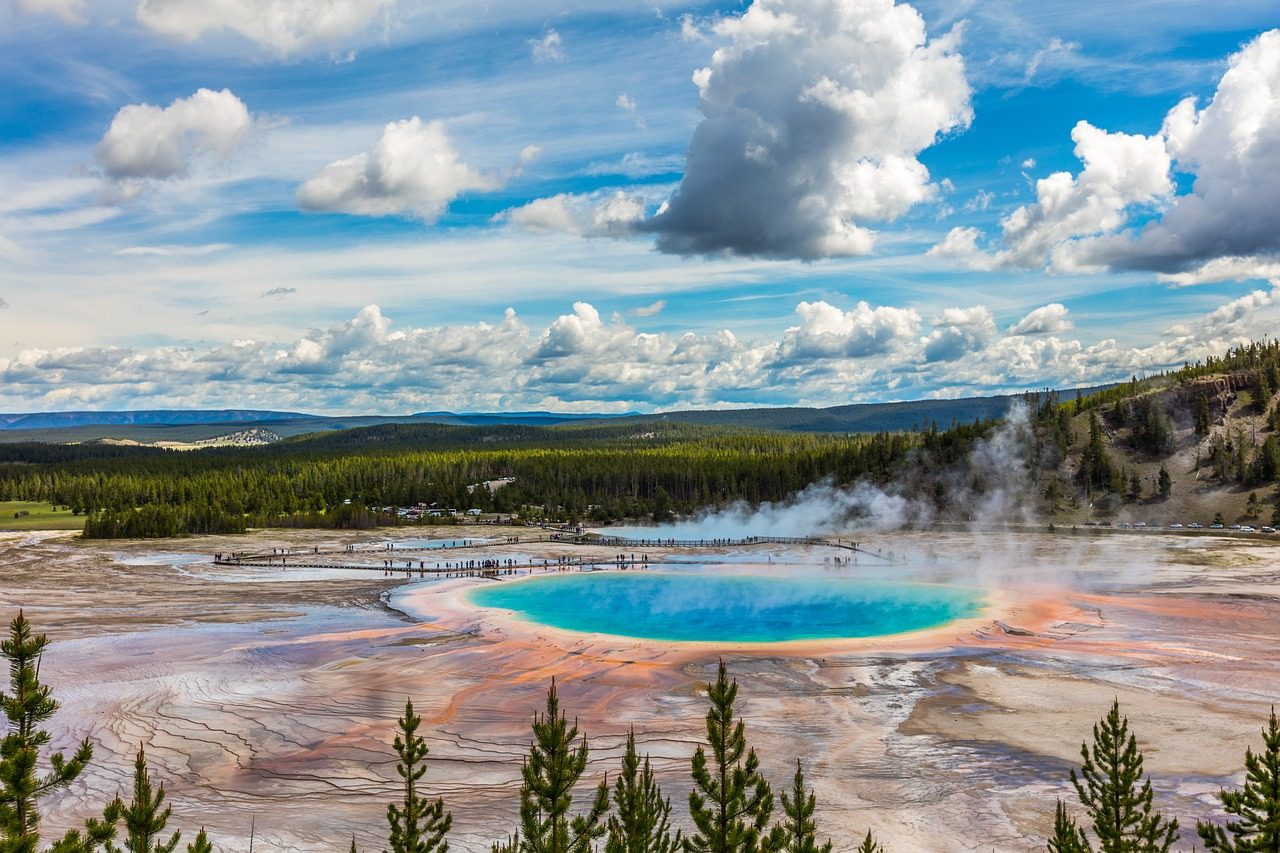
Yellowstone stands open, but major visitor centers have closed, and many support programs have been paused. The shutdown means you’ll explore thermal basins, wildlife zones, and landscapes without much of the infrastructure visitors depend on. You’ll still see natural wonders, but you’ll also need to plan ahead for self-contained travel.
Lassen Volcanic National Park, California
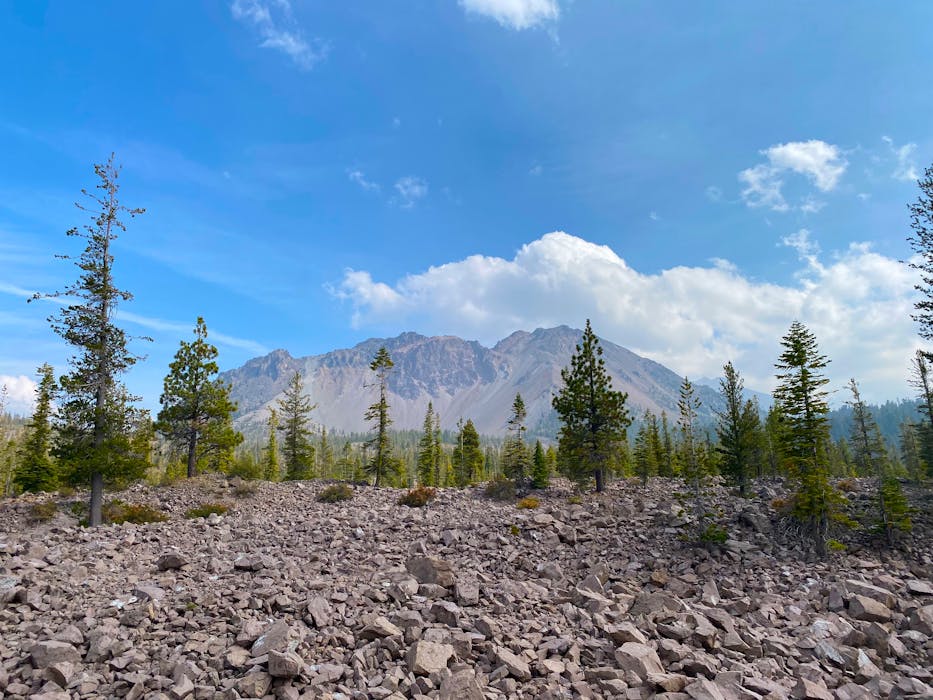
In Northern California’s Lassen Volcanic, you’ll find trails and views available, but limited services due to the government shutdown. With visitor centers closed and limited staffing, you’ll experience more raw nature and fewer conveniences. This may appeal to seasoned travelers but less so to those expecting full amenities.
White Sands National Park, New Mexico
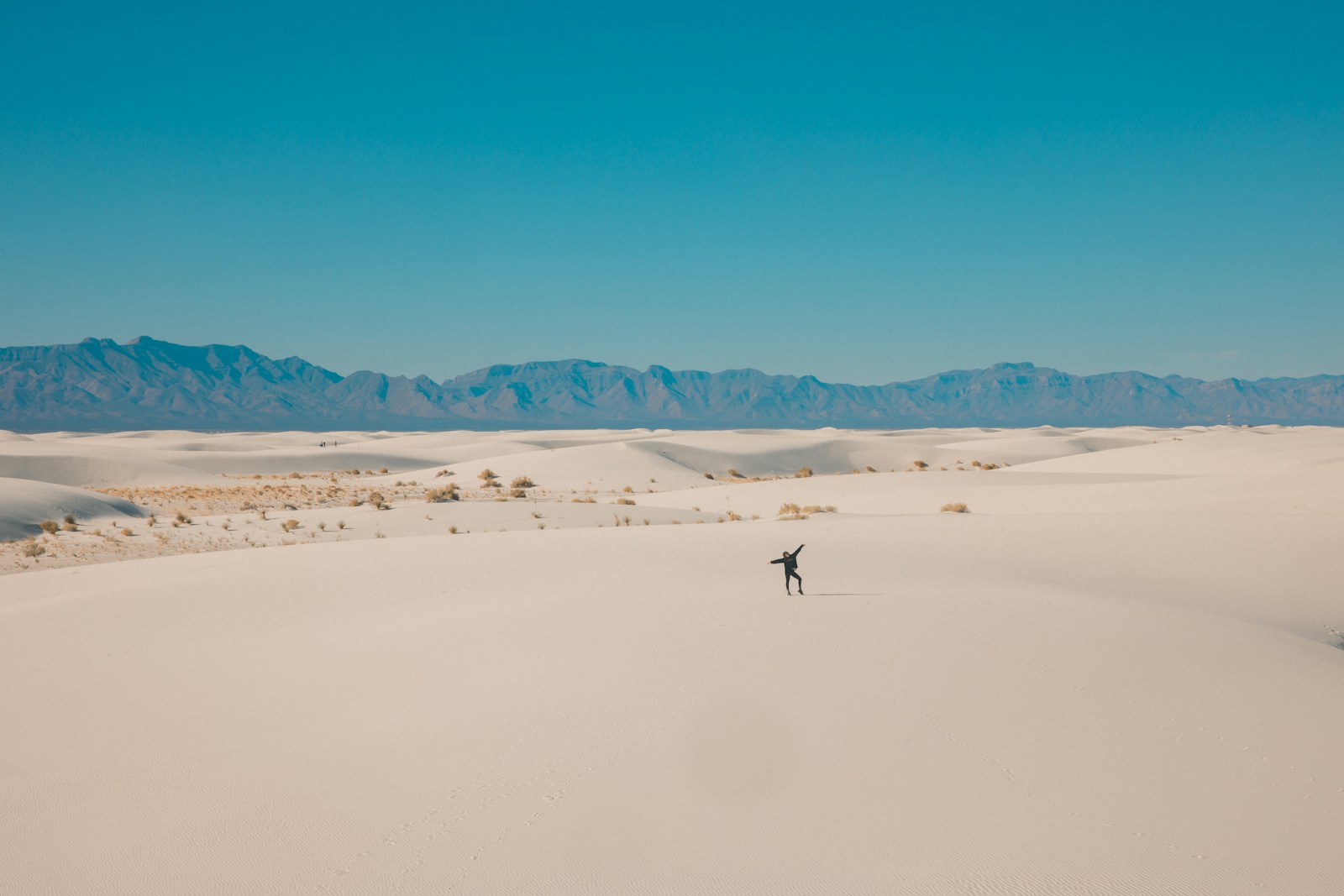
White Sands is among the few parks that are fully closed during this shutdown. Without essential personnel or funding backup, the entire site went off-limits. If you were planning a visit here, you’ll need to pivot to alternative destinations or delay your plans until operations resume.