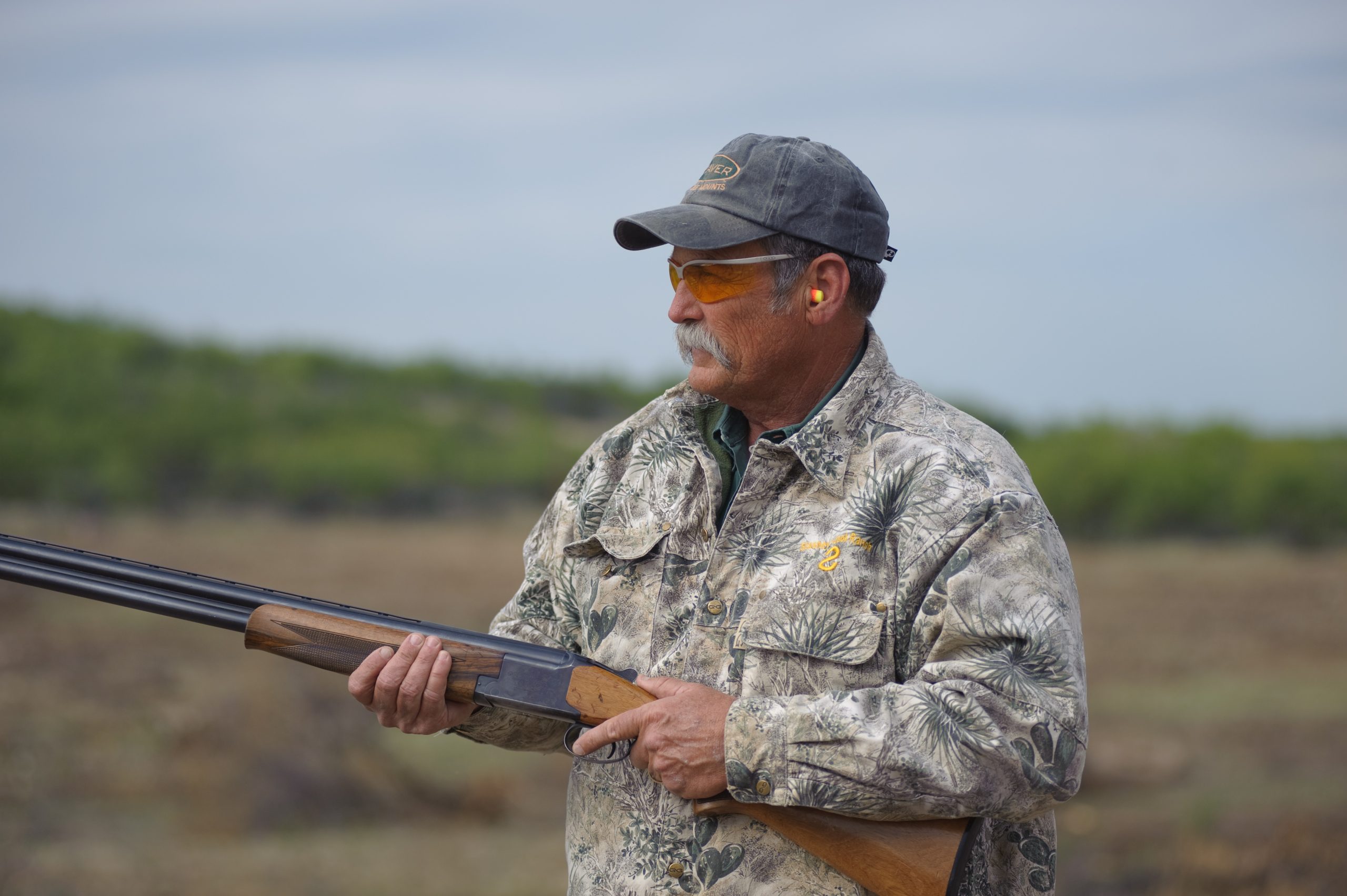
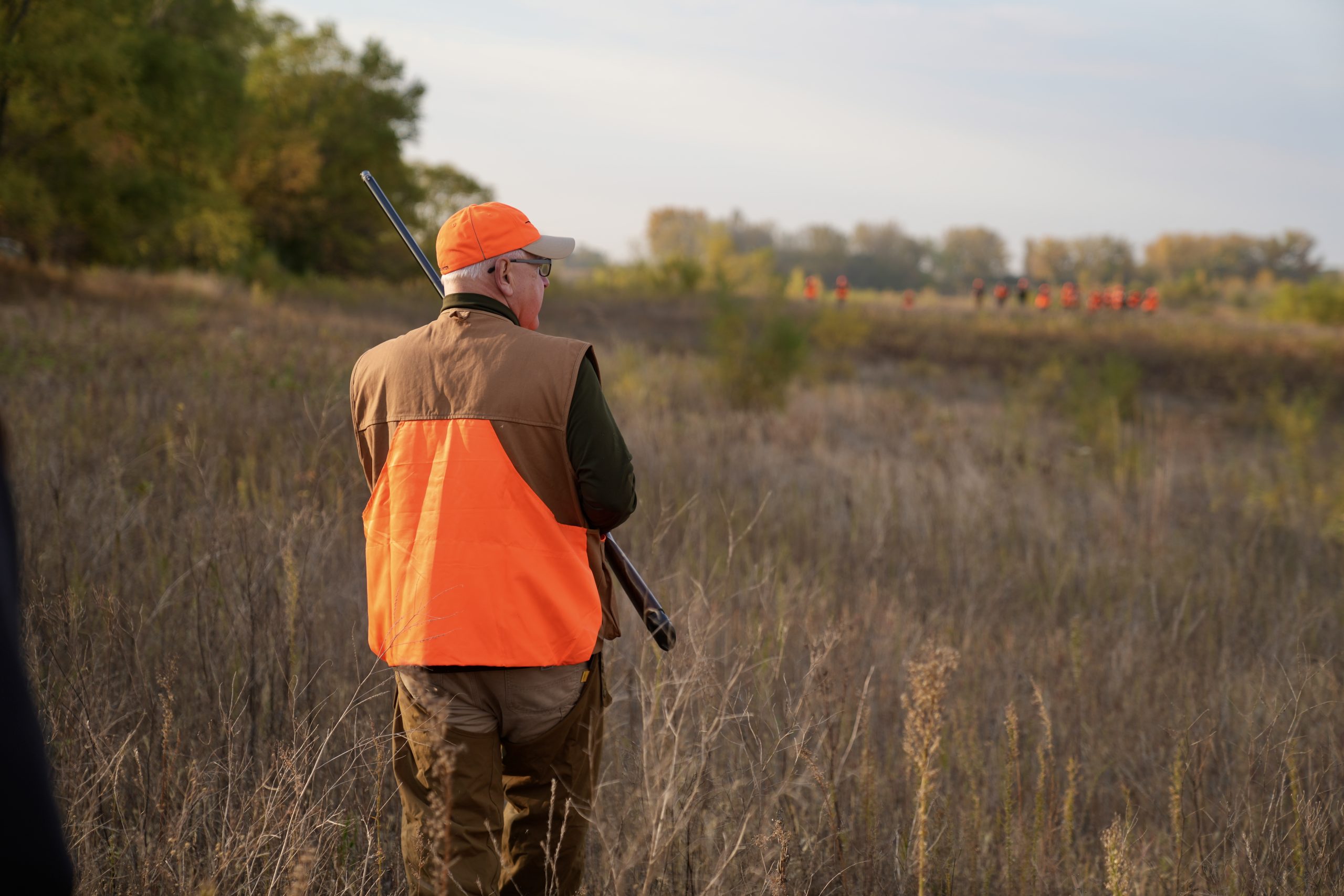
Hunting guides spend far more time around rifles than most hunters ever will. They see what works in freezing weather, rough country, wet conditions, long hikes, and repeated seasons. That experience can make their personal rifle choices surprisingly different from what they recommend to clients. A guide may suggest a familiar, forgiving rifle to a first-time hunter while privately choosing something lighter, more specialized, or simply more enjoyable to carry. Here are 10 rifles and rifle types that illustrate that interesting difference in priorities.
1. Tikka T3x Lite
The Tikka T3x Lite is the kind of rifle a guide may quietly choose for personal use because it keeps weight and complexity under control. Depending on configuration, many versions weigh roughly 6.2 to 7 pounds, making a noticeable difference during a 5-mile mountain hike. Its synthetic stock is practical in wet weather, while the smooth bolt and generally good factory accuracy make it appealing to experienced hunters. Guides may recommend something more familiar to clients, but for themselves, a lightweight Tikka can be an efficient choice when every pound matters.
2. Weatherby Mark V Backcountry
The Weatherby Mark V Backcountry appeals to guides who spend serious time in steep terrain and want to keep a powerful hunting rifle relatively light. Some configurations weigh around 5.5 to 6.5 pounds, depending on chambering and components. The Mark V action has a long-standing reputation, while Weatherby’s lightweight Backcountry concept targets hunters who count ounces. A guide might avoid recommending such a specialized rifle to beginners because its cost, recoil, and focused design can be unnecessary. For an experienced hunter carrying gear for 8 hours, however, saving even 1 pound can be attractive.
3. Bergara B-14 Ridge
The Bergara B-14 Ridge is not the lightest rifle on this list, and that is precisely why some experienced guides appreciate it. Depending on chambering, the rifle is generally around 7 to 8 pounds before optics and accessories. Its synthetic stock and reputation for consistent accuracy make it suited to hunters who value dependable performance more than minimum weight. A guide may recommend a lighter rifle to clients facing long climbs, while personally choosing the heavier Bergara because the extra weight can make the rifle steadier. That tradeoff becomes noticeable after hundreds of hunting days.
4. Ruger American Rifle
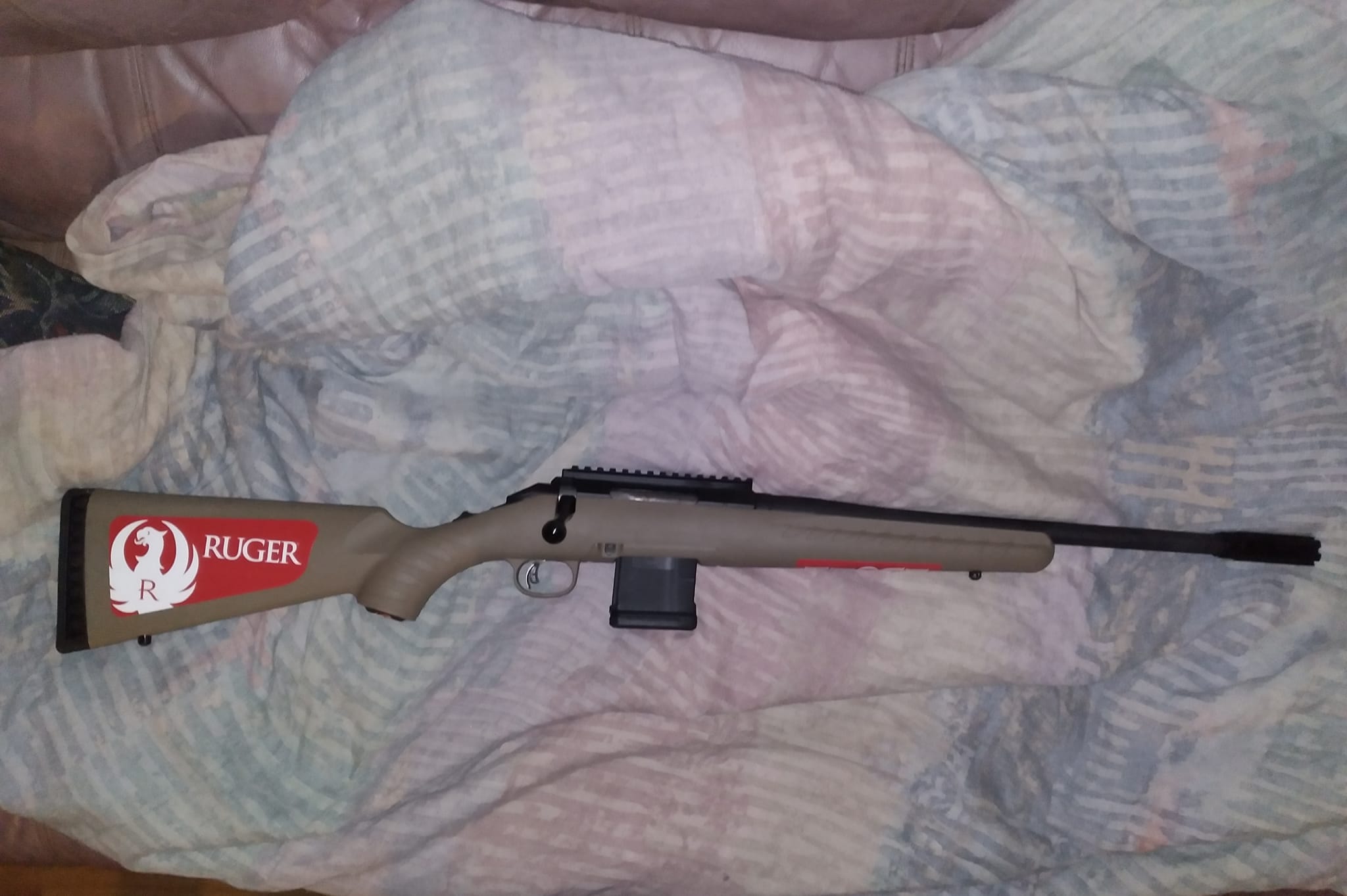
The Ruger American is often associated with value rather than prestige, but experienced guides can appreciate exactly that quality. Many standard models weigh roughly 6 to 7 pounds, while different chamberings and configurations change the final figure. The rifle’s synthetic construction makes it practical for wet camps, dusty trucks, and hard travel. A guide may hesitate to recommend it when a client specifically wants a premium rifle or a particular brand, yet choose one personally because it leaves more money for ammunition, optics, tags, and travel. After 10 seasons, practicality can matter more than appearance.
5. Savage 110 Lightweight
The Savage 110 Lightweight is aimed at hunters who want a traditional bolt-action rifle without carrying excessive weight. Depending on the exact configuration, it can come in around the 5.5 to 6.5-pound range. Its adjustable AccuTrigger is another feature that attracts experienced owners who appreciate a trigger they can configure to their preference. Guides may steer inexperienced clients toward simpler, familiar setups because there are fewer decisions to make. For personal hunting, though, an experienced guide may value the rifle’s adjustability and relatively low carry weight, particularly on long backcountry hunts.
6. Browning X-Bolt
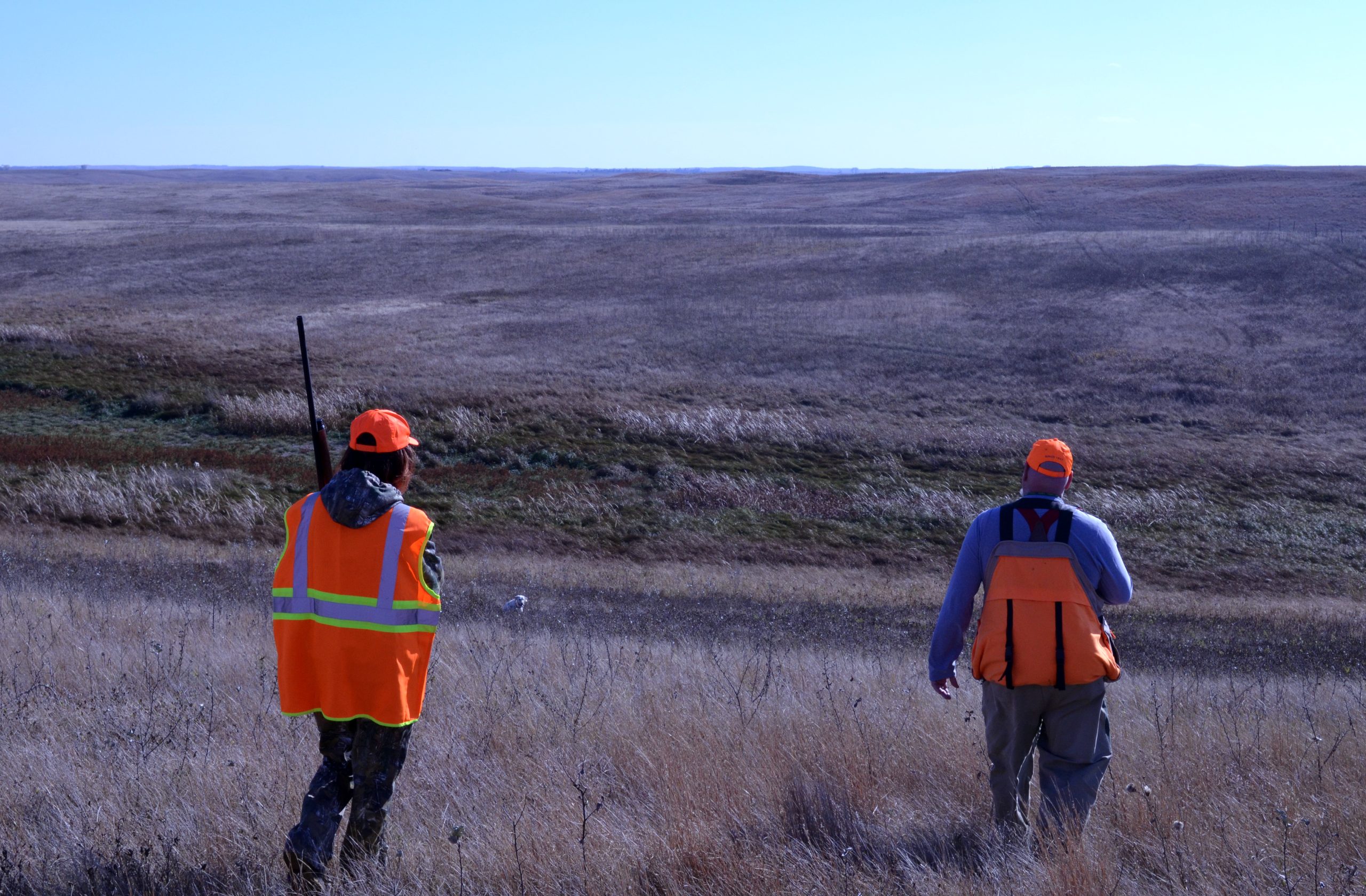
The Browning X-Bolt occupies an interesting middle ground because it combines traditional hunting-rifle characteristics with modern manufacturing. Depending on the model and chambering, many X-Bolt rifles weigh roughly 6 to 7.5 pounds. Guides who hunt for themselves may appreciate its familiar handling, controlled feeding system, and broad selection of configurations. Yet they may recommend a different rifle to clients because the client’s priorities could involve price, recoil, availability, or brand familiarity. After guiding 20 or more hunts in a season, a rifle that simply feels natural can become more valuable than having the newest design.
7. Kimber Mountain Ascent
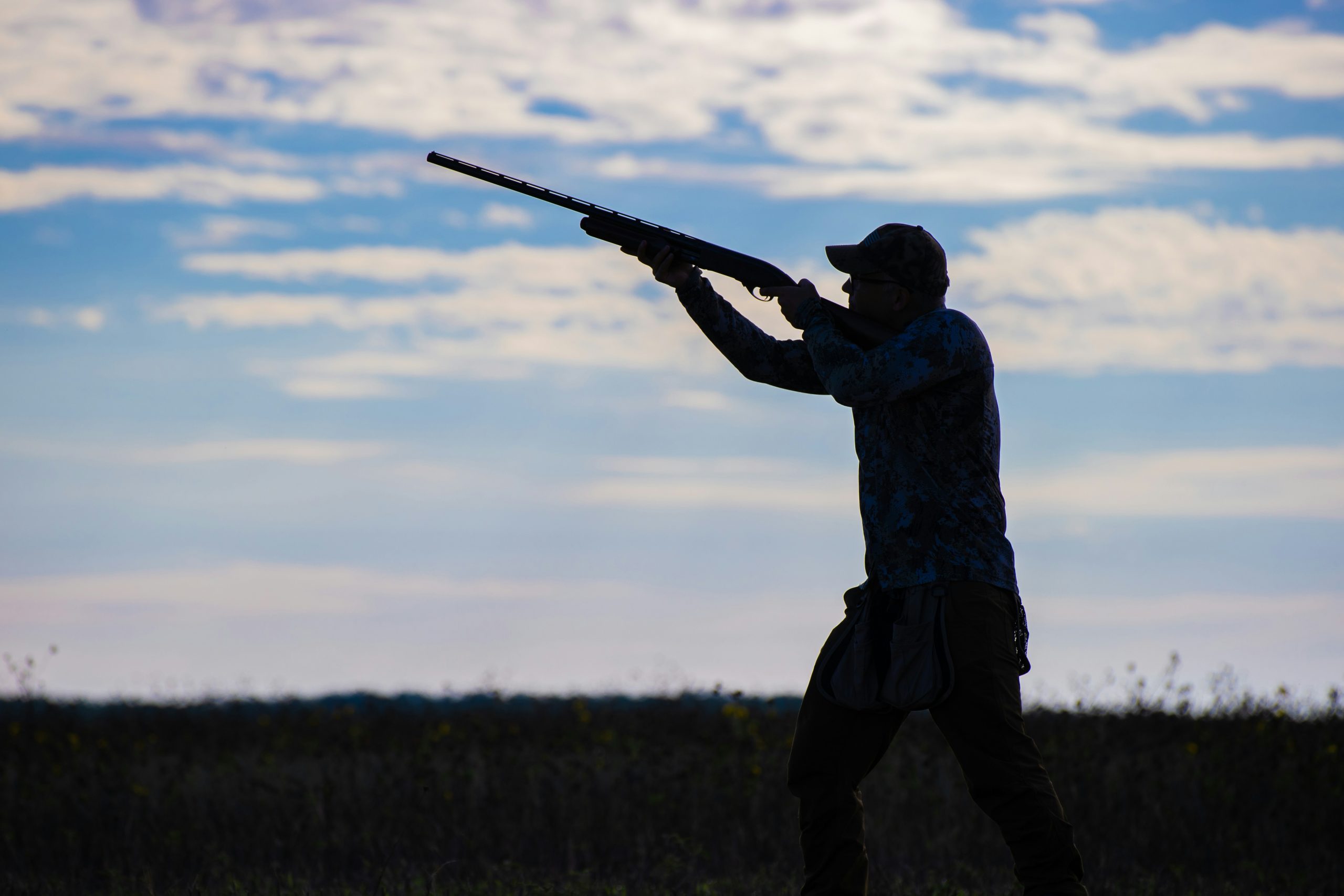
The Kimber Mountain Ascent is the sort of rifle that makes sense to a hunter who spends much of the day walking rather than sitting in one location. Certain configurations weigh close to 5 pounds, although the final weight varies with chambering and equipment. That extreme lightness is attractive in steep country, where a rifle carried for several hours becomes part of the physical workload. Guides may not recommend such a rifle to every client because lightweight rifles can cost more and can be less comfortable with heavier-recoiling cartridges. For an experienced guide who knows exactly what he wants, however, the weight savings can be compelling.
8. Winchester Model 70 Featherweight
The Winchester Model 70 Featherweight appeals to guides who still enjoy the character of a classic hunting rifle. Depending on configuration, it generally sits around 6.5 to 7.5 pounds. Its traditional stock design, familiar bolt-action layout, and long history make it attractive to hunters who value proven patterns rather than chasing every new feature. A guide may recommend a simpler modern rifle to a client concerned about cost or ease of use, while privately choosing a Featherweight because it combines portability with traditional handling. For someone hunting several weeks each year, that familiarity can become part of the appeal.
9. Christensen Arms Ridgeline
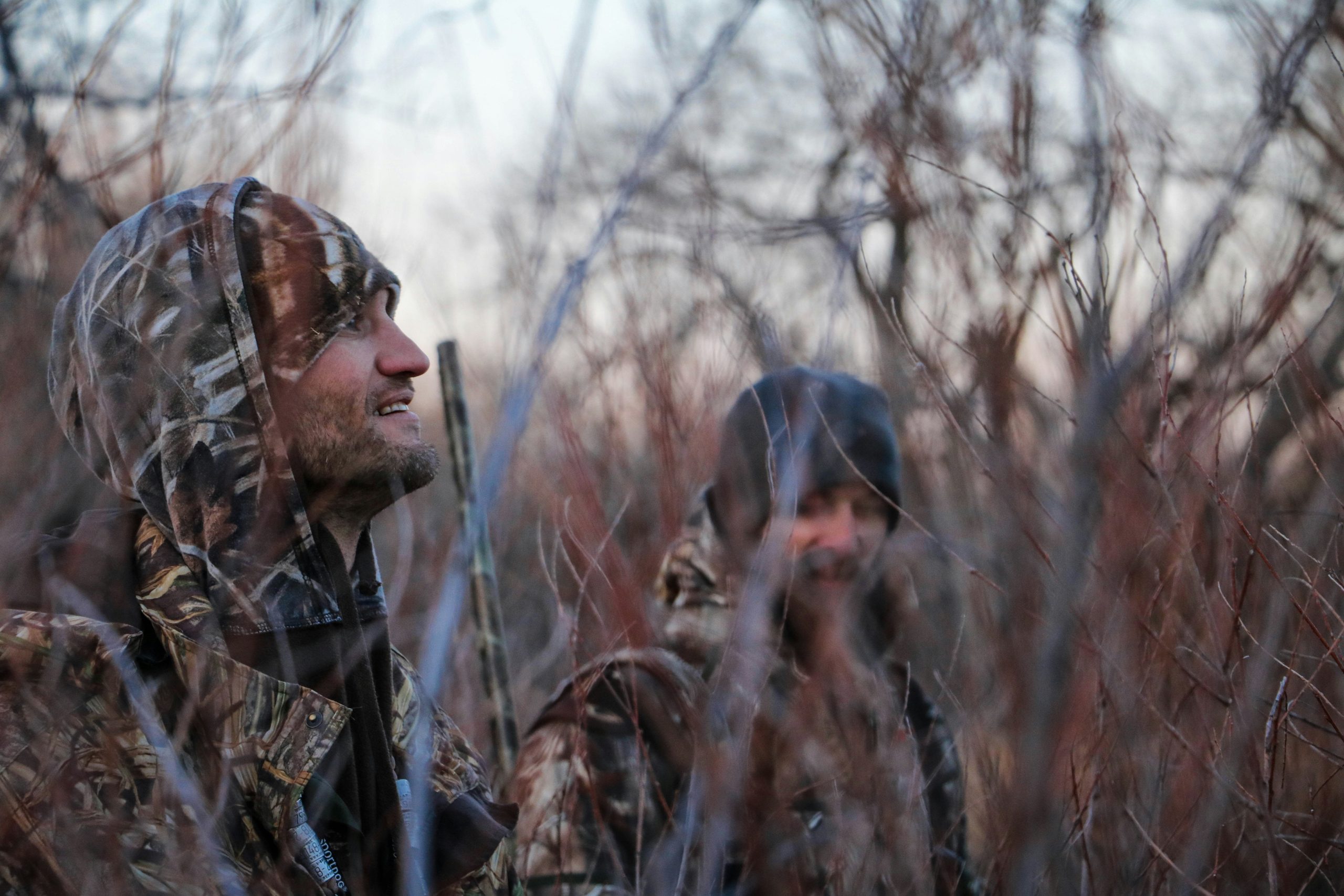
The Christensen Arms Ridgeline is another rifle that can attract guides who prioritize low weight without completely abandoning a conventional hunting-rifle feel. Many configurations fall around 6 to 7 pounds, although chambering and barrel length affect the total. Its carbon-fiber-wrapped barrel and lightweight construction are particularly appealing for hunters covering difficult terrain. A guide may not recommend it to every client because the price can be considerably higher than mainstream hunting rifles. Personally, however, a guide who spends 10 or more days each year climbing mountains may consider the reduced carrying burden worth the additional expense.
10. Remington Model 700
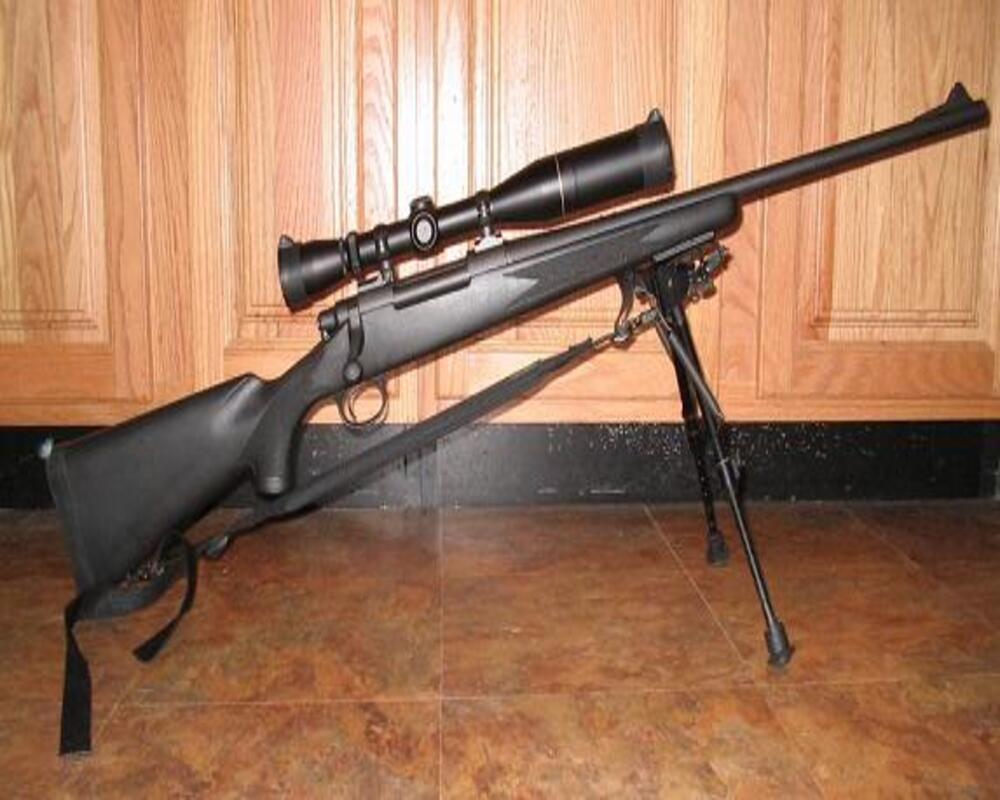
The Remington Model 700 remains a fascinating personal choice because generations of hunters and guides have built their preferences around the platform. Weight varies widely by model, with many traditional versions landing around 7 to 8 pounds. Its enormous aftermarket and long production history have also made it familiar to experienced rifle owners. A guide might recommend a newer rifle to a client seeking modern features and factory support, while personally keeping a trusted Model 700 because it has years of familiarity behind it. For some hunters, knowing exactly how a rifle handles matters more than owning the latest model.