A police officer’s home firearm collection can look very different from one department to another. Some officers take an issued duty pistol home, while others may own an approved personal handgun in addition to their service weapon. Modern American law enforcement is dominated by 9mm semi-automatic pistols, with Glock, SIG Sauer, and Smith & Wesson among the most recognizable names. Older revolvers and classic service pistols can also remain in personal collections. The important distinction is that an officer does not automatically have permission to keep a department firearm at home; agency policy and applicable law determine what is authorized and how it must be secured.
1. Glock 17
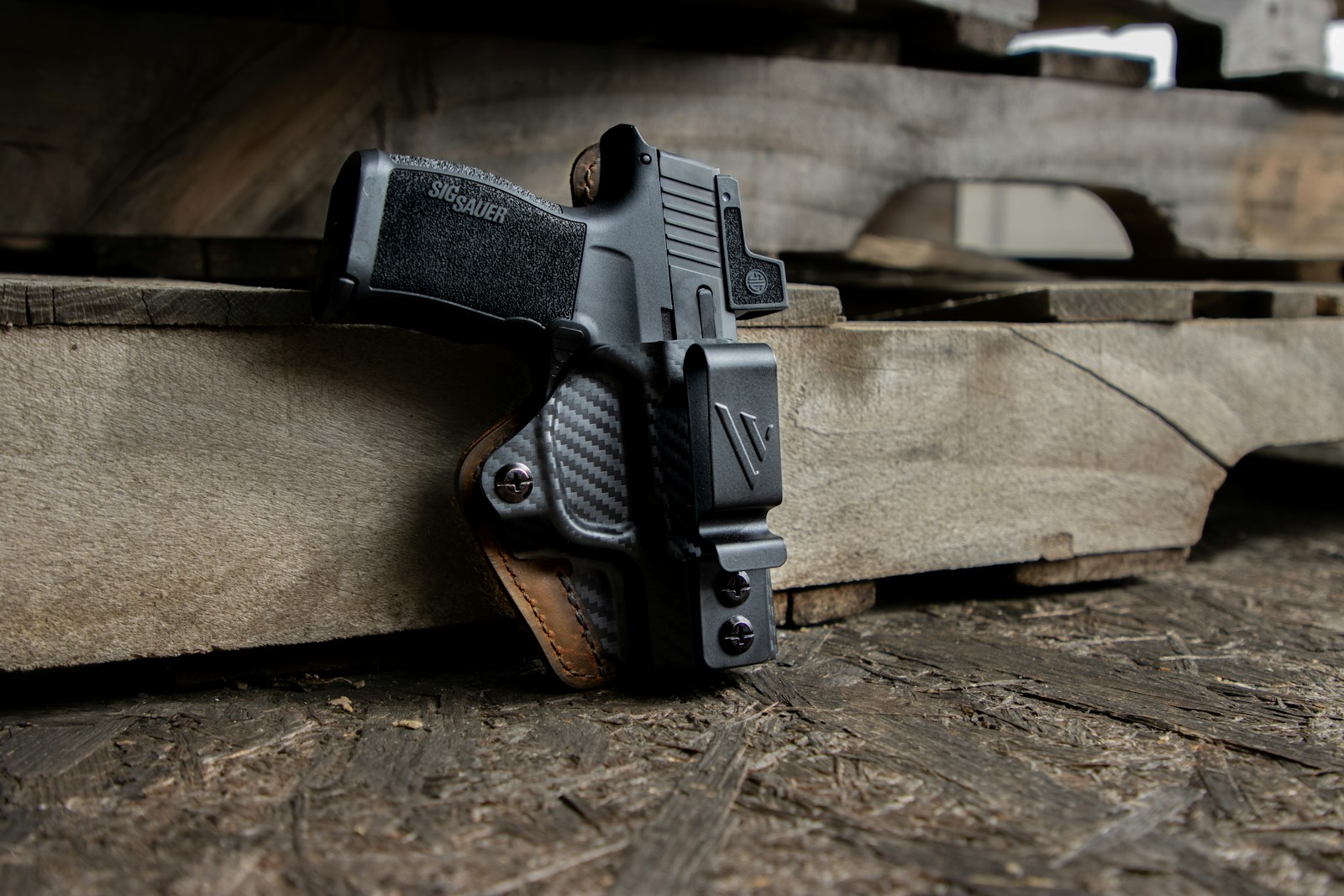
The Glock 17 remains one of the most recognizable duty pistols in American policing. Introduced in 1982, it uses a 9×19mm cartridge and a standard 17-round magazine, giving it the capacity expected from a modern service sidearm. Its polymer frame also keeps weight relatively low. Officers who take an agency-approved duty pistol home may encounter the Glock 17 because it is widely issued, although policies vary by department. Its simple controls and large accessory ecosystem have helped it remain common for decades. The important point is that home storage is governed by agency rules, not by the model itself. Its long service history keeps it familiar to many officers.
2. Glock 19
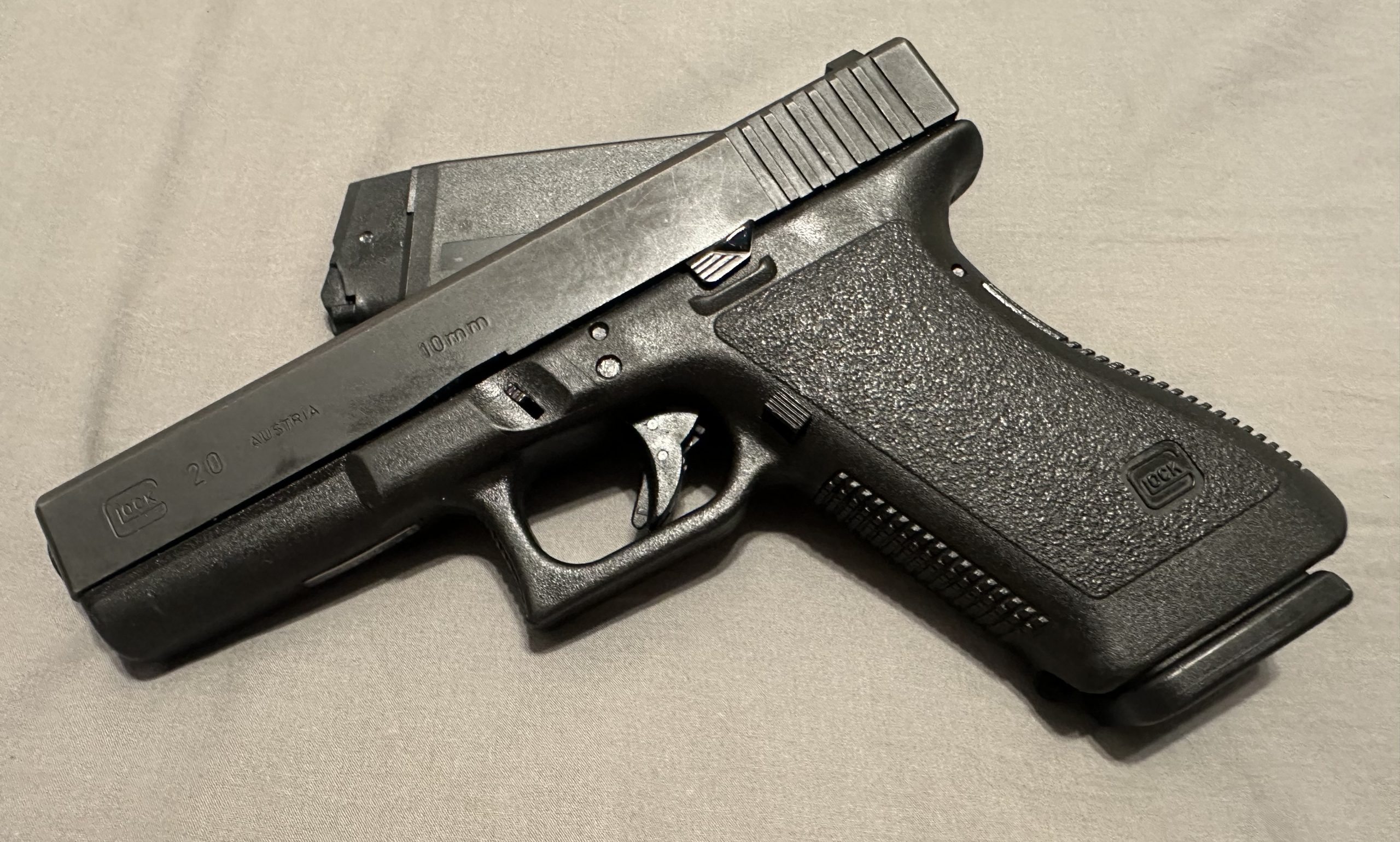
Glock 19 is smaller than the Glock 17 but retains the same 9×19mm chambering and a standard 15-round magazine. That combination has made it useful for both duty and approved off-duty roles. Introduced in 1988, the compact pistol became especially recognizable among detectives and officers who need a less bulky sidearm. A law enforcement officer may therefore have one at home when department policy permits personal or take-home firearms. The exact arrangement differs widely between agencies. Secure storage is normally required whenever an issued weapon is not under the officer’s direct control. Its compact size also suits approved off-duty use.
3. SIG Sauer P320
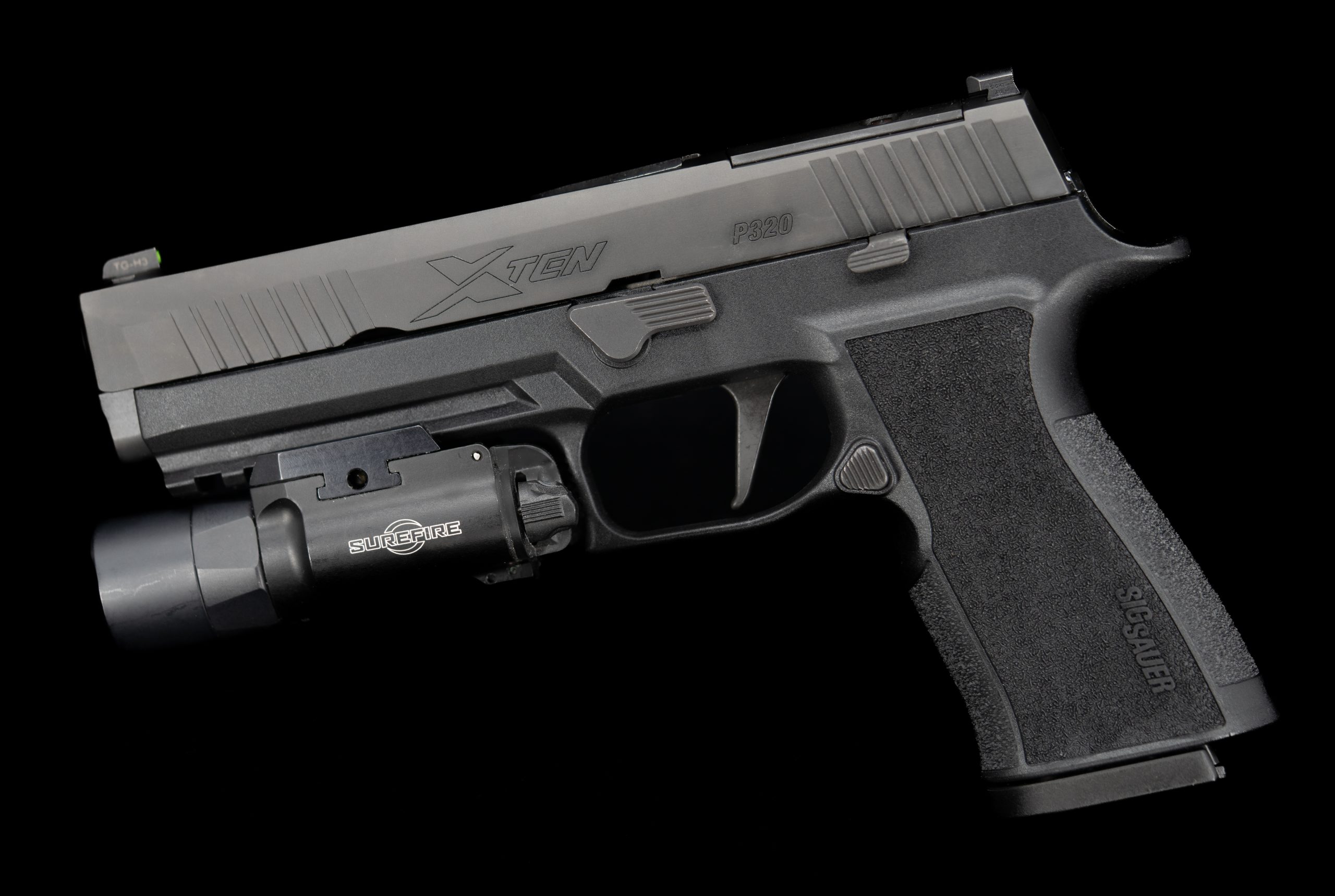
The SIG Sauer P320 has become another major name in modern law enforcement service pistols. Introduced commercially in 2014, the striker-fired design is chambered in 9×19mm in many duty configurations and uses a modular fire-control system. Magazine capacity varies by model, with 17-round versions common in full-size configurations. The platform’s modularity allows agencies to select different frame and slide sizes while retaining the same basic system. Officers authorized to keep a P320 at home must follow their department’s storage requirements, which can include a locked safe or other approved security measure. Departments, however, decide whether take-home possession is allowed.
4. Smith & Wesson M&P9
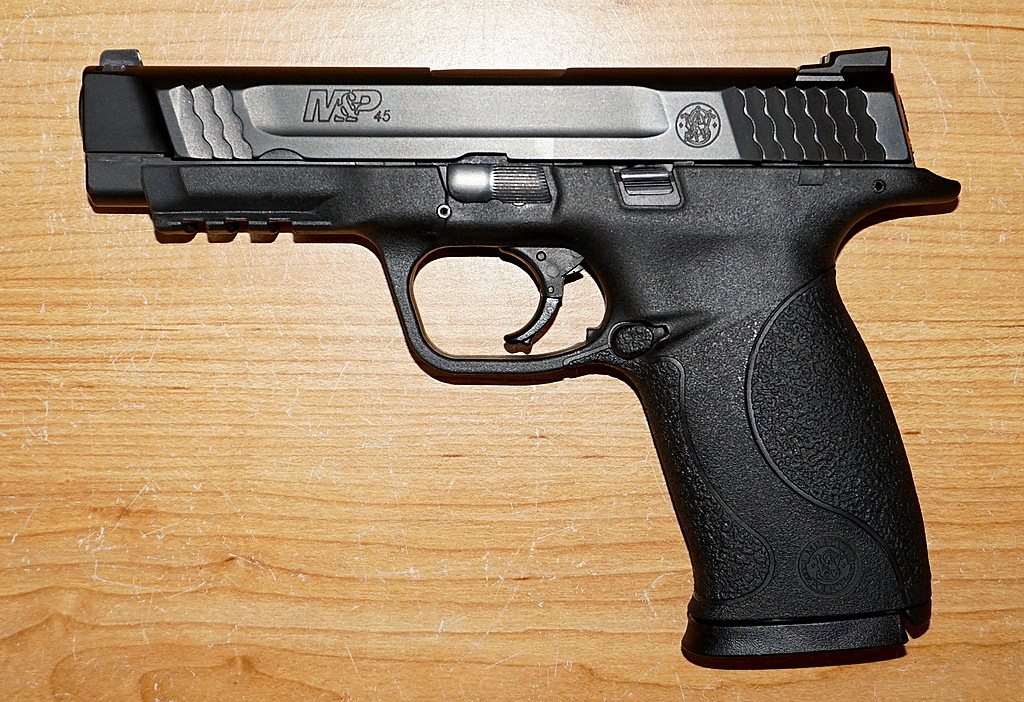
Smith & Wesson’s M&P9 is a familiar law enforcement pistol built around a polymer frame, striker-fired action, and 9×19mm cartridge. The M&P family was introduced in the 2000s and developed into numerous duty and compact variants. Full-size models commonly use 17-round magazines, although capacity changes with the specific version. Its interchangeable grip components were designed to accommodate different hand sizes, an important consideration for agencies issuing firearms to many officers. Whether an officer keeps an M&P9 at home depends on department authorization and local law, rather than simply being a police employee. Later M&P versions also support common duty accessories.
5. Beretta 92
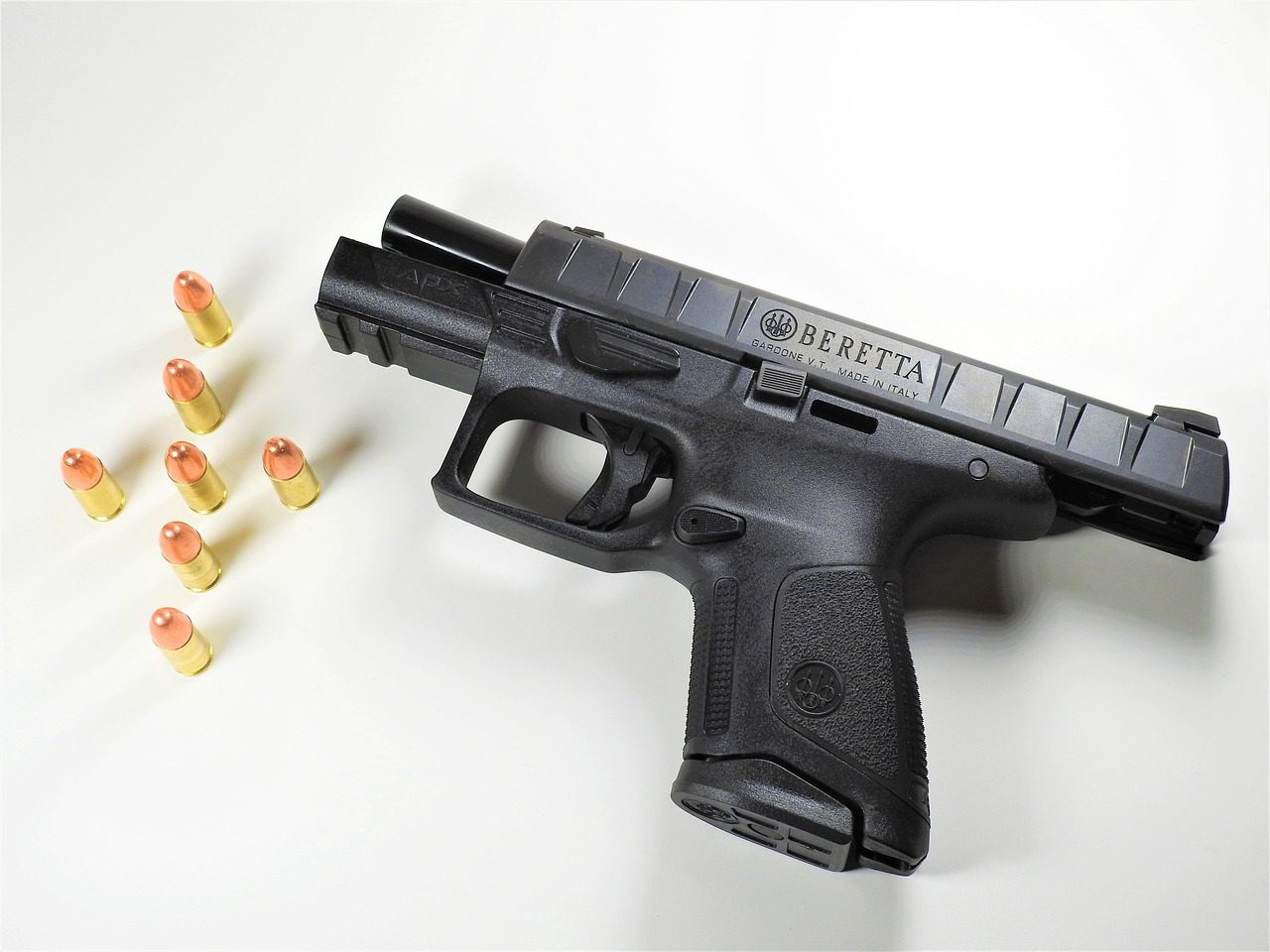
The Beretta 92 family has a long law enforcement history and remains recognizable even as many agencies have moved to newer striker-fired pistols. The 92FS, adopted by the U.S. military as the M9 in 1985, uses a 9×19mm cartridge and a 15-round standard magazine. Its aluminum frame and open-slide design distinguish it from polymer-framed competitors. Some officers may still encounter Beretta pistols through agency inventories, approved personal firearms, or older service arrangements. Home possession of an issued pistol is never automatic, because each department can impose its own storage and authorization rules. Its long service history helps explain its continued recognition.
6. SIG Sauer P226
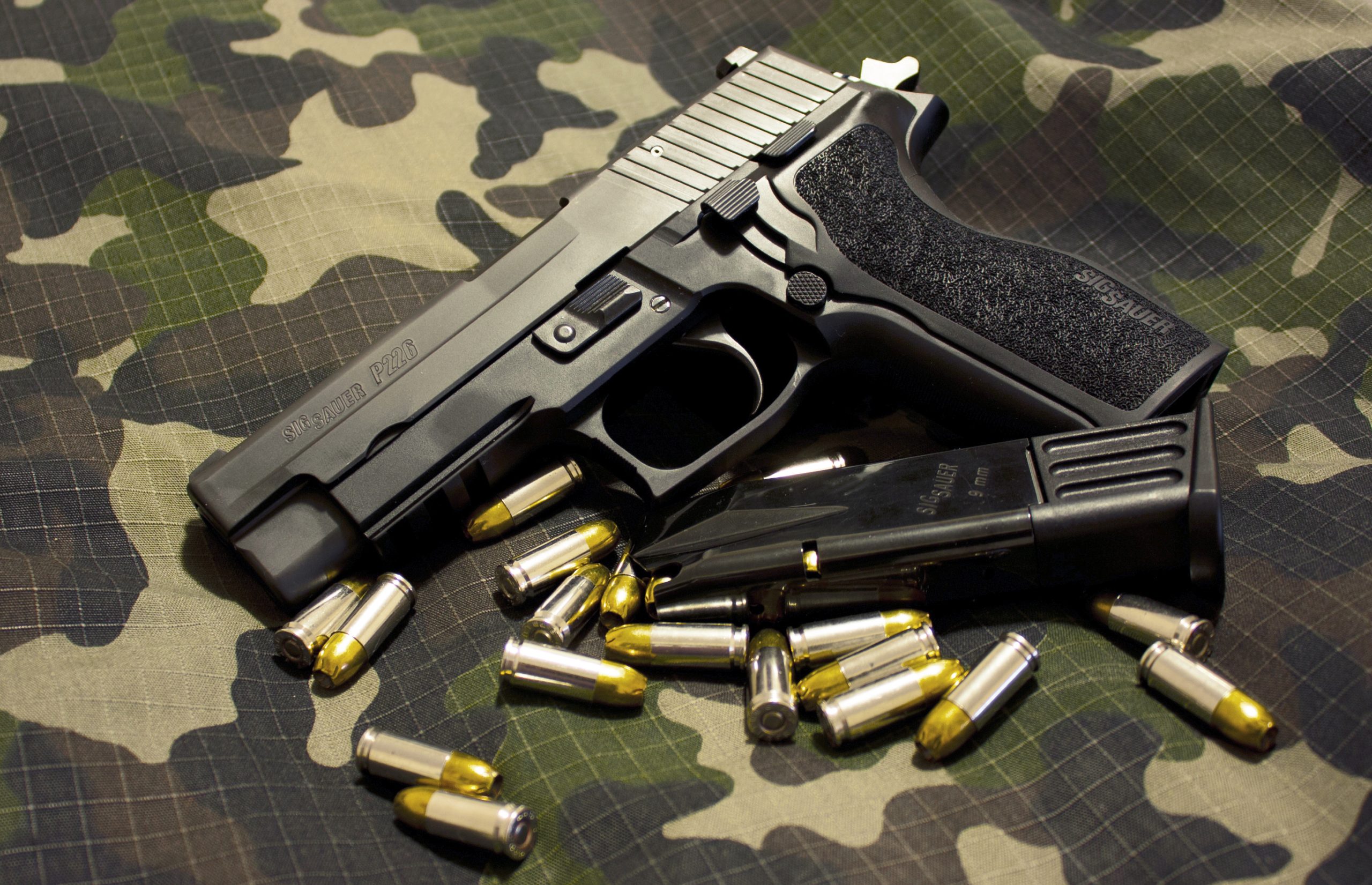
The SIG Sauer P226 became strongly associated with American federal and law enforcement service after entering production in the 1980s. The full-size pistol uses a 9×19mm cartridge in one of its best-known configurations and commonly holds 15 rounds in a standard magazine. Its metal frame and double-action/single-action operating system give it a different feel from today’s lightweight striker-fired pistols. Officers who are authorized to retain an agency-issued P226 at home must still comply with departmental storage procedures. Some agencies require a dedicated safe or locking device whenever the pistol is not being carried. Metal construction reflects a past generation of duty pistols.
7. Heckler & Koch USP
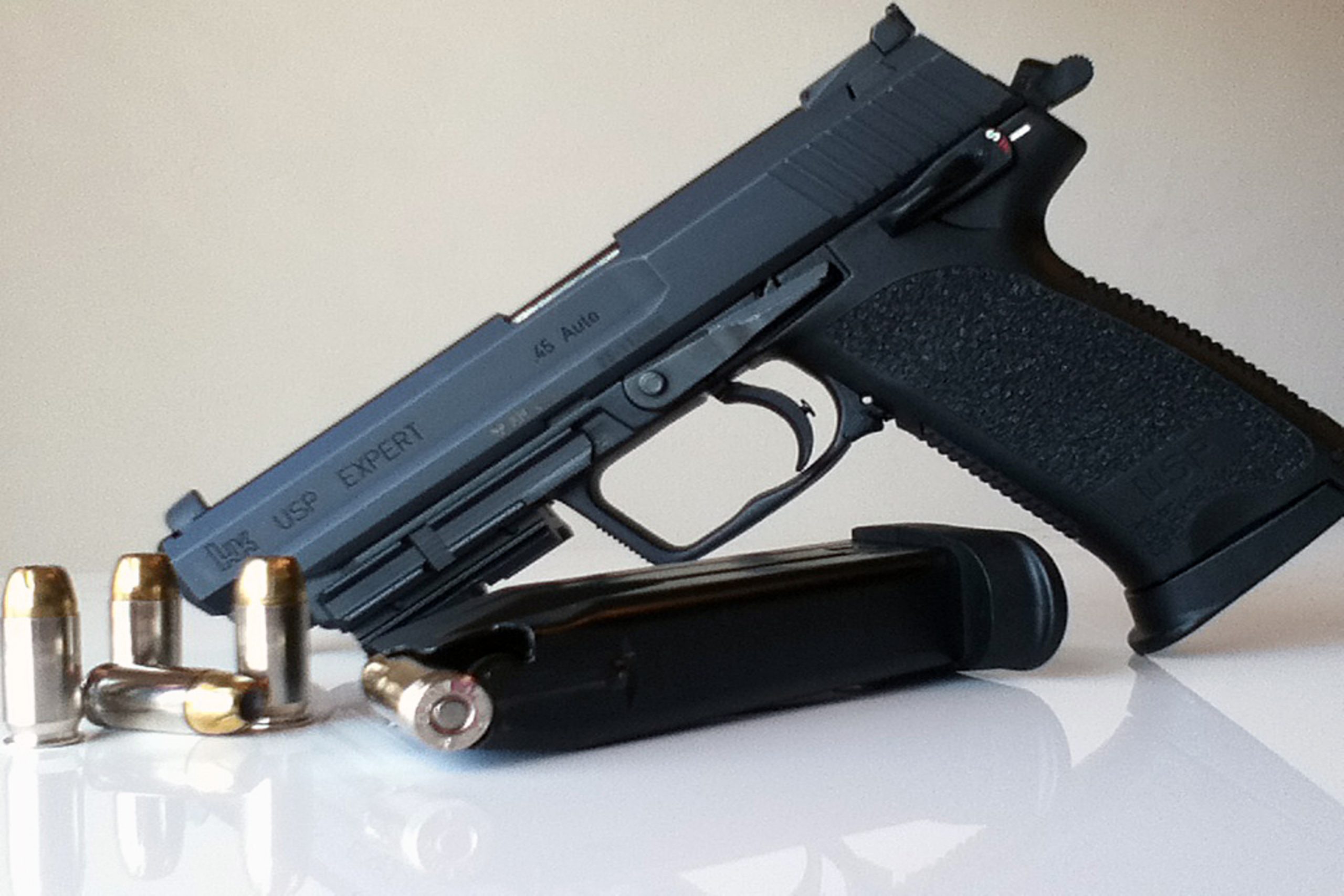
The Heckler & Koch USP has served military and law enforcement users since its introduction in 1993. Its polymer frame, recoil-reduction system, and multiple trigger configurations allowed the USP family to be adapted to different institutional requirements. The 9mm USP commonly uses a 15-round magazine, while other chamberings and capacities exist. Because the platform has appeared in specialized and general service roles, an officer may encounter one at home where agency rules permit take-home weapons. Its presence should not be treated as universal, since American departments differ greatly in approved models and storage policies. Exact trigger setup depends on the selected USP variant.
8. FN 509
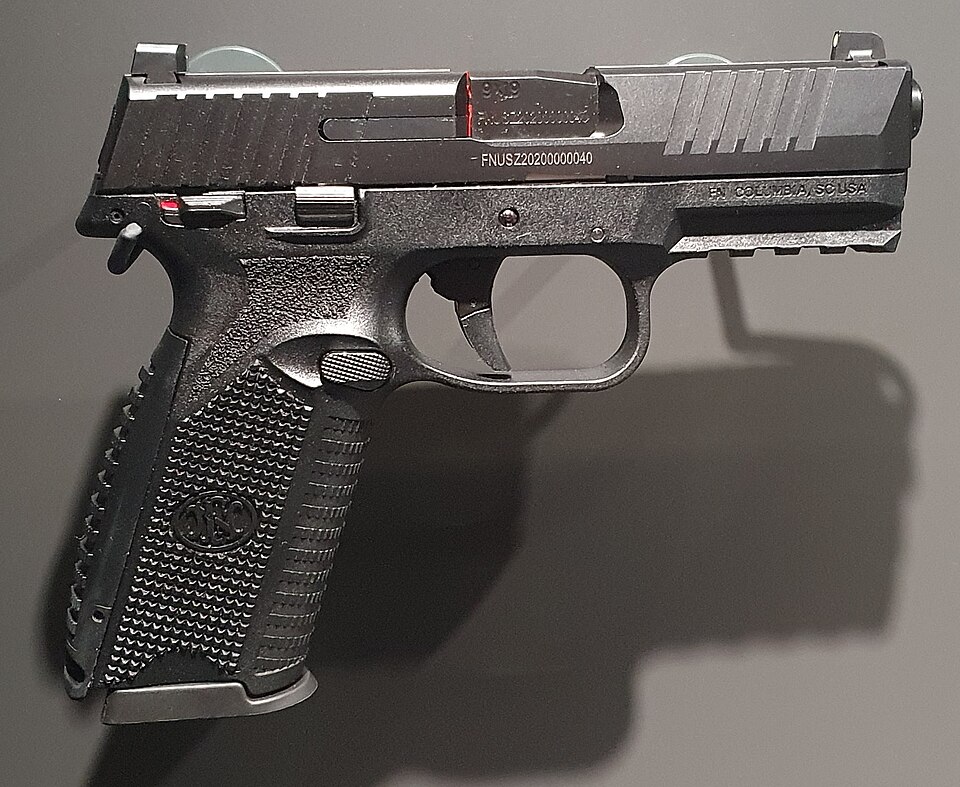
The FN 509 represents a newer generation of duty pistols that has gained attention in American law enforcement. Introduced in 2017, it is a striker-fired 9×19mm pistol with a polymer frame and a standard full-size magazine capacity commonly listed at 17 rounds. Its design was developed from FN’s military pistol work and adapted for duty use. An officer issued or authorized to carry a 509 may be required to secure it at home when off duty. Department rules can specify a locked safe, lockbox, or other approved method, so the pistol’s ownership status alone does not determine storage. It remains one of several modern duty options for many agencies.
9. Smith & Wesson Model 686
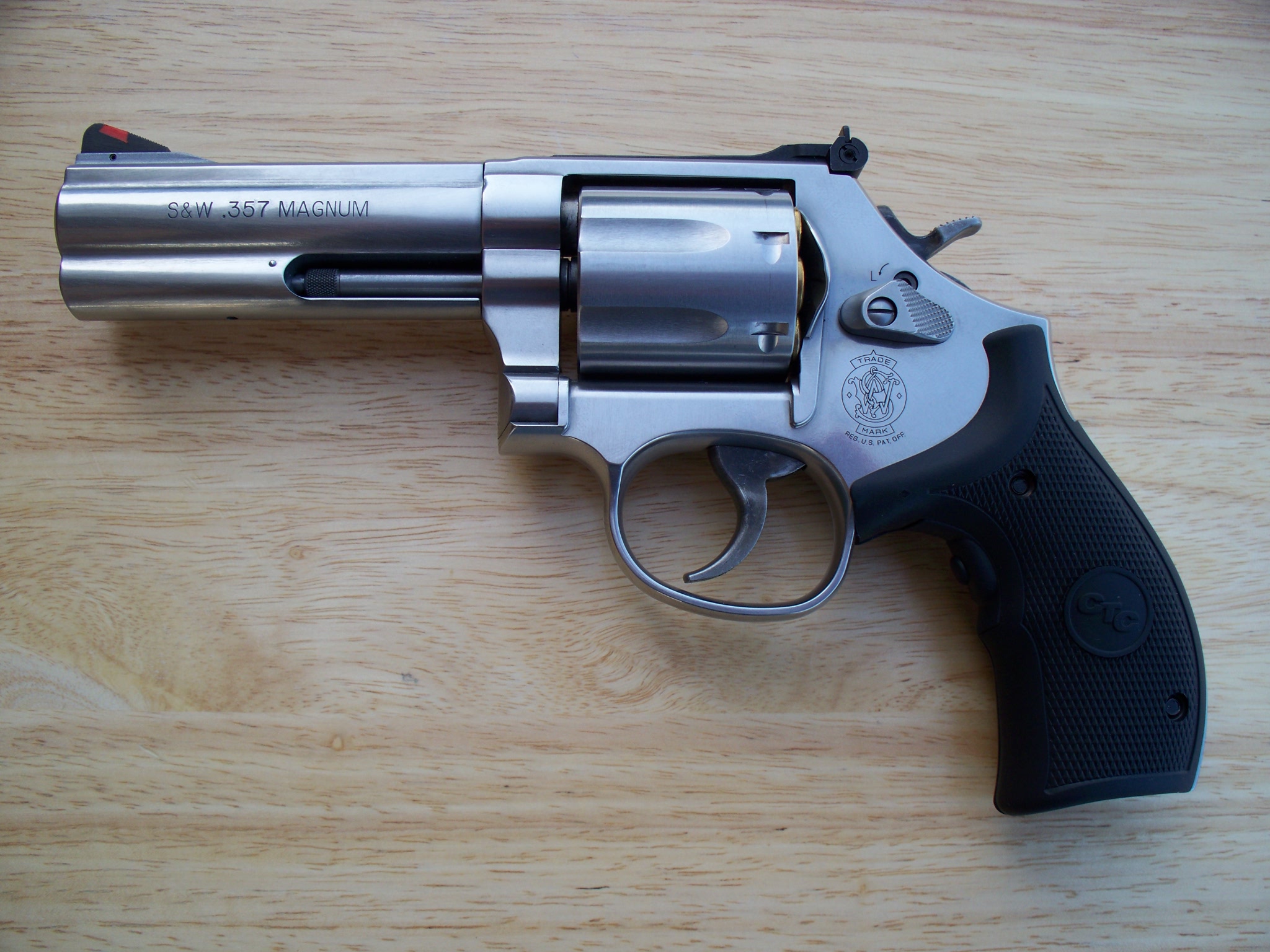
The Smith & Wesson Model 686 shows that police firearms kept at home are not limited to modern semi-automatic pistols. This stainless-steel revolver, introduced in 1980, is chambered for .357 Magnum and holds 6 rounds. Although many departments moved away from revolvers during the late 20th century, revolvers can still appear as authorized personal firearms or legacy equipment. An officer might therefore own or retain one at home even when the department’s current duty pistol is a 9mm semi-automatic. Any storage arrangement remains subject to applicable law and agency policy. Its six-shot cylinder shows how much police sidearms have changed today.
10. Colt M1911
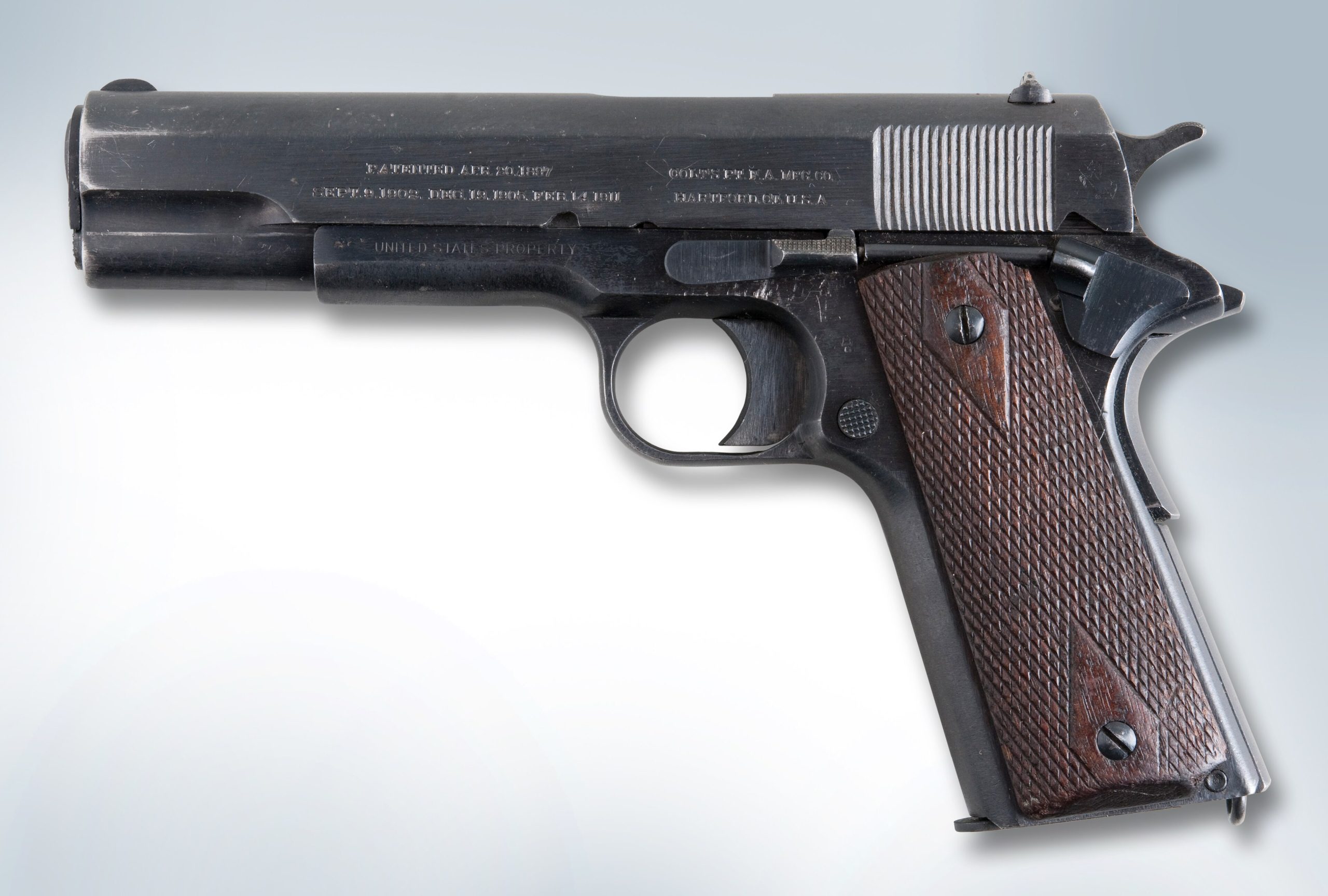
The Colt M1911 remains another possible home firearm among officers with older service backgrounds or approved personal collections. Adopted by the U.S. military in 1911, the classic design is chambered in .45 ACP, and the original military pattern used a 7-round magazine. Its single-action design and metal construction differ sharply from today’s common polymer-framed pistols. Some law enforcement agencies historically issued the 1911, while others permit qualified officers to use approved variants. It is therefore better described as a historically significant officer-owned option than as a pistol every officer keeps at home. Today, it is more historical than standard issue.