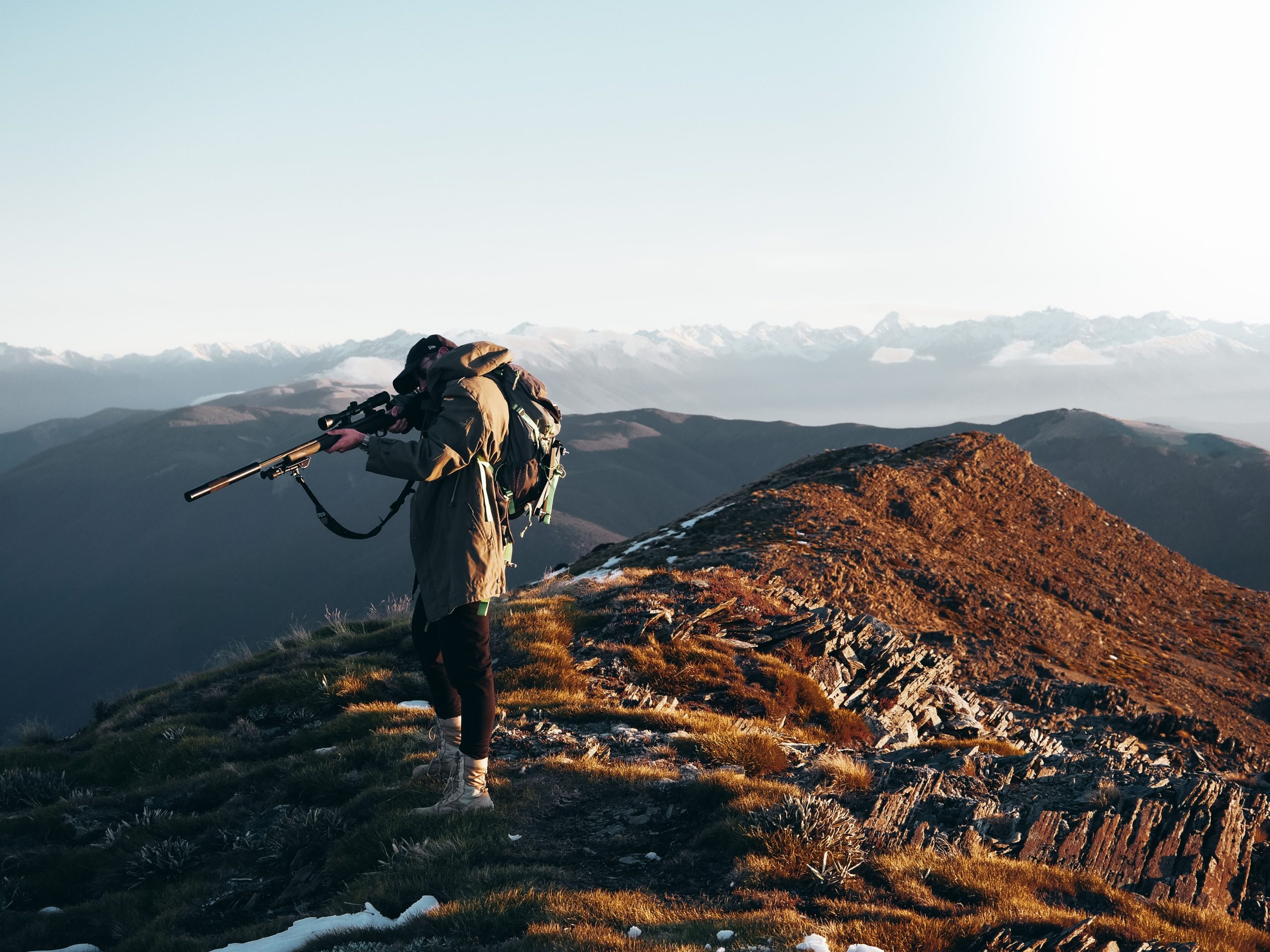
High-altitude hunting presents challenges that go beyond finding game in remote mountains. Thinner air, steep terrain, unpredictable weather, and limited access can turn an ordinary day outdoors into a demanding test of endurance and preparation. Hunters pursuing elk, mule deer, or mountain-dwelling sheep often need to adjust their physical conditioning, clothing, navigation, and expectations. Conditions can change dramatically between elevations, even within the same mountain range. Understanding these seven differences helps explain why hunting at 8,000 feet can feel entirely different from covering similar ground at 2,000 feet.
1. Thinner Air Makes Every Climb More Demanding
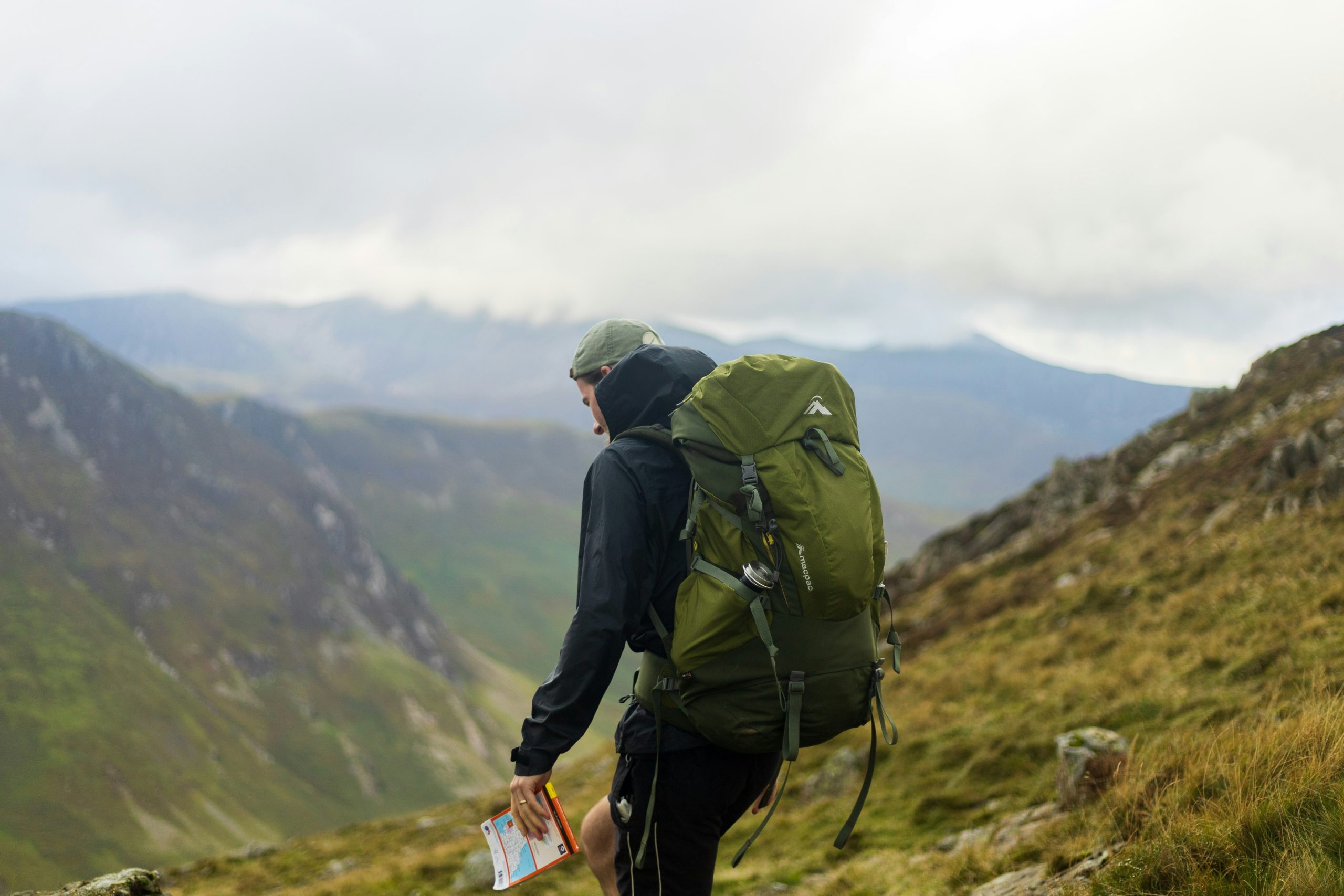
At elevations above 8,000 feet, the body receives less oxygen with each breath than it does near sea level. For example, the National Park Service notes that effective oxygen availability at 8,000 feet is about 75% of sea-level levels. A climb that feels manageable at 2,000 feet may leave a hunter breathing heavily much sooner in the mountains. Carrying a rifle, binoculars, food, and other equipment adds to the strain. Spending 2 to 3 days acclimatizing, when practical, and starting with a slower pace can help reduce the effects of sudden elevation gain.
2. Steep Terrain Demands Better Physical Preparation
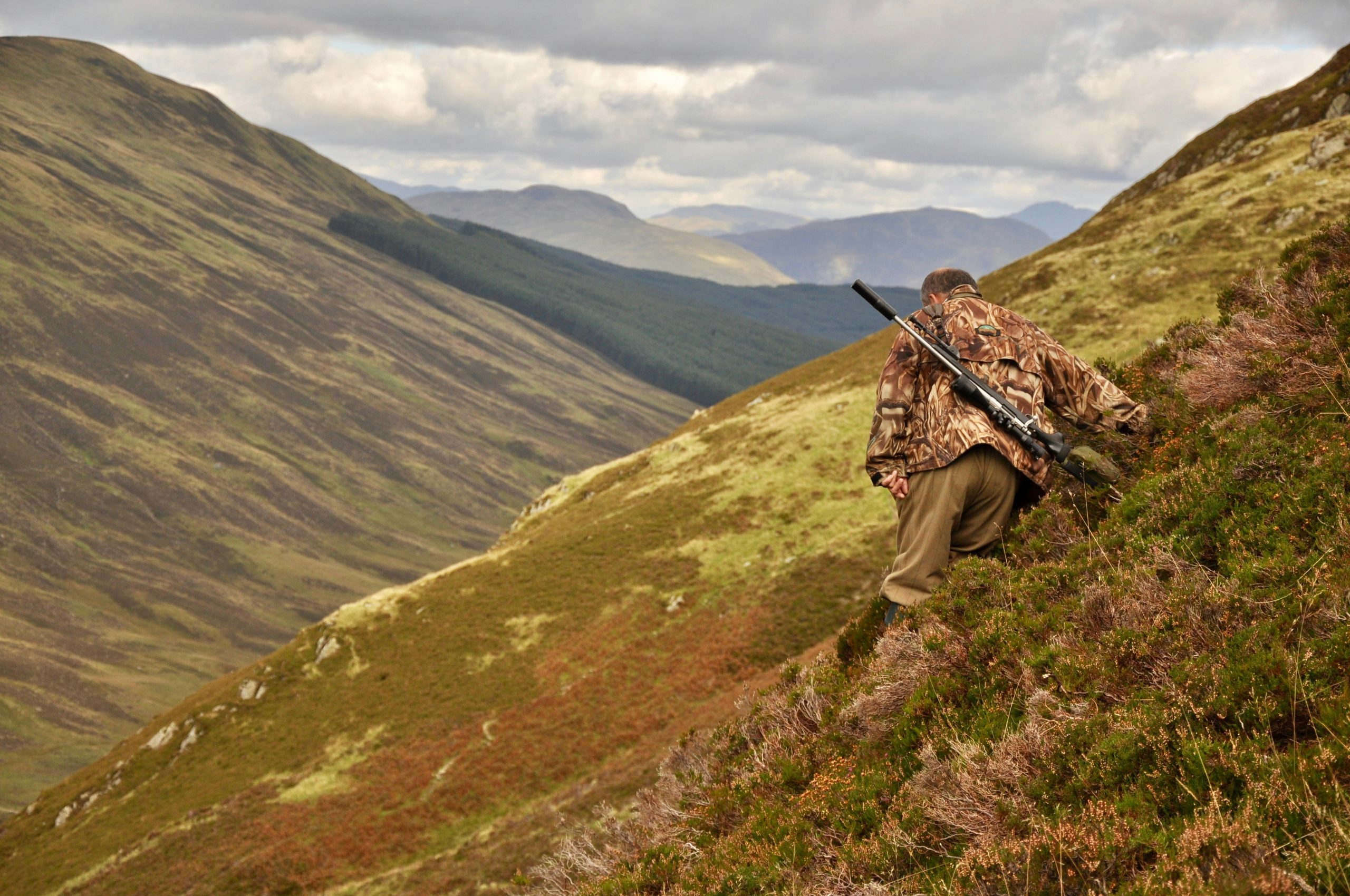
Lower-elevation hunting often involves relatively gentle trails, rolling hills, or flat woodland, while mountain hunting can require traversing steep slopes, loose rocks, and narrow ridgelines. A route covering just 3 miles may involve thousands of feet of elevation gain and loss. Each uphill step increases the workload, while descending places additional stress on the knees and ankles. Conditioning should begin several weeks before the trip, with hill walking, stair climbing, and loaded hikes suited to the hunter’s fitness. Trekking poles and supportive boots can improve balance, but no equipment eliminates the risks of unstable ground.
3. Mountain Weather Can Change Within Hours
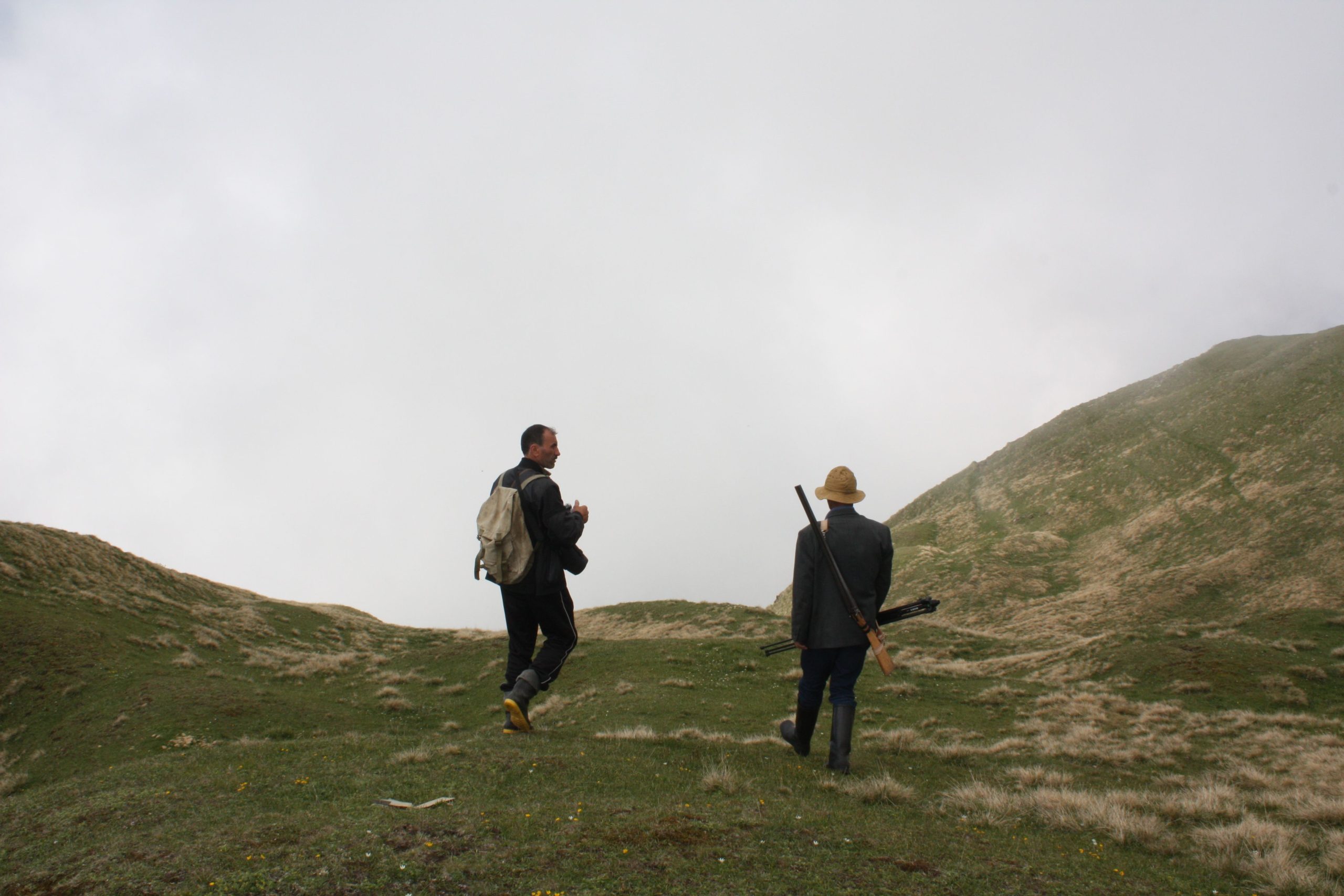
A clear morning at 7,000 feet does not guarantee comfortable conditions by midday. Temperatures can drop rapidly as elevation increases, while strong winds, rain, snow, and thunderstorms may arrive with little warning. A difference of several thousand feet can also produce noticeably different conditions across the same hunting area. Hunters should check forecasts before leaving camp and carry waterproof outerwear, insulating layers, gloves, and dry spare clothing. A lightweight emergency shelter and a dependable weather-resistant map are useful additions. If lightning approaches, exposed ridges and summits become dangerous places to remain.
4. Game Animals Use Different Mountain Habitats
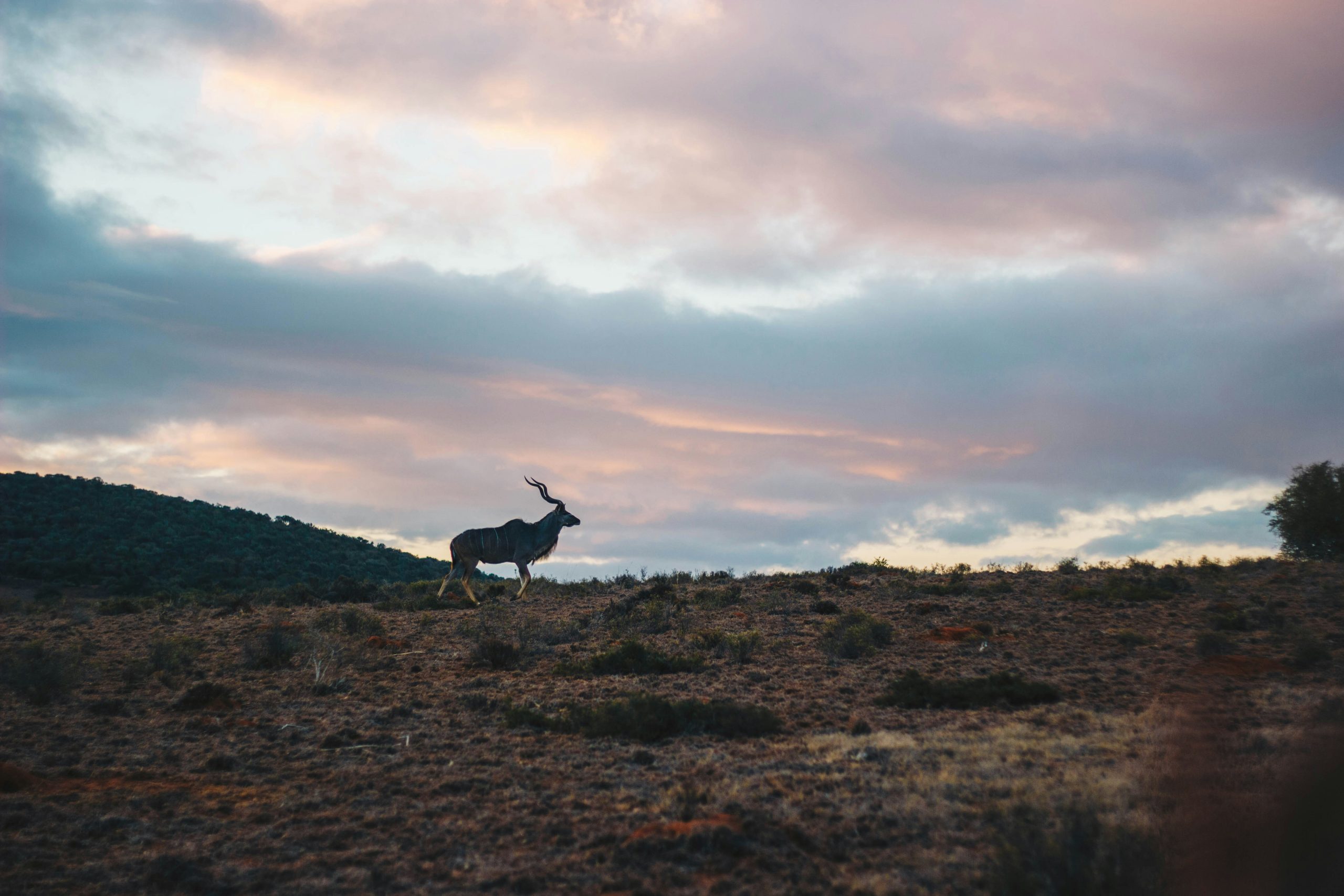
Species such as mule deer, elk, and mountain sheep use elevation, vegetation, and terrain differently according to season, food availability, weather, and hunting pressure. Mule deer may feed in open alpine meadows and retreat to timber or sheltered slopes, while elk often use a mixture of forest cover and feeding areas. In some regions, animals move several thousand feet vertically between seasonal ranges. Hunters therefore need to study topographic maps, local wildlife information, and recent habitat conditions instead of assuming that familiar lowland patterns will apply. Learning where animals find food, water, and security cover can make scouting more productive.
5. Navigation Becomes More Complicated on Mountain Slopes
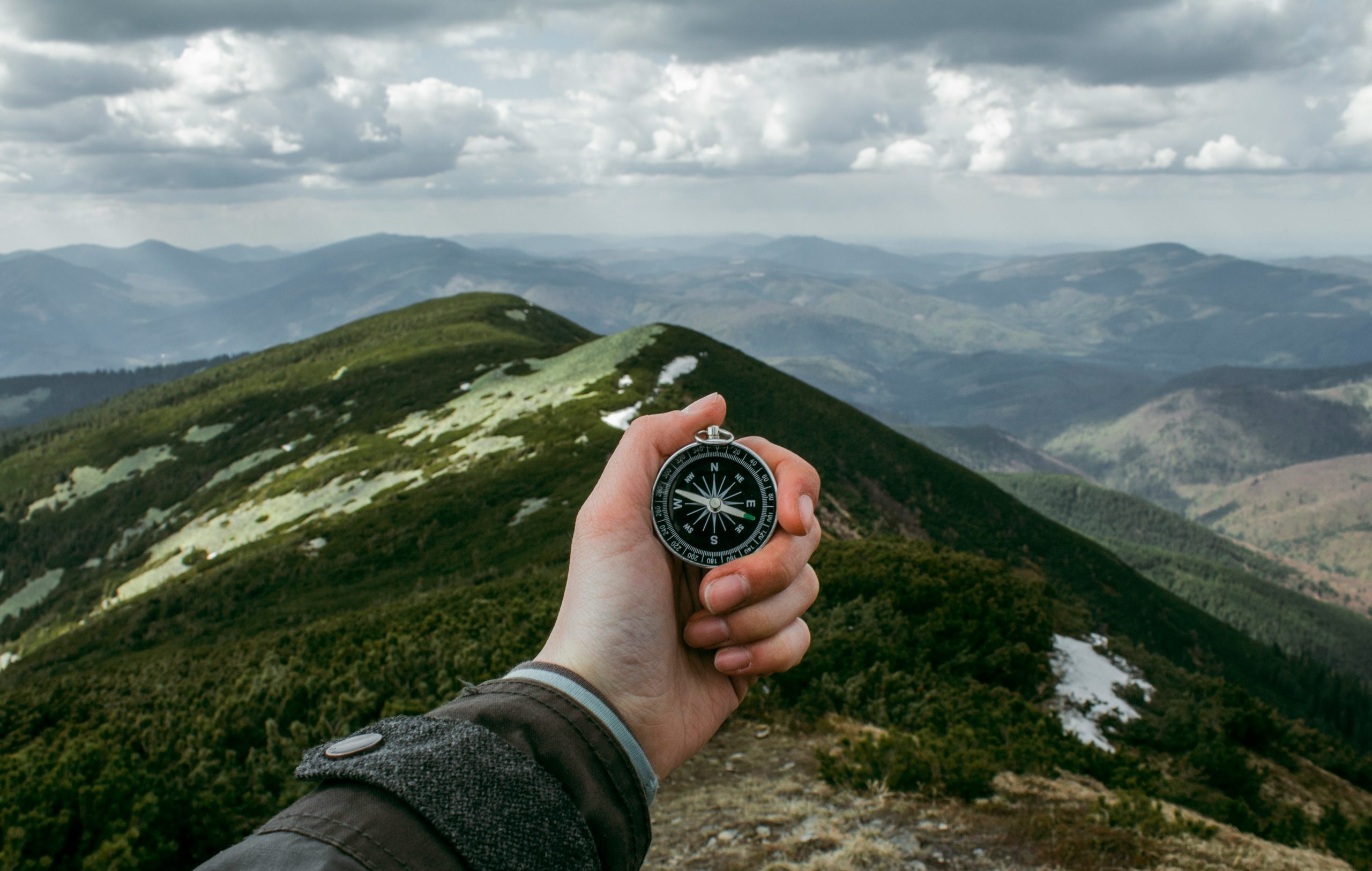
Mountain terrain can make distances deceptive because a visible ridge or basin may require a long detour around cliffs, ravines, or unstable slopes. A straight-line distance of 1 mile does not necessarily represent a safe or practical walking route. Hunters should carry a topographic map, compass, and GPS device, while keeping offline maps available if mobile coverage disappears. Marking the starting point, camp, and planned return route before departure provides useful reference points. Before a trip, check the day’s weather and establish a turnaround time. Fog, snowfall, or fading daylight can make familiar terrain difficult to recognize.
6. Packing Requires More Careful Weight Management
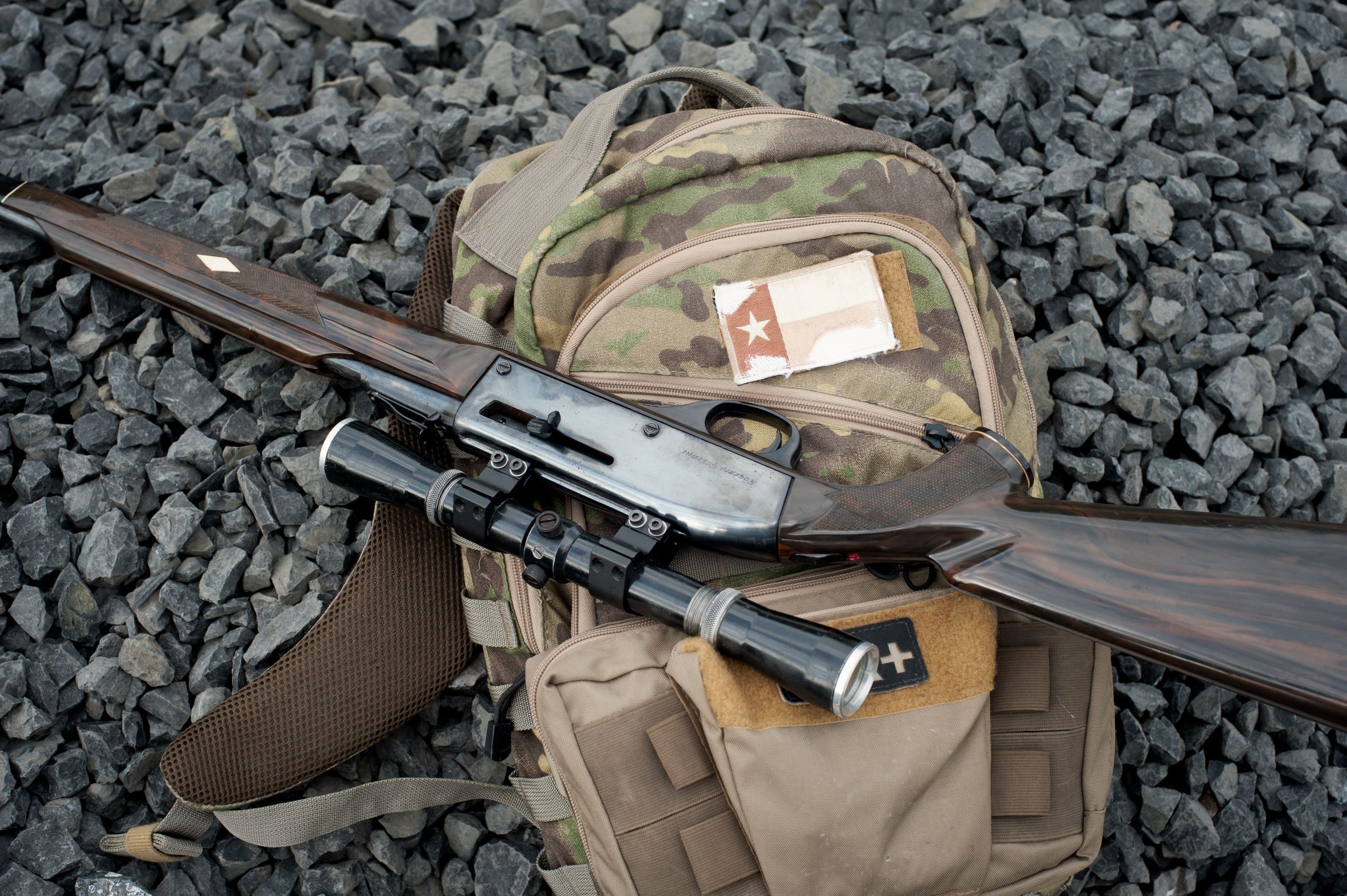
Every item carried uphill demands extra effort, so mountain hunters must balance essential equipment against unnecessary weight. A pack weighing 35 pounds may feel substantially more demanding over steep terrain than on a level trail, particularly during a long climb at altitude. Water, high-energy food, navigation tools, first-aid supplies, insulation, and emergency communication equipment should take priority over convenience items. Hunters should also consider how harvested game will be transported, since the return journey may involve carrying a heavy load over rough ground. Planning several realistic load-carrying practice hikes before the season helps reveal equipment problems early.
7. Recovery and Emergency Planning Become More Important
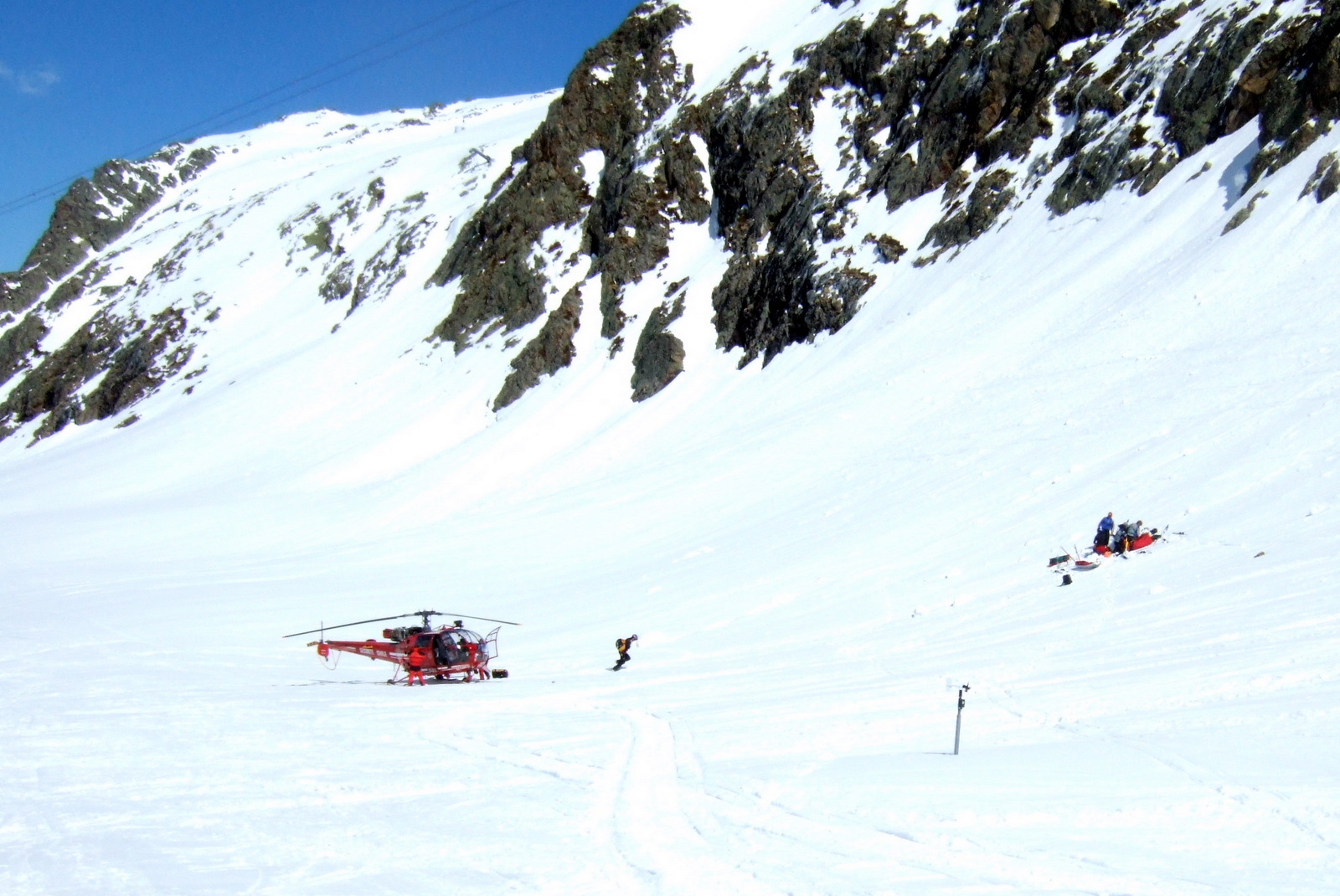
In remote mountain country, exhaustion, injury, or altitude illness can become serious because reaching help may take hours rather than minutes. Headache, nausea, dizziness, and unusual fatigue after ascending can indicate acute mountain sickness, which may affect anyone regardless of fitness. Hunters should avoid pushing through worsening symptoms and descend if altitude illness is suspected; confusion, poor coordination, or breathlessness at rest require urgent emergency action. A group should share its route and expected return time with someone at home, carry reliable communication equipment, and establish a clear emergency plan. At elevations above 8,000 feet, conservative decisions can protect the entire trip.