The history of firearms is filled with unusual cartridges that never achieved the popularity of familiar rounds such as 9mm, .308 Winchester, or .30-06 Springfield. Some were developed to solve very specific military requirements, while others targeted specialist hunters, competitive shooters, or enthusiasts looking for something different. Their limited production, unusual dimensions, or specialized purpose kept them outside the mainstream. Yet the firearms designed around these cartridges often featured fascinating engineering and distinctive performance characteristics. From forgotten European military rounds to uncommon American sporting cartridges, these ten examples reveal how inventive firearm and ammunition designers have been throughout history.
1. Colt–Browning M1895 and the 6mm Lee Navy
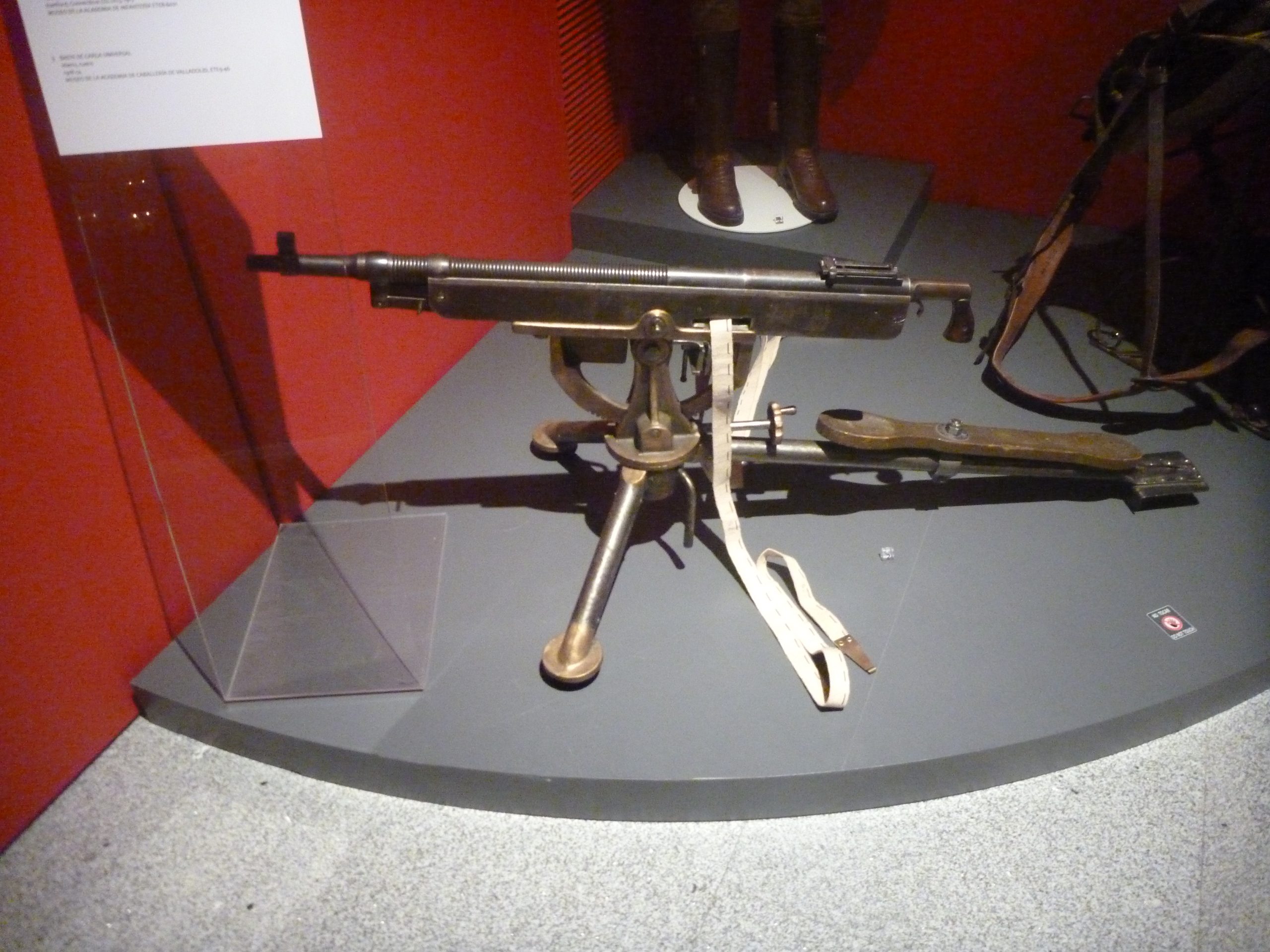
The 6mm Lee Navy is an unusual early smokeless-powder cartridge adopted by the United States Navy in 1895. One firearm associated with it was the Colt–Browning M1895 machine gun, a design famous for its under-barrel operating lever and nickname, “potato digger.” The cartridge used a 6mm bullet and a relatively large case, reflecting an era when designers were still learning how smokeless propellants behaved. Its military career was brief: the Navy moved toward the .30-calibre family, and the 6mm Lee faded from service. The M1895 remains a striking example of late-19th-century experimentation, when both ammunition and automatic-firearm design were changing rapidly.
2. Arisaka Type 38 and the 6.5×50mmSR Arisaka
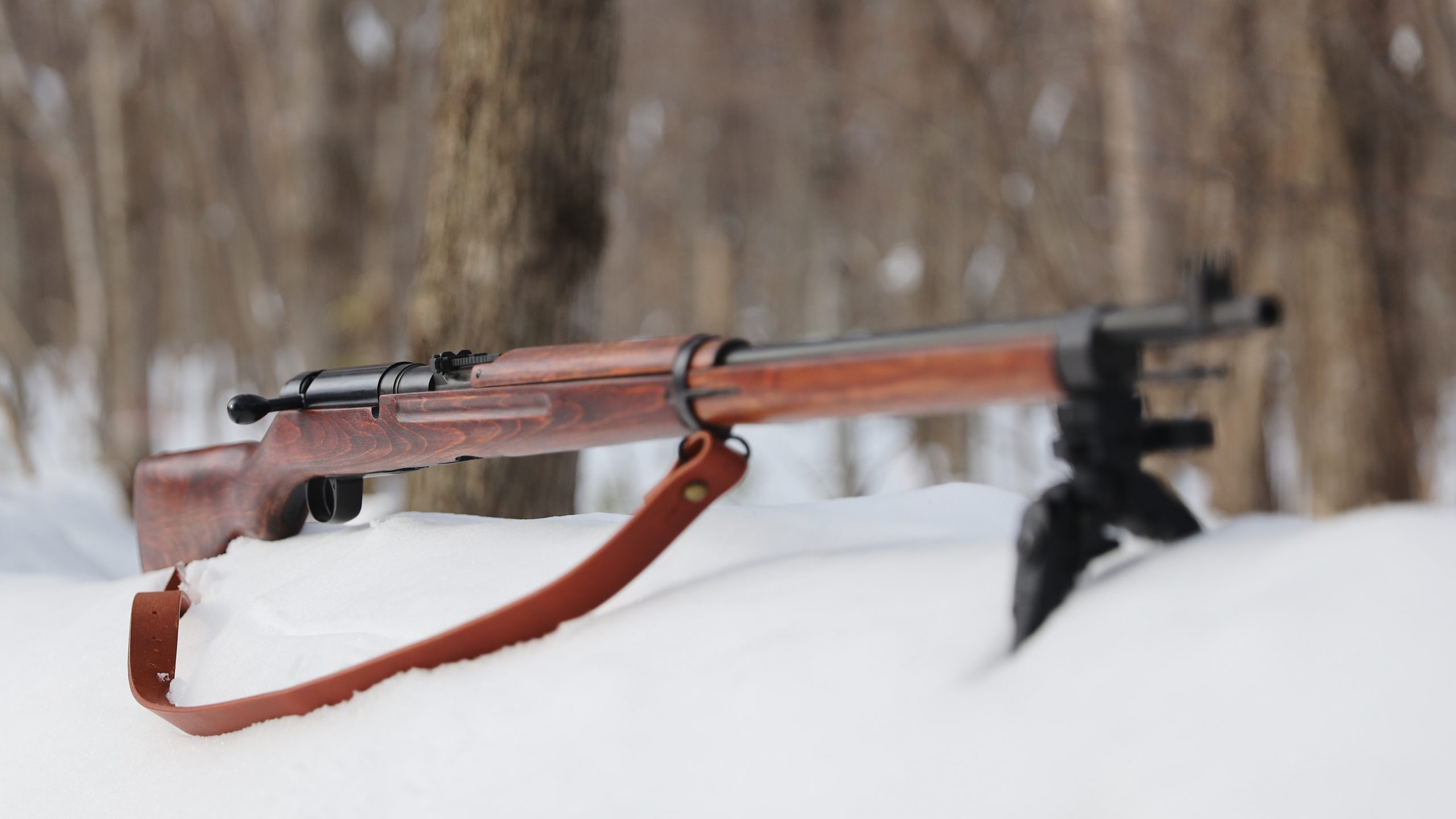
Japan’s 6.5×50mmSR Arisaka cartridge was introduced in 1897 and became closely associated with the Type 38 rifle, adopted in 1905. The “SR” identifies its semi-rimmed case, a feature that distinguishes it from many later military rifle cartridges. The Type 38 was a bolt-action design that served Japanese forces for decades and appeared in several configurations. Early ammunition used a round-nosed bullet, while a pointed spitzer loading followed in 1905. The cartridge also appeared in other Japanese arms, including machine guns. Although later replaced in frontline service by larger-calibre ammunition, 6.5×50mm Arisaka remains an important part of Japan’s military history.
3. Carcano Model 1891 and the 6.5×52mm Carcano
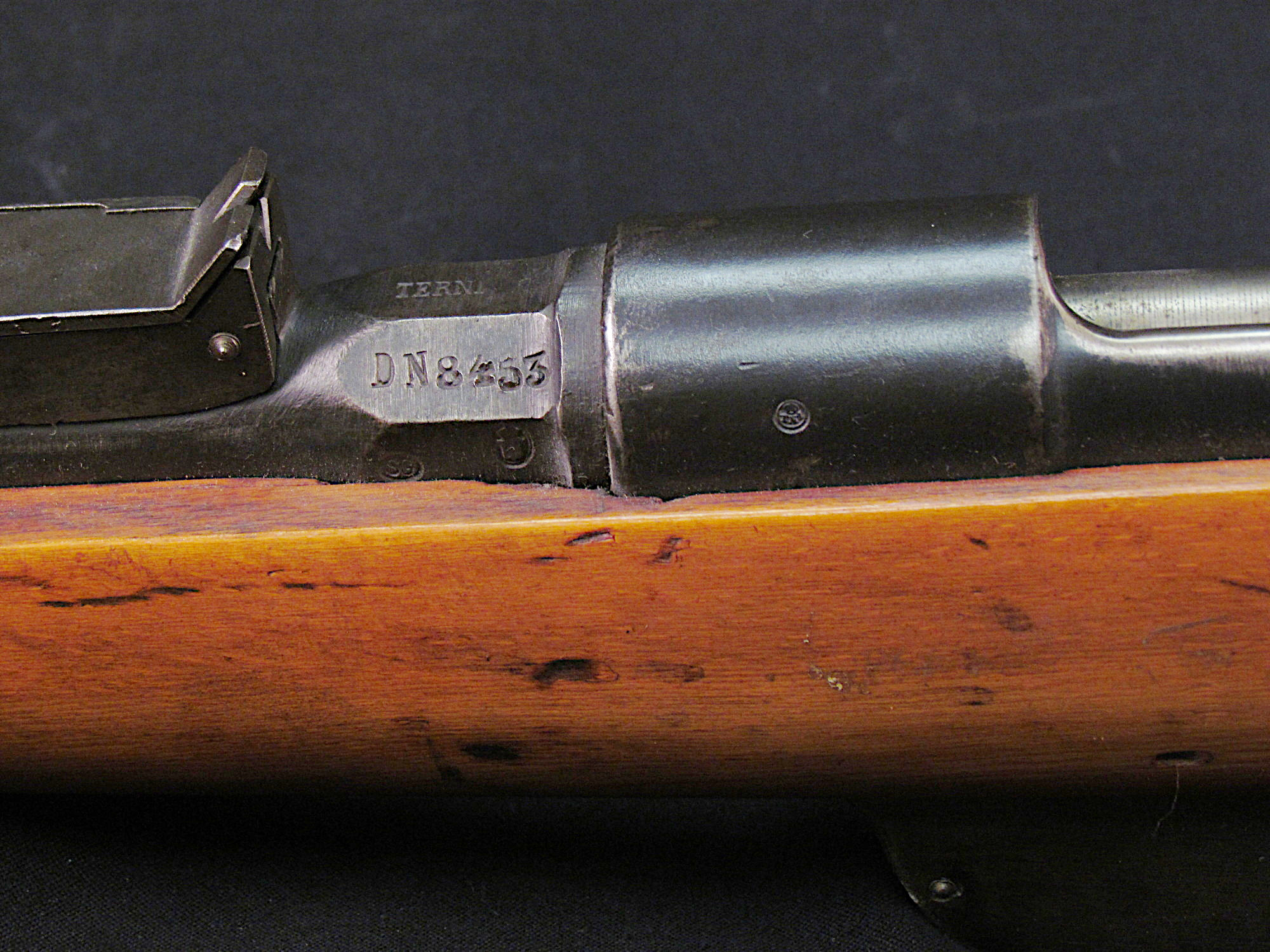
The Italian 6.5×52mm Carcano was adopted in 1891 alongside the nation’s new service rifle, the Carcano Model 1891. It is notable for retaining a round-nosed bullet through much of its military life, even as many countries shifted to pointed projectiles. The rifle used a six-round en-bloc clip, an arrangement that helped distinguish its loading system from common Mauser-style designs. The cartridge served Italian forces through both world wars and was also used in carbines and other Carcano-pattern arms. Its modest dimensions and long service history make it a fascinating example of a European military cartridge that remained recognizable across several generations.
4. Mannlicher–Schönauer Rifle and the 6.5×54mm M-S
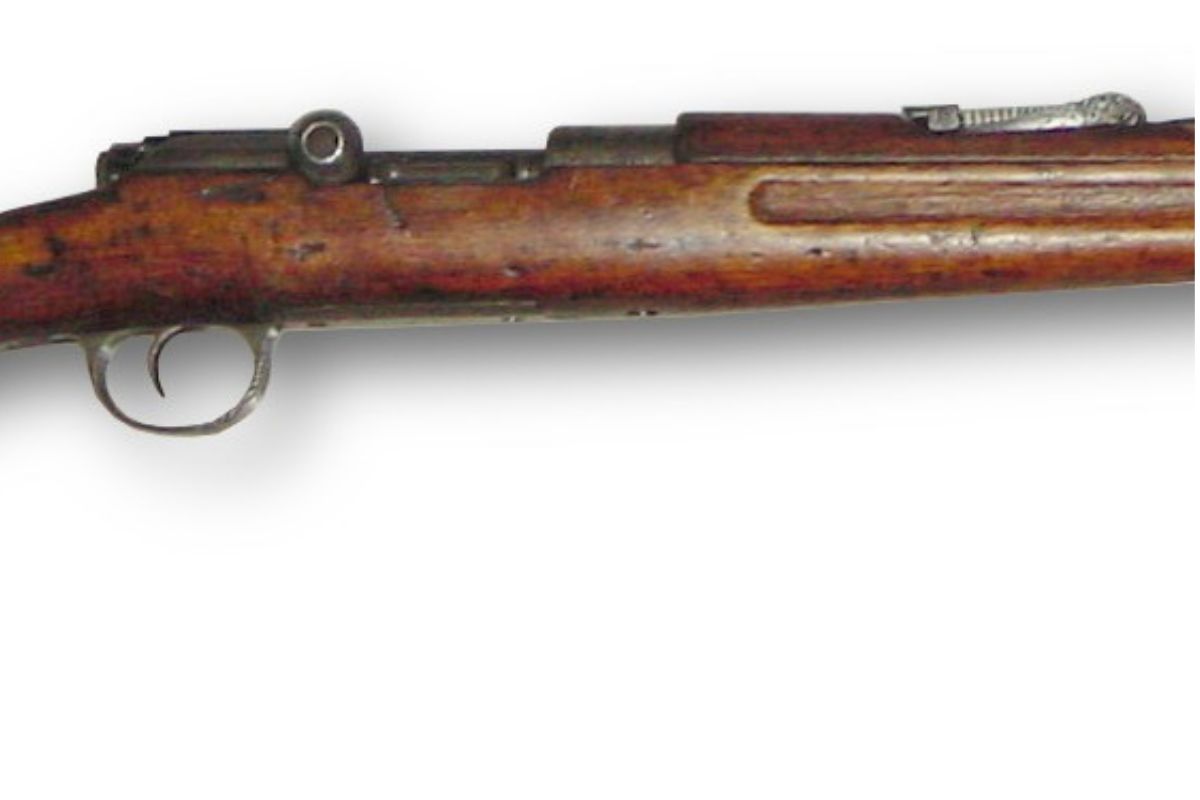
The 6.5×54mm Mannlicher–Schönauer was introduced in 1903 for the elegant Austrian sporting rifle of the same name. Rather than becoming a major military standard, it developed a reputation among hunters and rifle enthusiasts. The Mannlicher–Schönauer’s distinctive rotary magazine, generally holding five cartridges, was a defining feature of the design. Its smooth action and carefully finished construction helped the rifle earn a following well beyond Austria. The cartridge’s 6.5mm bullet diameter placed it among several European small-bore designs of the period, but its association with a premium sporting rifle gave it a character all its own.
5. Schmidt–Rubin K31 and the 7.5×55mm Swiss
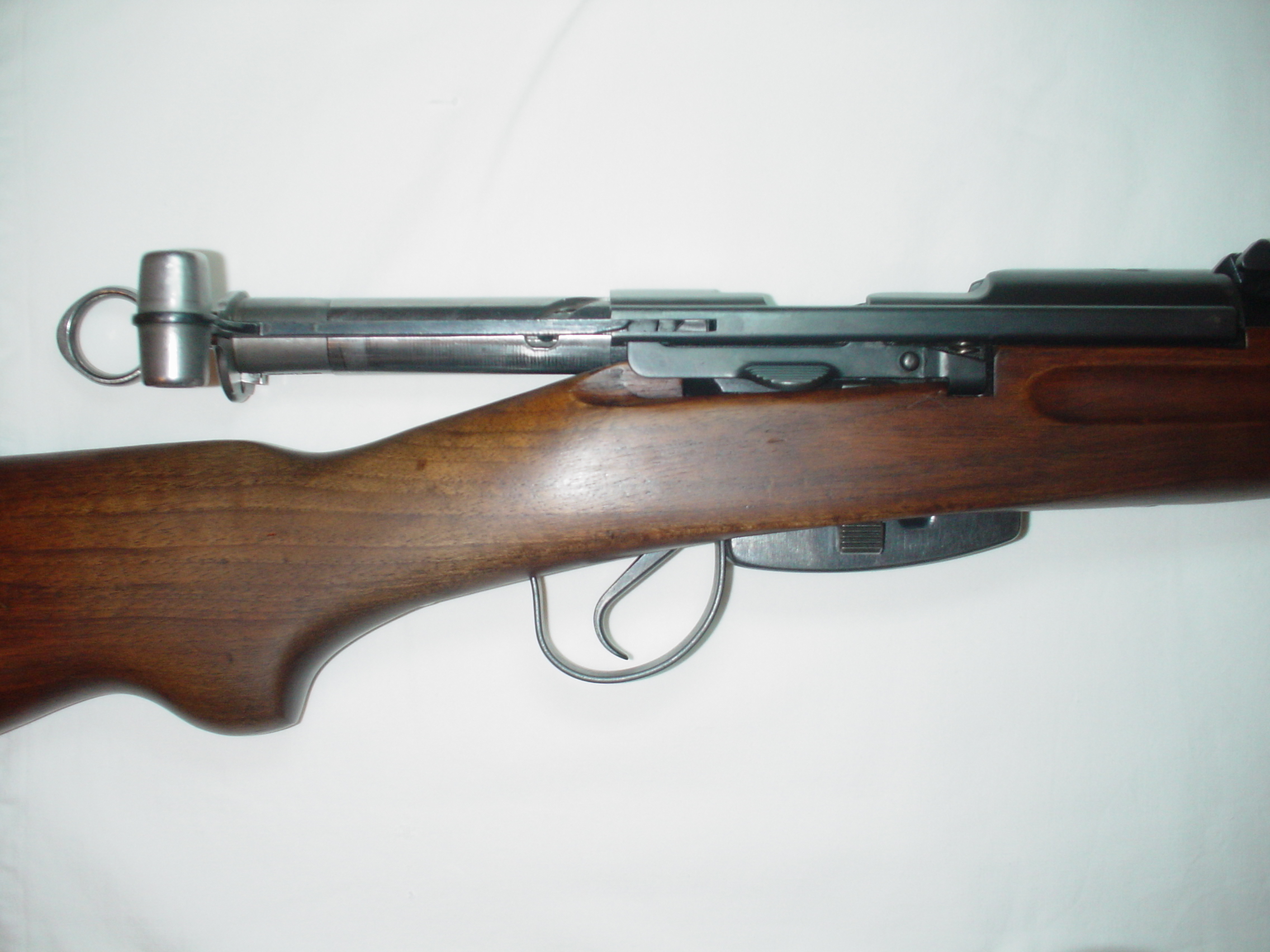
Switzerland’s 7.5×55mm Swiss, also known as GP11 in its later military loading, is best recognized through the Schmidt–Rubin K31 straight-pull rifle. The K31 entered Swiss service in 1933 and used a six-round detachable magazine, while its straight-pull bolt set it apart from conventional turn-bolt rifles. The cartridge itself dates to the late 19th-century Swiss service-rifle family and evolved through several loadings. Although it never became as widely known internationally as .30-06 or .308 Winchester, it remains respected by collectors and sporting shooters for its precision heritage and association with Switzerland’s distinctive military arms.
6. MAS-36 Rifle and the 7.5×54mm French
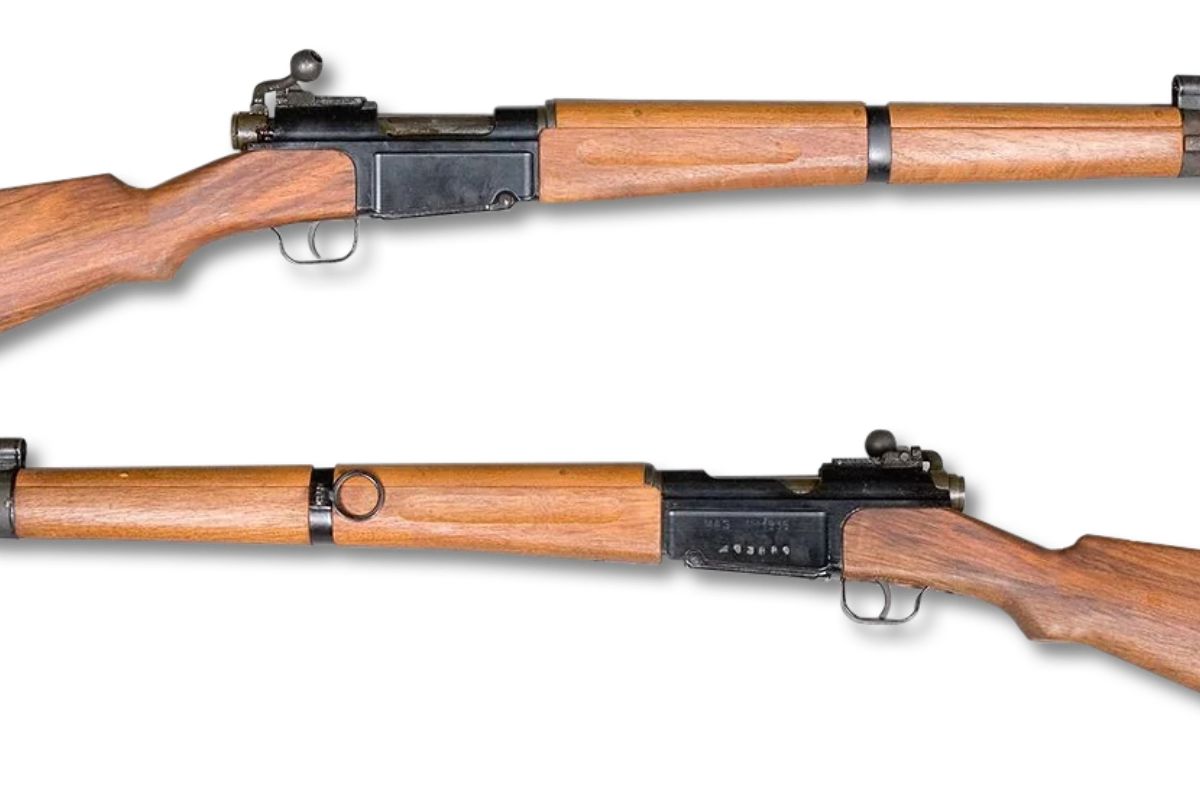
France developed the 7.5×54mm French cartridge as part of its move toward a modern, smaller-calibre service round. It became closely linked with the MAS-36 bolt-action rifle, adopted in 1936. The rifle’s compact layout, unusual bolt handle, and five-round internal magazine reflected French military priorities between the world wars. The same cartridge later served in several French firearms, including post-war service rifles and machine guns. Its dimensions place it in the family of mid-20th-century military rifle ammunition, but outside France it remained comparatively uncommon. The MAS-36 and its cartridge offer a useful glimpse of an independent national approach to infantry equipment.
7. Berthier Rifle and the 8×50mmR Lebel
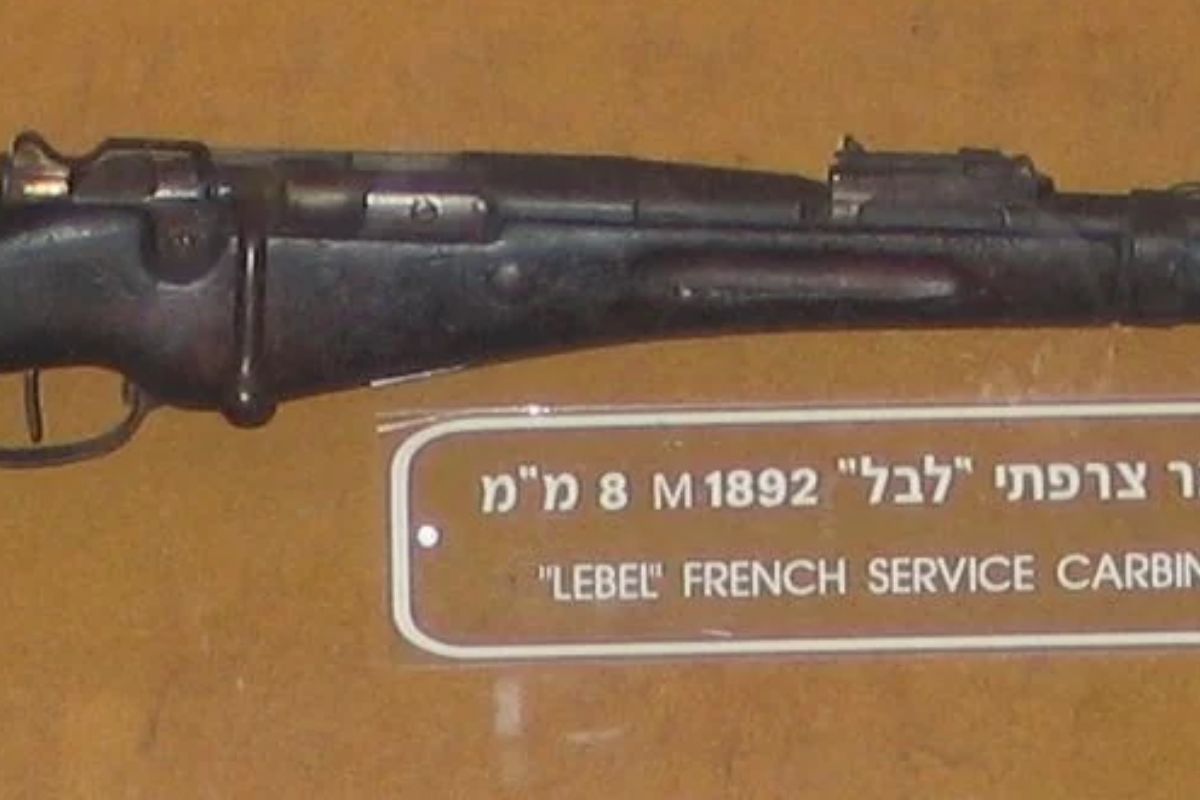
The 8×50mmR Lebel emerged with France’s revolutionary Model 1886 Lebel rifle, one of the first military rifles adopted for smokeless-powder ammunition. Its rimmed case and distinctive bottleneck profile make it easy to recognize among early service cartridges. The round was also used in Berthier rifles and carbines, whose designs helped supplement the Lebel during the early 20th century. Berthier models appeared with different magazine arrangements, including three- and five-round versions. Though later French arms moved to newer ammunition, 8×50mmR Lebel remains historically significant as a cartridge associated with the transition from black powder to smokeless military firearms.
8. Mannlicher M1895 and the 8×56mmR
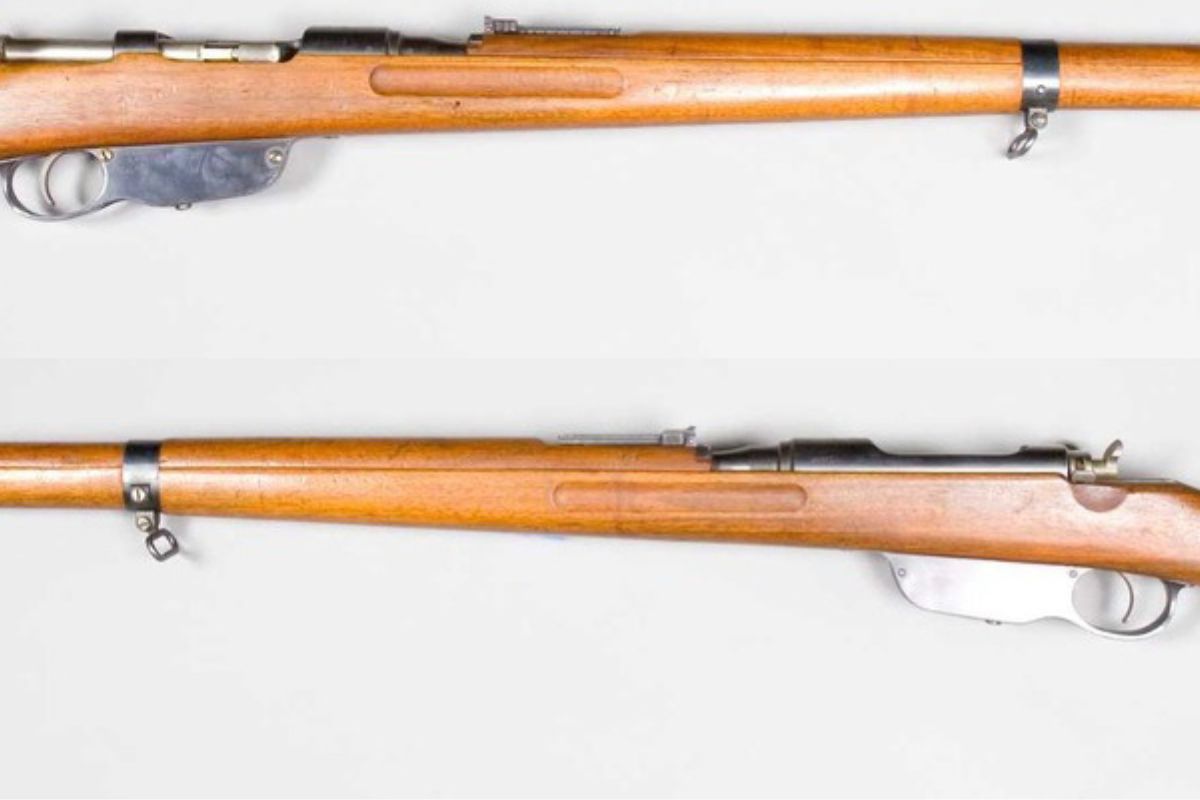
The 8×56mmR cartridge is associated with updated versions of the Austrian Mannlicher M1895 straight-pull rifle. Originally designed around an earlier 8mm cartridge, many M1895 rifles were converted during the interwar period to use the newer round. The revised ammunition used a spitzer-style bullet and a rimmed case, retaining the characteristic profile of Central European service cartridges. The M1895 itself was known for its straight-pull action and five-round en-bloc clip. It served in several countries after the First World War, often under changing national designations. This combination of an older rifle and a later cartridge makes the platform particularly interesting to collectors.
9. Nambu Type 14 and the 8×22mm Nambu
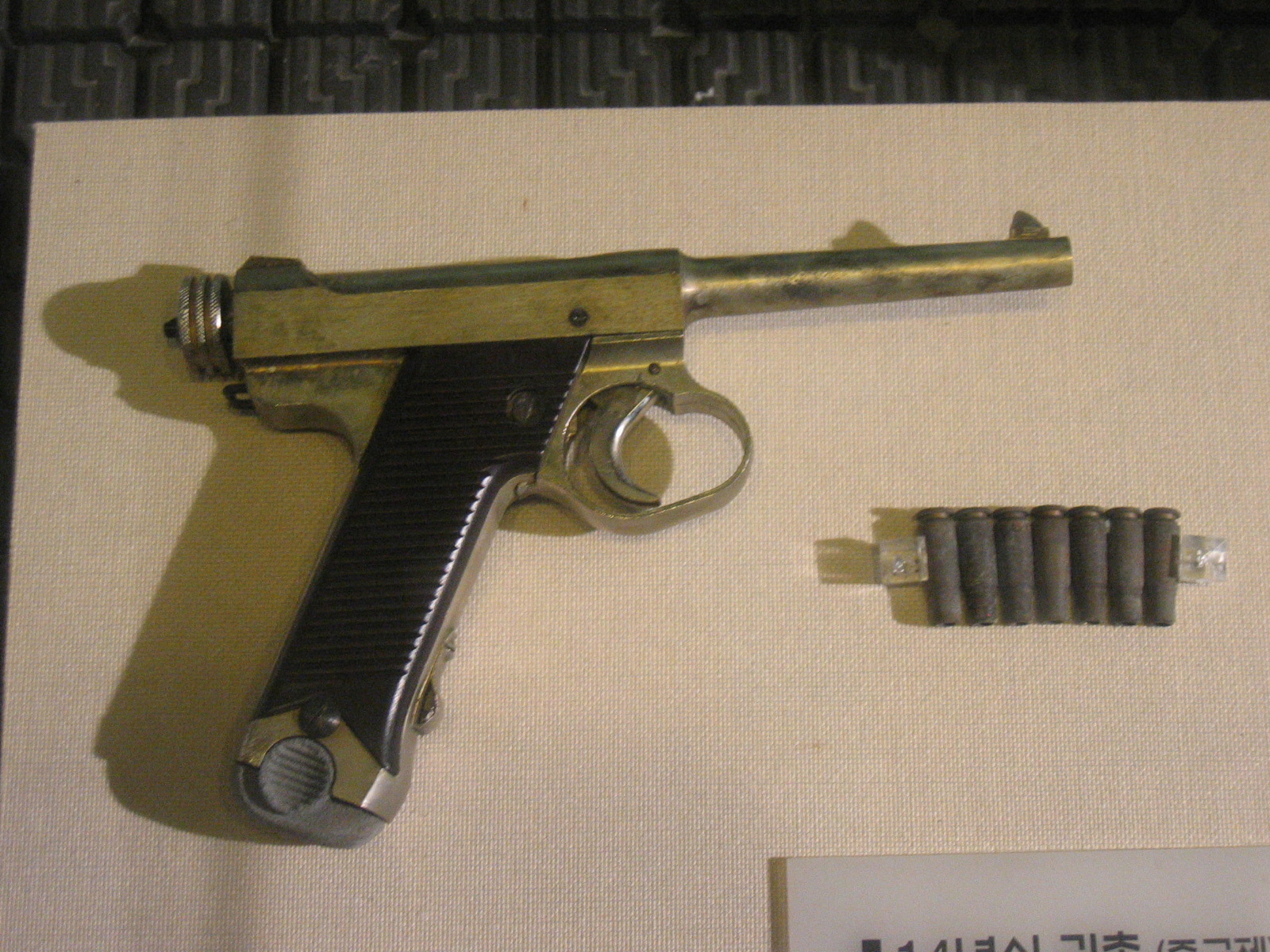
Japan’s 8×22mm Nambu cartridge was developed for the country’s early semi-automatic pistols and became best known through the Nambu Type 14, introduced in 1925. Its dimensions and performance differed from the more familiar 9×19mm Parabellum, reflecting Japan’s separate path in military handgun development. The Type 14 was a recoil-operated pistol with a distinctive grip profile and a magazine holding eight cartridges. It remained in Japanese service through the Second World War, with production continuing in several facilities. Today, the 8×22mm Nambu is chiefly encountered in historical discussions and collections, making it one of the more recognizable uncommon military pistol cartridges.
10. Nagant M1895 Revolver and the 7.62×38mmR Nagant
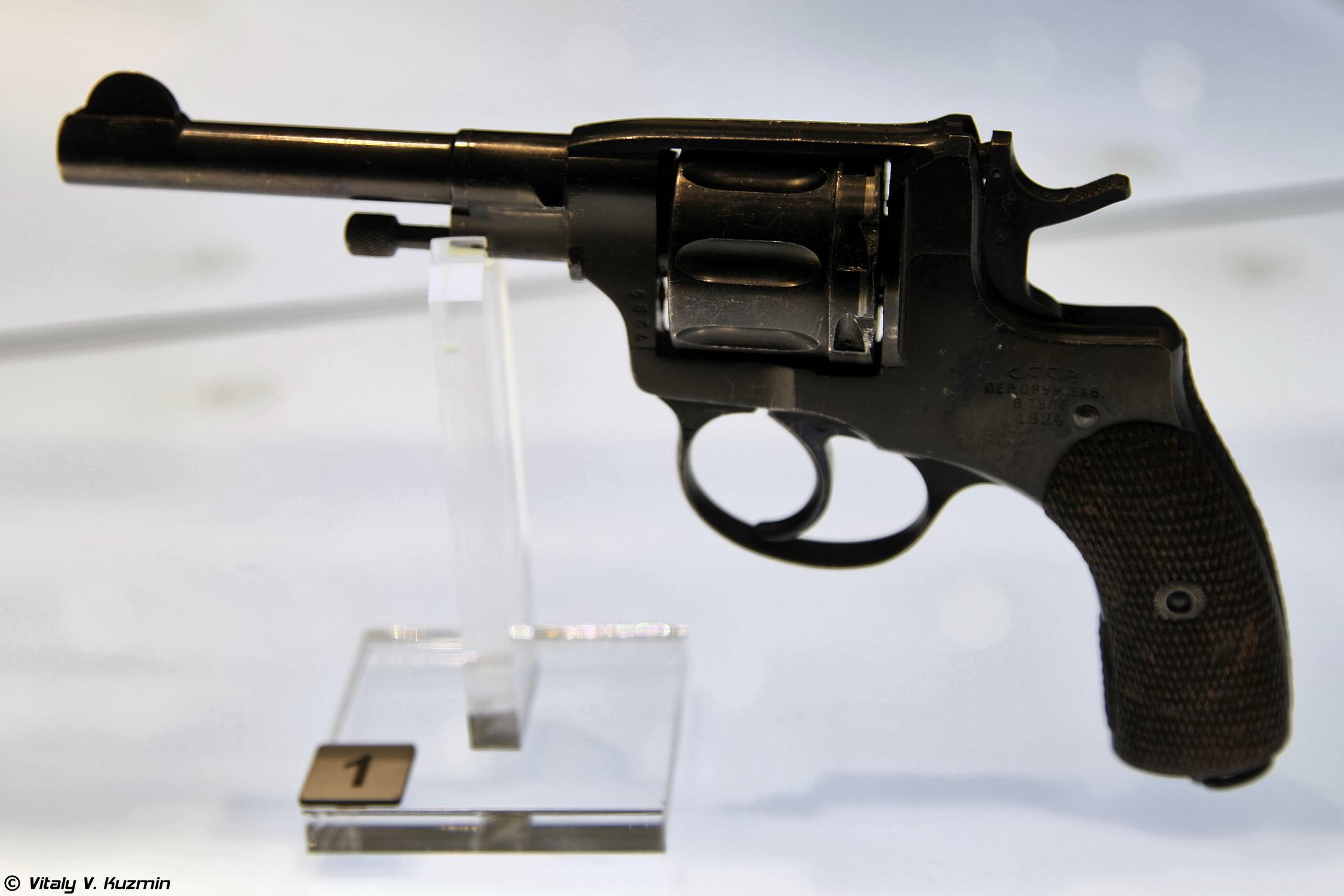
The 7.62×38mmR Nagant is unusual because its cartridge case was designed to move forward under pressure and help seal the gap between the revolver’s cylinder and barrel. This feature belongs to the Belgian-designed Nagant M1895, adopted by Russia in 1895 and later used by Soviet forces. The revolver held seven cartridges, giving it a capacity greater than many contemporary service revolvers. Its gas-seal arrangement was mechanically distinctive, although it also made the design more complicated than conventional revolvers. The cartridge’s long, projecting case is instantly recognizable and illustrates how far designers once went to address the limitations of early revolver technology.