Choosing between a shotgun and a pistol for home defense involves much more than comparing size or firepower. Each has different handling characteristics, ammunition options, storage concerns, recoil, and potential risks inside a home. Neither firearm automatically makes a household safer, and responsible ownership depends on training, secure storage, legal knowledge, and sound judgment. The comparison below focuses on the practical differences that a homeowner should understand without treating either firearm as a guaranteed solution.
1. Ammunition Capacity
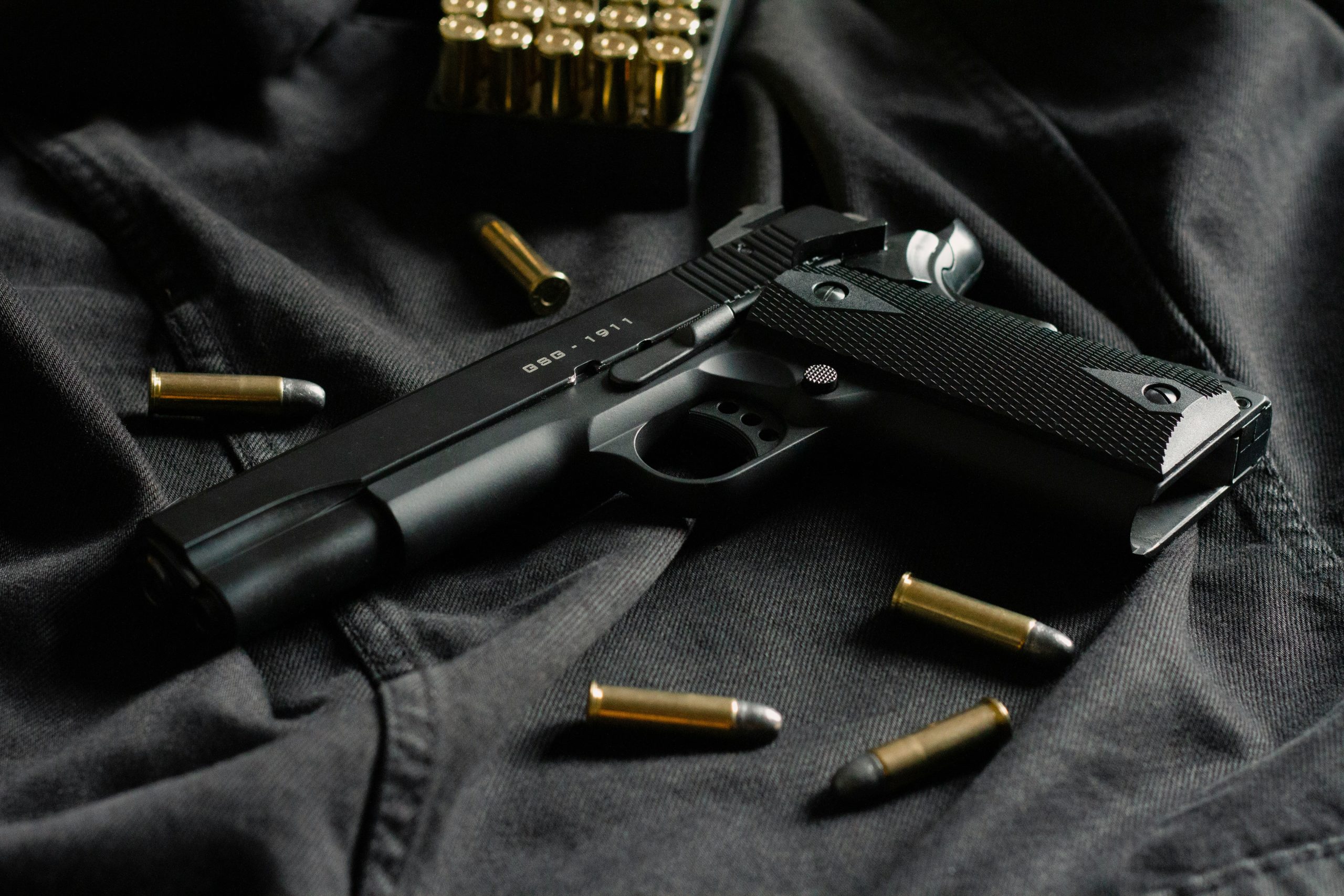
A shotgun and pistol can differ sharply in how much ammunition they hold, and that difference affects the overall defensive picture. A common pump shotgun may carry about 5 to 8 shells in its magazine, while a modern pistol often holds roughly 10 to 17 cartridges, depending on the model and magazine. Capacity alone does not make either choice safer or better. A defensive situation may involve uncertainty, stress, and limited visibility, so relying on capacity can create false confidence. The more important issue is knowing the firearm, keeping it secure, and following local laws. Numerical example: 6 shells versus 15 cartridges shows why capacity can vary considerably.
2. Recoil and Physical Control

Recoil is another major difference, but it depends on ammunition, firearm weight, and the person using it. A shotgun firing a full-power load can produce a noticeably stronger push than many common handgun cartridges, while a heavier shotgun may absorb some of that movement. A pistol is smaller and may feel easier to handle, yet its short grip and lighter weight can also make recoil feel sharp. Physical strength is not the only factor; practice and familiarity matter greatly. Numerical example: a 12-gauge shotgun and a 9mm pistol can produce very different recoil sensations even though both are commonly discussed for defensive use. Comfort should never replace safe handling.
3. Size and Storage
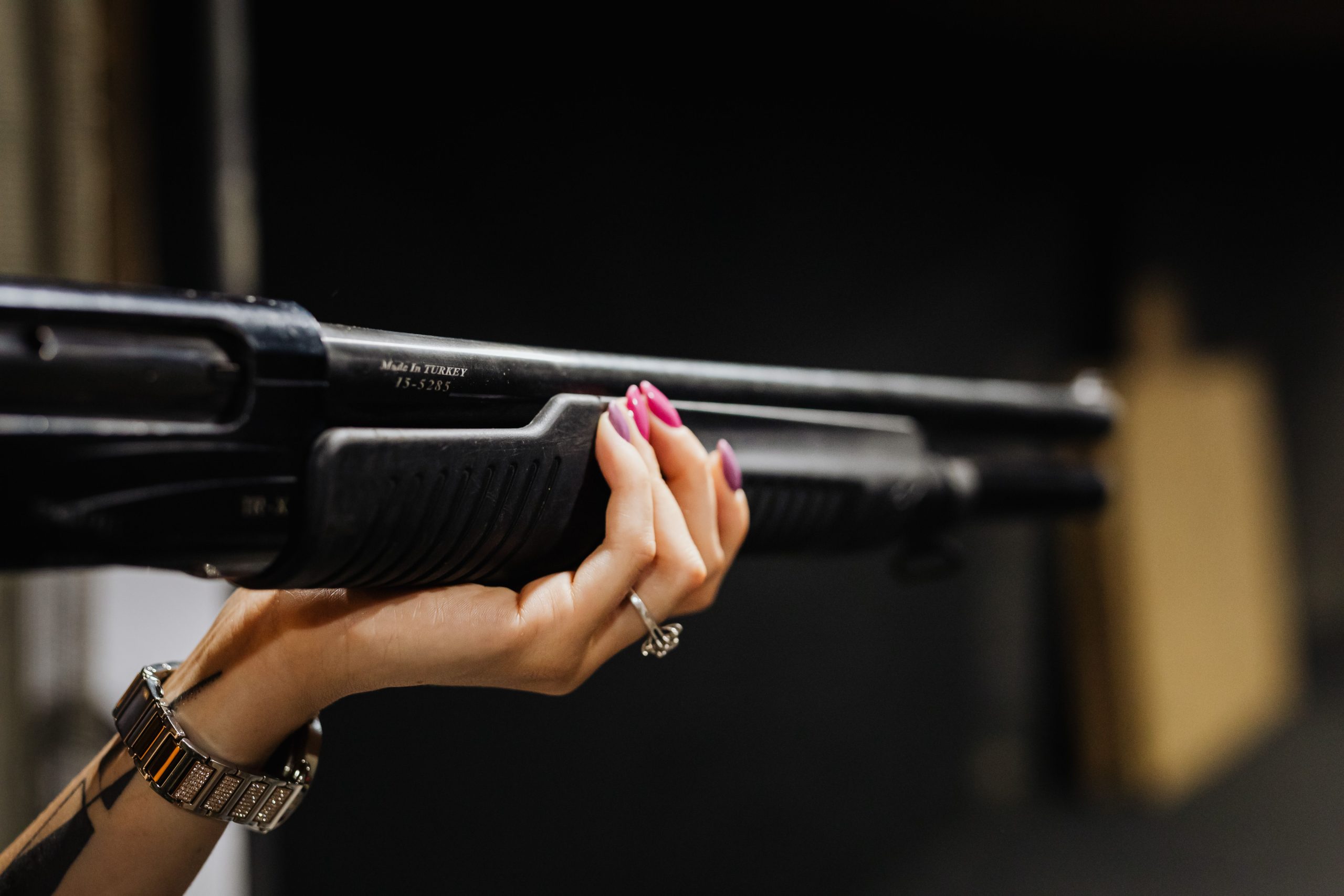
Physical dimensions can make a substantial difference inside a home. A shotgun is generally longer than a pistol, while a pistol is compact and easier to store securely in a properly designed lockbox. That compactness does not automatically make a pistol safer, because accessibility and unauthorized access must both be considered. A longer firearm can be harder to maneuver around furniture, doors, and narrow spaces, while a smaller firearm can be easier to mishandle if stored carelessly. Numerical example: a typical shotgun may be around 36 to 40 inches long, whereas many pistols are under 9 inches. Secure storage remains the priority for either firearm.
4. Noise and Indoor Blast
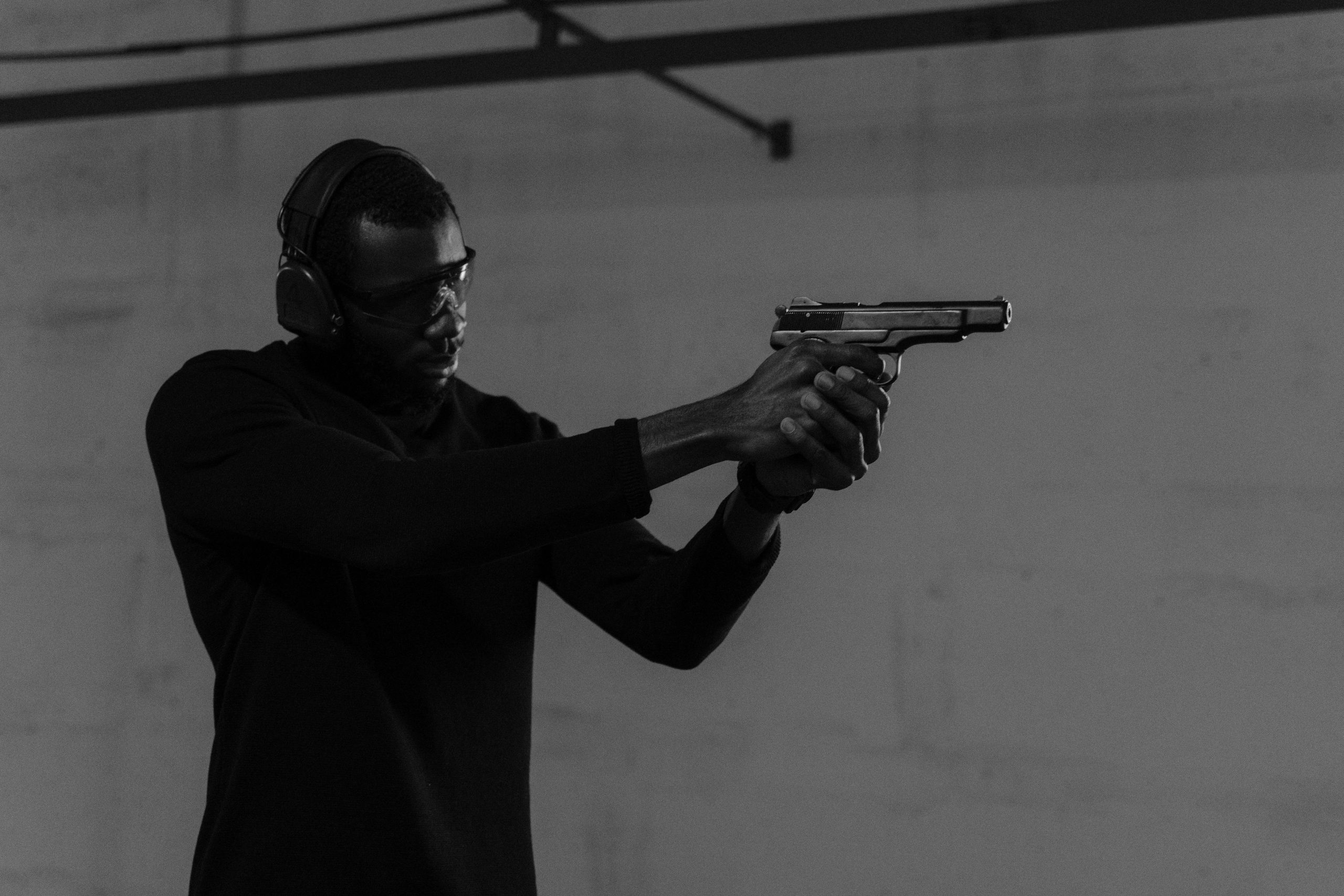
Both firearms can produce extremely loud muzzle reports indoors, and the confined environment can make the experience especially intense. A shotgun does not become quiet simply because it uses a larger projectile, and a pistol can also generate a severe blast and temporary hearing effects. Indoor shooting can expose everyone nearby to damaging sound levels, regardless of the firearm chosen. Numerical example: a single defensive gunshot can exceed 140 decibels at the source, a level associated with immediate hearing risk. This is one reason firearm ownership requires serious preparation, secure storage, and an understanding that an emergency involving a gun can create permanent consequences.
5. Ammunition and Loads
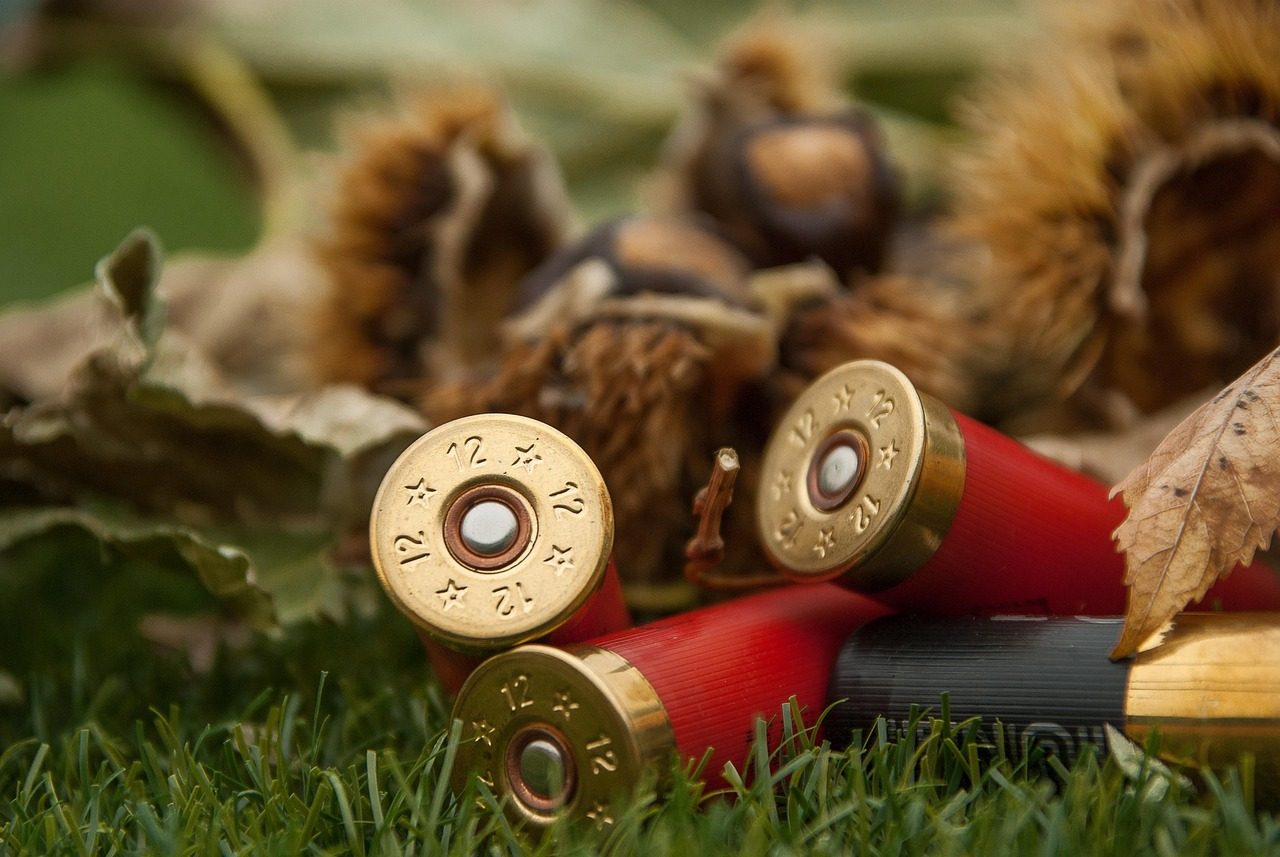
Shotguns offer a particularly wide range of ammunition types, while pistols usually operate with a narrower selection within their chambering. A 12-gauge shotgun, for example, can use different shell lengths and payloads, while a 9mm pistol is normally limited to compatible 9mm ammunition. That flexibility can also create confusion if unsuitable ammunition is selected or mixed during storage. Numerical example: 12-gauge shells commonly appear in 2¾-inch and 3-inch lengths, but a firearm must only use ammunition specifically approved for it. Cartridge or shell markings should be checked carefully, and manufacturers’ instructions should take precedence over assumptions or internet advice.
6. Accuracy and Recoil Management
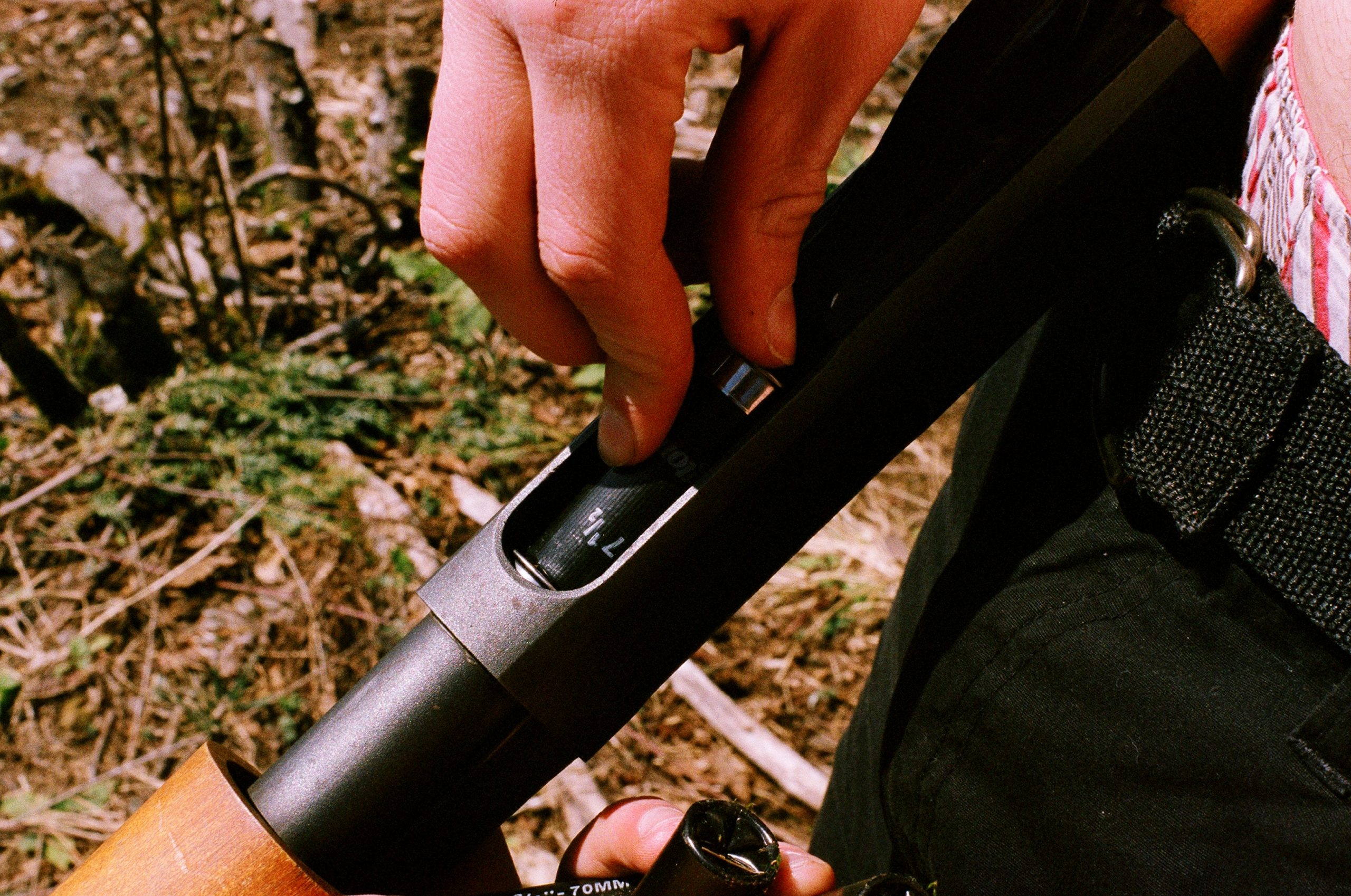
The practical handling characteristics of a shotgun and pistol are not identical, and accuracy depends heavily on the firearm, ammunition, shooter, and circumstances. A shotgun does not guarantee a hit simply because its projectile pattern can spread at distance. At typical indoor distances, that spread may be limited, while recoil and stress can still affect control. A pistol uses a single projectile and requires deliberate aiming and trigger control. Numerical example: at 5 yards, a shotgun pattern can still be relatively small rather than covering an entire room. The important lesson is that neither firearm should be treated as a point-and-shoot device, especially in a crowded home.
7. Overpenetration and Walls
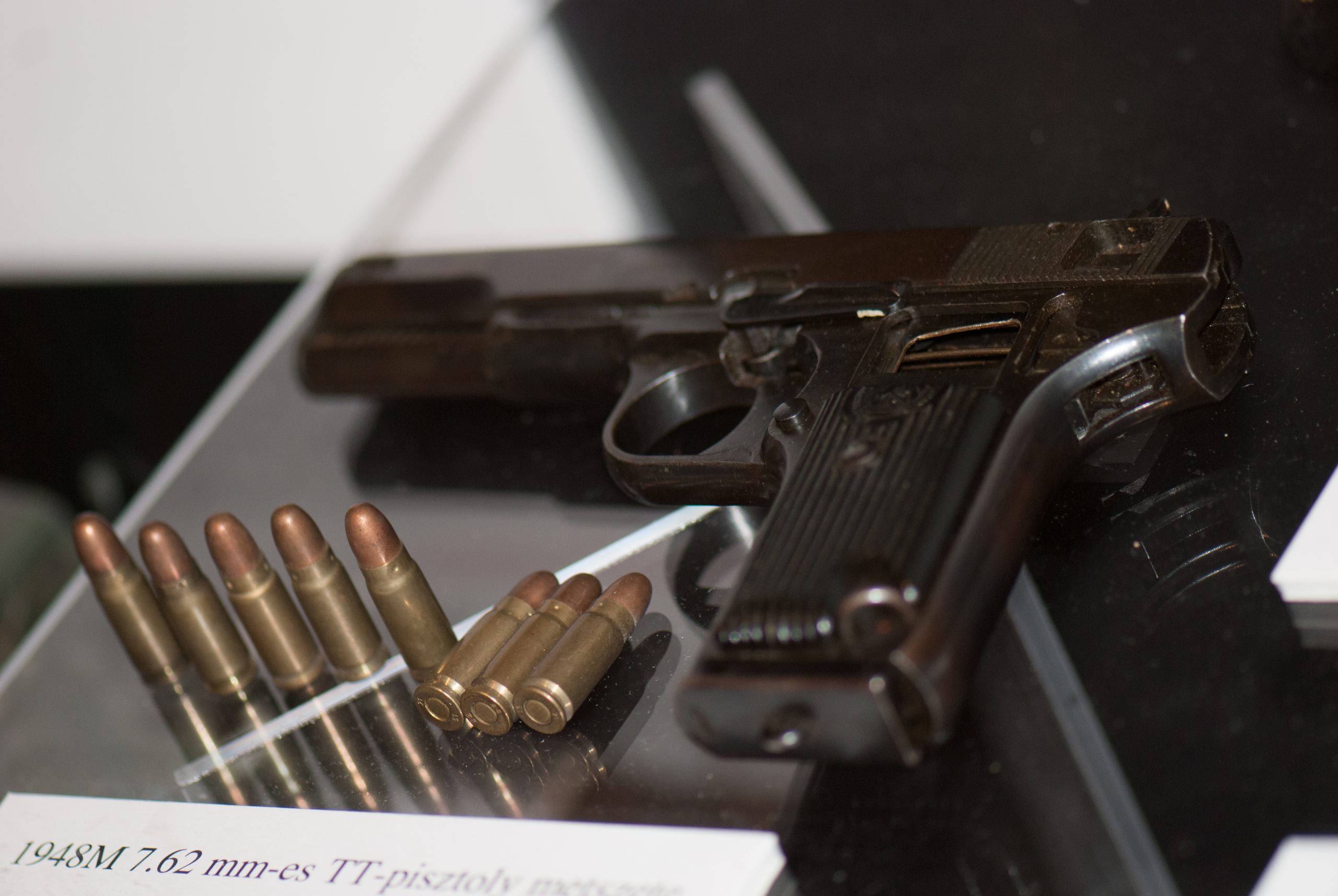
A critical home-defense concern is what happens after a projectile misses or passes through its intended target. Both shotgun and pistol ammunition can penetrate walls and potentially endanger people in neighboring rooms or nearby homes. A shotgun’s pattern does not eliminate this risk, and a pistol’s smaller projectile can also travel through common building materials. Numerical example: a house may have only 2 layers of drywall separating one room from another, offering limited protection against many projectiles. The safest approach is not to assume that a particular firearm or ammunition makes walls harmless. Understanding the building and avoiding unnecessary firearm use are central safety considerations.
8. Training Requirements
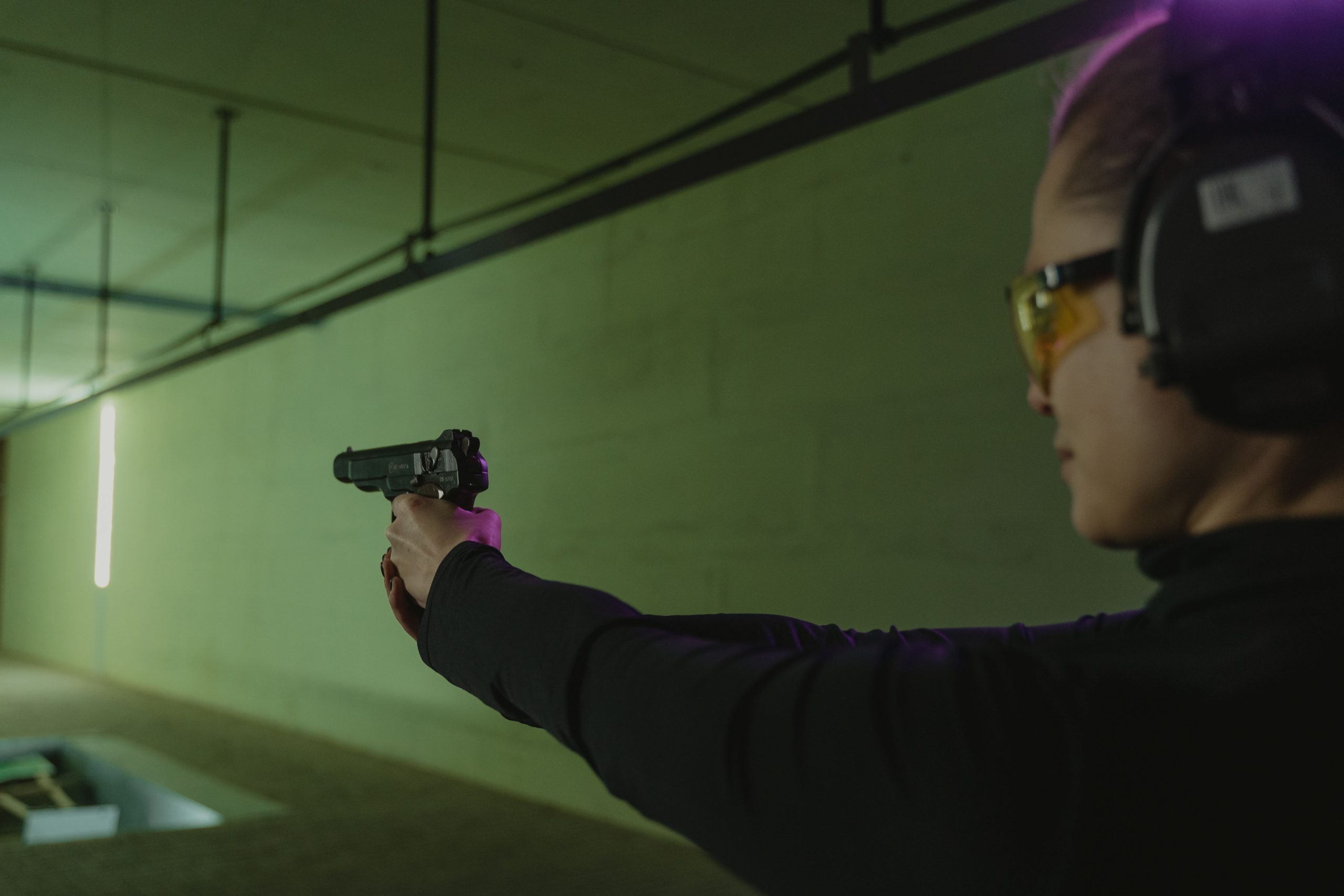
Owning a firearm is very different from being prepared to handle one responsibly. A shotgun and pistol have different controls, loading systems, recoil characteristics, and handling habits, so switching between them without training can create confusion. Numerical example: learning 3 basics- safe storage, safe handling, and knowing the firearm’s controls- is only a starting point rather than complete preparation. Qualified instruction can help owners build safe habits without relying on improvised internet techniques. Training should emphasize judgment, legal responsibilities, secure handling, and preventing accidents. The goal is competent ownership, not simply becoming faster with a firearm.
9. Legal and Liability Issues
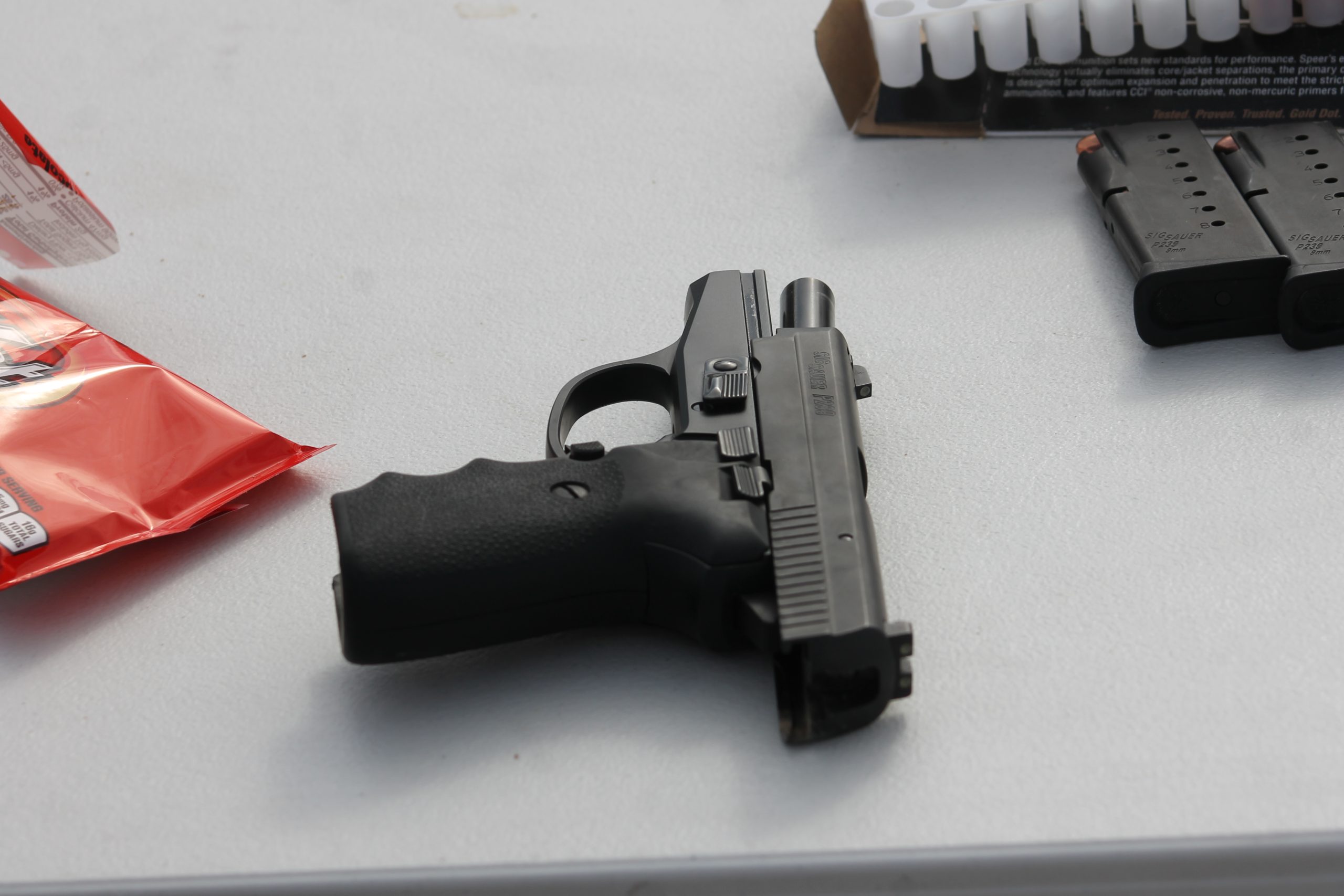
Home-defense firearm laws vary substantially by country, state, and sometimes municipality, so the legal difference between a shotgun and pistol cannot be reduced to one universal rule. Rules may cover possession, licensing, storage, transport, ammunition, and the circumstances in which force is legally justified. Numerical example: a homeowner may face separate legal requirements covering 4 areas such as licensing, storage, possession, and use of force. Even where defensive firearm ownership is lawful, using a gun can trigger an investigation and serious legal consequences. Local law should therefore be checked through authoritative government or legal sources before making decisions.
10. Security and Family Safety
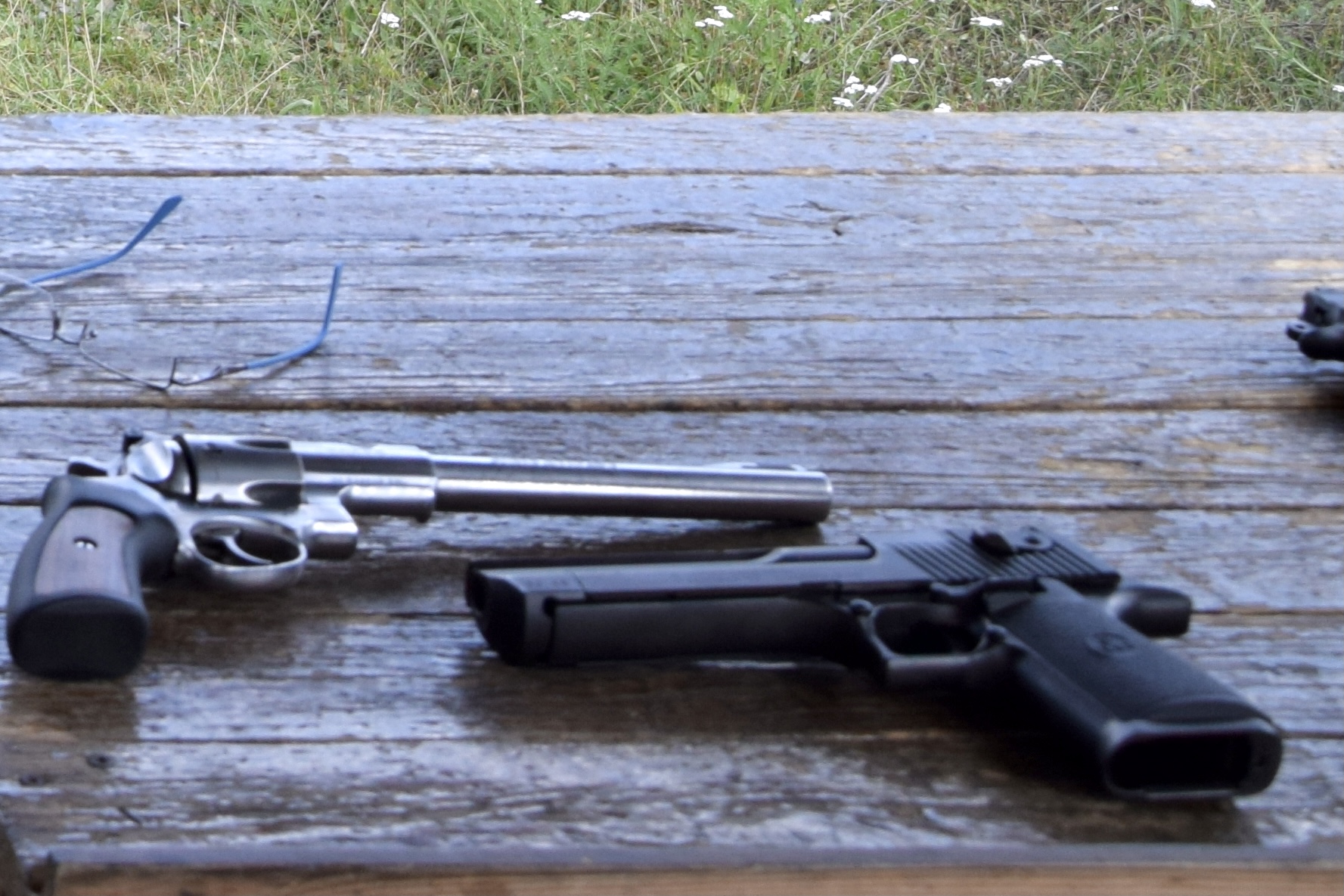
The most important comparison may be less about shotgun versus pistol and more about how safely either firearm is stored and managed. A firearm in a home must be protected from children, visitors, thieves, and anyone who is not authorized to use it. Numerical example: a household with 1 firearm still needs a consistent storage plan, access control, and safe handling rules. Children should never be allowed unsupervised access, and ammunition should be managed responsibly according to local requirements and manufacturer guidance. A defensive firearm is not a substitute for locks, alarms, communication, escape planning, or emergency services. Preventing an accident is always the first priority.