Some rifles kill game. A few also project taste.
The Mannlicher-Schoenauer became famous because it blended engineering, beauty, and field manners in a way almost no sporting rifle ever has.
It Started With Extraordinary Austrian Engineering
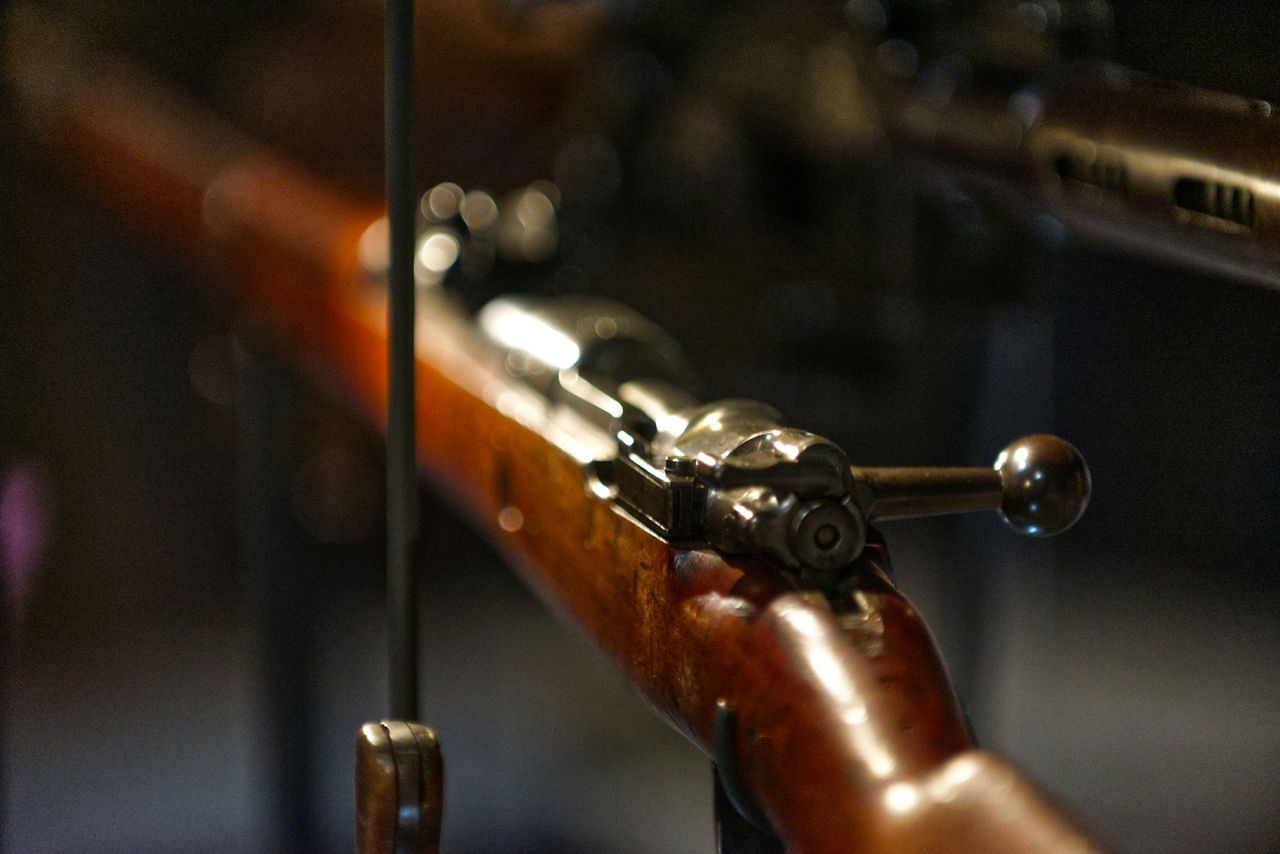
The Mannlicher-Schoenauer emerged from Steyr at the start of the 20th century, combining Ferdinand Mannlicher’s turn-bolt ideas with Otto Schoenauer’s brilliantly compact rotary magazine. Steyr still highlights the 1903 model as a landmark sporting rifle, and later company histories note that the line stayed in production until 1973.
That long life matters. Plenty of rifles were good for a season or a decade, but very few remained admired across generations of hunters who had far newer options.
The action built the legend. The rotary magazine fed cartridges with unusual smoothness, and the bolt travel felt polished even by the standards of premium sporting arms.
Hunters noticed immediately that this was not merely a tool. It felt finished, deliberate, and mechanically civilized.
Smoothness Became Part of Its Personality
Ask collectors or seasoned rifle cranks what defines a Mannlicher-Schoenauer, and they usually mention smooth feeding before they mention caliber. Field & Stream has described the 1903 as one of the finest factory rifles ever made, praising how the action seems to open and close almost by itself.
That sensation was not cosmetic. A rifle that feeds effortlessly inspires confidence when a quick second shot is needed on moving game in timber or broken hills.
The split rear bridge, trim receiver, and low, graceful bolt handle all contributed to an action that felt sleek in the hand. Many examples also wore double-set triggers, which added to the sense that the rifle had been built for a careful shot rather than brute force.
In an era when many repeating rifles still felt agricultural, the Mannlicher-Schoenauer felt urbane.
Its Looks Signaled Restraint Instead of Flash
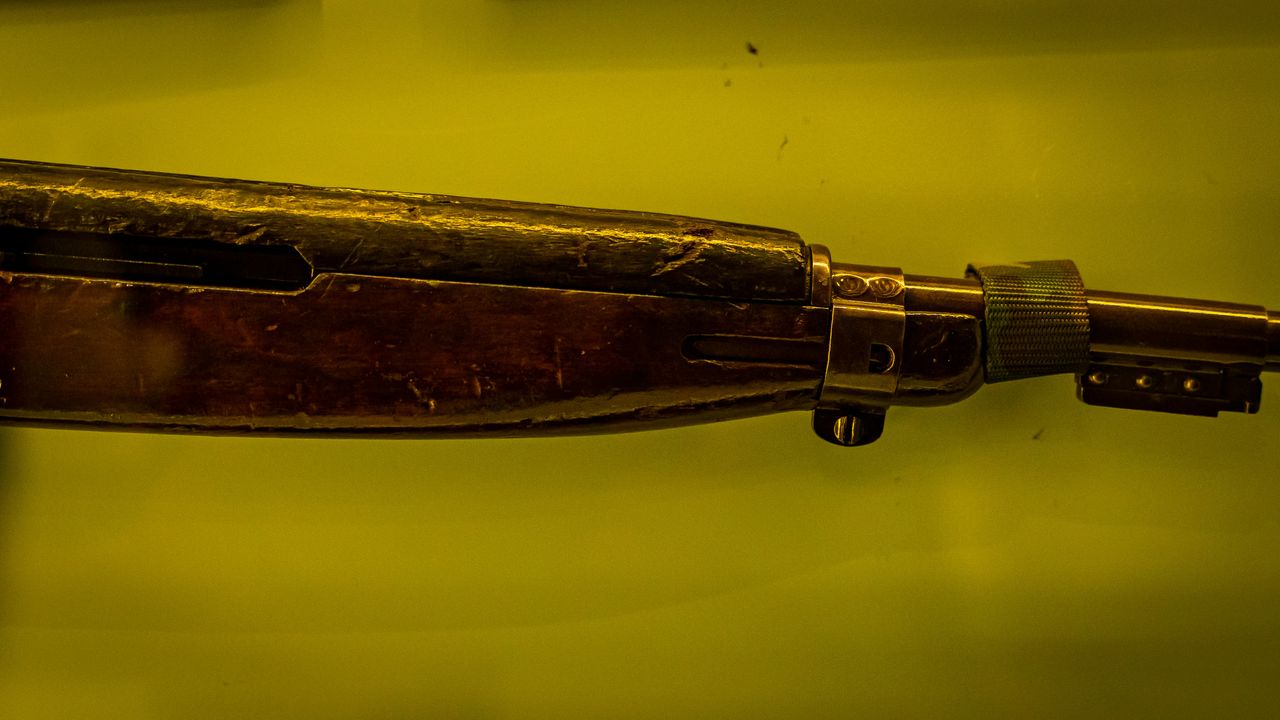
The rifle’s reputation as a gentleman’s arm was also visual. It had sweeping stock lines, fine checkering, and, on many classic carbines and stutzens, the distinctive full-length stock that gave the gun a continental profile.
There was style here, but not gaudy style. The Mannlicher-Schoenauer looked expensive in the way a tailored coat looks expensive, through proportion, finish, and balance.
Even the famous butter-knife bolt handle helped sell that image. It softened the rifle’s outline and made the whole package seem more refined than the hard, military shapes common in the early 1900s.
The result was a sporting rifle that looked at home in a leather case, a mountain lodge, or the hands of a hunter who valued manners as much as marksmanship.
It Proved Itself Far Beyond the Gun Rack

Refinement alone would never have secured its place. The design also had real working credibility, beginning with the 1903 military pattern adopted by Greece, which gave the action an early reputation for reliability and serious service use.
That martial background quietly helped the sporting line. Buyers knew they were getting elegance built on a mechanism tough enough for harsh conditions.
Later sporting models broadened the appeal through chamberings such as 6.5 × 54, 9 × 56, 8 × 56, and 9.5 × 57, then postwar versions expanded into more modern cartridges. Steyr resumed Mannlicher-Schoenauer sporting rifle production in 1950 with Allied permission after World War II.
So while the rifle became associated with taste, it never became delicate. That balance is central to the gentleman’s rifle image.
Writers and Sportsmen Turned It Into Myth

A rifle becomes iconic when it leaves the catalog and enters hunting culture. Steyr’s own historical material notes that the Mannlicher-Schoenauer gained wider fame through hunters and writers including Ernest Hemingway and Robert Ruark.
That kind of literary association mattered in the mid-20th century. Hunters did not just buy rifles for ballistics. They bought into an ideal of travel, composure, and fieldcraft.
The Mannlicher-Schoenauer fit that ideal perfectly. It was accurate enough, portable enough, and handsome enough to become part of the story a sportsman told about himself.
Once that happened, the rifle stopped being judged only by groups on paper. It became a symbol of cultivated hunting.
Why The Gentleman’s Label Still Sticks
Today, the Mannlicher-Schoenauer still stands for a certain kind of sporting taste because it solved a difficult problem. It delivered genuine field performance without sacrificing elegance, and it did so in factory form rather than only as a bespoke luxury piece.
That is why people still speak of it with reverence. They are responding to the total package, not just nostalgia.
A gentleman’s hunting rifle is not merely expensive or old. It is controlled, balanced, effective, and free of swagger. The Mannlicher-Schoenauer earned that title because it made competence look effortless.
Few rifles before it did that. Fewer since have done it better.