The Army finally got its long-awaited new rifle. Almost immediately, it started working on a different version.
That sounds like a failure from the outside, but the real story is more interesting and a lot more practical.
The Army did not buy the wrong rifle
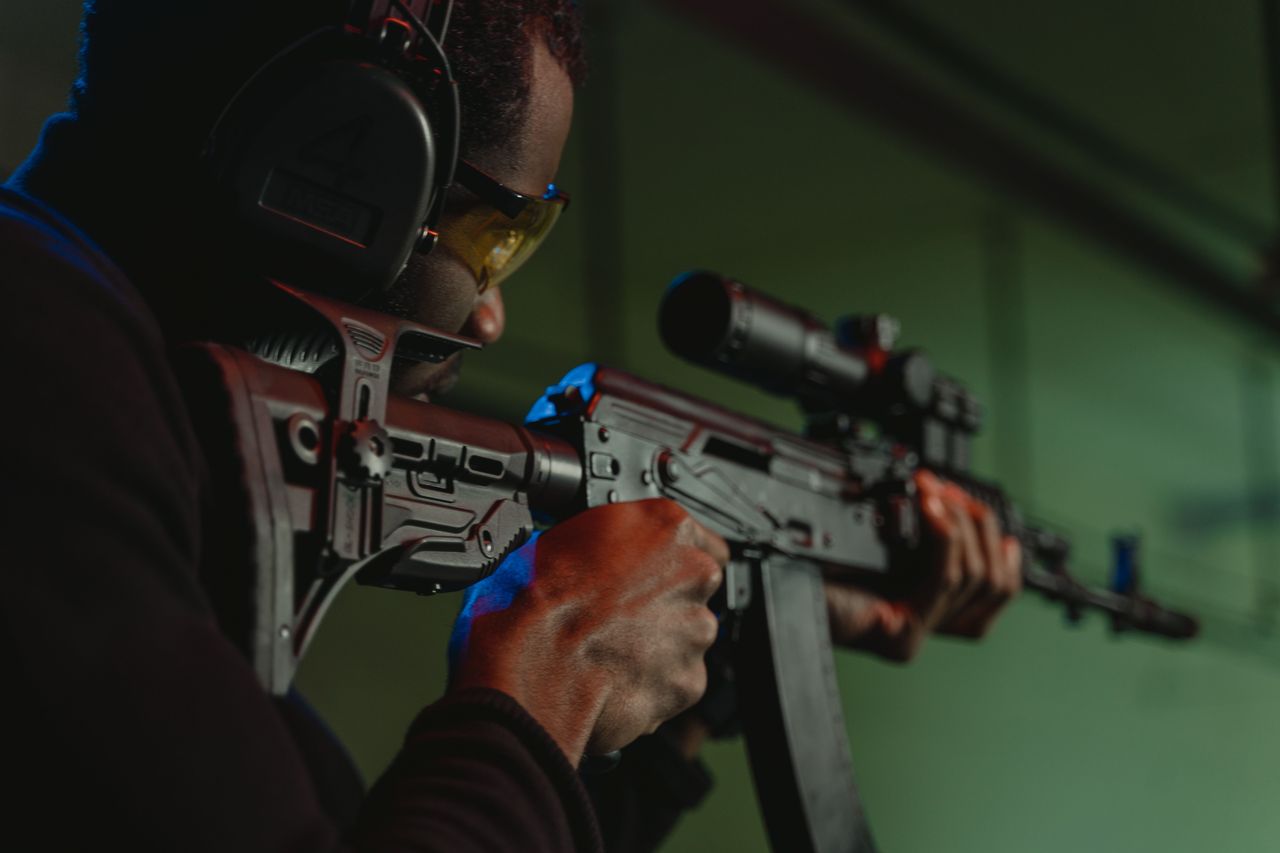
The first thing to clear up is the headline idea. The M7 is not being dumped after a brief, embarrassing run. The Army still describes it as the planned replacement for the M4A1 within the close combat force, and its own 2026 budget documents continue to fund fielding in significant numbers. In fiscal 2026 alone, the service budgeted for 16,154 M7 rifles, alongside 2,636 M250 automatic rifles and 19,524 fire control systems.
That matters because it shows the program is still very much alive. This is not a cancellation story. It is a refinement story.
The confusion comes from the Army’s decision to speed up work on a shorter carbine version called the XM8. According to Army acquisition material and reporting from Stars and Stripes, that move came after soldier feedback pushed the service toward a lighter, more mobile version of the same family of weapons.
So the better framing is this: the M7 opened the door, and the Army is now trying to tailor the package before it spreads further across combat formations.
Whydid the M7 exist in the first place
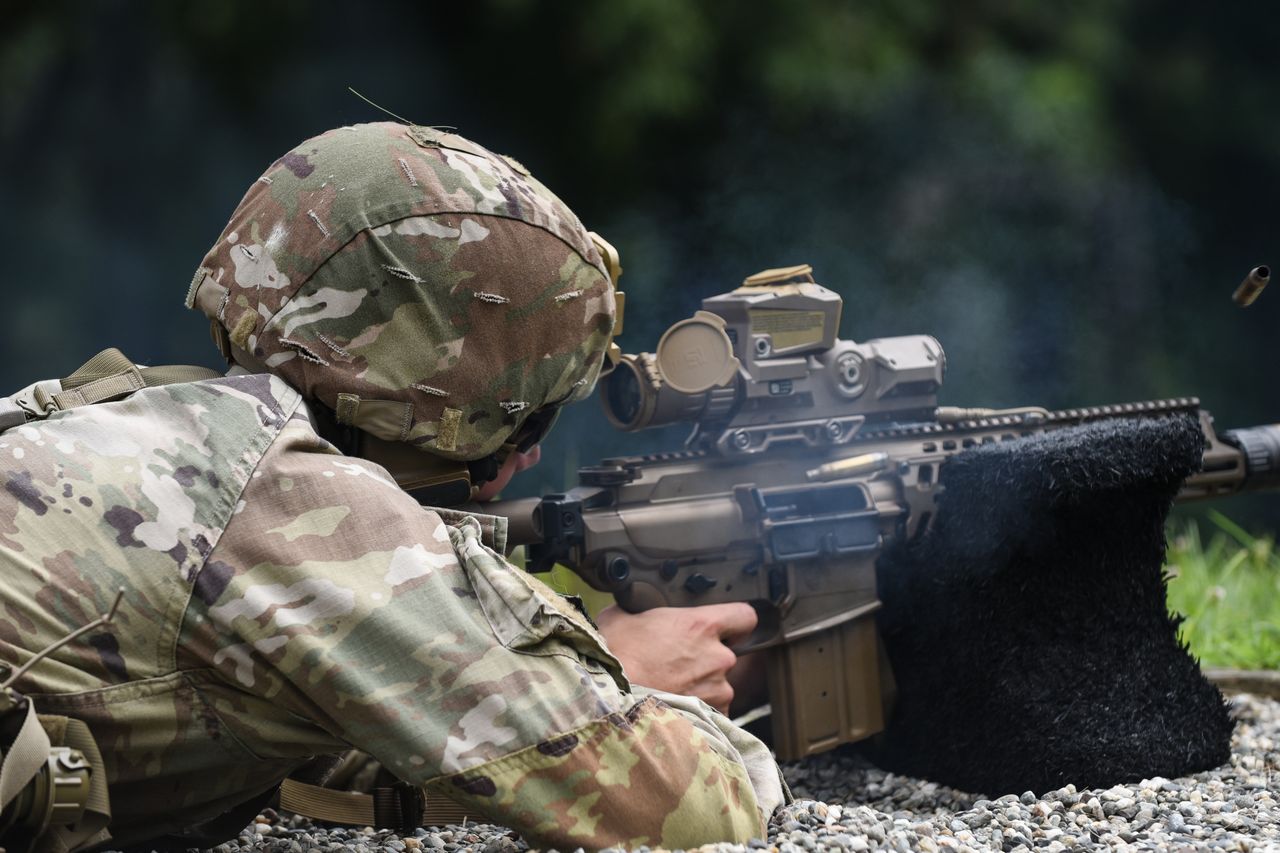
The M7 was born from a very specific battlefield concern. Army leaders spent years worrying that improved enemy body armor, longer engagement distances, and the limits of 5.56mm ammunition were eroding the M4’s edge. The Next Generation Squad Weapon program was the answer, pairing a new rifle and automatic rifle with a new 6.8mm cartridge and an advanced fire control optic.
On paper, the concept is easy to understand. More energy. More range. Better terminal performance. Better odds of hitting at a distance.
The Army has repeatedly said the M7 and M250 are meant to give infantry squads overmatch against near-peer threats. Official Army materials describe increased lethality, range, accuracy, and probability of hit as core reasons for fielding the system. That is why this was never just a rifle swap. It was a full small-arms ecosystem change.
And that is also why the Army accepted tradeoffs that average shooters immediately noticed, especially when it came to bulk, recoil, ammunition weight, and the overall load soldiers have to carry.
The real problem is not performance, it is burden
A rifle can be excellent in a test lane and still be frustrating on a long movement. That is where much of the M7 debate lives.
Army materials and field reporting have acknowledged that the M7 is heavier than the M4, especially once paired with its suppressor, optic, and larger 6.8mm magazines. The Army said as early as its 2022 briefing that the new rifle was about two pounds heavier than the M4, and later Army coverage noted soldiers feeling that weight increase in training.
That might not sound dramatic to civilians, but in infantry terms it adds up fast. Every extra pound competes with water, batteries, armor, medical gear, radios, breaching tools, and everything else a squad carries.
The ammunition issue is just as important. A more powerful 6.8mm round gives the M7 much of its appeal, but that performance comes at a cost in carried load and logistics. The Army is still building out industrial capacity for the round, including expanded production at Lake City, which tells you this is a weapon system that demands an entire supply chain shift, not just a new rack in the arms room.
Soldier feedback changed the Army’s timeline

What makes this story unusual is how quickly the Army moved. Instead of waiting a decade to admit what troops wanted, the service appears to have acted early.
Army acquisition writing in 2026 said the Army decided to advance procurement of a shorter, lighter, more mobile version of the M7 after receiving soldier feedback. Budget documents for 2027 go even further, stating that the Next Generation Squad Weapons program continues development and improvement of the M7/XM8 and M250, with planned work on ergonomics, signature suppression, weight and length reduction, and higher-capacity magazines.
That is the key point. The XM8 is not some unrelated replacement dreamt up in a vacuum. It is a direct response to how the current rifle handles in the field.
Stars and Stripes reported that the Army began fielding the M7 in 2023, officially designated it as the standard rifle in May 2025, and is now pursuing the XM8 as a carbine version better suited to tight spaces and mobility. In other words, the Army did not reverse course. It shortened the course.
This is what modern weapons procurement looks like now
Older military procurement often followed a rigid script. Years of development. A grand rollout. Then decades of trying not to admit what users disliked.
The M7 to XM8 shift shows a different model. Field something useful, collect real soldier reactions, then iterate quickly. That is closer to how successful optics, night vision devices, drones, and even civilian firearms accessories evolve today.
The Army’s own research and development plans show exactly that mindset. Improvement efforts include charging handle changes, signature suppression work, higher-capacity magazines, ergonomic fixes, and other enablers. This is less like replacing a family sedan and more like launching a platform that will keep changing after delivery.
That approach may frustrate people who want neat final answers. Is the M7 the future rifle or not? The answer is yes, but not in a frozen form.
The Army seems to be accepting that infantry weapons must adapt around the soldier, not just around ballistic charts. That is a healthy sign, even if it creates messy headlines.
What the Army gains by going shorter
A shorter carbine version solves several practical problems at once. It is easier to carry in vehicles, easier to maneuver in buildings, and less fatiguing over time. For air assault troops, mechanized infantry, scouts, and anyone constantly climbing in and out of confined spaces, inches matter.
A lighter package also helps preserve the advantages of the 6.8mm concept. If the Army can keep most of the ballistic benefit while trimming size and weight, it moves closer to the sweet spot that made the M4 so durable in the first place. That does not mean every complaint vanishes, but it narrows the penalty soldiers pay for greater range and punch.
There is also a psychological piece here. Troops are more likely to trust a weapon family when they see the institution reacting to their experience instead of lecturing them about spreadsheets.
The 2027 Army budget documents even mention the development of 25-round magazines for the M7 and XM8 family. That shows the service is not merely shortening the barrel and calling it a day. It is tuning the entire ecosystem around carry, handling, and sustained use.
The bigger lesson is that “brand new” no longer means finished
The headline sounds dramatic because people assume a new service rifle should arrive as a settled answer. In reality, the M7 arrived as a first answer.
The Army still wants what the M7 promised: more range, more lethality, and better performance against modern threats. Nothing in its budget requests or public program descriptions suggests the service has abandoned that mission. What has changed is the Army’s willingness to admit that the first fielded version is not automatically the ideal end state.
That is why the XM8 matters. It is evidence that the Army is trying to preserve the strengths of the M7 while sanding down the parts soldiers find hardest to live with.
So yes, the Army’s brand-new service rifle is already being phased over, in a sense, toward something else. But that “something else” is not a repudiation. It is the next step in the same plan.
And in military small arms, where every ounce and every inch can become a real-world complaint, that may be the smartest sign of all.