The .44 magnum revolver possesses a reputation for pure stopping power that often exceeds its actual ballistic reality during modern defensive encounters. While popular culture frequently portrays this massive handgun as an unstoppable force of nature, the practical limitations often hinder its effectiveness for the average and responsible shooter. Heavy recoil and massive muzzle blast can make accurate follow-up shots nearly impossible for many individuals during a high-stress crisis. Understanding why the .44 magnum revolver is not the powerful weapon you think it is requires a closer look at its physical handling and terminal performance on various targets.
Massive Recoil Hinders Accuracy
The primary reason this caliber often fails in a defensive role is the massive and punishing recoil that accompanies every single shot fired. While a professional might handle the snap with ease, many average shooters find the vertical movement of the muzzle to be completely overwhelming and quite painful. This physical violence forces a person to readjust their grip and sight alignment, which adds a dangerous delay during a fast-moving encounter. Delivering a single powerful blow is rarely as effective as multiple quick and accurate hits on a target. Controllability is the true cornerstone of every successful and safe handgun.
Limited Magazine Capacity
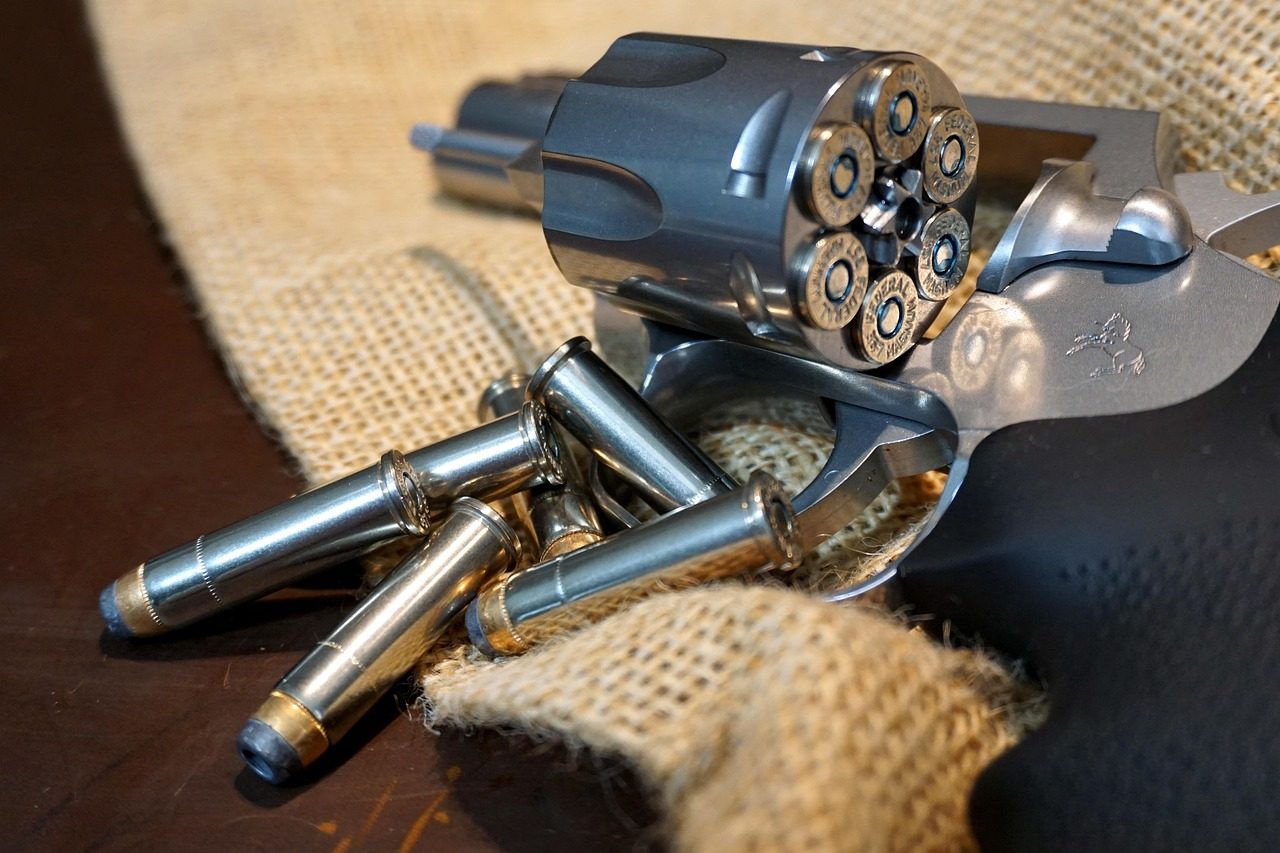
Most revolvers chambered in this large caliber only hold six rounds, which provides a very limited supply of ammunition for a modern emergency. In a chaotic situation where adrenaline is pumping and vision is narrowed, the ability to fire several rounds can be a significant and life-saving advantage. Modern semi-automatic pistols offer nearly triple the capacity in much lighter and more manageable packages that are easier to carry every day. Relying on a low-capacity firearm requires a level of precision that often disappears under pressure. Running out of ammunition during a crisis is catastrophic and very terrifying.
Slower Reloading Process
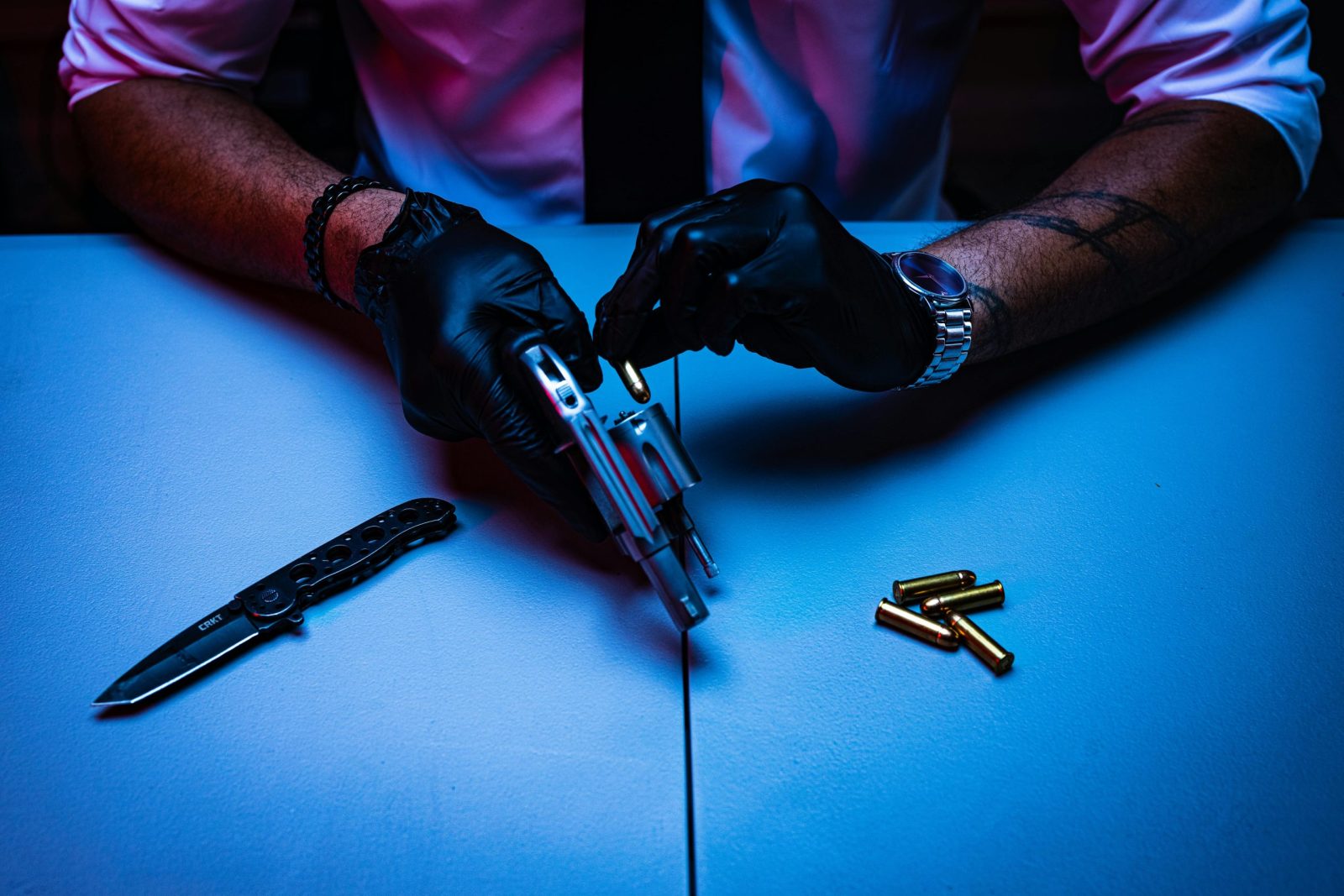
Reloading a large revolver is a slow and meticulous task that requires fine motor skills, which often fail during a high-stakes confrontation. Even with a speed loader, the process of ejecting heavy spent casings and inserting new rounds takes much longer than swapping a box magazine. In a defensive scenario, every second spent fumbling with loose cartridges is a second where the person remains vulnerable and unable to respond effectively. The mechanical complexity of a revolver reload makes it an impractical choice for those who need a fast and reliable turnaround. Speed and efficiency are vital for protection.
Excessive Over Penetration
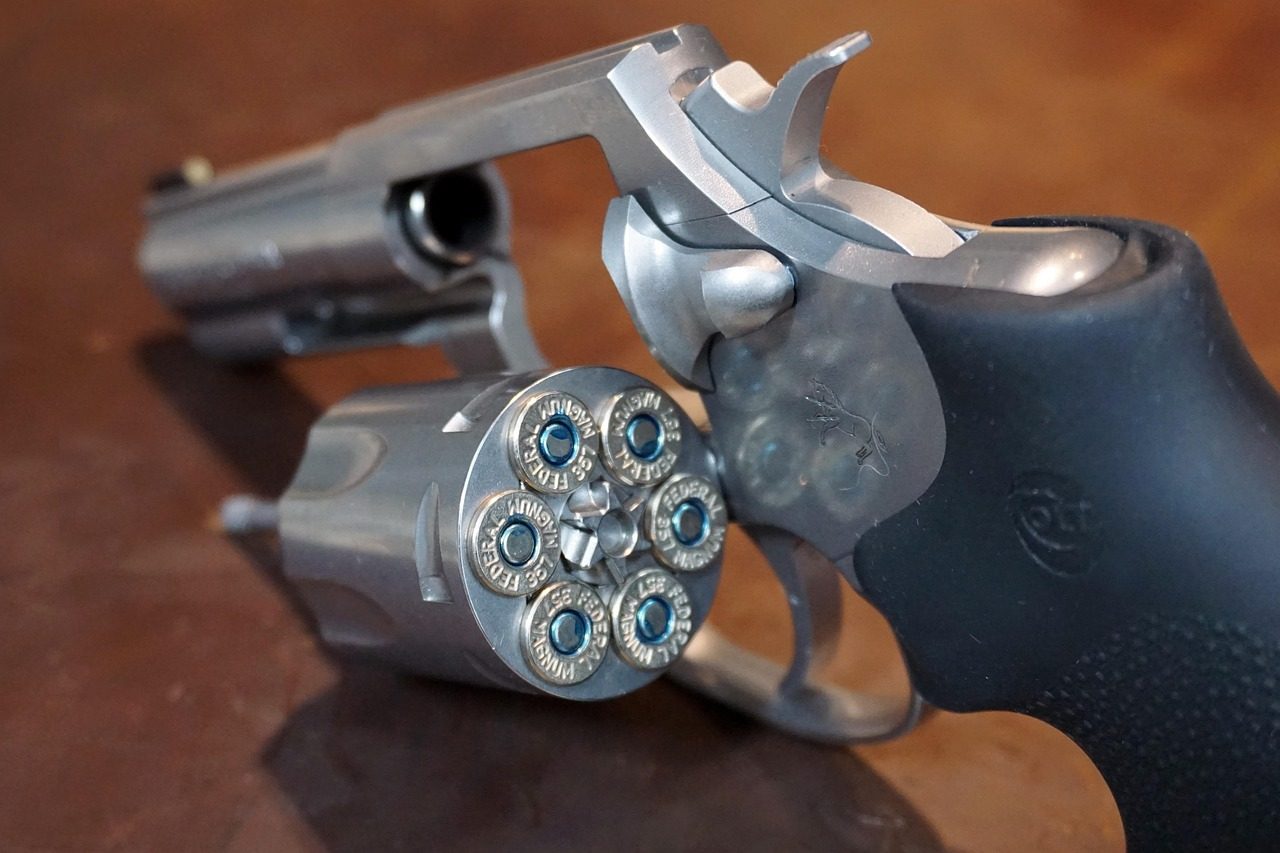
The incredible energy of a magnum round often leads to excessive over penetration, which can endanger innocent bystanders in nearby rooms or vehicles. These heavy bullets are designed to punch through the thick bone and muscle of large game animals rather than stopping inside a human-sized target. This means the projectile could easily pass through a common interior wall and continue its dangerous path with significant lethal force remaining. A responsible owner must consider the safety of their neighbors and family members when selecting a caliber for home defense. Lower velocity rounds offer a much safer and more controlled.
Heavy And Bulky Frame
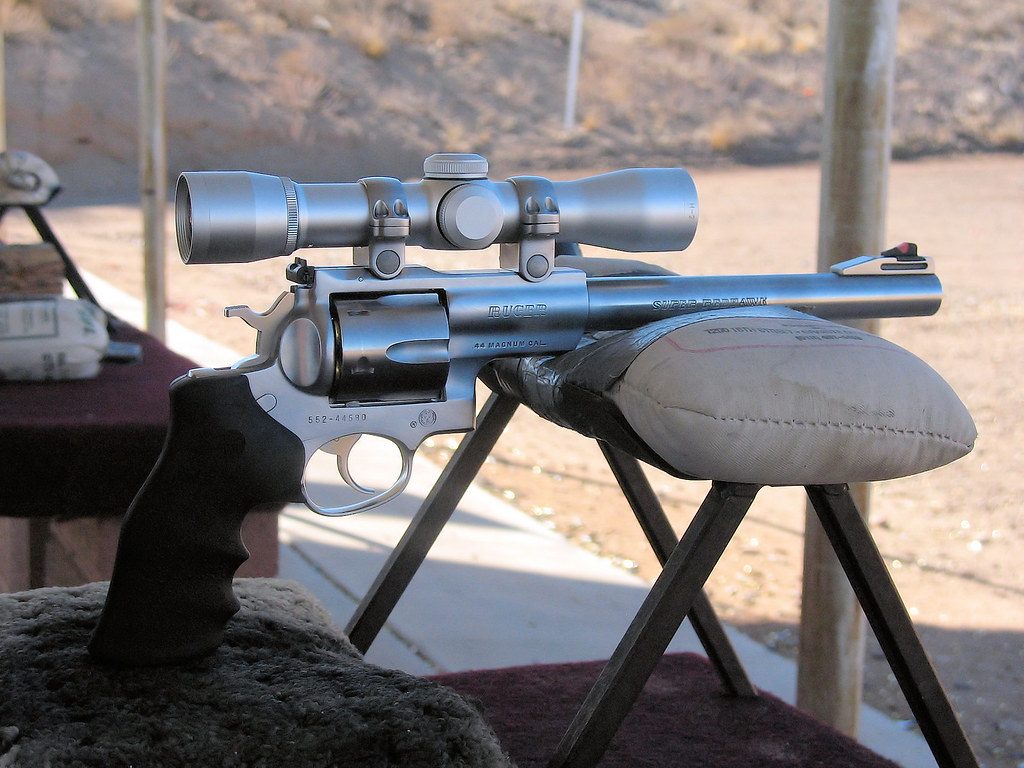
A typical firearm chambered in this caliber requires a massive steel frame to withstand the intense pressures generated by the powerful cartridge during ignition. This extra weight makes the weapon difficult to carry comfortably for long periods and can slow down the draw from a holster. A heavy gun is also harder to transition between multiple targets quickly because the inertia of the large barrel creates more physical resistance. Many people find that the bulkiness makes the firearm impractical for a concealed carry system or even for a simple nightstand role. Lightness and speed often trump raw power.