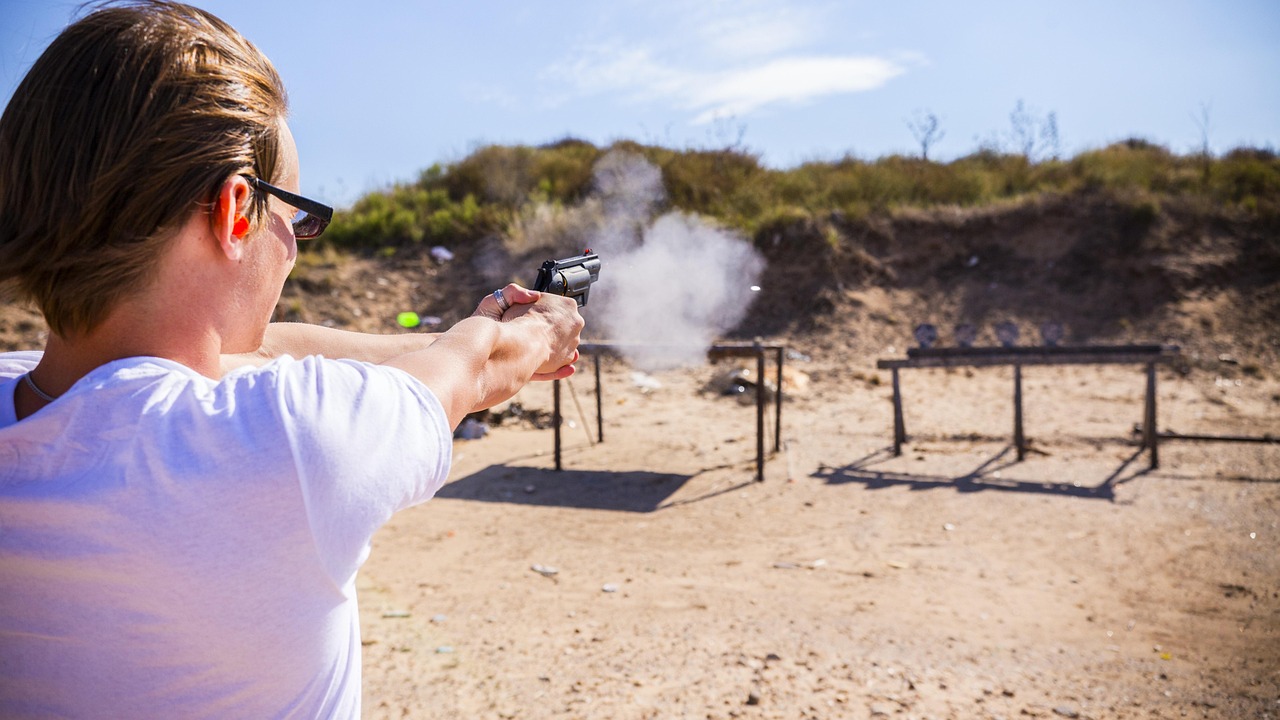
Taurus has long been tied to Brazil in the minds of American shooters. That is exactly why its decision to make one pistol entirely in the United States feels bigger than a normal factory update.
Taurus built its identity on Brazilian production
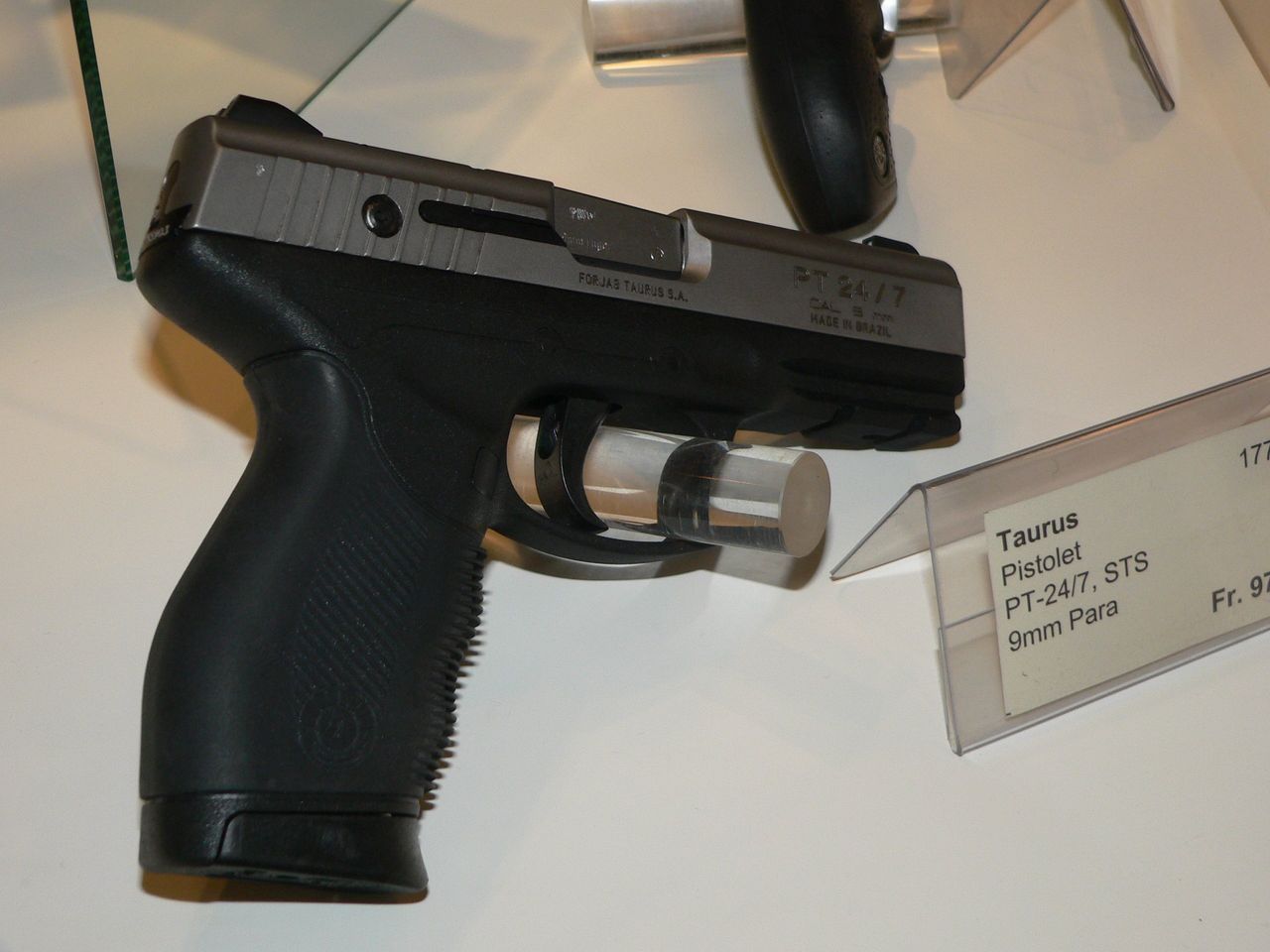
For decades, Taurus was the Brazilian value brand that sold handguns to Americans at prices many competitors struggled to match. The company’s roots run deep in Brazil, and its pistol history stretches back to the early 1980s, when Taurus acquired Beretta’s former São Paulo plant and tooling after military contract work there ended. That origin story helped shape Taurus into a major export-driven handgun maker.
In the United States, Taurus established its American presence in 1982, but for years the arrangement was familiar. Brazil remained the center of gravity for production, while the U.S. side handled distribution, support, and later some assembly and manufacturing. That pattern reinforced the idea that a Taurus pistol was, almost by definition, a Brazilian-made gun sold to American budget buyers.
Even after Taurus expanded stateside, that impression largely held. The company moved its U.S. operations from Miami to a purpose-built 200,000-square-foot facility in Bainbridge, Georgia, with the ribbon-cutting held in December 2019. Taurus has said the site gave it room to grow manufacturing capacity and product development, but the brand still leaned heavily on Brazilian production for many centerfire pistols.
The Georgia factory changed what Taurus could attempt
The Bainbridge move was not just a change of address. It was Taurus creating a factory designed around modern manufacturing flow, training, and expansion. Company materials and industry coverage have described the Georgia site as a state-of-the-art facility capable of producing pistols, revolvers, long guns, and Heritage rimfire products, with a growing emphasis on bringing more operations under one roof.
That matters because a company does not make an all-American pistol by accident. It needs machining capacity, quality systems, trained labor, and enough confidence in local suppliers and internal processes to avoid turning a cost-conscious handgun into an expensive experiment. Taurus spent years building that base in Georgia before the strategy became obvious to the average buyer.
There were early signs. American Rifleman reported that Taurus was already making its TX22 rimfire lineup entirely in Bainbridge, along with the Heritage single-action rimfire revolver line. Taurus executives also spoke publicly about expanded U.S. manufacturing capability and the long-term plan to increase what the Georgia plant could build, including more components rather than just final assembly.
The pistol that signaled the break was the TX22
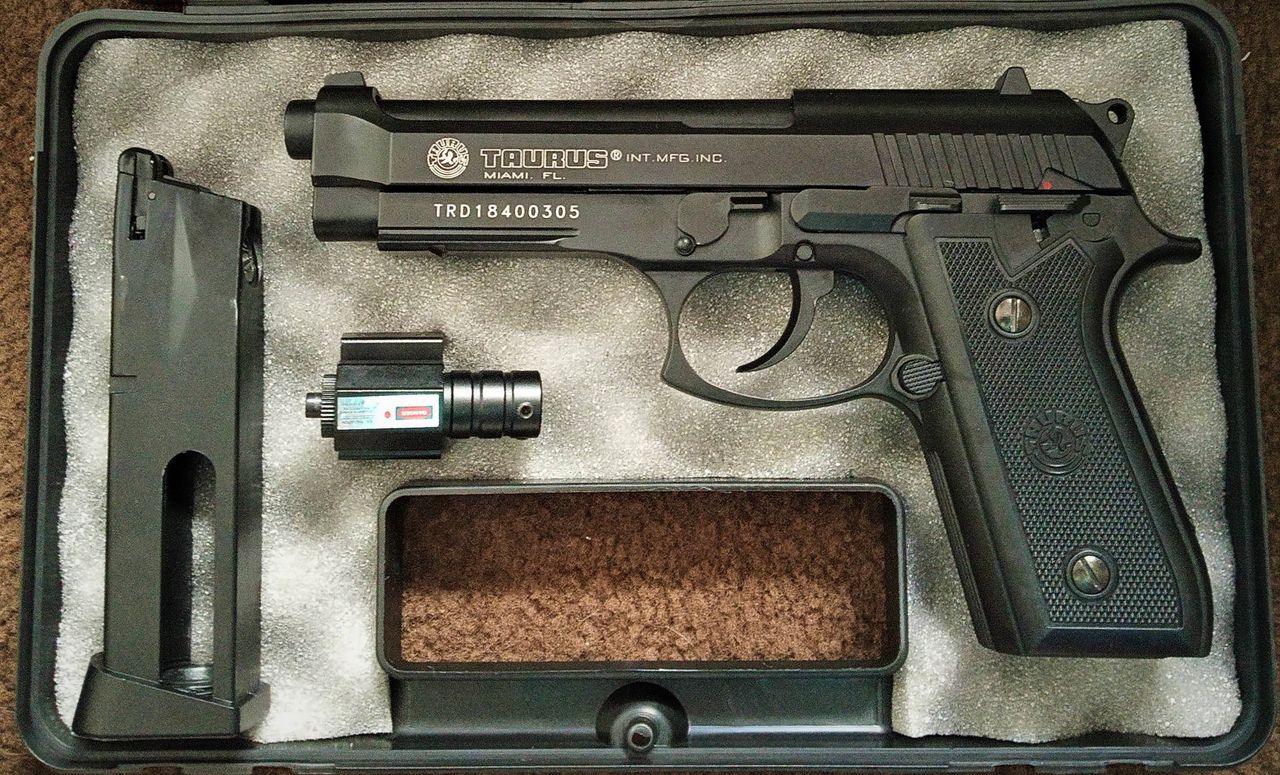
If you want to identify the pistol that most clearly broke tradition, the best answer is the TX22. It was not just another SKU with a Georgia address on the box. Industry coverage and Taurus-related product information consistently identified the TX22 as being manufactured in Bainbridge, making it a meaningful departure from the company’s usual Brazil-first pistol story.
That choice was smart. The TX22 became one of Taurus’s most important modern products because it landed in a category where reliability, price, and shootability mattered more than brand snobbery. A .22 LR pistol lives or dies by whether it runs, and Taurus knew that if it could build a dependable rimfire trainer in Georgia, it would prove something bigger than simple patriotic marketing.
It also helped that the TX22 earned a strong reputation among shooters who had once dismissed Taurus outright. By making that pistol in America, Taurus gave skeptical U.S. buyers a cleaner narrative: new factory, tighter oversight, shorter logistics chain, and a product aimed at one of the most demanding practical-use categories in handguns. That is a very different message from “cheap import.”
Why Taurus had real business reasons to localize production
There is an emotional appeal to “Made in USA,” but Taurus did not move in that direction just to wave a flag. There are hard business reasons behind it. Producing in Georgia shortens supply lines to the company’s biggest market, reduces the lag between production and delivery, and gives Taurus more control over product tweaks, warranty analysis, and line changes.
Trade policy also matters. Taurus has acknowledged in corporate reporting that tariffs and changes in U.S. trade enforcement can affect costs and production planning. In a market where entry-level pistols compete fiercely on price, even modest swings in import-related costs can force a manufacturer to rethink where a gun should be built. Domestic production can serve as both a hedge and a strategic flex.
Then there is speed. If a magazine issue, tolerance problem, or parts revision shows up, a U.S.-built pistol can often be corrected faster for the American market. That kind of responsiveness matters for a company still working to outrun older quality-control criticisms. Local production is not a magic cure, but it does make continuous improvement easier to execute.
Taurus was also chasing credibility, not just efficiency
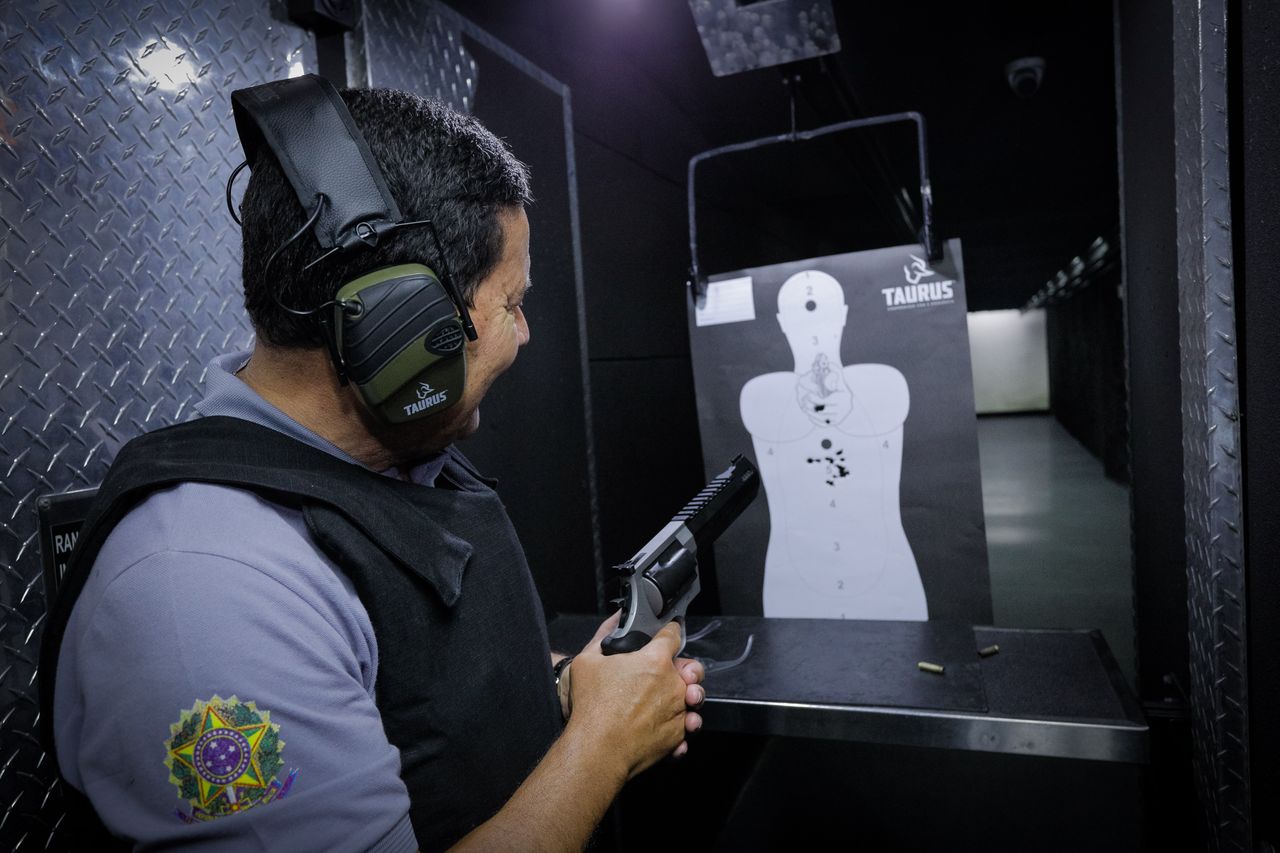
Taurus knows its reputation has always been complicated. The company has loyal fans, but it also carries years of baggage from uneven quality perceptions and the tendency of serious gun buyers to compare it unfavorably with Glock, Smith & Wesson, or Ruger. Building a pistol entirely in America was one way to show that the company wanted to reset part of that conversation.
An American-made handgun suggests closer oversight and a more direct relationship between engineering, testing, and assembly. Whether every buyer thinks that is fair is almost beside the point. Perception matters in the firearms business, especially in carry guns and training pistols, where trust is a huge part of the sale.
The success of newer Taurus products gave the company an opening to try this. The GX4 family improved Taurus’s standing in the concealed-carry market, while the TX22 won over shooters who cared less about logos than performance. Once consumers started saying “this new Taurus actually runs,” the company had permission to push the next step in its brand rehabilitation.
The GX2 shows how Taurus now balances global and U.S. production
The interesting part is that Taurus did not suddenly abandon Brazil. In fact, recent reporting around the GX2 shows the company still uses Brazilian manufacturing strength where it makes sense. Reviews tied to the GX2 launch described improvements at Taurus’s Brazilian factory, including major CNC capacity and automation, as key reasons the company could deliver a better pistol at a lower price.
That tells you Taurus is not choosing between Brazil and Georgia in some ideological way. It is choosing what each plant can do best. Brazil remains crucial for scale and cost efficiency, especially in the hypercompetitive budget-centerfire segment. Georgia, meanwhile, gives Taurus a way to produce strategically important guns domestically when the product, politics, logistics, or brand message justify it.
So the break from tradition is real, but it is also selective. Taurus is not trying to become a purely American manufacturer overnight. It is using U.S. production where it can create the most value, and using Brazilian production where the economics and industrial base still give it a strong advantage.
What this says about Taurus and the U.S. handgun market
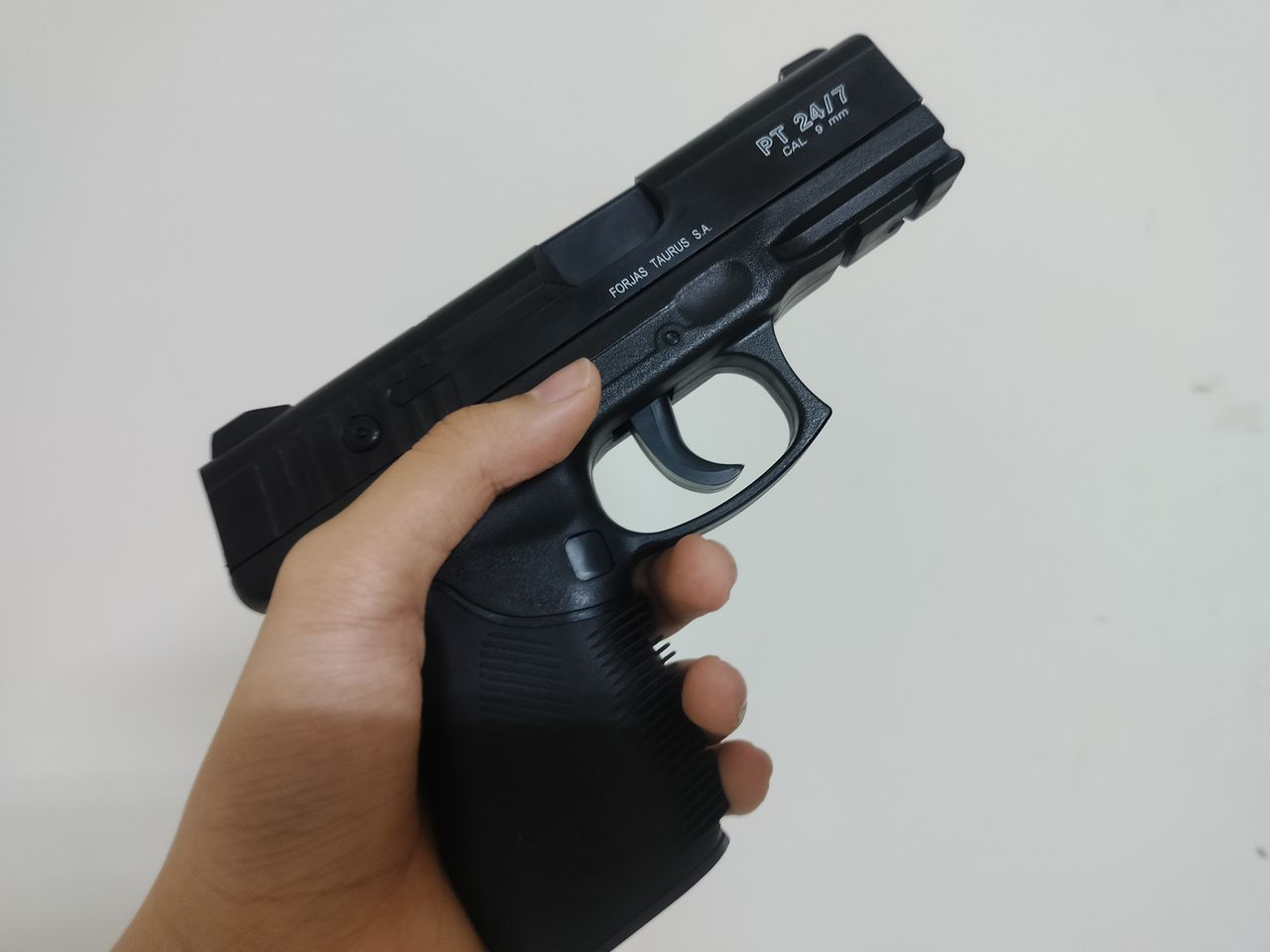
The bigger lesson is that Taurus sees America as more than an export destination. The company’s own history and investor-facing commentary make clear that the U.S. market is central to its business, and that means production decisions are increasingly being shaped by American buyers, American regulations, and American expectations about speed, service, and consistency.
Making one pistol entirely in Georgia was a signal that Taurus understood the assignment. If it wanted to be taken seriously beyond bargain-bin comparisons, it needed more than a low sticker price. It needed products that felt closer to the customer, closer to the service department, and closer to the quality-control loop.
In that sense, Taurus did not really break from tradition for symbolic reasons alone. It did it because the modern U.S. handgun market rewards companies that can mix affordability with trust. For Taurus, an American-made pistol was not just a manufacturing choice. It was a statement that the company intends to compete on credibility as much as on price.