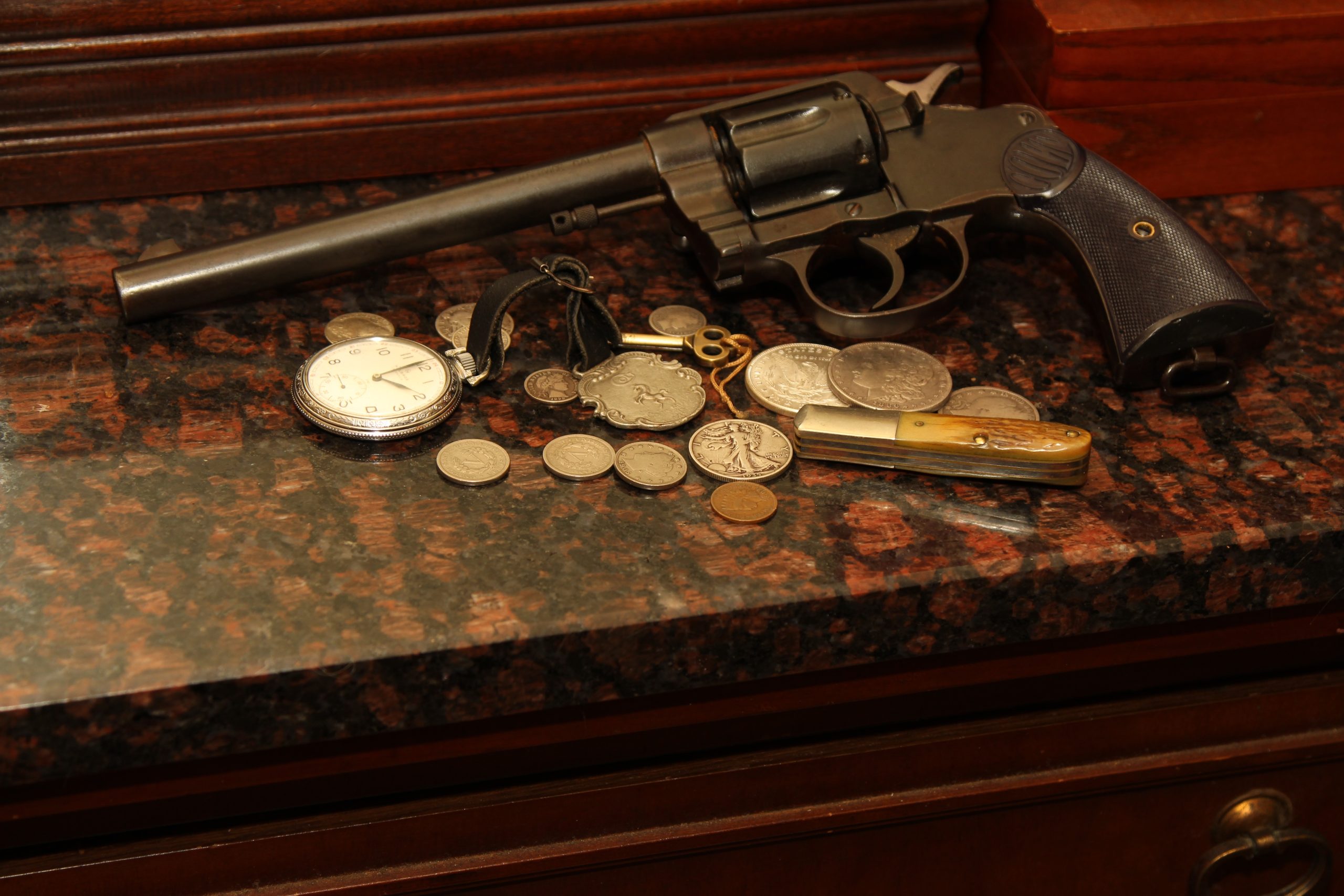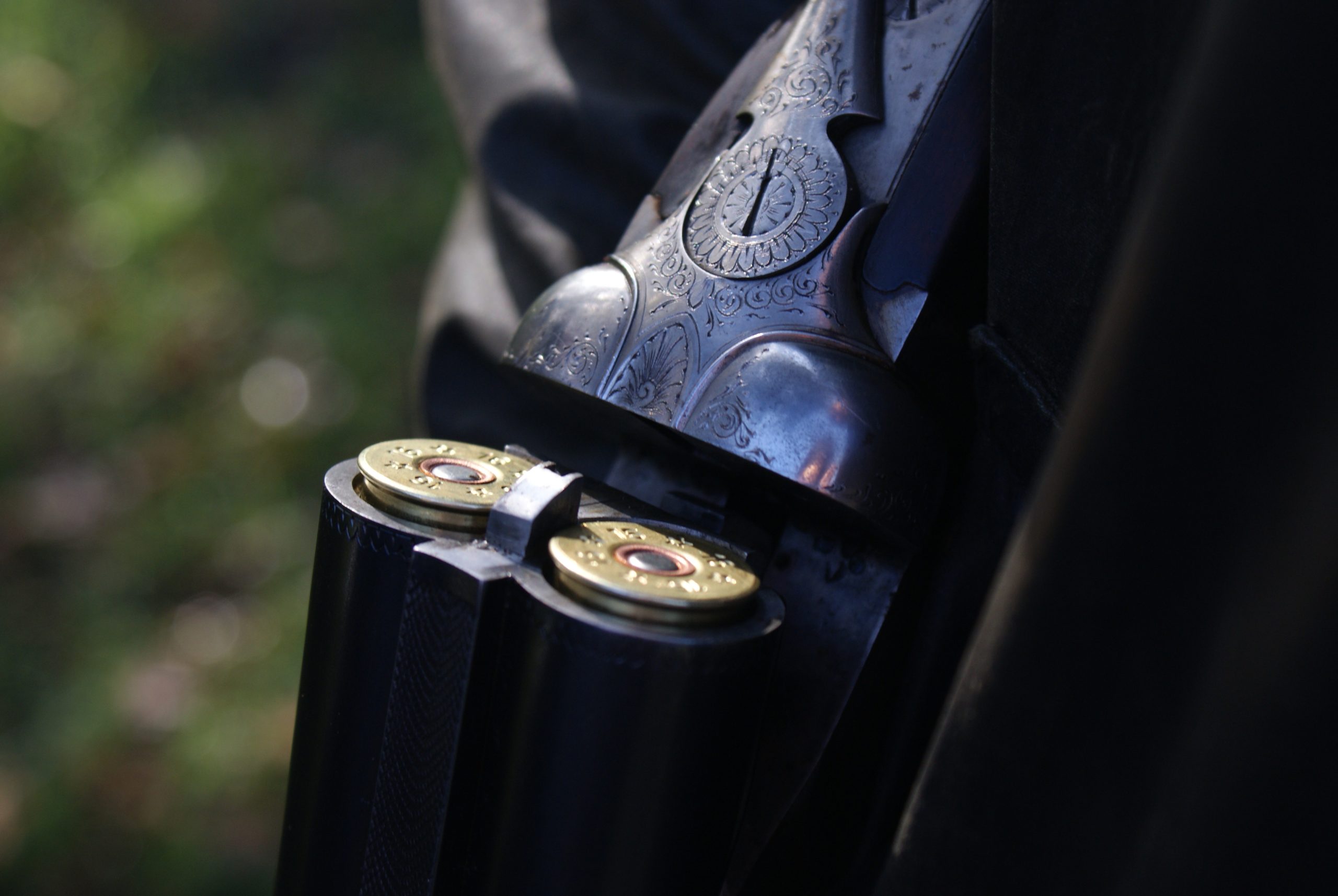
Some shotguns look wide and old-school. Others look taller, sleeker, and more familiar on a clay range.
Two layouts, one basic idea
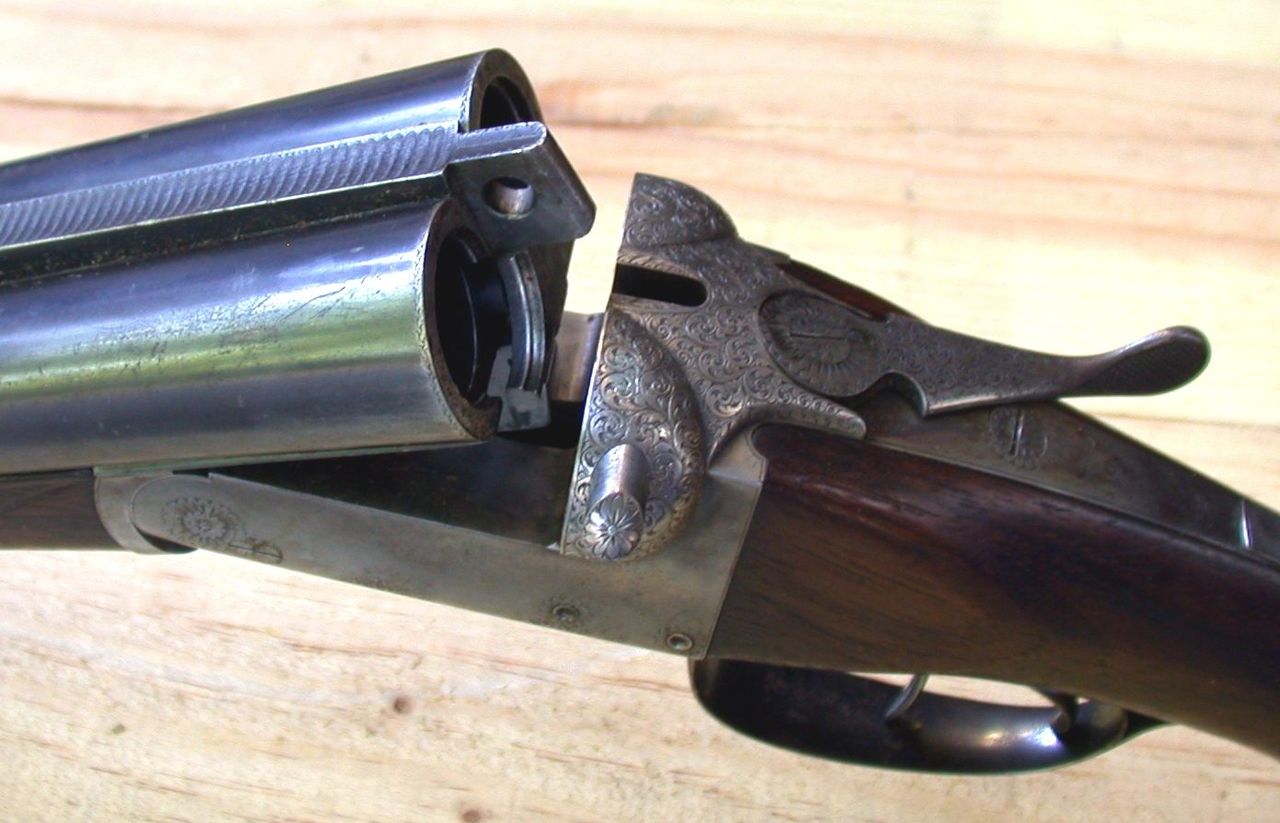
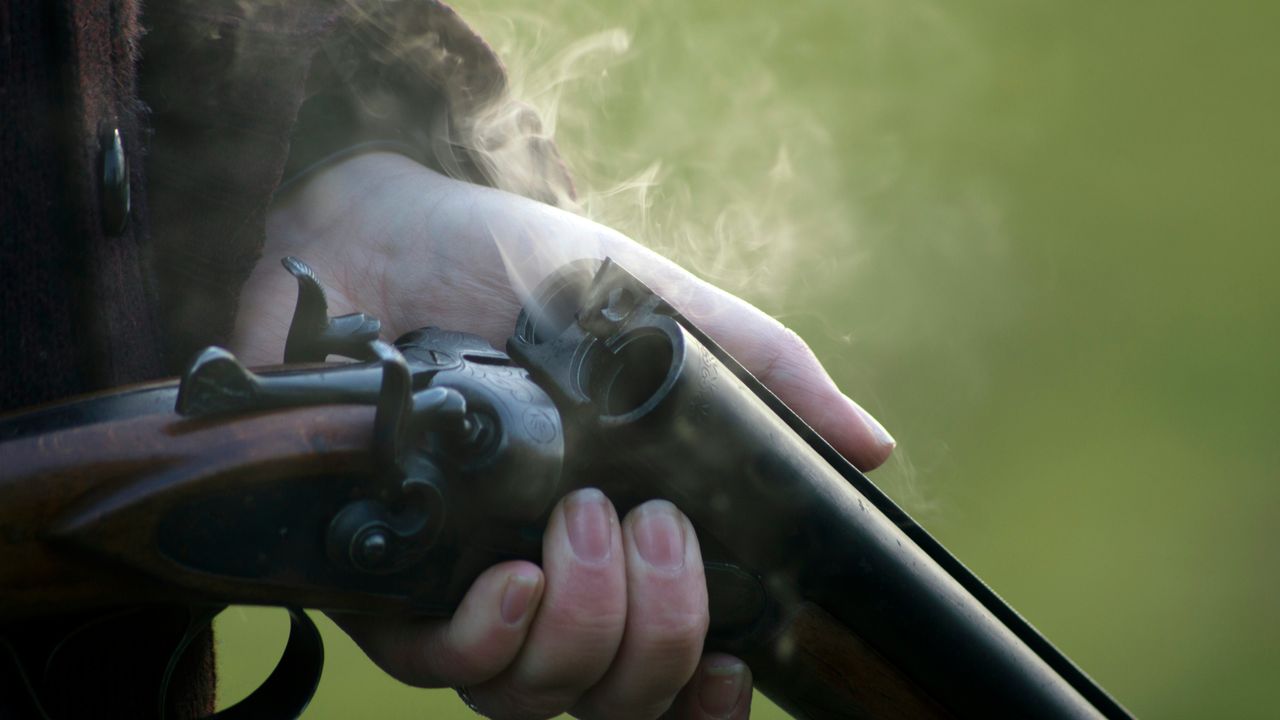
A double-barrel shotgun gives the shooter two quick shots with two separate barrels, and often two different choke options. The two classic ways to arrange those barrels are side by side, with the tubes lying horizontally, or stacked vertically in an over-under layout.
Both designs have been around for a long time because both work very well. The real difference is not whether one can fire two shells, because both can, but how the gun points, swings, and feels when used in the field or on a target range.
That is why the choice has always been more about purpose than novelty. Gunmakers did not build two formats by accident. They evolved because shooters wanted different handling characteristics for different kinds of shooting.
Why side-by-sides stayed popular for so long
The side-by-side was the classic sporting shotgun for generations, especially in upland hunting and traditional driven shooting. Its shape tends to produce a lively, quick-handling gun, and many hunters still like that fast, instinctive feel when birds flush close and the shot happens in a split second. Shooting UK notes that side-by-sides remain closely tied to game shooting tradition and field use.
Another practical advantage is loading and reloading access. Because the barrels sit apart horizontally, the action can feel open and easy to feed, especially on classic break-action guns. Some gun writers also point to the basic simplicity of many boxlock side-by-sides as part of their lasting appeal.
Then there is culture. A side-by-side carries history, craftsmanship, and a look many shooters simply love. Even people who shoot over-unders better often admit the side-by-side has unmatched style.
Why over-unders became dominant in modern target shooting
Over-unders rose because they made several shooting tasks easier for many people. The biggest advantage is the single sighting plane. Instead of looking over two barrels spread across the horizontal field of view, the shooter sees one barrel rib on top, which many find cleaner and less distracting. Shooting UK says that easier sighting is one big reason over-unders dominate serious clay shooting.
They also tend to manage recoil and muzzle movement in a way target shooters appreciate. Reviews and coaching articles often describe the over-under as easier for consistent mounting, smoother follow-up shots, and more forgiving for people learning formal shotgun technique.
That helps explain why you see them almost everywhere in competition. According to Shooting UK, Olympic and top sporting-clays shooters overwhelmingly use over-unders rather than side-by-sides.
The handling difference is real, but sometimes overstated
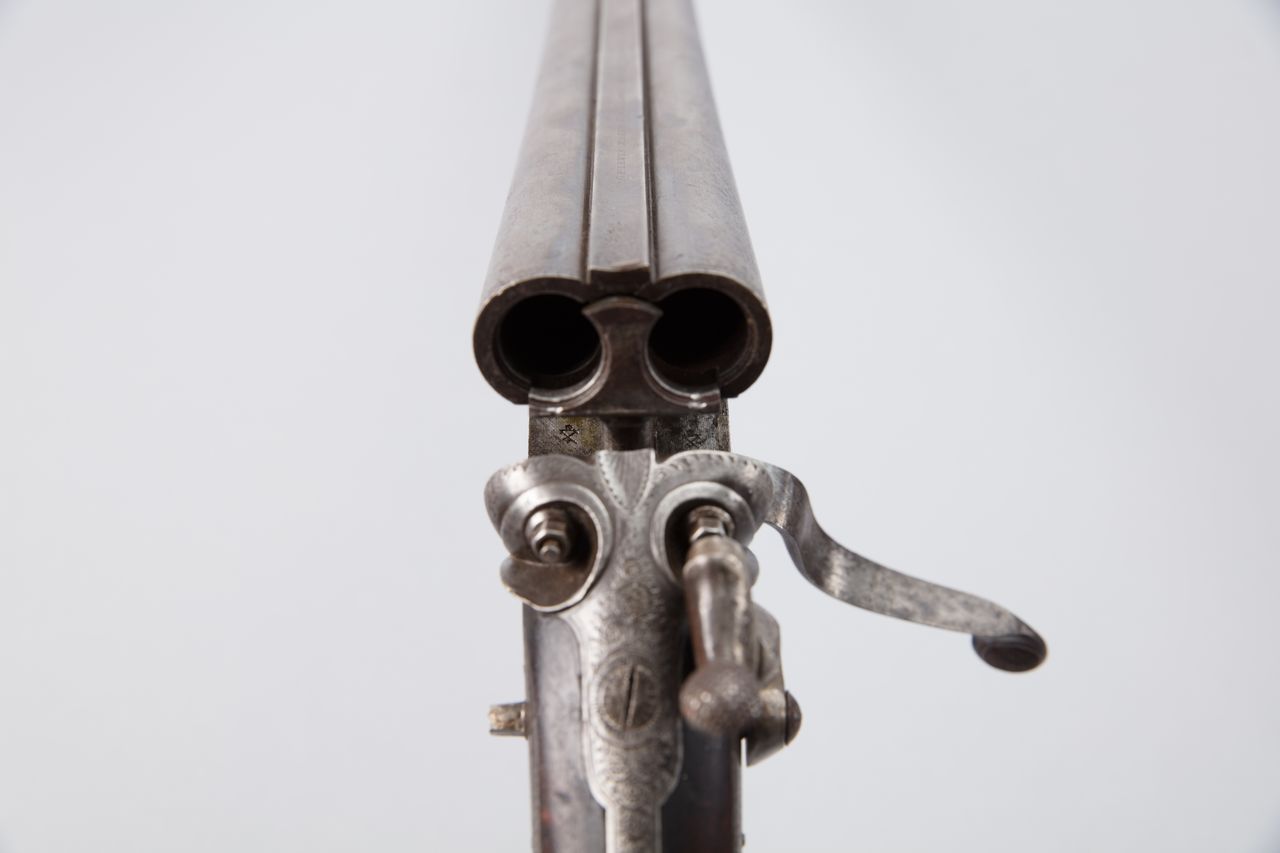
Shooters often describe side-by-sides as quicker and over-unders as steadier. That is a useful rule of thumb, but it is not a law of physics. Barrel length, overall weight, stock fit, and choke setup can matter as much as barrel arrangement.
In fact, experienced instructors regularly point out that pattern performance from the two barrels is often far more similar than people assume at normal shooting distances. One Shooting UK piece argues that many perceived differences in where the gun shoots are more in the shooter’s mind than in dramatic pattern separation.
Still, the visual impression matters. A side-by-side presents more width in your peripheral vision, while an over-under gives a narrower profile. For many shooters, that alone changes confidence, and confidence changes performance.
Triggers, chokes, and what the shooter is trying to do
Traditional side-by-sides often use double triggers, usually with the front trigger firing the right barrel first and the rear trigger firing the left barrel. That setup lets a shooter instantly choose between different chokes, but it also demands more practice under pressure. Shooting UK notes that this is one area where over-unders often feel simpler for modern shooters.
Over-unders more commonly use a single selective trigger, making them feel more straightforward on a sporting course or trap field. That simplicity matters when the target presentation is known and repeatability is the goal.
So the barrel layout is tied to use case. If the day calls for refined instinctive shooting in the field, many still love the side-by-side. If it calls for repeatable precision on clays, the over-under usually gets the nod.
So which one is better
Neither is universally better. The side-by-side survives because it offers quick handling, tradition, elegance, and real field performance. The over-under leads modern sales and competition because it gives many shooters a cleaner sight picture and a more familiar, controllable platform.
A good comparison is a sports car versus a grand touring coupe. Both can move fast, but they deliver the experience differently. Shotguns are similar. The best design depends on whether the shooter values heritage and liveliness or target-oriented control and consistency.
That is the simple answer to the original question. Some shotguns place two barrels side by side because that layout excels at classic field shooting. Others stack them because modern shooters often want the cleaner line and steadier feel of the over-under.