Anniversary launches are usually small, safe, and easy to ignore. Ruger went the other direction, and that is exactly why people across the gun world are paying attention.
Ruger is celebrating history by targeting every kind of buyer
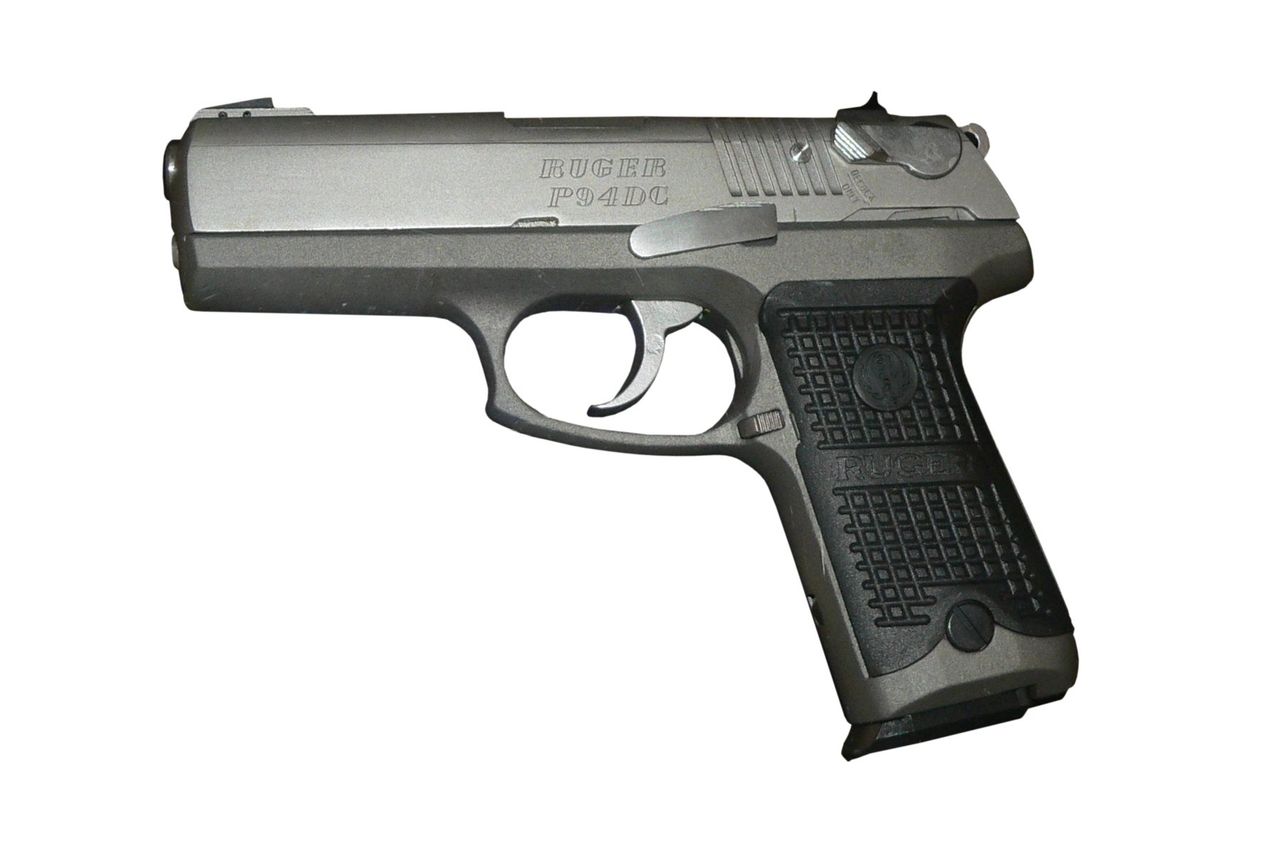
When a firearms company hits a major anniversary, the standard playbook is simple: engrave a logo, issue a limited run, and let collectors do the rest. Ruger’s recent approach is much broader. Instead of releasing one flagship commemorative, the company spread the celebration across a surprisingly wide spectrum of products, from an inexpensive $129 accessory part to a premium rifle with the kind of finish and presentation that feels museum-ready.
That product spread matters because Ruger’s customer base is just as broad. The company has long served first-time handgun buyers, practical ranch-rifle owners, hunters, rimfire enthusiasts, and serious collectors. A single commemorative SKU would only speak to one slice of that market. A lineup, by contrast, lets Ruger tell its anniversary story to nearly everyone already in its ecosystem.
It also reflects how the company has built its reputation over decades. Ruger is not just known for one legendary platform. It is known for a portfolio: 10/22 rifles, Mark-series pistols, American bolt guns, revolvers, PCCs, and a deep catalog of parts and accessories. An anniversary that touches multiple categories feels more authentic for Ruger than it might for a more narrowly focused brand.
There is also a practical business angle here. Commemorative products can generate buzz, but they work best when that buzz converts across price tiers. Someone who cannot justify a high-end collector rifle may still buy an anniversary-marked part, magazine, stock component, or accessory. Ruger appears to understand that sentiment sells best when people can actually afford a piece of it.
The $129 item is small in price but big in what it signals
The most revealing piece of the whole launch may not be the high-dollar showpiece at all. It is the low-cost entry point, reportedly landing around $129, that tells you what Ruger is really doing. A part at that price is not aimed at elite collectors. It is aimed at ordinary owners who want to participate in the anniversary without making a major purchase.
That matters because firearms companies increasingly live in an ownership ecosystem, not just a product ecosystem. Buyers today do not only purchase complete guns. They buy optics, trigger upgrades, magazines, chassis systems, stocks, rails, suppressor-ready accessories, and cosmetic add-ons. A commemorative part fits modern buying behavior in a way a single expensive rifle never could.
It also lowers the emotional barrier to entry. A shooter who already owns a Ruger may not be in the market for another firearm this year, especially with household budgets still tighter than they were a few years ago. But a $129 upgrade or display-worthy component feels reachable. It lets someone celebrate the brand, personalize a favorite firearm, and still stay within a practical spending range.
In marketing terms, that kind of product becomes a conversation starter. It gets posted in forums, displayed in gun-shop cases, and discussed at ranges because it is attainable. Premium halo products create prestige, but accessible anniversary pieces create volume. Ruger seems to be using both ends of the ladder on purpose.
The museum-grade rifle gives the lineup prestige and permanence
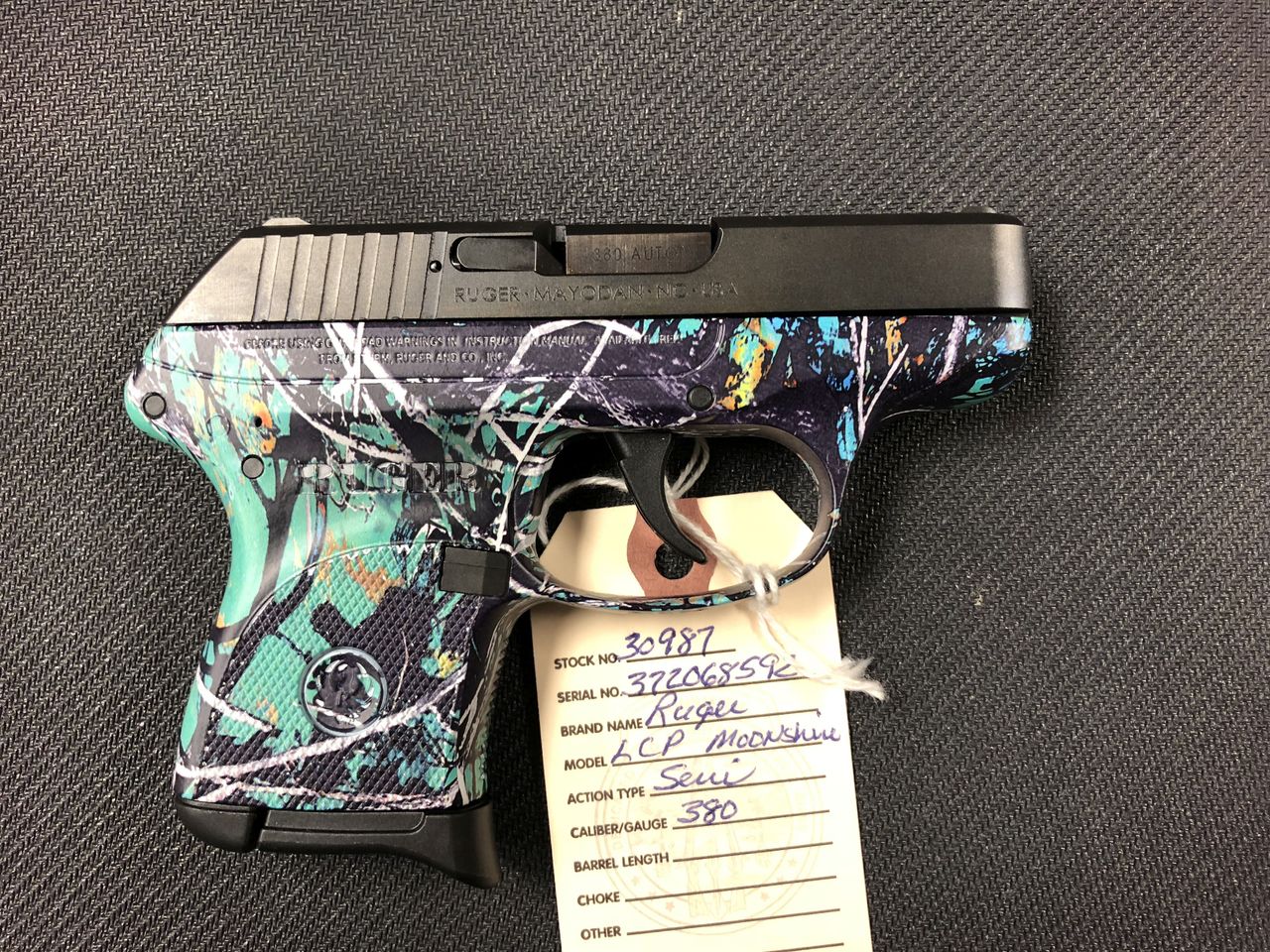
At the opposite end of the lineup sits the rifle that has drawn collector attention for obvious reasons. This is the kind of firearm that is less about filling a deer tag next weekend and more about craftsmanship, presentation, and legacy. When people call something museum-grade, they usually mean exquisite wood, refined metalwork, historical cues, and limited availability that pushes it beyond ordinary production.
That sort of rifle serves a very specific function in a lineup like this. It is the halo piece. Even people who never intend to buy it will talk about it, share photos of it, and compare it to past commemoratives from Winchester, Colt, or Browning. In that sense, the rifle is doing image work for the entire anniversary campaign.
Collector firearms also play by different rules than practical-use guns. Buyers in this segment care about serial-number ranges, engraving quality, packaging, provenance, and whether the piece captures something real about a company’s history. If Ruger executes well on those details, the rifle becomes more than a product. It becomes a statement that the company sees its own past as worth preserving in physical form.
There is a long-term value angle, too. No manufacturer can promise appreciation, but carefully executed anniversary rifles often end up anchoring private collections, dealer showcases, and estate-level holdings. Even among non-collectors, that creates a perception of importance. It tells the market that this anniversary is not just a sales event. It is a milestone.
This lineup mirrors the unusual strength of today’s gun market
Ruger’s decision also makes sense when viewed against the broader firearms business. The market has changed a lot since the early pandemic-era surge, but demand has not vanished. It has simply become more segmented. There are still first-time buyers entering the market, but there is also a strong base of experienced owners now shopping more selectively for upgrades, special editions, and guns with emotional appeal.
That creates room for a layered launch. An affordable anniversary item catches practical buyers. Mid-tier special editions speak to enthusiasts who want something distinctive but still usable. The premium rifle addresses the collector class. One campaign, in other words, can do the work of three if the product ladder is built correctly.
It helps that Ruger has a reputation for understanding value better than many competitors. The company is not typically viewed as a purely luxury name, nor is it seen as bargain-bin commodity hardware. It occupies a useful middle ground where reliability, familiarity, and price discipline matter. That makes the leap from everyday products to commemorative products feel less forced.
Retailers benefit from this structure as well. Gun shops like anniversary products because they create store traffic and easy conversations, but they also need items at multiple margins and price points. A lineup that includes impulse-level commemorative pieces and showcase rifles gives dealers more ways to participate in the same promotional wave.
Ruger is using nostalgia without getting trapped by it
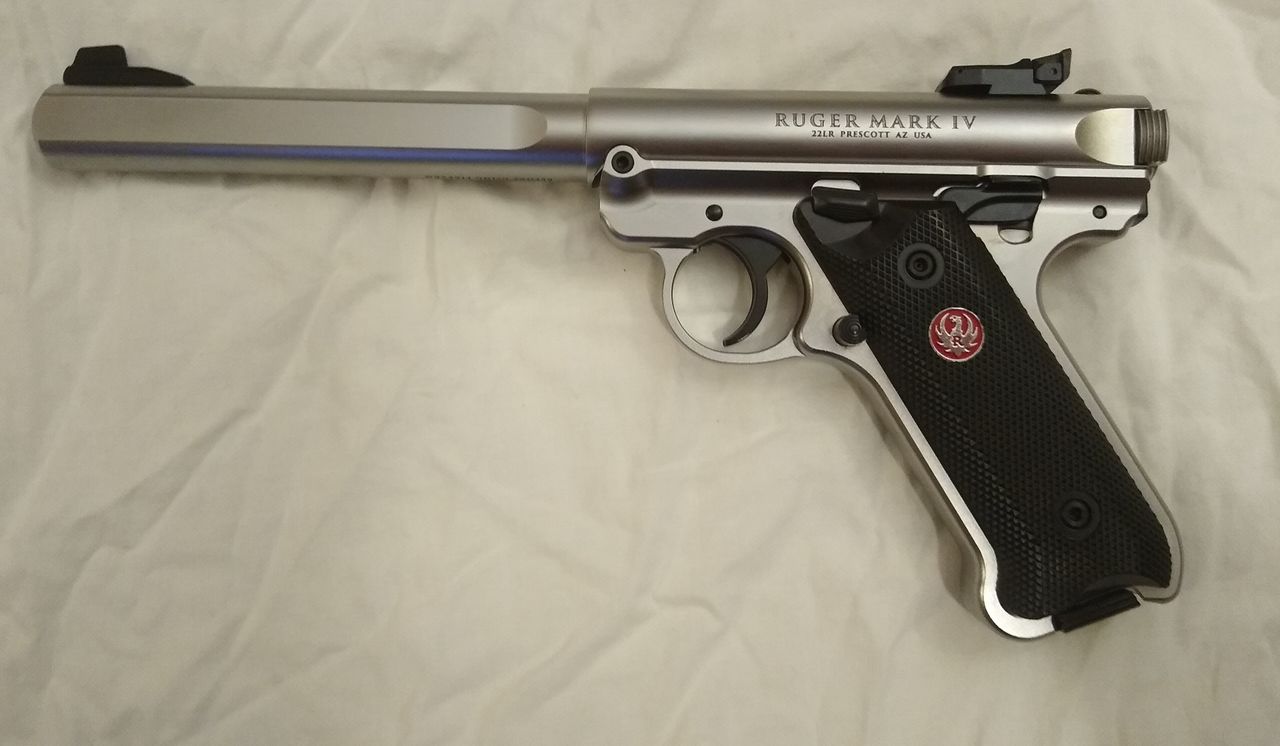
There is always a risk with anniversary launches: they can become too backward-looking. Some brands lean so heavily on heritage that they start sounding disconnected from what buyers want right now. Ruger seems to be avoiding that trap by tying nostalgia to formats people actually use, own, and recognize in the current market.
That is especially important because Ruger’s legacy is rooted in practicality as much as romance. Bill Ruger built the company around smart manufacturing, accessible price points, and designs that reached ordinary Americans. So an anniversary lineup that includes both collectible art pieces and everyday-owner products feels truer to the company’s identity than an all-premium release would have.
There is also a cultural component here. Gun buyers often care about continuity. They like products that connect them to family traditions, classic platforms, or memorable eras in American firearms design. But they also want utility. A successful modern commemorative has to bridge those instincts, giving people something that honors the past without feeling like a fragile relic.
That balance may be the smartest part of the whole rollout. The company is not pretending every customer is a collector, and it is not pretending history only matters if it comes engraved in walnut and steel. It is offering heritage in multiple forms, which is exactly how most real customers experience the brand.
Collectors, shooters, and dealers all have different reasons to care
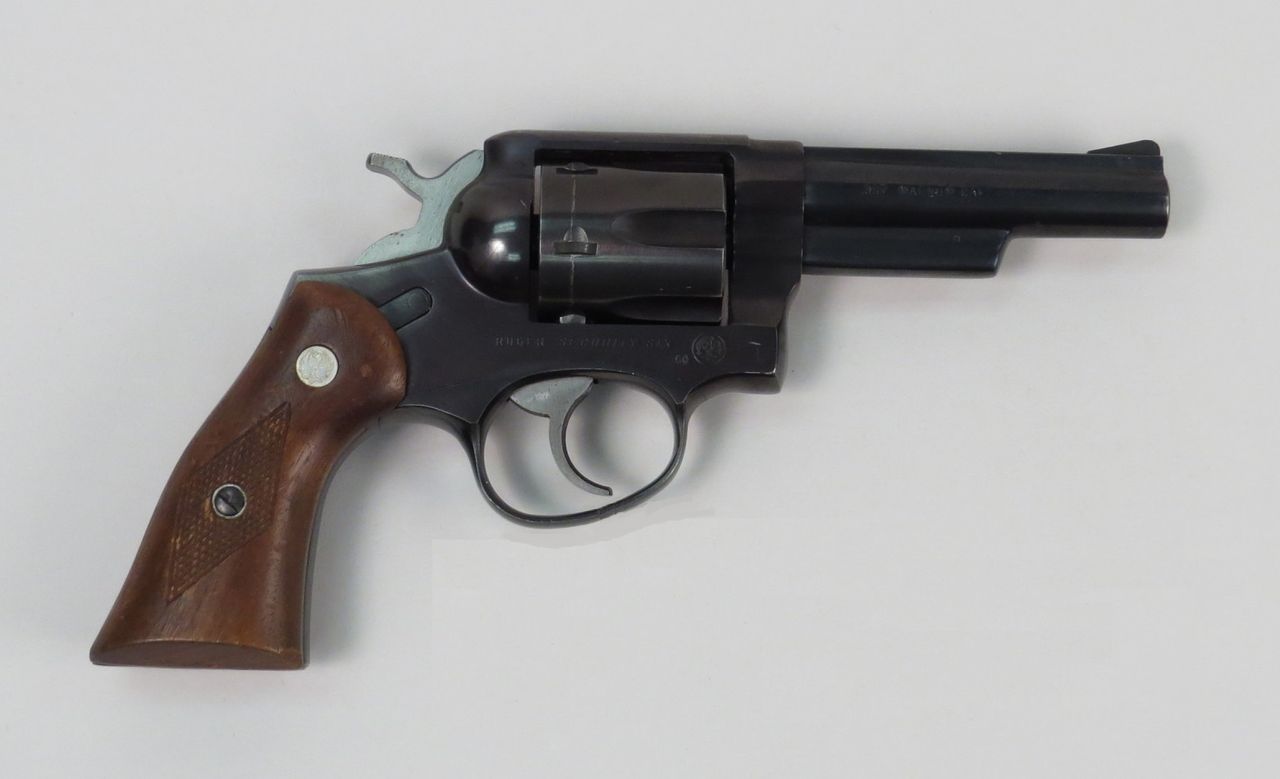
For collectors, the standout attraction is obvious. Limited production, presentation-grade finishes, and anniversary markings create scarcity, and scarcity is still one of the strongest forces in the specialty firearms market. If the rifle is genuinely well executed, it will likely become the face of this entire celebration for years to come.
For active shooters, however, the practical products may prove more meaningful. An affordable commemorative part or special-edition configuration can be owned, used, and shown off without the anxiety that often comes with a safe-queen collectible. Many buyers would rather enjoy an anniversary gun at the range than preserve it untouched in a display case.
Dealers see another advantage: storytelling. Ruger products are easy to explain because many customers already know the brand, but anniversary items add urgency to that familiarity. Limited runs create reasons to buy now instead of later. In a showroom, that can be the difference between admiration and a completed sale.
There is even value for newer gun owners who may not know the company’s full history. Anniversary launches often function like history lessons packaged as merchandise. They prompt buyers to ask why a certain model matters, what role it played in the company’s rise, and why a specific design still resonates decades later.
The real story is that Ruger wants this milestone to live everywhere
The headline-grabbing range, from $129 to museum-grade, is not random. It is a deliberate signal that Ruger wants this anniversary to show up everywhere its customers do. In the display case, on the range, in a hunting camp, in a collector’s vault, and on the bench of a hobbyist installing a commemorative part, the company is spreading one story across many kinds of ownership.
That is why the launch feels bigger than a typical birthday celebration. It is not just a nod to the past. It is a brand-management move built around participation. The customer who spends $129 and the customer who buys a premium rifle are both being invited into the same narrative, which is a smart way to reinforce loyalty without forcing everyone into the same spending lane.
In the end, this lineup says Ruger understands its place in the market. It is old enough to have genuine history, broad enough to celebrate that history across categories, and pragmatic enough to know not every fan wants to honor the moment in the same way. Few gunmakers could pull that off convincingly. Ruger probably can.