
Some rifles fade away quietly. The Remington 673 never really did.
It was a short-lived rifle with a long memory

The Remington 673 Guide Rifle arrived in 2003 as a modern callback to the older Remington 600 series, and Remington’s own history page describes it as an updated version of that classic design. It was never a long-running catalog staple, which is exactly why people still talk about it. Short production runs tend to leave a bigger impression than long, ordinary ones.
According to Remington’s historical record, the rifle appeared in .350 Remington Magnum in 2003 and 6.5mm Remington Magnum in 2004. Period coverage from Rifle magazine also notes other chamberings such as .300 Remington Short Action Ultra Mag and .308 Winchester. That limited and somewhat eclectic lineup gave the 673 a personality many modern hunting rifles simply lack.
Hunters often remember guns that felt different when the market was moving toward sameness. The 673 landed during an era when synthetic-stock, stainless, and plain bolt guns were becoming normal. By contrast, this rifle looked like it had stepped out of another decade on purpose.
The styling is odd, but the field logic is real
The first thing anyone notices is the full-length ventilated rib. That feature came straight from the visual language of the older Model 600 family, and it made the 673 instantly recognizable across a gun shop rack. Whether a buyer loved it or hated it, the rifle was impossible to confuse with anything else.
But the 673 was not only a styling exercise. Rifle magazine described it with a 22-inch barrel and a laminated, two-toned stock, a setup that balanced weather resistance with a compact overall feel. For hunters who spend long days in timber, on mountain trails, or getting in and out of trucks and blinds, that compactness still matters.
The “guide rifle” label also carried a certain promise. It suggested fast handling, portability, and enough authority for close-range work on serious game. Even hunters who never guided a day in their lives understood the appeal of a rifle built around decisiveness rather than benchrest glamour.
Chamberings gave it a cult following
The 673’s strongest draw may be the cartridges it helped keep alive. The .350 Remington Magnum had already earned a loyal following among hunters who wanted a compact rifle with real thump on elk, moose, black bear, or large hogs. The NRA’s American Rifleman has noted that Remington later chambered the 673 in .350 Rem. Mag., reinforcing its status as one of the round’s notable homes.
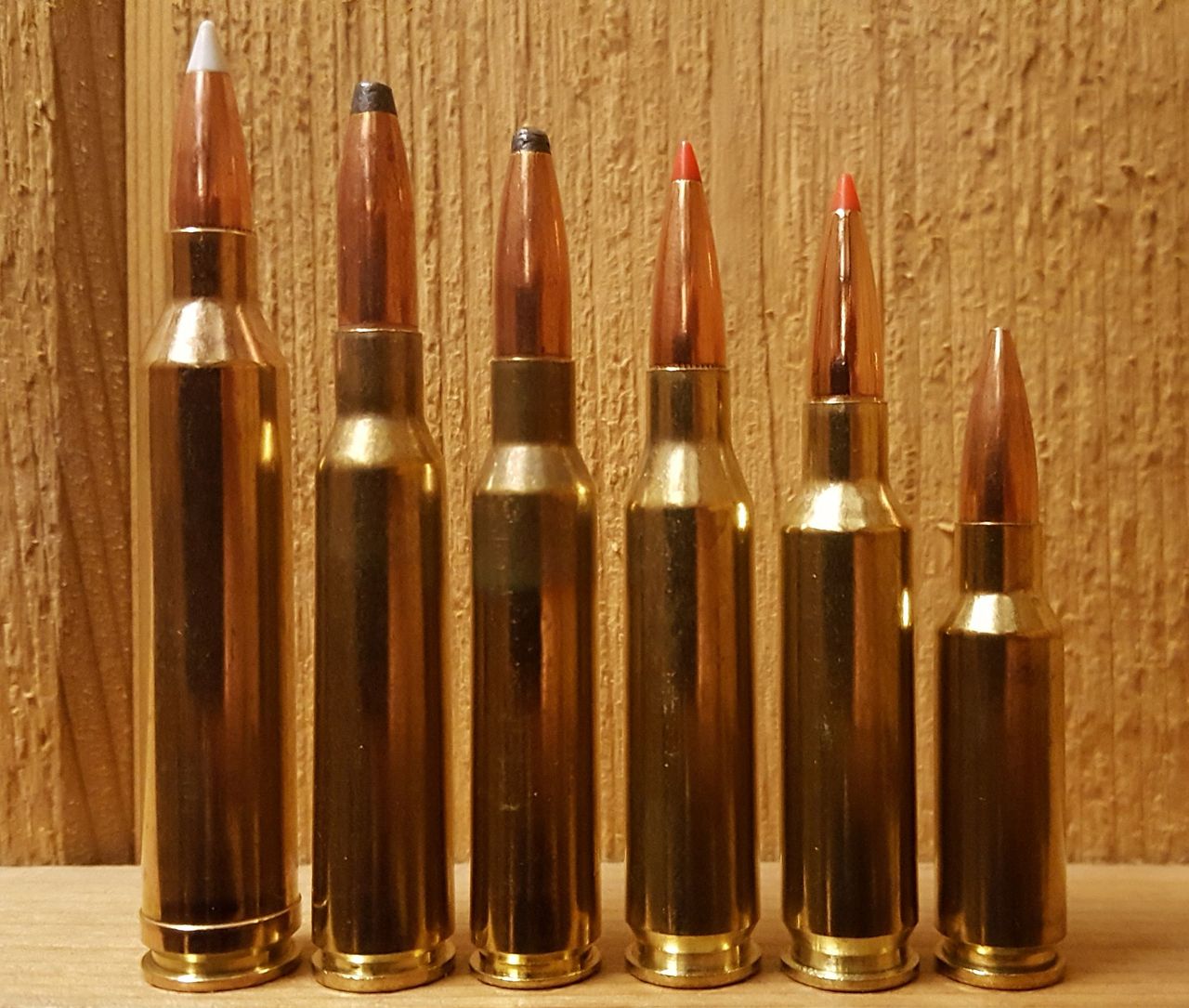
The 6.5mm Remington Magnum gave the rifle another layer of fascination. Rifle magazine and other cartridge histories have pointed out that Remington revived that chambering in the 673 after decades of relative obscurity. That alone made the rifle feel like a tribute piece for shooters who appreciate cartridges that never got a fair commercial run.
Those chamberings matter because hunters are often romantics about performance. They like useful rounds, but they also like stories, dead-end branches of cartridge history, and rifles that represent unfinished business. The 673 offers all three.
It connects buyers to the legendary Model 600 family
A big part of the 673’s appeal is that it lets buyers get close to the Model 600 mystique without paying top dollar for a pristine original. The older 600 and 660 rifles built a reputation for being compact, lively, and distinctive, especially in the magnum chamberings. Even decades later, that reputation still shapes how hunters view the 673.
RifleShooter has described the original Model 600’s signature look, including the vent rib and shark-fin front sight, and placed the 673 squarely in that lineage. In other words, the 673 was not random nostalgia. It was a deliberate attempt to revive one of Remington’s strangest and most memorable hunting rifle ideas.
That connection matters in the used market. A hunter may start by wanting a practical deer or elk rifle, then discover that the 673 also carries a family resemblance to one of Remington’s cult classics. Once emotion enters the equation, demand tends to stick.
Scarcity and collectibility keep interest alive
The 673 was not built long enough to become common, and that scarcity fuels continued interest. Gun Digest has argued for years that the rifle had collectible potential, especially in .350 Remington Magnum and 6.5mm Remington Magnum. That prediction makes sense because collectors tend to chase unusual production guns with recognizable styling and limited chamberings.
The used-gun market also rewards rifles that stand apart visually. A plain discontinued bolt gun may be forgotten unless it offers exceptional accuracy or historical importance. The 673, by contrast, is memorable at a glance, and memorable rifles tend to stay searchable.
Hunters notice that too. Even buyers who are not formal collectors understand that if they pass on a 673 today, they may not see another local example soon, especially in the chambering they want. Scarcity creates urgency, and urgency keeps old rifles relevant.
Hunters still want rifles with character

Modern hunting rifles are often better in purely technical terms. They may be lighter, cheaper, easier to scope, or more modular. Yet many of them feel interchangeable, and that is where the Remington 673 still wins hearts.
The 673 offers something increasingly rare: character without giving up real field usefulness. It is compact, chambered for serious hunting cartridges, tied to a famous Remington bloodline, and distinctive enough that owners remember it years later. That is a powerful mix in a world full of efficient but forgettable rifles.
So why do hunters still look for the Remington 673? Because it scratches three itches at once: nostalgia, utility, and individuality. Plenty of rifles kill game. Far fewer make a hunter feel like he found something special.