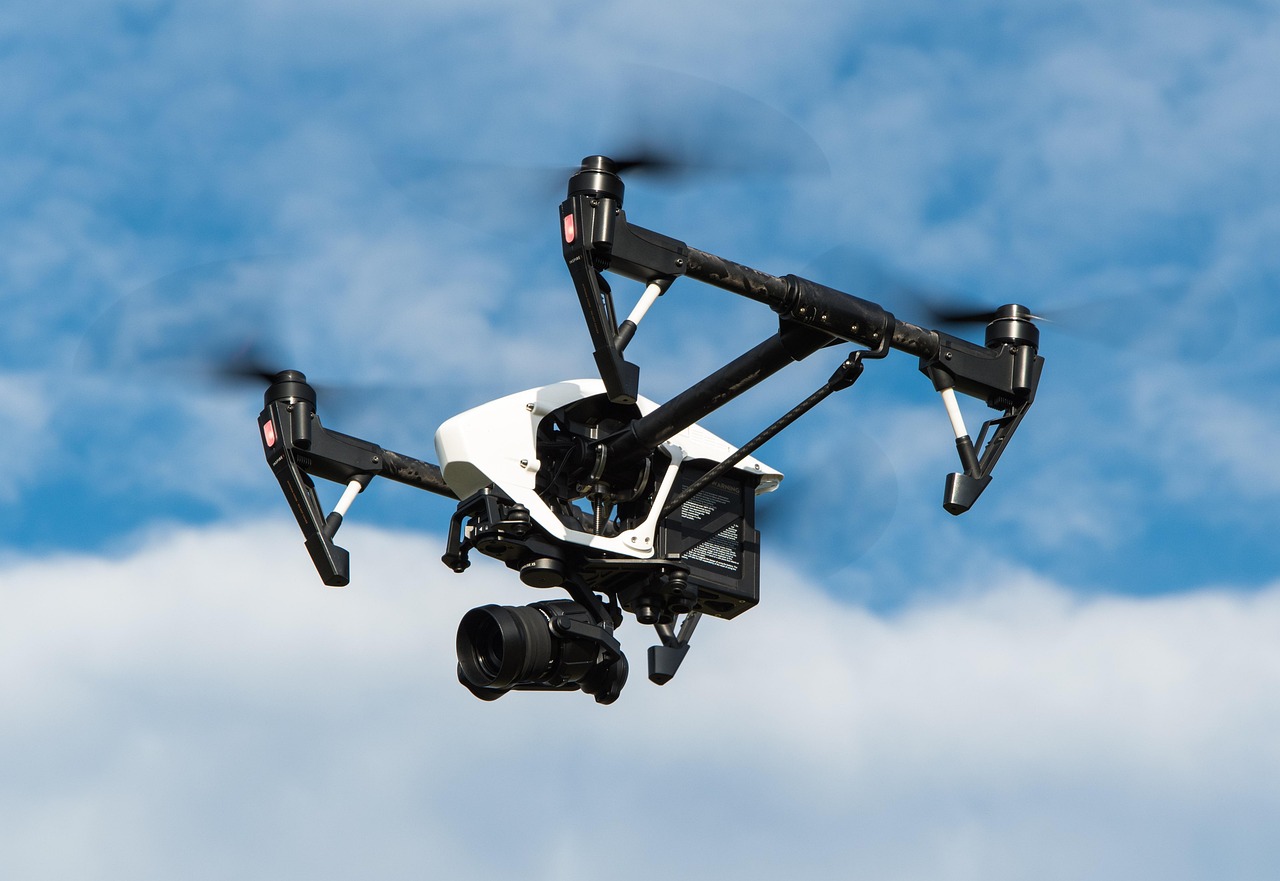
It starts with a simple question: Just because hunters can use drones, should they?
That question has split deer camps, wildlife agencies, and conservation groups more sharply than almost any new hunting technology in recent memory.
The argument is not really about gadgets
The loudest fights over drone scouting sound like arguments about hardware, batteries, and flight time. In reality, they are arguments about what hunting is supposed to be. On one side, a drone is just another tool, no different in principle from binoculars, mapping apps, or a trail camera. For the other, it crosses a line by removing too much uncertainty from the pursuit.
That is why the dispute has become so emotional. Hunting has always absorbed new technology, from compound bows to GPS to rangefinders. But drone scouting feels different because it puts an eye in the sky, gives hunters live intelligence, and can turn searching into surveillance. Many hunters who accepted other innovations see this one as a shortcut that changes the nature of the contest.
Organizations built around hunting ethics have said exactly that. Boone and Crockett has long framed fair chase as the lawful and sportsmanlike pursuit of free-ranging game without improper advantage, and it barred drone use from its records program years ago. Backcountry Hunters & Anglers pushed early state bans for much the same reason, arguing that the technology threatens fair distribution of opportunity and fair chase traditions.
The law is a patchwork because ethics are a patchwork
Drone scouting is so divisive partly because the legal map is uneven. Federal aviation rules govern how drones fly, but hunting rules are mostly written by states, which means legality changes across state lines and sometimes by season or species. The FAA requires recreational operators to follow safety rules, keep drones within visual line of sight, and register certain aircraft, but that says nothing about whether using one to locate deer or elk is lawful under game laws.
State wildlife agencies have filled that gap in very different ways. Indiana, for example, allows drones in some game recovery situations, yet state rules still make it illegal to use them to search for, scout, or detect deer during hunting season or in the 14 days before it. Illinois has told the public plainly that using drones for any aspect of hunting or wildlife recovery is unlawful.
Elsewhere, the restrictions are tied to older aircraft rules that have been updated for the drone era. New York bars hunting big game with aircraft of any kind, while California prohibits devices capable of flight from locating big game beginning 48 hours before and continuing until 48 hours after a big game season in the same area. The result is confusion, loopholes, and constant debate over where scouting ends and unlawful assistance begins.
Fair chase is the phrase that keeps coming back

Every major dispute about drones in hunting circles eventually circles back to two words: fair chase. That idea is older than the technology by more than a century, but it remains the moral center of the debate. Hunters who oppose drone scouting argue that aerial observation changes the relationship between hunter and animal by stripping away the need to read sign, understand terrain, and accept failure as part of the hunt.
That concern is not abstract. Boone and Crockett has repeatedly warned against technologies that create improper advantage, and it has grouped drone use with practices that erode public trust in hunting. The anxiety is not just about success rates. It is about whether hunting still looks like a human skill rooted in woodsmanship or becomes a remote sensing exercise.
Public perception matters here more than many hunters want to admit. Boone and Crockett have also stressed that the future of hunting depends heavily on how nonhunters view it. A drone following a trophy buck, broadcasting its location, and helping pattern its daily movement looks very different to the public than a hunter glassing a ridge at daylight. In a political sense, image can become regulation.
Real cases have made the debate impossible to dismiss

For years, some hunters talked about drone scouting as a hypothetical problem. That ended once enforcement cases and viral videos showed exactly how the technology could be used. In early 2026, Indiana pursued what was described as its first drone poaching case after investigators alleged hunters used a drone to pattern and kill a white-tailed buck. According to reporting by MeatEater, officers recovered hundreds of images of the deer and location data tracing its movements.
Cases like that hit the hunting community hard because they confirm the worst fears of drone critics. The issue is no longer whether abuse is possible. It is whether game departments can realistically police it. A skilled operator can launch from private ground, fly quickly, save imagery, and leave little obvious evidence unless someone reports suspicious activity.
The enforcement problem also exposes a broader truth about technology in the field. Rules tend to trail capability. Drones are cheaper, quieter, and easier to fly than the first consumer models that triggered the original backlash more than a decade ago. So even where laws exist, many hunters worry that the deterrent effect is weaker than the technology’s appeal, especially when a mature buck or bull is involved.
Wildlife agencies see more than just a hunting ethics problem

Wildlife managers often approach the issue from a wider angle than hunters do. They are not only asking whether drone scouting is fair. They are also asking whether it disturbs wildlife, stresses animals, or disrupts other public land users. The U.S. Forest Service advises recreational pilots not to fly over or near wildlife because it can create stress and cause significant harm, and California wildlife officials warn that drones can trigger nesting abandonment and other harmful reactions.
That matters because scouting pressure is not neutral. A deer bumped by a careless ground scout may move a few hundred yards. An animal repeatedly pursued from above may respond very differently, especially in open country where a drone is visible and audible. Even when hunters insist they are only observing, wildlife agencies know observation itself can alter animal behavior.
There is also the public land issue. Drones bring noise, privacy concerns, and conflict into places where hikers, birders, and hunters all expect a different kind of experience. The Forest Service notes that drones are treated as motorized equipment and cannot be launched, landed, or operated from designated wilderness. So the debate is not just about the harvest. It is also about what kind of outdoors people want to share.
Even some supporters admit there is a line drone-based
The strongest argument in favor of drones is that not every use is the same. Many hunters who oppose drone scouting still see value in drone based deer recovery, especially after a marginal hit when a fast, targeted search could reduce wasted game. That is why the legal conversation has become more nuanced in some states. Indiana’s recent rules drew attention precisely because they separated prohibited scouting from certain recovery uses.
Supporters say this distinction is sensible. Using a drone after the shot, they argue, does not create the same pre-hunt advantage as using one to locate, pattern, and plan an ambush. In their view, that can actually improve ethics by shortening suffering and increasing the odds of finding wounded animals. Outdoor Life has reported on that argument as more hunters and service providers push for recovery exceptions.
But even within that camp, the line is fragile. Once drones are in the sky during hunting season, other hunters and wardens may have a hard time knowing whether a flight is legal recovery, casual filming, or illegal scouting. That ambiguity is one reason drone policy keeps turning into a broader fight over trust, intent, and enforceability rather than a narrow argument about one machine.
This fight is really about the future of restraint.
What makes drone scouting the most divisive hunting technology in a generation is not simply that it is new. It is that it forces hunters to decide whether every increase in capability should be welcomed. Hunting culture has long depended on self-imposed restraint, the willingness to stop short of maximum efficiency in order to preserve challenge, legitimacy, and respect for the animal.
That is why the debate feels larger than drones themselves. If a live aerial view is acceptable, then what comes next? Automated pattern analysis, shared mapping layers, thermal integration, and AI-assisted scouting all point in the same direction. The core fear is that hunting could become a process of data extraction followed by a brief act of harvest.
For now, the community remains split. Some hunters see drone scouting as a practical adaptation to modern tools. Others see it as a bright red line. The states, the courts, and wildlife commissions will keep refining the rules, but the deeper verdict will come from hunters themselves. They are being asked, in plain terms, how much advantage is too much before the hunt stops feeling like a hunt.