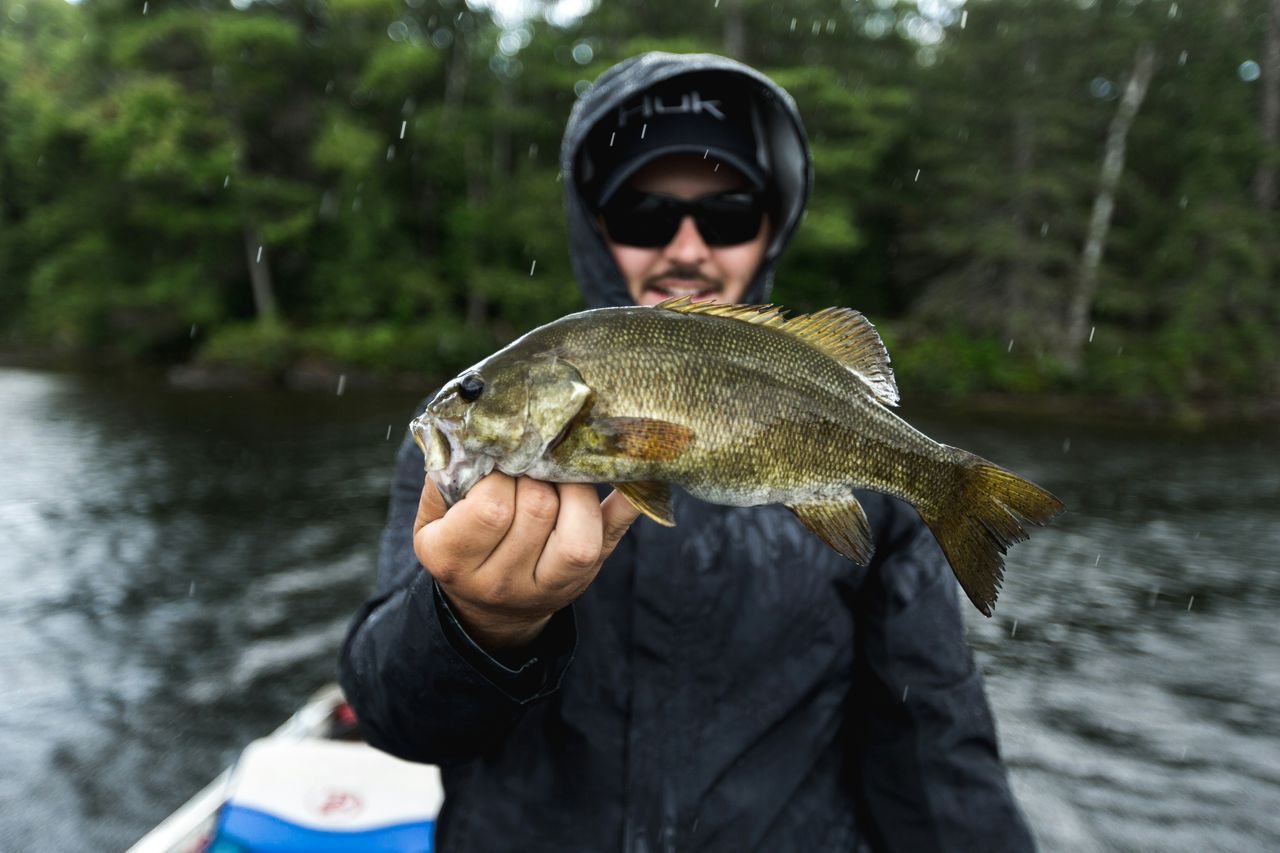
Tournament fishing has spent years calling itself conservation-friendly. Now some of the sport’s most committed anglers are pushing back, saying that the message has drifted too far from what actually happens to fish.
The argument is not really about whether release is better than harvest

At the center of the backlash is a basic complaint: critics are not saying every released tournament fish dies, and most are not arguing that keeping fish is automatically better. They are saying the phrase catch-and-release has been stretched into a comforting slogan that can make tournaments sound gentler than they are.
That distinction matters. NOAA defines catch and release as landing a fish, handling it briefly, and returning it to the water alive, which is very different from a format where fish are fought, boated, confined, transported, weighed, and then released later. Serious anglers say those are not the same event, biologically or ethically, even if both end with a fish going back in the water.
The frustration grows when tournament branding implies that release alone solves the problem. According to Texas Parks and Wildlife, catch and release only works when fish survive after release. That sounds obvious, but it is exactly the point critics believe gets blurred when promoters talk about “saving” fish without giving equal attention to stress, injury, displacement, and delayed mortality.
What the science says about fish surviving after the cameras leave

The science behind the backlash is not new, but it is more nuanced than many public-facing messages suggest. Multiple fisheries studies have found that fish can survive the weigh-in and still die later from the combined effects of hooking injury, exhaustion, air exposure, warm water, livewell confinement, and release stress.
A study summarized by ScienceDirect on delayed tournament mortality in largemouth bass notes that tournament-specific actions such as livewell confinement, culling, and weigh-in procedures can produce substantial mortality, with earlier research reporting initial mortality rates up to 50% in some black bass and walleye events under poor conditions. Another bass study found survival drops as stressors compound, especially when water temperature rises, and fish are held longer.
Older but still influential B.A.S.S.-related mortality research foundthat mean annual initial mortality in black bass tournaments ranged from 1% to 30%. A separate Florida bass fishery analysis published in the Transactions of the American Fisheries Society concluded tournament catch-and-release mortality was smaller than harvest mortality overall, but still made up a meaningful share of total fishing mortality. That is why serious anglers say the real debate is not zero mortality versus catastrophe. It is whether tournament messaging honestly reflects a measurable biological cost.
Why summer events and traditional weigh-ins draw the most criticism

Not all tournaments are equally controversial. The harshest criticism usually targets warm-weather events with long runs, crowded livewells, and centralized weigh-ins, because those conditions pile multiple stressors onto the same fish. Texas Parks and Wildlife says that at water temperatures above 75˚F, oxygen support in livewells becomes especially important for keeping bass alive.
That is one reason some anglers wince at blanket claims that bass are simply “released healthy.” A fish may look upright at release and still be in trouble hours later. Maryland fisheries managers make a similar point for striped bass, warning that catch-and-release mortality rises in warm, low-salinity water, especially for larger fish. The species differs, but the lesson is the same: conditions matter as much as intent.
Serious anglers also object to the visual disconnect. To a television audience, a bass splashing away at the release boat looks like proof of success. To veteran fishermen who have seen post-tournament floaters near ramps, that image can feel incomplete. Their complaint is not that organizers never care. It is that the public often sees the release moment, while the biologically relevant outcome may not be visible until much later.
Tournament organizations have made changes, but skeptics say the language still overpromises
To be fair, tournament circuits have not ignored fish care. Bassmaster rules penalize dead fish, prohibit culling dead bass, and allow officials to reduce hours or limits for fish-care reasons. Kansas requires working livewells with electrolyte solution for weigh-in tournaments. Alabama publishes formal handling guidance. This is not an industry acting as though fish survival is irrelevant.
Major League Fishing went further at its top level by adopting a catch-weigh-immediate-release format on the Bass Pro Tour. Fish are weighed on the boat and returned immediately, which removes the long livewell-to-stage sequence that many critics see as the biggest problem. Pennsylvania has also restricted some river events to catch-and-immediate-release only, showing that wildlife agencies recognize format matters.
Still, skeptics say improvements in handling do not justify fuzzy language. In their view, there is a meaningful difference between saying a tournament reduces mortality and saying it is harmless because fish are released. That gap in wording is where much of the backlash lives. Serious anglers tend to accept tradeoffs when they are described plainly. What they resent is a conservation sales pitch that sounds more certain than the biology actually is.
The backlash is also cultural, not just scientific
There is a cultural layer to this fight that outsiders sometimes miss. Many of the loudest critics are not anti-fishing activists. They are dedicated anglers who spend serious time on the water, care deeply about bass populations, and feel that tournament culture can be defensive when questioned.
For them, the issue is credibility. Recreational anglers are constantly told to use best practices: shorten fight time, minimize air exposure, avoid deep-hooking, and skip unnecessary handling. Then they watch some tournaments celebrate fish care while still normalizing hours in livewells, repeated culling, long weigh-in lines, and hot parking-lot staging. Even when done legally, that can feel inconsistent.
There is also resentment toward the idea that objection equals ignorance. Plenty of critics know the research and understand that natural mortality and harvest can exceed tournament losses in some waters. Their point is narrower: if competitive fishing wants the moral benefit of the conservation label, it should accept a higher standard of transparency. In other words, do not call people anti-science for noticing that “released” and “unharmed” are not synonyms.
What more honest messaging would sound like

The most persuasive alternative is not dramatic. It is precise. A more honest tournament message would say that release is generally better than mandatory harvest, that careful handling can improve survival substantially, and that some fish will still die, especially when temperatures are high and fish are held too long.
That kind of wording would also separate formats clearly. Traditional weigh-in events should not be casually lumped together with immediate-release formats just because both return fish to the lake. NOAA’s plain-language definition and Pennsylvania’s specific catch-and-immediate-release rules make that distinction easier to explain than many marketing departments seem willing to admit.
Anglers asking for this shift are not demanding the end of competition. Many want stricter seasonal limits, shorter event days, lower bag limits, oxygen requirements, better dispersal at release, and more use of on-the-water scoring. They are pushing for language that matches practice. If a circuit reduces harm, say it reduces harm. If survival is likely but not guaranteed, say that too. Trust usually grows when claims get narrower, not broader.
Where tournament fishing goes from here
The future of the sport probably depends on whether organizers treat this backlash as a nuisance or as useful pressure. If they dismiss it, they risk alienating exactly the kind of experienced anglers whose buy-in gives tournament conservation claims legitimacy. If they engage with it, the sport has a chance to modernize without pretending biology is cleaner than it is.
That likely means more experimentation with immediate-release formats, more hot-weather restrictions, and more public discussion of delayed mortality instead of just weigh-in survival. It may also mean admitting that the phrase catch-and-release, while technically true, can be misleading when used as a stand-alone moral defense for every event format.
Serious anglers are not asking for perfection from a sport built around catching fish. They are asking for plain speech. The backlash exists because many believe tournament fishing has relied on the reassuring image of release while underselling the physical cost between hookset and swim-away. Once that gap becomes visible, it is hard to unsee and even harder to market around.