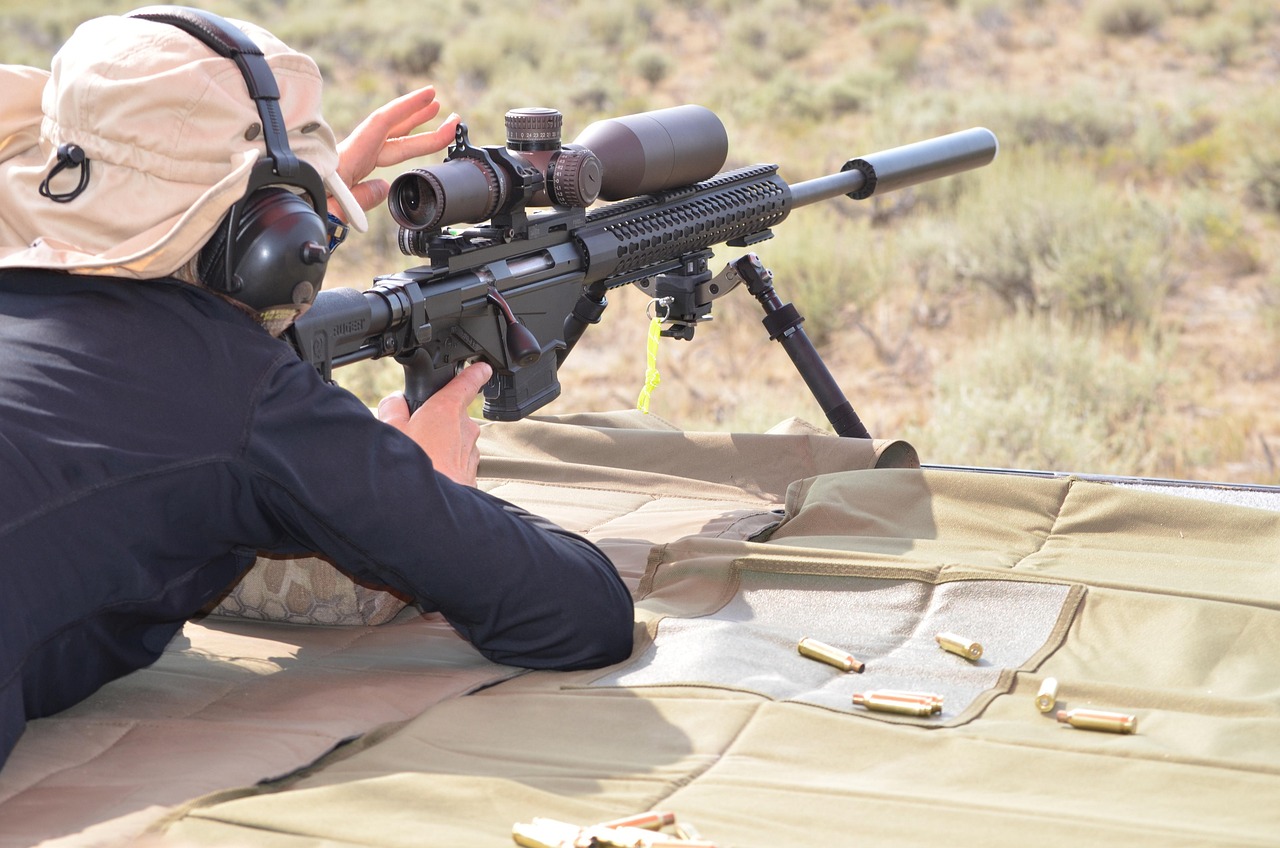
Suppressor laws are not standing still, and that matters for hunters, range regulars, and anyone trying to stay compliant. Across multiple states, lawmakers and regulators are revisiting where suppressors can be used, how they can be transferred, and what owners must keep on hand. This gallery breaks down the biggest rule trends serious shooters should be watching right now.
State laws are shifting faster than many owners expect

For years, suppressor ownership felt like a niche legal topic with a fairly stable rulebook. That is changing as more state legislatures revisit hunting rules, possession standards, and the way suppressors fit into broader firearms policy debates.
The result is a patchwork that can surprise even careful owners. A setup that is lawful to buy, possess, and use in one state may face different restrictions just across the border, especially when transport, hunting, or local enforcement practices enter the picture.
For serious shooters, the takeaway is simple. Federal approval is only part of the compliance picture, and state changes now deserve regular attention.
Hunting use is expanding in some places but not uniformly
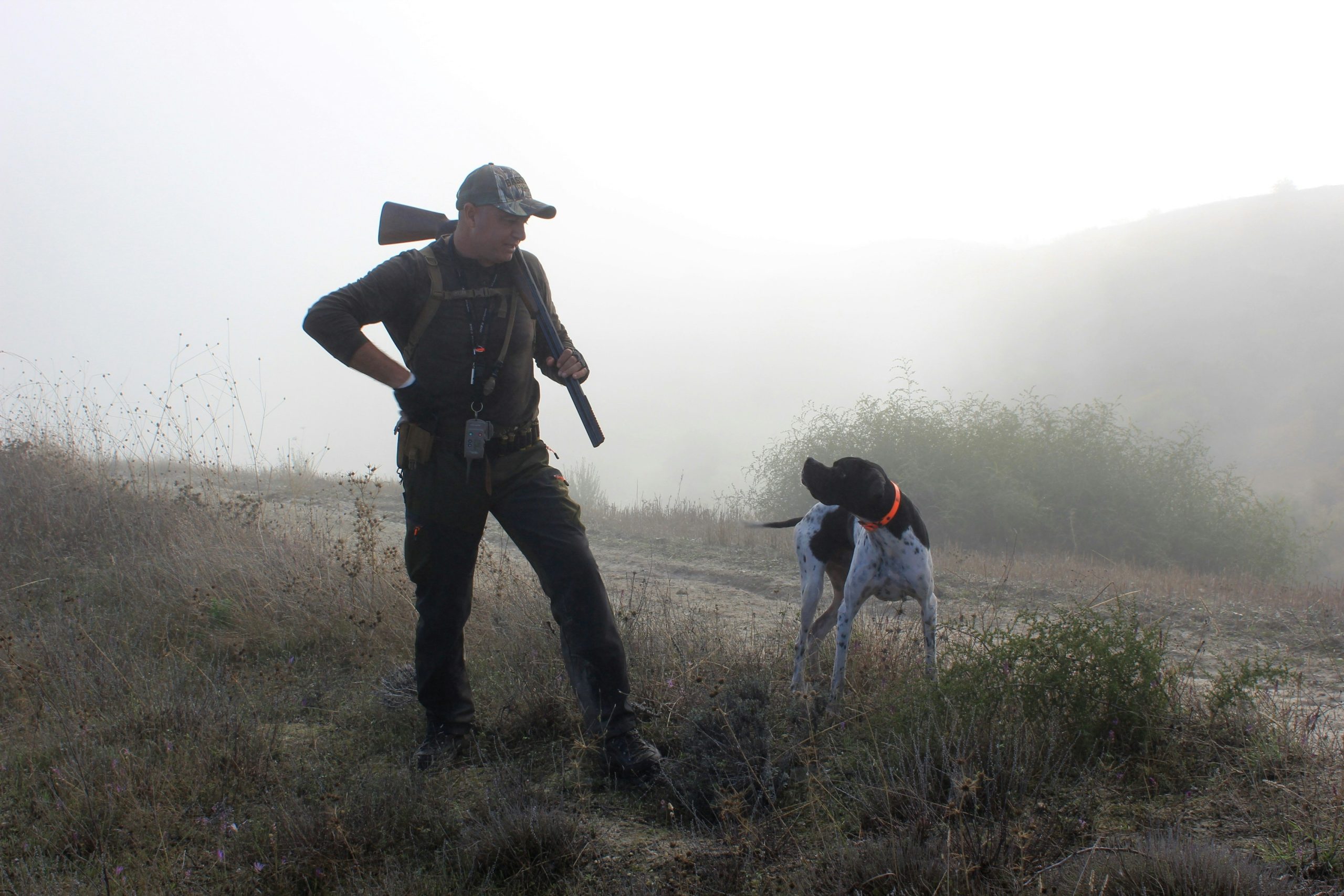
One of the biggest shifts involves hunting. Several states have become more open to suppressor use in the field, often framing the change around hearing protection, reduced noise complaints, and better conditions for nearby landowners.
But the details matter more than the headline. Some states allow suppressors for certain game but not others, while some impose seasonal or licensing distinctions that can trip up hunters who assume the rule applies across the board.
That means a legal suppressor owner still needs to confirm exactly what species, methods, and locations are covered. The broad trend is toward wider hunting acceptance, but the fine print remains state specific.
Transport rules can create problems at state lines

Many owners focus on the purchase process and forget that travel may be the point where legal risk rises. When a suppressor is taken to a match, range trip, hunting camp, or second home, state transport rules can become the most immediate concern.
In some places, lawful possession is one question and lawful transport is another. How the suppressor is stored, whether it is accompanied by paperwork, and whether it is traveling with a host firearm can all shape an officer’s understanding during a stop.
The practical lesson is to plan your route as carefully as your gear loadout. Crossing state lines with a suppressor should never be treated as a routine afterthought.
Storage expectations are becoming part of the conversation
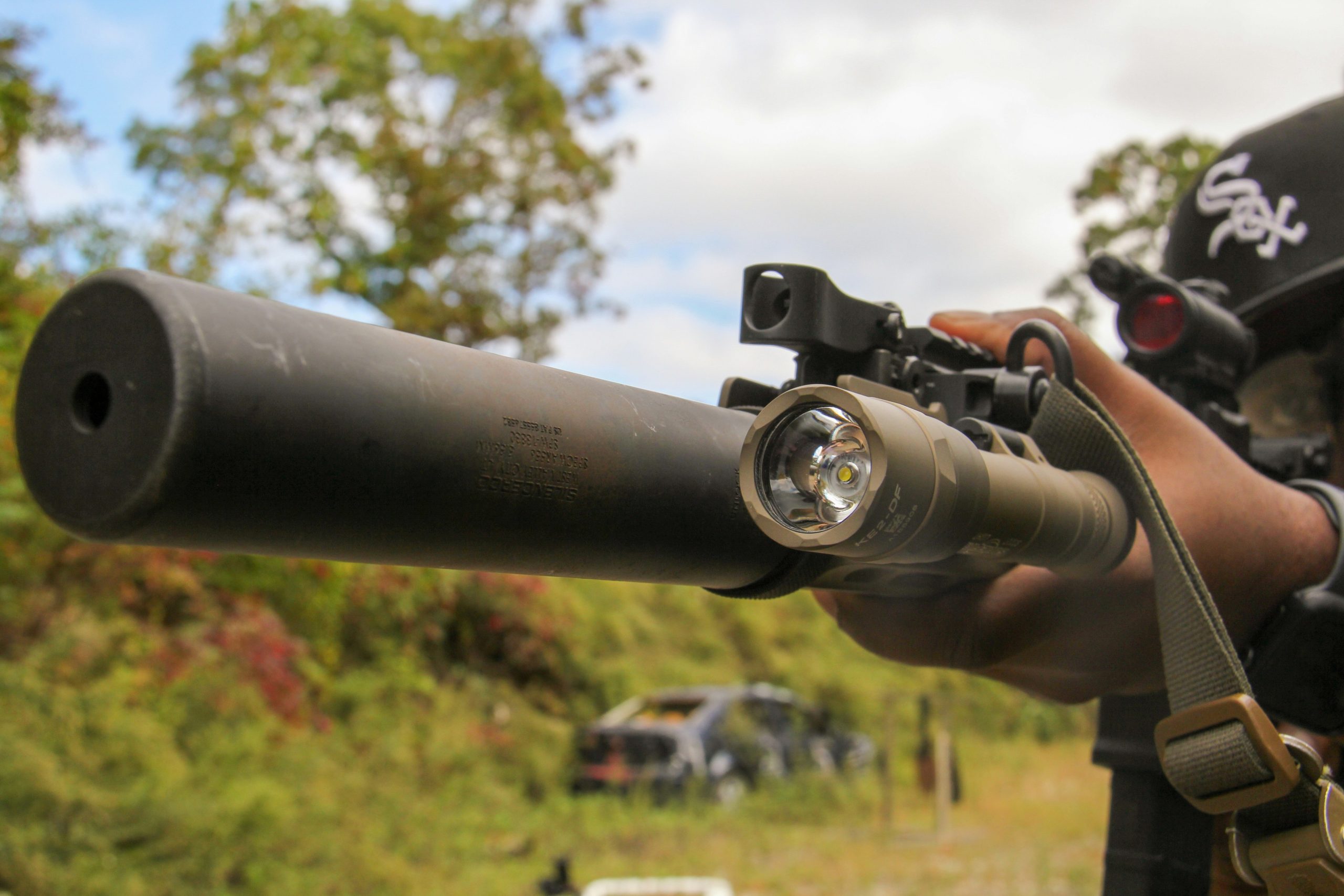
Not every changing rule targets suppressors directly. In several states, broader safe storage debates are influencing how officials and lawmakers talk about regulated accessories, especially in homes with children, shared access, or frequent travel in and out of vehicles.
That does not always mean a suppressor-specific storage statute appears overnight. More often, owners are seeing a stricter compliance environment where secure storage helps demonstrate responsible possession if questions ever arise after theft, loss, or unauthorized access.
For serious shooters, this is less about panic and more about preparedness. A locked safe, clear inventory records, and thoughtful access control can prevent both legal headaches and public relations trouble.
Enforcement realities can differ even where statutes look clear
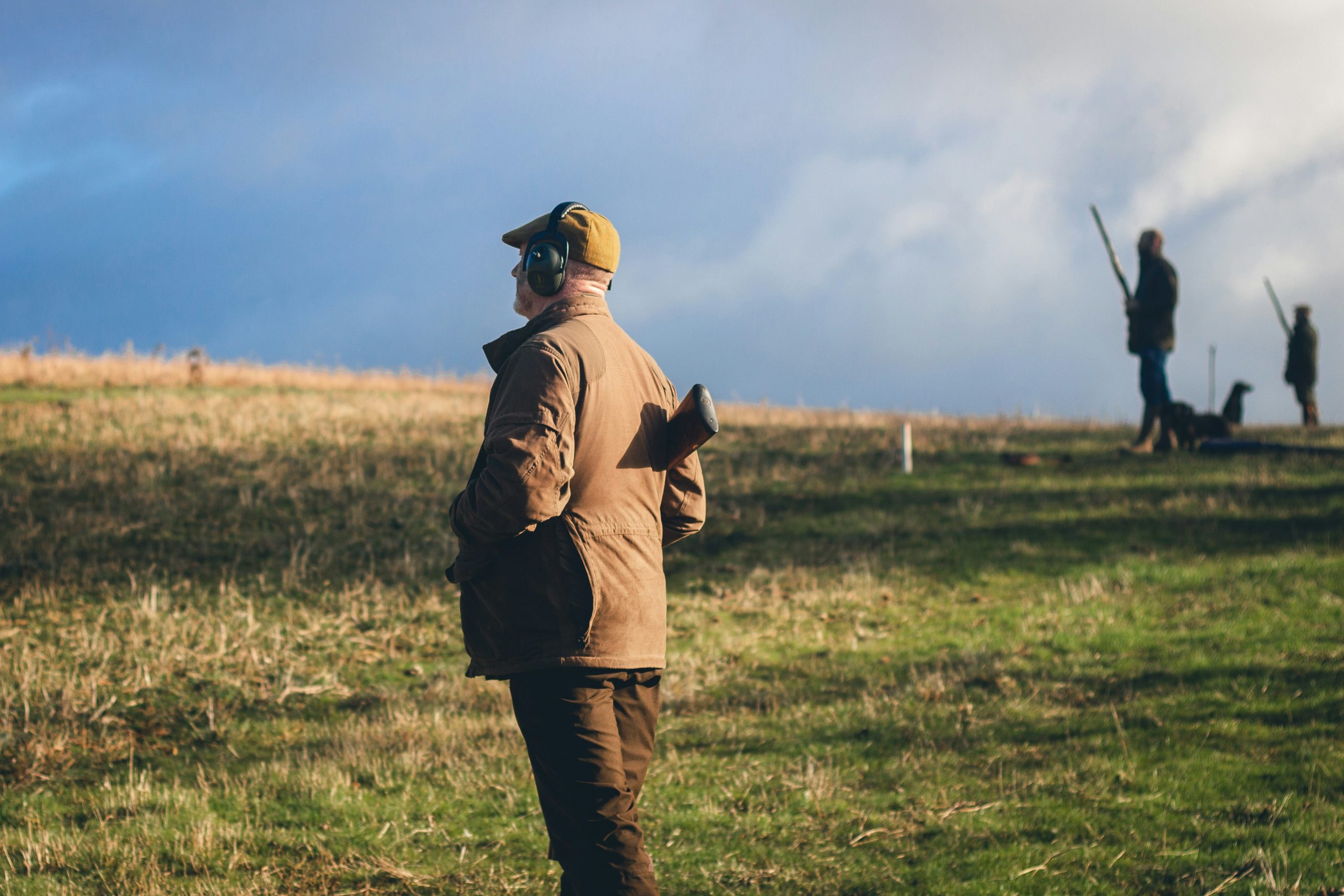
One of the least discussed issues is the gap between the law as written and the law as encountered in everyday life. In some states, suppressor statutes may appear straightforward, but familiarity among local officers, game wardens, or prosecutors can vary considerably.
That matters during traffic stops, hunting checks, or routine contacts where a suppressor is present but not expected. An owner may be fully compliant and still face delays, confusion, or extra scrutiny simply because the item is uncommon in that jurisdiction.
This is why documentation and calm communication matter so much. Serious shooters should be ready to explain lawful ownership clearly, without assuming every official they meet sees suppressors regularly.
Local politics can shape future state restrictions or rollbacks

Even in states that currently allow suppressor ownership, the policy environment can change quickly when local noise complaints, crime narratives, or election year messaging push the issue back into the spotlight. Suppressors often become symbols in arguments that are bigger than their actual day-to-day use.
That means owners should watch more than just enacted laws. Committee hearings, attorney general opinions, wildlife agency proposals, and county level pressure campaigns can all signal where the next rule change may emerge.
The shooters who stay ahead of the curve usually follow the policy conversation before it becomes a crisis. Waiting for a headline after passage is often too late for practical planning.
Good records are becoming one of the best forms of protection
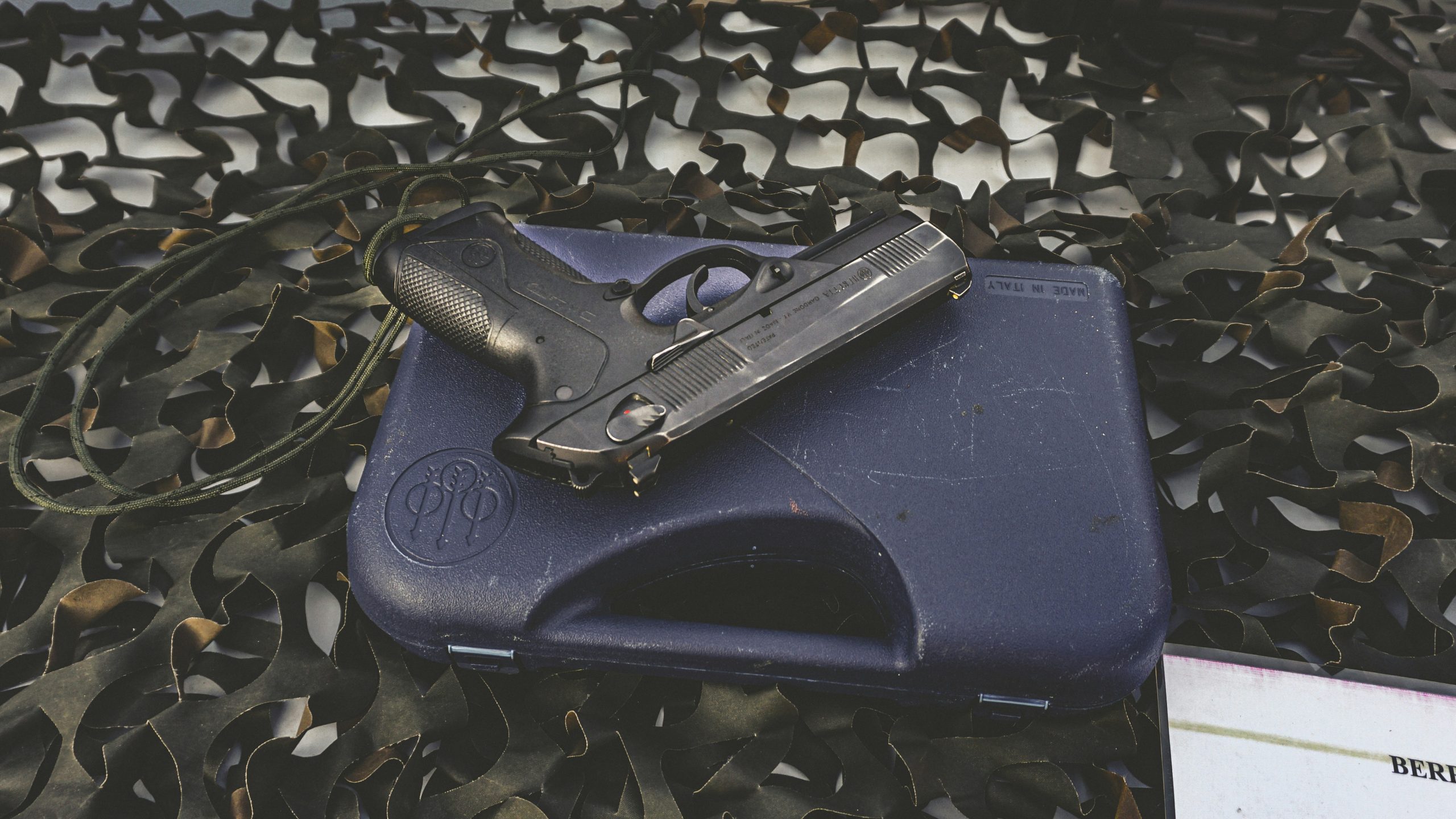
If there is one rule trend that cuts across nearly every state, it is the growing value of organized records. Owners who can quickly produce approved paperwork, purchase details, trust documents when applicable, and basic serial number records are simply in a stronger position.
That does not mean carrying a stack of loose papers everywhere. It means maintaining clean copies, secure digital backups where appropriate, and a system that lets you confirm lawful ownership without scrambling during travel, storage issues, or official contact.
As suppressor rules evolve, documentation becomes more than bureaucracy. It becomes part of responsible ownership, and in many real-world situations, it is the difference between clarity and complication.