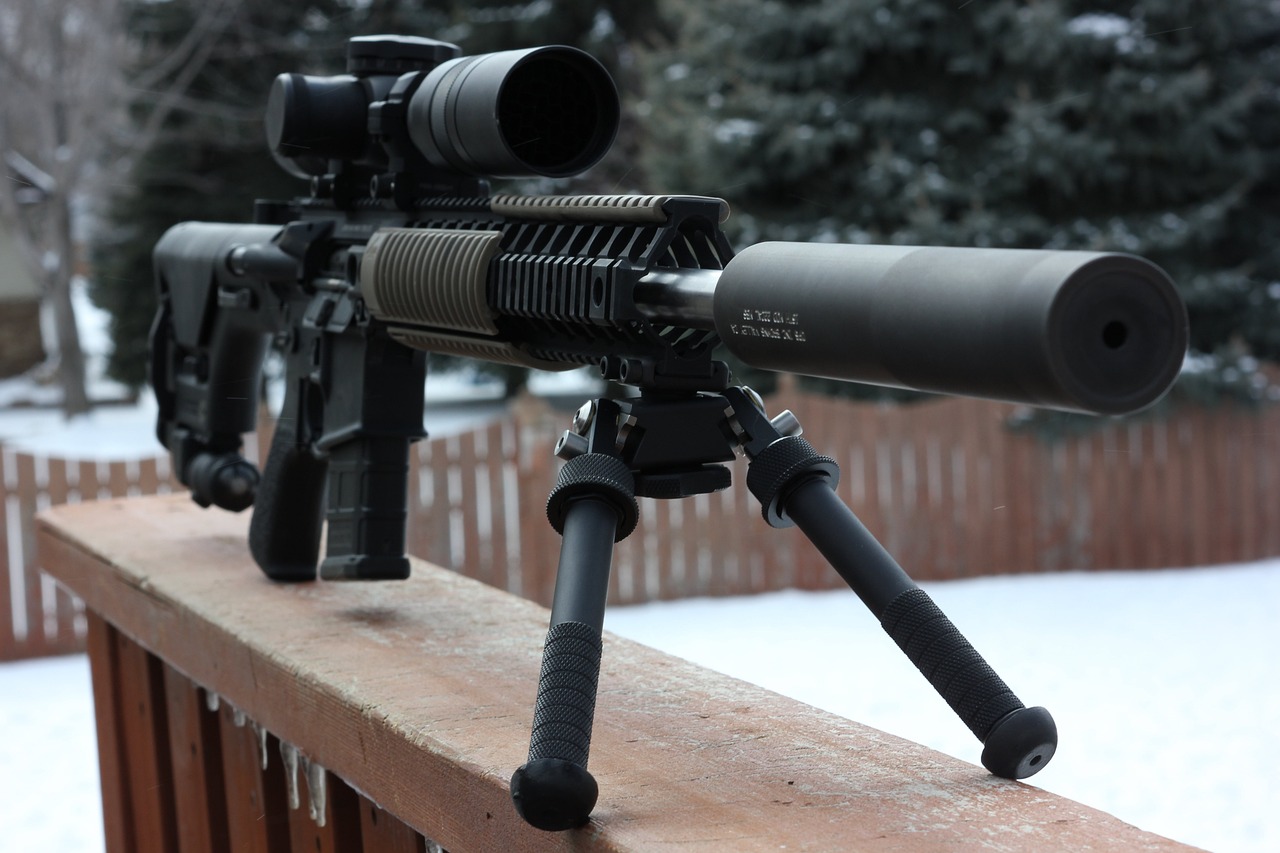
A bipod used to be an accessory. In precision shooting, it is now part of the firing system.
The Price Tag Makes More Sense Than It Used To
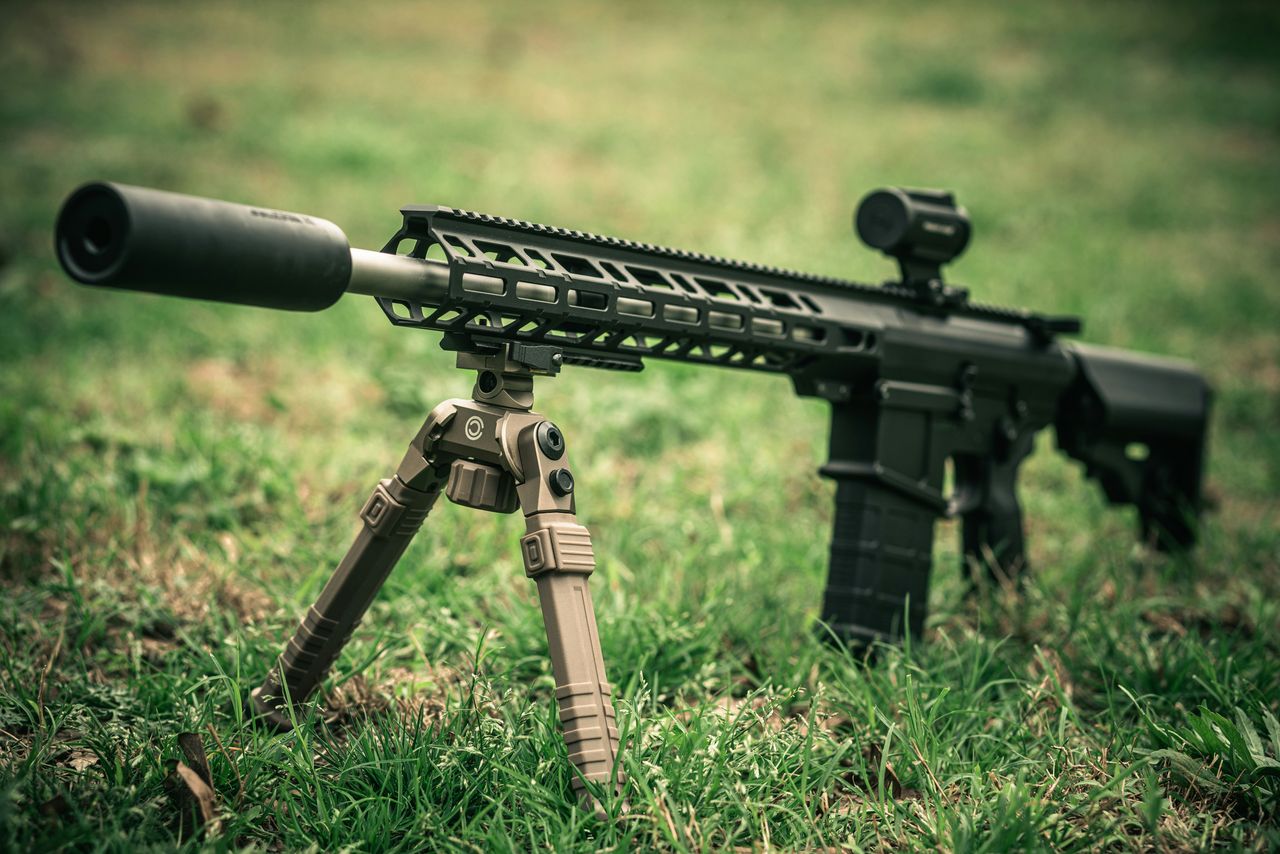
At first glance, spending about $475 on a bipod sounds excessive to anyone raised on basic Harris-style supports. But the market has moved, and so have shooter expectations.
B&T’s 2026 retailer pricing shows Atlas PSR variants landing around the mid-$400 range depending on clamp configuration, with one PSR package listed at $459.95 and others climbing past that when paired with ARCA-oriented mounts. That matters because many shooters are not buying a bare bipod anymore. They are buying a mounting solution that matches a modern chassis.
In other words, the number is no longer shocking inside the precision rifle world. It is increasingly normal.
Precision Shooters Now Expect More Than “Holds The Front End Up”
The old bipod job description was simple: keep the muzzle off the dirt. Today’s precision rifle shooter expects much more.
A serious bipod must help manage recoil, track straight, load consistently, and stay planted on uneven terrain. It also needs quick leg-angle changes, solid cant control, swappable feet, and compatibility with Picatinny or ARCA rails.
That feature creep is not cosmetic. It comes from the way matches, training, and field rifles are actually being used now, especially when shooters move rapidly between prone, barricades, and awkward natural terrain.
Military Influence Helped Turn Premium Bipods Into Credible Kit

One reason the Atlas PSR carries unusual credibility is that it was not built as a fashion accessory for range photos. PrecisionRifleBlog notes the PSR designation stands for Precision Sniper Rifle and says the model came out of USSOCOM testing feedback.
MDT’s 2025 field report makes the same broader point from another angle, arguing that Atlas represented a major leap from the older Harris pattern and noting it was selected for the SOCOM Precision Sniper Rifle program and remains in service.
For civilian shooters, military adoption does not prove perfection. But it does validate durability and design seriousness.
Competition Changed Buyer Psychology
The biggest cultural change may be this: shooters now see support gear as a performance multiplier, not a side purchase.
Outdoor Life’s 2025 roundup named the Atlas BT10 V8 its best general precision rifle bipod, while giving best precision rifle bipod honors to the MDT Ckye-Pod Gen2 at a much steeper listed price of about $600. That comparison reframes the Atlas-class bipod. Instead of looking expensive, it starts to look like the middle ground between entry-level gear and full competition premium gear.
Once that happens, $475 feels less like indulgence and more like rational budgeting.
Stability Is Worth Real Points And Real Confidence

Ask experienced shooters where misses come from, and support instability shows up fast. A rifle that hops, twists, or shifts under recoil makes spotting impacts harder and follow-up corrections slower.
That is why wider stance geometry, firmer lockup, and better leg-position options matter so much. PrecisionRifleBlog’s pro-gear survey notes Atlas PSR bipods are seen frequently at matches, which suggests shooters are trusting them where scores actually matter.
Confidence is part of the equation too. When the front end behaves predictably, the shooter can focus on wind, trigger press, and timing.
Modern Rifle Setups Have Pulled Bipods Upmarket
Precision rifles themselves have changed. Chassis systems, night-vision bridges, suppressors, heavy barrels, and ARCA rails have raised the baseline for what “normal” gear looks like.
A flimsy bipod becomes the weak link on a rifle that already costs several thousand dollars. Shooters notice quickly when an otherwise refined setup is resting on bargain hardware with poor lockup or limited adjustability.
That is why higher-end bipods are spreading beyond elite competitors. The purchase now fits the rest of the rifle, both mechanically and financially.
The Real Story Is Standardization, Not Luxury
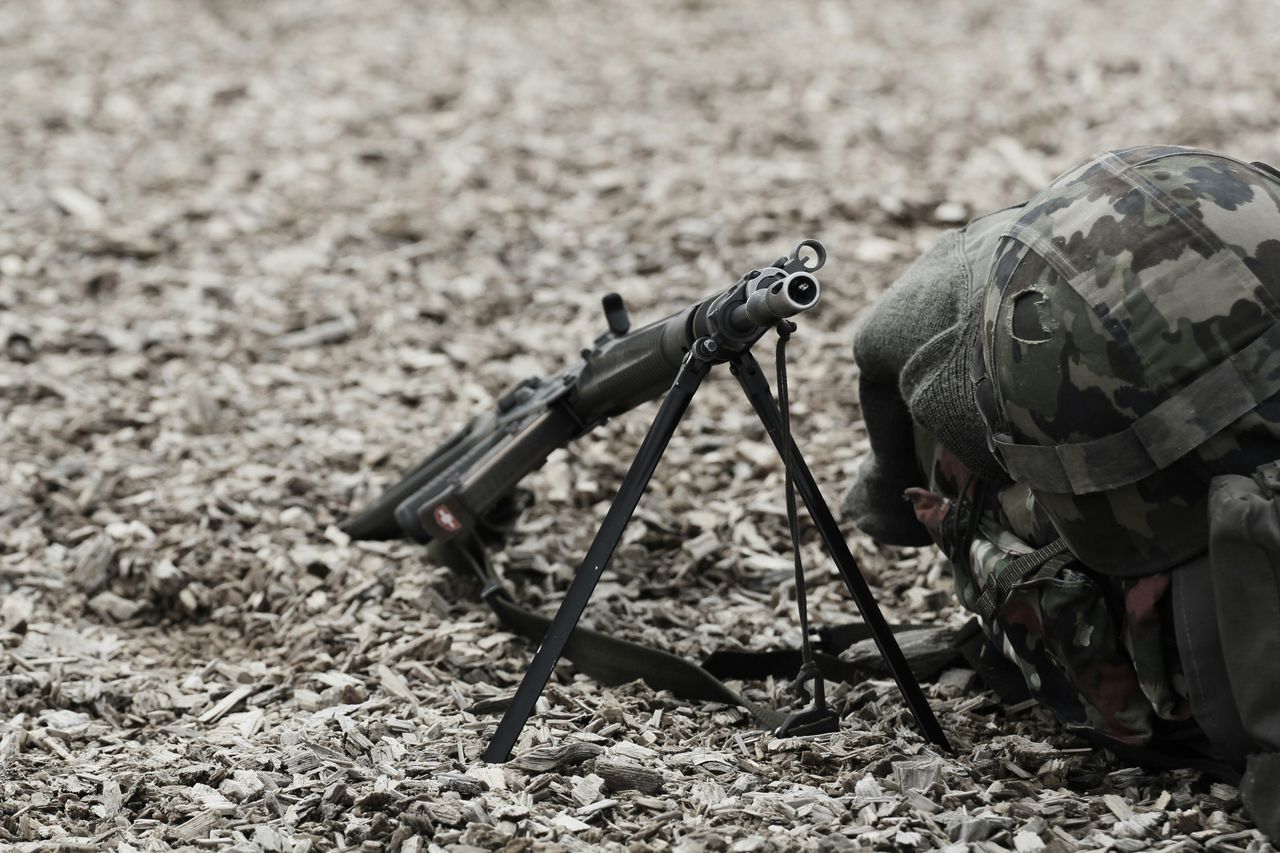
So why is a $475 bipod becoming standard gear for precision shooters? Because the category matured, and the demands got sharper.
Military pedigree helped. Competition accelerated adoption. Mounting systems evolved. And once shooters experienced what a stable, adjustable, durable bipod does for recoil control and positional work, downgrading became hard to justify.
In that light, the premium bipod is not replacing skill. It is supporting it, literally, in a sport where small gains stack up fast.