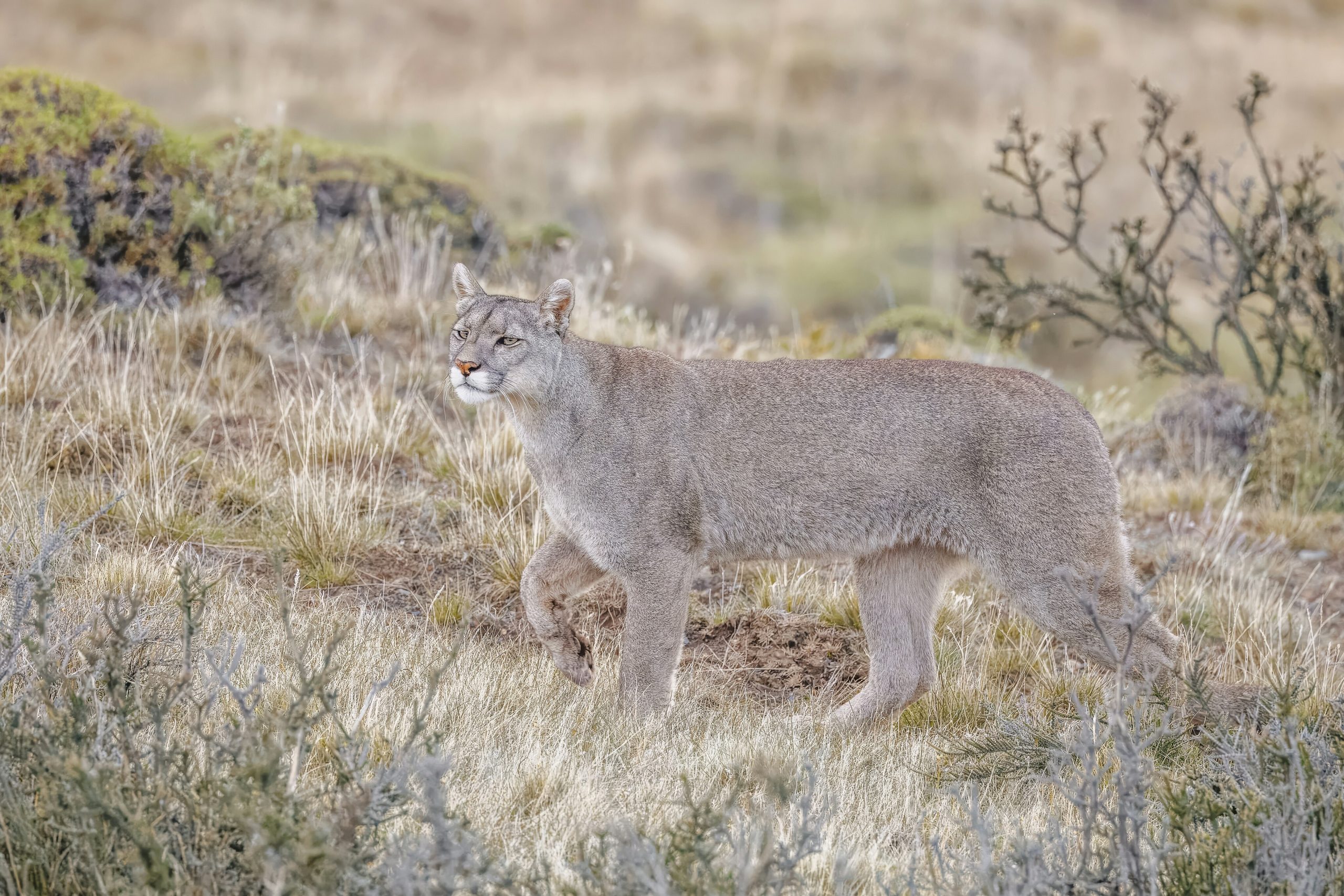
Defensive attacks from cougars are rare, but when they occur, they are almost always the result of misinterpreted threat signals or sudden pressure placed on the animal. Cougars, also called mountain lions or pumas, are solitary ambush predators that rely heavily on stealth, distance, and escape routes. They do not seek confrontation with humans. When a cougar feels cornered, surprised, or responsible for protecting young or food, its response can shift rapidly from avoidance to defense. Understanding the specific triggers that cause this shift helps people react appropriately and reduces the chance of escalation during unexpected encounters in cougar country.
Sudden Close-Range Encounters
Sudden close-range encounters are one of the most reliable triggers for defensive cougar attacks. Cougars rely on distance, concealment, and early awareness to assess risk. When a human appears unexpectedly at close range, especially on blind trails or in dense vegetation, the cougar loses its advantage and escape options. This creates immediate pressure. The animal may feel exposed, cornered, or startled, all of which elevate stress rapidly. Defensive action is not about aggression but survival. The cougar reacts to regain space and control, often choosing force only when flight feels impossible in that moment.
Feeling Cornered or Trapped
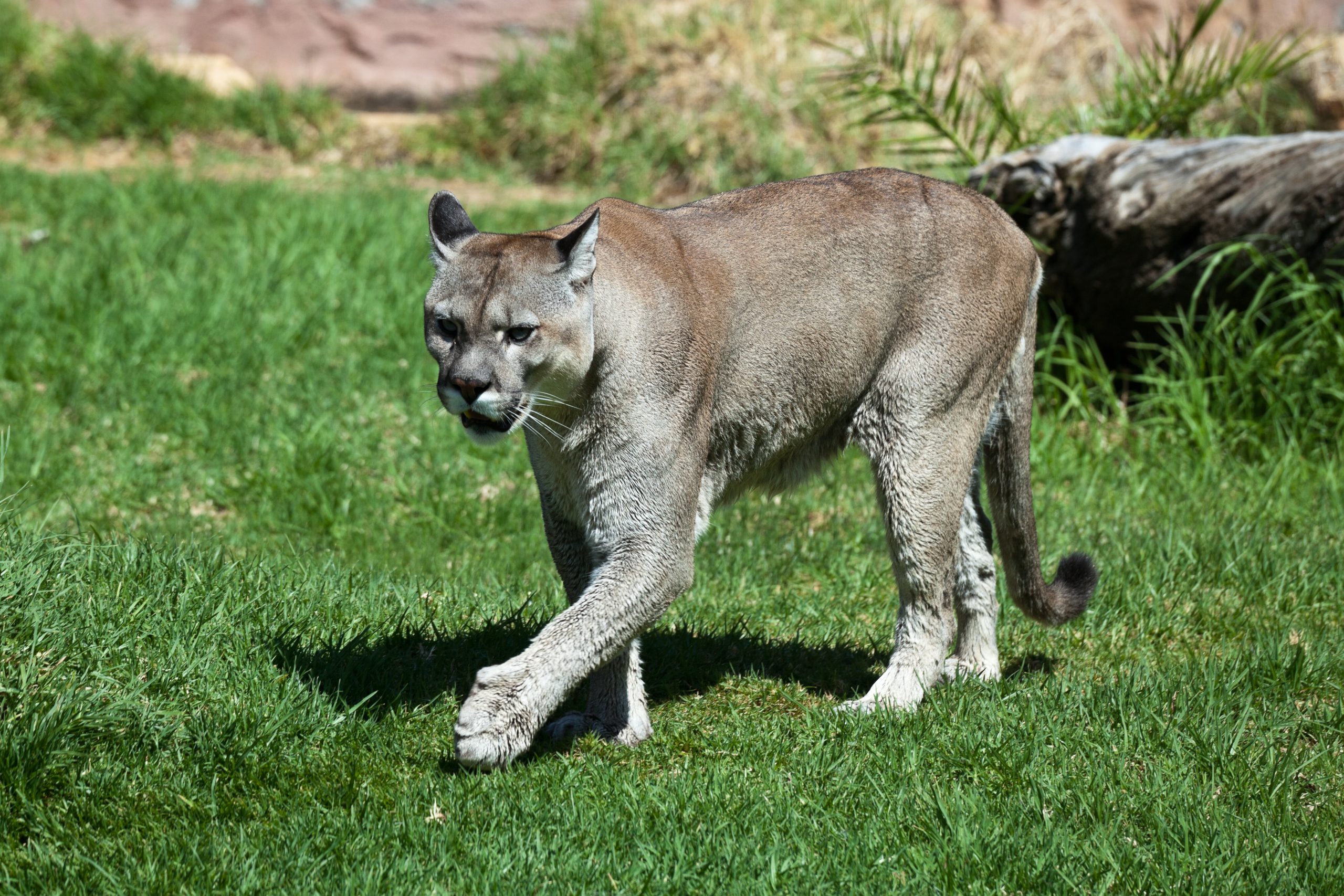
Cougars are escape-oriented animals that avoid confrontation whenever possible. When terrain features such as cliffs, fences, buildings, or narrow canyons restrict movement, a cougar may feel trapped. Human positioning can unknowingly block retreat routes, intensifying perceived danger. In these situations, defensive attacks occur as panic-driven responses rather than predatory behavior. The cougar attempts to neutralize the threat long enough to create an opening to escape. This is why standing still, backing away slowly, and allowing clear exit paths significantly reduce the likelihood of escalation during encounters in confined environments.
Presence of Cubs Nearby
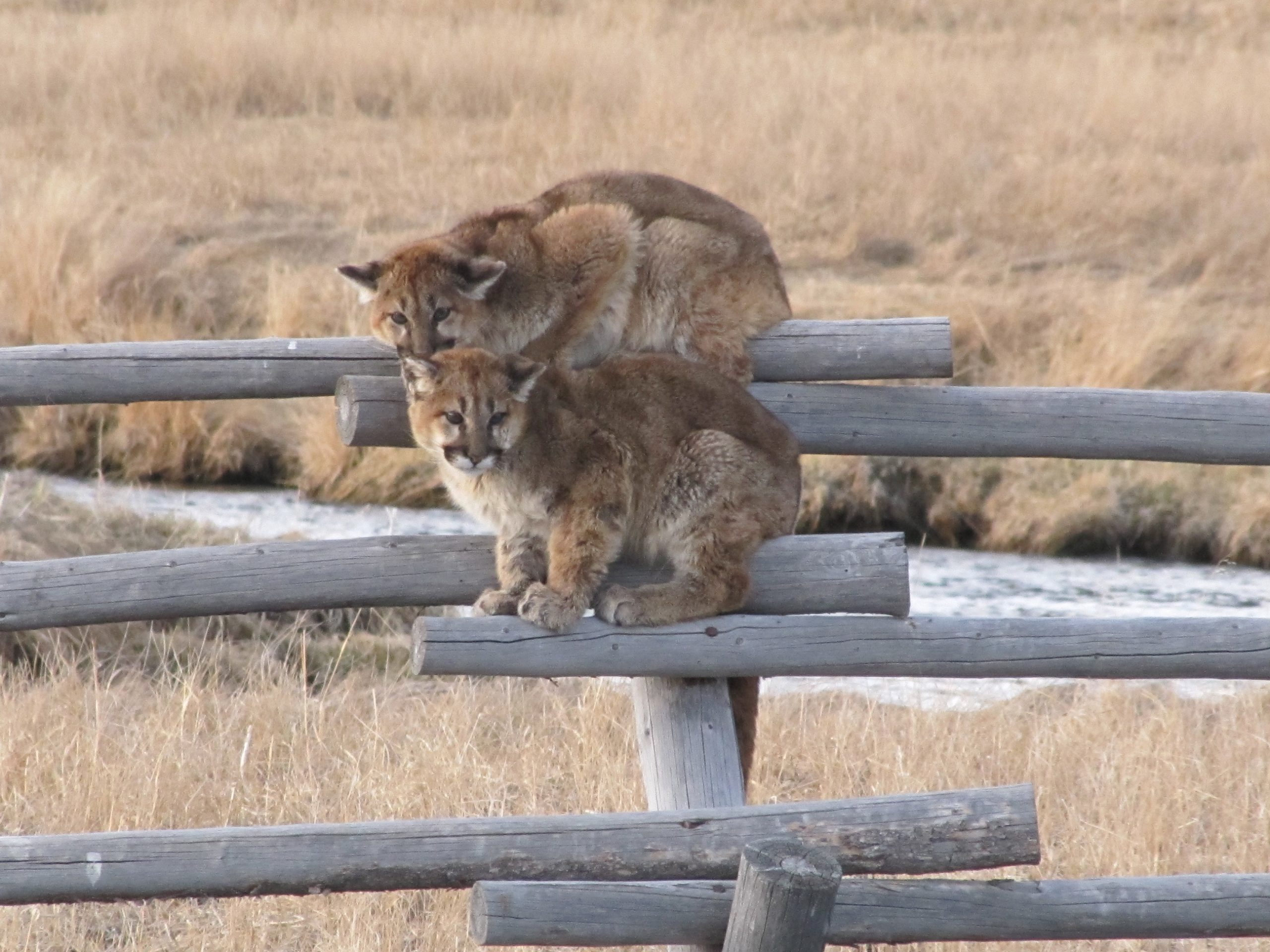
A mother cougar with cubs has drastically reduced tolerance for perceived threats. Cubs are slow, vulnerable, and unable to flee, forcing the mother into a defensive posture. If a human unknowingly approaches a den site or moves between the mother and her young, the cougar may interpret the situation as immediate danger. Defensive behavior may include vocalizations, bluff charges, or direct contact meant to drive the threat away. These responses are protective, not aggressive. Once distance is restored and cub safety is assured, the likelihood of continued confrontation drops sharply. Mother cougars may position themselves between cubs and perceived danger, increasing defensive urgency.
Approaching a Cached Kill Site
Cougars often cache prey under brush or debris and return repeatedly to feed. A kill represents days of energy and survival. When a human approaches a cached kill, the cougar may already be nearby and highly alert. The animal may interpret the approach as competition or a threat to its food source. Defensive attacks in these cases are driven by resource protection rather than hostility. The cougar’s goal is to remove the intruder quickly. Calm retreat and immediate departure from the area reduce escalation and prevent further defensive behavior from the animal. Kill sites heighten tension because losing food threatens survival, especially during lean seasons.
Triggered by Sudden Movement or Running
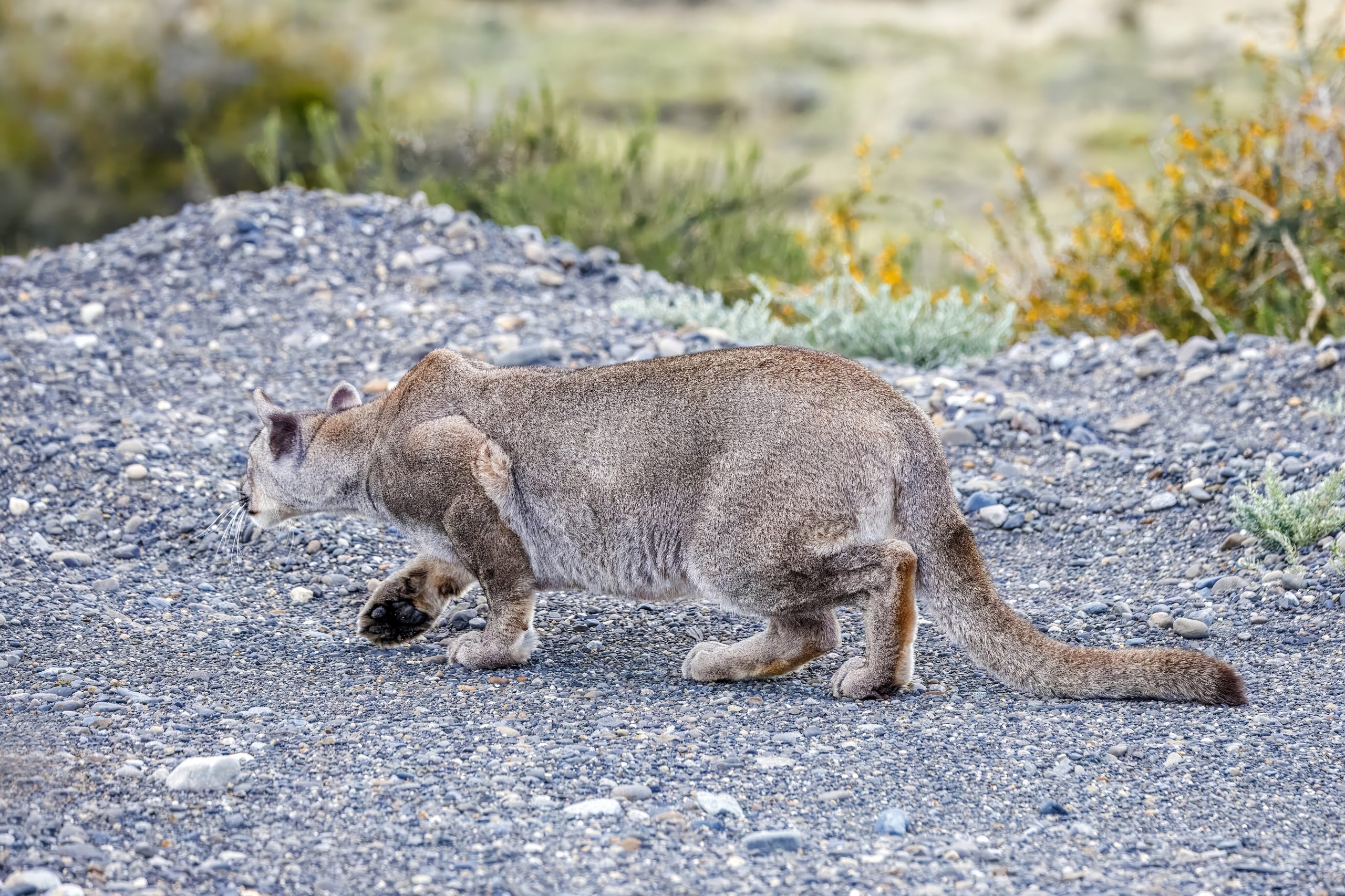
Sudden movement can escalate tension during a cougar encounter. Rapid motion, turning away, or running may confuse threat assessment, especially if the cougar already feels pressured. While often linked to hunting instinct, in defensive contexts, this reaction stems from unpredictability. A cougar may perceive fast movement as either prey behavior or aggressive intent. This uncertainty increases stress and reduces hesitation. Defensive reactions may follow if the animal believes control is slipping. Maintaining steady posture, slow movement, and direct awareness signals reduces confusion and lowers the chance of defensive escalation.
Human Behavior That Sends Mixed Signals
Certain human behaviors unintentionally trigger defensive responses. Crouching, bending, or turning away can make threat assessment difficult for a cougar. At the same time, aggressive shouting or sudden object throwing too early may increase stress instead of deterrence. Defensive attacks can occur when a cougar misinterprets intent and feels forced to act. Clear body posture, calm firmness, and deliberate movement help communicate that the human is neither prey nor an attacker. Consistent signals allow the cougar time to disengage without feeling pressured into a defensive decision. Inconsistent reactions force cougars to decide quickly, often escalating stress-driven responses.
Low Visibility and Poor Lighting Conditions
Most defensive cougar encounters occur during dawn, dusk, or nighttime when visibility is reduced. In low light, both humans and cougars have less time to recognize and interpret each other’s presence. A cougar surprised at close range under poor lighting may react defensively before confirming what it is facing. Shadows, headlamps, and sudden light changes further increase uncertainty. Defensive behavior in these conditions is rooted in confusion, not intent. Making noise while hiking, improving visibility, and avoiding dense cover during low-light hours greatly reduces surprise encounters.
Injury, Illness, or Extreme Stress
Cougars that are injured, starving, or physically stressed are more likely to respond defensively. Pain limits mobility and reduces the ability to flee, making confrontation feel unavoidable. An injured animal may act sooner and with less warning. Young, displaced, or nutritionally stressed cougars may also lack experience reading human behavior. Defensive attacks in these cases are survival responses rather than learned aggression. Understanding that compromised animals behave differently explains why some encounters escalate quickly despite minimal provocation or seemingly calm human behavior.
Habituation to Human Presence
Cougars living near human development may become partially habituated, reducing their instinctive avoidance. While habituation does not equal aggression, it shortens reaction distance and increases overlap. When such a cougar feels challenged or pressured, defensive responses may occur more quickly than in fully wild individuals. Habituation blurs boundaries and increases encounter risk. Maintaining deterrence, avoiding wildlife feeding, and preserving natural fear are critical for preventing defensive incidents. Communities that reduce attractants help prevent cougars from reaching this dangerous comfort threshold.
Ignoring Warning Signals
Cougars often display warning behaviors before escalating defensively. These may include tail twitching, hissing, growling, pacing, or fixed staring. If these signals are ignored and the human continues approaching, the cougar may escalate to physical defense. The goal is not pursuit but immediate threat removal. Many defensive attacks occur only after warnings fail. Recognizing these signals and responding early by creating distance prevents escalation. Respecting warning behavior is one of the most effective ways to avoid physical contact during cougar encounters. Warning behaviors are deliberate communication attempts meant to avoid physical confrontation.