
Throughout history, Christians have wrestled with the question of whether owning weapons for protection aligns with biblical teachings. While the Bible doesn’t mention firearms directly, it offers timeless wisdom about violence, defense, and faith in God. Understanding these principles helps believers navigate a world where moral, ethical, and personal safety concerns often intersect. The following sections explore seven key biblical perspectives on self-defense and weapon ownership, offering both clarity and balance.
The Biblical Principle of Self-Defense
The Bible acknowledges the human instinct to preserve life, including one’s own. In Exodus 22:2-3, Scripture states that if someone kills a thief breaking in at night, the defender is not guilty of bloodshed. This passage distinguishes between defensive action and premeditated violence, underscoring that intent matters. Self-defense in the Bible is not about aggression but protection from imminent harm. Christians are permitted to safeguard their lives, families, and homes, yet they must do so with moral responsibility and spiritual discernment, not fear or vengeance.
The Meaning Behind Jesus’ Words About the Sword

When Jesus said in Luke 22:36, “If you don’t have a sword, sell your cloak and buy one,” He wasn’t encouraging rebellion but preparing His disciples for real-world dangers ahead. The sword symbolized readiness and awareness, not aggression. However, when Peter later struck a man with that sword, Jesus rebuked him, saying, “Those who live by the sword will die by the sword” (Matthew 26:52). This dual message reflects a delicate balance: believers can prepare for self-defense but must never rely on weapons as their ultimate security or act impulsively in anger or fear.
Trusting God While Taking Practical Precautions

Faith does not eliminate the need for practical wisdom. In Nehemiah 4:17–18, the builders of Jerusalem’s wall carried swords as they worked, trusting God but staying alert against attack. This example reveals that preparation and faith can coexist without contradiction. Christians are not called to be reckless; rather, they are to act wisely while relying on divine protection. Owning a gun, in this sense, is similar to locking one’s doors; it’s an act of prudence, not a statement of distrust in God. Responsibility, discipline, and faith must guide every decision about protection.
The Christian Duty to Avoid Vengeance
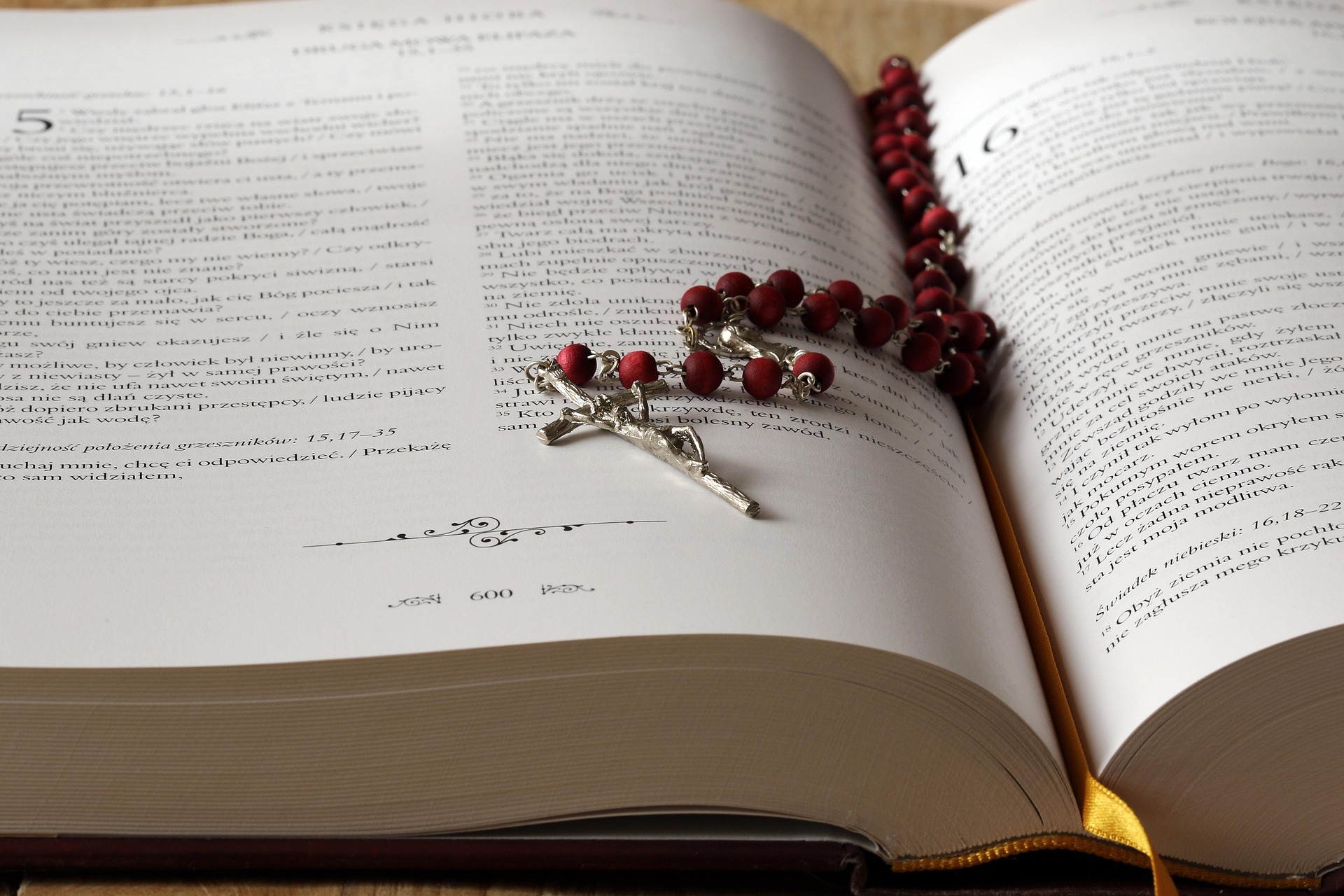
The Apostle Paul’s warning in Romans 12:17-19 is clear: “Do not repay anyone evil for evil… Do not take revenge.” The Bible draws a sharp line between defense and retaliation. While believers can defend themselves in danger, vengeance belongs solely to God. A Christian who owns a gun must carry it with a peaceful heart, not an angry or vengeful one. The purpose of any weapon should be the preservation of life, never the pursuit of power or retribution. The moment self-defense turns into payback, it ceases to be righteous and violates biblical principles.
The Moral Weight of Taking a Life
Even in self-defense, taking a life is a grave act that carries emotional and spiritual consequences. Scripture places immense value on human life because every person bears God’s image (Genesis 1:27). For this reason, any defensive action should be a last resort, used only when there is no other choice to preserve innocent life. Christians must reflect deeply on their motives, readiness, and emotional control before owning or using a weapon. A moral conscience rooted in love and humility helps ensure that decisions made in danger honor both justice and compassion.
The Call to Be Peacemakers in a Violent World
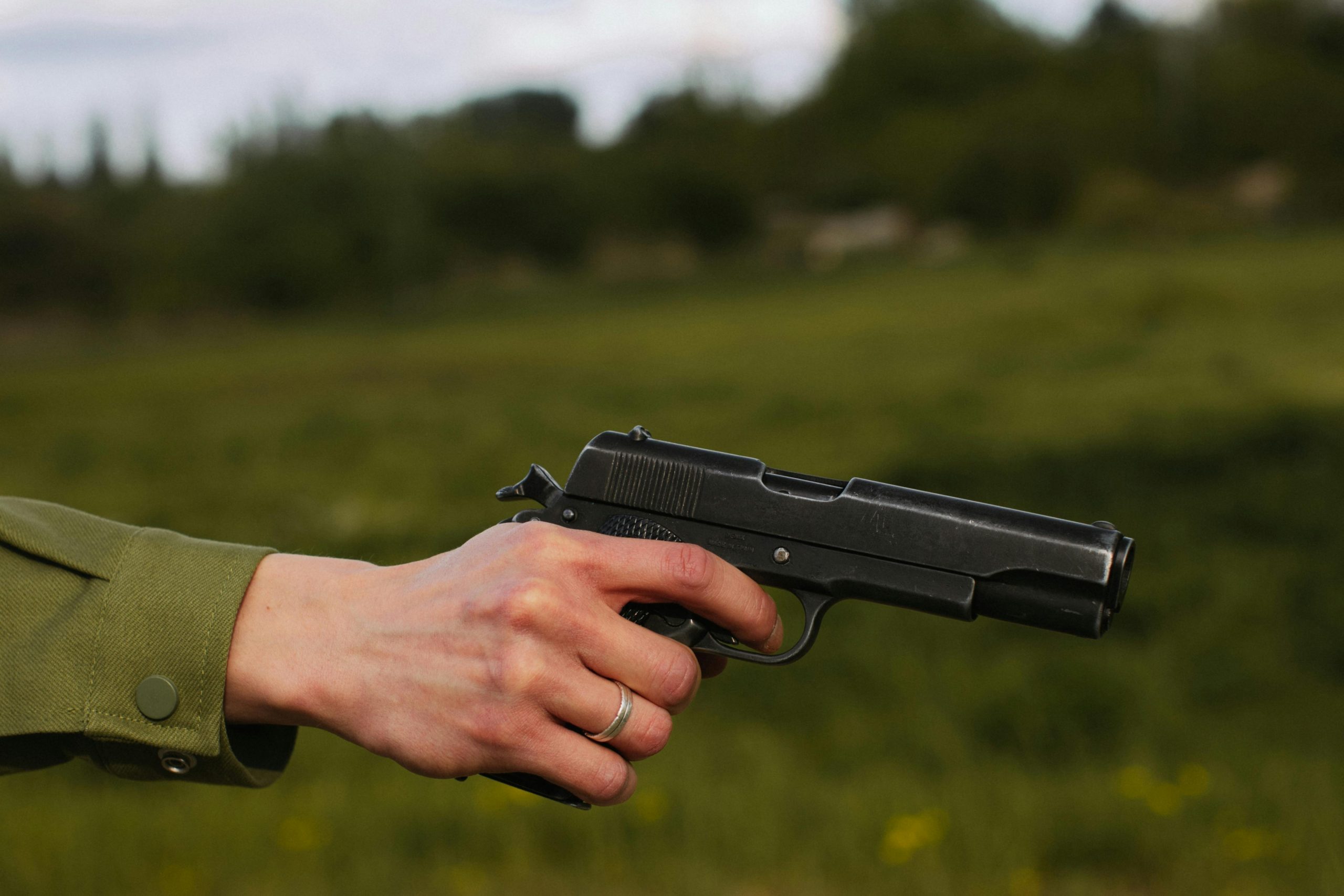
Jesus declared, “Blessed are the peacemakers, for they will be called children of God” (Matthew 5:9). This teaching reminds believers that peace should always be their primary pursuit, even in a world marred by violence. Owning a gun or preparing for defense should never become a lifestyle of hostility or paranoia. Christians are called to bring calm, not chaos, into tense situations. A true follower of Christ values peace over power and love over fear, using any means of defense only when necessary and always with a spirit of restraint and mercy.
Balancing Faith, Responsibility, and Freedom
The Bible grants believers freedom but calls them to use it wisely. In the modern era, the decision to own a gun is both a constitutional right and a moral responsibility. Scripture urges Christians to balance that freedom with humility and stewardship, remembering that trust should ultimately rest in God, not in human tools of protection. The heart behind ownership determines its righteousness. When guided by love, prudence, and faith, Christians can responsibly exercise self-defense without compromising their spiritual integrity or their commitment to Christlike peace.
The Example of Responsible Leadership in Scripture
Throughout the Bible, leaders like David and Joshua bore weapons but relied on God’s guidance above all else. Their strength came not from swords or strategy alone but from divine wisdom and moral conviction. This teaches Christians that defense is not only about physical readiness but also about spiritual maturity. A modern believer who owns a gun should mirror this principle, being disciplined, prayerful, and accountable so that their actions always reflect the heart of a faithful protector, not a fearful aggressor.
The Importance of Training and Self-Control
Scripture often emphasizes self-control as a vital fruit of the Spirit (Galatians 5:22–23). Owning a firearm demands the same discipline, knowing when and how to use it responsibly. Just as a soldier trains before entering battle, a Christian must be prepared mentally and morally before ever relying on a weapon. Careless or emotional reactions can lead to tragedy. Proper training, secure storage, and a calm mindset demonstrate respect for life and align with biblical wisdom about stewardship and responsibility.
Weapons as Tools, Not Symbols of Power
The Bible never glorifies weapons; they are merely tools used within moral boundaries. When believers start viewing guns as symbols of strength or identity, they risk drifting away from Christ-centered humility. Scripture teaches that true power comes from righteousness and peace, not from force. A gun, like any other tool, should serve the purpose of protection, not pride. Christians are called to be defenders, not dominators, using strength with compassion and remembering that love, not fear, defines their witness to the world.