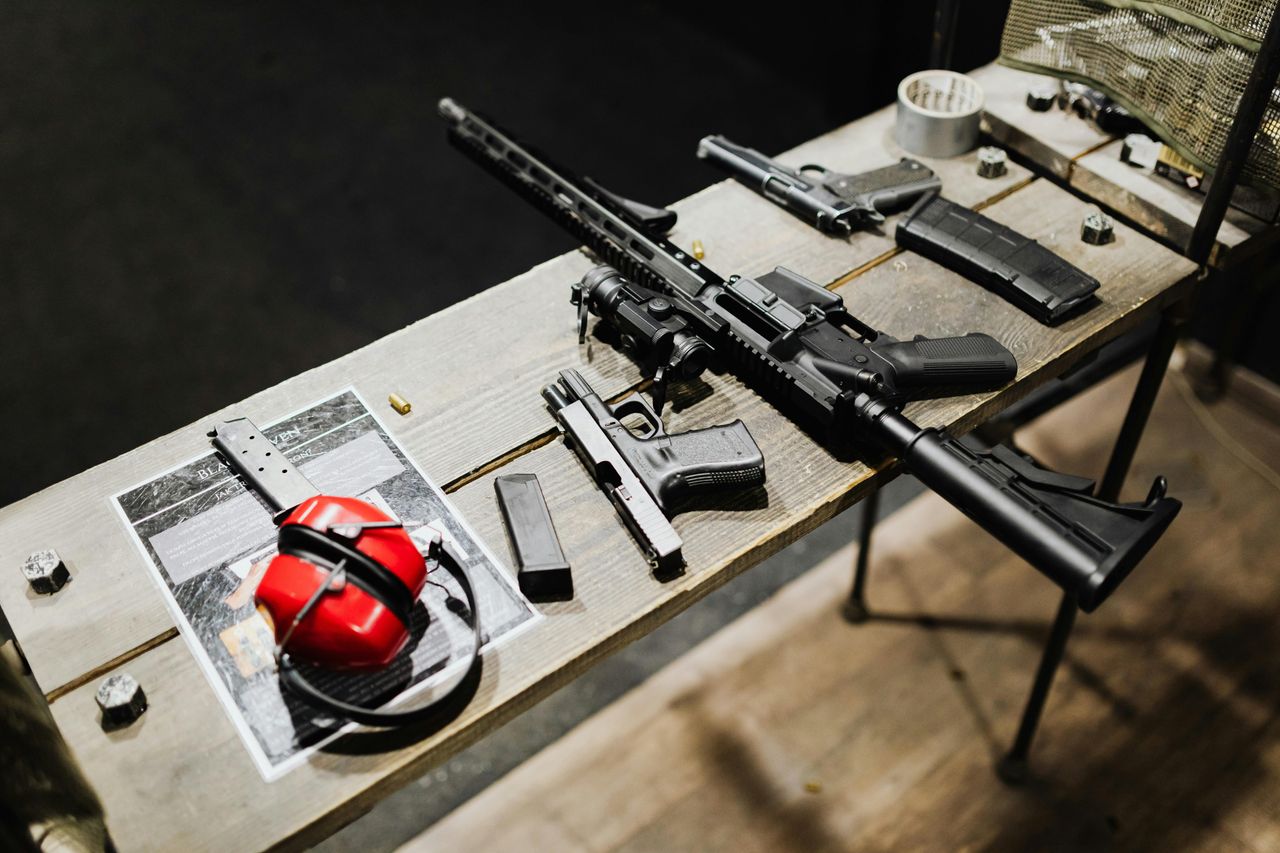
Lever-action rifles occupy a special corner of collecting, where frontier mythology meets real mechanical artistry. Some models win attention through rarity, others through condition, provenance, or old-school workmanship that feels increasingly hard to find. This gallery highlights 15 lever guns that collectors keep talking about right now, from iconic Winchesters to modern revivals with serious curb appeal.
Winchester Model 1873

Few rifles carry the aura of the Winchester Model 1873. Known for its deep connection to the American West, it remains one of the first names collectors mention when conversation turns to classic lever guns with timeless pull.
Original finish, matching parts, and special-order features can send interest climbing fast. Octagon barrels, case coloring, and period sights all add to the story, especially when the gun has not been heavily altered over time.
What keeps the 1873 hot is its balance of legend and variety. There are enough configurations to make the hunt exciting, and enough history behind each example to make even seasoned collectors pause for a longer look.
Winchester Model 1892
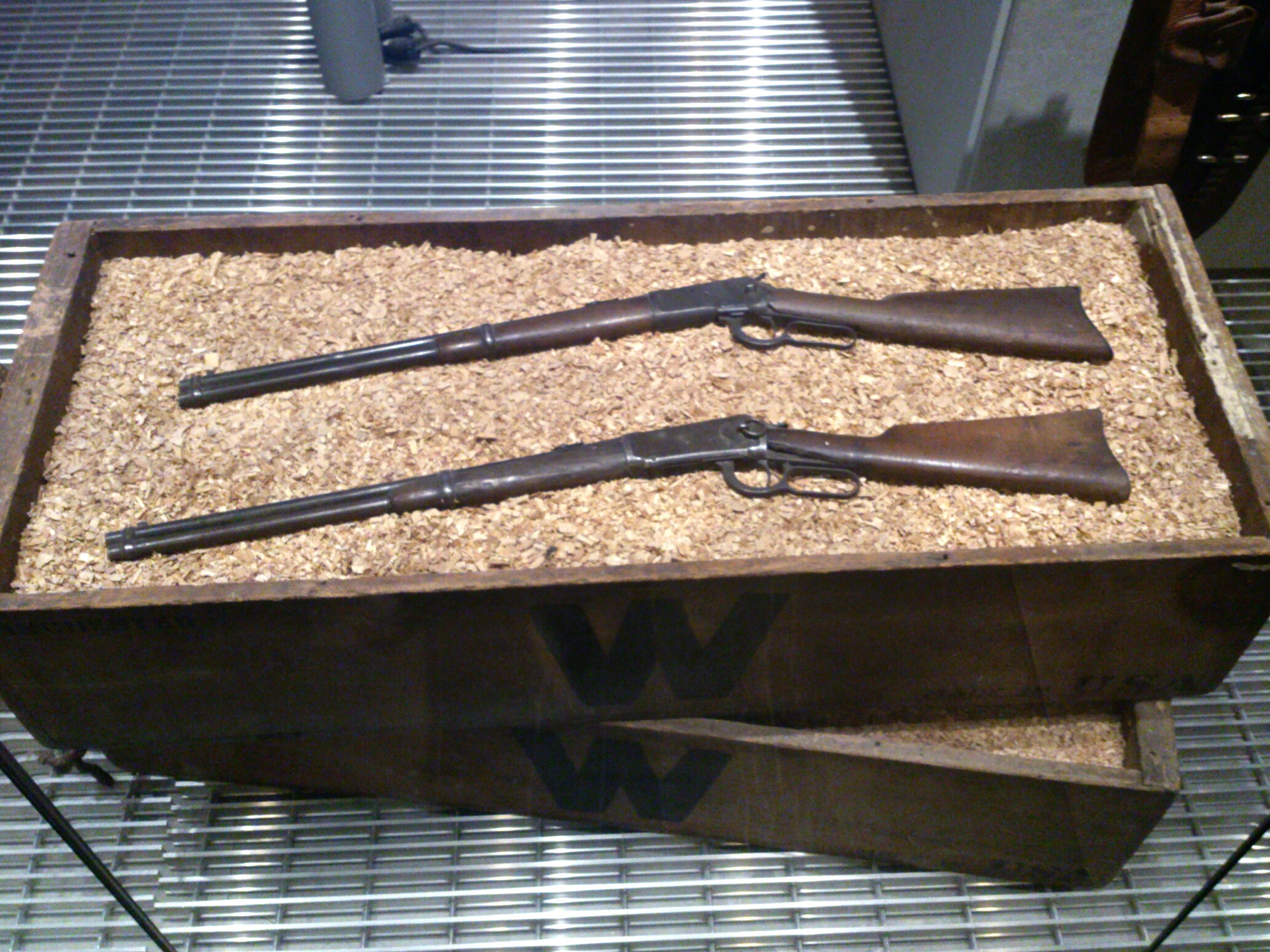
The Model 1892 has a sleekness collectors love. Designed by John Browning, it feels trim, fast, and beautifully proportioned, which helps explain why it still turns heads in collections focused on both design and historical importance.
Desirable examples often feature strong bore condition, original blue, and crisp markings. Saddle ring carbines bring one kind of appeal, while rifles with special sights or uncommon barrel lengths can stir even more attention among dedicated Winchester fans.
There is also the simple fact that the 1892 looks right. It has a visual harmony that photographs well, displays well, and keeps attracting newer collectors who want a lever gun with authentic period charm and enduring name recognition.
Winchester Model 1894

If one lever-action rifle bridges the gap between collector piece and household name, it is the Winchester Model 1894. Chambered in classic hunting cartridges and produced in huge numbers, it offers a wide collecting field with room for both beginners and experts.
What really energizes interest is the spread between common examples and truly special ones. Early production rifles, high-condition carbines, and pre-64 guns continue to attract attention because they represent craftsmanship many enthusiasts feel changed in later decades.
The 1894 also benefits from familiarity. People inherit them, remember them from camps and deer seasons, and then start digging deeper, only to discover a rich world of dates, variants, and subtle details worth chasing.
Winchester Model 1886
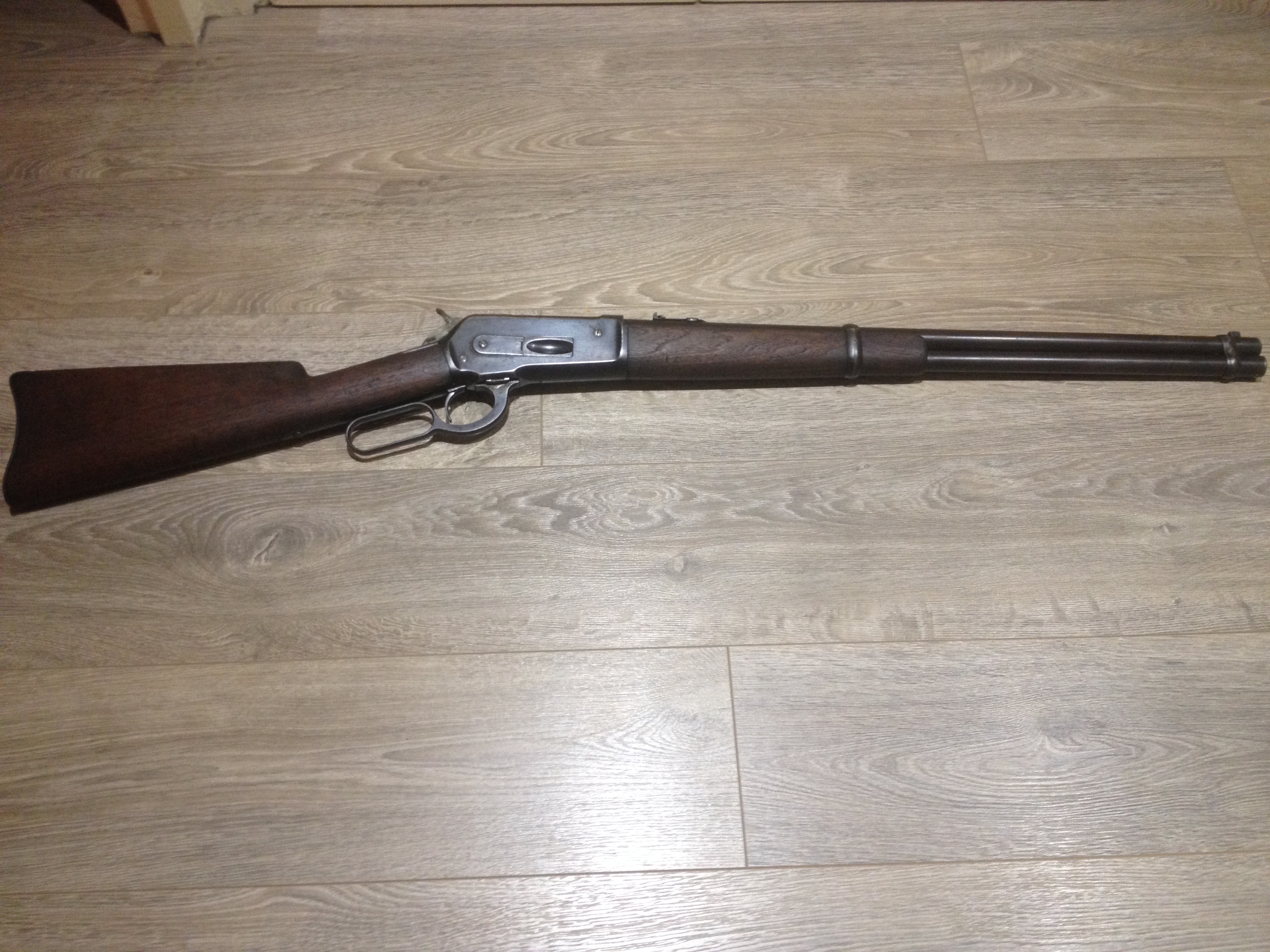
The Model 1886 has presence. Built for larger cartridges and designed with a stronger action, it feels bigger, bolder, and more substantial than many lever guns that came before or after it.
Collectors often gravitate to examples that show honest age without losing their original character. Long rifles with octagon barrels, deluxe wood, and special-order features can command serious admiration, especially when documentation or exceptional condition enters the picture.
What makes the 1886 so compelling is that it blends brute capability with elegant finishing. It is a rifle that can look rugged from across the room, then reveal fine machining and classic lines the moment someone gets close enough to study it.
Winchester Model 1895
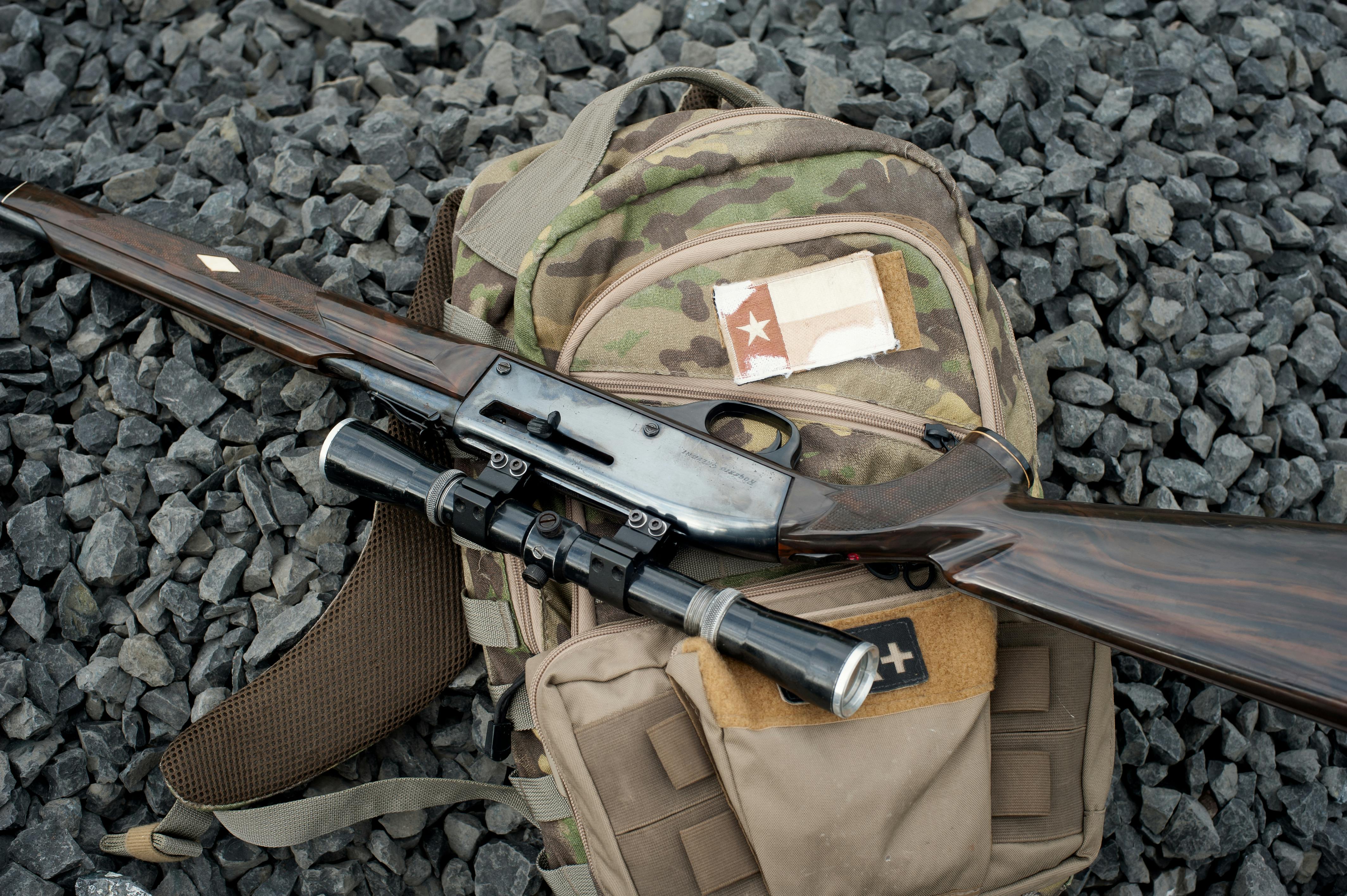
The Winchester Model 1895 stands apart immediately, thanks to its box magazine and more modern silhouette. That distinct profile alone makes it a conversation starter, but its association with military contracts and Theodore Roosevelt only adds more collector heat.
Condition matters here, yet originality matters even more. Collectors look hard at chamberings, markings, stocks, and finish because the 1895 lived through plenty of use, and authentic untouched examples can be difficult to find.
It appeals to people who want a lever gun that breaks from the familiar saddle carbine image. The 1895 feels transitional, almost like a hinge between frontier rifle design and the smokeless, industrial era that followed.
Marlin Model 1893

The Marlin Model 1893 is one of those rifles that rewards a closer look. It may not always command the instant recognition of a Winchester, but among collectors it has a devoted following built on solid design and genuine period appeal.
The side-eject action, clean receiver profile, and classic chamberings give it a practical elegance. Collectors often watch for original finish, sharp screws, uncut barrels, and the kind of wood-to-metal fit that signals a rifle has escaped major tinkering.
Part of the attraction is that Marlin collecting still feels a bit like discovery. A really strong 1893 can surprise people, especially when it appears in superior condition and reminds everyone how refined early Marlin craftsmanship could be.
Marlin 39A

The Marlin 39A brings a different kind of collector energy. As a rimfire lever action with remarkable longevity, it connects generations of shooters who learned marksmanship on one and later realized they had been handling a future classic.
Older examples are particularly admired for their machining, fit, and walnut-and-steel warmth. Mountie variants, early production runs, and rifles with desirable markings tend to generate the most interest when collectors start comparing details.
What makes the 39A stand out is its sheer approachability. It is charming without being delicate, historic without being intimidating, and familiar enough that people often discover its collectible value only after spending years enjoying it on the range or in the field.
Savage Model 99

The Savage Model 99 does not look like every other lever gun, and that is exactly why collectors keep circling back to it. With its hammerless design and rotary magazine, it brought a modern sensibility to a category often defined by tradition.
Collectors pay close attention to condition, takedown features, factory checkering, and uncommon chamberings. Early rifles and high-grade examples can generate especially strong interest, partly because the 99 has such a broad production history with many subtle variations.
Its appeal is both visual and mechanical. The rifle feels inventive in the hand, and for many collectors that innovation is irresistible. It tells a story of a lever-action platform adapting to changing tastes without losing its own identity.
Browning BLR

The Browning BLR is the outlier that keeps earning respect in collector circles. It is not antique in the traditional sense, but it represents a modern lever action that managed to stay stylish while handling cartridges usually associated with bolt rifles.
Early production guns, Belgian-made examples, and rifles in discontinued configurations draw the most attention. Collectors also like the BLR because it occupies a bridge space, useful enough to hunt with, yet distinct enough to set aside as a noteworthy piece.
Its rising profile says something about where collecting is headed. More enthusiasts are willing to appreciate modern engineering and limited runs alongside frontier-era classics, and the BLR fits that shift perfectly without pretending to be something older than it is.
Henry Original Rifle Reproductions
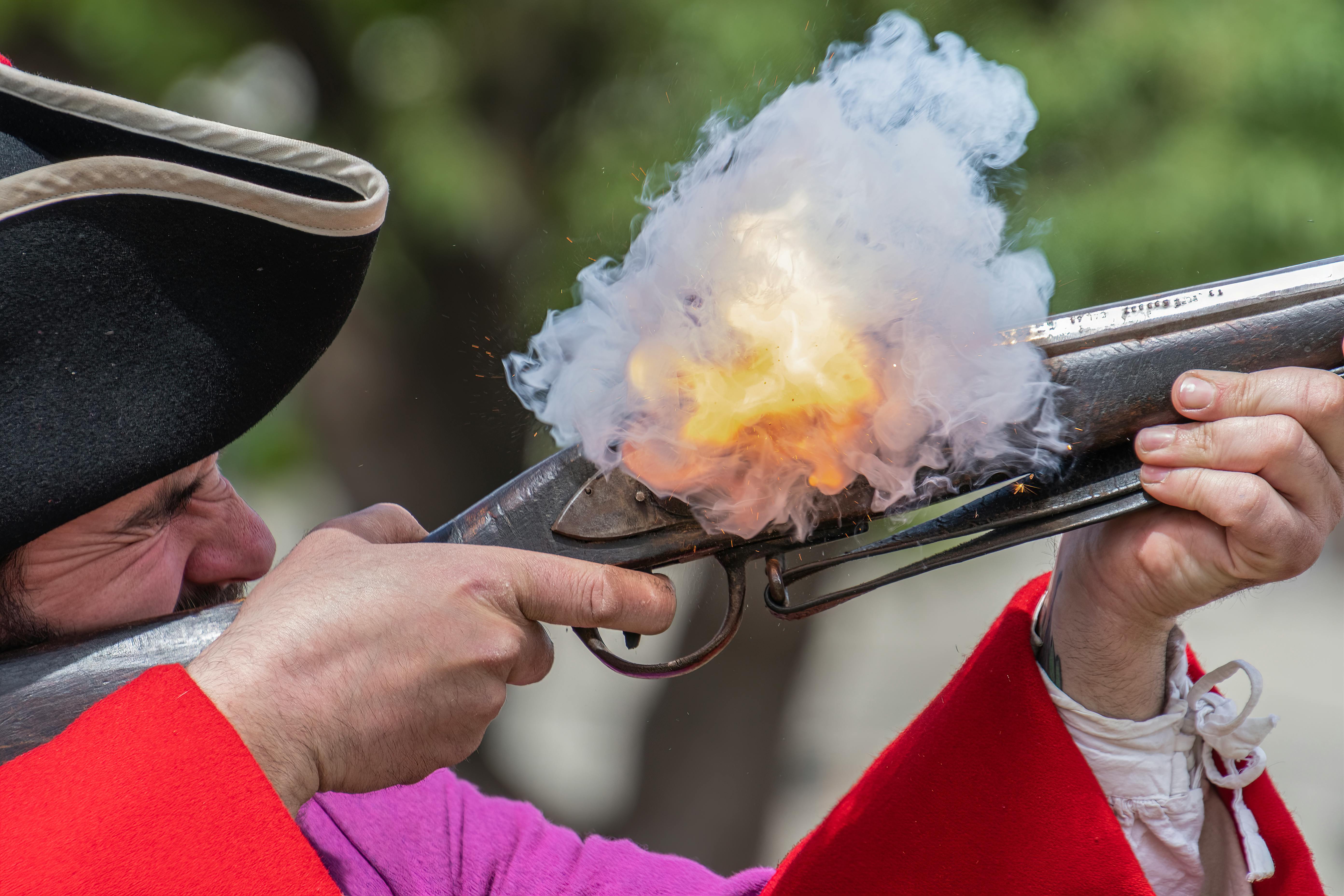
Reproduction Henry rifles occupy a fascinating lane for collectors who value style, craftsmanship, and historical romance. While they are not 19th-century originals, the best examples still capture the brass-framed glow and Civil War-era silhouette that people instantly recognize.
Interest tends to rise around limited editions, high-quality finishes, and faithful detailing. For some collectors, these rifles offer an accessible way to enjoy the Henry look without stepping into the far more expensive and specialized world of true antique ownership.
They also display beautifully. The polished brass and octagon barrels make a strong visual statement, which means these rifles often attract people who begin as admirers of design and later become much deeper students of lever-action history.
Uberti 1866 Yellowboy

The Uberti 1866 Yellowboy has become a favorite among collectors who enjoy historical aesthetics with shootable practicality. Its brass receiver and instantly recognizable profile bring old West charisma, while modern manufacture makes ownership less intimidating than chasing fragile originals.
Enthusiasts often look for special finishes, short-run versions, or examples with especially attractive wood. The rifle also benefits from crossover appeal, since fans of cowboy action shooting and display-oriented collectors often admire the same features for different reasons.
Part of its charm is pure theater. The Yellowboy looks like a story waiting to happen, and that emotional pull matters. Collecting is rarely just about scarcity alone, and this rifle proves visual personality can be just as powerful.
Colt Burgess Rifle
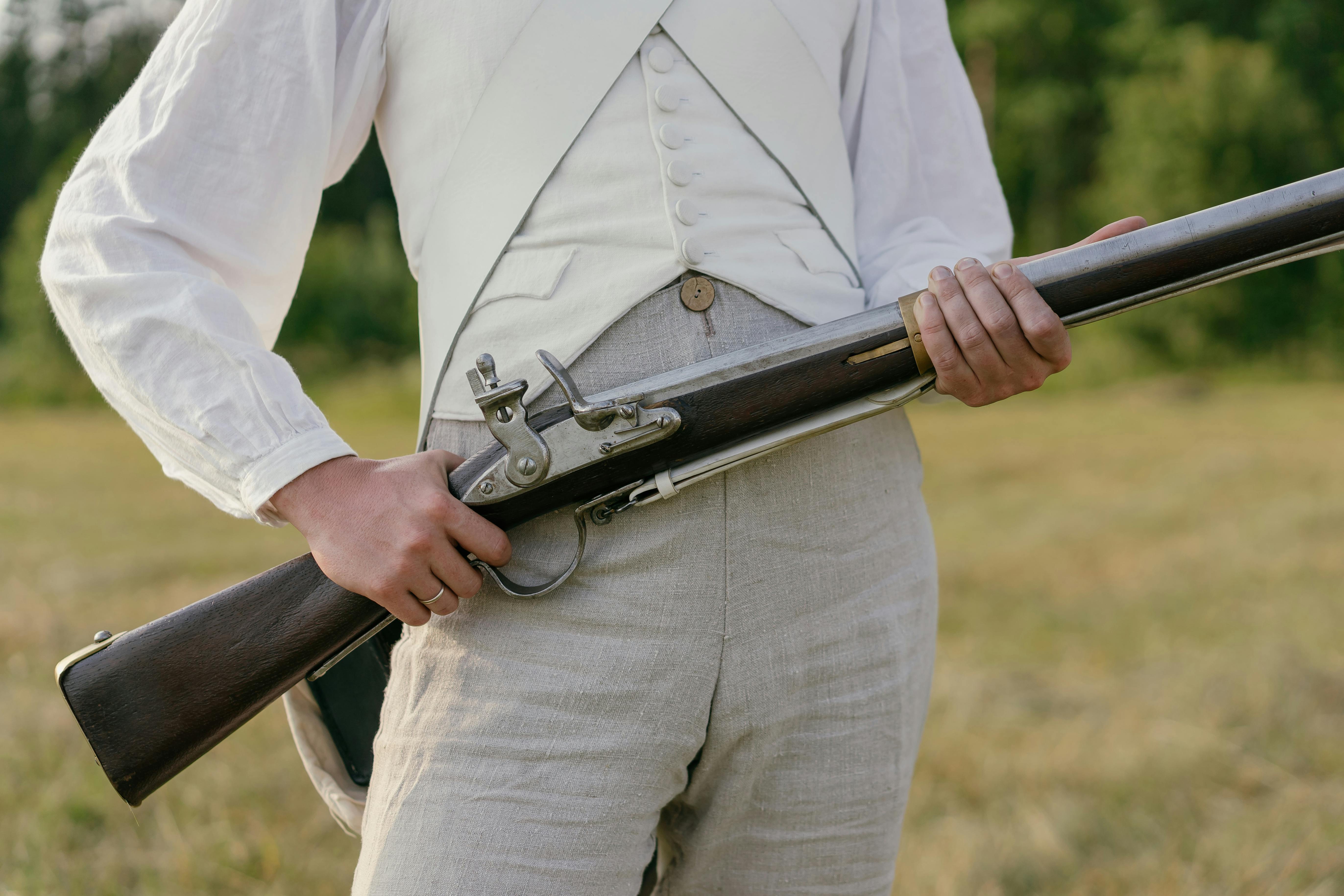
The Colt Burgess Rifle is one of those pieces that can shift a collector’s pulse almost instantly. Produced only briefly in the 1880s, it carries rarity, name recognition, and a storyline tied to Colt’s short-lived challenge to Winchester.
Because surviving examples are limited, originality becomes everything. Collectors scrutinize markings, finish, screws, wood, and mechanical integrity with unusual care, knowing that any untouched Burgess represents a narrow and valuable slice of firearms history.
Its appeal is not just scarcity. The Burgess also offers an alternate path in lever-action development, showing what might have been if Colt had remained in the long-gun race. That what-if factor gives it a magnetism far beyond simple production numbers.
Winchester Deluxe Takedown Variants

Collectors have always had a soft spot for deluxe takedown Winchesters. Whether found in Model 1892, 1894, or 1886 form, these rifles combine mechanical novelty with upscale finishing in a way that feels especially tailored to serious collecting.
Checkered stocks, pistol-grip configurations, half-octagon barrels, and special-order sights can dramatically elevate interest. The takedown feature itself adds charm, since it speaks to a period when portability and ingenuity were sold with a touch of elegance.
These rifles also tend to reward close study. A deluxe takedown can reveal layers of factory intent, owner taste, and historical use all at once, making it the kind of lever gun collectors return to repeatedly, even after seeing many standard examples.
Pre-Remington Marlin 1895

Collectors who focus on newer lever guns often speak warmly about the pre-Remington Marlin 1895. These rifles are not antique, but they have developed a reputation for robust build quality and a kind of practical authenticity that resonates with hunters and collectors alike.
Guide Gun configurations, limited runs, and especially clean examples tend to get the most notice. The appeal often rests in workmanship, with enthusiasts comparing fit, finish, and smoothness against later production periods that sparked much more debate.
What makes these rifles collectible is their blend of utility and timing. They represent a moment before a widely discussed manufacturing transition, and that gives them a clear identity in the market, something collectors nearly always respond to.
Limited Edition Henry Big Boy Models
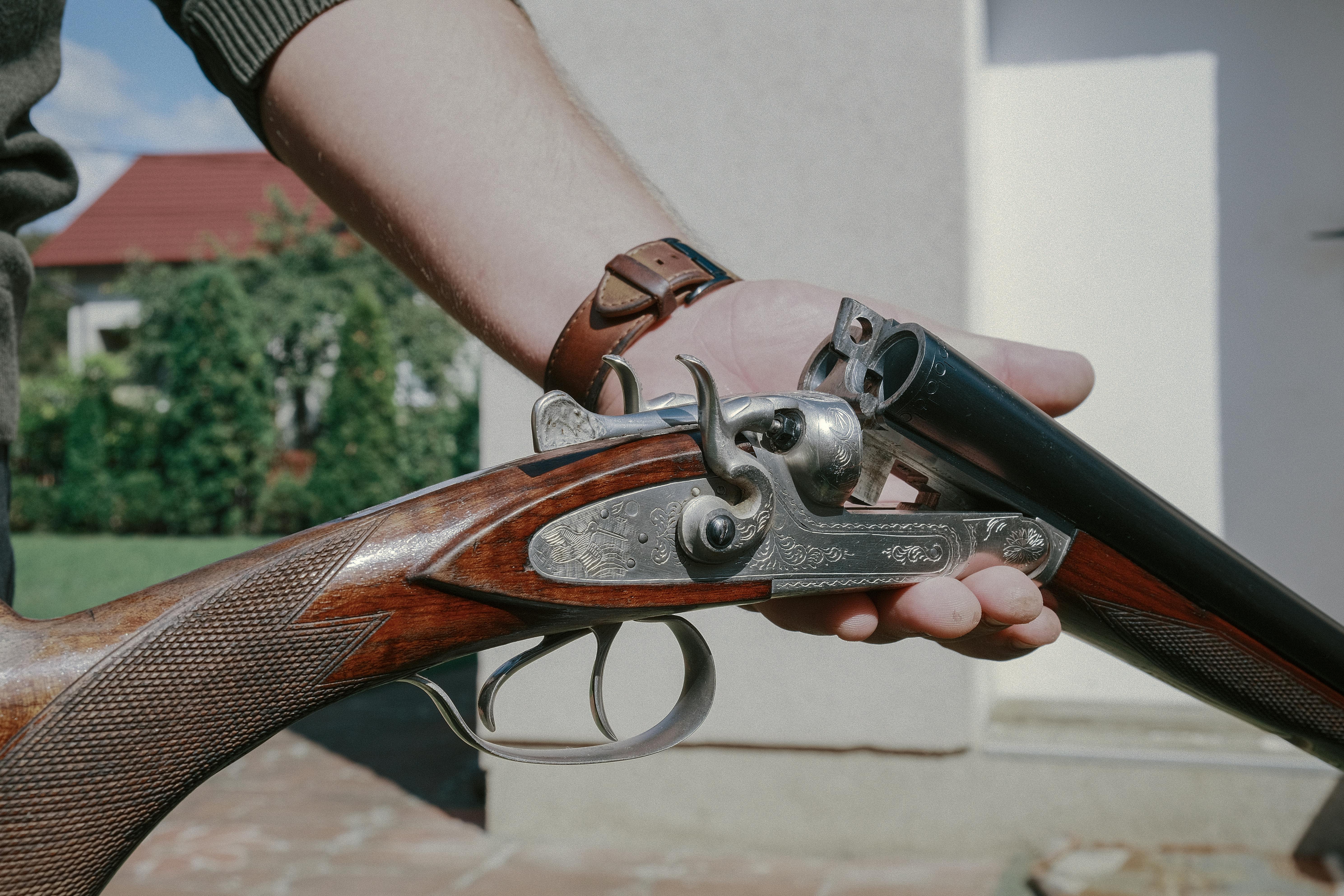
Limited edition Henry Big Boy rifles have brought fresh energy into lever-action collecting. Purists may still chase antiques first, but there is no denying that special finishes, engraved receivers, and commemorative runs have opened the door for a newer generation of enthusiasts.
Collectors tend to focus on low production numbers, distinctive themes, and condition with complete packaging. In the modern market, boxes, paperwork, and unfired status can matter more than many first-time buyers expect.
These rifles stand out because they treat the lever gun as both firearm and display object. That approach may be newer, but it is effective. For many people, a striking limited Henry becomes the gateway piece that leads to a broader collecting obsession.