Some rifles are range darlings. The Ruger M77 Hawkeye is more of a mountain workhorse.
A rifle built around reliability first
Backcountry hunters care less about hype than about whether a rifle feeds, fires, extracts, and ejects when the weather turns ugly. That is where the Ruger M77 Hawkeye earns its keep. Ruger’s Hawkeye line centers on a Mauser-type controlled-round-feed extractor and a fixed blade ejector, a combination long valued for positive handling of cartridges under stress.
That matters when a hunter is cycling the bolt from an awkward position on shale, snow, or deadfall. A controlled-feed action helps keep the round under command as it moves from magazine to chamber. In practical hunting terms, it reduces drama when the shot window is short and the terrain is unforgiving.
The three-position safety also fits this use well. Hunters can lock the bolt, or load and unload with the safety engaged, which is exactly the kind of field-minded feature that sounds small until a steep climb or horseback ride makes it essential.
Weather resistance that suits real wilderness use
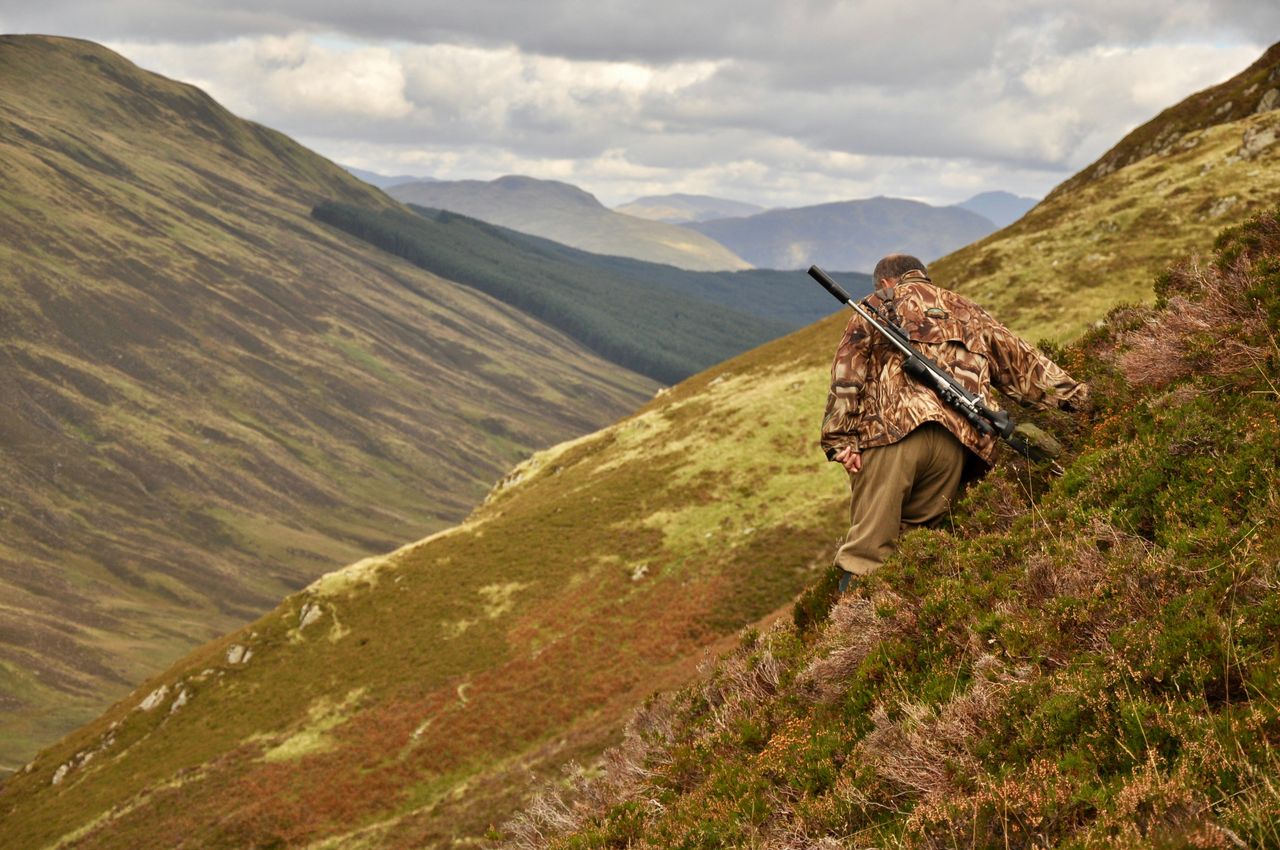
Backcountry gear gets judged in rain, sleet, dust, and sweat, not under showroom lights. The Hawkeye family has long included stainless, laminate, and synthetic-stocked versions designed for rough climates, and Ruger has repeatedly leaned into that identity with all-weather and guide-oriented configurations.
For hunters spending days away from camp, corrosion resistance is not a luxury. It means less worry after creek crossings, wet scabbards, and freezing mornings when rifles get carried loaded with a layer of frost on the barrel. Stainless construction and simple, proven hardware make the Hawkeye attractive to hunters who expect abuse.
That durability shows up in how people describe the rifle. Reviews from Guns.com and American Rifleman consistently frame the Hawkeye and related M77 variants as dependable hunting tools rather than delicate precision projects. That reputation is a big part of what hunters are really buying.
Weight, balance, and recoil in mountain terms
The Hawkeye is not universally praised as the lightest option in the rack, and that is important to say plainly. Some reviews, including Gun Tests and RifleShooter, have noted that certain M77 Hawkeye variants can feel heavier than competing mountain rifles, especially once scoped.
But backcountry hunters do not judge weight in a vacuum. A rifle that carries a little more mass can settle better in field positions and soften recoil in cartridges like .30-06, .300 Win. Mag., or .375 Ruger. On steep country shots, that steadier hold can matter more than saving a few ounces on paper.
Balance is part of the equation too. The Hawkeye’s traditional stock geometry and familiar handling appeal to hunters who grew up carrying classic bolt guns. It shoulders naturally, points predictably, and tends to feel like a hunting rifle first, which is exactly the point.
The appeal of simple, field-ready design
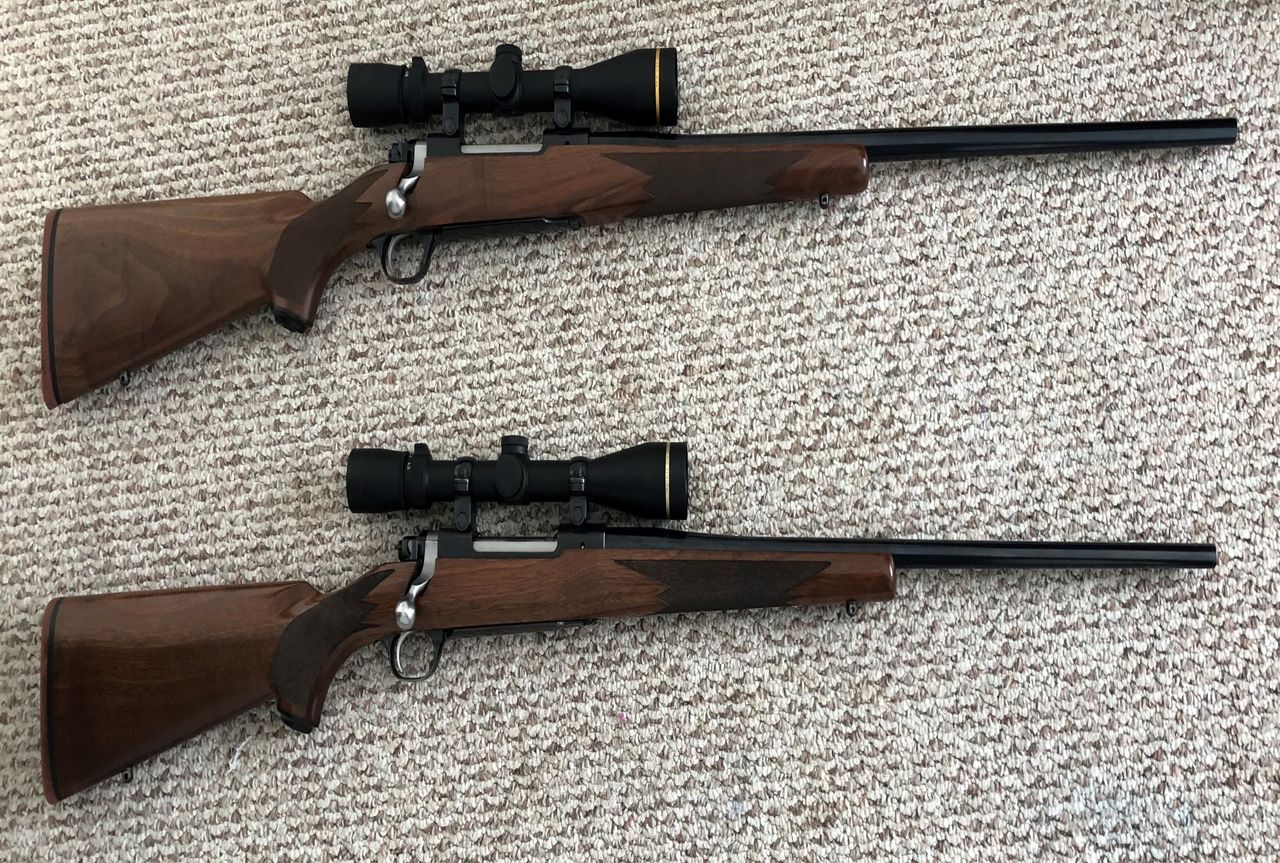
One reason the M77 Hawkeye still resonates is that it avoids overcomplication. Ruger built the platform around straightforward hunting needs: strong action, integral scope mounting system, practical safety, and a stock design meant for hard carry rather than benchrest fashion.
That integral ring system is especially useful in remote country. Fewer interface points can mean fewer opportunities for something to shift after miles of pack travel, horse transport, or a hard bump against rock. Hunters like systems that stay put, and the Hawkeye has long delivered that kind of no-nonsense setup.
There is also a mental benefit to simplicity. In the backcountry, confidence saves time and prevents mistakes. A hunter who knows exactly how his rifle feeds, locks, and unloads is better prepared when a bull elk steps out for five seconds at last light.
Accuracy expectations in the real hunting world
The Hawkeye’s reputation is strongest on reliability, but accuracy is part of the conversation. Reviews have varied by model and chambering. Some testers have found merely adequate groups, while others, especially with later or specialized variants, reported very solid hunting accuracy with the right loads.
That spread tells you something useful. The M77 Hawkeye is not usually bought as a bragging-rights precision rifle. It is bought as a rifle meant to put the first cold-bore shot where it belongs, then survive years of hard travel, weather, and rough handling.
For backcountry hunting, that distinction matters. Most ethical shots on deer, elk, sheep, or bear are won by position, judgment, and bullet placement, not by tiny bench groups. The Hawkeye’s value is that it gives hunters enough accuracy wrapped in a package they trust when conditions get ugly.
Why serious hunters still choose it
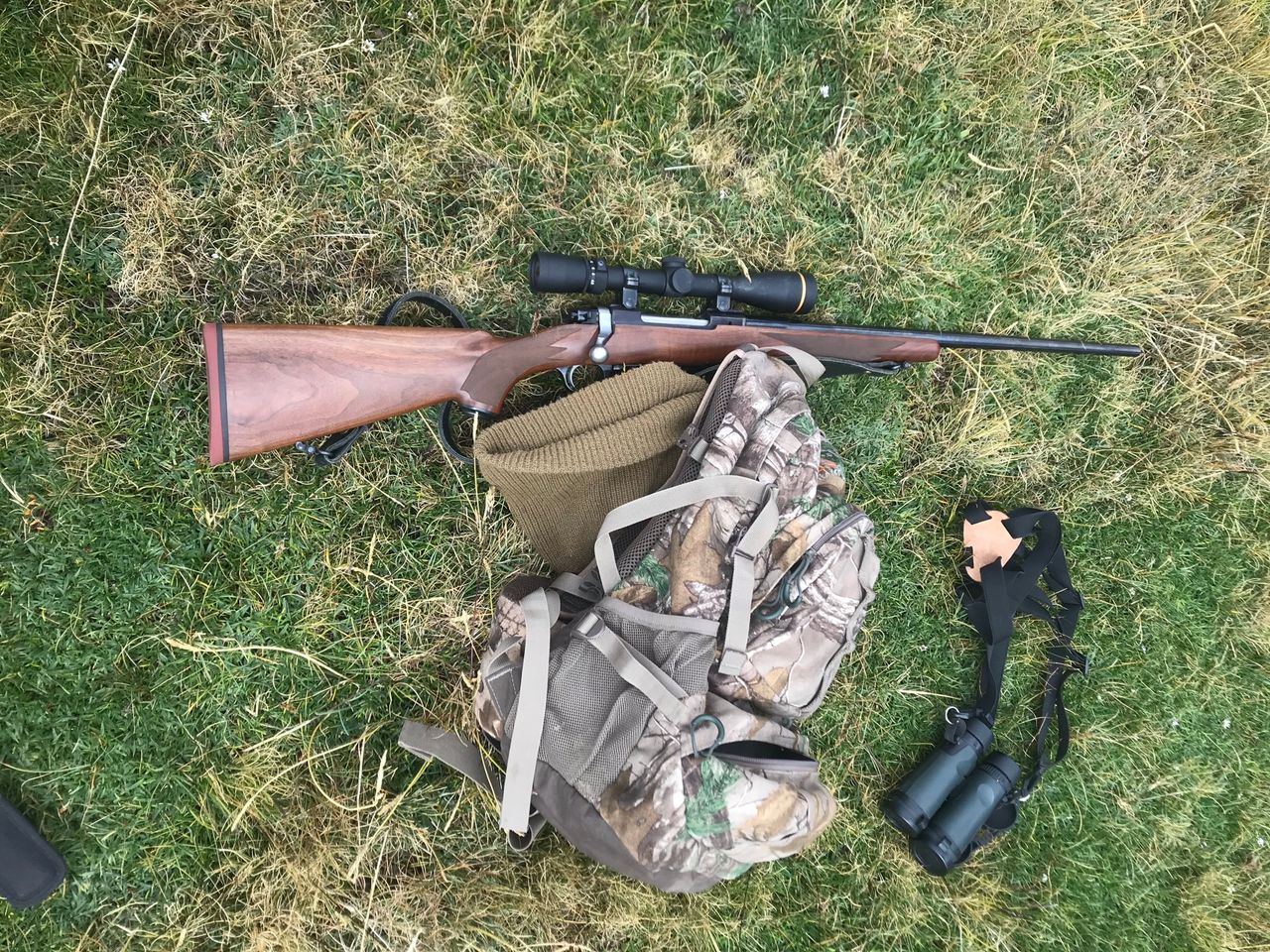
What backcountry hunters get from the Ruger M77 Hawkeye is confidence rooted in mechanics. They get controlled-feed operation, practical safety, durable materials, and a design language that prioritizes function over flash. In an era full of ultralight trends and marketing buzzwords, that still means something.
They also get a rifle with a long, well-understood track record. The Hawkeye line descends from one of America’s enduring hunting platforms, and Ruger has kept refining it without stripping away the features traditional hunters value most. That continuity matters in camps where gear is expected to last decades.
So the Hawkeye’s appeal is not mystery or nostalgia alone. It is that in true backcountry country, far from roads and closer to consequence, hunters still prize a rifle that feels honest, rugged, and ready when the mountain finally gives up a shot.