Two different carry cultures are starting to look at the same tool in very different ways. What is changing in cities is not just what people carry, but how they think about carrying at all.
The city is turning concealed carry into a daily systems problem.
In rural America, carrying a handgun has often been tied to land, distance, wildlife, long drives, and a more familiar social environment. Urban carry lives inside elevators, office buildings, apartment hallways, parking decks, transit stops, and crowded sidewalks. That changes the mindset before it changes the gear.
City carriers increasingly treat concealed carry as a systems problem rather than a standalone rights issue. The question is no longer just, “What pistol do I trust?” It is also, “Can I conceal this in summer clothes, sit with it for 10 hours, move through posted buildings, and avoid printing in a crowded grocery line?” That is a much more complex daily equation.
The legal backdrop helps explain why this matters now. As of early 2026, more than half the states allow some form of permitless concealed carry, according to Handgunlaw.us, and that broader normalization has pushed more Americans into the carry conversation. At the same time, cities remain dense, regulated, and socially sensitive environments where a bad decision escalates faster and gets witnessed by more people.
That friction is creating a new urban carry culture built around constant adaptation. In the city, convenience stores, rideshares, apartment leasing offices, coffee shops, and kid drop-off zones all become part of the carry map. The gun is still central, but the real shift is that the lifestyle around it has become the main event.
The gear is getting smaller, flatter, and more modular.

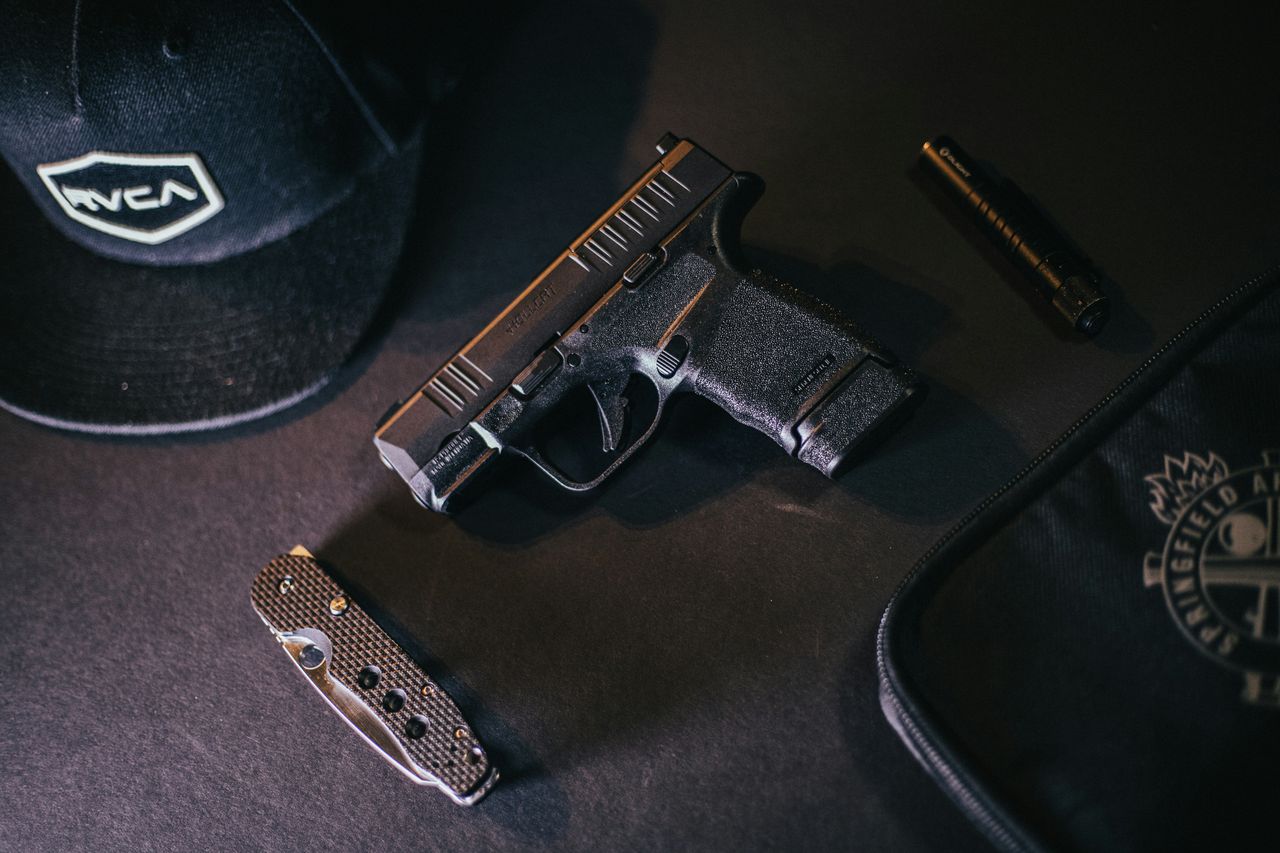
If you want to understand where urban carry culture is going, look at the handgun market. The modern concealed-carry boom is no longer dominated by tiny, unpleasant-to-shoot compromises or by duty-size pistols stuffed awkwardly under a sweatshirt. The center of gravity has moved toward slim, high-capacity micro-compacts and crossover guns that hide easily but shoot like larger pistols.
SIG Sauer has openly described the original P365 as creating the high-capacity micro-compact category, and the company continues to build out that ecosystem with models that blur the line between deep concealment and service-size capability. The 2024 launch of the P365-FUSE, for example, was pitched as full-size capability in a thin carry profile, which tells you exactly where the market thinks consumer demand is headed.
That demand is especially urban because city carriers care about width, comfort, and flexibility more than pure size on paper. A slightly longer slide can disappear under the beltline if the gun stays thin and stable. That is why red-dot-ready slides, compensators, weapon lights sized for compact frames, and modular grip options are moving from enthusiast territory into everyday carry expectations.
Rural gun owners are beginning to notice this because it challenges an older assumption that practical carry means either a tiny backup pistol or a larger belt gun under a heavy shirt. Urban carriers are showing that concealment now favors flatter, smarter packages built for all-day wear, quick wardrobe changes, and low-profile movement through public space.
Training is shifting from marksmanship to behavior management.
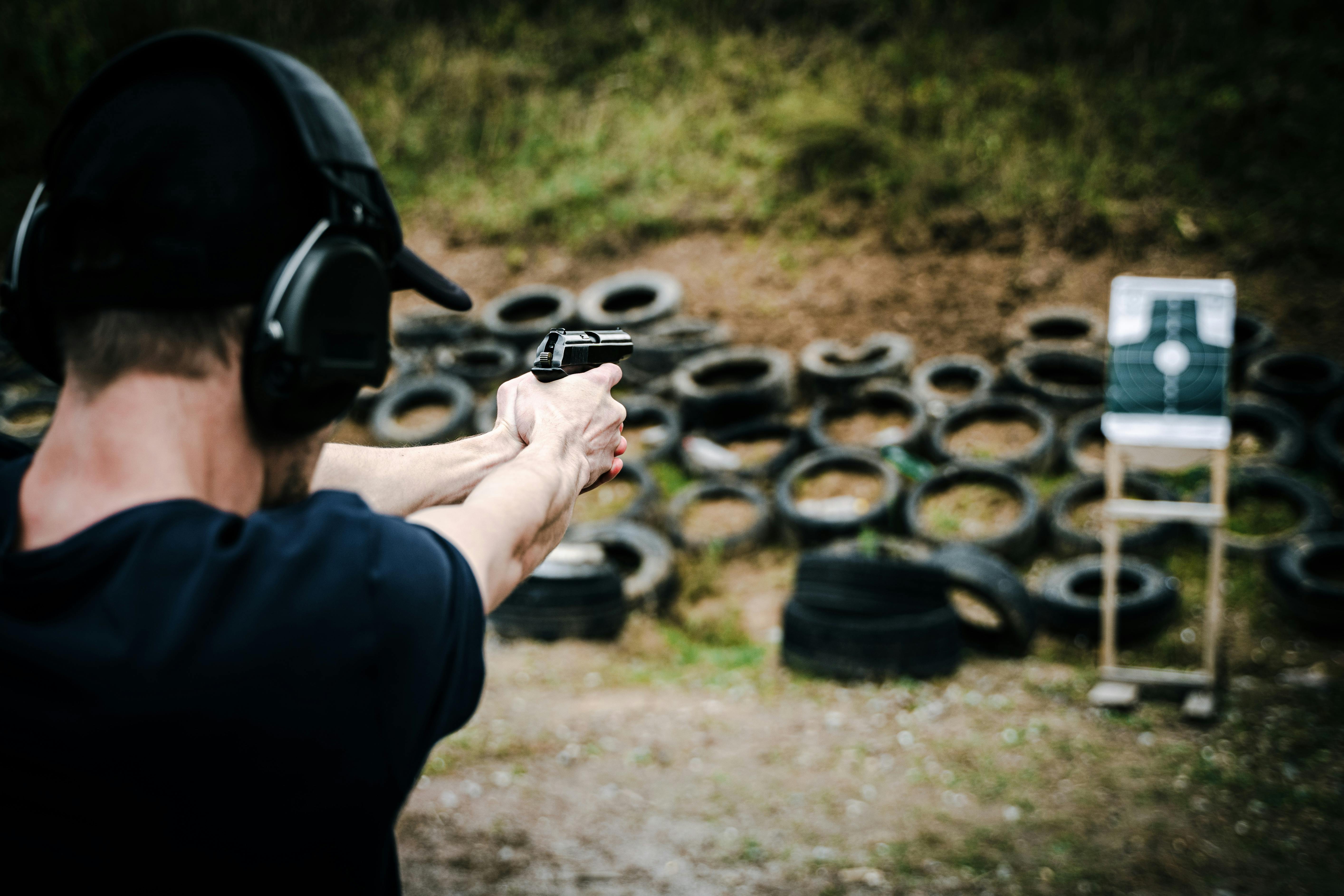
One of the biggest cultural changes is that urban concealed carry training is becoming less about pure shooting mechanics and more about judgment. Marksmanship still matters, of course, but the city puts a premium on decision-making under uncertainty. The armed citizen is surrounded by strangers, cameras, bystanders, traffic, and legal risk almost all the time.
That reality is reflected in mainstream training language. USCCA course requirements explicitly include conflict avoidance and situational awareness, not as side topics but as core instruction. That emphasis matters because the modern urban carrier is increasingly taught that the win is usually leaving early, disengaging fast, and never needing to touch the gun.
In practical terms, that means more attention to parking lot movement, verbal de-escalation, restaurant seating, apartment entry routines, and reading pre-assault indicators in crowded public settings. The skills sound mundane compared with shooting drills, but they are closer to what city carriers actually face. Urban risk is often compressed, ambiguous, and socially messy rather than cleanly identifiable.
This is where rural and urban experience can diverge. A rural carrier may think first about distance, response time, and isolation. An urban carrier is more likely to think about the angle of fire, innocent people in the background, whether a threat is actually a threat, and whether drawing a pistol could make a chaotic scene even worse. That is not softness. It is a different threat model.
Discretion is replacing identity signaling.
In some corners of gun culture, concealed carry used to come with visible cues: logo shirts, tactical belts, aggressive posture, a certain kind of truck-gun rhetoric. Urban carry culture is moving in the other direction. In cities, the goal is increasingly to look ordinary, move quietly, and remove as much social friction from the act of carrying as possible.
That shift is partly practical. A city carrier who broadcasts “armed person” through clothing, conversation, or body language creates unnecessary attention in environments where attention is the one thing concealment is supposed to prevent. Discretion is not just about hiding the firearm. It is about hiding the whole performance around it.
It is also partly generational. Newer gun owners are entering the market through self-defense, not hobbyist identity. NSSF estimated 3.9 million new gun owners in 2024, and many of them are not trying to join an old subculture. They want competence, normalcy, and a tool that fits a professional or family routine without remaking their public identity.
That is a subtle but important change rural gun owners are beginning to see. In many rural communities, gun ownership can still function as a visible cultural marker. In urban settings, it increasingly functions as private infrastructure. The cultural prestige is shifting from being obviously armed to being calm, invisible, and prepared without advertising any of it.
Women, professionals, and first-time owners are reshaping the norms.
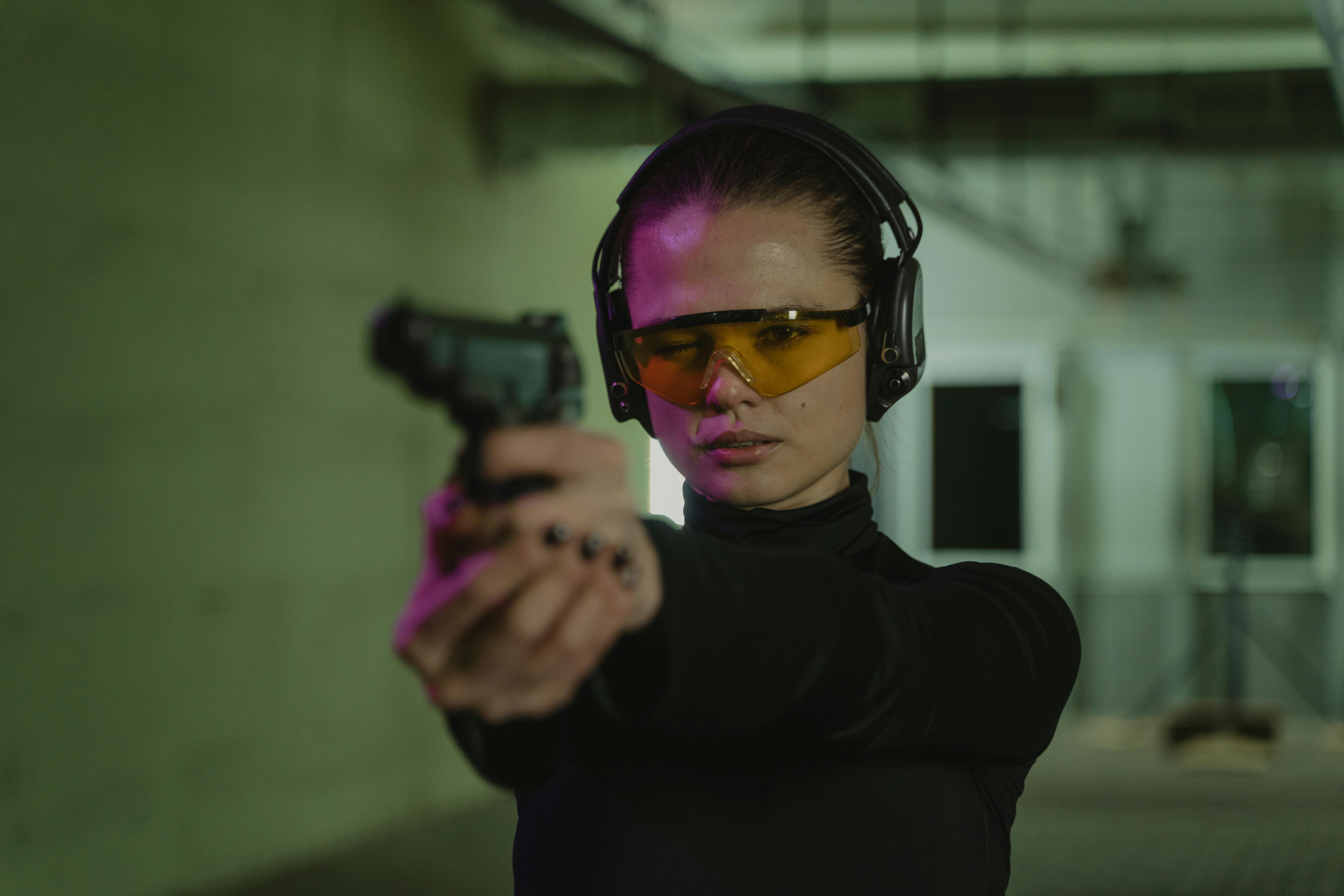
The urban concealed carry shift is not being driven by the stereotype many people still imagine. It is being shaped by women, newer owners, apartment dwellers, healthcare workers, shift employees, commuters, and professionals who need a firearm to fit into highly managed daily routines. Their priorities change the market and the etiquette around carrying.
These carriers ask different questions. They want holsters that work with fitted clothing, purses, or off-body options with clear trade-offs, storage solutions for apartments and vehicles, and realistic guidance about carrying around children and during errands. They are often less interested in caliber debates and more interested in whether the gun can actually be worn consistently.
That consistency matters because a carry gun that is too uncomfortable or socially disruptive gets left behind. The urban market has responded with slimmer pistols, better body-specific holster design, optics-ready packages, and more training built around real-world lifestyle constraints. Even manufacturers now talk openly about “EDC” as an ecosystem, not just a firearm category.
Rural gun owners are noticing because these consumers are influencing the mainstream. What used to look niche now shapes the default product launch. The center of concealed carry culture is moving toward people who need concealment to coexist with offices, schools, apartment complexes, public-facing jobs, and nonstop contact with other people.
Urban risk is changing the conversation about responsibility
A city concentrates consequences. If something goes wrong with a firearm in a dense urban setting, the stakes expand instantly: more bystanders, more cameras, more legal scrutiny, more misunderstanding, and more chances for a split-second mistake to become permanent. That reality is pushing serious carriers toward a broader definition of responsibility.
The public-health context adds weight. Pew Research, summarizing CDC data, reported that 44,447 people died from gun-related injuries in the United States in 2024, including 15,364 firearm homicides. CDC research has also shown that firearm homicide is geographically concentrated, with severe burdens falling on specific communities and neighborhoods. Urban carriers live inside that reality, whether they caused it or not.
As a result, responsible city carry increasingly includes secure storage, better retention, restraint in conflict, and a more sober understanding of aftermath. It also means recognizing that carrying a gun does not make someone a police substitute. In fact, many of the most serious urban carriers sound almost anti-dramatic when they talk about force, because they understand how ruinous any use can become.
That can surprise rural gun owners who are used to a different physical environment and a different tempo of daily interaction. But the urban lesson is clear: the more crowded and legally exposed the environment, the more the culture rewards caution, emotional control, and planning over bravado.
What rural gun owners are only beginning to notice
The most important shift is that urban concealed carry culture is maturing into something less performative and more disciplined. It is not becoming less serious about self-defense. It is becoming more serious about the total context in which self-defense happens. That includes clothing, law, movement, communication, storage, optics, training, and social perception.
Rural gun owners are only beginning to notice because this shift can look quiet from the outside. There is no single headline moment. Instead, it shows up in what guns are selling, how trainers talk, what first-time owners ask, and why the most respected carriers in cities often sound more like safety managers than action heroes.
The broader firearms market reflects that continued engagement. NSSF reported more than 15.2 million adjusted NICS background checks tied to retail firearm sales in 2024, a sign that demand remains strong even as the culture around ownership evolves. More people are buying guns, but many of the newest norms are being written by people carrying in dense civilian spaces where mistakes are hardest to survive.
That is the real shift. Urban concealed carry is moving away from the old image of armed confidence and toward a quieter model built on concealment, adaptability, and disciplined restraint. Rural gun owners are starting to see it now, and over time, they may find that this urban model influences the entire American carry culture.