A Hollywood classic turned the story into a legend. The real event was messier, smarter, and far more heartbreaking.
A prison break born inside an “escape-proof” camp
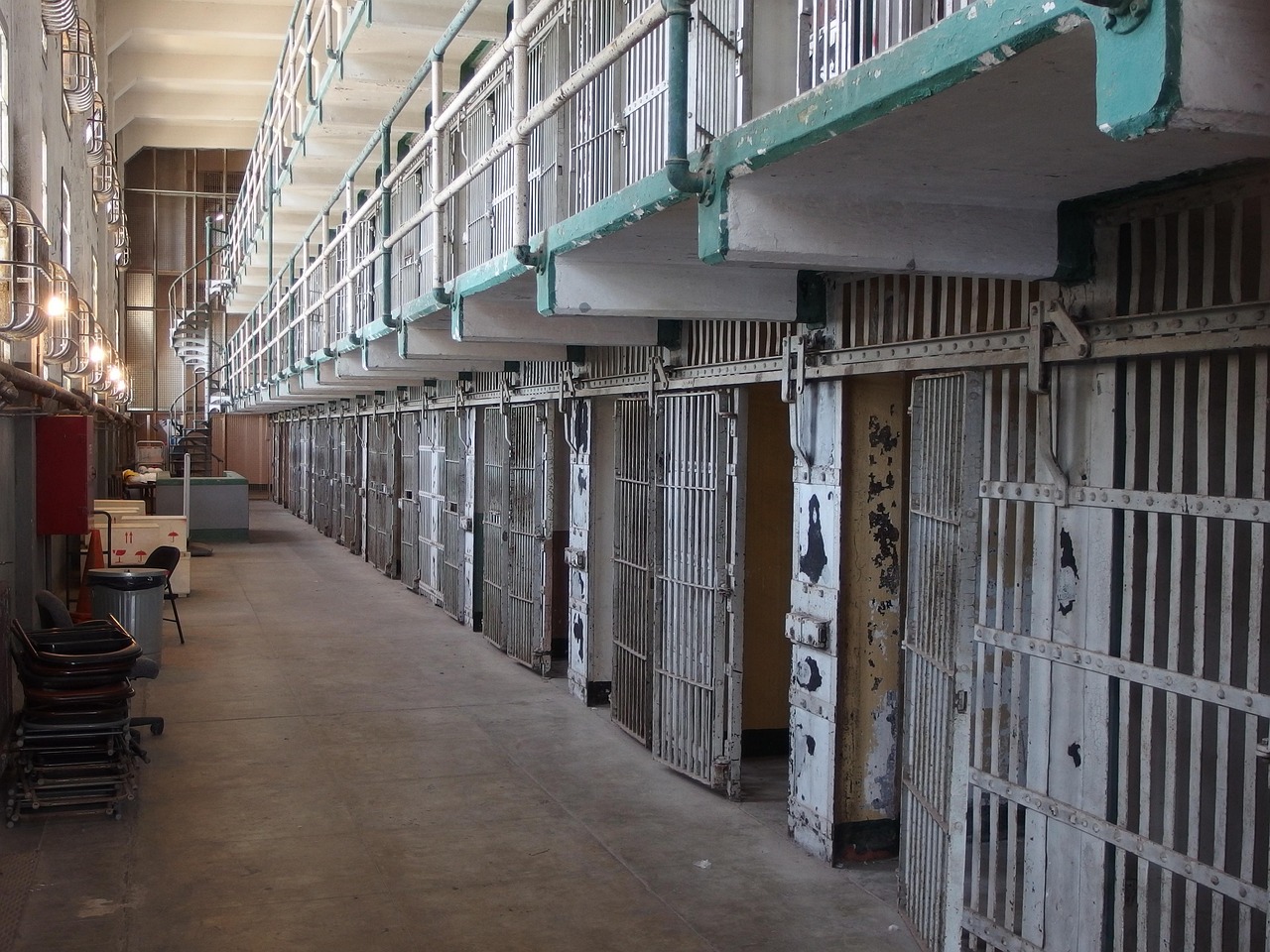
The true story behind The Great Escape begins at Stalag Luft III, a German prisoner-of-war camp built for captured Allied airmen near Sagan, a town now called Żagań in western Poland. The camp was deliberately designed to defeat escape attempts. According to the RAF Museum and The National Archives, barracks were raised off the ground so guards could spot tunneling, microphones were buried in the soil, and the sandy yellow earth made hidden digging hard because it looked nothing like the darker topsoil on the surface.
That challenge did not discourage the prisoners. If anything, it sharpened their creativity. The camp held trained pilots, navigators, engineers, and mechanics, men used to problem-solving under pressure. Inside the wire, they built a secret organization devoted to escape and sabotage. Its purpose was not just personal freedom, but tying up German troops and forcing the enemy to divert manpower away from the wider war effort.
The driving force was RAF Squadron Leader Roger Bushell, known inside the camp as “Big X.” The National Archives describes him as the mastermind of the operation. Bushell did not want one or two men slipping away. He wanted a breakout on a scale so large that it would embarrass Germany, clog transport and police systems, and remind the world that Allied prisoners were still resisting.
The tunnels are called Tom, Dick, and Harry

Bushell’s answer was astonishingly ambitious: not one tunnel, but three. The prisoners named them Tom, Dick, and Harry. Building multiple tunnels reduced the risk that the discovery of one would end the entire plan. It also gave the operation a kind of wartime redundancy, the same logic used in aircraft engineering. If one system failed, another might still work.
The technical work was extraordinary. Prisoners dug deep, roughly 30 feet down, to avoid German detection devices. They shored up tunnel walls with bed boards, built small trolleys to move sand, and improvised ventilation using scavenged materials. The RAF Museum and History both note that the men manufactured air pumps, electric lighting, maps, civilian clothing, forged papers, and travel kits, all from camp supplies or stolen scraps.
Getting rid of the sand was a challenge almost as serious as digging. The prisoners stitched little bags inside their trousers and slowly released sand around the compound while walking. Others hid it in gardens and attic spaces. Every piece of wood, wire, cloth, and metal had to be secretly collected and repurposed. This was not a sudden dash for freedom. It was an industrial project carried out in whispers.
The night 76 men got out

The breakout came on the night of March 24 to March 25, 1944. By then, Tom had been discovered, and Dick had been converted into storage space, leaving Harry as the escape route. The tunnel was meant to reach the nearby woods, but it came up short, ending just beyond the perimeter fence in open ground. That made the escape slower and more dangerous, because each man had to crawl out carefully and wait for cover before moving.
Even so, 76 men made it out. That number remains the defining fact of the escape, confirmed by the RAF Museum, the Royal Canadian Air Force, and The National Archives. A 77th man was spotted as he emerged, and the alarm was raised before the full planned total of 200 could flee. In practical terms, the operation had partially succeeded. In symbolic terms, it was a staggering achievement.
The escapees were not all British, despite how the movie can leave a broader impression. Men from several Allied nations were involved, including Commonwealth and occupied European personnel serving with the RAF. Their routes depended on disguises, language skills, forged papers, rail schedules, and luck. Once outside, the camp’s secrecy gave way to a very public manhunt across wartime Europe.
What happened after the breakout was brutally real
The aftermath is what gives the real Great Escape its lasting weight. Of the 76 men who got out, 73 were recaptured. Only three reached freedom. According to official histories cited by the RAF Museum and The National Archives, two Norwegians made it to neutral Sweden, and one Dutchman escaped through occupied Europe to Spain before eventually reaching Britain.
What followed was a war crime. Adolf Hitler initially wanted all the recaptured escapees executed, though the final order was scaled back. Even that “reduced” retaliation was horrifying. Fifty of the recaptured men were murdered by the Gestapo. German authorities falsely claimed they had been shot while trying to escape again, but postwar investigations found that story to be a cover for deliberate killings.
Roger Bushell was among the murdered. So were men from across the Allied world whose names later became central to remembrance ceremonies and war crimes investigations. The killings caused outrage in Britain and beyond. They also transformed the escape from an audacious prison break into a moral indictment of the Nazi regime. The escape itself was daring. The reprisal made it unforgettable.
How the 1963 movie turned history into myth
The 1963 film The Great Escape, based on Paul Brickhill’s 1950 book, captured the scale, tension, and ingenuity of the operation, but it changed a lot. Brickhill had been a prisoner at Stalag Luft III and wrote from close knowledge, yet the film adaptation leaned hard into ensemble adventure. It turned a grim wartime story into a sweeping entertainment epic, one that still shapes popular memory more than the documented facts do.
The biggest inventions are also the most famous. Steve McQueen’s motorcycle chase never happened in real life. No escapee vaulted border fences on a bike, and no German personnel were killed by escaping prisoners during the actual breakout. The movie also gives Americans a much larger role than they had in the March 1944 escape itself. By that point, most American prisoners had been moved to a different camp.
Still, the film got important things right. It preserved the central truth that the escape was organized, collective, and technically brilliant. It also kept Roger Bushell’s leadership, the forged documents, the tunneling culture, and the sense of constant risk. In other words, Hollywood embellished the action, but it did not invent the core act of resistance.
Why the escape still matters beyond the movie
What makes the real story endure is not just daring, but discipline. These prisoners did not act out of fantasy. They built a covert system under surveillance, maintained security, assigned roles, and solved logistical problems that would challenge trained engineers. In military history terms, the escape was a model of organization under captivity. In human terms, it was a declaration that imprisonment had not broken their will.
There is also a deeper reason the story lasts. The men of Stalag Luft III turned captivity into resistance without losing sight of duty. Escaping was never merely personal. It was part of a wider Allied obligation to continue disrupting the enemy by every means available. That ethic runs through official commemorations by the RAF and other institutions that still mark the anniversary each March.
At the same time, the memory of the Great Escape is inseparable from the men who did not come home. Their murders became part of the postwar search for justice, and the investigation into those killings continued after victory in Europe. So the legacy is twofold: a feat of courage and craftsmanship, and a reminder of the brutality waiting on the other side of capture.
The real Great Escape is better history than Hollywood

If you strip away the movie mythology, the real Great Escape becomes more impressive, not less. It was carried out in a camp purposely engineered to stop tunneling. It relied on patience more than swagger, teamwork more than lone heroics, and quiet technical skill more than cinematic action. That makes it one of the most remarkable prison breaks of World War II and one of the clearest examples of resistance by captured servicemen.
It also reminds us how films can both preserve and distort history. Millions know the phrase “The Great Escape” because of the 1963 movie. But the actual men crawled through a cramped tunnel into darkness, not into a screenplay. Most were caught. Fifty were murdered. Only three made it to freedom. Those facts matter because they restore the human cost that spectacle often softens.
That is why the true story still lands with such force today. It is thrilling, yes, but also sobering. The real escape that inspired the movie was not a caper. It was a calculated act of defiance carried out by men who understood the odds and went anyway.