Most pistol problems do not announce themselves in practice. They wait for stress, time pressure, bad light, or awkward movement, then show up all at once.
The grip that feels fine until recoil speeds up
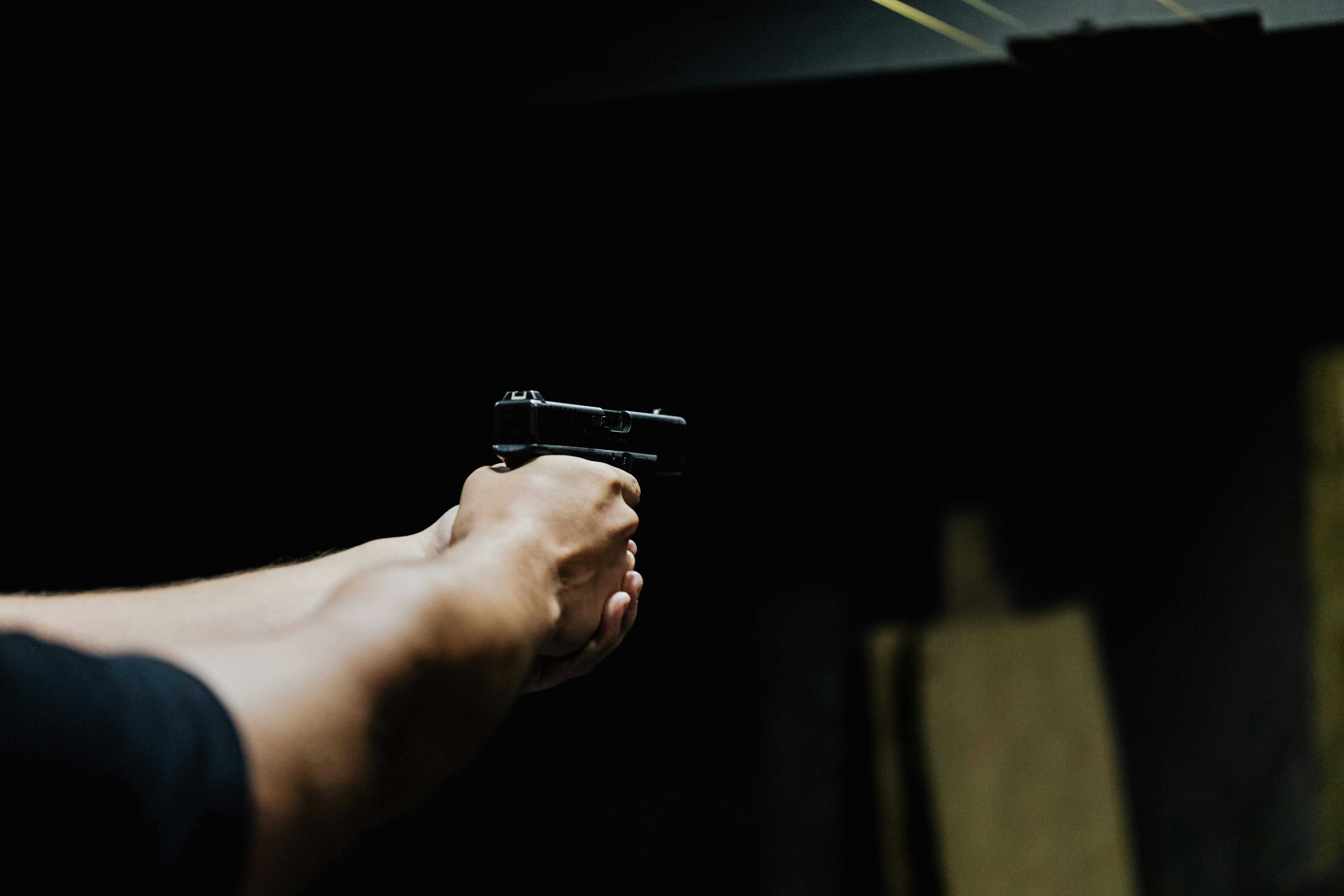
A pistol grip can seem completely workable during slow fire, especially when the shooter has time to rebuild hand position between shots. The problem appears when recoil starts cycling quickly and the gun returns to a slightly different place after every shot. What felt comfortable at a deliberate pace suddenly becomes slippery, inconsistent, or overly tense.
One common mistake is choosing grip panels, tape, or frame texture based on comfort rather than control. Soft, smooth, or minimally aggressive surfaces can feel great during a short session, but sweat, rain, sunscreen, or cold hands change that equation fast. Instructors who teach defensive pistol classes often see accuracy fall apart once shooters begin strings of fire with movement because the pistol starts shifting inside the hands.
Another issue is building the setup around a static, idealized stance. A grip that works when standing square on a clean lane may not hold up while leaning around cover, kneeling, or shooting one-handed. The pistol then torques differently, and the support hand loses influence. When that happens, the shooter often blames trigger control, but the real fault began with a grip setup that was never tested under realistic recoil and body positions.
Trigger choices that reward the bench, not real pressure
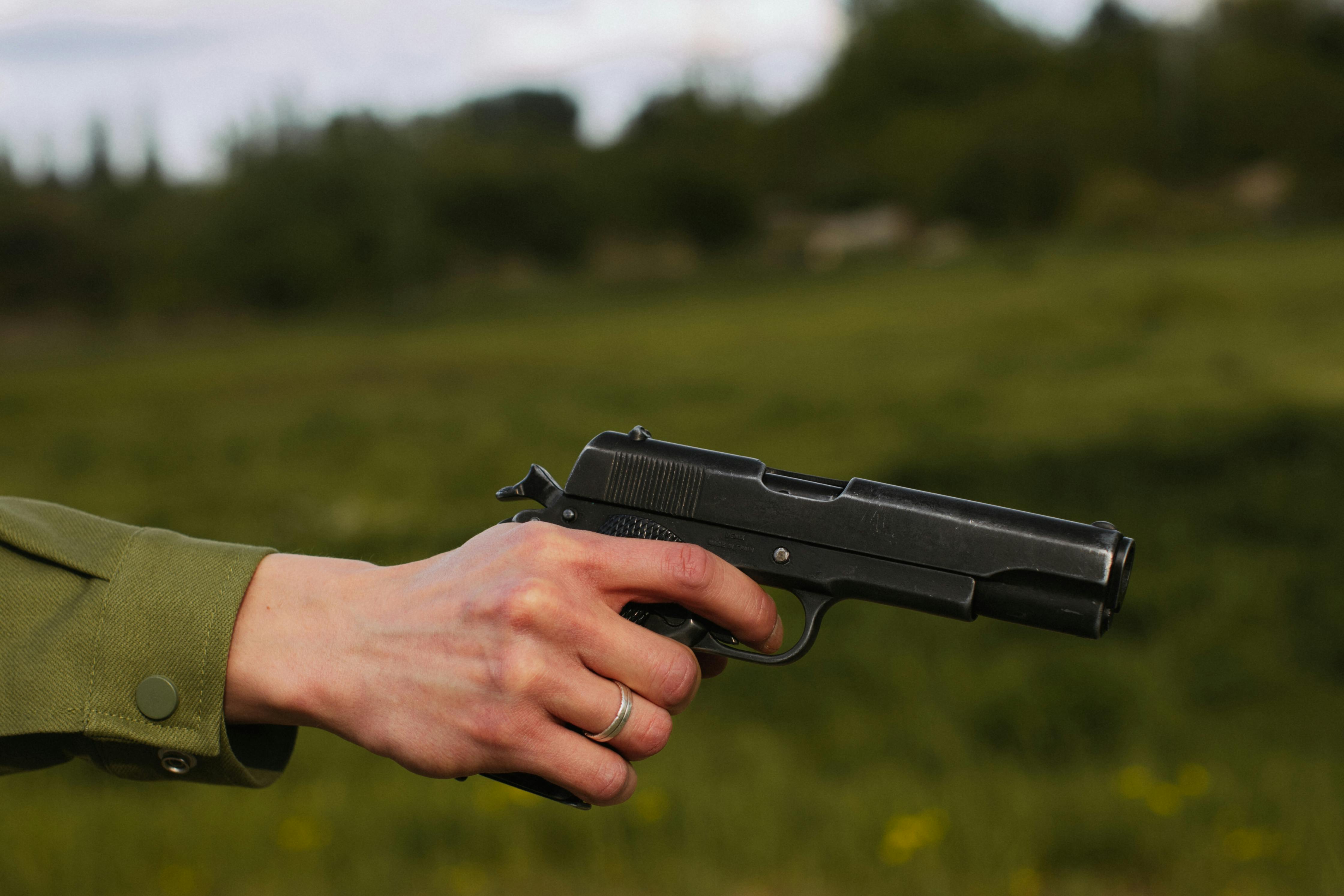
Trigger setup is one of the most misunderstood parts of a pistol. Many shooters chase the lightest, shortest, crispest break possible because it feels impressive during careful range work. Under pressure, however, an overly light trigger can magnify startle responses, sloppy finger placement, and poor timing during the draw or target transitions.
Competitive disciplines prove that tuned triggers can be effective, but those setups are usually paired with enormous repetition and tightly defined use cases. The mistake is borrowing a race-oriented standard for a pistol expected to perform in broad, messy conditions. Law enforcement testing over the years has repeatedly shown that stress changes how people press triggers, especially when heart rate rises and fine motor control degrades.
The opposite mistake also appears: leaving a trigger excessively heavy, gritty, or unpredictable because “it’s safer.” That choice often causes low-left misses for right-handed shooters and delayed shots at the exact moment speed matters. A practical setup is not the lightest or heaviest available. It is the one that allows a clean, repeatable press without requiring perfect emotional calm, ideal finger strength, or endless correction after every shot.
Sights and dots that shine in daylight and disappear in reality
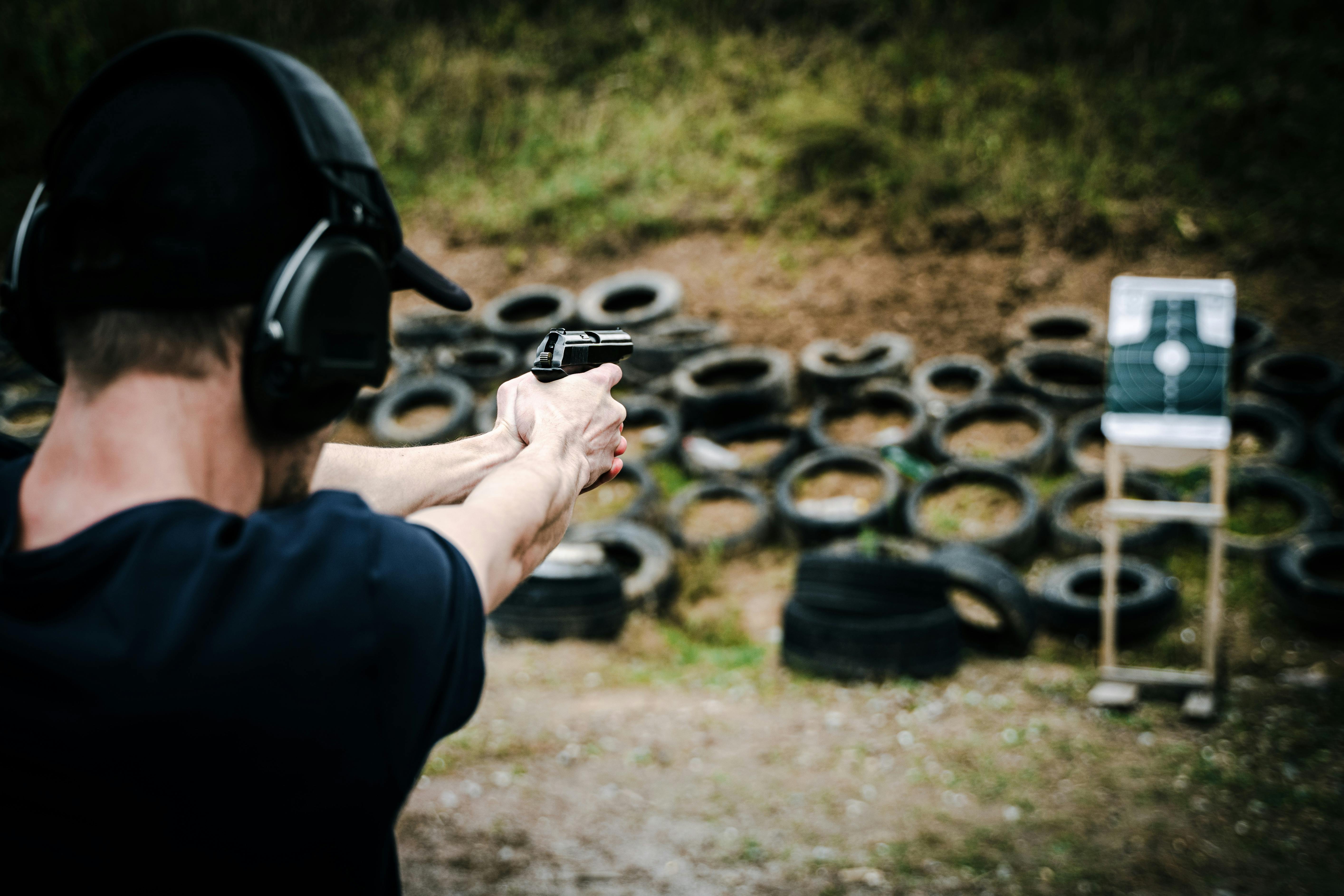
A sighting system can look excellent under bright range conditions and still become a liability in the situations that matter most. Fiber-optic fronts are vivid in direct sun, but they can lose their advantage in dim indoor light. Tiny iron sights may promise precision, yet they become hard to pick up when the shooter is moving, breathing hard, or trying to process multiple threats.
Red-dot optics solve some of those problems, but they introduce new setup mistakes. A dot that is mounted too high for the shooter’s presentation, zeroed casually, or left at a poor brightness setting often vanishes at the worst possible time. Instructors regularly see shooters “search” for the dot because the gun was never indexed correctly from the holster, and the optic merely exposes that inconsistency.
Backup irons create their own trap when they are chosen for appearance rather than utility. Extra-tall sights, busy rear notches, and mismatched sight pictures can clutter the visual task instead of simplifying it. The best setup is usually boring: visible, durable, and easy to read in mixed light. If your sights only look fast under perfect conditions, they are not actually fast.
Holsters, belts, and placement decisions that fail on the clock

Plenty of pistol owners spend serious money on the handgun and very little thought on the support gear that makes it usable. Holster design, belt stiffness, ride height, cant, and magazine placement affect access more than most people realize. A pistol that is technically secure but awkward to draw becomes a liability when the timer starts or when the shooter is seated in a car.
The classic mistake is selecting a holster mainly for comfort during standing, everyday wear. Comfort matters, but many soft or flexible setups collapse, shift, print unpredictably, or trap the grip against clothing. Those flaws often stay hidden during casual handling because the draw is performed slowly and deliberately. Add winter layers, a seat belt, or a need to move off line, and the setup suddenly feels like a puzzle.
Another common problem is changing carry position without retraining the draw path. A shooter moves the holster slightly for convenience, then discovers under stress that the hand goes to the old location first. Time disappears in these tiny hesitations. The best gear setup is not the one that wins a five-second fitting room test. It is the one that gives repeatable access from awkward positions, under concealment, and at full speed.
Ammunition and reliability assumptions that collapse when stakes rise
Many shooters validate a pistol with whatever ammunition is cheapest, then load something entirely different when the stakes are higher. That sounds harmless until recoil impulse, point of impact, feeding geometry, or slide velocity changes enough to expose a weakness. A pistol can run flawlessly with one 115-grain practice load and become erratic with a defensive hollow point that presents a different shape and pressure curve.
This is especially common in compact and subcompact pistols, where timing windows are less forgiving. A setup built around an aftermarket recoil spring, compensator, magazine extension, or optic can become sensitive to ammunition choice in ways the owner never anticipated. Gun writers and trainers have warned about this for years because the reliability margin in small pistols is often narrower than buyers assume.
The deeper mistake is believing a short sample proves dependability. Fifty clean rounds in controlled conditions do not equal confidence. Reliability testing should include the actual magazines, carry ammo, and support gear you intend to use. It should also include imperfect conditions: shooting after the gun gets dirty, using compromised grips, and firing one-handed. If your setup only works when clean, rested, and upright, it is not truly set up.
Accessories that add capability while quietly stealing performance
Weapon lights, compensators, magazine wells, thumb ledges, extended controls, and optics can all be useful. The problem begins when accessories are added individually, with each one justified on its own, but no one evaluates the total system. A pistol can gain weight, width, snag points, and complexity until it handles like a different gun from the one originally chosen.
A large weapon light may improve identification in low light, yet it can also alter holster options and make concealment harder. An oversized magazine release might speed reloads on the range while causing unintended magazine drops against cover or inside a vehicle. A compensator can reduce muzzle rise but increase blast, require spring changes, and create ammunition sensitivity. None of those tradeoffs are hypothetical; they appear constantly in serious training classes.
This is where setup discipline matters. Every addition should answer a clear need, survive meaningful testing, and justify the penalties it brings. The best shooters rarely have the most cluttered pistols. They have pistols where each component supports the mission instead of competing with it. Accessories are not bad ideas. Unexamined interaction between accessories is the real mistake, and it usually shows up only when the gun is pushed hard.
The biggest mistake: never testing the setup like real life
The most expensive setup flaw is not mechanical. It is methodological. Many people evaluate pistols in sterile, predictable conditions, then assume those results will transfer intact to a consequential moment. They shoot in perfect light, on flat ground, at known distances, with a clean gun, calm breathing, and no decision-making burden. That is useful for learning fundamentals, but it is a terrible final exam.
Real validation means introducing friction. Shoot after short bursts of physical exertion so your hands and vision change. Test in low light, with concealment garments, from retention, around barricades, and from seated positions. Run standards that force accountability. Skilled trainers often note that performance drops are rarely random; they reveal exactly where setup and technique were never honestly tested.
This is also why honest recordkeeping matters. If a certain magazine fails twice, if the optic washes out in bright backlight, or if your support-hand grip falls apart after ten fast rounds, that is not bad luck. That is information. The pistol setup that counts is not the one that impresses friends at the bench. It is the one that keeps working when you are rushed, uncomfortable, and forced to perform without excuses.