Sometimes the best gun on paper still loses. Military procurement has a way of turning clean test results into messy final decisions.
The Contest Was Bigger Than Accuracy
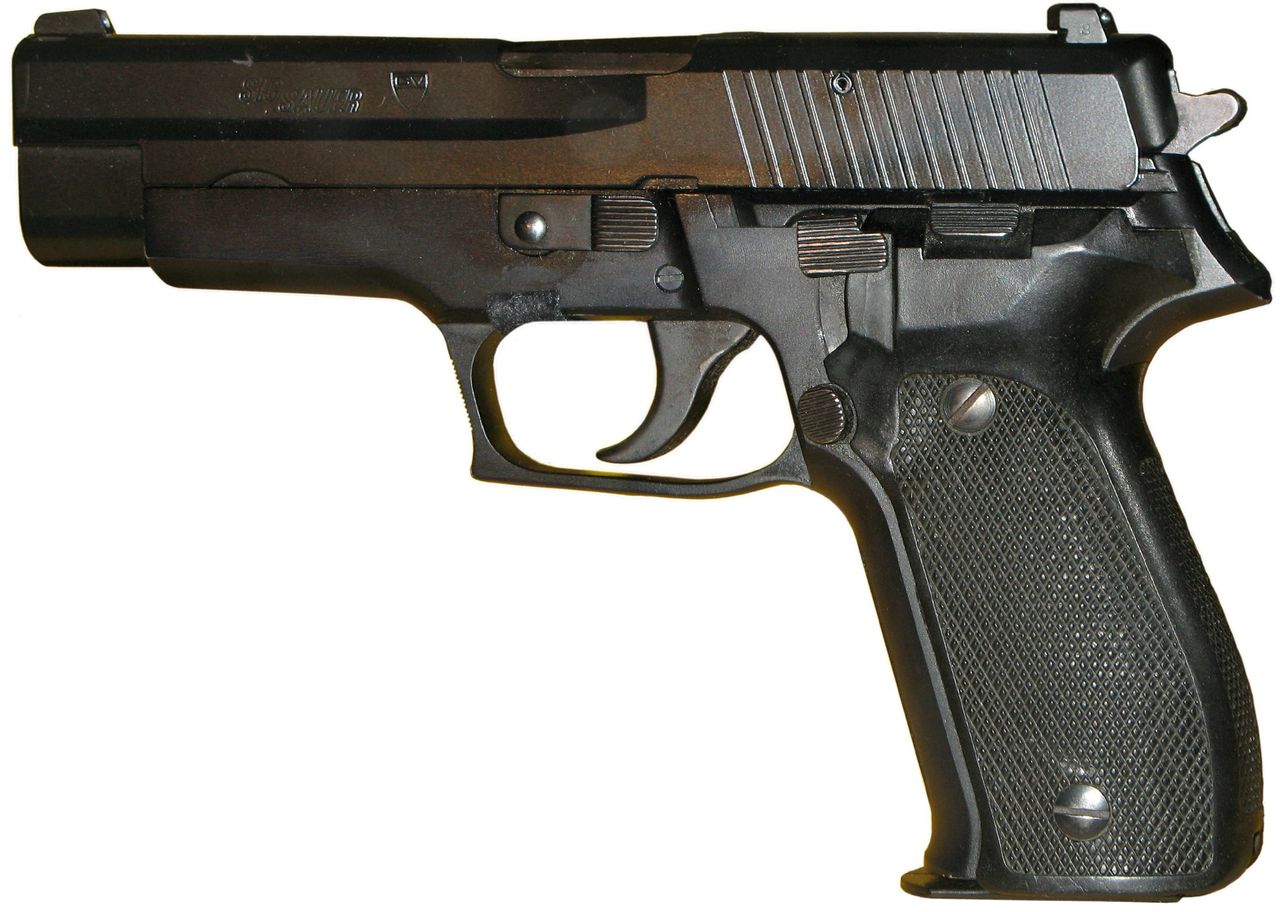
The gun at the center of this story is the SIG Sauer P226, entered into the U.S. military’s XM9 pistol competition in the 1980s. That contest was meant to replace aging .45 and .38 caliber sidearms with a 9mm pistol using NATO standard ammunition. According to GAO records, the Army’s eventual award to Beretta was part of a broad plan to standardize the U.S. sidearm around 9mm requirements.
This was never just a marksmanship shootout. The military wanted reliability, durability, safety, interchangeability, and life-cycle support. In procurement terms, that means a handgun can perform extremely well and still lose if another bidder offers a cheaper package that satisfies the same baseline needs.
That is exactly why this case still gets talked about by shooters, armorers, and defense history buffs. It is one of the clearest examples of a contract decision shaped by spreadsheets as much as by steel.
SIG Did Not Fail The Trial
A key point often lost in retellings is that the P226 was not a technical washout. It performed well enough in testing to remain a serious contender through the final stages. The more accurate way to say it is not that SIG failed, but that Beretta won under the rules the government used to score the competition.
GAO reviews of the XM9 procurement and later follow-on disputes make that clear. The issue was not simply whether the P226 worked. It was whether SIG’s overall proposal beat Beretta’s when the Army weighed acceptable performance against cost and contract structure.
That distinction matters because enthusiasts often assume a lost military bid proves an inferior design. In reality, the P226 went on to build a formidable reputation with military and law enforcement users worldwide, which would have been impossible if the pistol had genuinely flunked the fundamentals.
Why Beretta Got The Nod
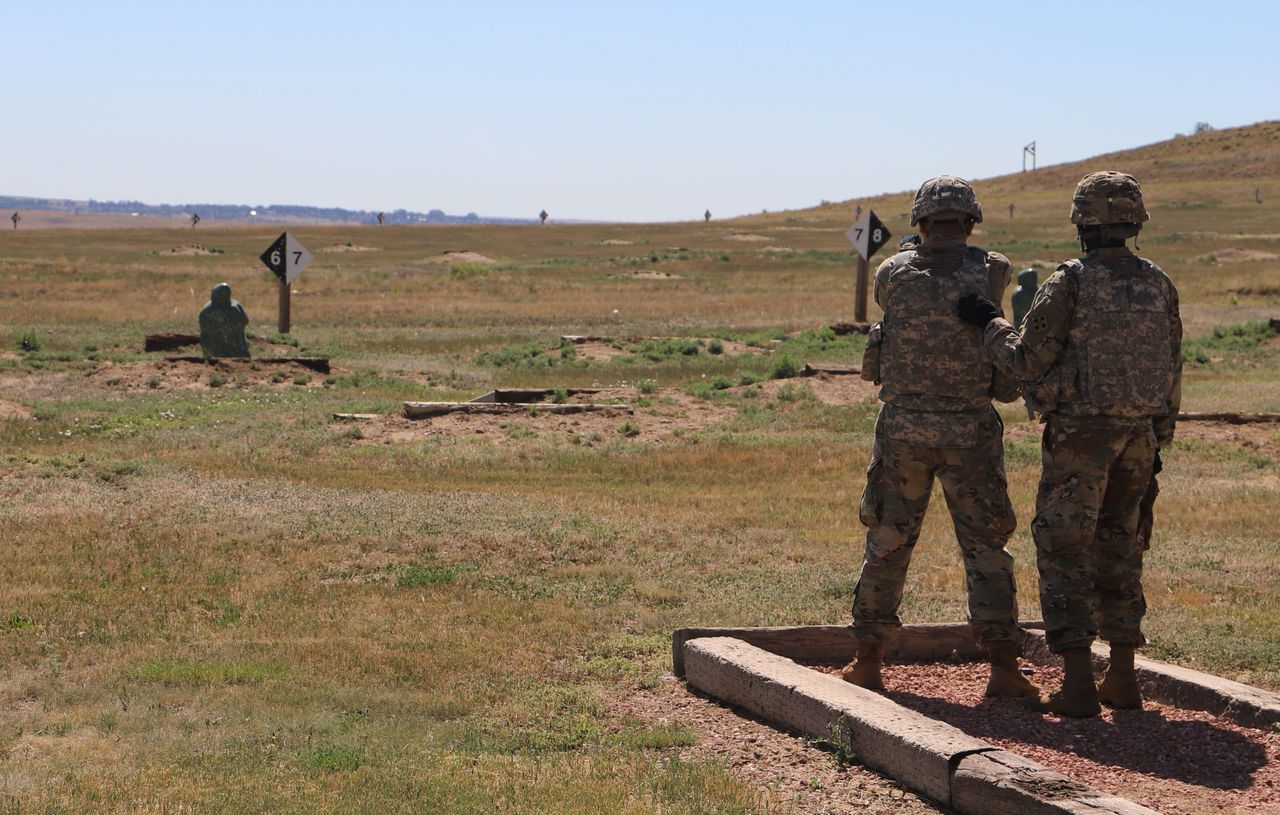
Beretta’s 92F, adopted as the M9, reportedly came in with a lower total package price while still meeting the Army’s requirements. GAO documents from the period show how intensely pricing, spare parts, and contract terms were scrutinized. Once two pistols are both judged acceptable, price can become the deciding blow.
That can frustrate gun people because it feels unsatisfying. Shooters want a single dramatic reason, like broken parts or poor accuracy. Procurement officials usually care more about whether the offered system meets the threshold and how much it will cost taxpayers to buy, support, and field at scale.
So the P226 became the gun that passed the tests but lost the contract anyway. Not because it stumbled at the firing line, but because it did not beat Beretta where government acquisitions often become brutally decisive: total evaluated cost.
The Decision Stayed Controversial
The XM9 and later M9 follow-on process drew years of protests, reviews, and arguments. GAO examined allegations surrounding the original Beretta selection and later disputes over additional pistol buys. That long paper trail helped cement the belief that the handgun story was about more than simple range performance.
Controversy also grew because the stakes were huge. This was not a boutique police order or a limited special operations buy. The military was selecting a standard sidearm for broad issue, so small differences in unit cost, magazines, and support items could multiply into major budget consequences.
In other words, the contract system did what it was designed to do, even if gun fans hated the answer. It compared acceptable competitors and forced a financial decision that many shooters still second-guess decades later.
History Repeated In Later Handgun Programs
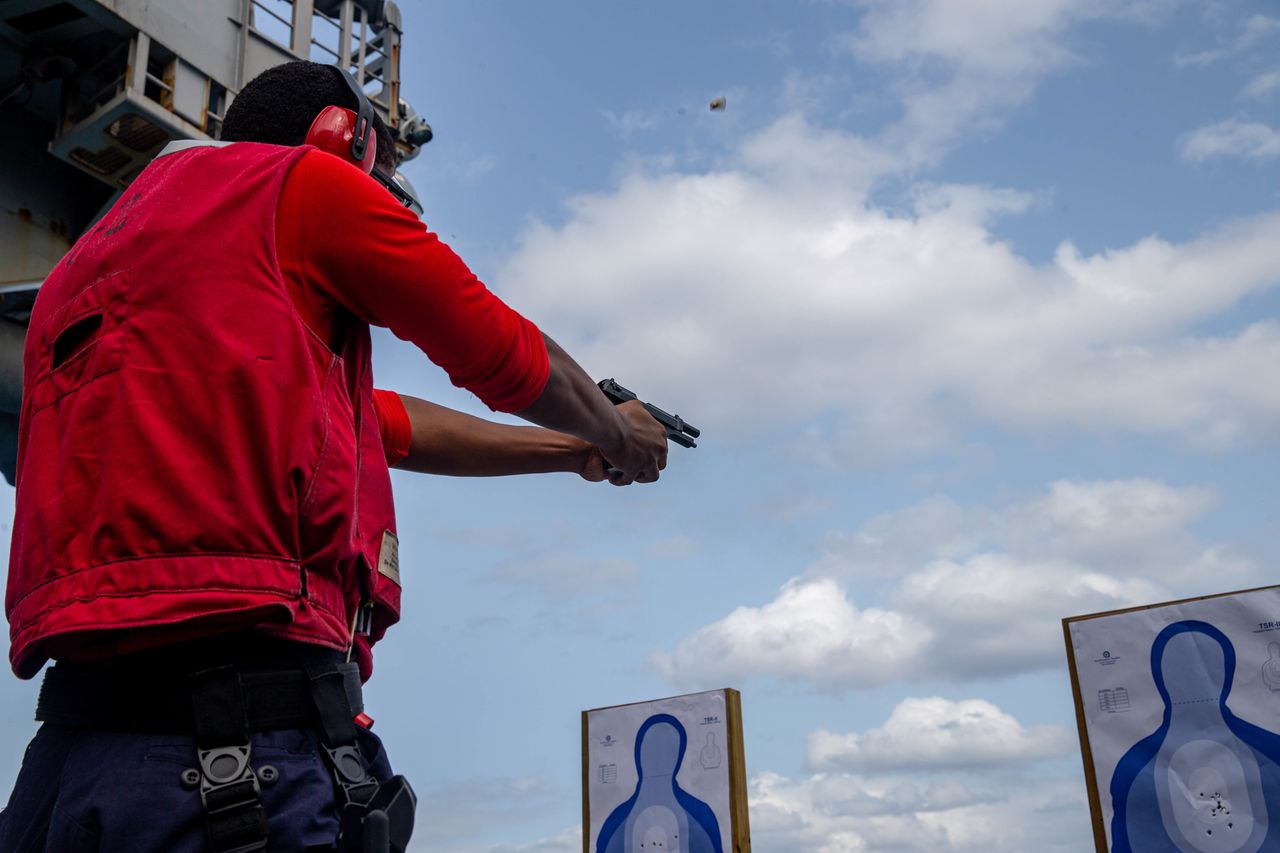
This old story also helps explain modern handgun competitions. In the Army’s Modular Handgun System program, Sig Sauer eventually won with the M17 and M18, replacing the Beretta M9 after decades of service. Army material describes the M17 as the successor to the M9, while GAO records show how closely pricing and evaluation criteria were again contested during the competition.
That later program is a reminder that trial performance never exists in a vacuum. Reliability numbers, safety features, compact variants, ammunition packages, and procurement flexibility all matter. A company can impress evaluators and still lose if another bid aligns better with the government’s broader scoring model.
So the SIG brand eventually got its military handgun win, just not in the 1980s contest many fans still debate. Timing, requirements, and pricing changed, and the outcome changed with them.
What This Story Really Teaches
The lesson is simple: government contracts are not awarded like gun counter arguments. They are awarded through requirement documents, scoring methods, protests, and cost analysis. A pistol can absolutely pass tests, satisfy users, and still lose when another bidder offers a better value under the solicitation.
That does not make the losing gun overrated. If anything, the P226’s later service record proves the opposite. It remained one of the most respected double-stack 9mm pistols of its era, despite not becoming America’s standard service sidearm.
And that is why this story endures. The gun did what it needed to do on the range, but procurement is its own battlefield. Sometimes the target is not the only thing that matters.