Buying a first rifle feels exciting, serious, and a little overwhelming. That is exactly why so many new owners make the same expensive mistake.
They buy the rifle before defining the mission.
The biggest mistake new gun owners make is simple: they shop for a rifle before they decide what the rifle is actually supposed to do. They walk into a store, hear strong opinions, see a popular platform, and buy what looks capable instead of what fits their real use. That is how people end up with a rifle that is too heavy for hunting, too specialized for home use, or too unpleasant to practice with regularly.
A rifle is a tool, and tool selection starts with the job. A first rifle for target shooting is not necessarily the best first rifle for deer season. A rifle for predator control on rural property may be a poor choice for a person who mainly wants a range gun and has limited access to outdoor space. According to NSSF guidance for first-time buyers, the right starting point is purpose: home protection, hunting, or recreational shooting, each lead to different choices.
That mission-first mindset sounds obvious, but first-time buyers often skip it because they are trying to buy confidence. They assume one rifle can effortlessly cover every scenario. Sometimes it can cover several roles reasonably well, but there is no universal first rifle that is ideal for every body type, budget, home, and skill level.
The wrong rifle usually starts with the wrong conversation.

A lot of bad first purchases begin with broad, vague advice. New buyers hear phrases like “you need stopping power,” “get what the military uses,” or “buy once, cry once,” and none of that really answers the important questions. How far will you shoot? How often will you practice? Will you carry it in the field? Are you recoil-sensitive? Do you live with children or other unauthorized users?
Experienced sales staff and instructors usually ask more practical questions than enthusiasts do. They ask about intended use, local hunting rules, storage setup, dominant hand, body size, and whether the buyer has actually fired different rifle types. Those details matter more than internet swagger. NSSF material for first-time buyers points people toward matching the firearm to the use case rather than chasing trends, and Project ChildSafe has built first-time owner tools around those same fundamentals.
The problem is not enthusiasm. It is that enthusiasm often outruns clarity. A beginner may be sold on a platform because it is popular, modular, or politically symbolic, not because it is the easiest rifle for that person to learn safely and confidently. A smart first purchase starts with honest questions, not identity signaling.
Fit matters more than most beginners realize
New buyers tend to focus on caliber, price, and appearance. They often underestimate physical fit, even though fit strongly affects control, comfort, and accuracy. A rifle that is too long in the stock, too heavy at the muzzle, or awkward for the shooter’s reach becomes harder to mount consistently and harder to practice with. That can turn a manageable learning curve into a frustrating one.
This is especially important for smaller-framed shooters, older adults, and anyone with limited upper-body strength. A rifle can be mechanically excellent and still be wrong for the person holding it. Even a few extra pounds feel dramatic after a long-range session or a day in the field. If the rifle feels punishing to hold, people practice less, and skill suffers quickly.
That is why trying before buying matters. Renting, borrowing under supervision, or at least handling several models in realistic shooting positions can prevent a bad purchase. The rifle should come to the shoulder naturally, balance predictably, and allow the shooter to operate the safety, magazine release, and sights without strain. Beginners often think fit is a luxury issue. In reality, fit is a safety, performance, and confidence issue.
Training is not an accessory purchase.
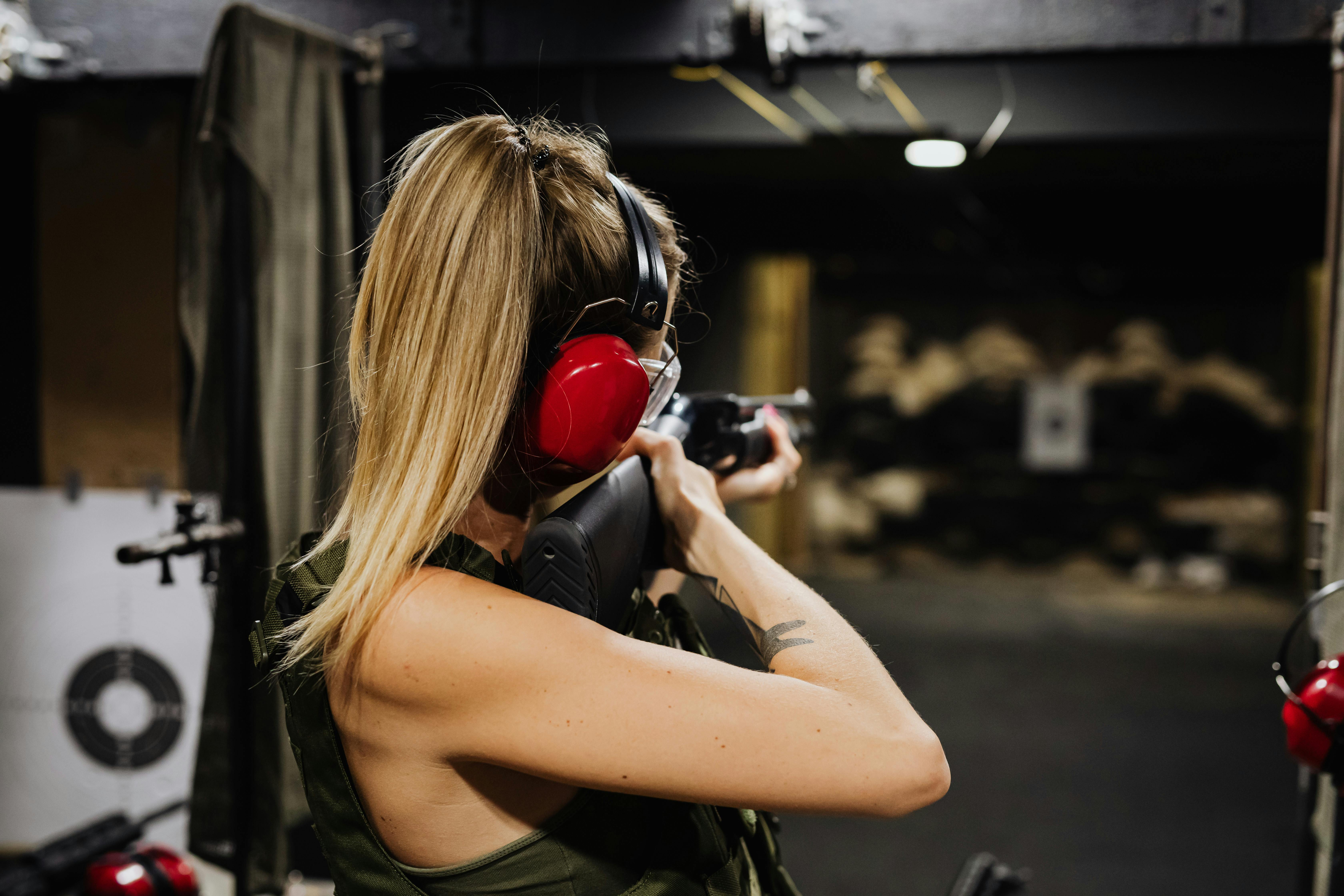
A lot of first-time buyers budget carefully for the rifle, then treat training as optional. That is backwards. A decent rifle in trained hands is far more useful than an expensive rifle in untrained hands. NSSF has repeatedly emphasized that millions of first-time gun owners entered the market in recent years, and its safety messaging has stressed education, practice, and familiarization alongside ownership.
Training changes what you actually need. A beginner who takes a quality class quickly learns whether the rifle’s sights work for them, whether the sling setup makes sense, and whether the trigger, stock, and optic height support consistent shooting. Without that experience, many buyers overspend on accessories and underspend on instruction, ammunition, and range time.
There is also a confidence issue here. Many owners imagine that once they bring the rifle home, they will “figure it out.” Some do, eventually. But structured instruction accelerates safe handling, loading and unloading, malfunction clearing, storage habits, and marksmanship fundamentals. It also gives new owners a baseline for evaluating advice, which matters in a world full of loud opinions and uneven information.
Cheap rifles are not always the problem, but false economy is
The common warning is that beginners buy too cheaply, and sometimes that is true. A poorly made rifle with unreliable magazines, weak sights, or inconsistent quality control can sour the entire ownership experience. But the bigger financial mistake is false economy: spending all the money on the rifle and leaving nothing for ammunition, storage, maintenance gear, and training.
A first rifle purchase is really a first-rifle system purchase. You need eye and ear protection, some kind of secure storage, a cleaning kit, and enough ammunition to become competent with the firearm. Federal law requires locking devices to be available with retail firearm sales, and ATF guidance repeatedly tells owners to secure firearms from theft, loss, and unauthorized access.
That broader budgeting matters because a rifle that sits unfired in a closet is not really a solved problem. It is just an expensive object. Practical ownership means allocating money to the boring things that make the rifle safer and more useful. The first-time buyer who chooses a sensible rifle and funds the rest of the ecosystem is usually better off than the buyer who stretches for a prestige model and cannot afford to train with it.
Secure storage should influence the purchase from day one.
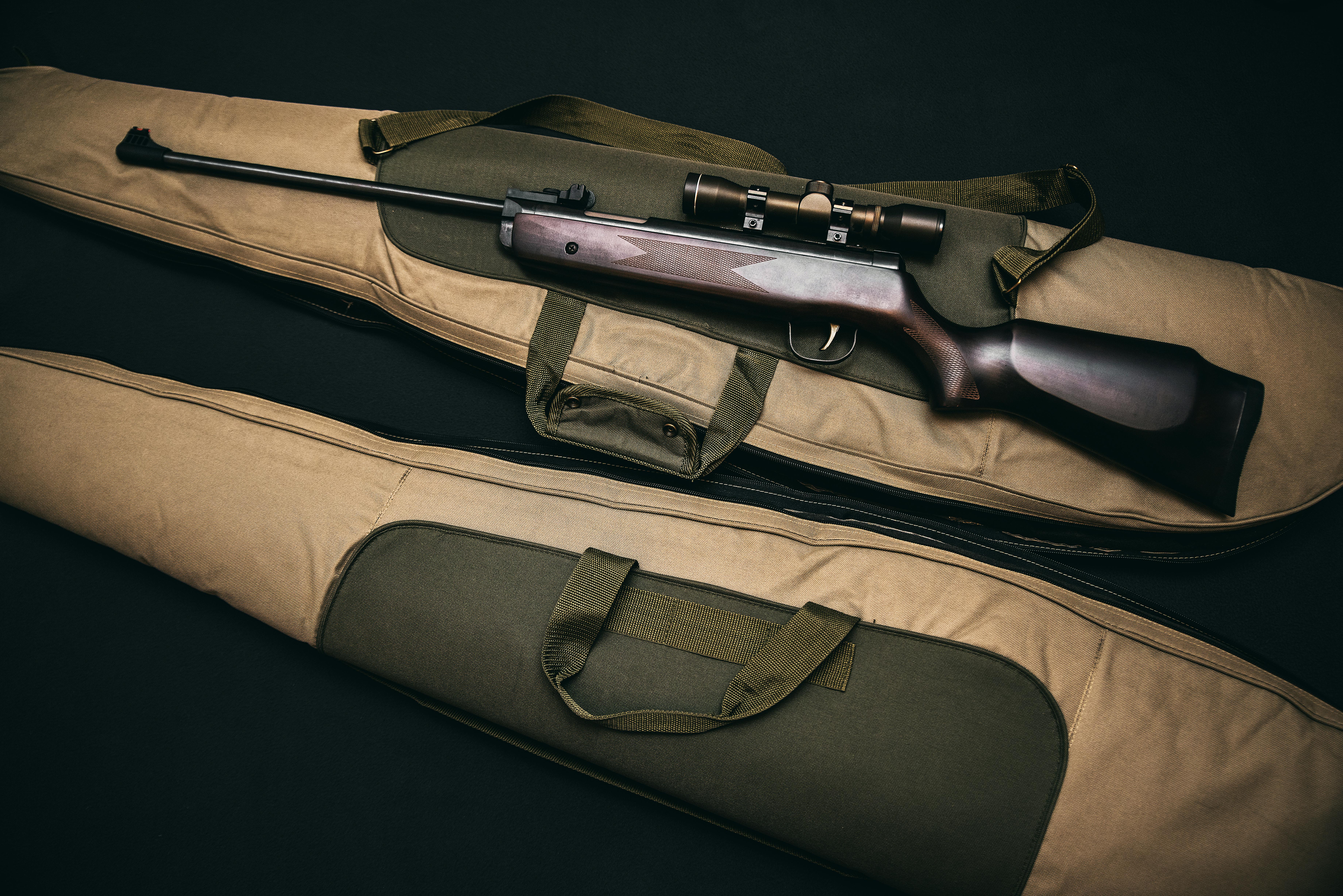
Many buyers think storage is something to worry about after they get home. In reality, storage should shape the purchase itself. If a buyer has not planned where the rifle will be stored, who can access it, and how it will be transported, they have not fully planned the purchase. ATF advises owners to keep firearms unloaded when stored, lock firearms in a secure location accessible only to adults, and keep ammunition locked separately. ATF also warns against leaving firearms in vehicles while running errands.
That matters beyond theft. CDC research has shown the continuing toll of firearm injuries among children and teens, including unintentional shootings, while a CDC summary notes firearm injuries were the leading cause of death for ages 1 to 19 in 2020 and 2021 when all intents are combined. Another CDC analysis identified 1,262 unintentional firearm injury deaths among children and adolescents aged 0 to 17 across 2003 to 2021 in NVDRS-reviewed cases.
The point is not to frighten new owners. It is to emphasize responsibility. A first rifle should be chosen with the owner’s real household conditions in mind. If secure storage is going to be compact, fast-access, or shared with other safety equipment, that practical reality may influence rifle size, configuration, and how the gun is staged safely.
What smart first-time buyers do instead
The best first-time buyers slow the process down. They define the rifle’s primary role, set a full budget, handle multiple options, and ask what they will realistically do in the first six months. Will they take a class? Join a range? Hunt once a year? Shoot monthly? Those answers are more useful than any argument over brand loyalty.
They also think in sequence. First comes purpose. Then fit. Then reliability. Then sights or optics, storage, and training. Accessories come later. This order prevents the classic beginner mistake of buying a rifle built around internet praise rather than personal needs. It also makes the purchase far more likely to hold up under real use.
A good first rifle is not the most tactical, most expensive, or most talked-about model in the room. It is the rifle a new owner can store securely, operate confidently, practice with regularly, and use for its intended role without regret. That is the standard that matters. When buyers understand that, they stop shopping for image and start buying for life.