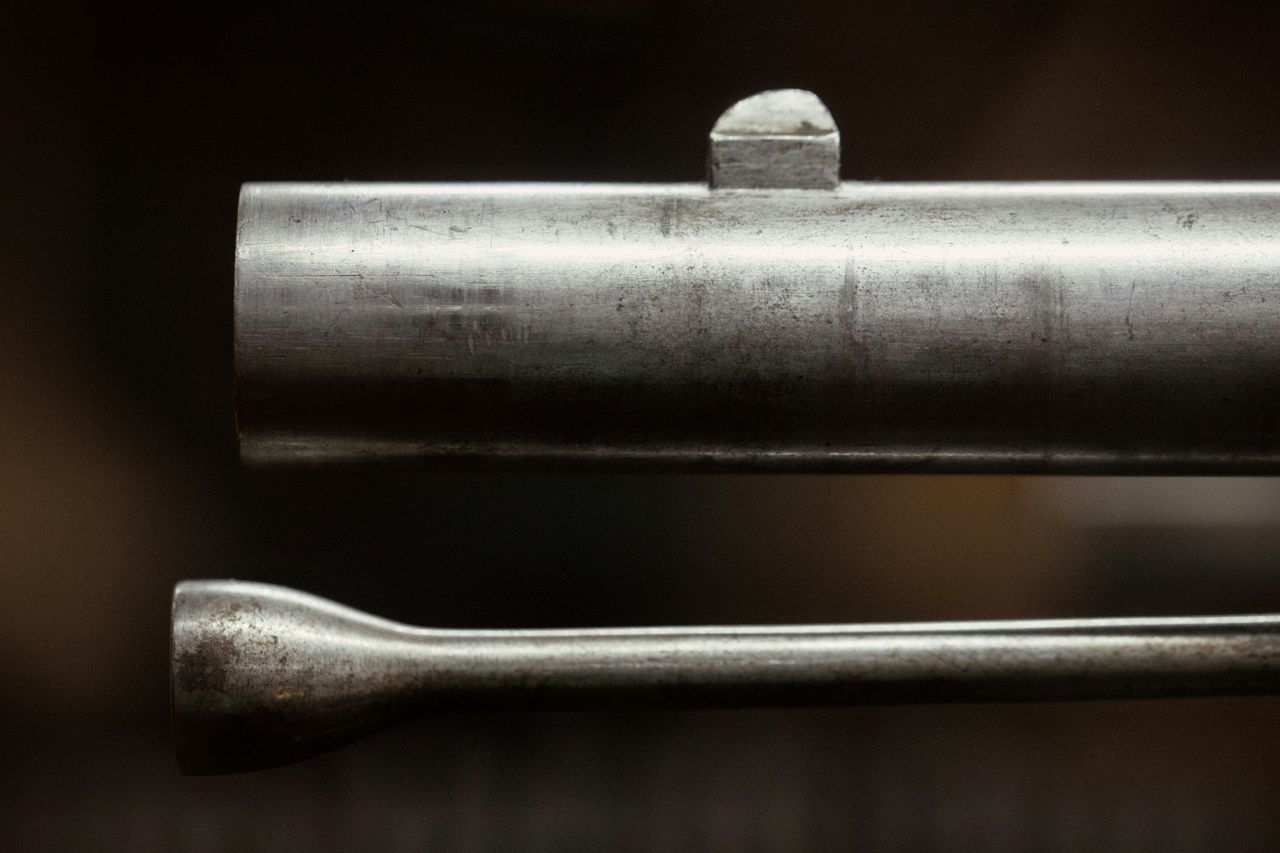
Few military rifles carry their politics right on the receiver. The Arisaka did, and that is why one missing mark still fascinates historians and collectors.
The Rifle That Carried The Emperor’S Mark
The Arisaka was not just a Japanese service rifle. It was a family of bolt-action rifles that armed Imperial Japanese forces from the late 19th century through the end of World War II. The two best-known versions were the Type 38, chambered in 6.5×50mmSR Arisaka, and the later Type 99, chambered in 7.7×58mm Arisaka.
The Type 38 entered service in 1906 and earned a reputation for durability, reliability, and surprisingly refined machining. The Type 99 followed in 1939 as Japan sought a harder-hitting standard rifle. According to American Rifleman and long-running military histories, both rifles remained in service during the war because Japan never fully replaced the older Type 38.
What set imperial-issue Arisakas apart visually was the chrysanthemum crest stamped on the top of the receiver ring. Collectors often call it the “mum,” shorthand for the 16-petal imperial chrysanthemum. It was more than decoration. It signified state ownership and, in a symbolic sense, tied the rifle directly to the Emperor.
That tiny stamp changed the way the rifle was treated in war, in surrender, and in memory. When people talk about an Arisaka that “lost its emperor’s seal,” they are talking about a weapon whose missing crest reveals the collapse of an empire and the cultural shock of defeat.
Why The Chrysanthemum Mattered So Much
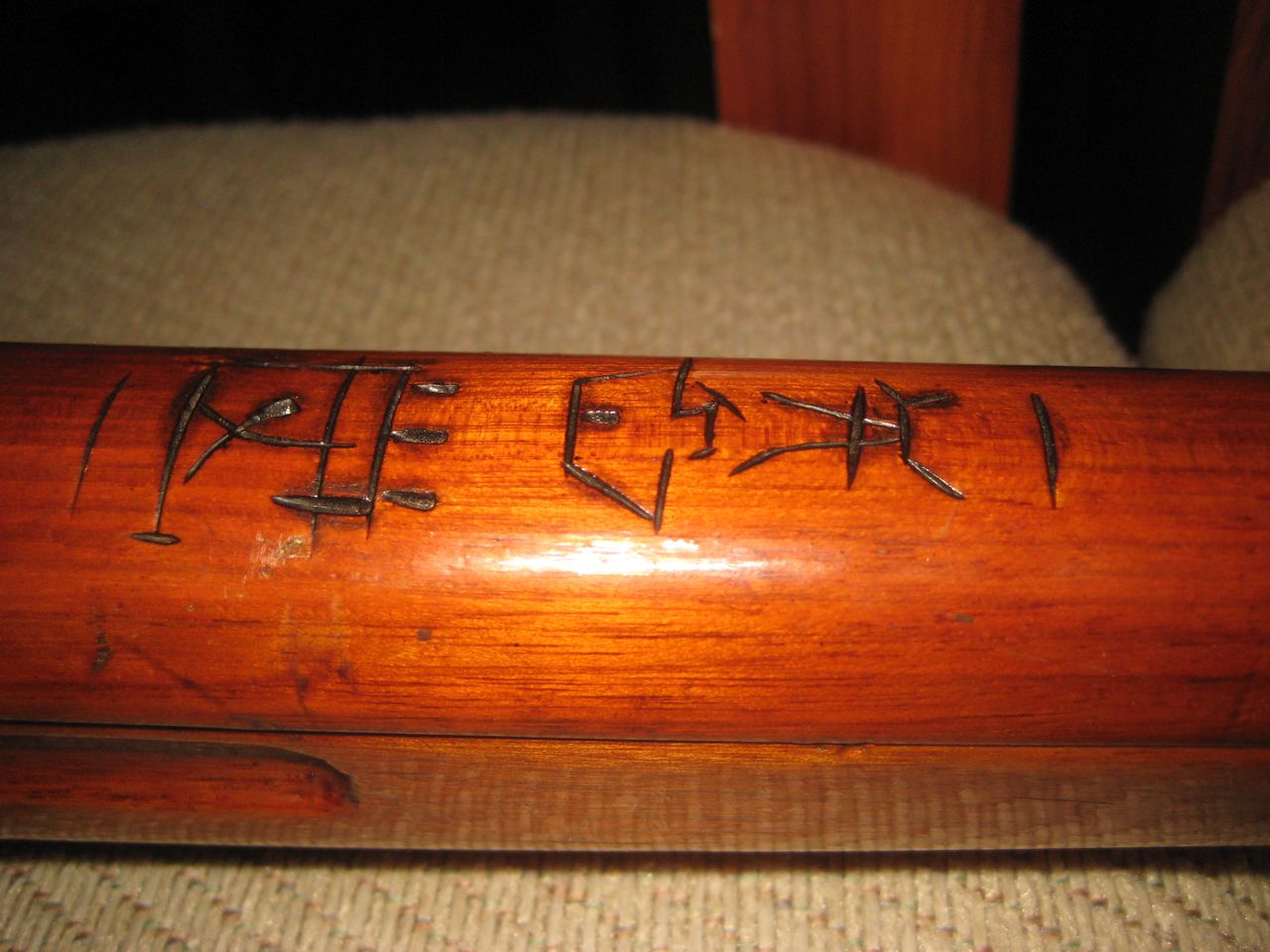
To understand why the crest was removed, you have to understand what it represented inside Imperial Japan. The chrysanthemum was associated with the throne, and weapons marked with it were considered property of the Emperor. That gave the rifle a ceremonial and ideological weight beyond its practical role as an infantry arm.
In military culture shaped by emperor-centered loyalty, surrender carried enormous shame. A rifle abandoned intact with the imperial seal still visible could be seen as symbolically surrendering the Emperor’s property. That is why so many surviving rifles show the crest filed, ground, chiseled, or otherwise defaced.
American Rifleman notes that both Japanese personnel and American servicemen played roles in the removal of these crests after the war. Some rifles were altered before formal turnover, while others were later modified as souvenirs changed hands. Wikipedia’s synthesis of collecting history also reflects this broad pattern, including examples of complete grinding and partial defacement.
The result is that an intact chrysanthemum today often signals a rifle that was not surrendered in the usual end-of-war pipeline. A ground crest, by contrast, usually suggests surrender, post-service disposal, or official removal from imperial inventory. In collector language, that missing mark is not damage alone. It is evidence.
The End Of The War Changed The Rifle Itself
By 1945, the Arisaka family had already changed dramatically from its earlier, better-finished forms. Early Type 99 rifles could include features like anti-aircraft sight wings, a monopod on some examples, and chrome-lined bores. As the war turned against Japan and industrial strain deepened, production quality declined sharply.
Late-war rifles are often called “last ditch” Arisakas, though collectors sometimes use that term loosely. American Rifleman has described how simplifications became obvious near the end: rougher machining, cruder stocks, simplified safeties, and generally less refined finishing. These were still functional military rifles, but they looked and felt different from the earlier products of Japan’s arsenals.
That decline in finish is part of the same story as the erased seal. By war’s end, Japan was short on materials, under intense bombing pressure, and trying to arm troops under collapsing conditions. The rifle became plainer, rougher, and more desperate-looking even before the chrysanthemum disappeared from many examples.
So when collectors examine an end-of-war Arisaka, they are often reading two overlapping histories at once. One is industrial decline. The other is political defeat. The missing imperial crest sits right at the intersection of both.
Who Removed The Seal And When
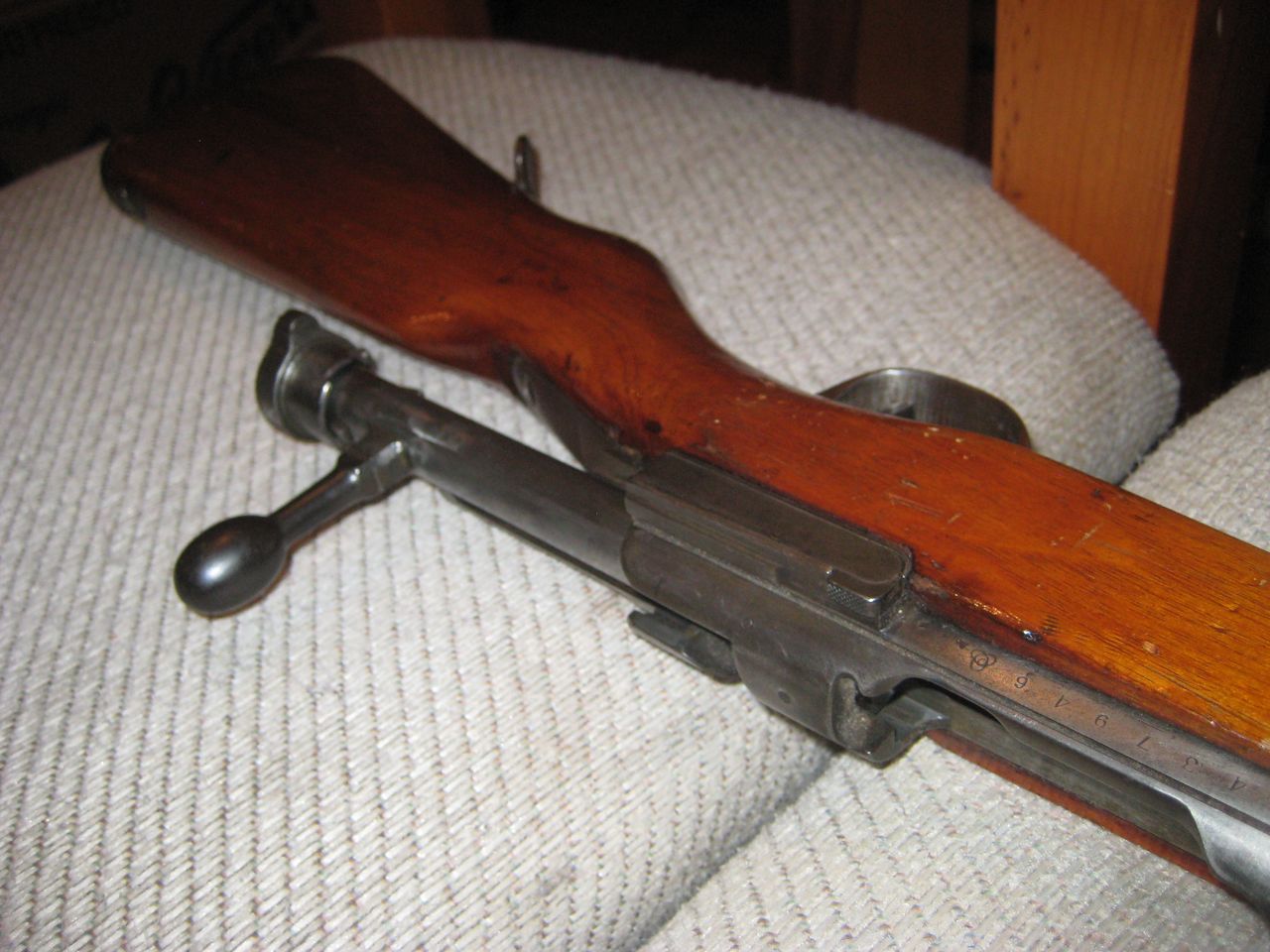
This is where the story gets a little more complicated than the popular version. Many people repeat that Japanese soldiers always ground the chrysanthemum off before surrendering the rifle. That certainly happened, and it fits the logic of preserving imperial honor. But it was not the only path.
Some rifles appear to have had their crests removed as part of organized postwar processing rather than individual battlefield acts. Others may have been altered after capture by Allied servicemen, either intentionally or through rough handling and trophy preparation. American Rifleman specifically notes that many seals were removed by both Japanese and GIs after the war.
There were also rifles whose marks were not completely obliterated. On some, the crest was lightly struck, partially filed, or repeatedly stamped over. Collector references have long noted these variations, and they matter because they hint at different chains of custody. A cleanly ground receiver ring tells a slightly different story than a lightly peened one.
In other words, there is no single “one-size-fits-all” explanation for every defaced Arisaka. The broad truth remains that the missing chrysanthemum is linked to surrender and removal from imperial control. But the exact scar on a given receiver can reflect different moments in the rifle’s journey.
What Collectors Look For Today
Among collectors, the condition of the chrysanthemum is one of the first things people check. An intact mum generally increases interest because it is less common and suggests the rifle escaped the standard surrender process. A defaced one is more common, but it is no less historical. In fact, many collectors find the ground crest emotionally powerful because it visibly records the end of Japan’s war.
Condition, originality, and manufacturing details matter too. Early Type 99 rifles with matching parts and original features often attract more attention than heavily altered late-war examples. According to American Rifleman’s surplus market reporting, Type 99 values have risen over the years, with price swinging widely based on condition, rarity, and variant.
Collectors also study arsenal marks, series numbers, stock configuration, and whether the rifle has been sporterized. Unfortunately, many Arisakas brought back after the war were modified for hunting, with stocks cut down and metal polished. That can erase important context, making the surviving untouched examples especially valuable as artifacts.
Still, even a rough rifle can tell a serious story. A ground chrysanthemum, mismatched bolt, and crude late-war stock may not win a beauty contest, but together they can speak vividly about battlefield capture, surrender, occupation, and the long afterlife of wartime souvenirs.
The Arisaka’S Reputation Has Shifted Over Time
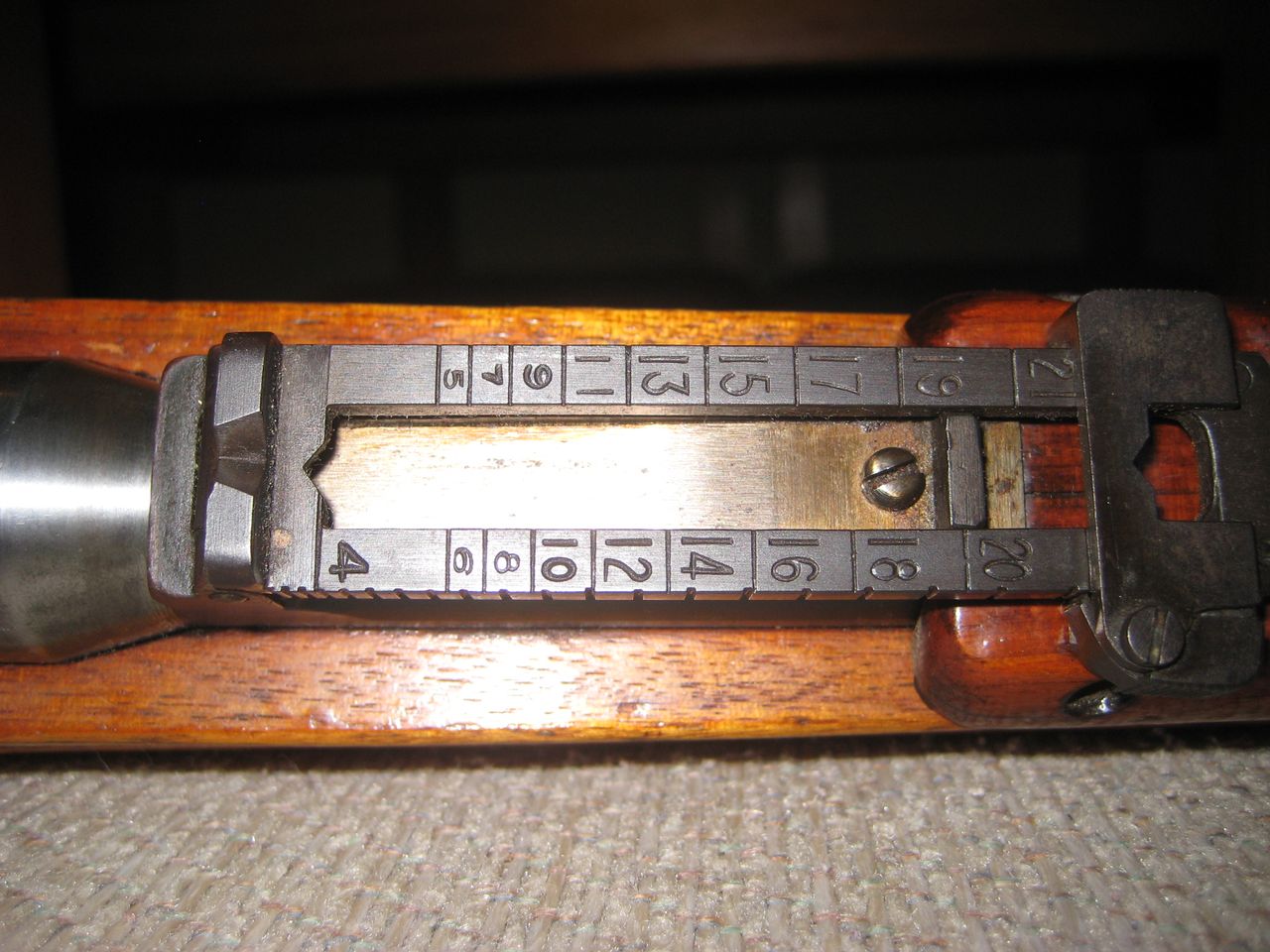
For decades, some American shooters underestimated Arisaka rifles because many encountered only worn, late-war examples. That created a mistaken impression that all Japanese rifles were crude. In reality, earlier Arisakas were often very well made, and firearms historians have repeatedly pointed to the strength of the action and the quality of pre-late-war manufacturing.
The Type 38 especially developed a reputation for toughness and smooth function. The Type 99 added a more powerful cartridge and remained Japan’s principal wartime rifle, even though production pressures steadily stripped features away. HistoryNet and other military history outlets have noted that both models served side by side through the war’s final phase.
That shift in reputation matters because it changes how people interpret the erased imperial seal. On a cheaply made object, a missing crest might seem like a curiosity. On a rifle now recognized as a major artifact of 20th-century warfare, the same missing crest becomes a loaded historical clue.
Today, the Arisaka is appreciated not just as a weapon, but as a document in steel. Its markings, missing markings, and manufacturing shortcuts all preserve evidence of how Japan fought, how it lost, and how that loss was literally ground into the metal.
Why The Missing Seal Still Matters
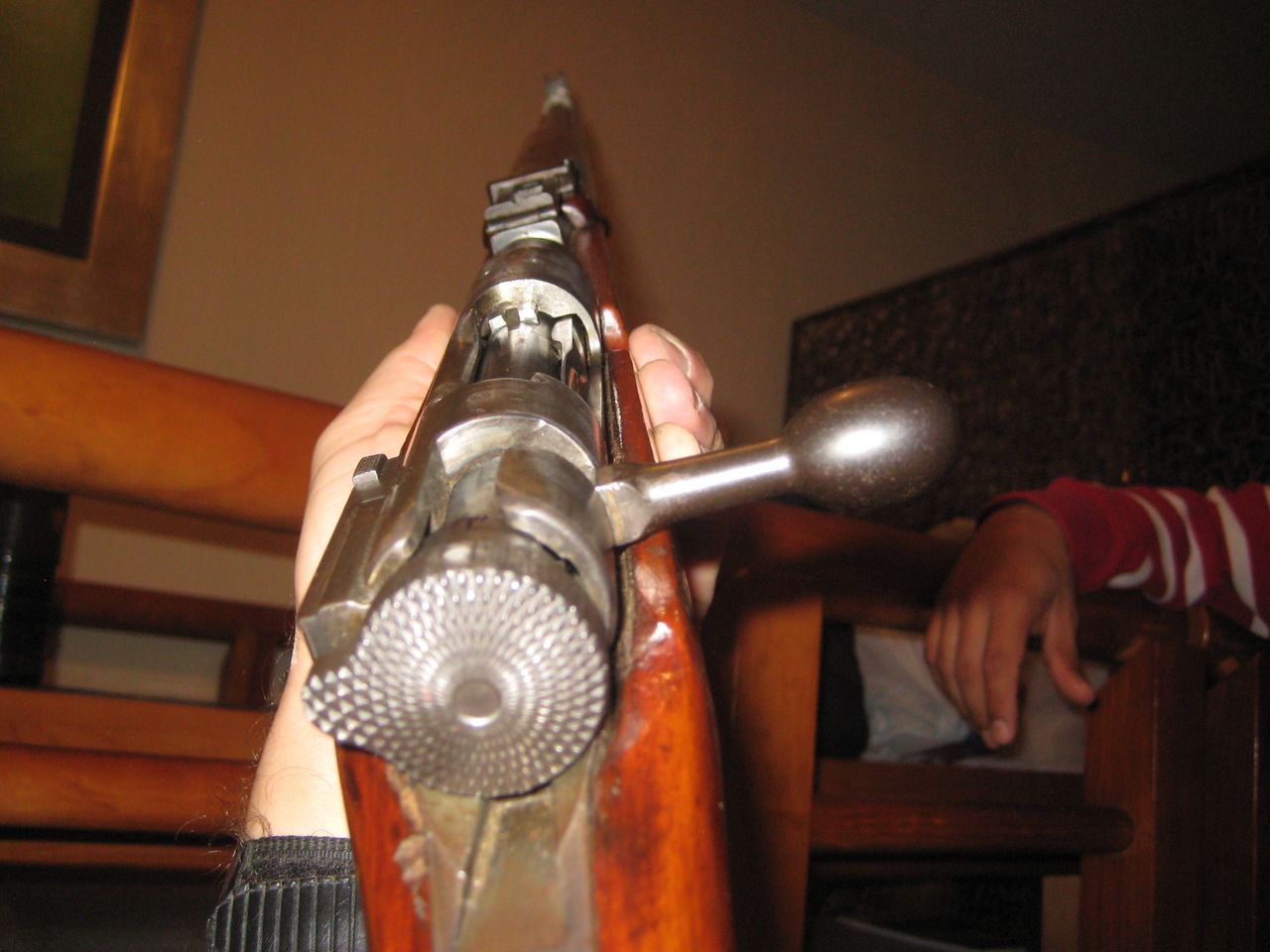
The lost emperor’s seal matters because it condenses a huge historical drama into one small, damaged patch of receiver steel. You can see empire, ideology, shame, surrender, and memory all in that blanked-out spot. Few military artifacts communicate cultural meaning so directly.
It also matters because the Arisaka sits at the meeting point of battlefield history and collecting culture. Veterans brought these rifles home. Families stored them in attics. Collectors later learned to read the mum, the arsenal stamp, and the production shortcuts almost like archaeologists reading layers of a dig.
There is something especially striking about how a symbol of absolute authority vanished at the exact moment Japan’s war ended. According to National Park Service material on August 1945, Emperor Hirohito announced Japan’s surrender on August 15, 1945. After that point, rifles once stamped as imperial property entered a completely different world.
That is why the Arisaka that lost its emperor’s seal remains so compelling. It is not just a gun with a damaged marking. It is a surviving witness to the final unmaking of Imperial Japan.