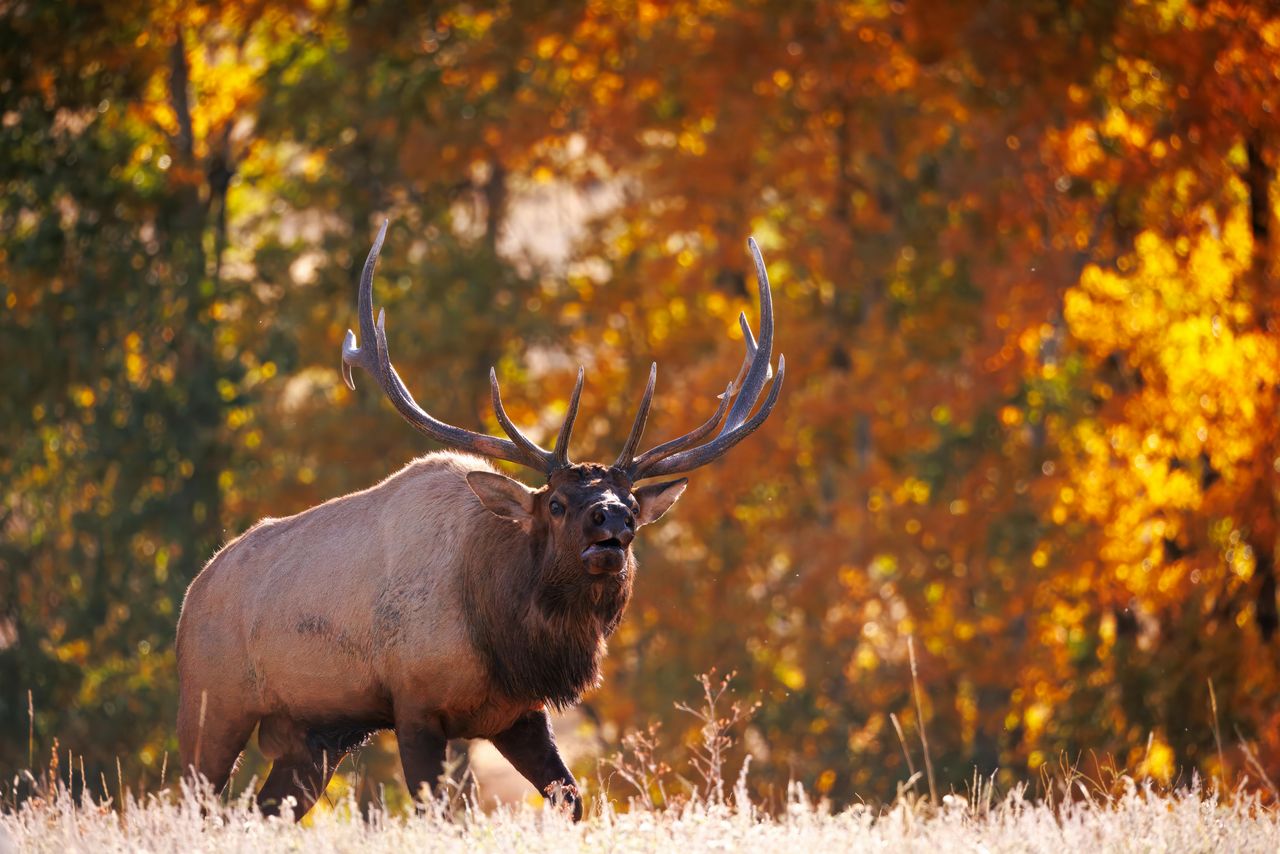
Hunters often hear that most deer live in only a small fraction of the woods, and that idea underpins what’s known as the “25% rule.” Rather than trying to blanket-hunt every corner of a property, the trick is to identify and focus on the 25% of the land that actually holds most of the deer. This principle helps sharp-eyed hunters maximize their odds by zeroing in on the most productive zones. Understanding how to apply this rule requires scouting, smart observation, and a strategic mindset.
What is the 25% Rule?
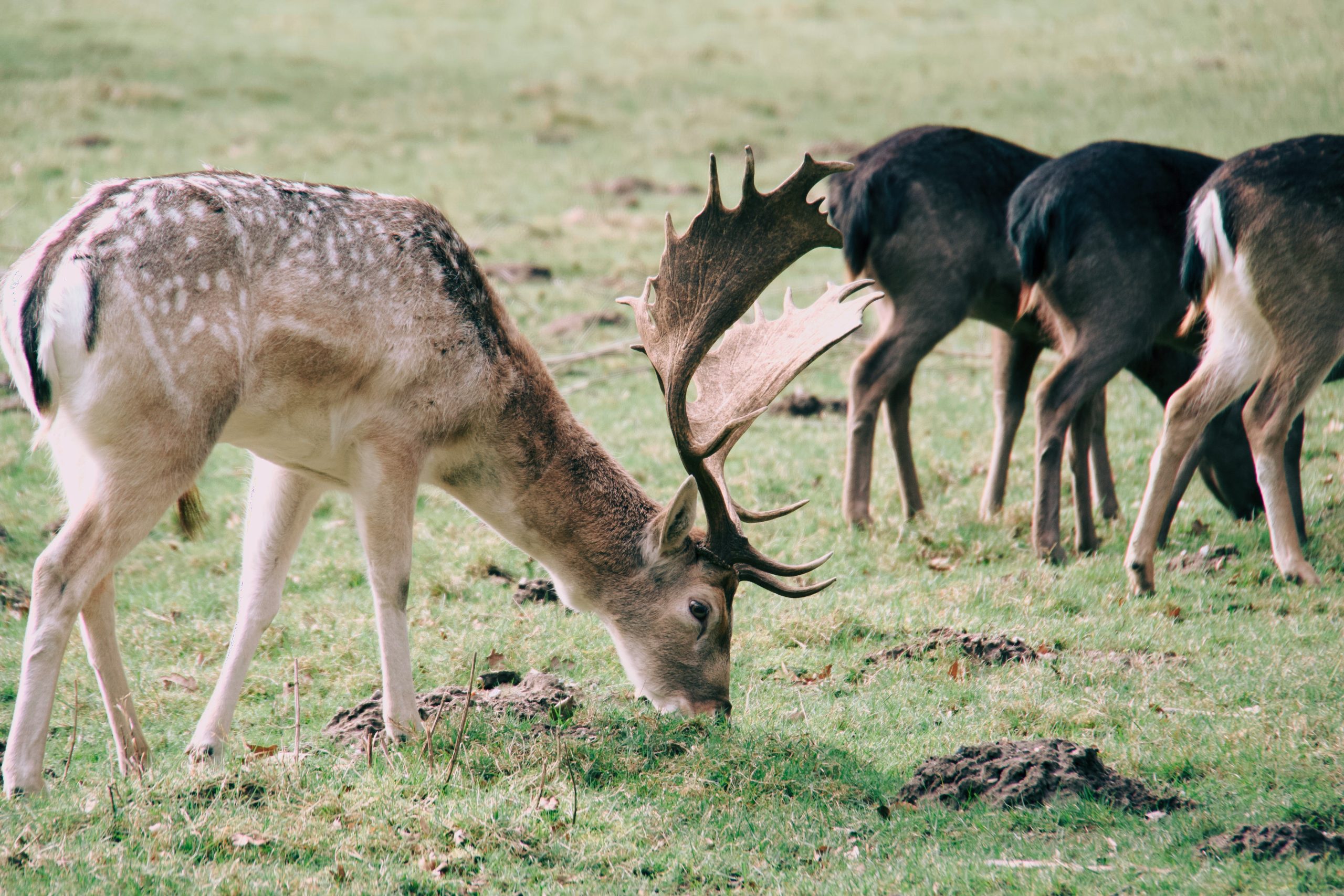
The 25% rule holds that only about one-quarter of your property will regularly hold high concentrations of deer. That doesn’t mean deer never go elsewhere, but their core habitats tend to cluster in select high-value areas. For hunters, this concept means prioritizing those zones rather than wasting time over the entire parcel. It’s a matter of working smarter, not harder, and focusing effort where deer are most likely to be found.
Why Not All Land Is Equal
Not every part of a property is created equal in terms of deer habitat. Some areas lack the food, cover, or natural funnels that attract deer. By eliminating unproductive zones, hunters can refine their focus. This filtering saves time and reduces wasted effort because instead of covering every square foot, a hunter can target the limited key zones that actually yield deer consistently.
The Role of Scouting in Finding Hotspots
Scouting is the backbone of applying the 25% rule. You need to walk, observe, and learn the terrain. That means looking for oak trees, travel corridors, low ridges, and bedding areas. It’s not just about signs like tracks or droppings; it’s reading the land itself. Summer scouting is especially beneficial, helping you map out potential high-density zones before the season begins.
Seasonal Shifts Are Real
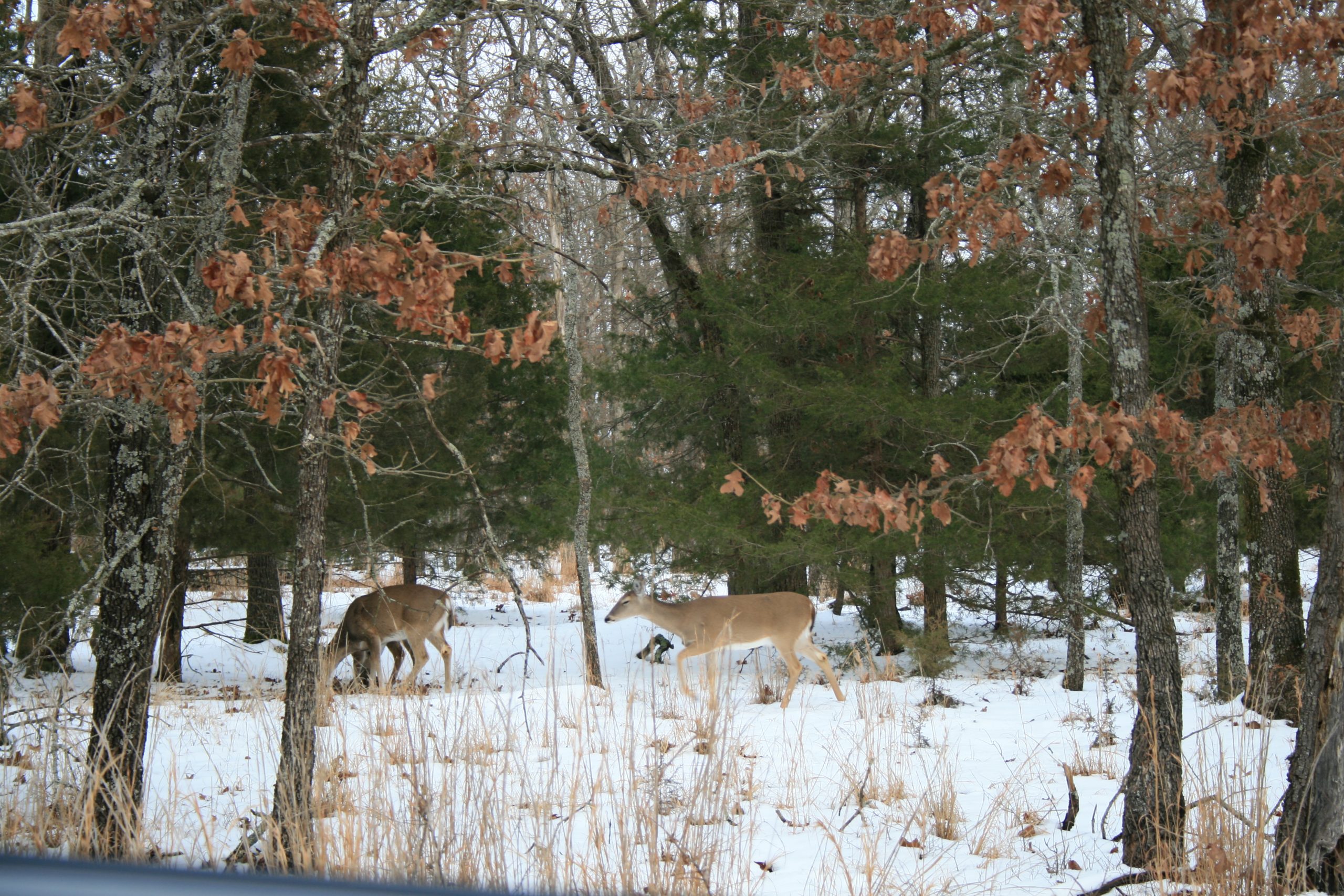
The 25% isn’t static; it changes throughout the year. As food availability, cover, and deer behavior shift, so do the areas where deer concentrate. During the early season, feeding zones may dominate; later in the season, bedding areas or travel corridors become more important. Smart hunters adapt their strategies as the season progresses, keeping pressure on active zones while others cool off.
Observation Techniques That Work
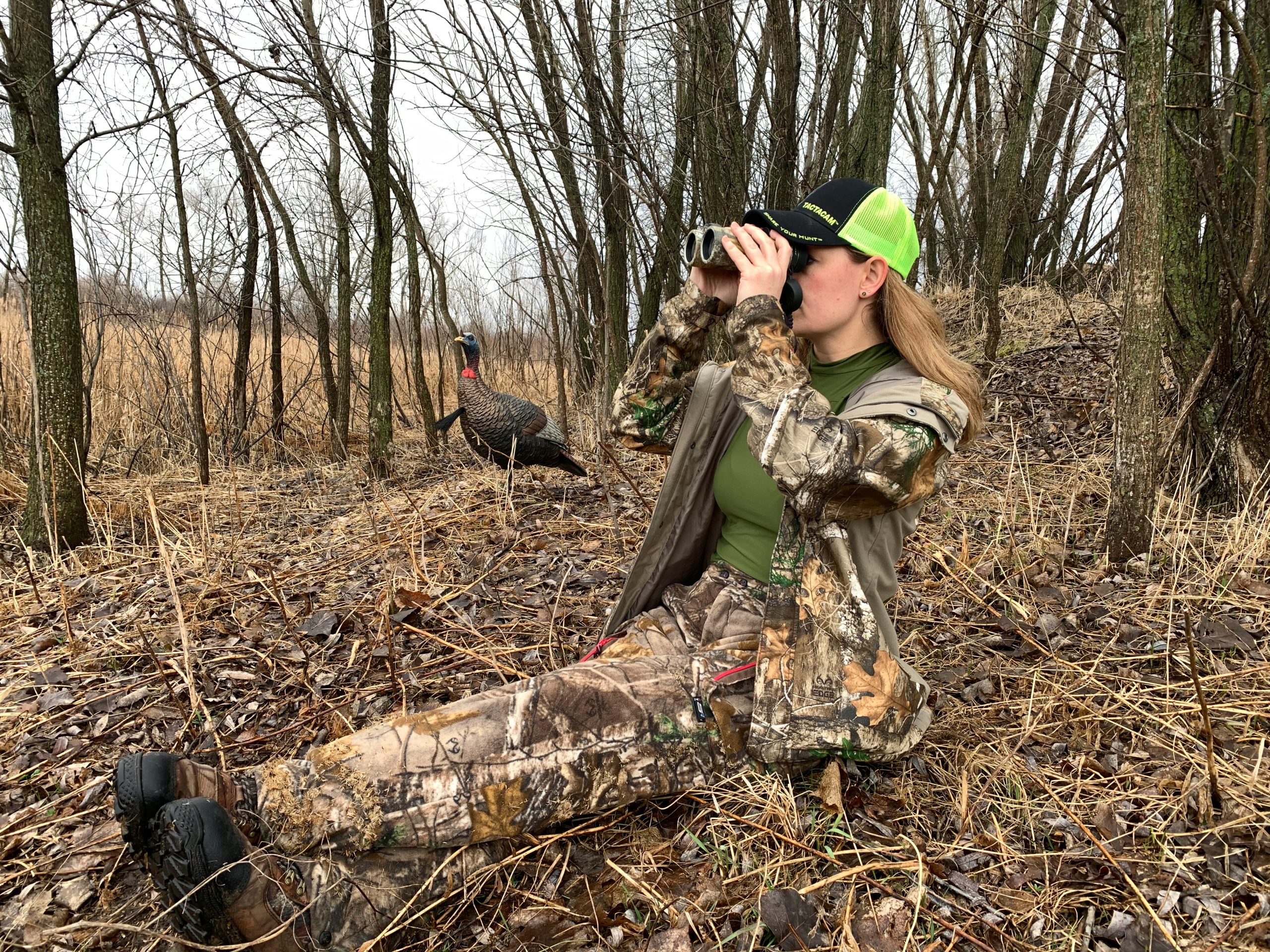
Observation matters more than brute force. Pay careful attention to rubs, tracks, droppings, and browsing patterns. Train your eyes to scan not just the ground but your surroundings. That dual awareness helps you spot subtle signs of movement before deer even show up. Over time, your ability to interpret deer behavior will sharpen, helping you zero in on the most reliable 25% zones.
Balancing Scouting Time and Hunting Time
Trying to hunt everywhere often dilutes your success. A better strategy is blending scouting and hunting. For example: spend your mornings scouting potential zones, then hunt in the afternoons or evenings in spots where you’ve seen recent sign and match favorable wind conditions. This keeps your approach fresh and informed, rather than random or overly complacent.
The Power of Consecutive Days

Stringing together multiple hunting days can unlock serious insight. One day of scouting might reveal one hotspot; the next day, you can hunt where conditions and activity coincide. If your first setup doesn’t work, be ready to move. By iterating your strategy over successive days, you adapt based on real-time deer behavior rather than guessing.
Mobility Is a Game Changer
When working with the 25% rule, mobility is crucial. Carrying a lightweight climbing stand or a portable seat gives you the flexibility to strike where the deer are actually using the land. Being willing to change locations and adjust to wind, sign, and deer movement keeps you ahead of shifting patterns, helping you stay inside that high-density quarter of land.
Why Patience and Persistence Matter
Success using the 25% rule requires discipline and endurance. It’s often not about hitting a hot spot on day one but building up knowledge through consistent scouting and observations. On slow days, don’t pack up too soon: deer may show up later, or another spot may reveal itself. Persistence pays off by helping you truly understand where deer live, rather than chasing random chances.
Long-Term Strategy and Property Potential
Using the 25% rule isn’t just about this season; it’s about unlocking the long-term potential of your land. By identifying critical zones, you can make smarter decisions about habitat improvements, stand placement, and access. Over time, this approach deepens your connection to the land. And when you combine focused effort with adaptive strategies, that quarter of high-density terrain becomes a reliable production ground.