It sounds rugged. It looks tactical. But once you move from a gun counter to an actual trail, the question changes fast.
What the M&P 15 Axe Series Actually Is

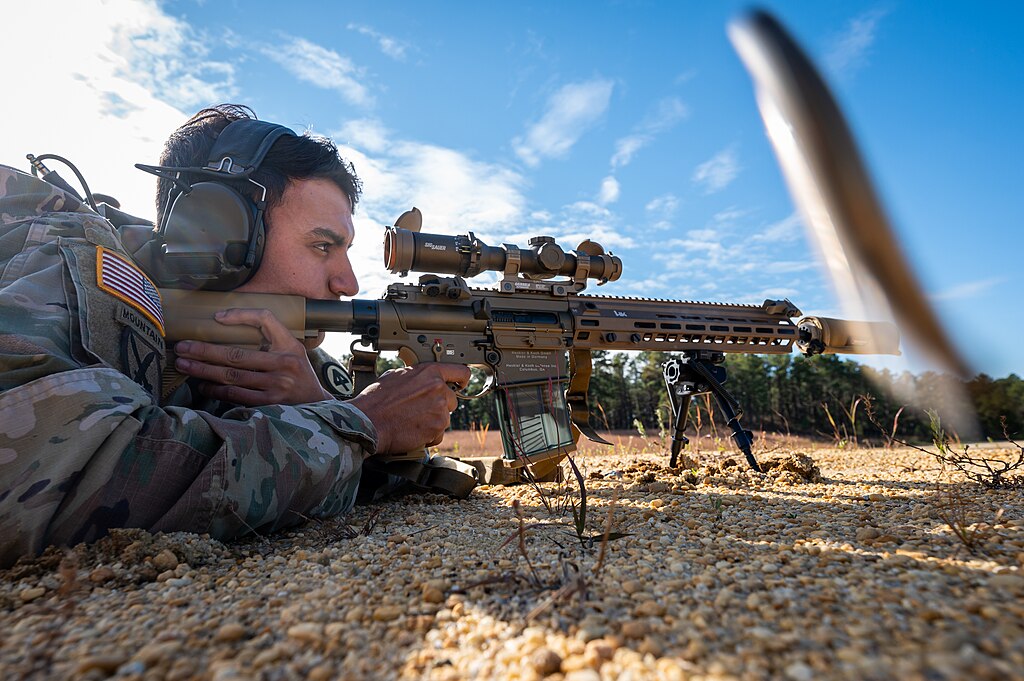
Despite the name, the M&P 15 Axe Series is not a backcountry chopping tool. It is a family of AR-style rifles that Smith & Wesson rolled out in 2025 as a premium extension of its long-running M&P15 platform. Reports from Shooting Sports USA and Guns & Ammo described four launch models built around 5.56 NATO and marketed especially toward suppressed shooting.
A major selling point is Gemtech’s GVAC gas system, which is designed to reduce gas blowback compared with a standard direct-impingement setup when a suppressor is attached. The rifles also ship with ambidextrous controls, a Radian Raptor charging handle, folding sights, and one 30-round magazine. Depending on configuration, barrel lengths run from 11.5 inches to 16.1 inches, and list prices have been reported in the mid-$1,500 to mid-$1,600 range.
That package explains the attention. In the shooting market, a suppressor-optimized AR from a mainstream brand is an easy headline. But it also explains why the product has almost nothing to do with ordinary hiking, even if the aggressive Axe branding makes it sound like a wilderness crossover.
Why the “Hiker” Angle Is Mostly a Marketing Mirage
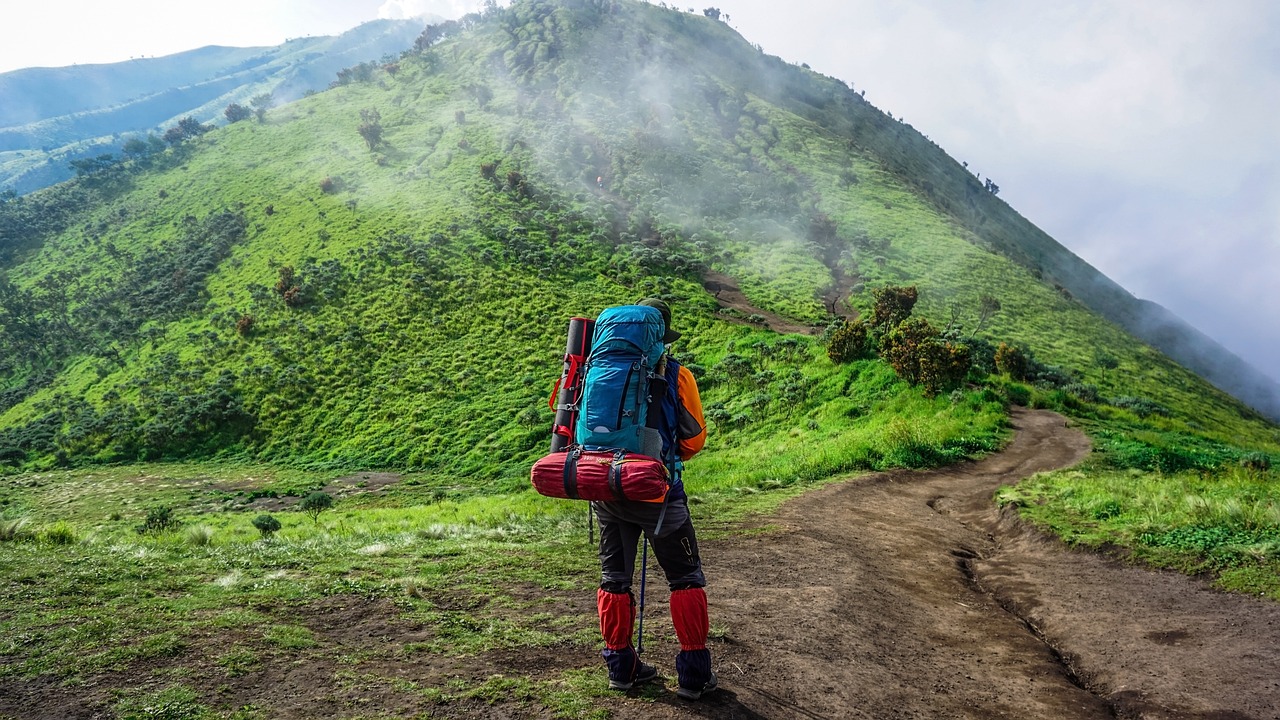
For most people, hiking means walking trails, covering miles efficiently, and managing fatigue, weather, water, navigation, and basic safety. In that world, every ounce matters. REI’s general backpacking guidance says a loaded day-hiking pack should stay around 10 percent of body weight, and a loaded backpacking pack around 20 percent, which is why seasoned hikers obsess over trimming unnecessary gear.
That matters because the outdoor industry has spent years pushing people away from heavy, romanticized “survival” loads. Backpacker has specifically listed hatchets, axes, saws, and large knives among items most backpackers can safely leave behind because they add weight without solving the problems hikers most often face. Even when you shrink the tool, the logic stays the same: if it does not directly improve navigation, shelter, water, insulation, or emergency response, it has to justify the burden.
An AR-pattern rifle is not just heavy. It is bulky, attention-grabbing, hard to secure, and mismatched to what most trail users actually need. Whatever the M&P 15 Axe may be as a range or ranch firearm, it is not a sensible default piece of hiking equipment.
The Legal Picture Gets Messy Fast

The first problem is that “can I carry this?” depends entirely on where you are, not on what a product page implies. The National Park Service says visitors may possess firearms in park areas if possession complies with the laws of the state where the park is located, but federal law still prohibits firearms or other dangerous weapons in federal facilities unless specifically authorized. That alone creates a maze for travelers who pass through visitor centers, lodges, offices, or other posted buildings.
Then there are park-specific rules. Some National Park Service compendiums go further, and certain park units restrict or prohibit possession of weapons other than firearms, or require special authorization for carrying particular implements. Arches National Park’s compendium, for example, notes permit requirements for carrying or possessing a weapon other than firearms, while other NPS materials show that axes and hatchets may be treated as dangerous weapons in some managed spaces.
So even before you debate whether carrying a rifle on a trail is wise, you have a more basic problem: the answer changes by state, by park unit, by facility, and sometimes by the exact classification of the item. For hikers crossing jurisdictions, that is not convenient. It is a liability.
Trail Safety Is Not the Same as Tactical Readiness
Some people will still argue that carrying a rifle in the backcountry is about personal protection. In a narrow set of circumstances, that conversation is legitimate. Remote travel can involve isolation, animal concerns, and delayed emergency response. But most hiking risks do not look like a self-defense scenario. It looks like dehydration, exposure, getting lost, falls, bad weather, poor footwear, and preventable decision-making errors.
Outdoor guidance from REI and Backpacker consistently centers on preparation, route planning, water, weather awareness, and knowing when to turn around. Those are the skills that repeatedly save hikers from real trouble. A firearm does not replace any of them, and in some settings, it can create new problems, especially if a carrier lacks training, local legal knowledge, or a secure transport method.
It also changes how other people experience the outdoors. Trails are shared spaces, and a visibly carried rifle can raise tensions immediately, even if the carrier has no bad intent. What feels like preparedness to one hiker may feel like intimidation or recklessness to everyone else at the overlook, trailhead, or campground.
Backcountry Ethics Point the Other Direction
There is also a basic mismatch between modern hiking ethics and the old frontier fantasy that every outdoor trip requires hardware. Leave No Trace principles, echoed by REI and Backpacker, emphasize planning, minimizing campfire impacts, leaving what you find, and keeping your footprint small. In practical terms, that means fewer tools for cutting, chopping, and altering the landscape, not more.
REI’s Leave No Trace guidance says that where fires are permitted, hikers should keep them small and use sticks from the ground that can be broken by hand. That is a direct rebuke to the classic image of strapping a hatchet to a pack and processing wood at camp. Backpacker similarly notes that many distance hikers do not do campfires at all, because the simpler and lower-impact option is usually a stove.
That mindset matters here because the Axe name invites a kind of macho crossover appeal. It suggests that wilderness competence comes from carrying more weapon-like equipment. In reality, experienced hikers usually tend the opposite way. They simplify, lighten up, and avoid gear that invites unnecessary impact, unnecessary attention, and unnecessary risk.
So Should Hikers Even Touch It?

For the overwhelming majority of hikers, no. The Smith & Wesson M&P 15 Axe Series may be a legitimate premium rifle for target shooting, property use, or lawful sport applications, and the recent coverage around its launch makes clear why gun buyers are interested. But that says nothing about whether it belongs on a trail.
If you are day hiking, the smarter carry is usually a small knife or multi-tool, extra water, a headlamp, insulation, and the rest of the Ten Essentials mindset. REI’s guidance on knives and multi-tools even frames compact folding tools as the practical choice for hiking and everyday needs, which aligns far better with what happens outdoors in real life.
The exception is a very narrow one: a legally informed, highly trained person in a specific jurisdiction and a specific backcountry context may decide a firearm is appropriate. But that is a specialized judgment, not a general hiking recommendation. For everyone else, the M&P 15 Axe is best understood as a hot-selling rifle with a rugged name, not as something hikers should treat like trail gear.