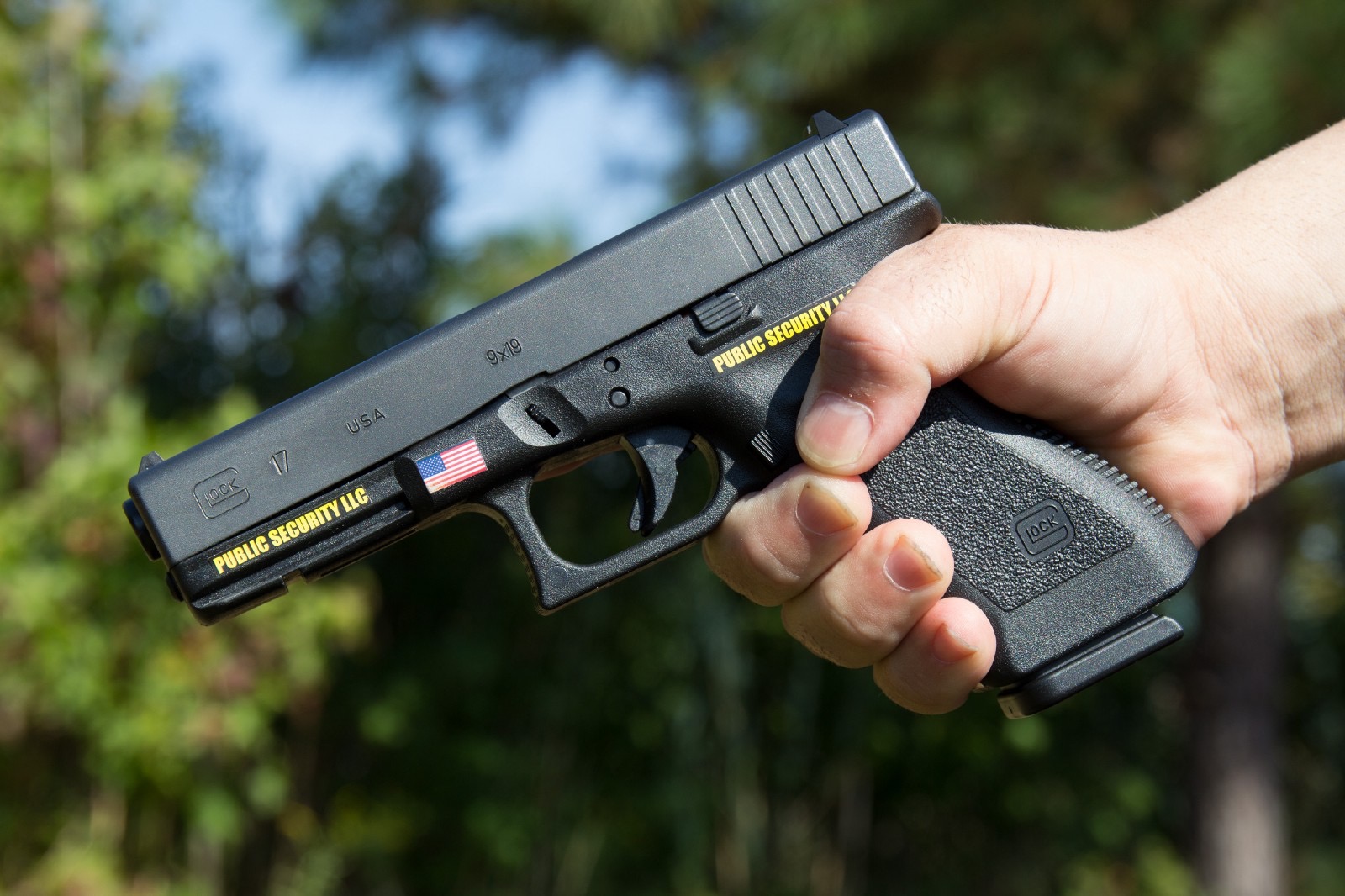
A lot of gun owners spend time thinking about caliber, optics, and draw speed. Under real pressure, though, the detail that gets forgotten most often is much simpler: where the trigger finger is before the decision to fire.
Why this tiny habit matters so much

Trigger finger discipline sounds basic, which is exactly why people underrate it. Many owners assume it is a beginner rule, something you master once and move past. In reality, it is one of the few habits that still protects you when everything else starts to break down.
The National Shooting Sports Foundation puts it plainly in its safety guidance: keep your finger outside the trigger guard or along the frame until you are actually ready to shoot. USCCA instructors make the same point and describe it as one of the most effective ways to prevent negligent discharges. That agreement matters because it reflects a rare consensus across the firearms world.
Under stress, simple mistakes multiply fast. If your finger enters the trigger guard too early, a stumble, startle response, or sudden clench can turn into a shot you never meant to fire. That is not theory. It is one of the reasons professional instructors harp on this rule long after students think they have heard it enough.
The hard truth is that gunfights, home defense incidents, and chaotic encounters rarely reward fancy technique. They reward the habits that survive panic. Finger placement is one of those habits.
Stress changes what your body can do
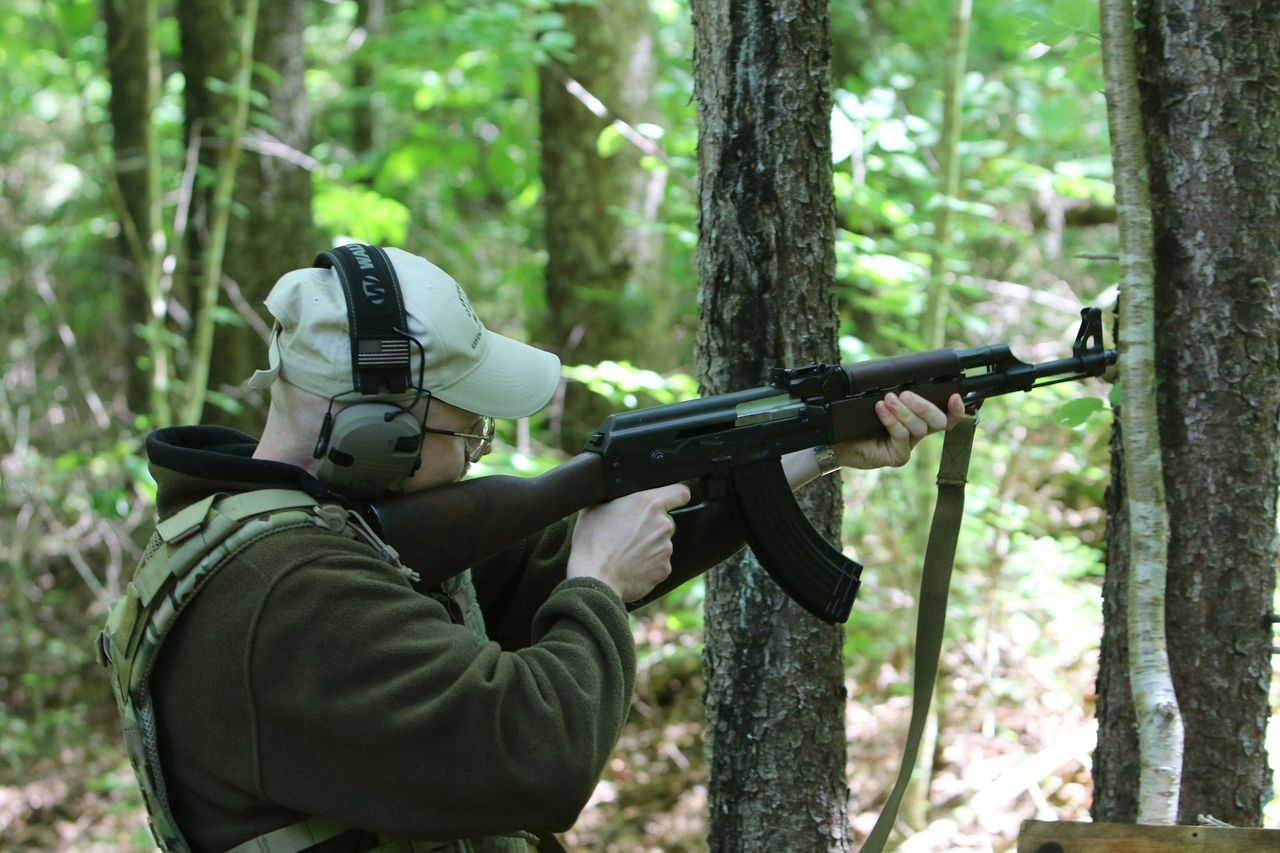
When adrenaline hits, the body does not ask whether you are an experienced shooter. It reacts the way human bodies react under threat. Trainers and law enforcement experts have long documented tunnel vision, auditory exclusion, distorted time perception, and a measurable drop in fine motor performance.
Police1 and FBI law enforcement materials both discuss these stress effects in practical terms. Under extreme pressure, people focus narrowly on the threat, breathing changes, heart rate rises, and physical control becomes less precise. That means the tiny, clean movements you can perform on a calm range become harder to manage in a real emergency.
This is where gun owners fool themselves. They think the problem will be accuracy, or maybe reload speed. Often, the first problem is much more basic: involuntary movement. If your hands tighten when you flinch, brace, push, pull, or get startled, your trigger finger can tighten too.
USCCA has specifically highlighted the sympathetic squeeze problem, where one hand or a full-body reaction causes the firing hand to contract. If the finger is already on the trigger, the gun may fire before the mind has fully caught up.
The mistake usually happens before the shot

Most people imagine a bad shot as a marksmanship failure. In real life, the more dangerous mistake often happens earlier, during movement, presentation, or contact with an uncertain threat. The gun comes out, the finger slips in too soon, and now the margin for error is gone.
That is why the phrase “until you’re ready to shoot” matters more than people think. Ready does not mean nervous. It does not mean suspicious. It does not mean moving toward a noise in the dark. It means you have made the conscious decision that deadly force is necessary.
USCCA’s training guidance frames this as both a safety and judgment issue. If the finger is on the trigger before the decision is truly made, the body can outrun the brain. In civilian self-defense, that creates not just safety problems but legal and moral ones too.
A homeowner checking a bump in the night, a concealed carrier confronting a possible threat in a parking lot, or a hunter scrambling on uneven ground all face the same risk. The danger is not only firing at the wrong target. It is firing before you intended to fire at all.
Experience does not cancel out bad habits

One reason this detail gets missed is that familiarity creates confidence, and confidence can become sloppiness. People who handle firearms often may stop giving full attention to the basics because the gun feels normal in the hand. That is exactly when shortcuts creep in.
The NSSF warns gun owners to stay constantly focused on safe handling and to understand the characteristics of the specific firearm they are using. That last part matters. Different trigger weights, frame shapes, safeties, and carry setups change how easy it is to make an unintended input under stress.
A striker-fired pistol with a relatively consistent trigger feel is not handled exactly the same way as a double-action revolver, a shotgun in a home defense role, or a hunting rifle with gloves on. The platform may differ, but the principle does not. Finger off the trigger until the sights are on target and the decision is made.
Plenty of negligent discharges involve people who are not ignorant at all. They are comfortable. They have drawn from holsters a thousand times, moved with loaded guns for years, or cleaned and handled firearms without incident. Real pressure exposes every corner they cut in practice.
What good training actually looks like
The fix is not just repeating “finger off the trigger” like a slogan. The fix is building that behavior into every repetition so deeply that it survives stress. Quality training treats trigger finger discipline as part of the entire sequence, not a separate lecture.
That means a proper master grip, a consistent draw, indexing the finger high on the frame, and only entering the trigger guard at the final moment when the sights and decision align. Instructors who work with defensive shooters often emphasize this because the draw stroke is where many preventable errors begin.
Stress-based training supports that lesson. Police trainers have long argued that realistic drills reveal whether a technique holds together once tunnel vision, noise, urgency, and physical disruption are added. Force-on-force and scenario training are valuable not because they look dramatic, but because they expose what people really do under pressure.
Dry practice can help too, if it is done safely and methodically. Rehearsing presentation, movement, verbal commands, and indexing the finger along the frame teaches the body a default pattern. Under stress, defaults matter more than intentions.
The legal and practical consequences are huge
A negligent discharge in a defensive situation is not a small technical error. It can mean injury to a family member, a bystander, or yourself. It can also destroy the legal clarity of an otherwise justified act of self-defense.
If a shot breaks early while you are moving, issuing commands, or assessing whether a threat is real, investigators will not care that you usually practice safely. They will care about what happened in that moment. A premature shot can turn a defensible story into a devastating one.
This is another reason serious trainers connect trigger discipline with decision-making, not just mechanics. The finger on the frame signals that the mind is still evaluating. The finger on the trigger signals that the decision has been made. That line must stay sharp.
For general gun owners, this lesson extends beyond self-defense. Hunting accidents, range mishaps, and home handling incidents all share the same ugly pattern: a gun is in hand, tension rises, attention narrows, and the trigger gets touched too soon. The detail is tiny. The consequences are not.
The habit that holds up when everything else falls apart
If you remember one thing, make it this: under real pressure, you will not rise to the level of your intentions. You will fall to the level of your habits. That is why trigger finger discipline deserves more respect than any accessory or range trick.
It is not glamorous, and it will never sell as many holsters as a new carry setup. But it is the habit most likely to prevent the worst kind of mistake when the heart rate spikes and the thinking gets muddy. In the hierarchy of gun skills, it belongs near the top.
The best shooters and instructors do not treat this as optional polish. They treat it as part of the decision loop itself. The trigger finger lives on the frame until the gun is on target and the shooter has consciously chosen to fire. Anything earlier invites risk.
Nearly every gun owner knows this rule. The problem is that many know it only as information, not as a reflex. Under pressure, reflex is what counts.