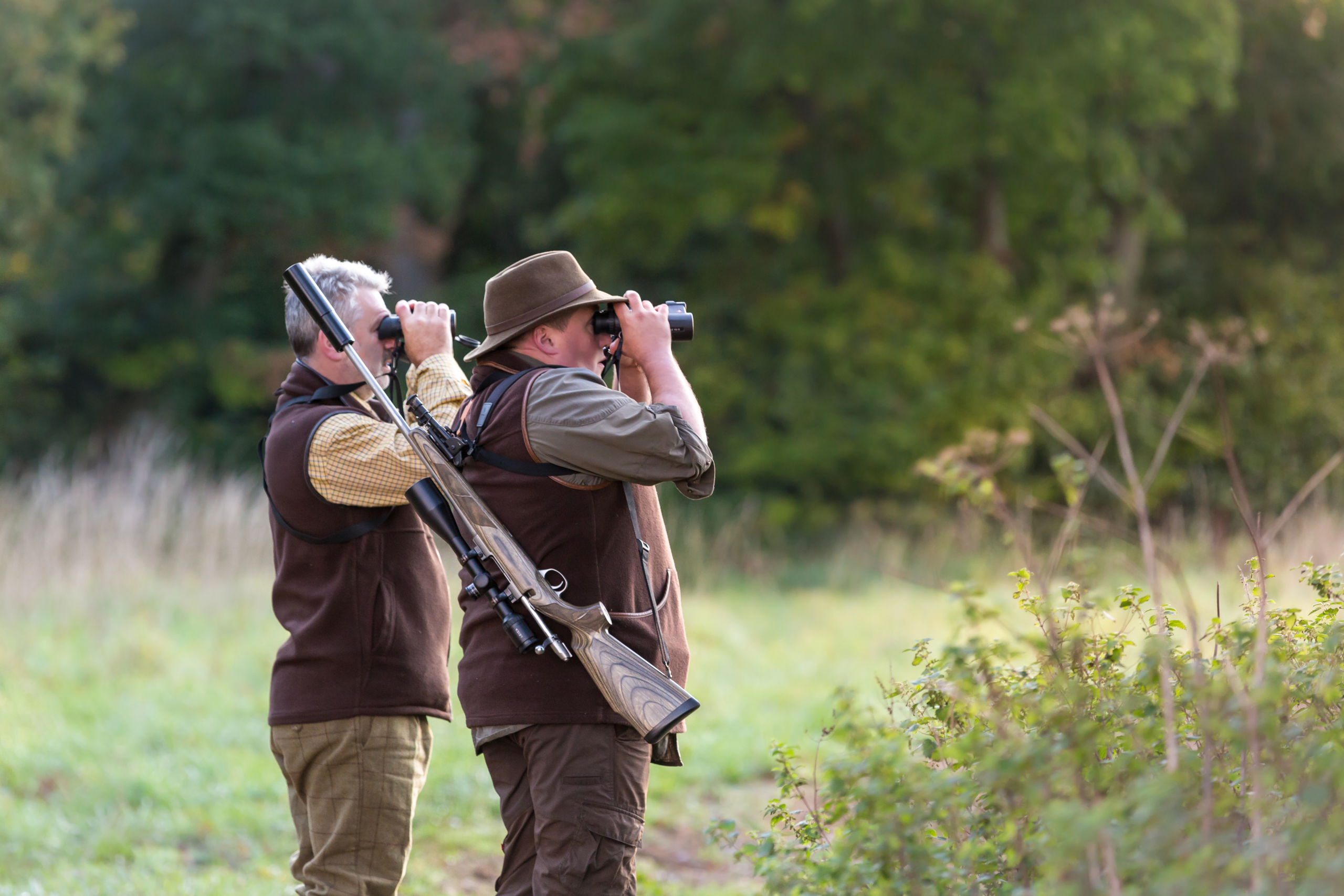
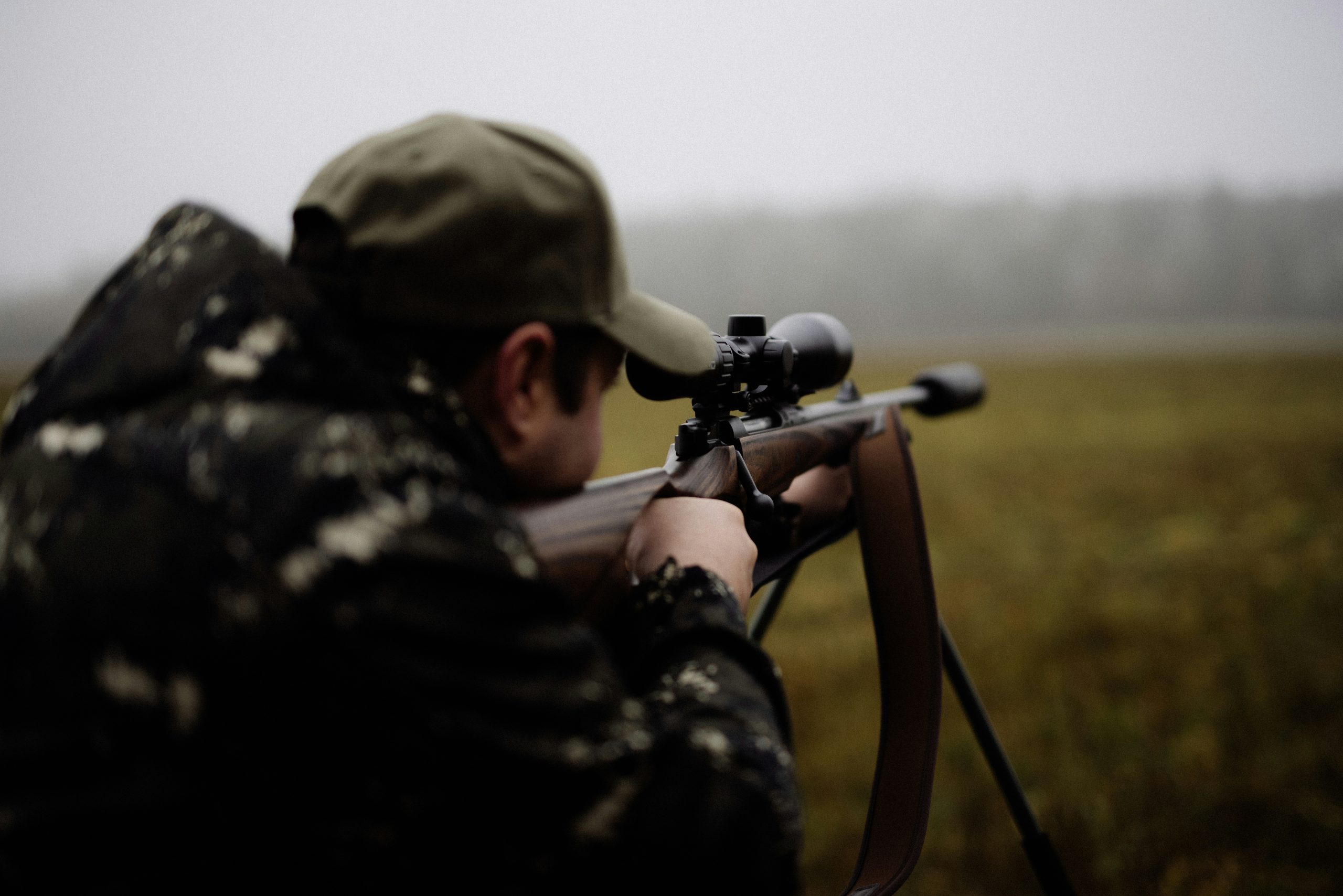
Hunting still looks rugged and old-school from the outside. But once you start adding up tags, gas, gear, apps, and access, the price tag can feel anything but simple.
The Sticker Shock Is Real

For many Americans, the first surprise is not the rifle, bow, or camouflage. It is the stack of small costs that show up before opening day ever arrives. Hunter education, licenses, habitat stamps, tags, fuel, coolers, boots, optics, processing fees, and days off work all add up fast, especially for new hunters who are starting from scratch.
The broad numbers show why people feel squeezed. The U.S. Fish and Wildlife Service reported that hunters spent heavily in 2022, with average total spending per participant at $3,146, including trip, equipment, and other expenses. That does not mean every hunter spent that amount, but it does show that hunting has become a meaningful household expense for a lot of people.
Inflation has only sharpened that perception. Ammunition, outdoor gear, trucks, lodging, and meat processing have all gotten pricier in recent years, and hunting lives in the middle of all those categories. A family that once treated deer season as a low-cost tradition may now feel like every part of the trip has a meter running.
That is why the “rich person’s hobby” label has started to stick in some corners. It is less about the simple act of hunting and more about the growing cost of doing it comfortably, efficiently, and legally in a modern system.
Big Game In The West Has Become A Premium Experience
If there is one part of hunting that truly fuels the wealth debate, it is destination big game hunting in the West. Elk, mule deer, antelope, and sheep hunts often involve draw systems, nonresident fees, preference points, travel, and sometimes outfitters. By the time a hunter even gets a tag, the bill can already be substantial.
Official state pricing makes that clear. Wyoming lists a full-price nonresident elk license at $692, while Colorado materials comparing 2025 western prices show nonresident elk opportunities commonly running hundreds of dollars before travel and gear. Montana’s 2025 regulations list a nonresident big game combination at $639. Those are not luxury-hunt totals. Those are just the front gates.
Then come the hidden escalators. Many western hunts require repeated applications, extra small-game or qualifying licenses, preference points, and time spent scouting unfamiliar country. Hunters who cannot spare flexible vacation time or afford to burn a week on an uncertain public-land hunt are more likely to pay for a guide, trespass fee, or private ranch access.
That does not mean Western hunting belongs only to the wealthy. Plenty of hunters still do these trips on a budget, sleeping in trucks, eating camp food, and hunting public land hard. But it does mean the most coveted experiences increasingly reward people who have cash, time, or both.
Access, More Than Gear, May Be The Real Class Divide

The biggest split in hunting today may not be who owns premium optics. It may be who has a good place to hunt. Access has become the currency that separates a cheap season from an expensive one, and it often determines success more than any gadget ever will.
In much of the country, especially east of the Rockies, private land dominates the landscape. OnX notes that 60 percent of land in the U.S. is privately owned, which matters because the easiest, safest, and often most productive hunting ground is frequently behind a fence or a permission gate. Hunters with family farms, ranch connections, or long-standing local relationships hold a major advantage.
Others have to improvise. Public-land hunters may drive farther, compete with more pressure, and spend money on mapping subscriptions, extra scouting trips, and backup plans. OnX also found that across 27 states, more than 30 million acres of private land are publicly accessible through voluntary access programs, showing that access solutions do exist, but they are uneven and often fragile.
That is why hunting can feel affordable in one ZIP code and almost exclusionary in another. A person with free family access to deer ground may hunt for very little. A newcomer in a suburban county may have to buy technology, drive hours, and pay for every opportunity.
Hunting Is Still Affordable In Its Most Traditional Form
It would be a mistake to say hunting as a whole has become a rich person’s pastime. In its basic form, it still can be one of the cheapest ways to spend time outdoors, especially for resident hunters pursuing local game on familiar ground. A used shotgun, a box of shells, a basic license, and permission from a landowner can still get the job done.
That is especially true for small game, waterfowl on local spots, and whitetail hunting close to home. Resident license structures in many states remain far more affordable than the headline-grabbing nonresident western prices. The old model of hunting from a hand-me-down tree stand, borrowing gear from relatives, and learning from family still exists, and for many people, it works just fine.
There is also a cultural tendency to confuse expensive hunting with serious hunting. Social media has helped create an image of the modern hunter as a consumer of premium bows, carbon tripods, leased land, cellular trail cameras, and destination trips. But none of that is required to fill a freezer or participate in the tradition.
In other words, hunting is becoming more expensive at the top end faster than it is becoming impossible at the entry level. The problem is that the visible version of hunting increasingly looks elite, even when the grassroots version remains accessible.
The New Hunter Faces The Hardest Climb

The person most likely to feel priced out is not the veteran hunter with old gear and inherited access. It is the beginner. Starting from zero is always expensive, and hunting now asks newcomers to cross several cost barriers at once: equipment, education, licensing, travel, and the challenge of simply finding legal ground.
That matters because recruitment is the future of the sport. The National Shooting Sports Foundation says its hunting license dashboard was created to give a timelier read on participation trends, reflecting how seriously the industry treats recruitment, retention, and reactivation. Agencies and conservation groups know that if hunting feels too complicated or too costly, people drift away before they become lifelong participants.
Access confusion adds another barrier. A beginner may need digital land ownership tools, printed regulations, species-specific season knowledge, and confidence navigating mixed public-private boundaries. Those tools are useful, but they are still another layer of expense and complexity that previous generations often did not face in the same way.
This is where hunting risks becoming class-coded even if it is not technically exclusive. A newcomer with money can buy mentorship, better gear, apps, private access, and travel. A newcomer without those advantages may still succeed, but the learning curve is steeper, and the margin for error is much smaller.
Why This Matters Beyond Recreation
This is not just about who gets a nice weekend in the woods. Hunting funds wildlife management, supports rural economies, and plays a direct role in managing game populations. If participation narrows too much toward higher-income hunters, the culture and the conservation model both start to wobble.
The U.S. Fish and Wildlife Service reported that Americans spent $394 billion on hunting, fishing, and wildlife-associated recreation in 2022, with hunting remaining a major part of that economic engine. That spending supports licenses, excise taxes, conservation budgets, outfitters, small-town motels, diners, taxidermists, and meat processors. Broad participation matters because broad participation spreads both the funding and the political support.
Public access is a huge part of that equation. OnX found that voluntary access programs open more than 30 million acres across 27 states, and the report emphasizes how lease payments, liability protection, and law enforcement support help keep those acres available. The Department of the Interior has also continued emphasizing hunting and fishing access on federal lands, showing that policymakers understand access is a public issue, not just a personal inconvenience.
If hunting becomes too exclusive, wildlife agencies lose more than customers. They lose social legitimacy, future volunteers, future conservation donors, and the everyday family connection that has historically kept hunting rooted in ordinary life.
So, Is Hunting Becoming A Rich Person’s Hobby?

The honest answer is yes in some forms, no in others. Trophy-focused travel hunts, leased private ground, guided western big game trips, and gear-heavy hunting culture are clearly drifting upscale. If that is the version of hunting a person sees online, it is easy to conclude the whole pastime now belongs to people with deep pockets.
But the broader truth is more nuanced. Local hunting remains attainable for many residents, especially when they have community knowledge, used gear, nearby land, or family tradition. The issue is not that hunting now requires wealth across the board. It is that wealth increasingly buys convenience, access, flexibility, and better odds.
That distinction matters. A sport does not have to be formally exclusive to become socially stratified. Once the best land, best tags, best time windows, and smoothest learning paths tilt toward people with money, everyone else begins hunting on harder mode.
So hunting is not fully becoming a rich person’s hobby. But parts of it absolutely are. The challenge for the next decade is whether agencies, landowners, and the hunting world can protect the ordinary, affordable version before the premium version becomes the one people think is normal.